Chapter 7. The Physics of Backscatter |
A passive tag modulates the reader's reflected signala technique called backscatter modulationto send its unique ID back. |
Summary |
Backscatter modulation is the quiet trick that makes passive RFID possible. A reader sends out a radio wave. A passive tag does not generate its own radio wave. Instead, it changes how much of the reader's wave it reflects, switching between two reflective states to encode ones and zeros. The reader sees these tiny changes in reflected power and decodes the tag's unique ID. This chapter explains the physics in plain language, then shows how backscatter works in warehouses, libraries, hospitals, toll roads, livestock tracking, retail, aviation, manufacturing, waste management, and many other industries. The goal is to make the invisible visible: to show how a simple change in reflection can map the physical world. |
|
1. The Basic Idea: Talking by Reflection |
Imagine you are standing on a hill at night. A friend across the valley shines a flashlight at you. You do not have a flashlight of your own. How can you send a message backYou could hold up a mirror and wiggle it. When the mirror faces your friend, more light goes back. When you turn the mirror away, less light goes back. Your friend sees the light flicker. If you flicker it in a pattern, you can send a message. That is backscatter in a nutshell. |
In RFID, the flashlight is the reader's radio wave. The mirror is the tag's antenna. The wiggle is a change in the tag's electrical load. The flicker is the modulated reflection. The message is the tag's ID and sometimes more data. |
The key point is that the tag does not need a battery to transmit. It only needs to change how it reflects. That change requires very little power. This is why passive tags can be so small, so cheap, and so long-lasting. |

|
2. Why Radio Waves Reflect |
Radio waves reflect when they hit something that changes the electrical properties of the space they travel through. A metal surface reflects radio waves well. A piece of glass reflects some. A human body reflects some. An antenna is designed to capture and re-radiate radio waves. When an antenna is connected to a circuit, the amount of energy it re-radiates depends on the circuit's load. |
If the load is matched to the antenna, the antenna absorbs most of the energy and re-radiates little. If the load is mismatched, the antenna reflects more energy. By switching the load between two states, the tag switches between two reflection levels. That is the basis of backscatter modulation. |
|
3. The Reader's Role |
The reader does two jobs at once. It sends a continuous radio wave to power the tag. It also listens for the tiny changes in reflection. The reader is like a person shouting across a valley while listening for an echo that changes in a pattern. |
Because the tag's reflection is very weak compared to the reader's own transmission, the reader must be good at separating the weak incoming signal from the strong outgoing signal. This is done with directional couplers, circulators, and careful antenna design. The reader also filters and amplifies the weak signal before decoding it. |

|
4. Modulation: How Ones and Zeros Are Sent |
The tag encodes data by switching its load. There are several common ways to do this. |
Amplitude shift keying: The tag switches between two reflection levels. A high reflection might mean one, and a low reflection might mean zero. This is simple and common. |
Phase shift keying: The tag changes the phase of the reflected wave. This can be more robust in some environments. |
Frequency shift keying: The tag changes the frequency of the reflected signal. This is less common in passive RFID but used in some systems. |
In many passive RFID systems, the tag uses a technique called load modulation. The tag's load changes the amplitude or phase of the reflected wave. The reader detects these changes and reconstructs the digital data. |

|
5. Why Backscatter Is So Efficient |
A passive tag does not need a power amplifier. It does not need a radio transmitter. It only needs a switch and a load. The switch can be a transistor. The load can be a resistor or a capacitor. The energy to switch comes from the reader's wave. This is why passive tags can work with very little power. |
The tag's antenna captures some of the reader's energy. That energy charges a small capacitor. When the capacitor has enough charge, the tag's chip wakes up and starts switching its load. The switching changes the reflection. The reader sees the changes and decodes the data. |
The tag can also use the reader's wave as a clock. The tag can count cycles of the wave to keep time. This is called a self-clocking or clock recovery scheme. It helps the tag stay synchronized with the reader. |
|
6. The Range Question |
Backscatter works best when the tag is close enough to the reader to capture enough energy, but far enough to avoid overwhelming the reader. The range depends on many factors: reader power, antenna gain, tag antenna size, frequency, and the environment. |
In free space, the signal gets weaker with distance. The tag's reflection also gets weaker with distance. The reader must be sensitive enough to detect the weak reflection. In practice, passive RFID ranges can be from a few centimeters to several meters. With special designs, ranges of ten meters or more are possible. |
The environment matters a lot. Metal reflects radio waves and can create nulls and hot spots. Water absorbs radio waves and can reduce range. Crowds of people can absorb and reflect. A well-designed system accounts for these effects. |
|
7. A Simple Analogy: The Shouting Game |
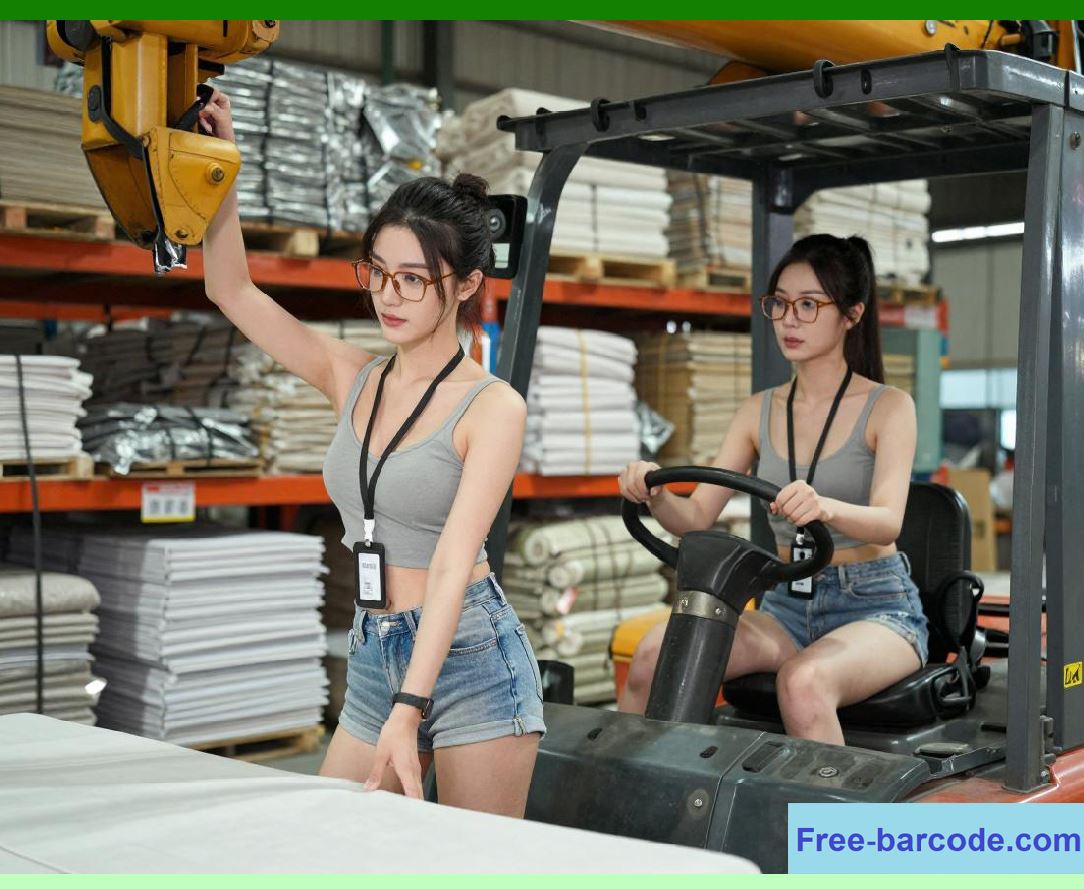
Imagine a game where one person shouts a word, and another person must repeat it without using their voice. The second person can only clap. The first person listens for the claps. If the claps are loud, that means one. If soft, that means zero. The first person can send a long message by clapping in a pattern. The second person does not need a voice. They only need hands. |
In RFID, the reader shouts. The tag claps by changing its reflection. The reader listens. The message is the tag's ID. |
|
8. From Physics to Practice: Why This Matters |
The physics of backscatter is not just a curiosity. It is the reason passive RFID is cheap enough to put on billions of items. It is the reason tags can be tiny and battery-free. It is the reason RFID can be used in places where batteries would be dangerous, expensive, or impossible to replace. |
Because backscatter is so efficient, it enables a wide range of applications. The rest of this chapter explores those applications across many industries. |

|
9. Warehousing and Logistics |
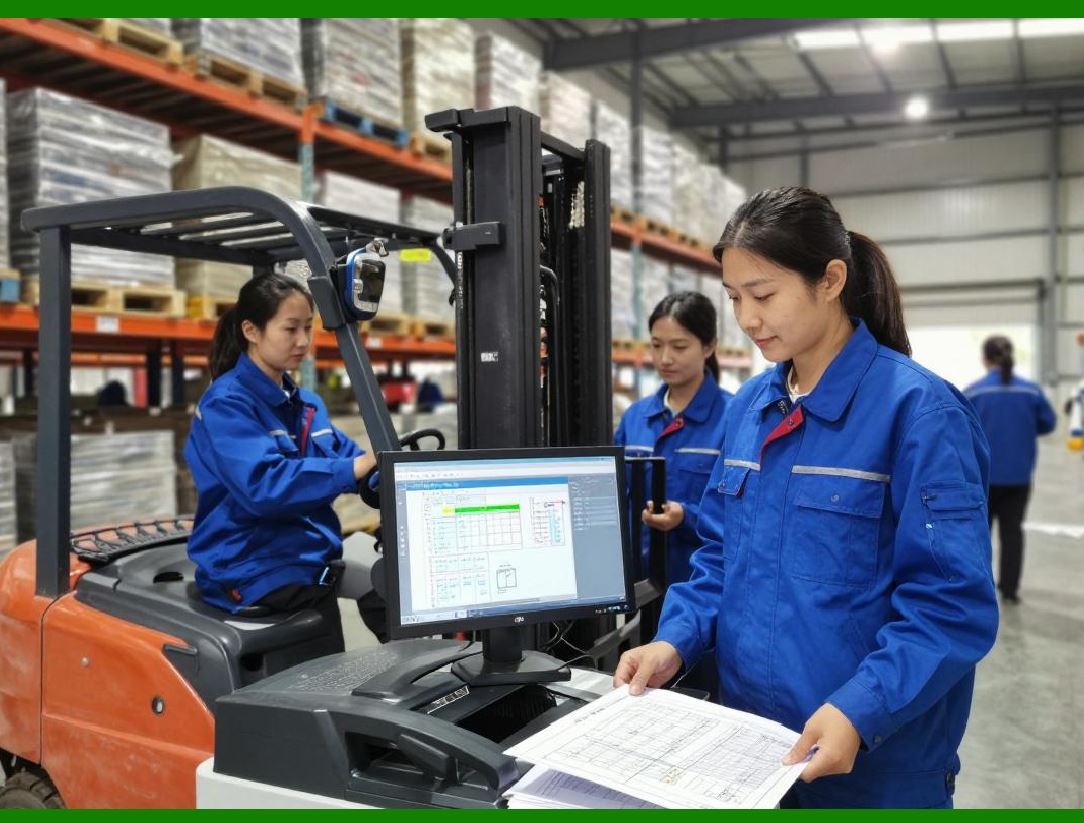
In a warehouse, thousands of items move in and out every day. A passive RFID tag on a pallet or a carton can be read automatically as it passes a gate. The tag uses backscatter to send its ID. The reader sends the ID to a warehouse management system. The system knows what arrived, what left, and what is still on the shelf. |
Backscatter makes this possible because the tags do not need batteries. A battery on every carton would be too expensive and too wasteful. A passive tag can last for years. It can be read many times. It can be thrown away with the packaging. |
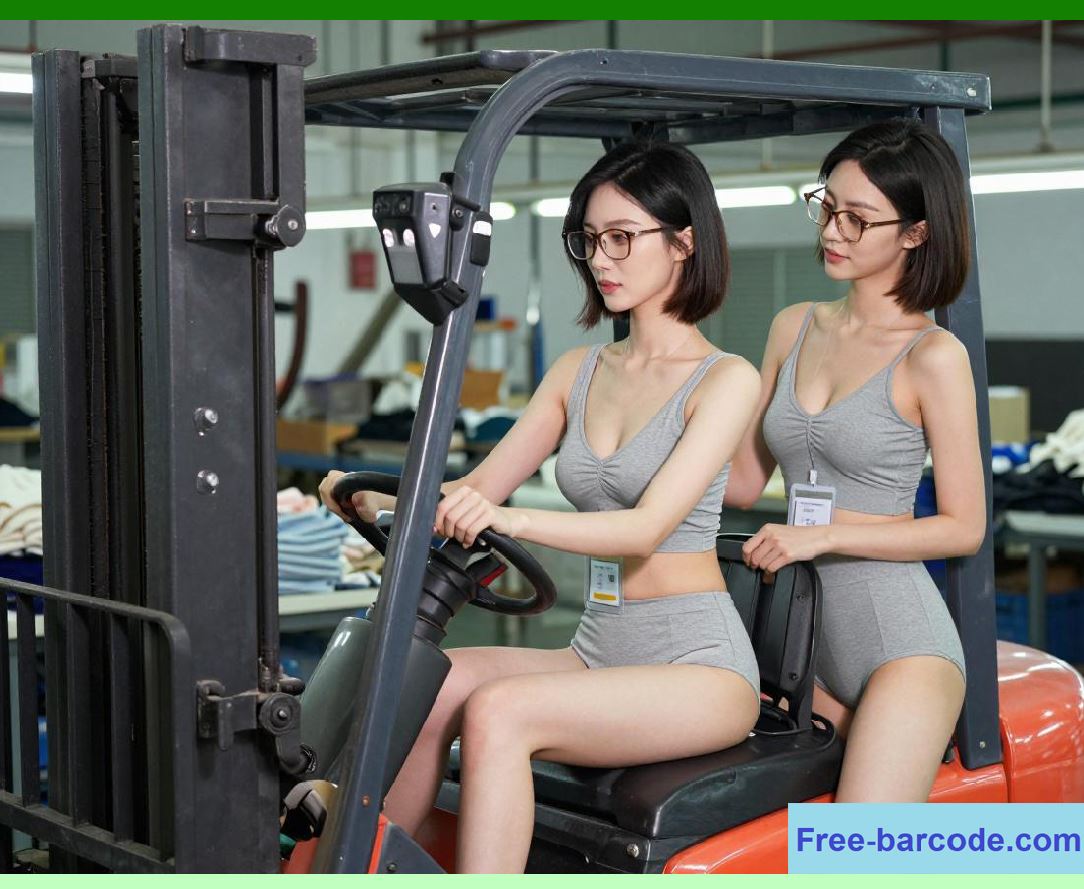
In a typical warehouse, readers are mounted on forklifts, on dock doors, and on conveyor belts. The readers send radio waves. The tags reflect them back with their IDs. The system updates in real time. Workers do not need to scan each item by hand. This saves time and reduces errors. |

|
10. Retail and Inventory |
In a retail store, RFID tags on individual items can help with inventory. A reader on a shelf or a handheld reader can count items without opening boxes. The tags use backscatter to reply. The store knows what is on the floor and what is in the back room. |
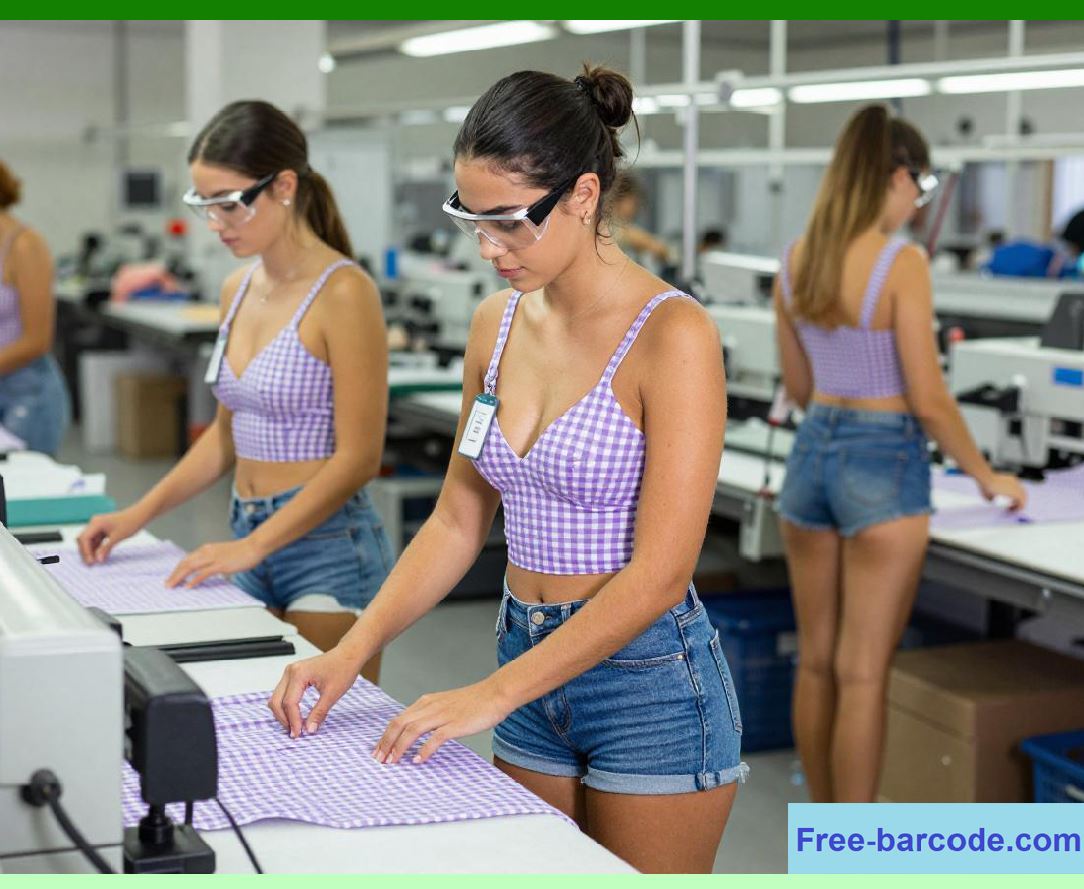
This is useful for fast-moving goods like apparel. A shirt with an RFID tag can be read at the point of sale. The tag can also be used for returns and for loss prevention. Because the tag is passive, it does not need a battery. It can be sewn into a label or attached to a hangtag. |
In a grocery store, RFID is less common for individual items because of cost and because water and metal can interfere. But it is used for high-value items and for reusable containers. Backscatter still works, but the environment is challenging. |

|
11. Libraries and Archives |
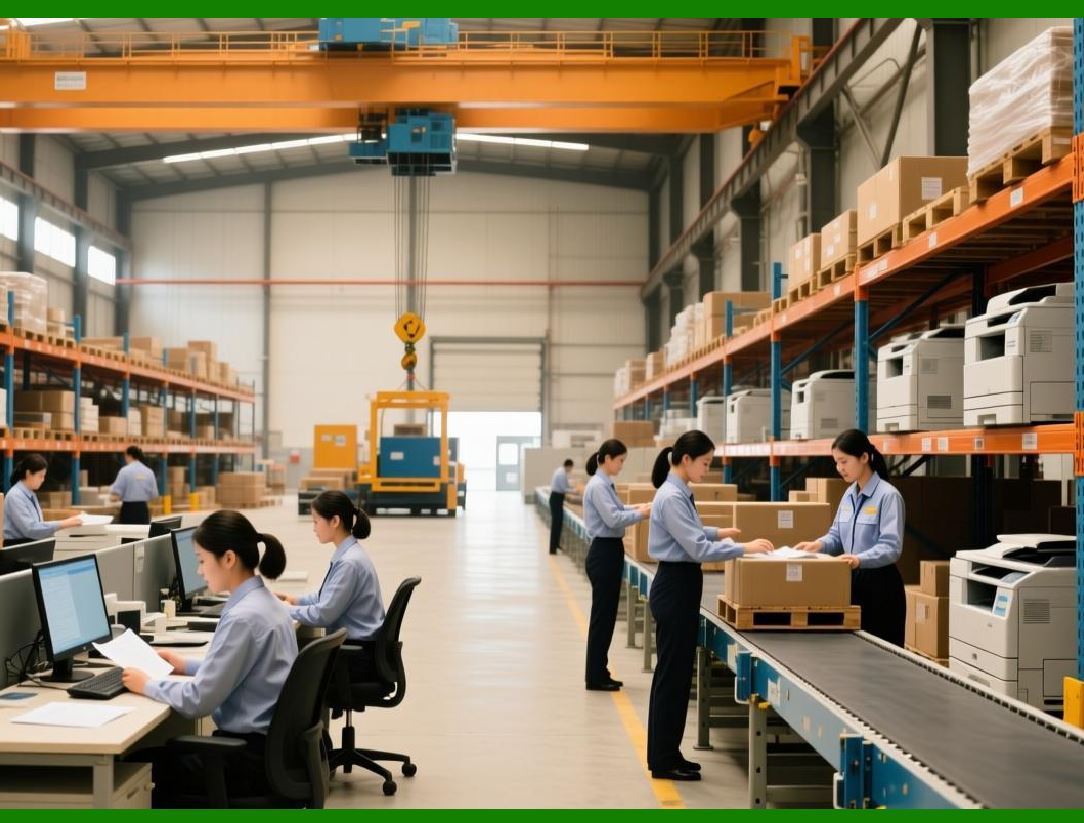
Libraries were among the first large-scale users of passive RFID. A tag inside a book can be read by a reader at a self-checkout station. The tag uses backscatter to send its ID. The system checks the book out to the patron. |
Libraries also use RFID for inventory. A handheld reader can scan a shelf and find out which books are present and which are missing. This is much faster than reading spines by hand. The tags are passive, so they last for the life of the book. They do not need batteries. |
Archives and museums use RFID to track valuable items. A tag can be placed on a box or a frame. A reader can check the item without opening the case. Backscatter makes this possible with minimal disturbance to the item. |
|
12. Healthcare and Hospitals |
In a hospital, RFID tags can track equipment, supplies, and even patients. A tag on a wheelchair or a pump can be read by readers in the hallway. The tag uses backscatter to send its ID. The system knows where the equipment is. |
This saves time for nurses and doctors. They do not have to search for a missing pump. The system can also track supplies. A tag on a tray of instruments can be read after sterilization. The system knows the tray is ready. |
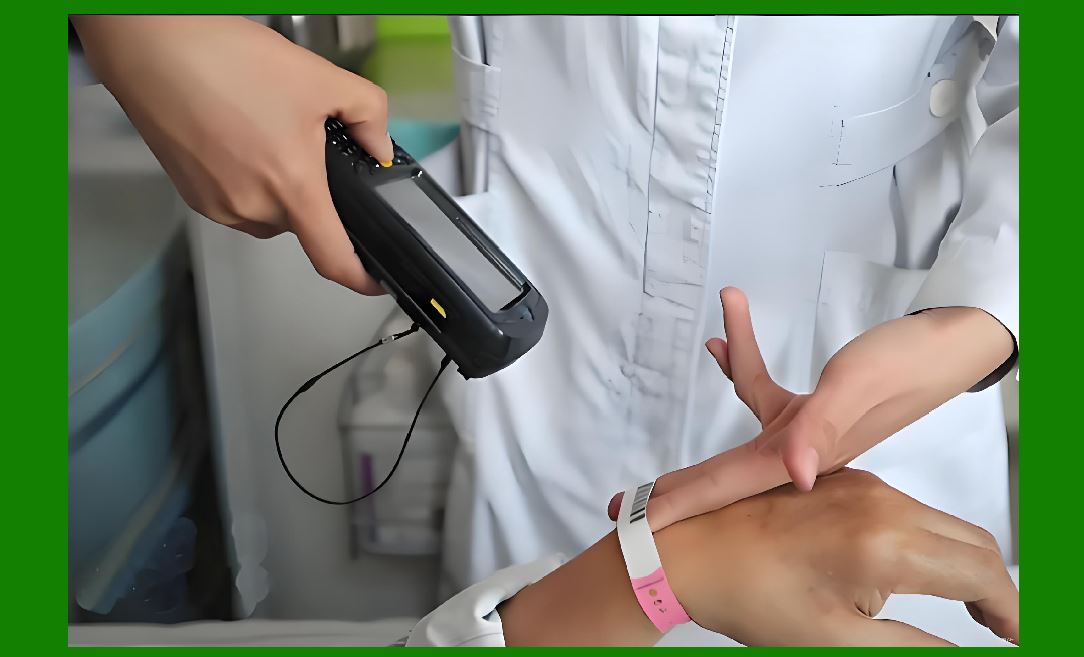
In some hospitals, RFID tags are used for patient wristbands. The tag can be read at the bedside. The system can confirm the patient's identity before medication. Backscatter makes the tag small and comfortable. It does not need a battery, so it does not need to be replaced. |
|
13. Toll Roads and Transportation |
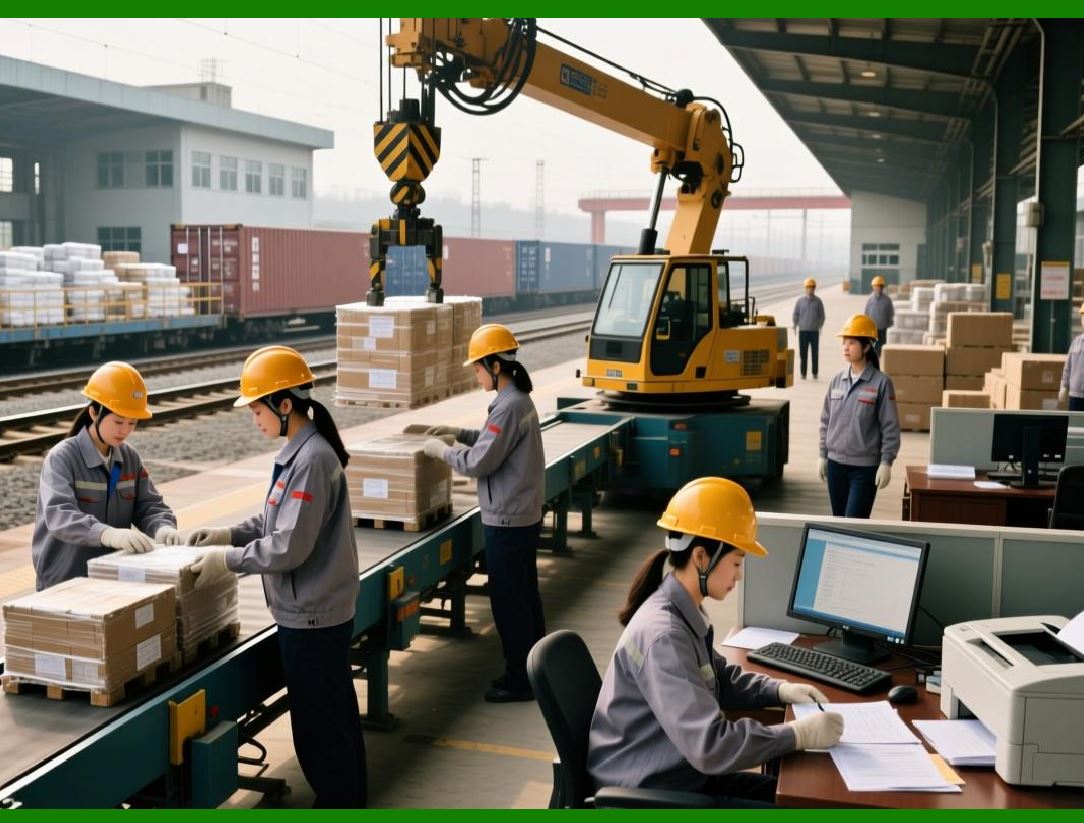
Electronic toll collection is one of the most visible uses of backscatter. A tag on a car windshield reflects the reader's signal at a toll plaza. The reader reads the tag's ID and charges the account. The driver does not stop. |
The tag is passive. It uses the reader's wave to power itself. The reflection is modulated with the tag's ID. The reader decodes it and sends it to the toll system. This happens in milliseconds. The car can pass at highway speed. |
The same technology is used for parking garages, bridge tolls, and congestion pricing. In some cities, tags are used for bus and train fare collection. The tag is read at a gate or on a bus. Backscatter makes the transaction fast and reliable. |

|
14. Livestock and Agriculture |
Farmers use RFID tags to track animals. A tag on an ear or a leg can be read by a reader at a chute or a feeder. The tag uses backscatter to send its ID. The system records the animal's weight, health, and history. |
This is useful for dairy cows. A reader at the milking station can identify each cow. The system can track milk production. It can also detect illness by changes in behavior. |
In sheep and goat farming, tags help with breeding and shearing. In poultry, tags help with flock management. In aquaculture, tags can be used on fish. Backscatter works in these environments, though water and metal can be challenging. |

|
15. Aviation and Baggage Handling |
Airlines use RFID tags to track baggage. A tag on a bag can be read at check-in, at sorting, and at loading. The tag uses backscatter to send its ID. The system knows where the bag is. |
This reduces lost bags. It also speeds up sorting. A reader on a conveyor belt can read many bags at once. The tags are passive, so they do not need batteries. They can survive the rough handling of baggage systems. |
In aircraft maintenance, RFID tags can track parts. A tag on a life vest or a seat can be read during inspection. The system knows the part's history. Backscatter makes the tag small and light. It does not interfere with the aircraft's systems. |
|
16. Manufacturing and Industrial Automation |
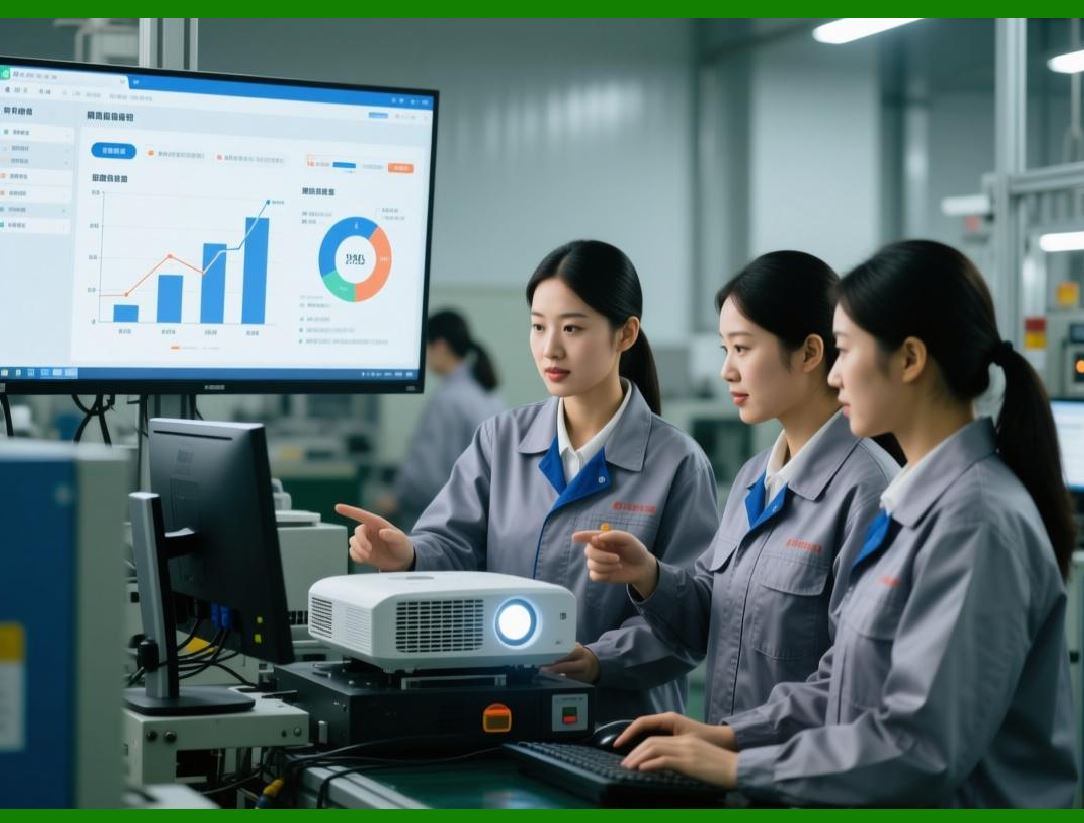
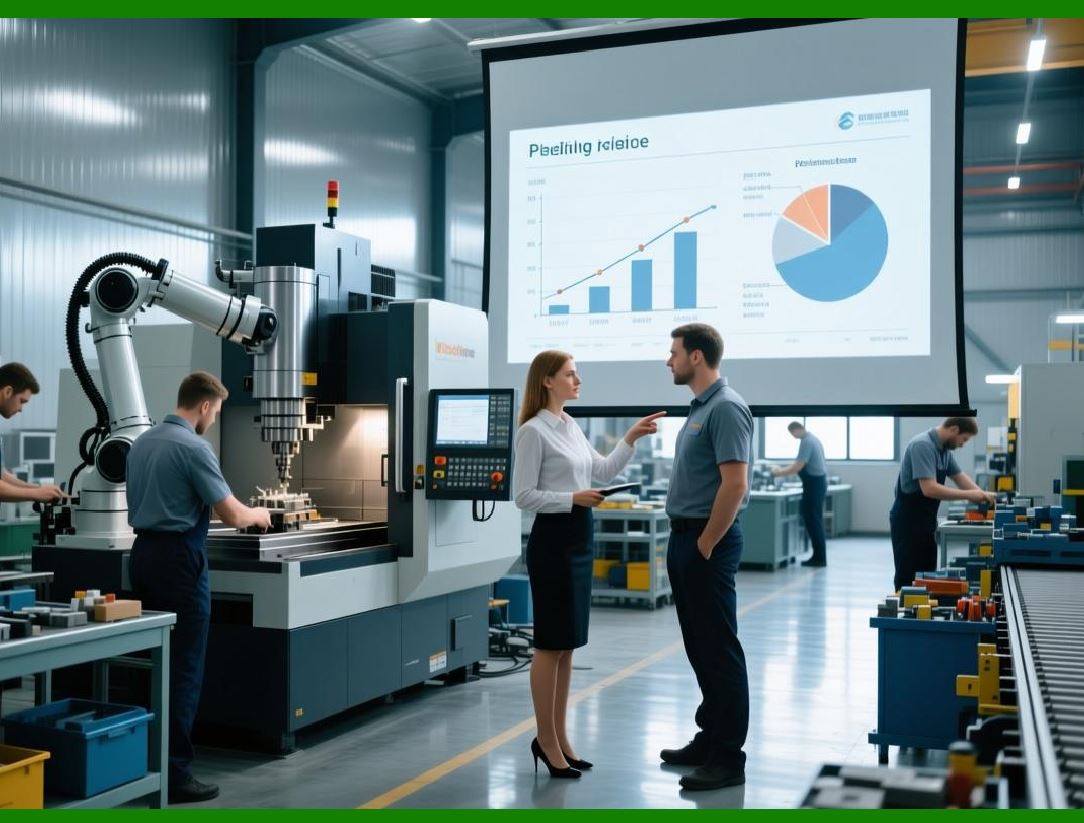
In a factory, RFID tags can track parts, tools, and work-in-progress. A tag on a pallet can be read by a reader on a conveyor. The tag uses backscatter to send its ID. The system knows what to do next. |
This is useful for just-in-time manufacturing. The system can route parts to the right station. It can also track tools. A tag on a drill can be read at a tool crib. The system knows who has the tool and when it is due back. |
In harsh environments, rugged tags are used. They can withstand heat, chemicals, and vibration. Backscatter still works, but the tag must be designed to survive. The reader must also be designed to handle noise and interference. |
|
17. Waste Management and Recycling |
Cities use RFID tags to track bins and recycling. A tag on a bin can be read by a reader on a truck. The tag uses backscatter to send its ID. The system knows which bin was collected and when. |
This helps with billing and with route optimization. It also helps with recycling. A tag on a container can be read at a sorting facility. The system knows what material is in the container. Backscatter makes the tag durable and low-cost. |
In some systems, tags are used to reward recycling. The reader reads the tag and credits the household. This encourages more recycling. The tag is passive, so it does not need a battery. It can last for years. |

|
18. Access Control and Security |
RFID tags are used for access control. A tag on a badge can be read by a reader at a door. The tag uses backscatter to send its ID. The system checks if the person is allowed to enter. |
This is common in offices, labs, and data centers. The tag can be combined with a photo ID. The reader can be mounted on a wall or a turnstile. Backscatter makes the tag small and convenient. It can be carried in a wallet or a purse. |
In some systems, the tag is used for vehicle access. A tag on a car can open a gate. The reader reads the tag and checks the database. The gate opens. This is similar to toll collection but for parking and security. |

|
19. Sports and Events |
RFID tags are used in marathons and other races. A tag on a runner's shoe or bib can be read at checkpoints. The tag uses backscatter to send its ID. The system records the runner's time. |
This is more accurate than manual timing. It also allows for real-time tracking. Spectators can follow the race online. The tags are passive, so they do not need batteries. They are lightweight and disposable. |
In other sports, tags are used for equipment tracking. A tag on a football or a helmet can be read by a reader on the sidelines. The system can track usage and maintenance. Backscatter makes the tag small and rugged. |

|
20. Food Safety and Traceability |
RFID tags can help trace food from farm to fork. A tag on a crate of produce can be read at a packing house. The tag uses backscatter to send its ID. The system records the origin and the date. |
This is useful for recalls. If a problem is found, the system can quickly identify the affected products. It can also help with freshness. A tag can be combined with a sensor to monitor temperature. The reader can read the tag and the sensor data. Backscatter makes the tag low-cost and disposable. |
In some cases, tags are used on individual items. A tag on a fish can be read at a market. The system knows where the fish came from. This builds trust with consumers. The tag is passive, so it does not need a battery. |

|
21. Mining and Construction |
In mining, RFID tags can track equipment and personnel. A tag on a helmet or a vehicle can be read by a reader underground. The tag uses backscatter to send its ID. The system knows who is where. |
This improves safety. In an emergency, the system can help locate workers. It can also track equipment. A tag on a drill can be read at a maintenance shop. The system knows when it was last serviced. |
In construction, tags can track tools and materials. A tag on a beam can be read at a site. The system knows when it arrived and where it was installed. Backscatter works in these environments, though metal and concrete can interfere. Rugged tags and readers are used. |
|
22. Maritime and Ports |
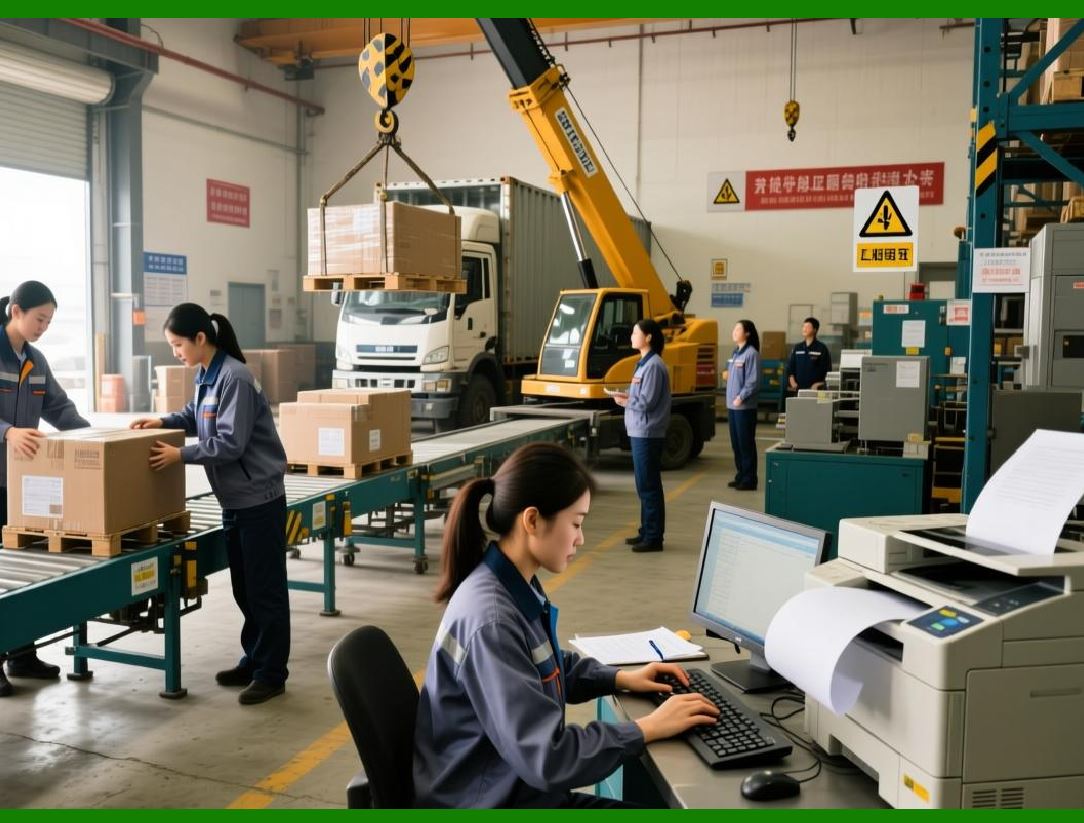
Ports use RFID tags to track containers. A tag on a container can be read by a reader at a gate or a crane. The tag uses backscatter to send its ID. The system knows which container is where. |
This speeds up loading and unloading. It also improves security. The system can detect if a container has been moved without authorization. Backscatter makes the tag durable and long-lasting. It can withstand salt air and rough handling. |
In some ports, tags are used for vehicles and personnel. A tag on a truck can be read at a gate. The system knows when the truck entered and left. This helps with traffic management. |

|
23. Smart Cities and Infrastructure |
Cities use RFID tags for many purposes. A tag on a streetlight can be read by a reader on a truck. The tag uses backscatter to send its ID. The system knows which lights need maintenance. |
A tag on a water pipe can be read by a reader above ground. The tag can send data about pressure and flow. This helps detect leaks. Backscatter makes the tag low-power and long-lasting. |
In some cities, tags are used for bike sharing. A tag on a bike can be read at a docking station. The system knows which bike is available. The tag is passive, so it does not need a battery. It can be powered by the reader. |
|
24. Entertainment and Media |
RFID tags are used in amusement parks. A tag on a wristband can be read at a ride or a restaurant. The tag uses backscatter to send its ID. The system can charge the guest's account. |
This is convenient for guests. They do not need to carry cash or cards. The tag can also be used for photos. A reader at a ride can read the tag and link the photo to the guest. Backscatter makes the tag small and comfortable. |
In museums, tags can provide information. A visitor can hold a reader near an exhibit. The tag sends its ID. The reader plays an audio guide. Backscatter makes the tag unobtrusive. |
|
25. Challenges and Limitations |
Backscatter is not perfect. It has limits. The range is limited. The signal can be blocked by metal and water. The reader can be confused by multiple tags. The tag can be detuned by nearby objects. |
Engineers work around these limits. They use multiple readers. They use antennas with different polarizations. They use tags that are designed for metal or water. They use software to filter and sort the data. |
In some cases, active tags are used instead. An active tag has a battery and a transmitter. It can send a stronger signal. It can be read from farther away. But it is more expensive and has a shorter life. Passive backscatter is often the better choice for low-cost, high-volume applications. |
|
26. The Future of Backscatter |
Backscatter is evolving. New tags can sense temperature, humidity, and motion. New readers can be embedded in phones and tablets. New protocols allow for more data and faster reads. |
In the future, backscatter may be used in smart packaging. A tag on a milk carton could tell you if the milk is fresh. A tag on a pill bottle could remind you to take your medicine. A tag on a shirt could tell you how to wash it. |
Backscatter may also be used in robotics. A robot could read tags to navigate a warehouse. It could use the tags to find objects and avoid obstacles. This would make robots more useful and more autonomous. |
In healthcare, backscatter could be used for implants. A tag on a stent could send data about blood flow. A tag on a joint could send data about wear. This would help doctors monitor patients without surgery. |
In agriculture, backscatter could be used for soil sensors. A tag in the soil could send data about moisture and nutrients. This would help farmers use water and fertilizer more efficiently. |
The physics of backscatter is simple, but the applications are vast. As the technology improves, we will see more and more uses. The silent network will continue to grow. |
|
27. Detailed Summary |
Backscatter modulation is the foundation of passive RFID. A reader sends a radio wave. A passive tag does not generate its own wave. Instead, it changes how much of the reader's wave it reflects. By switching between two reflective states, the tag encodes ones and zeros. The reader detects these changes and decodes the tag's ID. |
This chapter explained the physics in plain language. It used the analogy of a flashlight and a mirror. It described how radio waves reflect, how the reader sends and listens, and how the tag modulates its load. It explained why backscatter is so efficient: the tag does not need a power amplifier or a transmitter. It only needs a switch and a load. The energy to switch comes from the reader's wave. |
The chapter then explored applications across many industries. In warehousing and logistics, backscatter enables automatic reading of pallets and cartons. In retail, it helps with inventory and loss prevention. In libraries, it speeds up checkout and inventory. In healthcare, it tracks equipment and patients. In toll roads, it enables electronic toll collection. In livestock, it tracks animals. In aviation, it tracks baggage and parts. In manufacturing, it tracks parts and tools. In waste management, it tracks bins and recycling. In access control, it opens doors. In sports, it times races. In food safety, it traces products. In mining and construction, it tracks equipment and personnel. In maritime, it tracks containers. In smart cities, it monitors infrastructure. In entertainment, it enables cashless payments and audio guides. |
The chapter also discussed challenges. Backscatter has limited range. It can be blocked by metal and water. It can be confused by multiple tags. Engineers use multiple readers, different polarizations, and special tags to overcome these limits. In some cases, active tags are used instead, but passive backscatter is often the better choice for low-cost, high-volume applications. |
|
Finally, the chapter looked to the future. Backscatter is evolving. New tags can sense their environment. New readers can be embedded in phones. New applications are emerging in smart packaging, robotics, healthcare, and agriculture. The physics of backscatter is simple, but the applications are vast. As the technology improves, the silent network will continue to map the physical world. |
In short, backscatter is the quiet engine of passive RFID. It turns reflection into communication. It turns a simple switch into a global network. It is a beautiful example of how physics can solve real-world problems. And it is a key part of how RFID and barcodes together map the physical world. |
 cs@easiersoft.com