Chapter 70: AI-Powered Optical Recognition |
Summary |
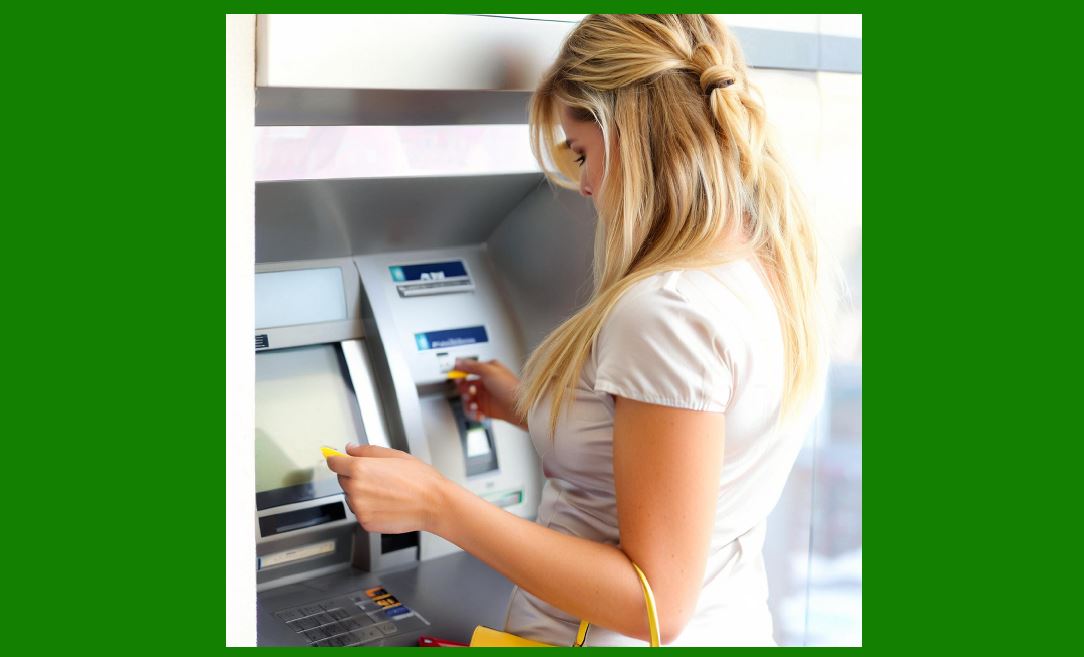
For decades, optical recognition systems have demanded near-perfect conditions. A barcode scanner needed the label to be flat, clean, well-lit, and precisely aligned with the laser. A QR code reader needed a steady hand and good focus. Optical character recognition, or OCR, software needed crisp, high-contrast text on a plain background. Anything less produced errors, rejections, or silence. That era is ending. Artificial intelligence, and specifically modern computer vision built on deep learning, is removing these constraints one by one. Today's AI-powered optical recognition systems can read barcodes that are torn, faded, curved, or partially obscured. They can decode QR codes photographed at steep angles, in dim light, or through reflective plastic wrap. They can extract printed text from photographs of messy handwritten labels, crowded shelves, and moving vehicles. This chapter explores how AI is transforming optical recognition from a fragile, condition-dependent technology into a robust, context-aware capability that works in the real world. We will look at how these systems function at a conceptual level, why they matter for the broader story of mapping the physical world, and then journey through more than a dozen industries where AI-powered optical recognition is already delivering value. From retail checkout to warehouse robotics, from hospital bedside scanning to farm field diagnostics, from postal sorting to battlefield logistics, the ability to read visual codes and text under imperfect conditions is quietly reshaping how physical objects are tracked, identified, and understood. The chapter concludes with a detailed summary of the key themes, challenges, and future directions. |
|
The Problem with Perfect Conditions |
Imagine a typical grocery store checkout in the year 2005. The cashier picks up a can of soup and swipes it across a laser scanner. The scanner emits a red line, and a photodetector measures the reflected light. For the barcode to be read, the label must be within a specific distance, oriented within a narrow angular range, and illuminated by a consistent light source. If the can is dented, if the label is wrinkled, if the ambient light is too bright or too dim, the scan fails. The cashier tries again, rotating the can slightly. Sometimes it takes three or four attempts. The customer waits. The line grows. |
This fragility was not a design flaw; it was a consequence of the technology. Traditional barcode scanners are essentially analog devices. They look for a specific pattern of black and white bars by measuring the timing of reflected light pulses. They have no understanding of what they are seeing. They cannot infer that a partially obscured barcode is still a barcode. They cannot correct for perspective distortion. They cannot distinguish between a barcode and a similar-looking pattern on a package design. They simply report what the photodiode sees, and if the signal does not match a expected pattern, they fail. |
The same limitations applied to early QR code readers. A QR code is a two-dimensional matrix of black and white squares. Traditional decoders use geometric algorithms to locate the three finder patterns in the corners, correct for rotation and perspective, and then sample the grid. If the code is blurred, if the lighting is uneven, if the code is printed on a curved surface, the geometric assumptions break down. The decoder fails. |
Optical character recognition followed a similar path. Early OCR systems, developed in the 1950s and 1960s, could only read a handful of specially designed fonts. They required clean, high-contrast images scanned on flatbed scanners. Handwriting was out of the question. Even today, many OCR systems struggle with noisy backgrounds, unusual fonts, and handwritten text. |
The common thread is that traditional optical recognition treats the image as a precise geometric or signal-processing problem. It assumes that the visual world can be reduced to clean lines, sharp edges, and consistent patterns. But the real world is messy. Labels get damaged. Packages get crushed. Lighting is unpredictable. Cameras shake. Angles are awkward. And yet, the physical world is exactly where these technologies need to work. |
|
How AI Changes the Game |
Artificial intelligence, particularly deep learning, changes the fundamental approach. Instead of relying on hand-crafted rules and geometric assumptions, AI-powered optical recognition systems learn from examples. They are trained on millions of images of barcodes, QR codes, and text under a wide variety of conditions: different lighting, different angles, different levels of damage, different backgrounds. Over time, they learn to recognize the underlying patterns even when the surface appearance is degraded. |
Think of it like teaching a child to recognize a cat. You do not give the child a set of rules about whiskers, ears, and tails. You show the child many cats in many poses, in many lighting conditions, from many angles. Eventually, the child can recognize a cat even if it is partially hidden behind a sofa or photographed in dim light. The child has learned the essential features of cat-ness, not a rigid template. |
AI-powered optical recognition works the same way. A deep neural network, trained on a large dataset of barcode images, learns the essential features that distinguish a barcode from other patterns. It learns to detect the parallel lines of a one-dimensional barcode even when they are distorted by perspective. It learns to locate the finder patterns of a QR code even when they are partially occluded. It learns to segment individual characters in a line of text even when the text is handwritten, rotated, or printed on a busy background. |
Crucially, these systems can also leverage context. A traditional scanner sees only the barcode. An AI system can see the entire scene. It can notice that the object being scanned is a cereal box, that the lighting is coming from the left, that there is a shadow across the right side of the label. It can use this contextual information to improve its interpretation. It can also combine multiple cues: if the barcode is unreadable, it can read the human-readable text below it. If the text is blurry, it can use the barcode. If both are damaged, it can use the shape and color of the package to narrow down the possibilities. |
This contextual, multi-cue approach is what makes AI-powered optical recognition so powerful. It is not just a better barcode scanner. It is a new kind of visual intelligence that can extract meaning from the physical world under conditions that would have defeated previous generations of technology. |
|
The Building Blocks of AI-Powered Optical Recognition |
To understand how these systems work, it helps to break them down into a few key capabilities. Each capability is powered by a different type of neural network or a combination of networks. |
The first capability is object detection. Before a system can read a barcode or a QR code, it must find it in the image. Object detection networks, such as the family of models known as YOLO or SSD, are trained to identify and localize objects of interest. They output bounding boxes around each detected object. In the context of optical recognition, these networks can be trained to detect barcodes, QR codes, text regions, and even specific types of labels or tags. Modern object detectors are fast and accurate, capable of running in real time on mobile devices. |
The second capability is segmentation. Once an object is detected, the system may need to separate it from the background. Segmentation networks assign a label to every pixel in the image, effectively creating a mask around the object. This is particularly useful for reading text on complex backgrounds or for isolating a damaged barcode from surrounding clutter. Segmentation helps the system focus its attention on the relevant pixels. |
The third capability is geometric correction. Traditional systems used hand-crafted algorithms to correct for rotation, perspective, and distortion. AI systems can learn to do this as well, often more robustly. A neural network can be trained to predict the corners of a QR code even when they are not clearly visible, or to unwarp a curved barcode into a flat, readable strip. This is sometimes called spatial transformer networks or differentiable warping. |
The fourth capability is classification and decoding. Once the region of interest is isolated and corrected, the system must interpret the pattern. For barcodes and QR codes, this means decoding the black and white modules into a sequence of bits and then into a meaningful identifier. For text, this means recognizing each character and assembling them into words and sentences. Deep learning models, such as convolutional neural networks and recurrent neural networks, are well suited to these tasks. They can handle noisy, low-resolution, or partially occluded inputs. |
The fifth capability is context integration. This is where AI truly shines. The system can combine information from multiple sources: the barcode, the text, the shape of the package, the color, the location in the scene, the time of day, the history of similar scans. This contextual information can be used to resolve ambiguities, correct errors, and improve overall accuracy. For example, if a barcode is partially damaged, the system might use the human-readable text to infer the missing digits. If the text is ambiguous, it might use the barcode to disambiguate. If both are unclear, it might use the product category inferred from the packaging to narrow down the possibilities. |
All of these capabilities are typically implemented as deep neural networks, trained end-to-end on large datasets. The training data is often augmented with synthetic distortions: random rotations, perspective warps, brightness changes, blur, noise, and occlusions. This augmentation helps the models generalize to real-world conditions. The result is a system that can read codes and text under conditions that would have been impossible just a few years ago. |
|
Why This Matters for Mapping the Physical World |
The broader theme of this book is how RFID and barcodes together map the physical world. Barcodes and QR codes provide a low-cost, ubiquitous way to tag individual items. RFID provides a way to read tags without line of sight, at a distance, and in bulk. Together, they create a digital layer over the physical world, where every object can have a unique identity and a recorded history. |
But this mapping is only as good as the data that goes into it. If a barcode cannot be read, the object remains invisible to the digital system. If a QR code is damaged, the link between the physical object and its digital record is broken. If text on a label is misread, the wrong information enters the database. In other words, the reliability of the physical-to-digital mapping depends on the reliability of optical recognition. |
AI-powered optical recognition dramatically improves that reliability. It reduces the number of failed scans, the number of manual interventions, and the number of errors. It allows barcodes and QR codes to be placed on curved, flexible, or irregular surfaces. It allows them to be read from a distance, at an angle, or in motion. It allows text to be read from photographs, video streams, and even handwritten notes. In short, it makes the digital mapping of the physical world more complete, more accurate, and more resilient. |
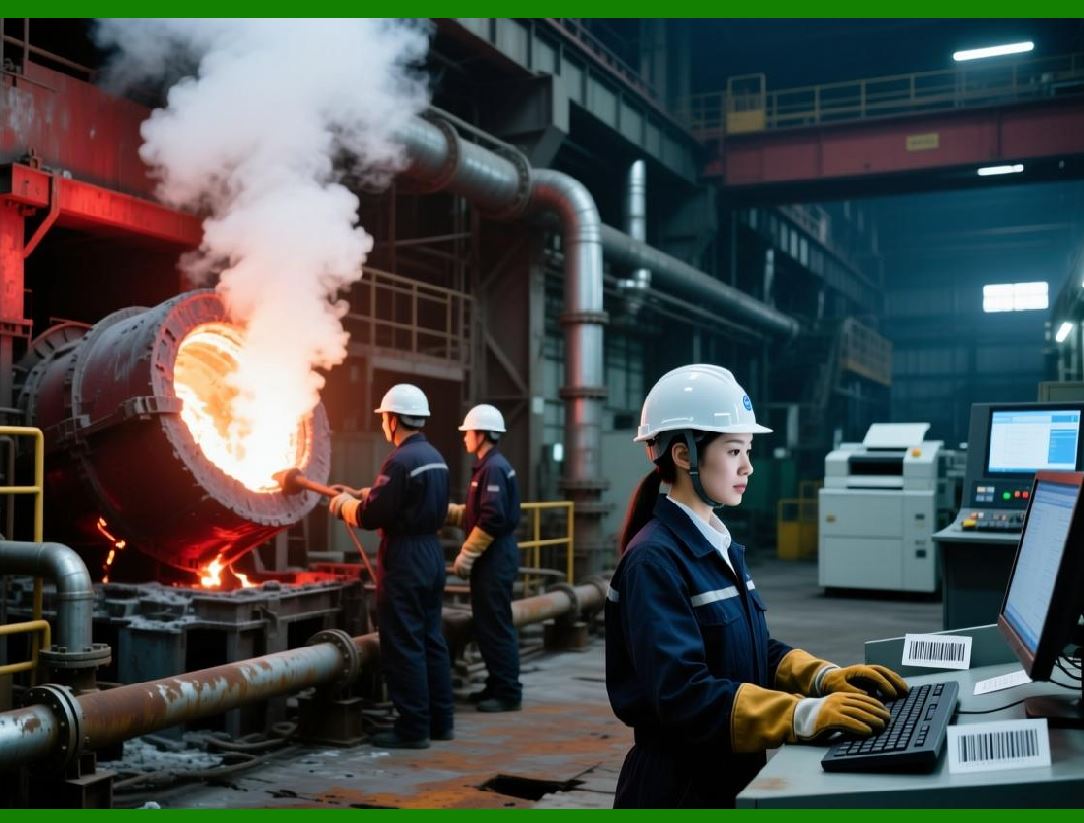
This has profound implications. In retail, it means faster checkout and better inventory accuracy. In logistics, it means fewer lost packages and more efficient sorting. In healthcare, it means safer medication administration and better patient tracking. In manufacturing, it means tighter quality control and more reliable traceability. In agriculture, it means better crop monitoring and more efficient supply chains. In transportation, it means smoother tolling and better fleet management. The list goes on. |
|
Industry Applications: A Journey Through the Real World |
To appreciate the impact of AI-powered optical recognition, it is helpful to look at concrete examples across a wide range of industries. Each industry has its own unique challenges and constraints, and each has found ways to use AI to overcome them. |
Retail and Grocery |
Retail is perhaps the most visible application of barcode scanning. Every time a cashier scans a product, a barcode is read. But traditional laser scanners struggle with damaged labels, curved surfaces, and reflective packaging. AI-powered optical recognition, often implemented as a camera-based scanner, can handle these challenges with ease. |
Imagine a grocery store where the checkout lane has a camera instead of a laser scanner. The cashier passes a bunch of bananas over the camera. There is no barcode on the bananas, but the AI system recognizes the bananas by their shape and color. It looks up the product code for bananas and adds them to the bill. This is already happening in some stores. The system can also recognize apples, oranges, and other produce that traditionally required manual entry of a four-digit code. |
For packaged goods, the AI system can read barcodes that are wrinkled, partially obscured by a price sticker, or printed on a curved bottle. It can also read the human-readable text below the barcode as a backup. If the barcode is completely unreadable, the system can use the text to identify the product. This reduces the number of times a cashier has to call for a price check or manually enter a code. |
Beyond checkout, AI-powered optical recognition is used for shelf monitoring. Cameras mounted on shelves or on robots can scan the shelves and detect out-of-stock items, misplaced products, and pricing errors. The system reads barcodes and text to identify each product and its position. This gives retailers real-time visibility into their inventory, reducing waste and improving customer satisfaction. |
|
Logistics and Warehousing |
Logistics is all about moving things efficiently. Every package has a barcode or a QR code that identifies its origin, destination, and contents. Traditional scanners require the package to be oriented correctly and the label to be clean. In a busy warehouse, this is not always possible. |
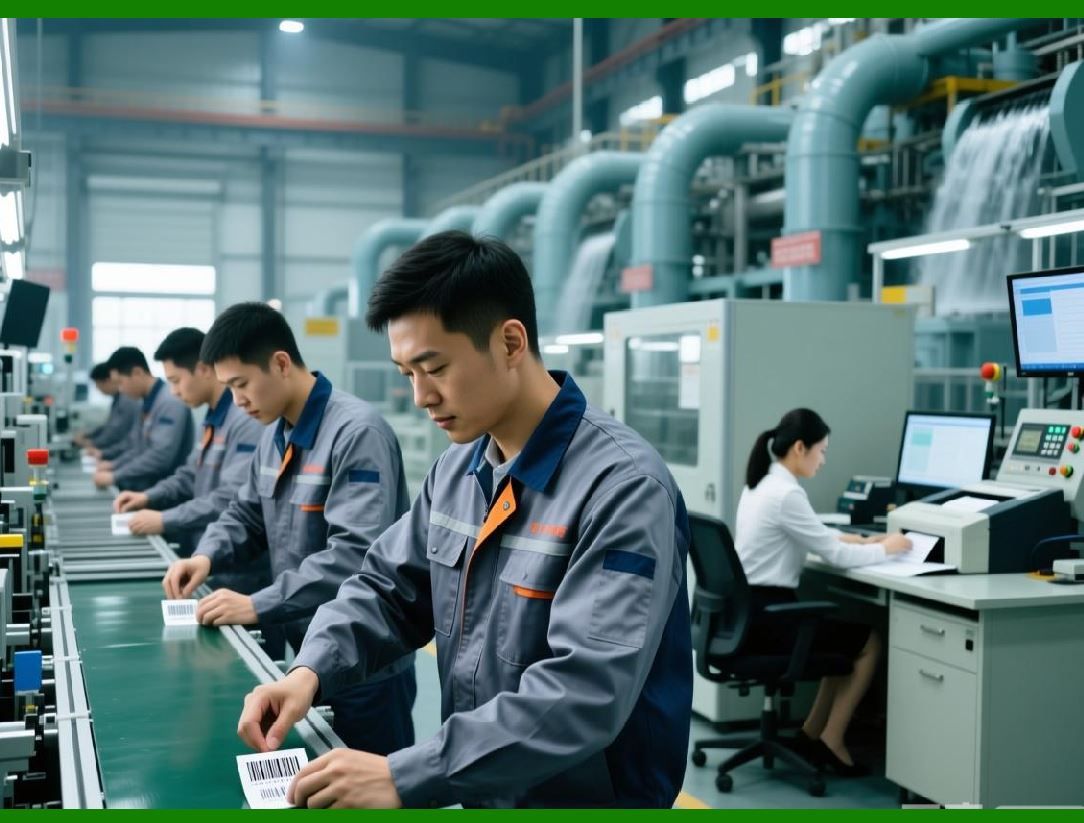
AI-powered optical recognition changes this. Cameras mounted on conveyor belts can read barcodes and QR codes from packages moving at high speed, from any angle, and in any orientation. The system can handle packages that are overlapping, that have labels partially covered by tape, or that are wrapped in reflective shrink wrap. It can also read text labels, such as addresses, even when they are handwritten or printed in unusual fonts. |
In a sorting facility, this means fewer jams and fewer misrouted packages. In a warehouse, it means faster receiving and put-away. Workers can simply hold a package in front of a camera, and the system will read the code, regardless of how the package is held. This speeds up the process and reduces errors. |
AI-powered optical recognition is also used for dimensioning and volume measurement. Cameras can capture images of a package and use AI to estimate its dimensions, weight, and even its contents. This information is used for shipping rates, load planning, and inventory management. The system can also detect damage to packages, such as dents or tears, and flag them for inspection. |
|
Manufacturing and Quality Control |
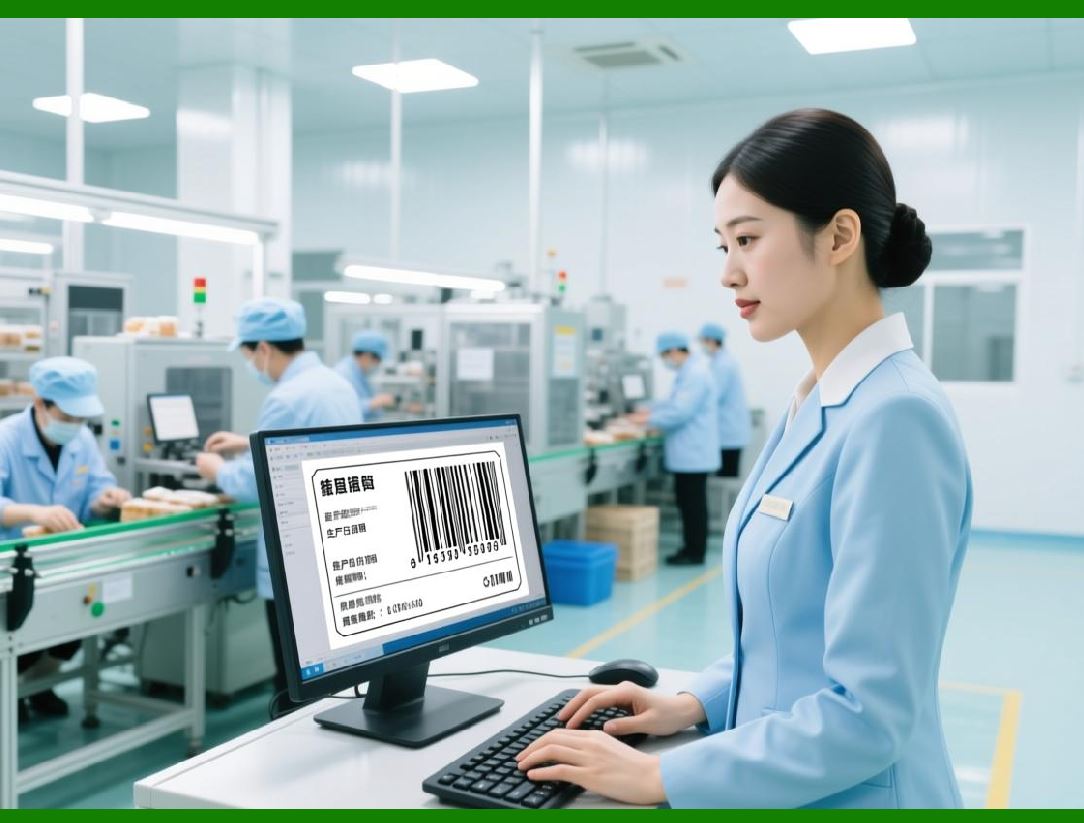
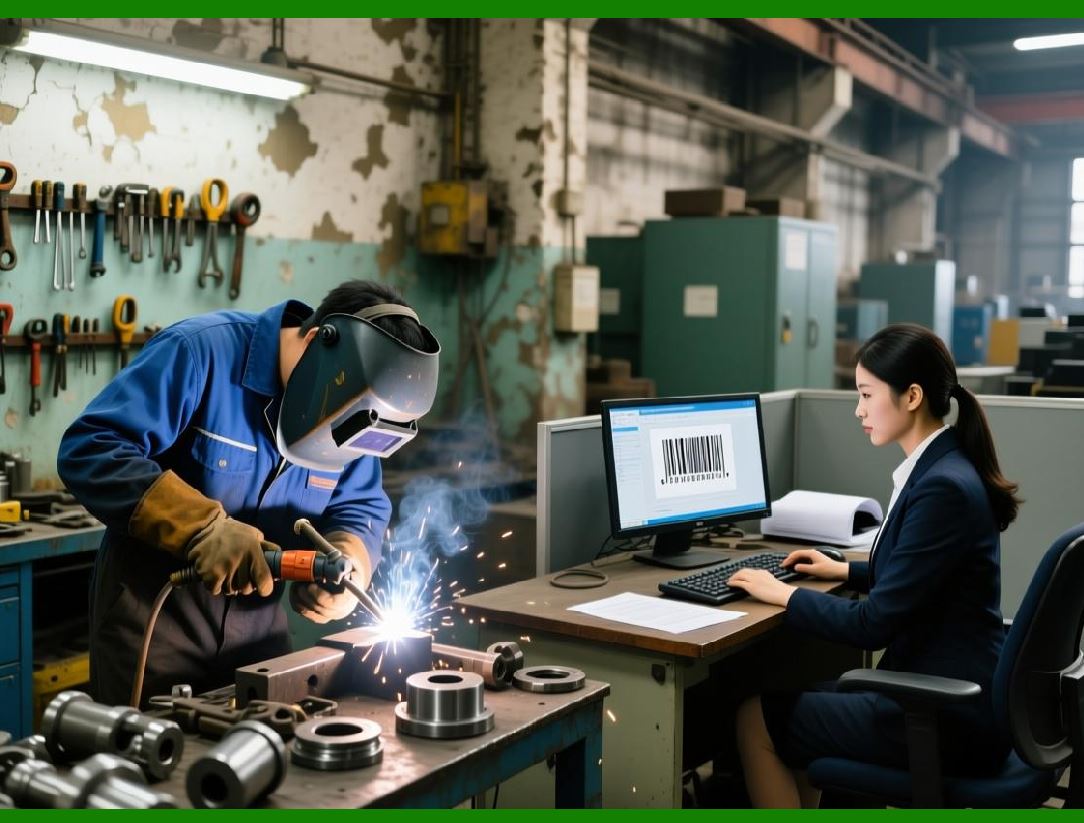
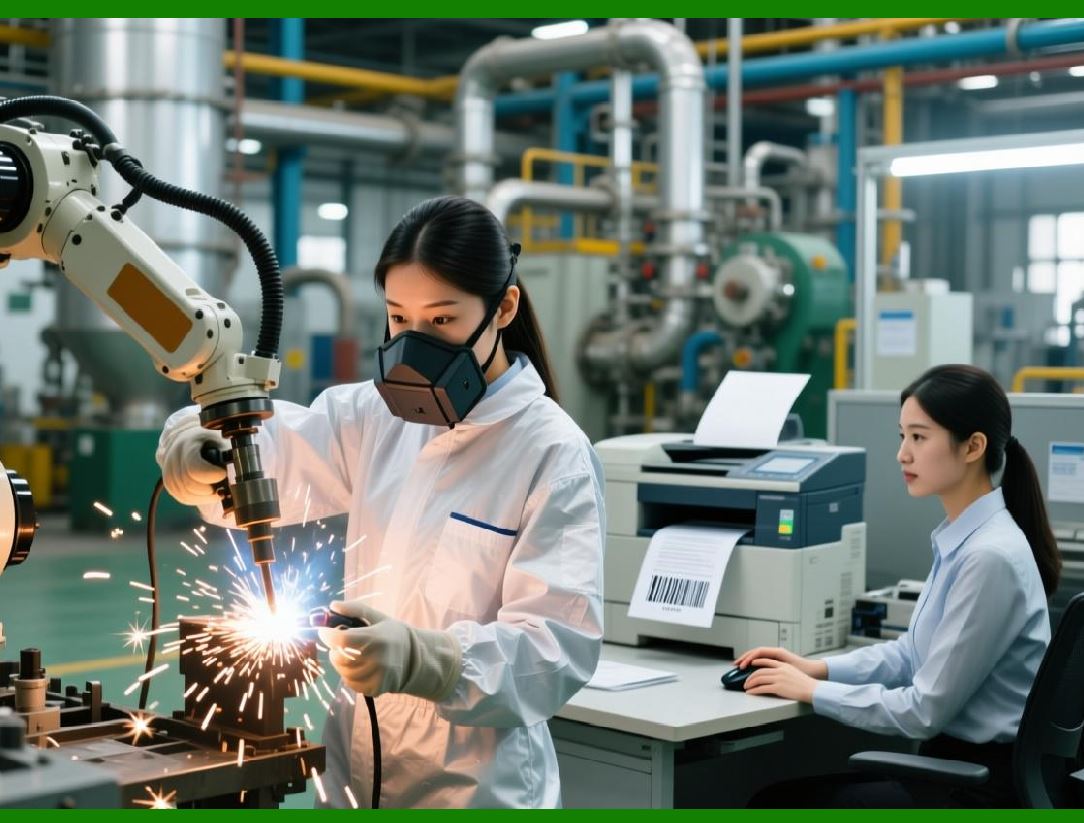
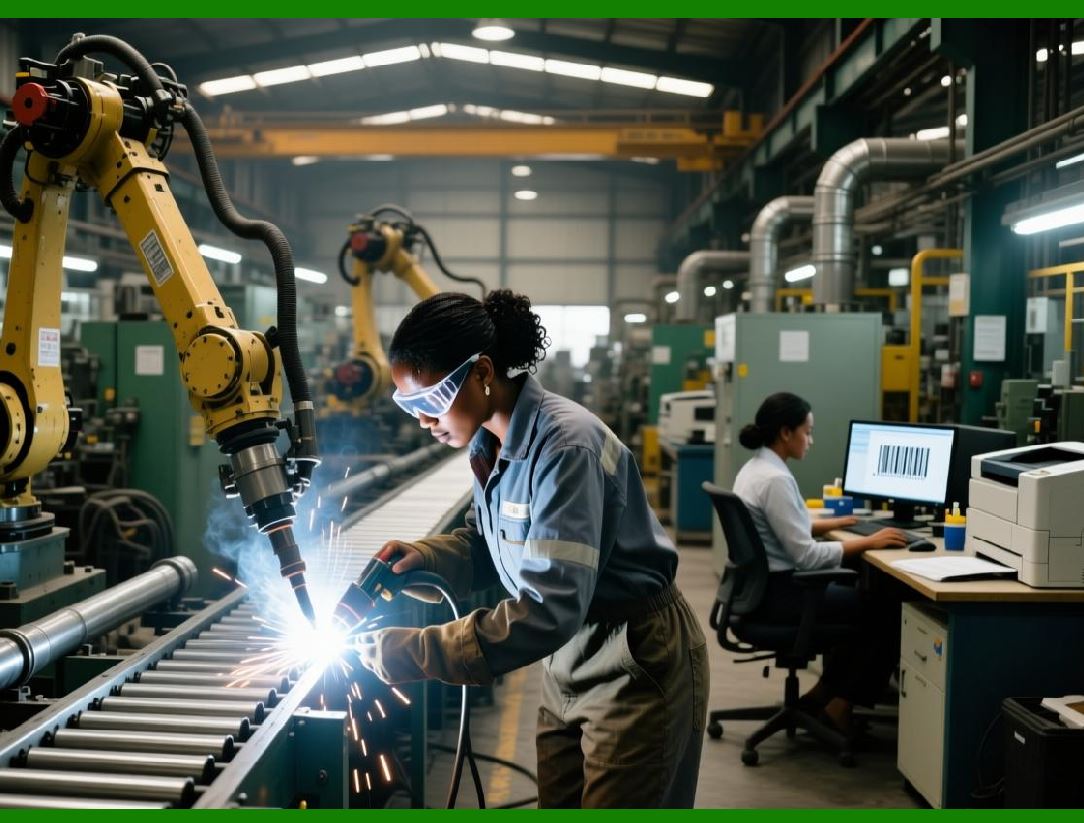
In manufacturing, barcodes and QR codes are used to track parts, components, and finished goods. They are also used for quality control, ensuring that the right part is installed in the right place. Traditional scanners can struggle with small codes on shiny metal surfaces, or codes that are printed on curved or flexible materials. |
AI-powered optical recognition can read these codes reliably. It can also read direct part marks, which are codes etched or laser-printed directly onto a part without a label. These marks are often low-contrast and can be damaged by handling. AI systems can still decode them by learning to recognize the underlying pattern. |
Beyond codes, AI-powered OCR is used to read serial numbers, date codes, and other text on components. This is particularly useful in electronics manufacturing, where tiny text is printed on circuit boards. The system can verify that the correct component is installed and that the date code is within acceptable limits. It can also read handwritten notes on traveler documents or inspection sheets. |
In quality control, AI-powered vision systems can detect defects that traditional rule-based systems would miss. For example, a system can be trained to recognize scratches, dents, or discoloration on a product surface. It can also read codes and text to associate the defect with a specific batch or supplier. This helps manufacturers trace the root cause of quality issues and take corrective action. |
|
Healthcare and Pharmaceuticals |
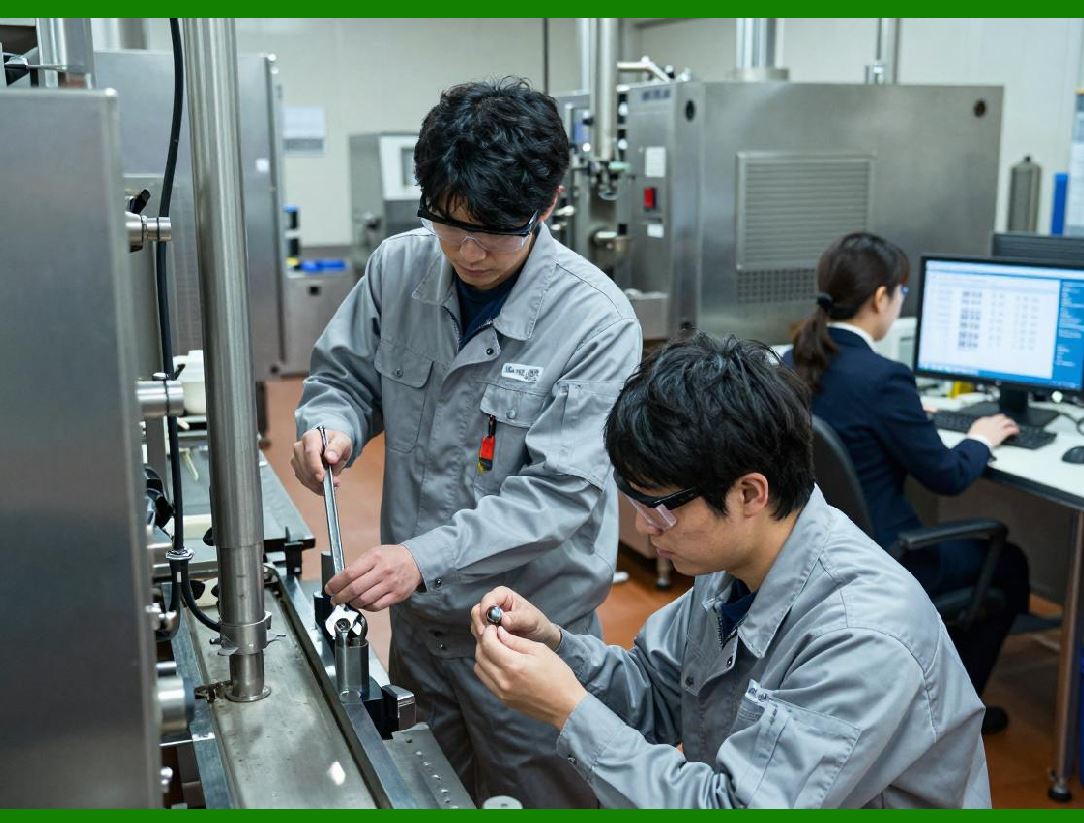
In healthcare, accurate identification of medications, patients, and specimens is literally a matter of life and death. Barcodes are used on medication vials, IV bags, blood bags, and patient wristbands. Traditional scanners can fail if the label is curved, wet, or poorly lit. AI-powered optical recognition can read these codes reliably, even in challenging conditions. |
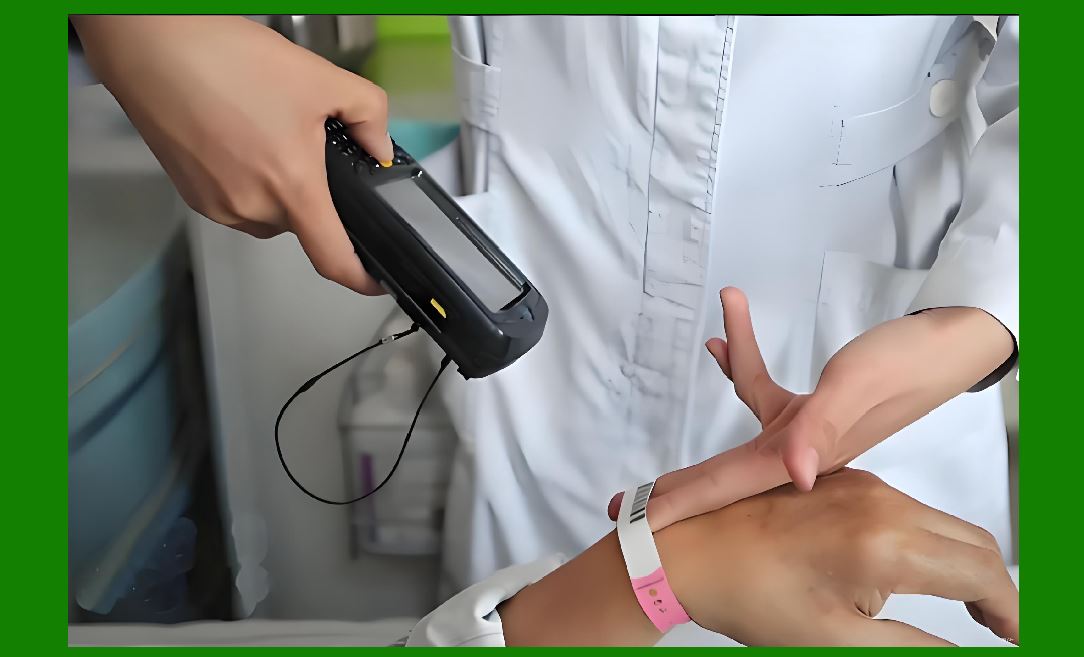
Consider a nurse administering medication at a patient's bedside. The nurse scans the patient's wristband and the medication label. The AI system reads both codes and verifies that the right patient is receiving the right medication at the right dose. If the codes are damaged or obscured, the system can use OCR to read the text on the labels. It can also use contextual information, such as the patient's medical record and the medication order, to double-check. |
In the pharmacy, AI-powered optical recognition is used to verify that the correct medication is being dispensed. The system can read the barcode on the stock bottle and the text on the prescription label. It can also read the imprint code on a pill, which is a small text or symbol embossed on the tablet. This is particularly useful for identifying loose pills that have been removed from their original packaging. |
In the laboratory, AI-powered optical recognition is used to read labels on specimen tubes. These tubes are often small, curved, and covered with condensation. Traditional scanners struggle, but AI systems can read the barcodes and text reliably. This reduces the risk of mislabeling and ensures that the right test is performed on the right sample. |
|
Agriculture and Food Supply Chain |
Agriculture is increasingly data-driven. Farmers use barcodes and QR codes to track seeds, fertilizers, and pesticides. They use them to identify individual animals, such as cattle or sheep. They use them to label produce as it is harvested and packed. AI-powered optical recognition makes these tracking systems more robust. |
In the field, a farmer might use a smartphone to scan a QR code on a seed bag. The code might be dirty or partially obscured. The AI system can still read it. The farmer might also use the phone's camera to take a photo of a plant leaf. The AI system can analyze the leaf for signs of disease or nutrient deficiency. This is a form of optical recognition that goes beyond codes and text, using computer vision to understand the visual world. |
In the food supply chain, AI-powered optical recognition is used to read date codes and lot numbers on packaging. This is important for traceability, especially during recalls. If a contaminated batch of lettuce is discovered, the system can quickly identify which packages are affected by reading the codes and text on the packaging. This allows retailers to remove the affected products from shelves before they reach consumers. |
AI is also used to grade and sort produce. Cameras and AI algorithms can inspect fruits and vegetables for size, color, shape, and defects. They can read labels and codes to associate the produce with a specific farm or field. This improves quality and reduces waste. |
|
Transportation and Tolling |
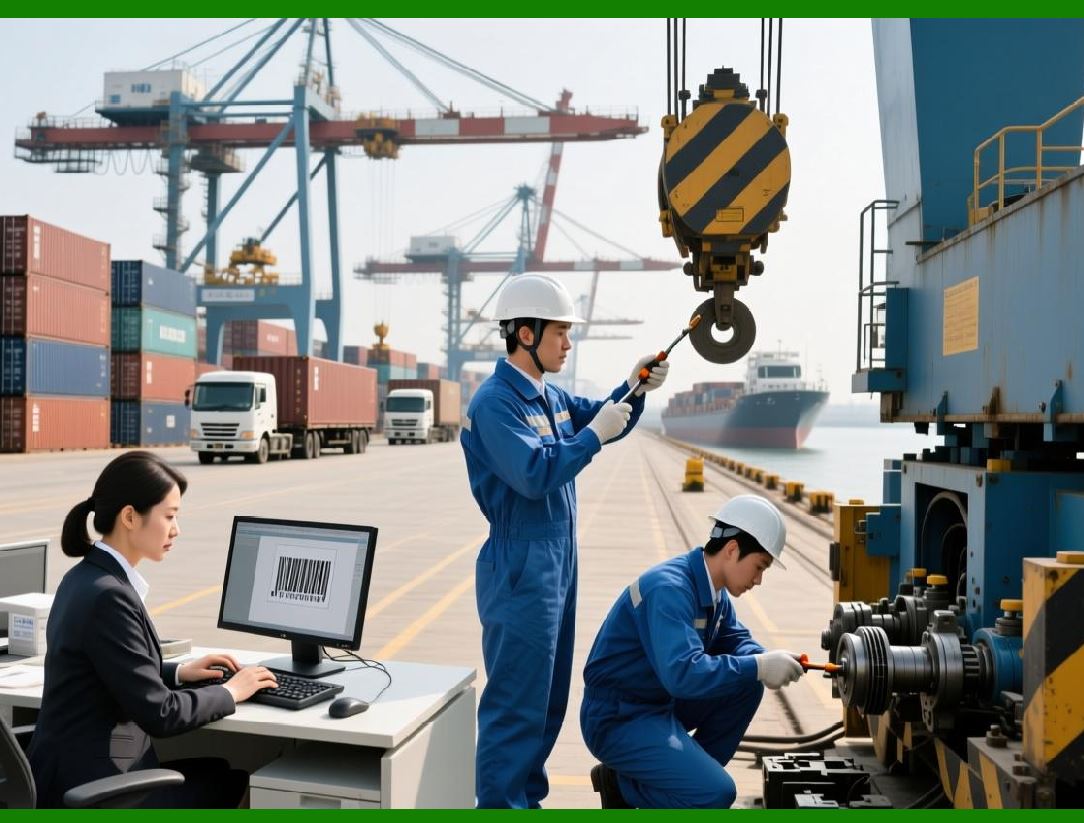
Transportation systems use barcodes and QR codes for ticketing, tolling, and fleet management. In tolling, traditional systems use RFID tags or license plate recognition. AI-powered optical recognition can improve license plate recognition, especially in challenging conditions such as rain, snow, or darkness. It can also read QR codes on windshields or dashboards for electronic toll collection. |
In public transit, passengers use QR codes on their phones to board buses and trains. The QR code may be displayed on a cracked screen or in dim light. AI-powered readers can decode these codes quickly and reliably. They can also read barcodes on paper tickets, even if the tickets are folded or smudged. |
In fleet management, AI-powered optical recognition is used to read odometer readings, fuel levels, and vehicle identification numbers. Drivers can simply take a photo of the dashboard, and the system will extract the relevant information. This eliminates manual data entry and reduces errors. |
|
Postal and Parcel Delivery |
Postal services handle billions of pieces of mail and parcels every year. Each piece has a barcode or a QR code that is used for sorting and tracking. Traditional sorting machines use laser scanners that require the code to be in a specific location and orientation. AI-powered optical recognition allows sorting machines to read codes from any angle, even if the label is damaged or partially obscured. |
In parcel delivery, drivers use handheld devices to scan packages at pickup and delivery. AI-powered optical recognition makes these scans faster and more reliable. The driver can simply point the device at the package, and the system will find and read the code, regardless of lighting or angle. The system can also read the address text, which is useful if the barcode is unreadable. |
AI-powered optical recognition is also used in automated parcel lockers. The locker has a camera that reads the QR code or barcode on the parcel. The system then opens the correct locker door. This is convenient for both the delivery driver and the recipient. |
|
Automotive and Mobility |
In the automotive industry, barcodes and QR codes are used to track parts through the assembly line. They are also used on vehicles themselves, for identification and maintenance. AI-powered optical recognition is used in vehicle assembly to ensure that the correct parts are installed. Cameras on the assembly line read codes on components and compare them to the build order. If a wrong part is detected, the line is stopped. |
In autonomous vehicles, AI-powered optical recognition is used to read road signs, traffic lights, and lane markings. This is a form of optical recognition that goes beyond barcodes and text. It uses computer vision to understand the driving environment. The same technology can be used to read QR codes on charging stations or parking meters. |
In vehicle maintenance, AI-powered optical recognition is used to read vehicle identification numbers and license plates. A mechanic can take a photo of the VIN plate, and the system will extract the number and look up the vehicle's service history. This saves time and reduces errors. |
|
Construction and Field Services |
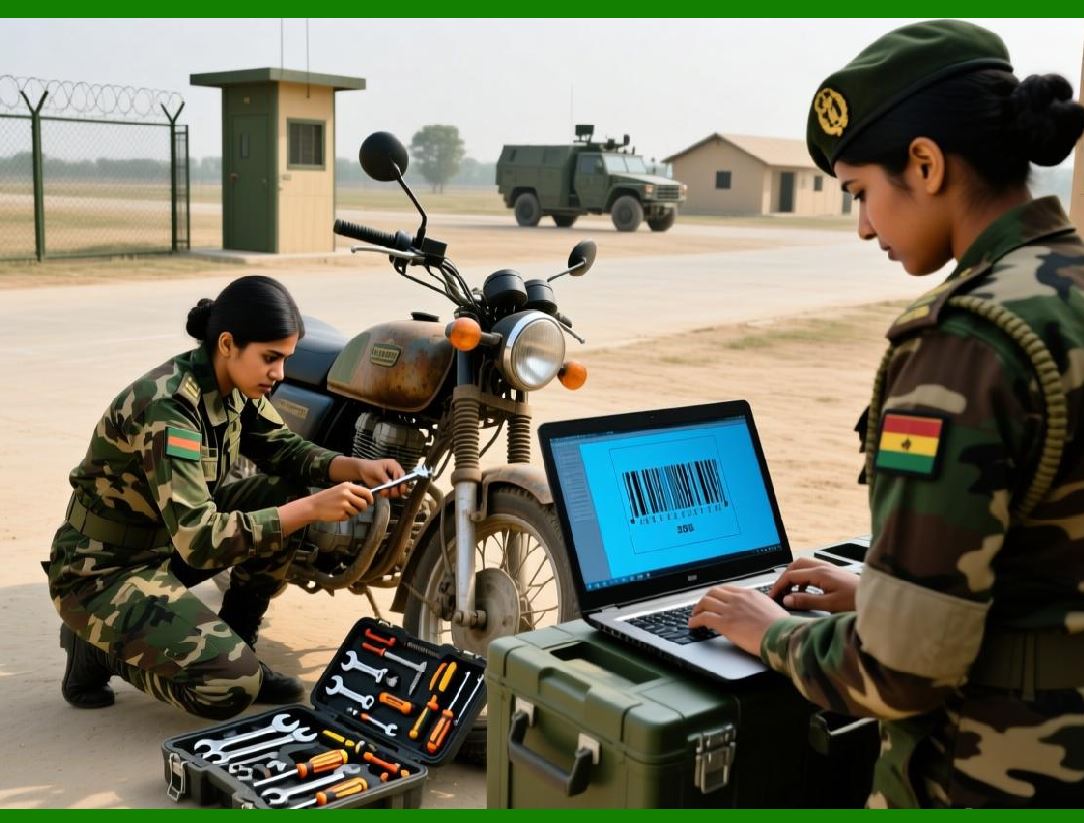
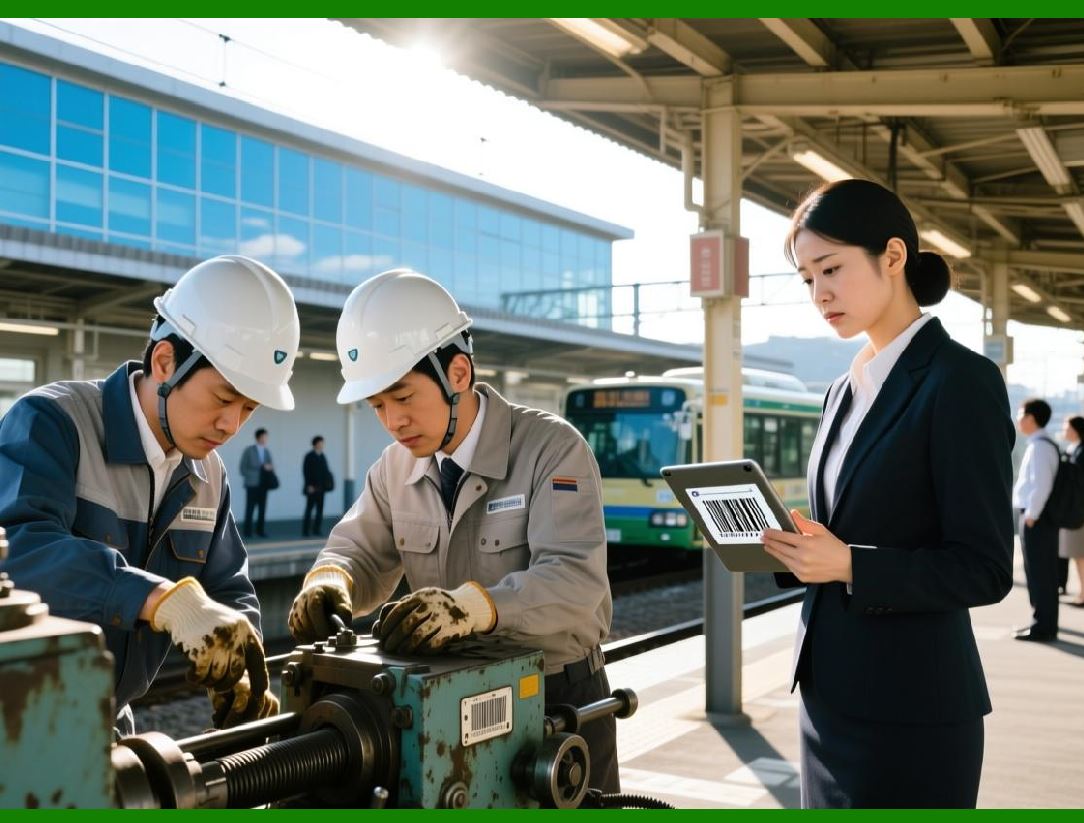
In construction, barcodes and QR codes are used to track materials, tools, and equipment. They are also used to label assets for maintenance and inspection. AI-powered optical recognition is used to read these codes in harsh conditions, such as on a dusty construction site or in a muddy field. |
A construction worker might use a rugged tablet to scan a QR code on a piece of equipment. The code might be covered in dirt or partially worn away. The AI system can still read it. The worker can also use the tablet's camera to take a photo of a serial number or a nameplate. The AI system can read the text and associate it with the equipment record. |
In field services, technicians use AI-powered optical recognition to read meter readings, equipment labels, and safety signs. They can take a photo of a meter and the system will extract the reading. This eliminates manual entry and reduces the risk of transcription errors. |
|
Energy and Utilities |
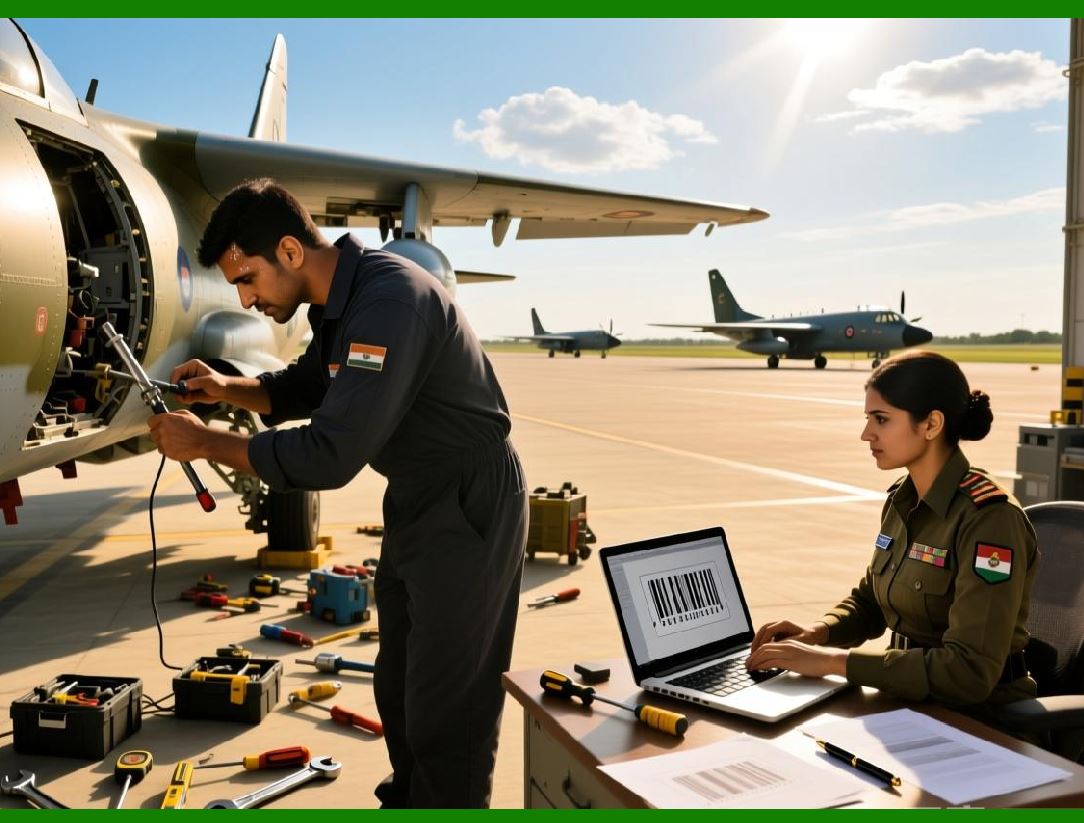
In the energy sector, barcodes and QR codes are used to track assets such as transformers, meters, and pipelines. They are also used for safety inspections and maintenance logs. AI-powered optical recognition is used to read these codes in remote or hazardous locations. |
A utility worker might use a drone to inspect power lines. The drone carries a camera that captures images of the equipment. AI-powered optical recognition is used to read the barcodes and text on the equipment, such as serial numbers and inspection dates. This allows the utility to maintain accurate records without sending a worker to physically climb the pole. |
In oil and gas, AI-powered optical recognition is used to read gauges, valves, and labels on pipelines. This improves safety and efficiency. The system can also detect leaks or corrosion by analyzing the visual appearance of the equipment. |
|
Government and Public Services |
Governments use barcodes and QR codes for a wide range of applications, from driver's licenses to tax documents to voting ballots. AI-powered optical recognition is used to read these codes and text quickly and accurately. |
In elections, AI-powered optical recognition is used to scan and count ballots. The system reads the QR codes or barcodes on the ballots to identify the precinct and the ballot style. It also reads the marks made by voters. This speeds up the counting process and reduces errors. |
In public health, AI-powered optical recognition is used to read vaccination records and test results. A health worker can take a photo of a vaccination card, and the system will extract the information and update the patient's record. This is particularly useful in remote or low-resource settings. |
|
Education and Libraries |
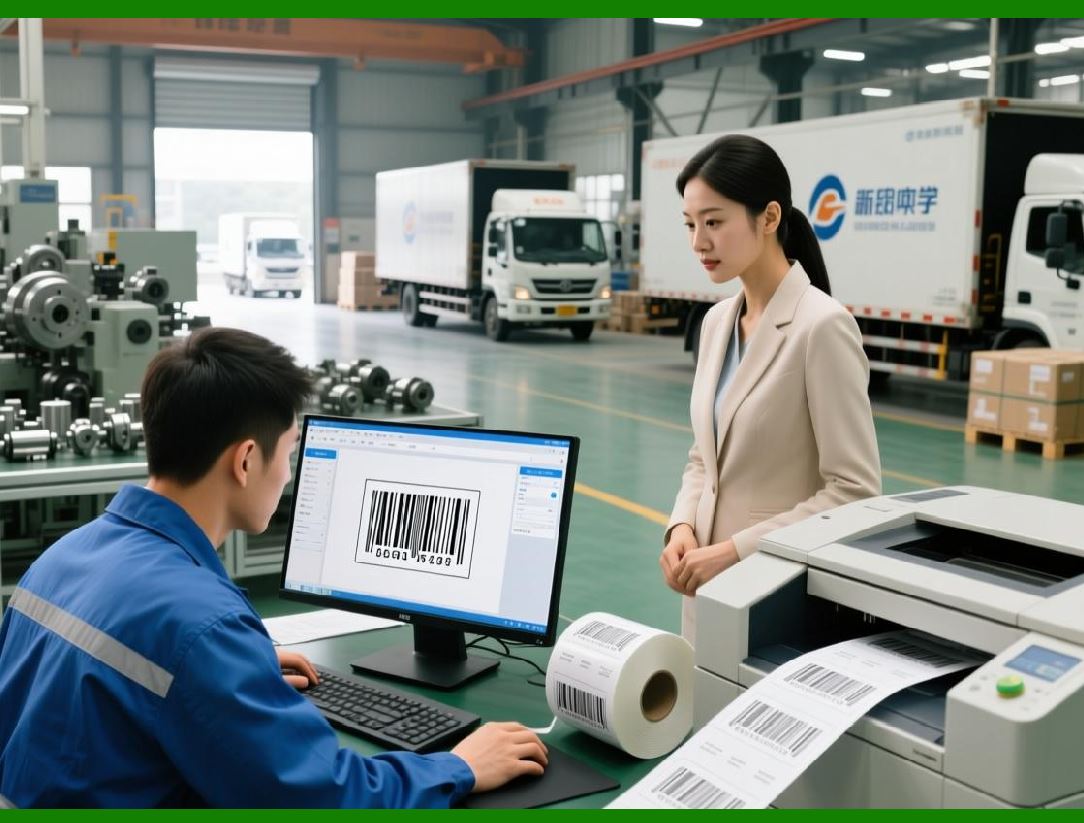
In education, barcodes and QR codes are used to track textbooks, equipment, and student IDs. AI-powered optical recognition is used to read these codes quickly and easily. A student can use a smartphone to scan a QR code on a textbook to access supplementary materials. A librarian can use a camera to scan a stack of books without having to open each one. |
In libraries, AI-powered optical recognition is used to read barcodes on books and other media. The system can handle books that are worn, damaged, or covered in plastic. It can also read text on title pages and spines, which is useful for cataloging. |
|
Entertainment and Events |
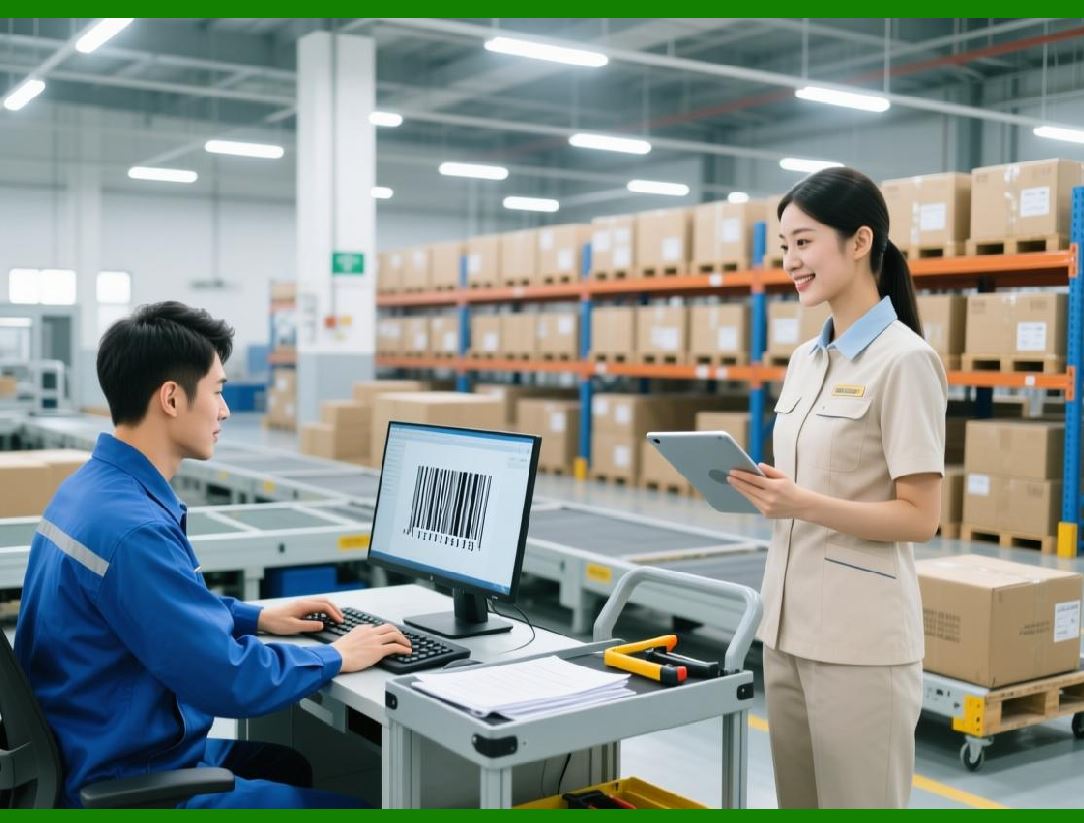
In the entertainment industry, barcodes and QR codes are used for ticketing, access control, and merchandising. AI-powered optical recognition is used to scan tickets at the gate. The system can read the QR code on a phone screen, even if the screen is cracked or the brightness is low. It can also read the barcode on a paper ticket, even if the ticket is folded or torn. |
At concerts and sporting events, AI-powered optical recognition is used to read concession stand menus and merchandise labels. This speeds up transactions and improves the fan experience. The system can also be used for crowd monitoring and security, by reading QR codes on badges or analyzing video feeds. |
|
Hospitality and Tourism |
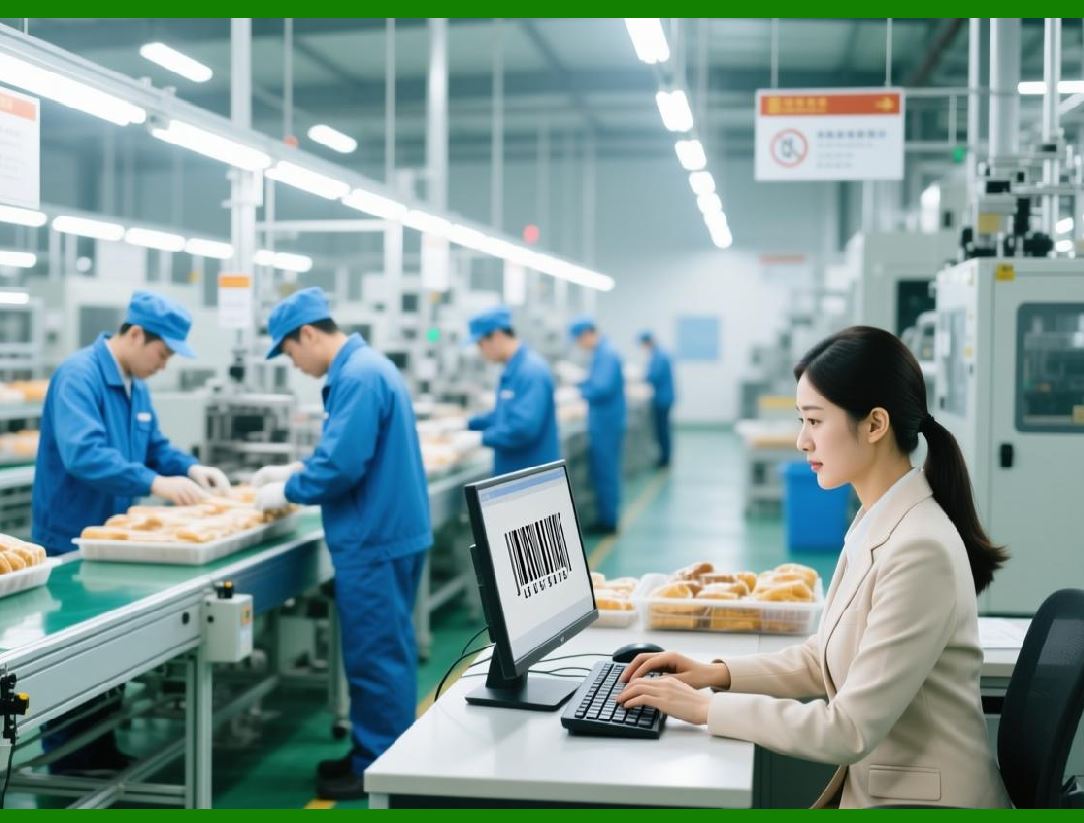
In hotels, barcodes and QR codes are used for check-in, room access, and amenity tracking. AI-powered optical recognition is used to read these codes quickly and easily. A guest can use a smartphone to scan a QR code at the front desk to check in. The system can also read the text on a passport or ID card to verify the guest's identity. |
In tourism, AI-powered optical recognition is used to read signs, maps, and informational plaques. A tourist can take a photo of a sign and the system will translate the text or provide additional information. This is a form of augmented reality that uses optical recognition to enhance the visitor experience. |
|
Mining and Heavy Industry |
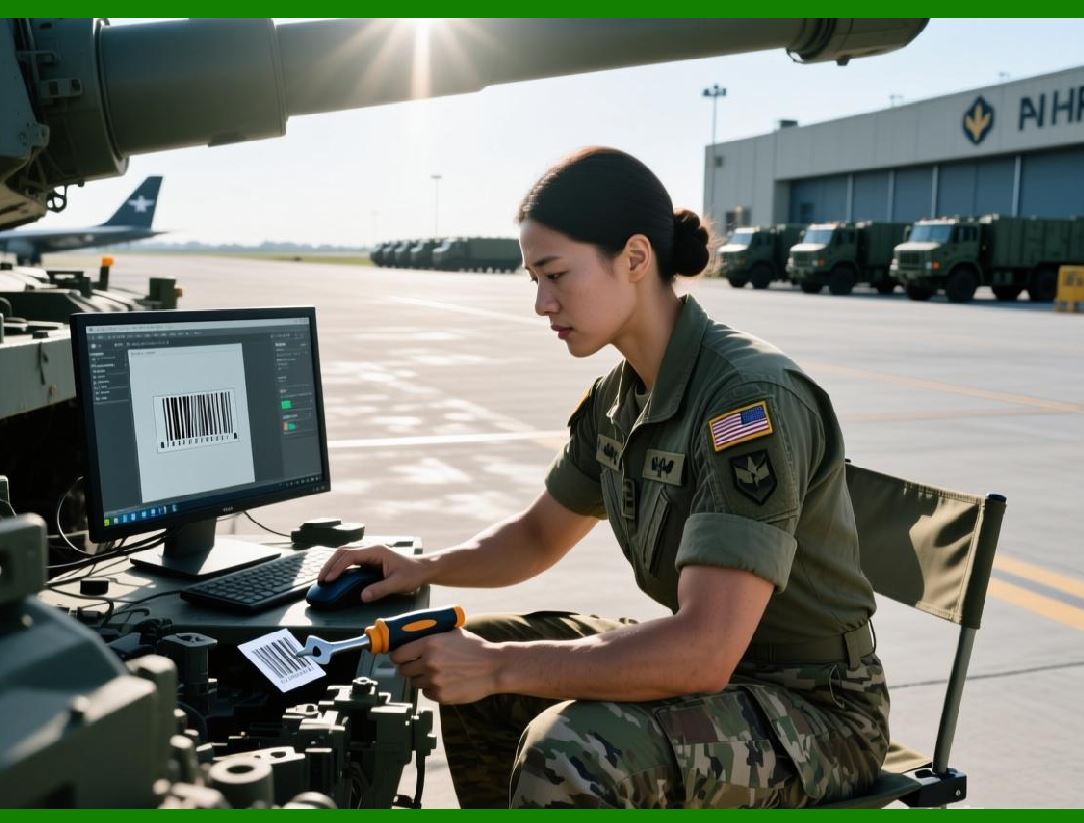
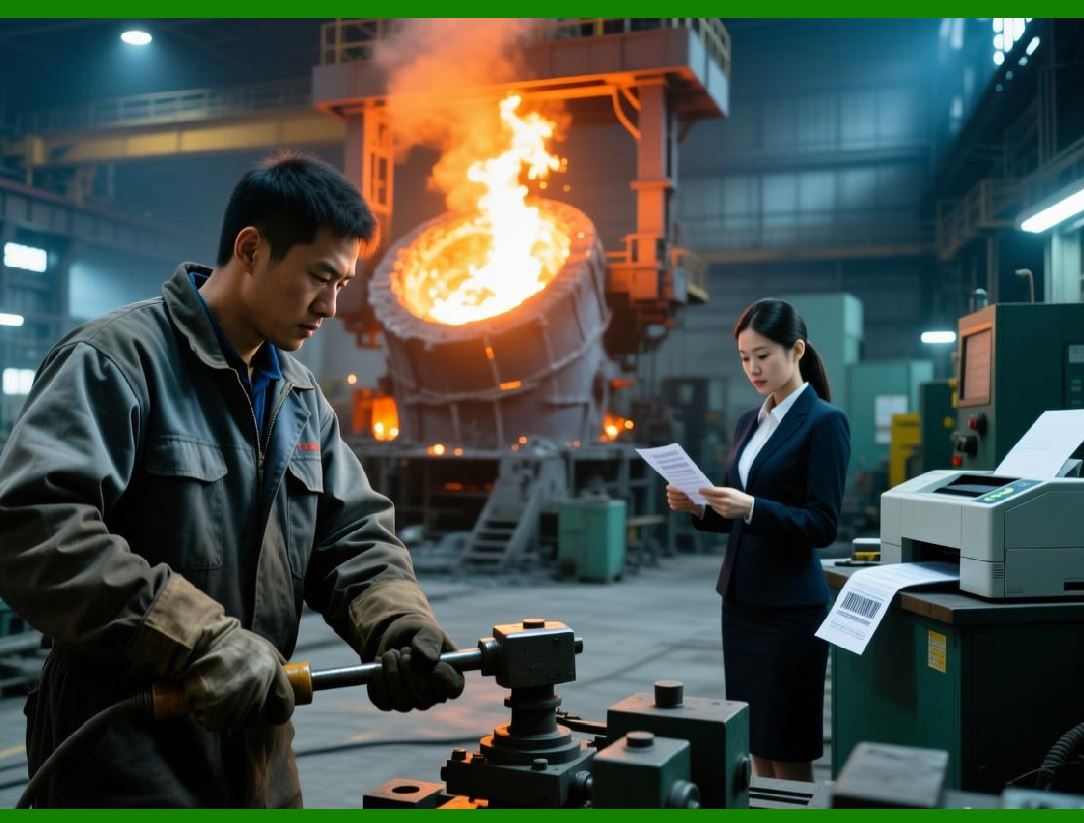
In mining, barcodes and QR codes are used to track ore, equipment, and personnel. AI-powered optical recognition is used to read these codes in harsh underground conditions. The system can handle dust, moisture, and low light. It can also read text on safety signs and equipment labels. |
In heavy industry, AI-powered optical recognition is used to read serial numbers on large machinery. A technician can take a photo of a nameplate, and the system will extract the information and look up the maintenance history. This is particularly useful for equipment that is difficult to access or that is located in a hazardous area. |
|
Environmental Monitoring |
In environmental monitoring, barcodes and QR codes are used to tag samples, such as water, soil, and air. AI-powered optical recognition is used to read these codes in the field. A researcher can take a photo of a sample label, and the system will record the sample ID and location. This improves the accuracy and efficiency of data collection. |
AI-powered optical recognition is also used to read text on instruments, such as thermometers and gauges. This allows researchers to collect data without manually writing down the readings. The system can also analyze images of plants and animals to identify species and monitor biodiversity. |
|
Emergency Response |
In emergency response, barcodes and QR codes are used to track patients, supplies, and equipment. AI-powered optical recognition is used to read these codes in chaotic and challenging conditions. A paramedic can scan a patient's wristband or a medication label, even if it is covered in blood or dirt. The system can also read text on triage tags and medical records. |
In search and rescue, AI-powered optical recognition is used to read QR codes on personal locator beacons or emergency shelters. This helps rescuers find and identify people in need. The system can also analyze aerial images to detect signs of damage or distress. |
|
Space and Extreme Environments |
In space, barcodes and QR codes are used to track supplies, tools, and experiments. AI-powered optical recognition is used to read these codes in microgravity and in extreme lighting conditions. Astronauts can use a camera to scan a code, and the system will identify the item and its location. This is important for inventory management on the International Space Station. |
In extreme environments, such as the Arctic or the deep sea, AI-powered optical recognition is used to read codes and text on equipment and samples. The system can handle cold, darkness, and high pressure. It can also read codes that are covered in ice or sediment. |
|
Challenges and Limitations |
While AI-powered optical recognition is powerful, it is not perfect. There are several challenges and limitations that researchers and engineers are still working to address. |
The first challenge is data. Deep learning models require large amounts of labeled training data. Collecting and labeling this data can be expensive and time-consuming. In some industries, such as healthcare or aerospace, data may be sensitive or proprietary, making it difficult to share. Researchers are exploring techniques such as synthetic data generation and transfer learning to reduce the data burden. |
The second challenge is compute. AI-powered optical recognition often requires significant computational resources, especially for real-time applications. Running deep neural networks on mobile devices or embedded systems can be challenging due to power and thermal constraints. Researchers are developing more efficient network architectures and hardware accelerators to address this. |
The third challenge is robustness. While AI models are more robust than traditional systems, they can still fail in unexpected ways. They can be fooled by adversarial examples, which are images that have been deliberately modified to cause misclassification. They can also struggle with rare or unusual conditions that were not present in the training data. Ensuring that these systems are reliable and safe is an ongoing area of research. |
The fourth challenge is interpretability. Deep neural networks are often described as black boxes. It can be difficult to understand why a particular decision was made. In applications where errors have serious consequences, such as healthcare or autonomous driving, interpretability is important. Researchers are working on methods to explain and visualize the decisions of these models. |
The fifth challenge is privacy. AI-powered optical recognition often involves capturing images of the physical world, which may include people, faces, or sensitive information. Ensuring that these systems respect privacy and comply with regulations is a critical concern. Techniques such as on-device processing and anonymization can help. |
The sixth challenge is standardization. There are many different barcode and QR code formats, and many different ways to encode information. Ensuring that AI-powered systems can read all of these formats reliably is a challenge. Industry consortia and standards bodies are working to develop common specifications and benchmarks. |
Despite these challenges, the trajectory is clear. AI-powered optical recognition is becoming more capable, more efficient, and more ubiquitous. As the technology matures, it will continue to remove the constraints that have limited optical recognition in the past. |
|
The Future of AI-Powered Optical Recognition |
What does the future holdSeveral trends are likely to shape the next generation of AI-powered optical recognition. |
The first trend is the integration of optical recognition with other sensing modalities. Cameras can be combined with RFID readers, LiDAR, and other sensors to create a more complete picture of the physical world. For example, a robot in a warehouse might use RFID to identify items at a distance and then use a camera to read a barcode or text for confirmation. This multi-modal approach improves accuracy and robustness. |
The second trend is the move toward edge computing. Instead of sending images to the cloud for processing, AI models are increasingly running on the device itself. This reduces latency, improves privacy, and enables real-time operation. Edge AI is particularly important for applications such as autonomous vehicles, drones, and mobile robots. |
The third trend is the rise of foundation models. Large pre-trained models, such as those used in natural language processing, are now being applied to computer vision. These models can be fine-tuned for specific tasks with relatively little data. This could democratize AI-powered optical recognition, making it accessible to smaller companies and developers. |
The fourth trend is the convergence of optical recognition with augmented reality. AR glasses and headsets can overlay digital information on the physical world. AI-powered optical recognition is used to identify objects and text in the user's field of view. This enables applications such as hands-free barcode scanning, real-time translation, and interactive instruction manuals. |
The fifth trend is the development of more sustainable and energy-efficient systems. As AI-powered optical recognition becomes more widespread, the energy consumption of these systems becomes a concern. Researchers are exploring ways to reduce the computational footprint of these models, such as pruning, quantization, and knowledge distillation. |
The sixth trend is the increasing importance of ethics and governance. As these systems become more powerful, it is important to ensure that they are used responsibly. This includes addressing issues such as bias, privacy, and accountability. Governments, industry, and civil society are all grappling with these questions. |
|
Detailed Summary |
This chapter has explored the transformative impact of AI-powered optical recognition on the way we read barcodes, QR codes, and text. We began by describing the limitations of traditional optical recognition, which required near-perfect conditions to function. We then explained how deep learning changes the game by learning from examples rather than relying on hand-crafted rules. We broke down the key capabilities of AI-powered optical recognition: object detection, segmentation, geometric correction, classification and decoding, and context integration. We discussed why this matters for the broader theme of mapping the physical world, noting that the reliability of the digital mapping depends on the reliability of optical recognition. |
We then journeyed through a wide range of industries, providing concrete examples of how AI-powered optical recognition is already being used. In retail and grocery, it enables faster checkout, produce recognition, and shelf monitoring. In logistics and warehousing, it improves sorting, receiving, and dimensioning. In manufacturing and quality control, it reads direct part marks, serial numbers, and date codes. In healthcare and pharmaceuticals, it ensures safe medication administration and accurate specimen tracking. In agriculture and food supply chain, it supports traceability, grading, and disease detection. In transportation and tolling, it improves license plate recognition and ticketing. In postal and parcel delivery, it speeds up sorting and tracking. In automotive and mobility, it supports assembly line verification and autonomous driving. In construction and field services, it enables asset tracking and meter reading. In energy and utilities, it supports remote inspection and safety monitoring. In government and public services, it improves election counting and public health records. In education and libraries, it simplifies cataloging and access. In entertainment and events, it speeds up ticketing and concessions. In hospitality and tourism, it enables check-in and translation. In mining and heavy industry, it reads codes in harsh conditions. In environmental monitoring, it supports sample tracking and species identification. In emergency response, it enables rapid patient and supply tracking. In space and extreme environments, it supports inventory management and sample analysis. |
We also discussed the challenges and limitations of AI-powered optical recognition, including data requirements, computational demands, robustness, interpretability, privacy, and standardization. We then looked at future trends, including multi-modal sensing, edge computing, foundation models, augmented reality, energy efficiency, and ethics. |
The overarching message is that AI-powered optical recognition is not just an incremental improvement over traditional scanning. It is a fundamental shift in how machines understand the visual world. By removing the need for perfect alignment and lighting, it allows barcodes, QR codes, and text to be read in the messy, unpredictable conditions of the real world. This makes the digital mapping of the physical world more complete, more accurate, and more resilient. As the technology continues to mature, it will unlock new applications and new possibilities, further blurring the line between the physical and the digital. The silent network of barcodes and RFID tags will become ever more pervasive, ever more reliable, and ever more integrated into the fabric of daily life. And at the heart of this network will be AI-powered optical recognition, quietly reading the world one code at a time. |
 cs@easiersoft.com