Chapter 74: Self-Healing Codes |
A Brief Overview |
Imagine a barcode on a package that has been scratched, smudged, or partially torn off. In the past, that code would be unreadable, and the package would be lost in the system. Today, a new generation of optical codes can survive damage that would have destroyed their predecessors. These are called self-healing codes. They use redundant patterns, meaning the same information is stored in multiple ways across the code. If one part is damaged, the remaining parts still contain enough information to reconstruct the whole. This chapter explores how self-healing codes work, why they matter, and how they are being used across industries, from manufacturing and healthcare to retail and logistics. We will look at real-world examples where codes survive extreme conditions, and we will see how this technology is quietly making the physical world more resilient. |
|
What Does Self-Healing Mean |
The term self-healing does not mean the code physically repairs itself. Instead, it means the code is designed so that the information it carries can be recovered even when a significant portion of the code is missing or unreadable. Think of it like a story told by ten people. If three of them forget part of the story, the other seven can still piece together the full tale. The story is not lost because it was repeated many times in different ways. |
In optical codes, this redundancy can take several forms. The code might repeat the same data in different locations. It might use error-correcting algorithms that add extra bits of information. Or it might use a combination of both. The goal is the same: to keep the data readable even when the surface is damaged. |
|
How Much Damage Can They Survive |
The chapter title mentions that these codes remain readable even if 30 percent of the surface is damaged. That is a rough average. Some self-healing codes can survive even more damage, up to 50 percent or more, depending on the type of damage and the specific design. Other codes might only survive 20 percent damage but are much smaller or cheaper. The key is that the damage is distributed. If a code is torn in half, the remaining half still contains enough redundancy to reconstruct the missing half. If a code is covered in dirt, the reader can still find the clear patches and use them to decode the message. |
|
The Difference Between Error Detection and Error Correction |
Traditional barcodes often have a check digit. This is a single number that verifies whether the other numbers were read correctly. If the check digit does not match, the scanner knows there is an error. But it cannot fix the error. It can only tell the operator to try again. This is error detection. |
Self-healing codes use error correction. They not only detect that something is wrong, but they also fix it automatically. The reader uses the redundant information to fill in the missing or corrupted parts. This is a fundamental shift. It means the code can be read even when it is not perfect. |

|
A Simple Analogy: The Human Language |
Consider the English sentence: 'The quick brown fox jumps over the lazy dog.' If I remove every fifth letter, you might still be able to read it because your brain fills in the gaps. For example: 'The quck brown fox jmps over the lzy dog.' You can still understand it. That is because the language has redundancy. The same principle applies to self-healing codes. They are written in a language that has built-in redundancy, so the reader can fill in the missing parts. |
|
How Redundancy Is Built into a Code |
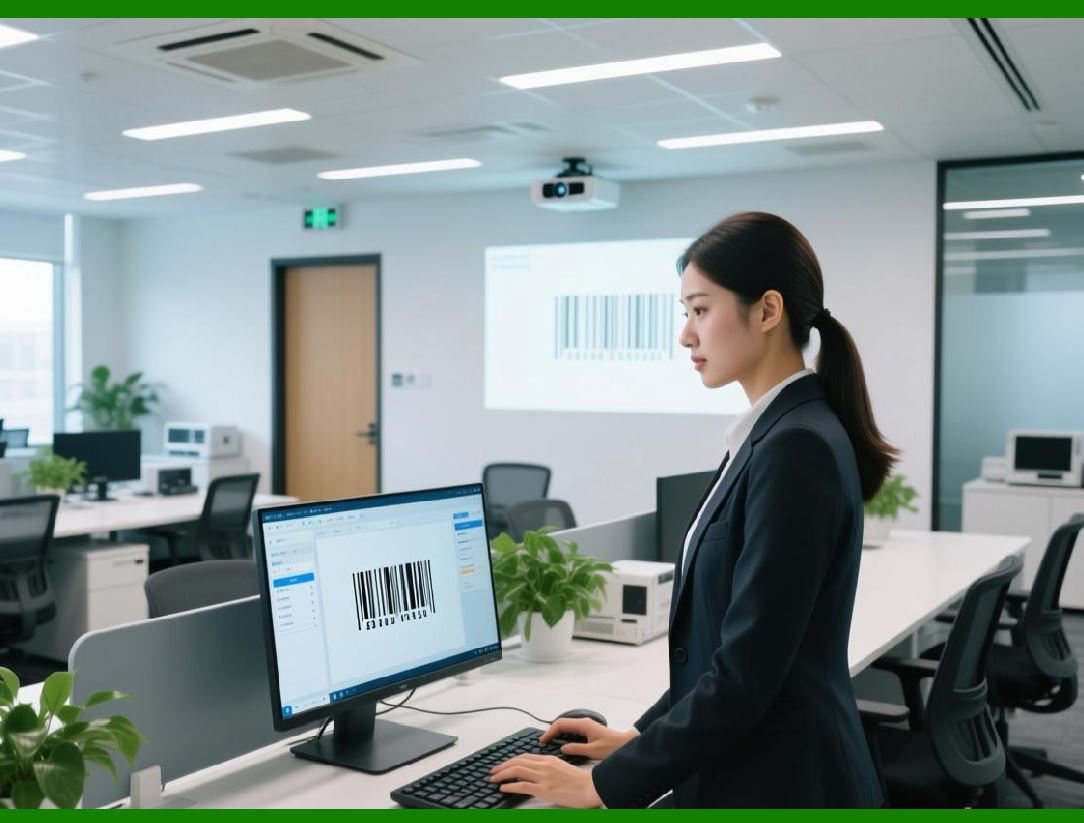
There are several ways to build redundancy into an optical code. One common method is to divide the code into blocks. Each block contains a portion of the data. If one block is damaged, the reader can use the other blocks to reconstruct the missing data. This is similar to how a RAID system works in computing, where data is spread across multiple hard drives. If one drive fails, the others can rebuild the lost data. |
Another method is to use a mathematical technique called Reed-Solomon error correction. This is the same technique used in CDs, DVDs, and QR codes. It adds extra symbols to the data. These extra symbols do not carry new information. Instead, they carry information about the other symbols. If some symbols are lost, the extra symbols can be used to solve for the missing ones. This is like having a math equation with several unknowns. If you have enough known values, you can solve for the unknowns. |
A third method is to use a grid of small cells, where each cell contains a bit of data. The code is read by looking at the pattern of dark and light cells. If some cells are damaged, the reader can still read the remaining cells and use the redundancy to fill in the missing bits. This is common in data matrix codes and other two-dimensional barcodes. |
|
Why 30 Percent |
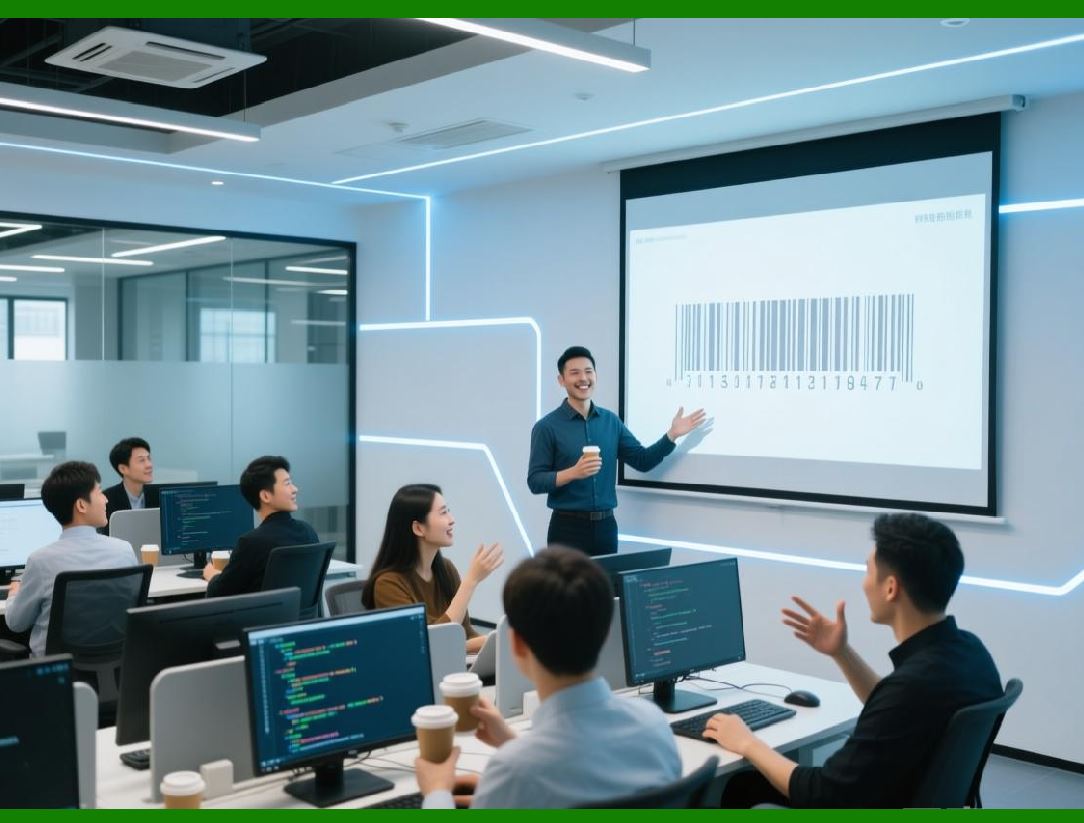
The 30 percent figure is not a hard rule. It is a general guideline. The actual amount of damage a code can survive depends on the specific error-correcting algorithm, the size of the code, and the type of damage. For example, a code with a high level of error correction might survive 40 percent damage, while a code with a low level might only survive 10 percent. The 30 percent figure is often used in marketing because it is impressive but still realistic. It shows that the code is robust without overpromising. |
|
Real-World Example: Manufacturing |
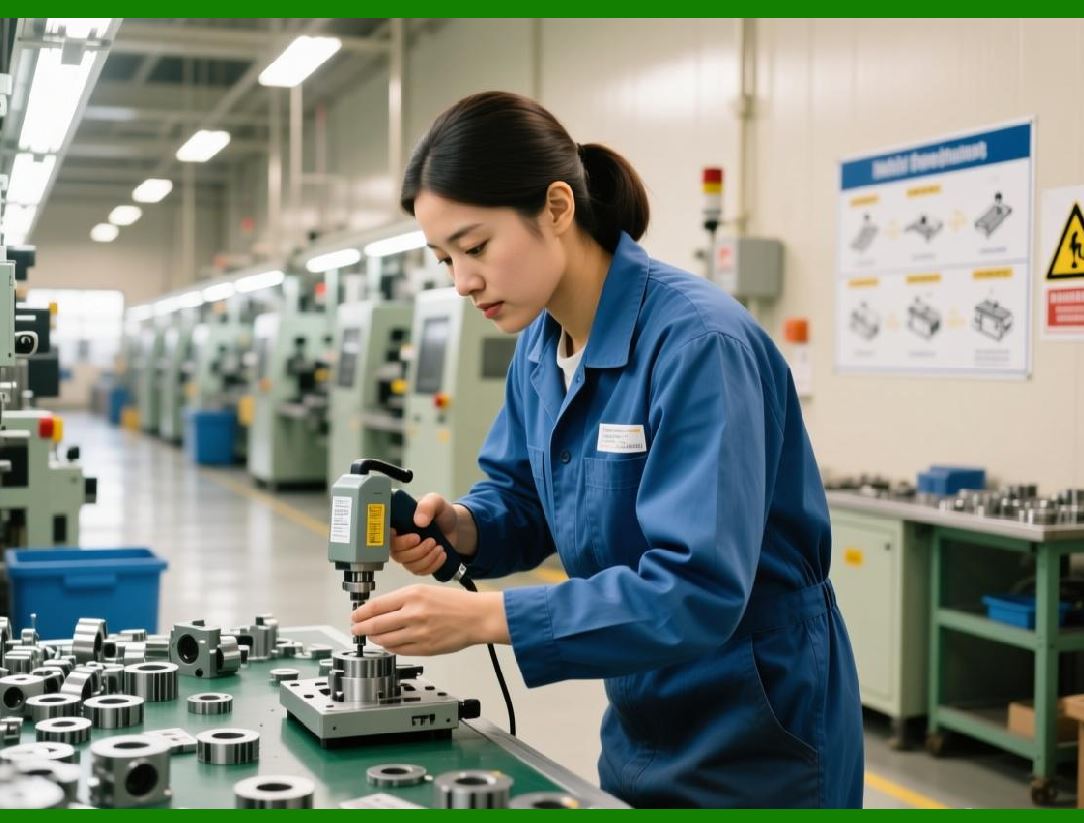
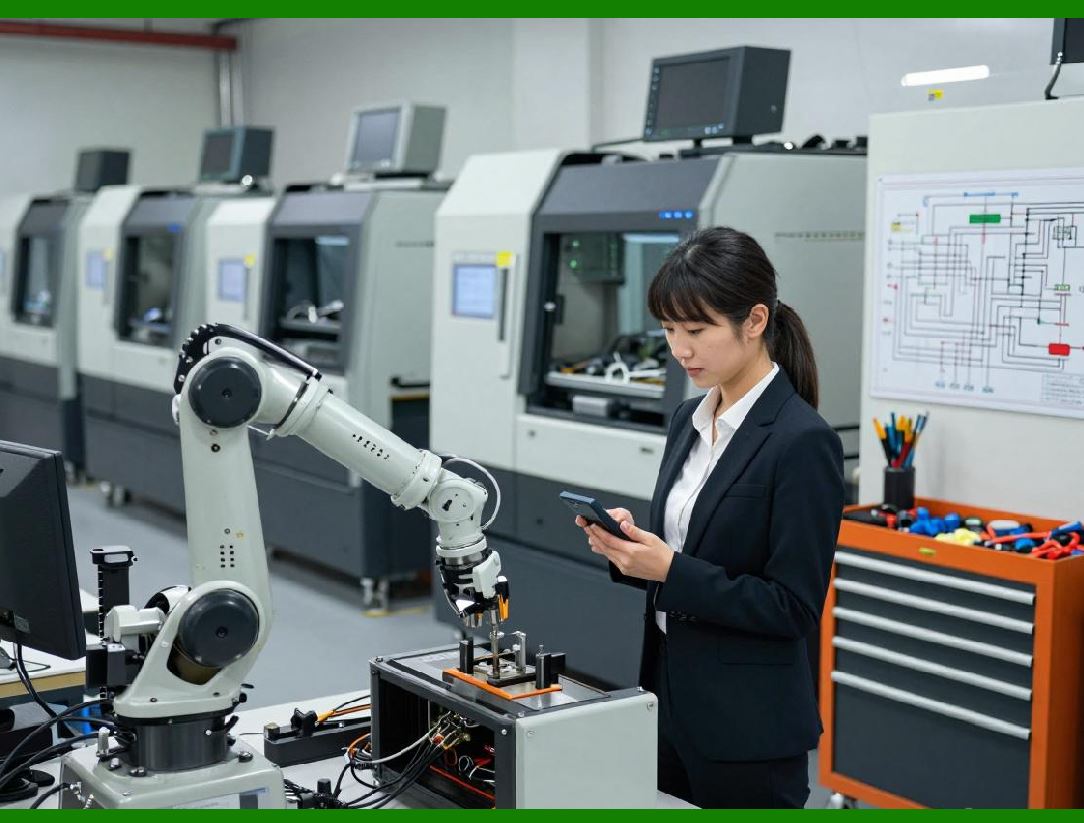
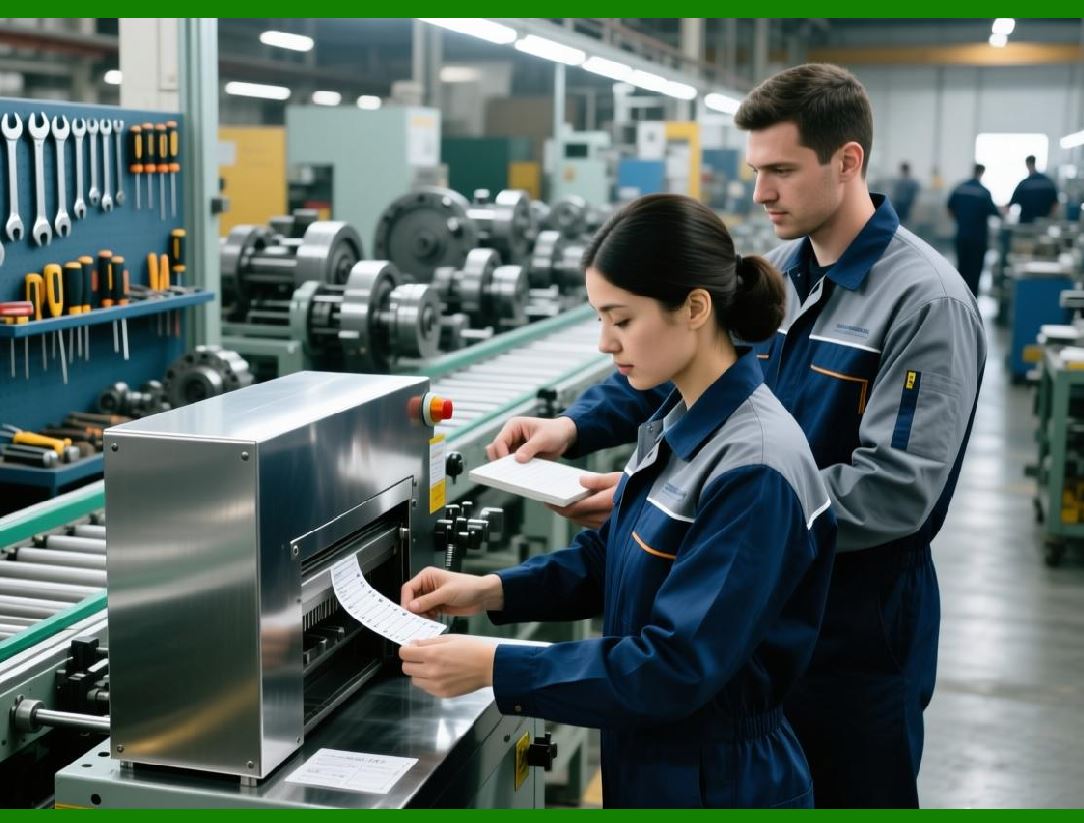
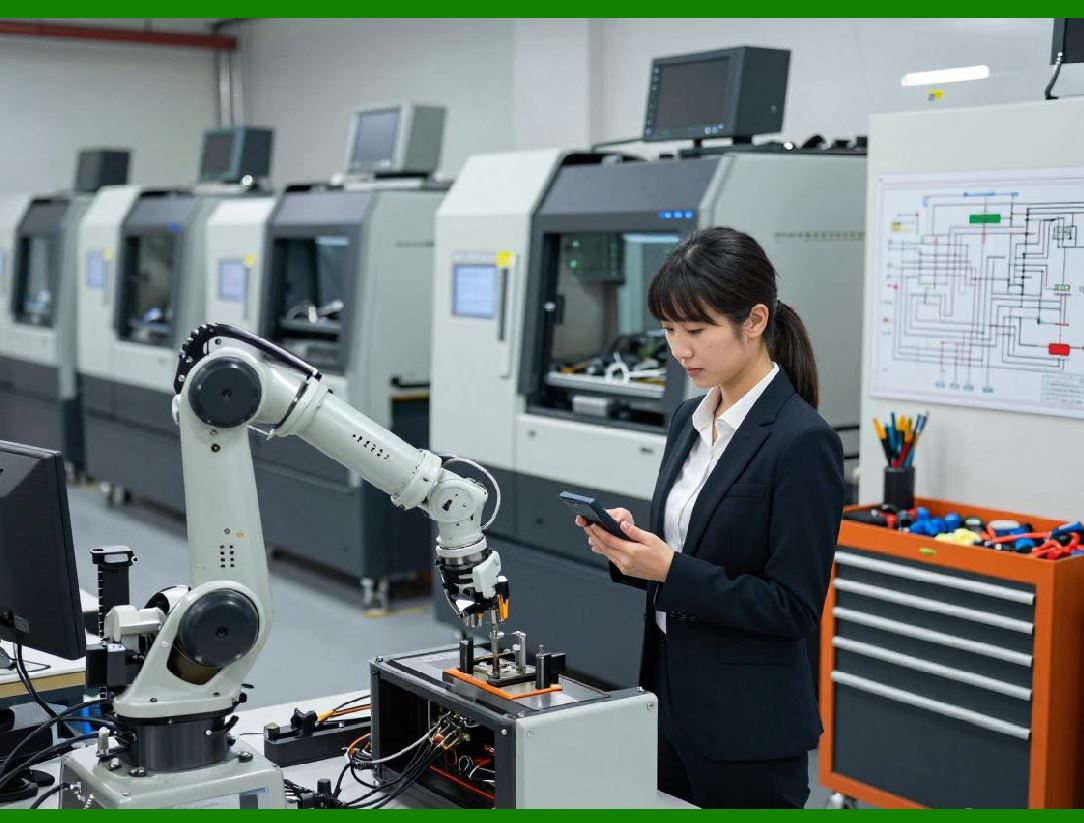
In a factory, metal parts are often stamped with barcodes. These parts go through harsh processes like cutting, welding, and painting. A traditional barcode would be destroyed. But a self-healing code can survive. For example, a data matrix code etched into a metal plate can still be read even after the plate has been scratched or partially covered in paint. This allows the factory to track each part through every stage of production. If a part fails later, the manufacturer can trace it back to the exact batch and machine that made it. |
|
Real-World Example: Healthcare |
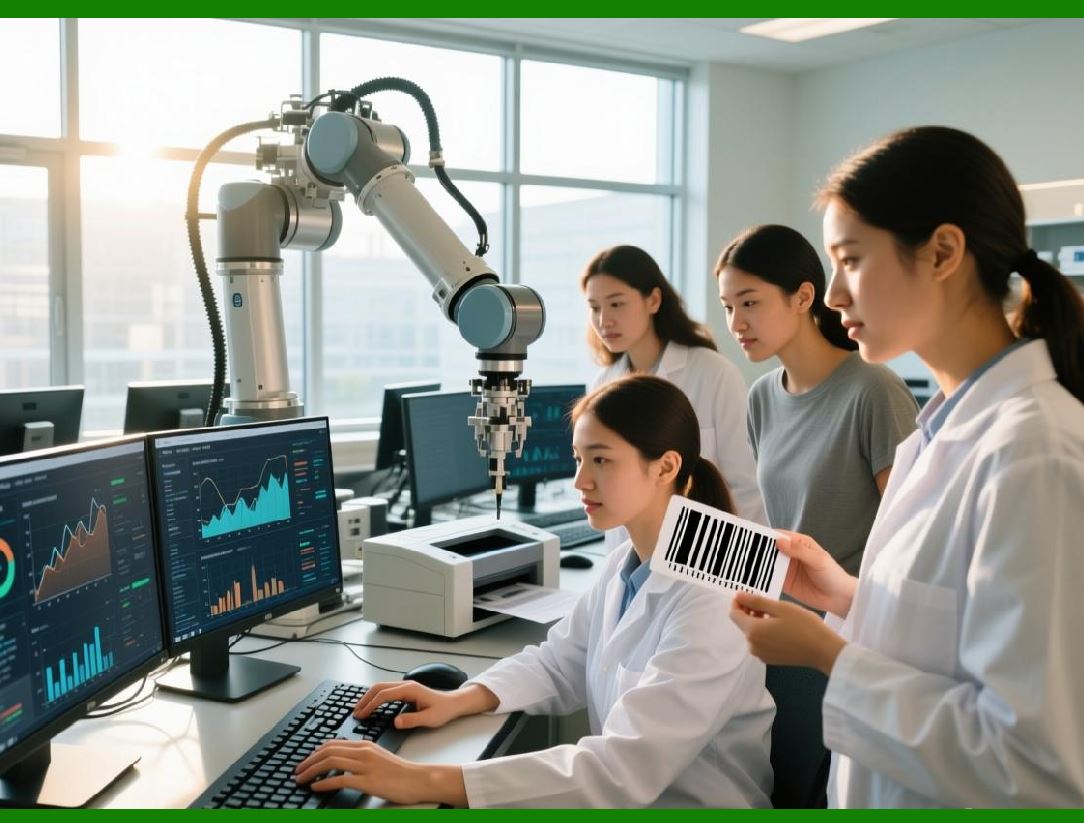
In hospitals, surgical instruments are sterilized in high-heat autoclaves. Labels on these instruments must survive extreme temperatures, moisture, and chemicals. Self-healing codes are used on these labels. Even if the label is partially peeled off or scorched, the code can still be read. This ensures that the instrument is properly tracked and that it has been sterilized. It also helps prevent errors, such as using a contaminated instrument. |
|
Real-World Example: Logistics and Shipping |
Packages in a warehouse are often dropped, crushed, and exposed to rain and snow. A traditional barcode on a box might become unreadable. A self-healing code, however, can still be scanned. This reduces the number of packages that are lost or delayed because of unreadable labels. It also speeds up the sorting process, because workers do not have to manually enter the tracking number. Some logistics companies are now using self-healing QR codes that can be read even when the box is partially crushed. |
|
Real-World Example: Retail |
In retail, price tags and product labels are often damaged by customers or by the environment. A self-healing code on a product can still be scanned at checkout, even if part of the label is torn. This reduces checkout delays and improves the customer experience. It also helps with inventory management, because the store can still track the product even if the label is damaged. |
Real-World Example: Agriculture |
In agriculture, barcodes are used on produce and on livestock. These codes must survive dirt, water, and sun exposure. Self-healing codes are used on tags that are attached to fruit trees or to animal ears. Even if the tag is partially covered in mud or scratched by branches, the code can still be read. This helps farmers track their crops and animals, and it helps with food safety recalls. |
Real-World Example: Aerospace |
In the aerospace industry, parts must be tracked with absolute precision. A single unreadable code could lead to a catastrophic failure. Self-healing codes are used on critical components like engine parts and landing gear. These codes are often laser-etched into the metal, so they cannot peel off. Even if the part is damaged in a crash, the code might still be readable, which helps investigators determine the cause of the accident. |
|
Real-World Example: Automotive |
In car manufacturing, every part is tracked from the moment it is made to the moment it is installed in a vehicle. Self-healing codes are used on parts that go through painting, welding, and assembly. For example, a code on a car door might be painted over. But because the code is self-healing, it can still be read through the paint. This allows the manufacturer to track the door through the entire assembly line. |
Real-World Example: Electronics |
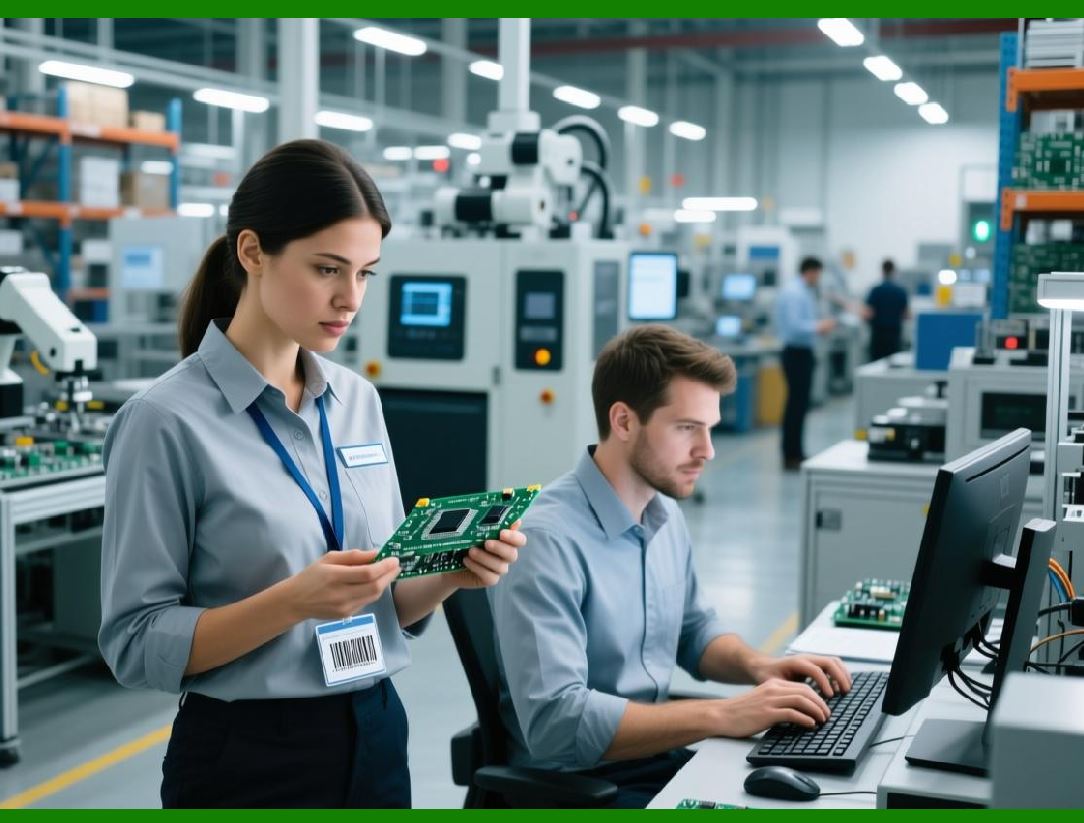
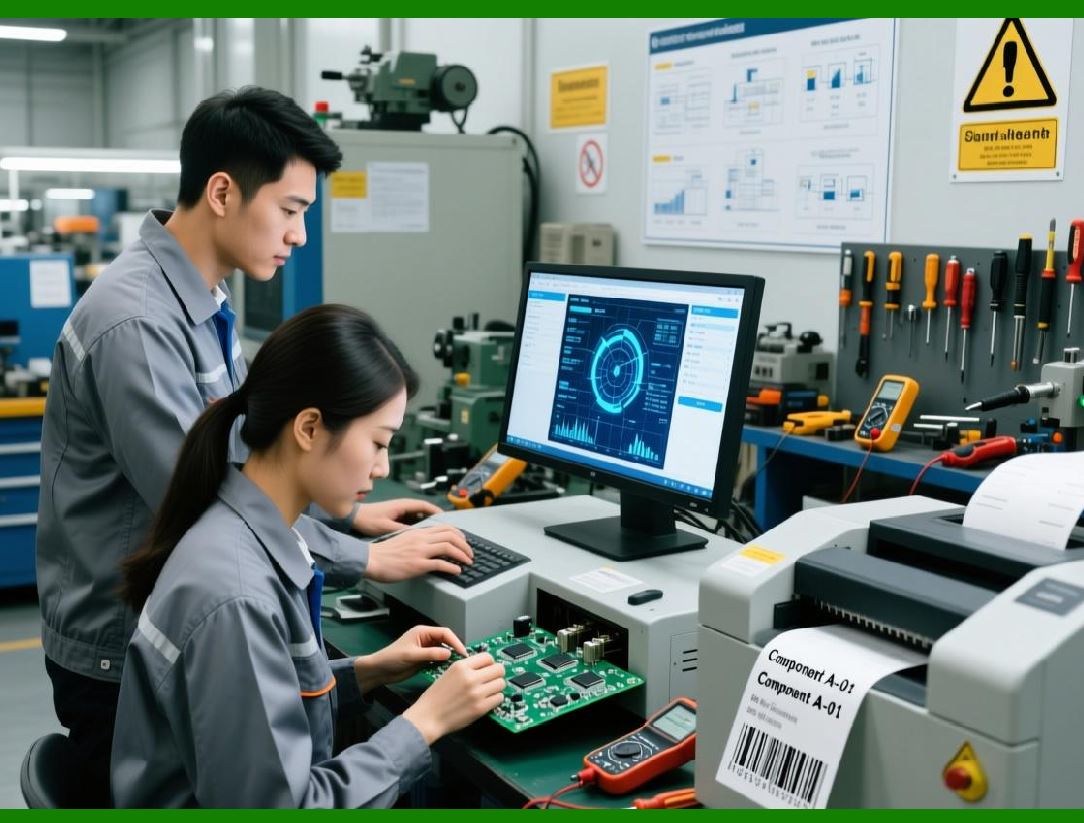
In the electronics industry, tiny components are often marked with codes. These codes must survive soldering, cleaning, and testing. Self-healing codes are used on printed circuit boards and on individual chips. Even if the code is partially burned or scratched, it can still be read. This helps manufacturers track components and diagnose failures. |
|
Real-World Example: Pharmaceuticals |
In the pharmaceutical industry, every pill bottle and every blister pack must be tracked. Self-healing codes are used on labels that must survive moisture, heat, and handling. Even if the label is partially torn, the code can still be read. This helps prevent counterfeit drugs and ensures that patients receive the correct medication. |
Real-World Example: Government and Identification |
Governments use self-healing codes on identification documents like passports and driver's licenses. These documents must survive years of wear and tear. A self-healing code can still be read even if the document is partially damaged. This helps prevent identity theft and ensures that the document remains valid. |
|
Real-World Example: Art and Cultural Heritage |
Museums and archives use self-healing codes to track artifacts. These codes must survive handling, dust, and light exposure. Even if a code is partially faded, it can still be read. This helps museums track their collections and ensures that artifacts are not lost or stolen. |
How Self-Healing Codes Are Made |
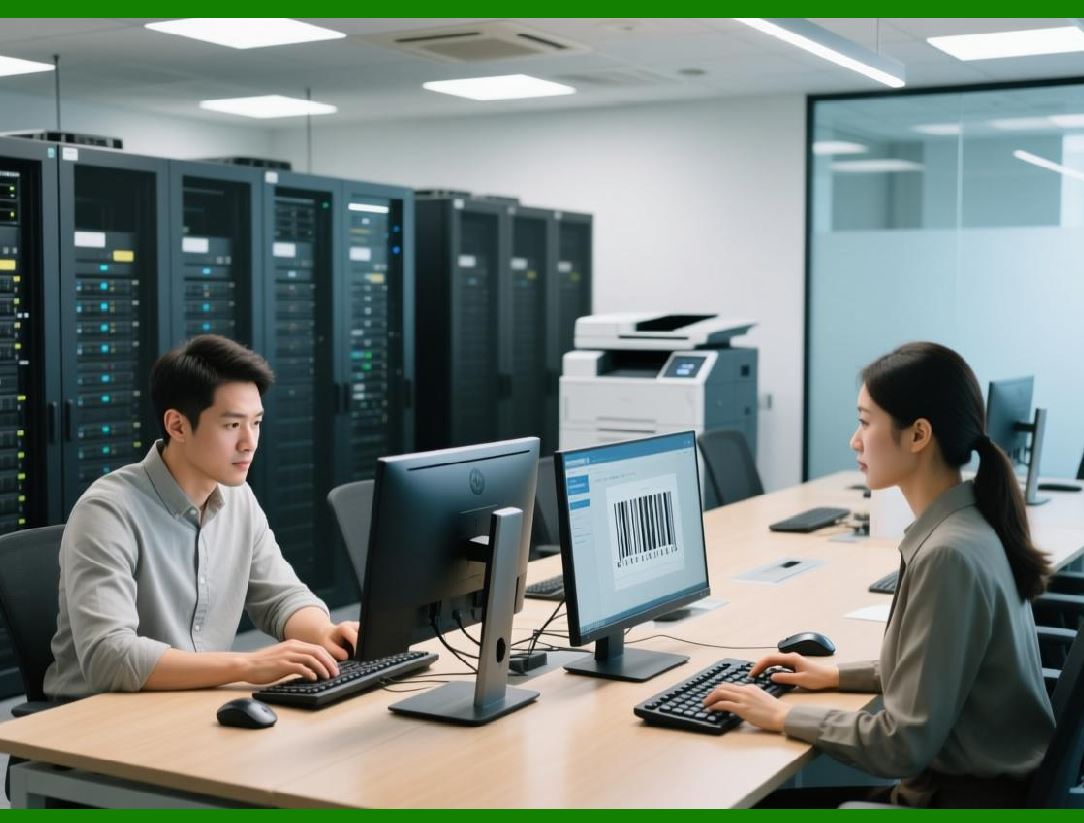
Self-healing codes are created using software that takes the original data and adds redundancy. The software might use a Reed-Solomon algorithm, a Hamming code, or another error-correcting code. The resulting pattern is then printed, etched, or engraved onto the surface. The reader uses the same algorithm in reverse to decode the data. |
|
The Role of the Reader |
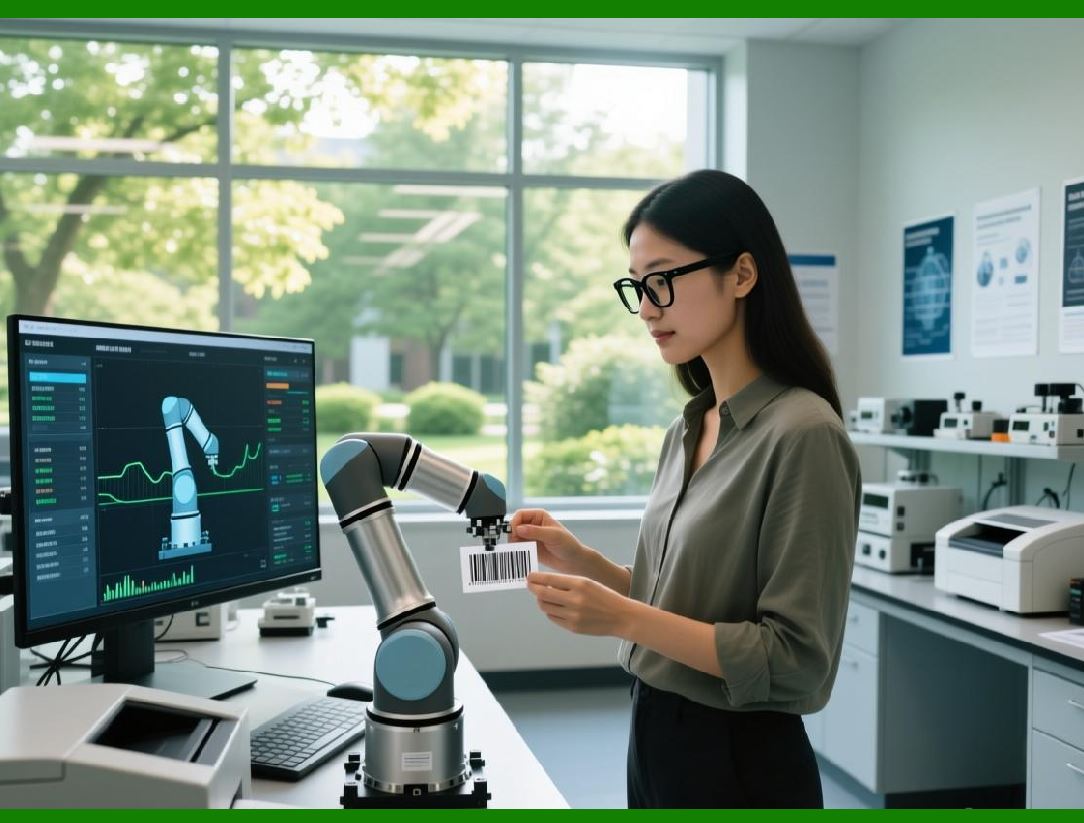
The reader is just as important as the code. A self-healing code requires a reader that can handle missing or corrupted data. Modern scanners use sophisticated algorithms to reconstruct the code. They can also use multiple scans to combine information from different angles. For example, if a code is partially covered by a shadow, the reader might scan it from a different angle to get a clear view. |
The Future of Self-Healing Codes |
The future of self-healing codes is bright. As the Internet of Things grows, more and more objects will be tagged with codes. These codes will need to survive harsh environments. Self-healing codes will become more common. They will also become smaller and cheaper. Eventually, they might be embedded in materials themselves, so that the code is part of the object rather than a label on the object. |
|
Challenges and Limitations |
Self-healing codes are not perfect. They have limitations. For example, if the damage is too severe, even a self-healing code cannot be read. If the code is completely destroyed, there is no redundancy left. Also, self-healing codes can be more expensive to produce than traditional barcodes. They require more computing power to encode and decode. And they can be more difficult to print, especially at very small sizes. |
The Importance of Standardization |
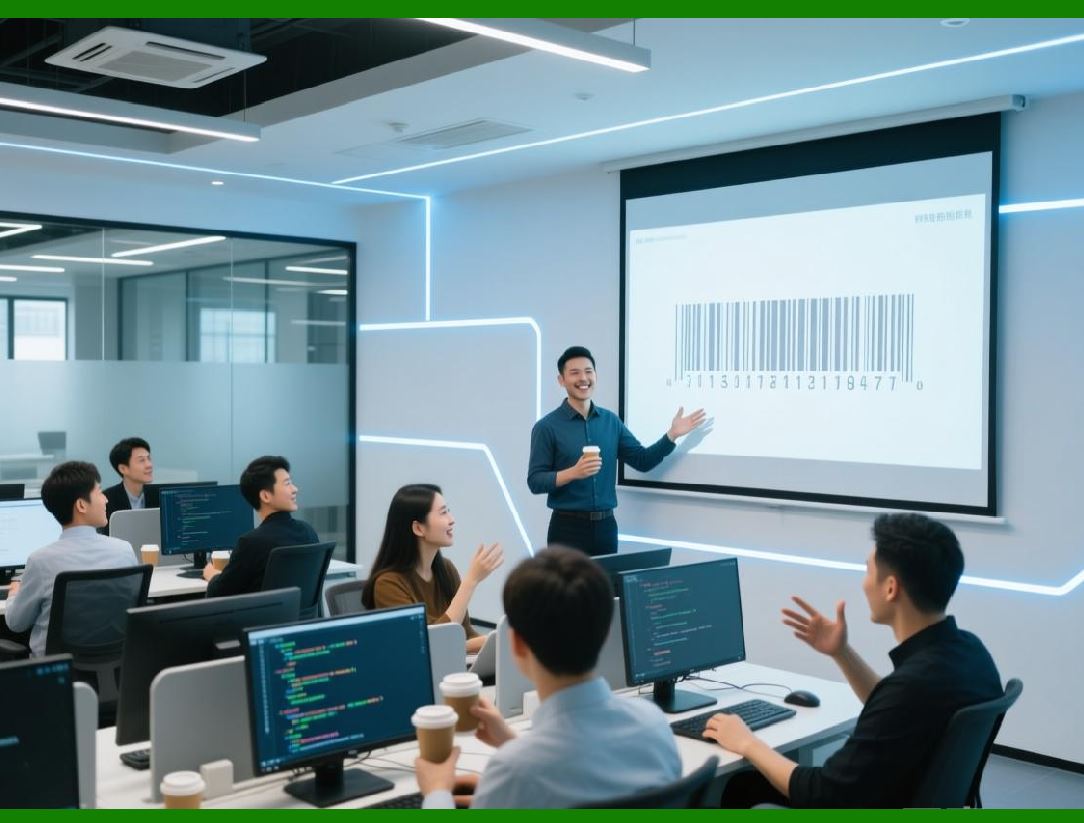
For self-healing codes to be widely adopted, they must be standardized. This means that different manufacturers must agree on how the codes are designed and how they are read. Organizations like ISO and GS1 are working on standards for self-healing codes. This will ensure that a code made by one company can be read by a scanner made by another company. |
|
Ethical and Privacy Considerations |
Self-healing codes can carry a lot of data. This raises privacy concerns. If a code can survive damage, it can also survive attempts to remove it. This means that a person might not be able to remove a code from a product. This could lead to tracking and surveillance. It is important to consider these ethical issues as the technology becomes more widespread. |
|
Conclusion |
Self-healing codes are a remarkable technology. They allow optical codes to survive damage that would have destroyed traditional barcodes. They use redundancy and error correction to reconstruct data even when part of the code is missing. They are used in manufacturing, healthcare, logistics, retail, agriculture, aerospace, automotive, electronics, pharmaceuticals, government, and art. They are made possible by sophisticated algorithms and readers. They have limitations, but they are improving rapidly. As the physical world becomes more connected, self-healing codes will play an increasingly important role in mapping and tracking objects. They are a silent network that keeps working even when things go wrong. |
|
Detailed Summary |
Self-healing codes are optical codes designed to remain readable even when a significant portion of their surface is damaged, typically up to 30 percent or more. Unlike traditional barcodes that rely on error detection, self-healing codes use error correction to automatically reconstruct missing or corrupted data. This is achieved through redundancy, where the same information is stored in multiple ways across the code. Common methods include dividing the code into blocks, using Reed-Solomon error correction, and employing grids of small cells. The 30 percent figure is a general guideline, not a hard rule; some codes can survive more damage, while others survive less. The key is that the damage is distributed, so the remaining parts still contain enough information to decode the message. |
Self-healing codes are used across many industries. In manufacturing, they survive cutting, welding, and painting. In healthcare, they survive sterilization and chemical exposure. In logistics, they survive dropping, crushing, and weather. In retail, they survive tearing and handling. In agriculture, they survive dirt, water, and sun. In aerospace, they survive extreme conditions and are used on critical components. In automotive, they survive painting and assembly. In electronics, they survive soldering and cleaning. In pharmaceuticals, they survive moisture and handling. In government, they survive wear and tear on identification documents. In art and cultural heritage, they survive handling and light exposure. |
Self-healing codes are created using software that adds redundancy to the original data. The reader uses the same algorithm in reverse to decode the data. Modern scanners use sophisticated algorithms to reconstruct the code, and they can use multiple scans to combine information from different angles. The future of self-healing codes is bright, as they become smaller, cheaper, and more common. They will be embedded in materials themselves, making the code part of the object rather than a label on the object. However, they have limitations. If the damage is too severe, they cannot be read. They can be more expensive to produce and require more computing power. They also raise privacy concerns, because they can survive attempts to remove them. Standardization is important to ensure that codes from different manufacturers can be read by different scanners. Organizations like ISO and GS1 are working on standards. As the physical world becomes more connected, self-healing codes will play an increasingly important role in mapping and tracking objects. They are a silent network that keeps working even when things go wrong. |
 cs@easiersoft.com