Chapter 76: Convergence, Not Replacement |
A Short Summary at the Start |
For decades, people have framed the relationship between barcodes and RFID as a battle. One technology, the older and cheaper one, would eventually be killed off by the newer and more capable one. This chapter argues that this framing is wrong. The future is not RFID versus barcode. It is a layered ecosystem where each technology serves its economic niche. Barcodes excel where cost per tag must be nearly zero, where surfaces are clean and flat, and where human-readable backup matters. RFID excels where automation is essential, where many items must be counted at once, where the environment is harsh, and where the value of the item justifies a higher tag cost. In practice, most successful deployments use both. A warehouse might use RFID for pallets and barcodes for individual retail items. A hospital might use RFID for surgical sponges and barcodes for patient wristbands. A library might use RFID for books and barcodes for DVDs. This chapter walks through dozens of real-world examples across retail, logistics, healthcare, manufacturing, agriculture, aviation, and consumer goods. The goal is not to declare a winner. The goal is to show how the two technologies quietly cooperate to map the physical world. |
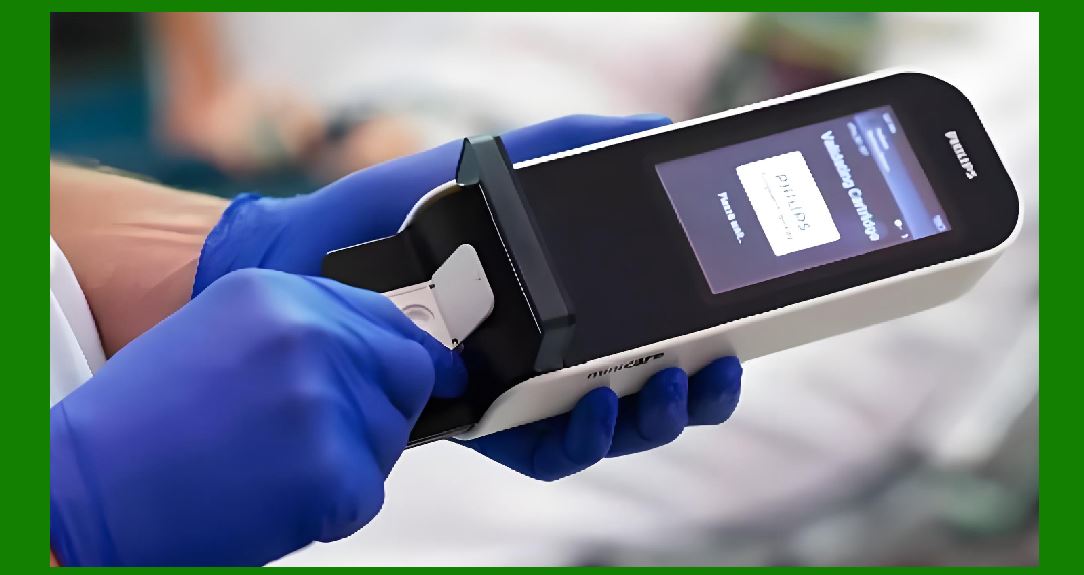
|
The End of the Either-Or Mindset |
When barcodes were first introduced in the 1970s, they transformed retail. A cashier could scan a product and get the price instantly. Inventory could be tracked with a simple laser and a printed label. The cost of a barcode label was fractions of a cent. The technology was simple, reliable, and human-readable. If the scanner failed, a person could type in the numbers. For decades, barcodes were the only practical way to identify individual items at scale. |
Then RFID arrived. Radio frequency identification promised something magical: you could read many tags at once, without line of sight, through boxes and walls. You could update tags wirelessly. You could embed them in harsh environments. Early proponents predicted that RFID would replace barcodes entirely. Why scan one item at a time when you could read a whole pallet in seconds |
But the replacement never happened. Instead, something more interesting occurred. RFID found its own niches, and barcodes kept theirs. In many cases, the two technologies ended up working side by side. The reason is simple economics. A barcode label costs less than a cent. An RFID tag costs anywhere from a few cents to several dollars. For a low-value item like a can of soda or a paperback book, adding a ten-cent RFID tag destroys the profit margin. For a high-value item like a jet engine part or a hospital surgical kit, a ten-cent tag is negligible. The decision is not about which technology is better. It is about which technology is cheaper for the specific job. |
This is the core of convergence. Each technology serves its economic niche. The barcode is the perfect solution for low-cost, high-volume, line-of-sight identification. RFID is the perfect solution for higher-cost, automated, non-line-of-sight identification. Together, they cover the entire spectrum of physical objects. |

|
The Economic Niche of Barcodes |
To understand why barcodes persist, we must understand their economic niche. A barcode is essentially a printed pattern of black and white lines. It can be printed on paper, plastic, metal, or glass. The cost is almost nothing. The reader is a simple laser or camera. The data is human-readable if you know the encoding. The barcode does not need a power source. It does not need a chip. It does not need a battery. It does not need to be programmed. It is passive in the extreme. |
This makes barcodes ideal for several situations. First, when the item is very cheap. A pack of gum, a greeting card, a bottle of water. The cost of the tag must be a tiny fraction of the item's price. Second, when the item is always presented in a clean, flat, line-of-sight manner. A grocery checkout is the classic example. Third, when human-readable backup is essential. If the scanner breaks, a cashier can type in the numbers. Fourth, when the environment is relatively clean and dry. Barcodes can be damaged by water, dirt, or abrasion. Fifth, when the data never changes. A barcode encodes a fixed number. It cannot be updated wirelessly. |
These constraints are real, but they cover a huge range of products. Almost all consumer packaged goods use barcodes. Almost all books use barcodes. Almost all mail and parcels use barcodes. Almost all airline baggage tags use barcodes. The barcode is not going away. It is the default identification technology for the physical world. |
|
The Economic Niche of RFID |
RFID occupies a different niche. An RFID tag contains a microchip and an antenna. It can be passive, meaning it harvests energy from the reader's radio waves, or active, meaning it has its own battery. Passive tags are cheap enough for many applications, often between five and fifty cents. Active tags can cost dollars. The reader can read many tags at once, often hundreds per second. It does not need line of sight. It can read through cardboard, plastic, and even water (with some frequency limitations). It can read at a distance, from a few centimeters to several meters. Some tags can be rewritten. |
This makes RFID ideal for several situations. First, when automation is essential. Counting a thousand items by hand or by scanning one at a time is slow and error-prone. An RFID portal can count them all in seconds. Second, when the item is high-value. A ten-cent tag on a hundred-dollar item is nothing. Third, when the environment is harsh. RFID tags can be embedded in plastic, sewn into clothing, or attached to metal. Fourth, when the item moves through many hands and locations. RFID can track a pallet from a factory to a warehouse to a store without manual scanning. Fifth, when the data needs to be updated. A rewritable RFID tag can store new information. |
These constraints also cover a huge range of products. Apparel, electronics, automotive parts, pharmaceuticals, livestock, library books, and airline baggage are all common RFID applications. RFID is not replacing barcodes. It is adding a new layer of capability. |
|
The Layered Ecosystem in Retail |
Retail is the birthplace of the barcode, and it remains the strongest example of convergence. Walk into any supermarket. Every item on the shelf has a barcode. The cashier scans each one. The barcode is perfect for this: cheap, reliable, line-of-sight. But walk into the back room. The pallets of goods arriving from the distributor may have RFID tags. The pallet itself may have an RFID tag. The cases on the pallet may have RFID tags. The individual items inside the cases still have barcodes. This is the layered ecosystem. |
Consider a large apparel retailer. Every shirt, pair of pants, and jacket has a barcode on the price tag. But many of these retailers also put an RFID tag on the same tag. Why bothBecause the barcode is the backup. If the RFID reader fails, the cashier can scan the barcode. The barcode is also required by some suppliers and some countries. The RFID tag is used for inventory counting. A store employee can walk through the aisles with a handheld reader and count every item in minutes. Without RFID, that would take hours. The barcode and RFID tag coexist on the same label. They are not competitors. They are partners. |
Consider a consumer electronics store. A laptop has a barcode on the box. The box also has an RFID tag. The barcode is used at the point of sale. The RFID tag is used for inventory and for anti-theft. When the laptop leaves the store, the RFID tag is deactivated at the checkout. The barcode remains for warranty and returns. Again, both technologies serve different purposes. |
Consider a pharmacy. Prescription bottles have barcodes. The barcode is scanned at the counter to verify the medication. But the pharmacy also uses RFID for high-value drugs and for tracking controlled substances. The RFID tag allows the pharmacist to count the bottles without opening the cabinet. The barcode allows the pharmacist to verify the exact drug and dosage. The two systems work together. |
|
The Layered Ecosystem in Logistics |
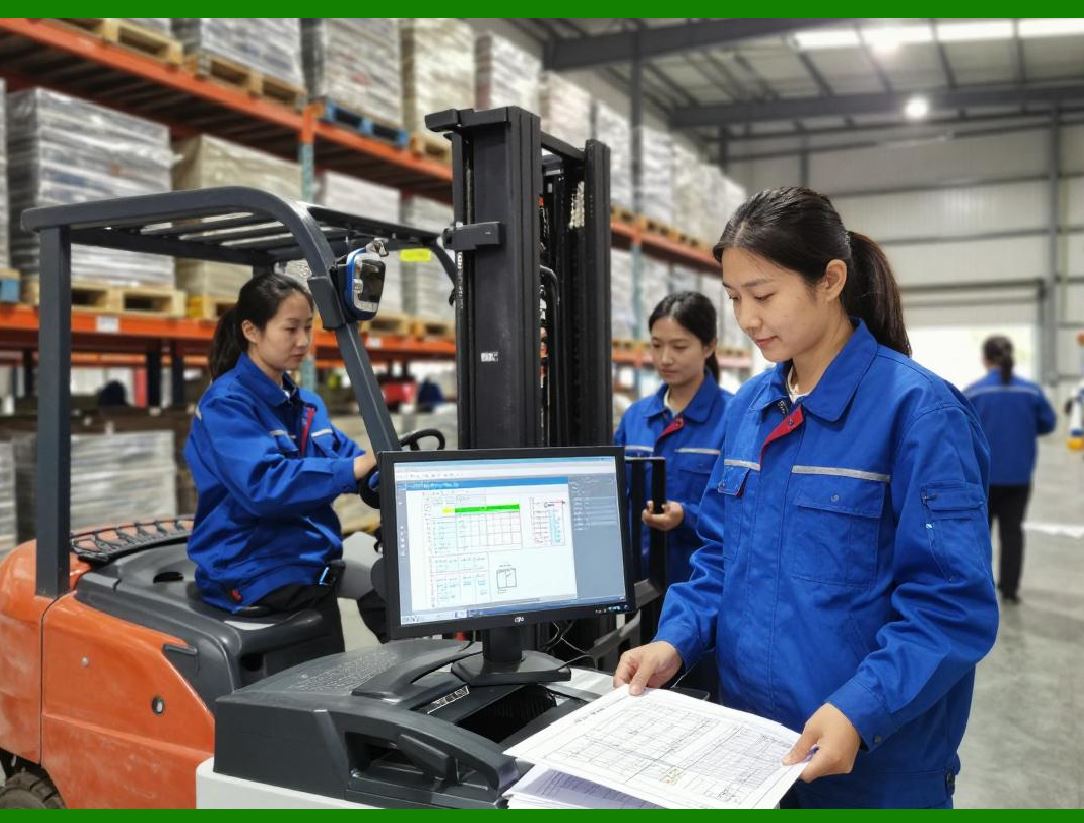
Logistics is where RFID first proved its value. A pallet of goods moving from a factory to a warehouse to a store is a perfect candidate for RFID. The pallet can be read at a portal without stopping the forklift. The cases on the pallet can be read at the same time. The individual items inside the cases still have barcodes. This layered approach is now standard in many supply chains. |
Consider a major retailer's distribution center. Trucks arrive with pallets. Each pallet has an RFID tag. Each case on the pallet has an RFID tag. As the truck passes through the dock door, an RFID portal reads all the tags. The system knows exactly what arrived, without any manual scanning. The pallets are then moved to storage. When an order comes in, the system tells a worker which pallet to pick. The worker moves the pallet to a staging area. Another RFID portal reads the pallet and confirms the pick. The individual items are still barcoded. When the items are packed for shipment to a store, the worker scans the barcode to confirm the item. The barcode is the final check. The RFID was the bulk check. |
Consider a parcel delivery company. Every package has a barcode. The barcode is scanned at every step: pickup, sorting, loading, delivery. The barcode is cheap and reliable. But some parcels also have RFID tags. WhyBecause RFID can read many parcels at once. A truck full of parcels can be checked in seconds. The barcode is still used for the final delivery scan. The RFID is used for the bulk scans. The two technologies are complementary. |
Consider a cold chain logistics company. Frozen goods must be kept at specific temperatures. Barcodes can be damaged by frost and moisture. RFID tags can be embedded in plastic and read through ice. The company uses RFID for the pallets and cases. The individual items still have barcodes. The barcode is scanned at the point of sale. The RFID is used for the cold chain monitoring. The two systems work together. |

|
The Layered Ecosystem in Healthcare |
Healthcare is a life-or-death environment where identification errors can be fatal. Barcodes and RFID both play critical roles. Consider a hospital. Every patient receives a wristband with a barcode. The barcode is scanned before administering medication. The barcode is scanned before a blood transfusion. The barcode is scanned before a procedure. The barcode is cheap and reliable. But the hospital also uses RFID for high-value assets. A infusion pump has an RFID tag. A wheelchair has an RFID tag. A surgical instrument has an RFID tag. The RFID tag allows the hospital to locate the asset without searching the entire floor. The barcode on the patient wristband ensures the right patient gets the right medication. The two technologies serve different purposes. |
Consider a surgical suite. Surgical sponges are a major risk. If a sponge is left inside a patient, the results can be fatal. Many hospitals now use RFID-tagged sponges. Before the incision is closed, a nurse waves an RFID reader over the patient. The reader counts the sponges. If any are missing, the nurse knows immediately. The sponge also has a barcode. The barcode is used for inventory and for billing. The RFID is used for safety. The two technologies work together. |
Consider a blood bank. Every bag of blood has a barcode. The barcode is scanned when the blood is collected, when it is tested, when it is stored, and when it is transfused. The barcode is the primary identification. But some blood banks also use RFID. The RFID tag allows the blood bank to monitor the temperature of the bag. The RFID tag allows the blood bank to inventory the refrigerator without opening the door. The barcode is still used for the final match. The two technologies are complementary. |
Consider a pharmacy. Every pill bottle has a barcode. The barcode is scanned when the prescription is filled. The barcode is scanned when the patient picks up the medication. But the pharmacy also uses RFID for high-value drugs. The RFID tag allows the pharmacist to count the bottles without opening the cabinet. The RFID tag allows the pharmacy to track the drug from the manufacturer to the patient. The barcode is the backup. The RFID is the automation. |
|
The Layered Ecosystem in Manufacturing |
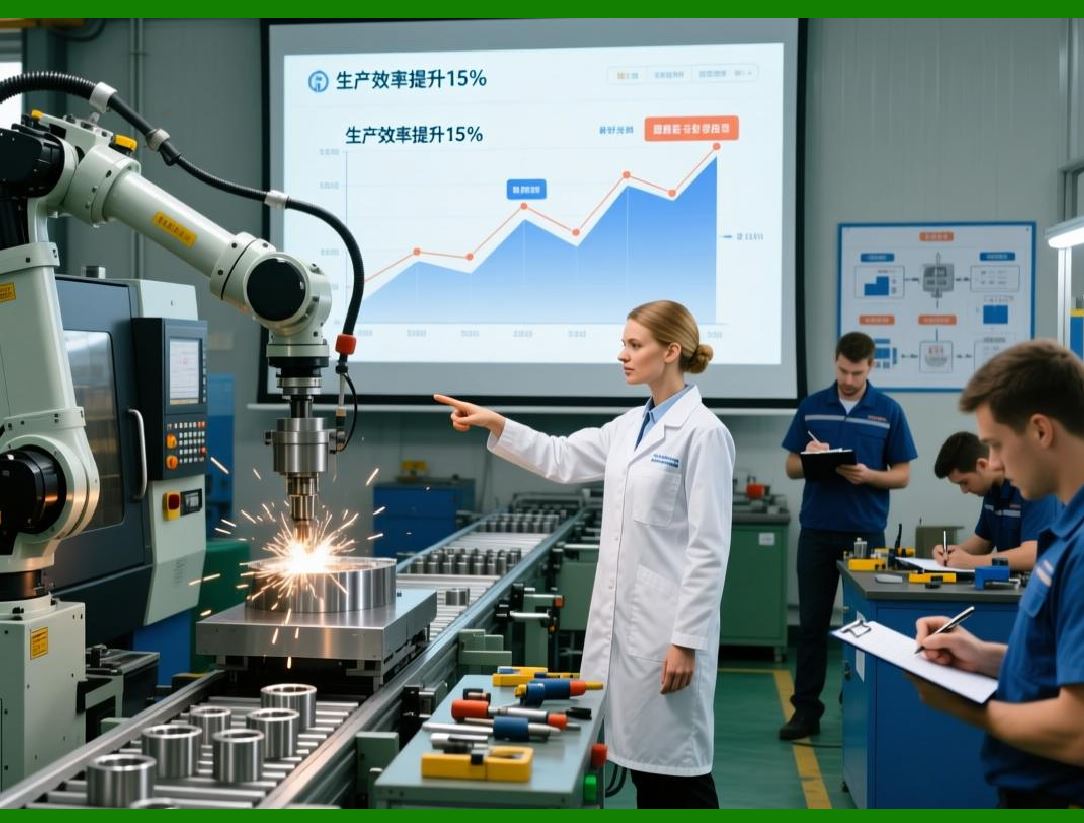
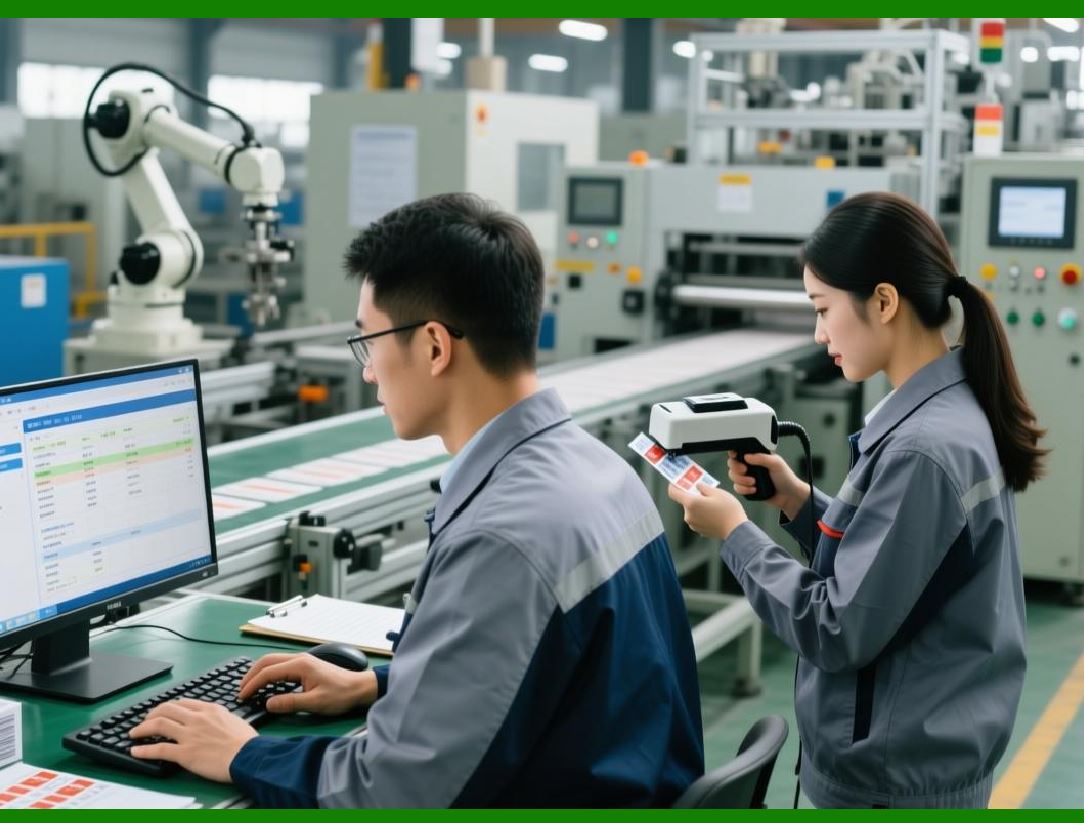
Manufacturing is a complex dance of parts, tools, and workers. Barcodes and RFID both play roles. Consider an automotive factory. Every part has a barcode. The barcode is scanned when the part arrives. The barcode is scanned when the part is installed. The barcode is scanned when the car is finished. The barcode is the primary identification. But the factory also uses RFID for the car body itself. The car body moves along a conveyor. An RFID tag on the body tells the robots which model to build. The RFID tag tells the paint shop which color to use. The RFID tag tells the assembly line which options to install. The barcode on the individual parts is scanned by the worker. The RFID on the body is read automatically. The two technologies work together. |
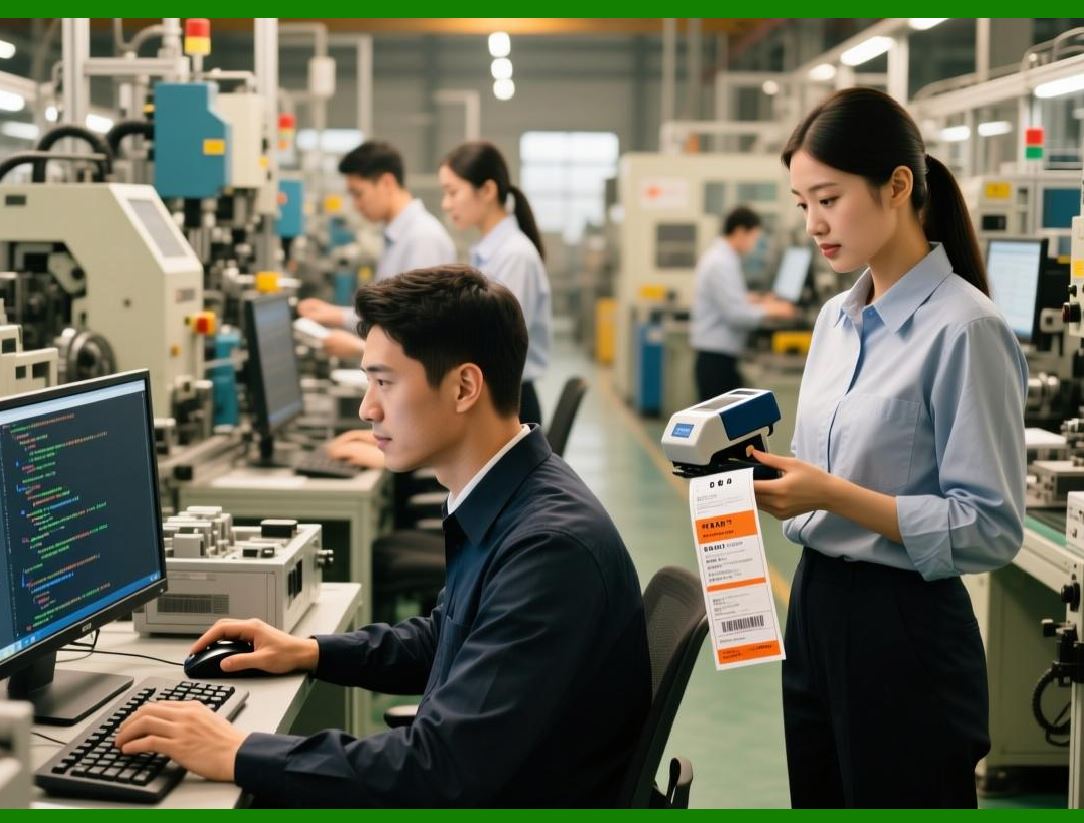
Consider an electronics factory. Every circuit board has a barcode. The barcode is scanned when the board is tested. The barcode is scanned when the board is installed. But the factory also uses RFID for the trays that hold the boards. The RFID tag on the tray tells the machine which program to run. The RFID tag on the tray tracks the board through the oven. The barcode on the board is the final identifier. The RFID on the tray is the automation. |
Consider a pharmaceutical factory. Every bottle has a barcode. The barcode is scanned when the bottle is filled. The barcode is scanned when the bottle is packed. But the factory also uses RFID for the pallets and cases. The RFID tag allows the factory to track the shipment without opening the boxes. The barcode on the bottle is the primary identifier. The RFID on the case is the bulk identifier. |
Consider a food processing plant. Every package has a barcode. The barcode is scanned at the checkout. But the plant also uses RFID for the trays and the pallets. The RFID tag allows the plant to track the food from the farm to the store. The barcode is the consumer-facing identifier. The RFID is the supply-chain identifier. |
|
The Layered Ecosystem in Agriculture |
Agriculture is an outdoor environment where barcodes often fail. Rain, mud, and sunlight can damage barcodes. RFID tags can be embedded in plastic and read through dirt. Consider a cattle ranch. Every cow has an RFID tag. The tag is usually an ear tag or a rumen bolus. The RFID tag allows the rancher to identify the cow without catching it. The RFID tag allows the rancher to track the cow's health and history. But the cow also has a barcode on its ear tag. The barcode is used as a backup. The barcode is used for the sale barn. The barcode is used for the meat processor. The two technologies work together. |
Consider a vineyard. Every vine has a barcode. The barcode is used to track the grapes. But the vineyard also uses RFID for the bins. The RFID tag on the bin tells the winery which grapes are inside. The RFID tag on the bin tracks the grapes through fermentation. The barcode on the vine is the primary identifier. The RFID on the bin is the bulk identifier. |
Consider a grain elevator. Every truck has a barcode. The barcode is scanned at the gate. But the elevator also uses RFID for the grain. The RFID tag is mixed into the grain. The RFID tag allows the elevator to track the grain through the silo. The barcode on the truck is the primary identifier. The RFID in the grain is the bulk identifier. |
Consider a greenhouse. Every plant has a barcode. The barcode is scanned at the nursery. But the greenhouse also uses RFID for the trays. The RFID tag on the tray tells the watering system which plants need water. The barcode on the plant is the primary identifier. The RFID on the tray is the automation. |

|
The Layered Ecosystem in Aviation |
Aviation is a safety-critical industry where identification errors can be catastrophic. Barcodes and RFID both play roles. Consider an airline. Every bag has a barcode. The barcode is scanned at check-in. The barcode is scanned at the gate. The barcode is scanned at the destination. The barcode is cheap and reliable. But some airlines also use RFID for the bags. The RFID tag allows the airline to track the bag without line of sight. The RFID tag allows the airline to load the bags faster. The barcode is the backup. The RFID is the automation. |
Consider an aircraft manufacturer. Every part has a barcode. The barcode is scanned when the part is installed. The barcode is scanned when the plane is inspected. But the manufacturer also uses RFID for the tools. The RFID tag on the tool tells the mechanic when the tool needs calibration. The RFID tag on the tool prevents the tool from being left in the plane. The barcode on the part is the primary identifier. The RFID on the tool is the safety check. |
Consider an airport. Every passenger has a boarding pass with a barcode. The barcode is scanned at security. The barcode is scanned at the gate. But the airport also uses RFID for the baggage handling system. The RFID tag on the bag tells the conveyor where to send the bag. The barcode on the boarding pass is the primary identifier. The RFID on the bag is the automation. |
Consider a maintenance hangar. Every part has a barcode. The barcode is scanned when the part is removed. The barcode is scanned when the part is replaced. But the hangar also uses RFID for the inventory. The RFID tag allows the hangar to count the parts without opening the bins. The barcode on the part is the primary identifier. The RFID on the bin is the bulk identifier. |

|
The Layered Ecosystem in Consumer Goods |
Consumer goods are the most visible example of convergence. Every product has a barcode. The barcode is scanned at the checkout. But many products also have RFID tags. Consider a clothing store. Every shirt has a barcode. The barcode is scanned at the checkout. But the shirt also has an RFID tag. The RFID tag is used for inventory. The RFID tag is used for anti-theft. The barcode is the backup. The RFID is the automation. |
Consider a shoe store. Every shoe box has a barcode. The barcode is scanned at the checkout. But the shoe box also has an RFID tag. The RFID tag allows the store to find the matching shoe in the back room. The barcode is the primary identifier. The RFID is the inventory tool. |
Consider a bookstore. Every book has a barcode. The barcode is scanned at the checkout. But the bookstore also uses RFID for the inventory. The RFID tag allows the store to count the books on the shelf. The barcode is the primary identifier. The RFID is the inventory tool. |
Consider a supermarket. Every item has a barcode. The barcode is scanned at the checkout. But the supermarket also uses RFID for the pallets and cases. The RFID tag allows the store to receive the shipment without opening the boxes. The barcode is the consumer-facing identifier. The RFID is the supply-chain identifier. |

|
The Layered Ecosystem in Libraries |
Libraries were early adopters of RFID. A library book has a barcode. The barcode is scanned at the checkout. But the book also has an RFID tag. The RFID tag allows the librarian to check out multiple books at once. The RFID tag allows the librarian to inventory the shelves without touching every book. The barcode is the backup. The RFID is the automation. |
Consider a university library. Every book has a barcode. The barcode is used for the catalog. But the library also uses RFID for the security gate. The RFID tag triggers the alarm if the book is not checked out. The barcode is the primary identifier. The RFID is the security tool. |
Consider a public library. Every DVD has a barcode. The barcode is scanned at the checkout. But the DVD also has an RFID tag. The RFID tag allows the librarian to sort the DVDs automatically. The barcode is the primary identifier. The RFID is the sorting tool. |
Consider a special library. Every archive box has a barcode. The barcode is used for the finding aid. But the library also uses RFID for the rare books. The RFID tag allows the librarian to monitor the temperature and humidity. The barcode is the primary identifier. The RFID is the environmental monitor. |

|
The Layered Ecosystem in Events and Entertainment |
Events and entertainment are chaotic environments where speed matters. Barcodes and RFID both play roles. Consider a music festival. Every ticket has a barcode. The barcode is scanned at the gate. But the festival also uses RFID for the wristbands. The RFID wristband allows the attendee to enter without stopping. The RFID wristband allows the attendee to buy food and drinks without cash. The barcode is the backup. The RFID is the convenience. |
Consider a theme park. Every ticket has a barcode. The barcode is scanned at the gate. But the theme park also uses RFID for the fast pass. The RFID tag allows the guest to skip the line. The barcode is the primary identifier. The RFID is the premium service. |
Consider a conference. Every badge has a barcode. The barcode is scanned at the entrance. But the conference also uses RFID for the badge. The RFID tag allows the attendee to exchange contact information with a tap. The barcode is the primary identifier. The RFID is the networking tool. |
Consider a stadium. Every ticket has a barcode. The barcode is scanned at the gate. But the stadium also uses RFID for the concessions. The RFID tag allows the fan to pay without cash. The barcode is the primary identifier. The RFID is the payment tool. |
|
The Layered Ecosystem in Construction |
Construction is a rough environment where barcodes often fail. Dust, mud, and impact can damage barcodes. RFID tags can be embedded in concrete and read through walls. Consider a construction site. Every tool has a barcode. The barcode is scanned at the tool crib. But the site also uses RFID for the tools. The RFID tag allows the site to locate the tool without searching the entire site. The barcode is the backup. The RFID is the automation. |
Consider a prefabricated building. Every panel has a barcode. The barcode is scanned when the panel is delivered. But the panel also has an RFID tag. The RFID tag tells the crane where to place the panel. The barcode is the primary identifier. The RFID is the installation tool. |
Consider a concrete pour. Every truck has a barcode. The barcode is scanned at the gate. But the concrete also has an RFID tag. The RFID tag is mixed into the concrete. The RFID tag allows the engineer to monitor the curing process. The barcode on the truck is the primary identifier. The RFID in the concrete is the quality control. |
Consider a plumbing system. Every pipe has a barcode. The barcode is scanned when the pipe is installed. But the pipe also has an RFID tag. The RFID tag allows the maintenance crew to find the valve without opening the wall. The barcode is the primary identifier. The RFID is the maintenance tool. |

|
The Layered Ecosystem in Waste Management |
Waste management is a dirty environment where barcodes often fail. RFID tags can be embedded in bins and read through grime. Consider a city. Every trash bin has a barcode. The barcode is used for billing. But the bin also has an RFID tag. The RFID tag allows the truck to weigh the bin and bill the customer automatically. The barcode is the backup. The RFID is the automation. |
Consider a recycling center. Every bin has a barcode. The barcode is used for sorting. But the bin also has an RFID tag. The RFID tag allows the center to track the bin through the sorting process. The barcode is the primary identifier. The RFID is the tracking tool. |
Consider a hazardous waste facility. Every drum has a barcode. The barcode is used for the manifest. But the drum also has an RFID tag. The RFID tag allows the facility to monitor the drum's temperature and pressure. The barcode is the primary identifier. The RFID is the safety monitor. |
Consider a compost facility. Every truck has a barcode. The barcode is scanned at the gate. But the compost also has an RFID tag. The RFID tag allows the facility to track the compost through the curing process. The barcode on the truck is the primary identifier. The RFID in the compost is the quality control. |
|
The Layered Ecosystem in Mining |
Mining is an extreme environment where barcodes fail quickly. Dust, water, and vibration destroy barcodes. RFID tags can be embedded in equipment and read through rock. Consider a mine. Every truck has a barcode. The barcode is scanned at the surface. But the truck also has an RFID tag. The RFID tag allows the mine to track the truck underground. The barcode is the backup. The RFID is the tracking tool. |
Consider a conveyor belt. Every bucket has a barcode. The barcode is used for maintenance. But the bucket also has an RFID tag. The RFID tag allows the mine to monitor the bucket's wear. The barcode is the primary identifier. The RFID is the predictive maintenance. |
Consider a miner. Every helmet has a barcode. The barcode is used for attendance. But the helmet also has an RFID tag. The RFID tag allows the mine to locate the miner in an emergency. The barcode is the backup. The RFID is the safety tool. |
Consider a ore cart. Every cart has a barcode. The barcode is used for tracking. But the cart also has an RFID tag. The RFID tag allows the mine to track the ore from the face to the mill. The barcode is the primary identifier. The RFID is the automation. |
|
The Layered Ecosystem in Oil and Gas |
Oil and gas is a hazardous environment where barcodes fail. RFID tags can be embedded in pipes and read through insulation. Consider a refinery. Every pipe has a barcode. The barcode is used for inspection. But the pipe also has an RFID tag. The RFID tag allows the refinery to monitor the pipe's corrosion. The barcode is the backup. The RFID is the safety monitor. |
Consider a drilling rig. Every drill pipe has a barcode. The barcode is used for inventory. But the drill pipe also has an RFID tag. The RFID tag allows the rig to track the pipe's history. The barcode is the primary identifier. The RFID is the maintenance tool. |
Consider a pipeline. Every valve has a barcode. The barcode is used for maintenance. But the valve also has an RFID tag. The RFID tag allows the pipeline to monitor the valve's pressure. The barcode is the backup. The RFID is the safety monitor. |
Consider a gas station. Every pump has a barcode. The barcode is used for service. But the pump also has an RFID tag. The RFID tag allows the station to monitor the pump's usage. The barcode is the primary identifier. The RFID is the analytics tool. |
|
The Layered Ecosystem in Government and Defense |
Government and defense are security-critical environments where identification errors can be catastrophic. Barcodes and RFID both play roles. Consider a military base. Every asset has a barcode. The barcode is used for inventory. But the asset also has an RFID tag. The RFID tag allows the base to locate the asset without opening the warehouse. The barcode is the backup. The RFID is the automation. |
Consider a passport. Every passport has a barcode. The barcode is scanned at the border. But the passport also has an RFID tag. The RFID tag allows the border agent to read the passport without opening it. The barcode is the backup. The RFID is the convenience. |
Consider a driver's license. Every license has a barcode. The barcode is scanned at the traffic stop. But the license also has an RFID tag. The RFID tag allows the officer to verify the license without handling it. The barcode is the backup. The RFID is the safety tool. |
Consider a shipping container. Every container has a barcode. The barcode is used for customs. But the container also has an RFID tag. The RFID tag allows customs to inspect the container without opening it. The barcode is the primary identifier. The RFID is the security tool. |
|
The Layered Ecosystem in Smart Cities |
Smart cities are using both barcodes and RFID to map the physical world. Consider a bus system. Every bus has a barcode. The barcode is used for maintenance. But the bus also has an RFID tag. The RFID tag allows the bus to announce its arrival. The barcode is the backup. The RFID is the passenger information. |
Consider a bike share. Every bike has a barcode. The barcode is used for checkout. But the bike also has an RFID tag. The RFID tag allows the bike to be tracked if stolen. The barcode is the primary identifier. The RFID is the security tool. |
Consider a parking meter. Every meter has a barcode. The barcode is used for service. But the meter also has an RFID tag. The RFID tag allows the meter to accept payment. The barcode is the backup. The RFID is the payment tool. |
Consider a waste bin. Every bin has a barcode. The barcode is used for billing. But the bin also has an RFID tag. The RFID tag allows the city to optimize the collection route. The barcode is the backup. The RFID is the efficiency tool. |
|
The Layered Ecosystem in the Home |
The home is the final frontier for barcodes and RFID. Consider a refrigerator. Every item has a barcode. The barcode is scanned at the grocery store. But the refrigerator also has an RFID reader. The RFID reader allows the refrigerator to inventory the food. The barcode is the primary identifier. The RFID is the automation. |
Consider a washing machine. Every garment has a barcode. The barcode is scanned at the store. But the washing machine also has an RFID reader. The RFID reader allows the washing machine to select the correct cycle. The barcode is the primary identifier. The RFID is the convenience. |
Consider a medicine cabinet. Every bottle has a barcode. The barcode is scanned at the pharmacy. But the cabinet also has an RFID reader. The RFID reader allows the cabinet to remind the patient to take the medication. The barcode is the primary identifier. The RFID is the safety tool. |
Consider a toolbox. Every tool has a barcode. The barcode is scanned at the store. But the toolbox also has an RFID reader. The RFID reader allows the toolbox to tell the owner which tool is missing. The barcode is the primary identifier. The RFID is the inventory tool. |
|
The Layered Ecosystem in the Future |
The future is not RFID versus barcode. It is a layered ecosystem where each technology serves its economic niche. Barcodes will continue to be the cheapest, simplest, and most human-readable identification technology. RFID will continue to be the most automated, most robust, and most data-rich identification technology. The two will coexist in almost every industry. |
Consider the Internet of Things. Every object will have an identity. Some will have a barcode. Some will have an RFID tag. Some will have both. The barcode will be the backup. The RFID will be the sensor. The two will work together to map the physical world. |
Consider the circular economy. Every product will need to be tracked from cradle to grave. The barcode will be the consumer-facing identifier. The RFID will be the recycling identifier. The two will work together to close the loop. |
Consider the smart supply chain. Every item will need to be tracked from the factory to the customer. The barcode will be the point-of-sale identifier. The RFID will be the inventory identifier. The two will work together to optimize the flow. |
Consider the smart city. Every asset will need to be tracked from installation to replacement. The barcode will be the maintenance identifier. The RFID will be the location identifier. The two will work together to improve the service. |
The convergence is not a compromise. It is a design pattern. The barcode and RFID are not competitors. They are complementary. The barcode is the noun. The RFID is the verb. The barcode says what the object is. The RFID says where the object is and what it is doing. Together, they map the physical world. |
|
A Detailed Summary at the End |
This chapter has argued that the future of identification is not a battle between barcodes and RFID. It is a layered ecosystem where each technology serves its economic niche. The barcode is the cheapest, simplest, and most human-readable identification technology. It costs fractions of a cent. It works on almost any surface. It does not need a power source. It is the default for low-value, high-volume, line-of-sight items. The RFID tag is the most automated, most robust, and most data-rich identification technology. It costs cents to dollars. It works without line of sight. It can be read in bulk. It is the default for high-value, automated, non-line-of-sight items. |
The chapter has walked through dozens of real-world examples. In retail, barcodes are used at the point of sale, while RFID is used for inventory and anti-theft. In logistics, barcodes are used for individual parcels, while RFID is used for pallets and cases. In healthcare, barcodes are used for patient wristbands and medication, while RFID is used for surgical sponges and high-value assets. In manufacturing, barcodes are used for individual parts, while RFID is used for car bodies and trays. In agriculture, barcodes are used for individual plants and animals, while RFID is used for bins and grain. In aviation, barcodes are used for boarding passes and baggage tags, while RFID is used for baggage handling and tools. In consumer goods, barcodes are used at the checkout, while RFID is used for inventory and anti-theft. In libraries, barcodes are used for the catalog, while RFID is used for checkout and security. In events, barcodes are used for tickets, while RFID is used for wristbands and payments. In construction, barcodes are used for tools and panels, while RFID is used for concrete and pipes. In waste management, barcodes are used for billing, while RFID is used for weighing and sorting. In mining, barcodes are used for equipment, while RFID is used for tracking and safety. In oil and gas, barcodes are used for pipes and valves, while RFID is used for corrosion monitoring and safety. In government and defense, barcodes are used for assets and passports, while RFID is used for inventory and security. In smart cities, barcodes are used for buses and bikes, while RFID is used for payments and tracking. In the home, barcodes are used for groceries and medicines, while RFID is used for inventory and reminders. |
The pattern is clear. The barcode is the noun. The RFID is the verb. The barcode says what the object is. The RFID says where the object is and what it is doing. The barcode is the backup. The RFID is the automation. The barcode is the consumer-facing identifier. The RFID is the supply-chain identifier. The barcode is the primary identifier. The RFID is the secondary identifier. The two technologies are not competitors. They are partners. |
The economic logic is simple. A barcode costs almost nothing. An RFID tag costs something. For a low-value item, the barcode is the only viable option. For a high-value item, the RFID tag is a negligible cost. The decision is not about which technology is better. It is about which technology is cheaper for the specific job. This is why barcodes will never disappear. They are too cheap, too simple, and too useful. This is why RFID will never replace barcodes. It is too expensive, too complex, and too specialized. The two will coexist in almost every industry. |
|
The future is not RFID versus barcode. It is a layered ecosystem where each technology serves its economic niche. The barcode is the foundation. The RFID is the enhancement. Together, they map the physical world. The silent network is not a single technology. It is a symphony of technologies, each playing its part. The barcode plays the bass line. The RFID plays the melody. The result is a harmony that no single technology could achieve alone. |
This is the convergence. Not replacement. The barcode and RFID are not enemies. They are allies. They are not competing for the same job. They are covering different jobs. They are not fighting for the future. They are building the future together. The physical world is too complex for any single identification technology. The barcode and RFID are two tools in the same toolbox. The wise engineer uses both. The wise company uses both. The wise industry uses both. The future is not either-or. The future is both-and. The future is convergence. |
 cs@easiersoft.com