Chapter 8: The Anti-Collision Algorithm |
A Brief Summary at the Start |
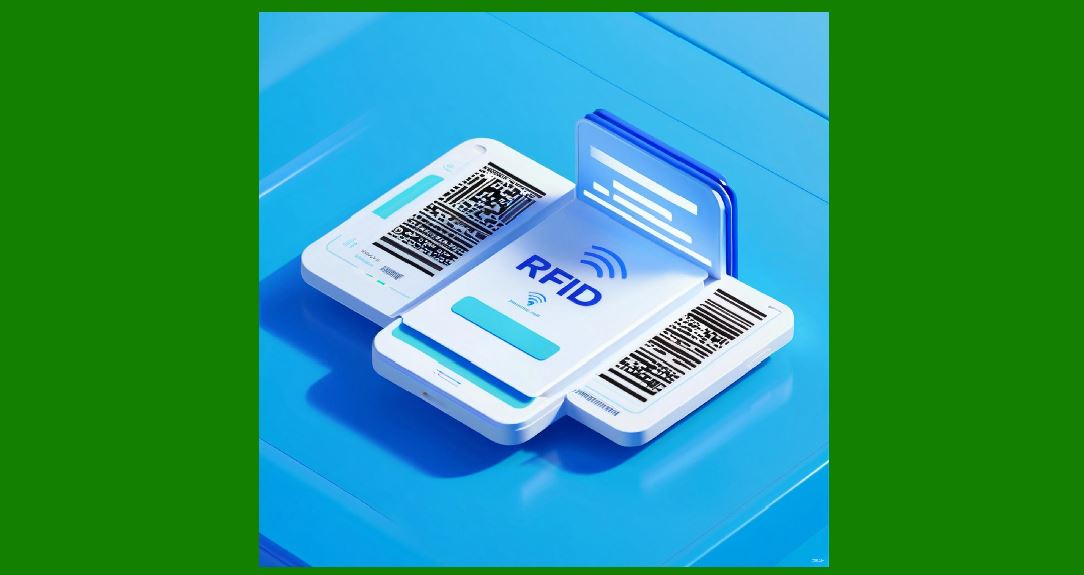
When many tags are present in a reader's field at the same time, their radio replies can overlap and become unreadable. Anti-collision algorithms solve this problem. The two great families are slotted Aloha, which divides time into discrete slots and lets tags choose one, and tree-walking protocols, which recursively split groups of tags until only one remains. These methods allow a single reader to identify hundreds of tags per second without data collision. This chapter explains both families in plain language, then shows how they work in warehouses, retail stores, libraries, hospitals, airports, factories, farms, toll roads, and many other industries. The goal is not to teach the mathematics but to give the reader a practical feel for why anti-collision matters and where it appears in the real world. |
|
The Problem of Many Voices |
Imagine a room full of people, each holding a small radio. Every person wants to say a short serial number to a single listener at the front. If everyone speaks at once, the listener hears only noise. If everyone waits for a turn, the listener can write down every number, but the process may take a long time. Radio frequency identification, or RFID, faces exactly this problem. A reader sends out a signal, and every tag in range wants to reply. Without a set of rules, the replies collide. The reader cannot separate one tag's signal from another. The result is wasted time, missed tags, and unreliable data. |
Barcodes do not have this problem in the same way. A barcode is read one at a time by a scanner. The scanner must see the barcode, and the barcode must be still. RFID, by contrast, can read many tags at once, even when they are moving, even when they are inside a box, and even when they are not visible. That great advantage creates the collision problem. The anti-collision algorithm is the set of rules that turns a chaotic chorus into an orderly conversation. |
|
The Two Great Families |
There are two main approaches. The first is slotted Aloha. The reader divides time into small slots. Each tag picks a slot at random and replies only in that slot. If two tags pick the same slot, they collide, and the reader asks them to try again in a later round. The second is tree-walking. The reader asks tags to divide themselves into groups based on their identification numbers. If a group has more than one tag, the reader splits that group again. Eventually each group has only one tag, and the reader can read it without collision. |
Both methods are used in real products. Slotted Aloha is common in passive ultra-high-frequency systems, where tags are cheap and power comes from the reader's signal. Tree-walking is common in systems that need to read every tag with certainty, such as some high-frequency systems and some specialized protocols. Many modern readers combine ideas from both families. The details differ, but the goal is the same: read hundreds of tags per second without data collision. |

|
Why Speed Matters |
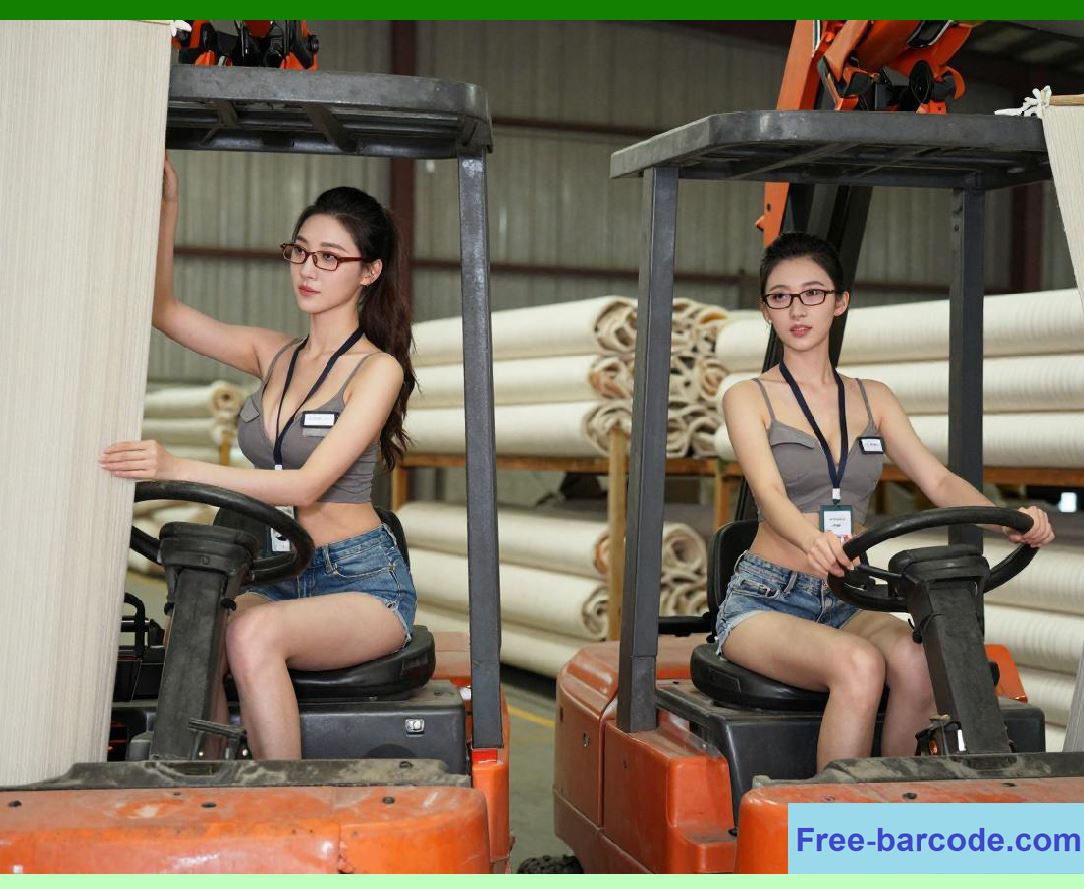
A warehouse may receive a pallet with two hundred cases, each with an RFID tag. A manual barcode scan of each case might take several minutes. An RFID reader with a good anti-collision algorithm can read all two hundred tags in a few seconds. That speed changes the economics of the operation. It means a worker can walk a forklift through a portal and know exactly what is on the pallet without stopping. It means a retail store can take inventory in an hour instead of a day. It means a hospital can track thousands of surgical sponges and instruments in real time. Speed is not a luxury. It is the feature that makes RFID useful at scale. |
|
Slotted Aloha in Plain Language |
Slotted Aloha works like a game of musical chairs, but with many rounds. The reader announces the start of a round. It says, 'There will be, say, sixteen time slots. If you want to speak, pick one slot at random and reply in that slot.' Each tag has a random number generator. It picks a slot. If a tag picks slot three, it waits until slot three and then sends its identification number. If no other tag picks slot three, the reader hears the number clearly and records it. If two or more tags pick slot three, their signals overlap, and the reader hears garbage. The reader does not know how many tags collided. It only knows that slot three was not successful. |
After the round, the reader knows which slots were empty, which had one tag, and which had collisions. It can then tell the collided tags to try again in a new round. The tags that were already read can go silent. The process repeats until all tags are read or until the reader gives up. The number of slots can change from round to round. If many collisions happen, the reader may use more slots in the next round. If few collisions happen, it may use fewer slots to save time. This dynamic adjustment is called adaptive slotted Aloha. |

|
Why Randomness Helps |
Randomness is the key. If every tag always picked the same slot, collisions would never end. But because each tag picks a different slot with some probability, the reader can separate them over time. The reader does not need to know the tags' identities in advance. It does not need to assign turns. It simply lets the tags choose, then sorts out the results. This is simple and robust. It works even when tags enter and leave the field during the reading process. It works even when the number of tags is unknown. That is why slotted Aloha is so popular in passive RFID. |
|
The Hidden Cost of Collisions |
Collisions are not free. Every collision wastes a slot. If too many tags pick the same slot, the reader spends time on empty or garbled slots. The efficiency of slotted Aloha depends on the number of slots and the number of tags. If there are many more tags than slots, collisions are frequent. If there are many more slots than tags, many slots are empty. The best efficiency is reached when the number of slots is close to the number of tags. But the reader often does not know how many tags are present. So it must estimate and adapt. This is a classic trade-off in communication systems. The anti-collision algorithm is a balancing act between speed, certainty, and simplicity. |

|
Tree-Walking in Plain Language |
Tree-walking takes a different approach. It does not rely on random time slots. Instead, it uses the structure of the tags' identification numbers. Imagine each tag has a long binary number, a string of zeros and ones. The reader can ask, 'Who has a number that starts with zero' All tags with a zero in the first position reply. If only one tag replies, the reader reads it fully. If more than one tag replies, they collide. The reader then asks a narrower question: 'Who has a number that starts with zero zero' It keeps adding bits until only one tag is left. Then it reads that tag and moves to the next branch. |
This process is like walking down a tree. The root is the entire set of tags. Each branch is a bit value. The leaves are individual tags. The reader walks from the root to each leaf, one at a time. It never has a collision that it cannot resolve, because it always splits the colliding group into smaller groups. The cost is that the reader may need many questions. If the tags have long identification numbers, the tree can be deep. But the method is deterministic. It guarantees that every tag will eventually be read, as long as the tags stay in range and the reader has time. |
|
Deterministic Versus Probabilistic |
Slotted Aloha is probabilistic. It does not guarantee that every tag will be read in a fixed amount of time. There is always a small chance that a tag will keep colliding and never be read. In practice, the reader can set a limit and move on, or it can repeat the process until the probability of missing a tag is very low. Tree-walking is deterministic. It guarantees that every tag will be read if the process is allowed to finish. This makes tree-walking attractive for applications where missing a tag is unacceptable, such as reading passports, tracking medical devices, or managing valuable assets. The trade-off is that tree-walking can be slower when there are many tags, because it may ask many questions. |
|
Hybrid Approaches |
Many modern systems use hybrid approaches. They may start with a slotted Aloha round to get a quick estimate of the tag population. Then they may switch to a tree-walking method for the remaining tags. Or they may use a tree-walking method that is optimized with random slots. The goal is to get the best of both worlds: the speed of slotted Aloha and the certainty of tree-walking. The details are often proprietary, but the principles are the same. The reader is trying to separate many voices into individual conversations. |
|
The Role of the Reader |
The reader is the conductor of this orchestra. It controls the timing, the number of slots, the questions, and the power level. It also filters and processes the signals. In a passive RFID system, the reader also provides the energy that powers the tags. The tags are tiny and cheap. They have no battery. They harvest energy from the reader's radio waves. That means the tags can only reply when the reader is transmitting. The reader must carefully manage the conversation. It must give the tags enough power to respond, but not so much that they interfere with each other. It must also listen carefully. The anti-collision algorithm is only one part of the reader's job, but it is a critical part. |

|
The Role of the Tag |
The tag is the speaker. It has a unique identification number, some memory, and a radio. In a passive system, it has no active transmitter. It changes the way it reflects the reader's signal. This is called backscatter. By switching its antenna between two states, the tag can reflect more or less energy. The reader sees these changes as a pattern of ones and zeros. The tag cannot hear the reader while it is replying. It must follow the reader's commands. In a slotted Aloha system, the tag must have a random number generator and a way to count slots. In a tree-walking system, the tag must be able to compare its identification number to the reader's query. These are simple operations, but they must be reliable. A tag that makes a mistake can cause collisions or missed reads. |
|
Real-World Example: Warehouse Logistics |
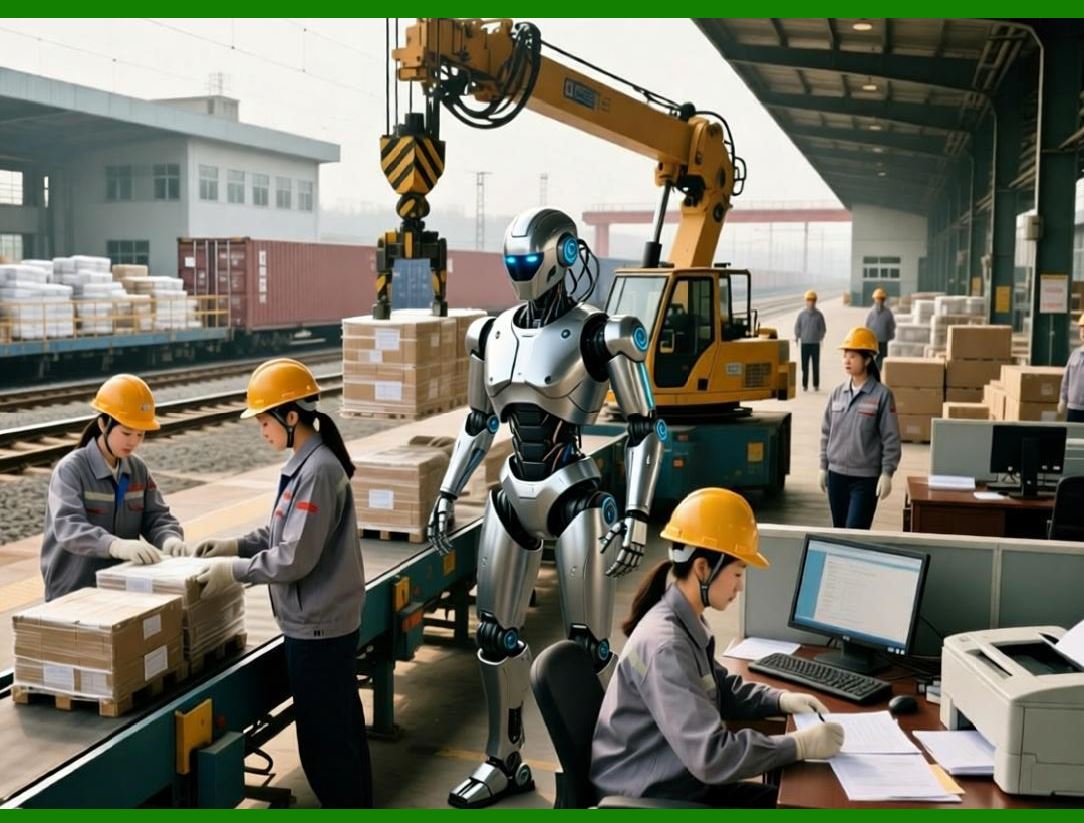
Consider a large distribution center. Trucks arrive with pallets of goods. Each pallet has an RFID tag. Each case on the pallet also has an RFID tag. The goal is to receive the entire pallet in seconds. The reader at the receiving door sends out a signal. Hundreds of tags reply. The anti-collision algorithm sorts them out. The warehouse management system then knows exactly what was received. If a case is missing, the system flags it. If an extra case is present, the system flags that too. This level of accuracy is impossible with manual barcode scanning at the same speed. |
In this setting, slotted Aloha is often used because the tags are passive and cheap. The reader can adjust the number of slots based on the number of tags it expects. If the pallet has two hundred cases, the reader might start with sixty-four slots. If collisions are high, it increases to one hundred and twenty-eight. If collisions are low, it decreases. The whole process takes a few seconds. The forklift driver does not need to stop. The reader is mounted on the door frame. The tags are read as the pallet passes through. This is the magic of anti-collision. |
|
Real-World Example: Retail Inventory |
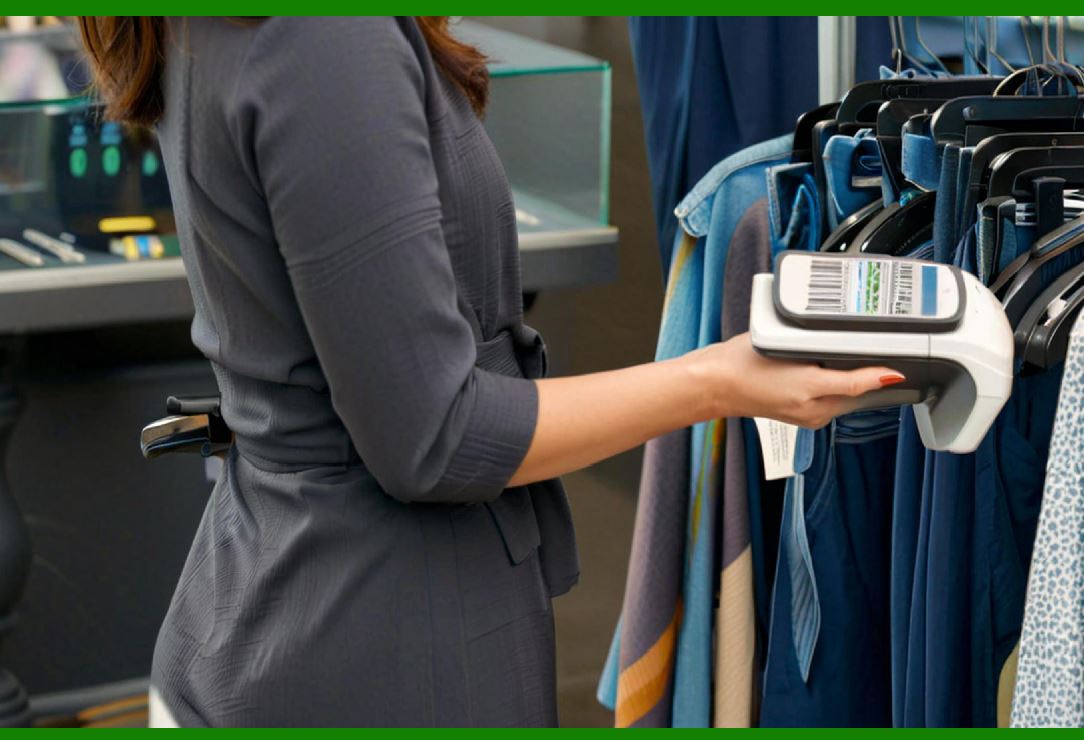
A retail store has thousands of items on shelves. Each item has an RFID tag. A worker walks through the store with a handheld reader. The reader sends out a signal. The tags reply. The anti-collision algorithm sorts them out. The worker can take inventory of an entire department in minutes. The store knows what is on the shelves, what is in the back room, and what is missing. This reduces out-of-stocks and improves sales. The same technology is used at the point of sale. A customer puts a basket of items on a counter. The reader reads all the tags at once. The total is calculated. The customer pays. No need to scan each item one by one. |
In retail, the number of tags can be very large. A single reader might see thousands of tags. The anti-collision algorithm must be efficient. Slotted Aloha with adaptive slot counts is common. The reader may also use a technique called 'Q tuning' to adjust the number of slots. The goal is to read all tags quickly and accurately. If a tag is missed, the store may think an item is out of stock when it is actually on the shelf. That is a problem. So the algorithm must be reliable. |

|
Real-World Example: Library Management |
A library has thousands of books. Each book has an RFID tag. A librarian can take inventory of a shelf by waving a handheld reader. The reader reads all the tags on the shelf. The anti-collision algorithm sorts them out. The librarian knows which books are present and which are missing. At the checkout desk, a stack of books can be read at once. The system knows which books are being borrowed. This saves time and reduces errors. The same technology is used to sort books. A conveyor belt with readers can identify each book and route it to the correct bin. |
In libraries, the tags are often high-frequency tags. High-frequency systems often use tree-walking or a combination of tree-walking and slotted Aloha. The reason is that high-frequency tags have longer identification numbers and the reader may need to be more precise. The tree-walking method guarantees that every book is read. That is important when the library needs to know exactly what is on the shelf. |
|
Real-World Example: Healthcare |
A hospital uses RFID to track surgical instruments, sponges, and medication. Each item has a tag. Before surgery, the instruments are sterilized and counted. After surgery, they are counted again. The anti-collision algorithm allows the reader to count many items at once. This reduces the risk of leaving a sponge inside a patient. It also speeds up the operating room turnaround. In the pharmacy, RFID tags on medication bottles can be read in bulk. The system knows what is being dispensed and what is expiring. This improves patient safety and reduces waste. |
In healthcare, missing a tag can have serious consequences. So the anti-collision algorithm must be highly reliable. Tree-walking is often used because it is deterministic. The reader can be sure that every tag is read. The system can also use multiple readers to cover different areas. The anti-collision algorithm must handle the case where a tag is seen by more than one reader. This is a more advanced problem, but it is solved by the same principles. |
|
Real-World Example: Airline Baggage |
An airline uses RFID tags on baggage. Each bag has a tag. As bags move along the conveyor belt, readers at various points read the tags. The anti-collision algorithm sorts out the replies. The system knows where each bag is. If a bag is misrouted, the system can catch it. If a bag is lost, the system can trace its last known location. This reduces lost baggage and improves customer satisfaction. The speed of the anti-collision algorithm is critical. Bags move quickly. The reader must read all tags in a fraction of a second. |
In baggage handling, the environment is noisy. There are many readers, many tags, and many metal surfaces. The anti-collision algorithm must be robust. Slotted Aloha is often used because it is simple and fast. The reader can adjust the number of slots based on the speed of the belt and the expected number of bags. The goal is to read every bag without slowing down the belt. |

|
Real-World Example: Manufacturing |
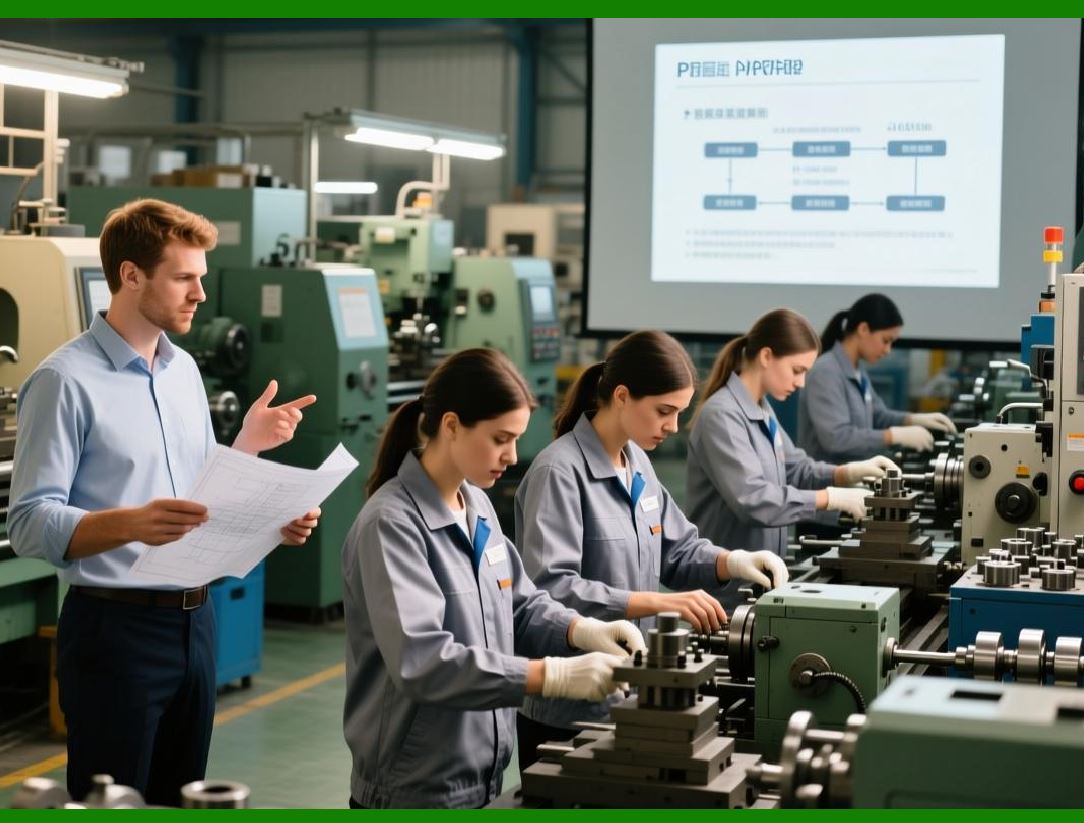
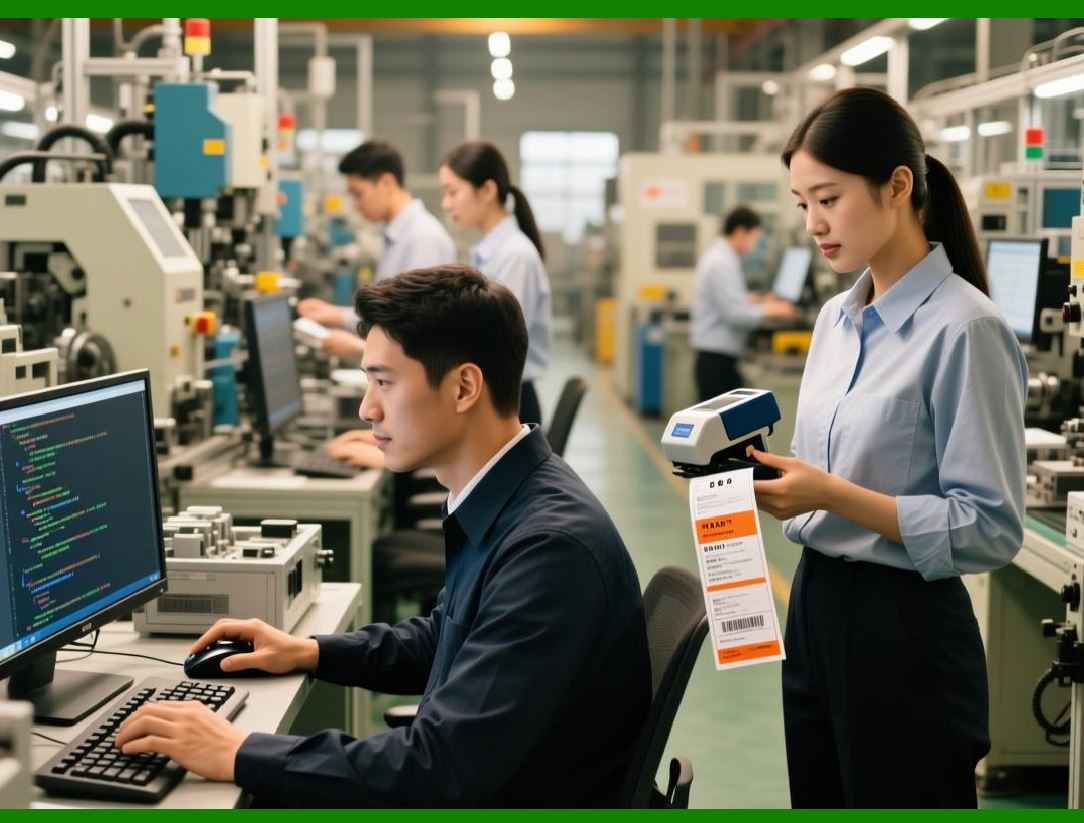
A factory uses RFID to track parts and products. Each part has a tag. As parts move along an assembly line, readers read the tags. The anti-collision algorithm sorts out the replies. The system knows which parts are present and which are missing. It can also track work-in-progress. This improves quality and reduces downtime. In some factories, the tags are attached to tools. The system knows where each tool is and who is using it. This reduces tool loss and improves efficiency. |
In manufacturing, the number of tags can be very large. A single assembly line might have thousands of parts. The anti-collision algorithm must be fast and reliable. Slotted Aloha with adaptive slot counts is common. The reader may also use a technique called 'tag estimation' to guess how many tags are present. Then it can choose the optimal number of slots. This is a classic application of the anti-collision algorithm. |

|
Real-World Example: Agriculture |
A farm uses RFID to track livestock. Each animal has a tag. As animals move through a chute, a reader reads the tags. The anti-collision algorithm sorts out the replies. The system knows which animals are present and which are missing. It can also track health records and breeding history. In some farms, RFID is used to track produce. Each crate has a tag. The system knows where the produce came from and where it is going. This improves food safety and traceability. |
In agriculture, the environment can be harsh. Tags may be exposed to mud, water, and extreme temperatures. The anti-collision algorithm must be robust. Slotted Aloha is often used because it is simple and does not require complex tag behavior. The reader can be mounted on a gate or a chute. The animals walk through. The tags are read. The system records the data. |
|
Real-World Example: Toll Roads |
A toll road uses RFID to collect fees. Each vehicle has a tag. As the vehicle passes through the toll plaza, a reader reads the tag. The anti-collision algorithm sorts out the replies. The system deducts the fee from the driver's account. This allows vehicles to pass without stopping. The speed of the anti-collision algorithm is critical. Vehicles may be moving at highway speeds. The reader must read the tag in a fraction of a second. The system must also handle multiple vehicles in adjacent lanes. The anti-collision algorithm must separate the tags from different lanes. |
In toll roads, the tags are often active or battery-assisted passive. They have more power and can transmit further. The anti-collision algorithm must handle the case where many vehicles are close together. Slotted Aloha is often used because it is fast. The reader can use a small number of slots because the number of tags in range is small. The goal is to read every tag without error. |
|
Real-World Example: Access Control |
An office building uses RFID to control access. Each employee has a badge. As the employee enters the building, a reader reads the badge. The anti-collision algorithm sorts out the replies. The system checks the employee's credentials. If the employee is authorized, the door opens. If not, the door stays locked. This improves security and convenience. In some buildings, the system also tracks where employees are. This can help in an emergency. |
In access control, the number of tags in range is usually small. But there can still be collisions if several people enter at once. The anti-collision algorithm must be fast and reliable. Slotted Aloha is often used because it is simple. The reader can use a small number of slots. The goal is to read the badge quickly and open the door. |
|
Real-World Example: Event Management |
A music festival uses RFID wristbands. Each wristband has a tag. As attendees enter the festival, readers read the tags. The anti-collision algorithm sorts out the replies. The system checks the attendee's ticket. If the ticket is valid, the gate opens. If not, the attendee is turned away. Inside the festival, attendees can use their wristbands to buy food and drinks. The system deducts the cost from their account. This reduces cash handling and improves the experience. |
In event management, the number of tags can be very large. A festival might have tens of thousands of attendees. The anti-collision algorithm must be fast and reliable. Slotted Aloha with adaptive slot counts is common. The reader may also use multiple antennas to cover different areas. The goal is to read every wristband quickly and accurately. |
|
Real-World Example: Sports Timing |
A marathon uses RFID tags to time runners. Each runner has a tag on their shoe or bib. As runners cross the start line, readers read the tags. The anti-collision algorithm sorts out the replies. The system records the start time. As runners cross the finish line, readers read the tags again. The system records the finish time. The difference is the runner's time. This is more accurate than manual timing. It also allows spectators to track runners in real time. |
In sports timing, the number of tags can be very large. A marathon might have tens of thousands of runners. The anti-collision algorithm must be fast and reliable. Slotted Aloha is often used because it is fast. The reader can use a small number of slots because the runners are spread out. The goal is to read every tag as the runner crosses the mat. |
|
Real-World Example: Asset Tracking |
A company uses RFID to track its assets. Each asset has a tag. As assets move around the building, readers read the tags. The anti-collision algorithm sorts out the replies. The system knows where each asset is. This reduces loss and improves utilization. In some companies, the system also tracks who is using each asset. This improves accountability. |
In asset tracking, the number of tags can be large. A single building might have thousands of assets. The anti-collision algorithm must be fast and reliable. Slotted Aloha with adaptive slot counts is common. The reader may also use a technique called 'inventory round' to read all tags in a specific area. The goal is to keep the asset database up to date. |

|
Real-World Example: Supply Chain |
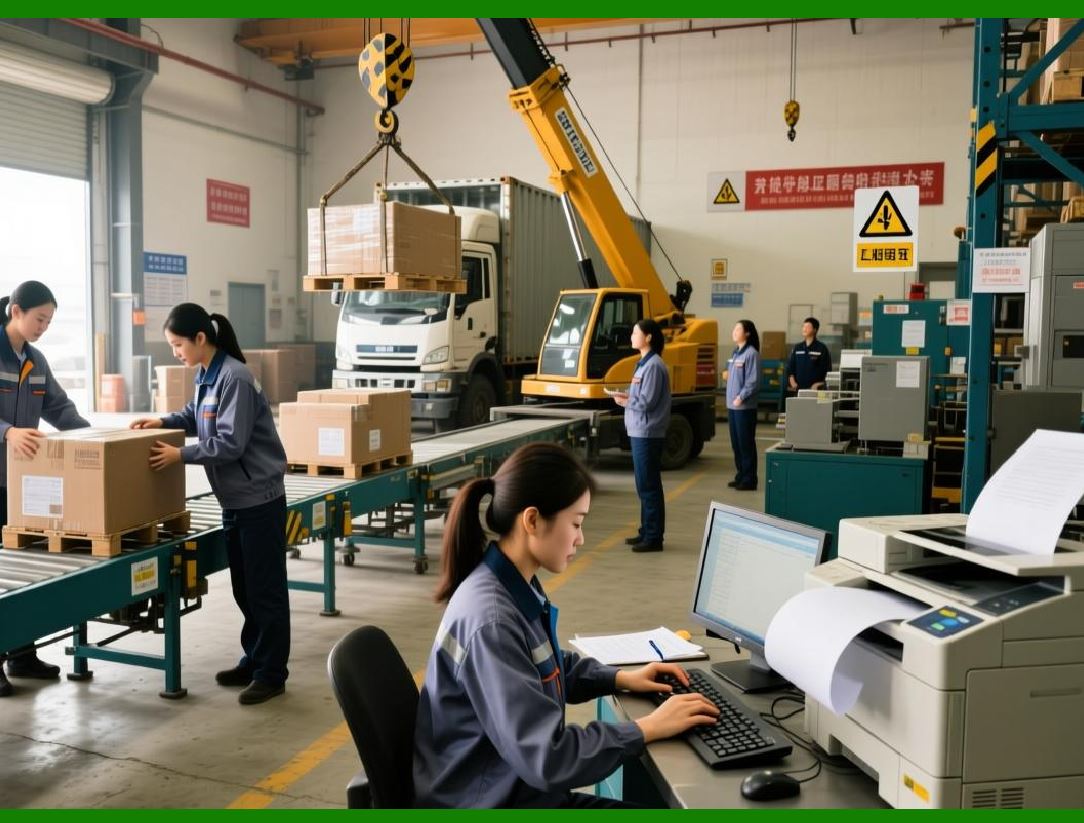
A supply chain uses RFID to track goods from the factory to the store. Each pallet, case, and item has a tag. As goods move through the supply chain, readers read the tags. The anti-collision algorithm sorts out the replies. The system knows where each item is. This improves visibility and reduces waste. It also helps with recalls. If a product is defective, the company can trace it back to the factory. |
In supply chain, the number of tags can be very large. A single shipment might have thousands of tags. The anti-collision algorithm must be fast and reliable. Slotted Aloha with adaptive slot counts is common. The reader may also use multiple antennas to cover different areas. The goal is to read every tag quickly and accurately. |
|
Real-World Example: Recycling |
A recycling plant uses RFID to sort materials. Each item has a tag. As items move along a conveyor belt, readers read the tags. The anti-collision algorithm sorts out the replies. The system knows what each item is. Then it can route the item to the correct bin. This improves recycling rates and reduces contamination. The speed of the anti-collision algorithm is critical. Items move quickly. The reader must read all tags in a fraction of a second. |
In recycling, the environment is dirty and noisy. Tags may be damaged. The anti-collision algorithm must be robust. Slotted Aloha is often used because it is simple. The reader can use a small number of slots because the items are spread out. The goal is to read every tag without error. |
|
Real-World Example: Automotive |
A car manufacturer uses RFID to track parts on the assembly line. Each part has a tag. As parts move along the line, readers read the tags. The anti-collision algorithm sorts out the replies. The system knows which parts are present and which are missing. It can also track work-in-progress. This improves quality and reduces downtime. In some cars, RFID tags are used in the key. The car reads the tag to verify the key. This improves security. |
In automotive, the number of tags can be very large. A single assembly line might have thousands of parts. The anti-collision algorithm must be fast and reliable. Slotted Aloha with adaptive slot counts is common. The reader may also use a technique called 'tag estimation' to guess how many tags are present. Then it can choose the optimal number of slots. |
|
Real-World Example: Aerospace |
An aerospace company uses RFID to track parts and tools. Each part has a tag. As parts move through the factory, readers read the tags. The anti-collision algorithm sorts out the replies. The system knows where each part is. This improves safety and reduces loss. In some aircraft, RFID tags are used to track life vests and other safety equipment. The system knows when the equipment was last inspected. This improves maintenance. |
In aerospace, missing a tag can have serious consequences. So the anti-collision algorithm must be highly reliable. Tree-walking is often used because it is deterministic. The reader can be sure that every tag is read. The system can also use multiple readers to cover different areas. |
|
Real-World Example: Mining |
A mining company uses RFID to track vehicles and equipment. Each vehicle has a tag. As vehicles move through the mine, readers read the tags. The anti-collision algorithm sorts out the replies. The system knows where each vehicle is. This improves safety and efficiency. In some mines, RFID is used to track workers. The system knows where each worker is. This helps in an emergency. |
In mining, the environment is harsh. Tags may be exposed to dust, water, and extreme temperatures. The anti-collision algorithm must be robust. Slotted Aloha is often used because it is simple. The reader can be mounted on a vehicle or a wall. The tags are read as the vehicle passes. |
|
Real-World Example: Oil and Gas |
An oil and gas company uses RFID to track pipes and equipment. Each pipe has a tag. As pipes move through the supply chain, readers read the tags. The anti-collision algorithm sorts out the replies. The system knows where each pipe is. This improves safety and reduces loss. In some refineries, RFID is used to track tools. The system knows where each tool is and who is using it. This improves accountability. |
In oil and gas, the environment is hazardous. Tags must be explosion-proof. The anti-collision algorithm must be robust. Slotted Aloha is often used because it is simple. The reader can be mounted on a pipe or a wall. The tags are read as the pipe passes. |
|
Real-World Example: Construction |
A construction company uses RFID to track tools and materials. Each tool has a tag. As tools move around the site, readers read the tags. The anti-collision algorithm sorts out the replies. The system knows where each tool is. This reduces loss and improves efficiency. In some projects, RFID is used to track concrete curing. The system knows when the concrete is ready. This improves quality. |
In construction, the environment is dirty and noisy. Tags may be damaged. The anti-collision algorithm must be robust. Slotted Aloha is often used because it is simple. The reader can be mounted on a gate or a wall. The tags are read as the tool passes. |
|
Real-World Example: Fashion |
A fashion retailer uses RFID to track items on the shelf and in the back room. Each item has a tag. As items move through the store, readers read the tags. The anti-collision algorithm sorts out the replies. The system knows what is on the shelf and what is in the back. This reduces out-of-stocks and improves sales. In some stores, RFID is used at the point of sale. The customer puts a basket of items on a counter. The reader reads all the tags at once. The total is calculated. The customer pays. No need to scan each item one by one. |
In fashion, the number of tags can be very large. A single store might have tens of thousands of items. The anti-collision algorithm must be fast and reliable. Slotted Aloha with adaptive slot counts is common. The reader may also use a technique called 'Q tuning' to adjust the number of slots. The goal is to read all tags quickly and accurately. |
|
Real-World Example: Grocery |
A grocery store uses RFID to track items on the shelf and in the back room. Each item has a tag. As items move through the store, readers read the tags. The anti-collision algorithm sorts out the replies. The system knows what is on the shelf and what is in the back. This reduces out-of-stocks and improves sales. In some stores, RFID is used at the point of sale. The customer puts a basket of items on a counter. The reader reads all the tags at once. The total is calculated. The customer pays. No need to scan each item one by one. |
In grocery, the number of tags can be very large. A single store might have tens of thousands of items. The anti-collision algorithm must be fast and reliable. Slotted Aloha with adaptive slot counts is common. The reader may also use a technique called 'Q tuning' to adjust the number of slots. The goal is to read all tags quickly and accurately. |
|
Real-World Example: Pharma |
A pharmaceutical company uses RFID to track drugs from the factory to the pharmacy. Each bottle has a tag. As bottles move through the supply chain, readers read the tags. The anti-collision algorithm sorts out the replies. The system knows where each bottle is. This improves safety and reduces counterfeiting. In some pharmacies, RFID is used to track medication. The system knows what is being dispensed and what is expiring. This improves patient safety. |
In pharma, missing a tag can have serious consequences. So the anti-collision algorithm must be highly reliable. Tree-walking is often used because it is deterministic. The reader can be sure that every tag is read. The system can also use multiple readers to cover different areas. |
|
Real-World Example: Blood Banks |
A blood bank uses RFID to track blood bags. Each bag has a tag. As bags move through the bank, readers read the tags. The anti-collision algorithm sorts out the replies. The system knows where each bag is. This improves safety and reduces waste. In some hospitals, RFID is used to track blood bags from the bank to the patient. The system knows when the blood was issued and when it was transfused. This improves traceability. |
In blood banks, missing a tag can have serious consequences. So the anti-collision algorithm must be highly reliable. Tree-walking is often used because it is deterministic. The reader can be sure that every tag is read. The system can also use multiple readers to cover different areas. |
|
Real-World Example: Laboratories |
A laboratory uses RFID to track samples. Each sample has a tag. As samples move through the lab, readers read the tags. The anti-collision algorithm sorts out the replies. The system knows where each sample is. This improves safety and reduces errors. In some labs, RFID is used to track reagents. The system knows what is being used and what is expiring. This improves quality. |
In laboratories, the number of tags can be large. A single lab might have thousands of samples. The anti-collision algorithm must be fast and reliable. Slotted Aloha with adaptive slot counts is common. The reader may also use a technique called 'tag estimation' to guess how many tags are present. Then it can choose the optimal number of slots. |
|
Real-World Example: Museums |
A museum uses RFID to track artifacts. Each artifact has a tag. As artifacts move through the museum, readers read the tags. The anti-collision algorithm sorts out the replies. The system knows where each artifact is. This improves security and reduces loss. In some museums, RFID is used to track visitors. The system knows where each visitor is. This helps in an emergency. |
In museums, the number of tags can be large. A single museum might have thousands of artifacts. The anti-collision algorithm must be fast and reliable. Slotted Aloha with adaptive slot counts is common. The reader may also use a technique called 'Q tuning' to adjust the number of slots. The goal is to read all tags quickly and accurately. |
|
Real-World Example: Zoos |
A zoo uses RFID to track animals. Each animal has a tag. As animals move through the zoo, readers read the tags. The anti-collision algorithm sorts out the replies. The system knows where each animal is. This improves safety and reduces loss. In some zoos, RFID is used to track visitors. The system knows where each visitor is. This helps in an emergency. |
In zoos, the environment is harsh. Tags may be exposed to mud, water, and extreme temperatures. The anti-collision algorithm must be robust. Slotted Aloha is often used because it is simple. The reader can be mounted on a gate or a wall. The tags are read as the animal passes. |
|
Real-World Example: Fisheries |
A fishery uses RFID to track fish. Each fish has a tag. As fish move through the fishery, readers read the tags. The anti-collision algorithm sorts out the replies. The system knows where each fish is. This improves safety and reduces waste. In some fisheries, RFID is used to track boats. The system knows where each boat is. This improves safety. |
In fisheries, the environment is harsh. Tags may be exposed to water and salt. The anti-collision algorithm must be robust. Slotted Aloha is often used because it is simple. The reader can be mounted on a boat or a wall. The tags are read as the fish passes. |
|
Real-World Example: Forestry |
A forestry company uses RFID to track logs. Each log has a tag. As logs move through the forest, readers read the tags. The anti-collision algorithm sorts out the replies. The system knows where each log is. This improves safety and reduces waste. In some forests, RFID is used to track workers. The system knows where each worker is. This helps in an emergency. |
In forestry, the environment is harsh. Tags may be exposed to mud, water, and extreme temperatures. The anti-collision algorithm must be robust. Slotted Aloha is often used because it is simple. The reader can be mounted on a vehicle or a wall. The tags are read as the log passes. |
|
Real-World Example: Waste Management |
A waste management company uses RFID to track bins. Each bin has a tag. As bins move through the city, readers read the tags. The anti-collision algorithm sorts out the replies. The system knows where each bin is. This improves efficiency and reduces costs. In some cities, RFID is used to track recycling. The system knows what is being recycled and what is being thrown away. This improves sustainability. |
In waste management, the environment is dirty and noisy. Tags may be damaged. The anti-collision algorithm must be robust. Slotted Aloha is often used because it is simple. The reader can be mounted on a truck or a wall. The tags are read as the bin passes. |
|
Real-World Example: Postal Services |
A postal service uses RFID to track packages. Each package has a tag. As packages move through the network, readers read the tags. The anti-collision algorithm sorts out the replies. The system knows where each package is. This improves delivery times and reduces loss. In some postal services, RFID is used to track mailbags. The system knows what is in each bag. This improves sorting. |
In postal services, the number of tags can be very large. A single sorting center might have tens of thousands of packages. The anti-collision algorithm must be fast and reliable. Slotted Aloha with adaptive slot counts is common. The reader may also use a technique called 'Q tuning' to adjust the number of slots. The goal is to read all tags quickly and accurately. |
|
Real-World Example: Rail |
A rail company uses RFID to track trains and cargo. Each train has a tag. As trains move through the network, readers read the tags. The anti-collision algorithm sorts out the replies. The system knows where each train is. This improves safety and efficiency. In some rail companies, RFID is used to track cargo. The system knows what is on each train. This improves logistics. |
In rail, the environment is harsh. Tags may be exposed to dust, water, and extreme temperatures. The anti-collision algorithm must be robust. Slotted Aloha is often used because it is simple. The reader can be mounted on a track or a wall. The tags are read as the train passes. |
|
Real-World Example: Ports |
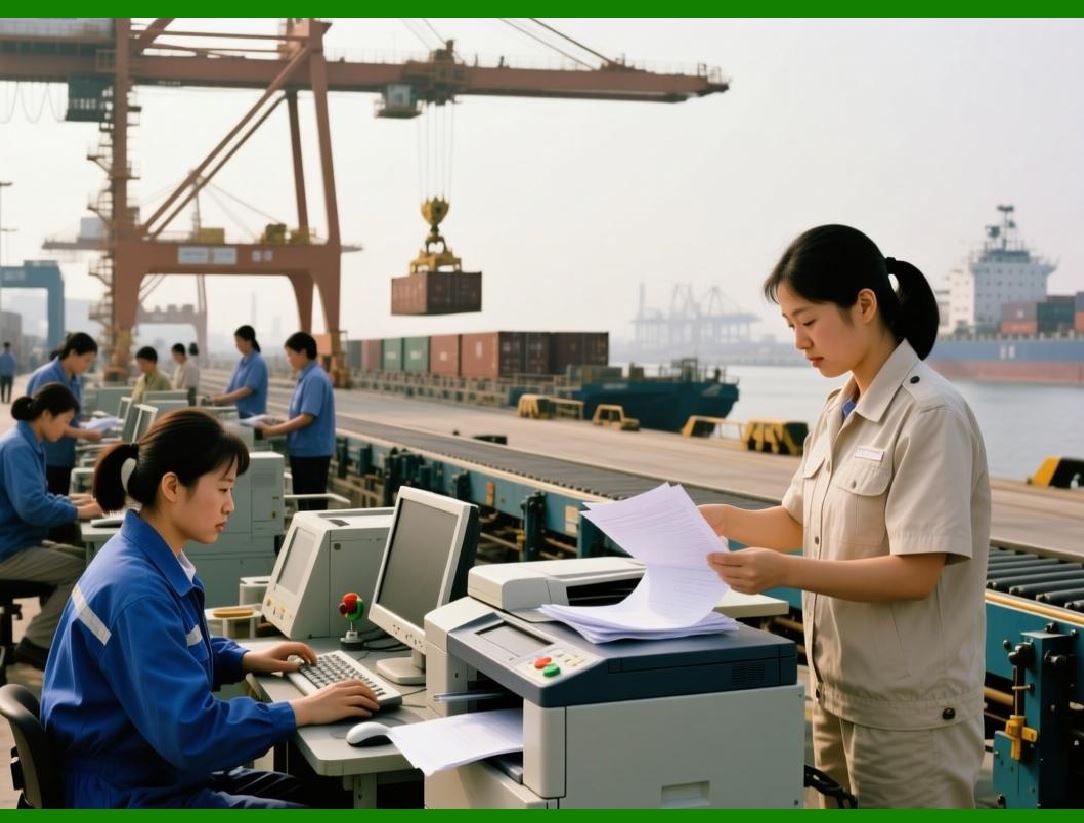
A port uses RFID to track containers. Each container has a tag. As containers move through the port, readers read the tags. The anti-collision algorithm sorts out the replies. The system knows where each container is. This improves efficiency and reduces loss. In some ports, RFID is used to track trucks. The system knows where each truck is. This improves logistics. |
In ports, the number of tags can be very large. A single port might have tens of thousands of containers. The anti-collision algorithm must be fast and reliable. Slotted Aloha with adaptive slot counts is common. The reader may also use a technique called 'Q tuning' to adjust the number of slots. The goal is to read all tags quickly and accurately. |
|
Real-World Example: Airports |
An airport uses RFID to track baggage. Each bag has a tag. As bags move through the airport, readers read the tags. The anti-collision algorithm sorts out the replies. The system knows where each bag is. This reduces lost baggage and improves customer satisfaction. In some airports, RFID is used to track passengers. The system knows where each passenger is. This improves security. |
In airports, the number of tags can be very large. A single airport might have tens of thousands of bags. The anti-collision algorithm must be fast and reliable. Slotted Aloha with adaptive slot counts is common. The reader may also use a technique called 'Q tuning' to adjust the number of slots. The goal is to read all tags quickly and accurately. |
|
Real-World Example: Hospitals |
A hospital uses RFID to track patients, staff, and equipment. Each patient has a tag. As patients move through the hospital, readers read the tags. The anti-collision algorithm sorts out the replies. The system knows where each patient is. This improves safety and reduces errors. In some hospitals, RFID is used to track equipment. The system knows where each piece of equipment is. This improves efficiency. |
In hospitals, the number of tags can be very large. A single hospital might have thousands of tags. The anti-collision algorithm must be fast and reliable. Slotted Aloha with adaptive slot counts is common. The reader may also use a technique called 'Q tuning' to adjust the number of slots. The goal is to read all tags quickly and accurately. |
|
Real-World Example: Schools |
A school uses RFID to track students and assets. Each student has a tag. As students move through the school, readers read the tags. The anti-collision algorithm sorts out the replies. The system knows where each student is. This improves safety and reduces truancy. In some schools, RFID is used to track books. The system knows where each book is. This improves library management. |
In schools, the number of tags can be large. A single school might have thousands of tags. The anti-collision algorithm must be fast and reliable. Slotted Aloha with adaptive slot counts is common. The reader may also use a technique called 'Q tuning' to adjust the number of slots. The goal is to read all tags quickly and accurately. |
Real-World Example: StadiumsA stadium uses RFID to track tickets and concessions. Each ticket has a tag. As fans enter the stadium, readers read the tags. The anti-collision algorithm sorts out the replies. The system checks the ticket. If the ticket is valid, the gate opens. If not, the fan is turned away. Inside the stadium, fans can use their tickets to buy food and drinks. The system deducts the cost from their account. This reduces cash handling and improves the experience. |
In stadiums, the number of tags can be very large. A single stadium might have tens of thousands of fans. The anti-collision algorithm must be fast and reliable. Slotted Aloha with adaptive slot counts is common. The reader may also use multiple antennas to cover different areas. The goal is to read every ticket quickly and accurately. |
|
Real-World Example: Theme Parks |
A theme park uses RFID to track visitors and attractions. Each visitor has a wristband. As visitors move through the park, readers read the tags. The anti-collision algorithm sorts out the replies. The system knows where each visitor is. This improves safety and reduces wait times. In some parks, RFID is used to track photos. The system knows which photos belong to which visitor. This improves the experience. |
In theme parks, the number of tags can be very large. A single park might have tens of thousands of visitors. The anti-collision algorithm must be fast and reliable. Slotted Aloha with adaptive slot counts is common. The reader may also use multiple antennas to cover different areas. The goal is to read every wristband quickly and accurately. |
|
Real-World Example: Casinos |
A casino uses RFID to track chips. Each chip has a tag. As chips move through the casino, readers read the tags. The anti-collision algorithm sorts out the replies. The system knows where each chip is. This improves security and reduces fraud. In some casinos, RFID is used to track players. The system knows how much each player is betting. This improves comps. |
In casinos, the number of tags can be very large. A single casino might have tens of thousands of chips. The anti-collision algorithm must be fast and reliable. Slotted Aloha with adaptive slot counts is common. The reader may also use a technique called 'Q tuning' to adjust the number of slots. The goal is to read all tags quickly and accurately. |
|
Real-World Example: Military |
The military uses RFID to track supplies and equipment. Each item has a tag. As items move through the supply chain, readers read the tags. The anti-collision algorithm sorts out the replies. The system knows where each item is. This improves logistics and reduces loss. In some military operations, RFID is used to track personnel. The system knows where each soldier is. This improves safety. |
In the military, missing a tag can have serious consequences. So the anti-collision algorithm must be highly reliable. Tree-walking is often used because it is deterministic. The reader can be sure that every tag is read. The system can also use multiple readers to cover different areas. |
|
Real-World Example: Disaster Relief |
A disaster relief organization uses RFID to track supplies. Each item has a tag. As items move through the supply chain, readers read the tags. The anti-collision algorithm sorts out the replies. The system knows where each item is. This improves logistics and reduces waste. In some disasters, RFID is used to track victims. The system knows where each victim is. This improves rescue efforts. |
In disaster relief, the environment is chaotic. Tags may be damaged. The anti-collision algorithm must be robust. Slotted Aloha is often used because it is simple. The reader can be mounted on a vehicle or a wall. The tags are read as the item passes. |
|
Real-World Example: Art |
An art gallery uses RFID to track paintings. Each painting has a tag. As paintings move through the gallery, readers read the tags. The anti-collision algorithm sorts out the replies. The system knows where each painting is. This improves security and reduces loss. In some galleries, RFID is used to track visitors. The system knows where each visitor is. This helps in an emergency. |
In art galleries, the number of tags can be large. A single gallery might have thousands of paintings. The anti-collision algorithm must be fast and reliable. Slotted Aloha with adaptive slot counts is common. The reader may also use a technique called 'Q tuning' to adjust the number of slots. The goal is to read all tags quickly and accurately. |
|
Real-World Example: Wine |
A winery uses RFID to track bottles. Each bottle has a tag. As bottles move through the winery, readers read the tags. The anti-collision algorithm sorts out the replies. The system knows where each bottle is. This improves inventory and reduces loss. In some wineries, RFID is used to track barrels. The system knows what is in each barrel. This improves quality. |
In wineries, the number of tags can be large. A single winery might have thousands of bottles. The anti-collision algorithm must be fast and reliable. Slotted Aloha with adaptive slot counts is common. The reader may also use a technique called 'Q tuning' to adjust the number of slots. The goal is to read all tags quickly and accurately. |
|
Real-World Example: Livestock |
A rancher uses RFID to track cattle. Each cow has a tag. As cattle move through the chute, readers read the tags. The anti-collision algorithm sorts out the replies. The system knows which cows are present and which are missing. It can also track health records and breeding history. This improves efficiency and reduces loss. |
In livestock, the environment can be harsh. Tags may be exposed to mud, water, and extreme temperatures. The anti-collision algorithm must be robust. Slotted Aloha is often used because it is simple. The reader can be mounted on a gate or a chute. The tags are read as the animal passes. |
|
Real-World Example: Pets |
A pet owner uses RFID to track their pet. Each pet has a tag. As the pet moves through the house, readers read the tags. The anti-collision algorithm sorts out the replies. The system knows where the pet is. This improves safety and reduces loss. In some shelters, RFID is used to track animals. The system knows which animals are present and which are missing. This improves adoption. |
In pets, the number of tags is small. The anti-collision algorithm can be simple. Slotted Aloha is often used because it is simple. The reader can be mounted on a door or a wall. The tags are read as the pet passes. |
|
Real-World Example: Fitness |
A gym uses RFID to track members and equipment. Each member has a tag. As members enter the gym, readers read the tags. The anti-collision algorithm sorts out the replies. The system checks the member's credentials. If the member is authorized, the door opens. If not, the door stays locked. Inside the gym, members can use their tags to access equipment. The system tracks usage. This improves efficiency. |
In gyms, the number of tags can be large. A single gym might have thousands of members. The anti-collision algorithm must be fast and reliable. Slotted Aloha with adaptive slot counts is common. The reader may also use multiple antennas to cover different areas. The goal is to read every tag quickly and accurately. |
|
Real-World Example: Amusement Parks |
An amusement park uses RFID to track visitors and rides. Each visitor has a wristband. As visitors move through the park, readers read the tags. The anti-collision algorithm sorts out the replies. The system knows where each visitor is. This improves safety and reduces wait times. In some parks, RFID is used to track photos. The system knows which photos belong to which visitor. This improves the experience. |
In amusement parks, the number of tags can be very large. A single park might have tens of thousands of visitors. The anti-collision algorithm must be fast and reliable. Slotted Aloha with adaptive slot counts is common. The reader may also use multiple antennas to cover different areas. The goal is to read every wristband quickly and accurately. |
|
Real-World Example: Ski Resorts |
A ski resort uses RFID to track lift tickets. Each ticket has a tag. As skiers enter the lift, readers read the tags. The anti-collision algorithm sorts out the replies. The system checks the ticket. If the ticket is valid, the gate opens. If not, the skier is turned away. This reduces fraud and improves efficiency. In some resorts, RFID is used to track skiers. The system knows where each skier is. This helps in an emergency. |
In ski resorts, the number of tags can be large. A single resort might have thousands of skiers. The anti-collision algorithm must be fast and reliable. Slotted Aloha with adaptive slot counts is common. The reader may also use multiple antennas to cover different areas. The goal is to read every ticket quickly and accurately. |
|
Real-World Example: Marathons |
A marathon uses RFID to time runners. Each runner has a tag on their shoe or bib. As runners cross the start line, readers read the tags. The anti-collision algorithm sorts out the replies. The system records the start time. As runners cross the finish line, readers read the tags again. The system records the finish time. The difference is the runner's time. This is more accurate than manual timing. It also allows spectators to track runners in real time. |
In marathons, the number of tags can be very large. A single marathon might have tens of thousands of runners. The anti-collision algorithm must be fast and reliable. Slotted Aloha is often used because it is fast. The reader can use a small number of slots because the runners are spread out. The goal is to read every tag as the runner crosses the mat. |
|
Real-World Example: Cycling |
A cycling race uses RFID to time riders. Each rider has a tag on their bike. As riders cross the start line, readers read the tags. The anti-collision algorithm sorts out the replies. The system records the start time. As riders cross the finish line, readers read the tags again. The system records the finish time. The difference is the rider's time. This is more accurate than manual timing. It also allows spectators to track riders in real time. |
In cycling, the number of tags can be large. A single race might have hundreds of riders. The anti-collision algorithm must be fast and reliable. Slotted Aloha is often used because it is fast. The reader can use a small number of slots because the riders are spread out. The goal is to read every tag as the rider crosses the mat. |
|
Real-World Example: Triathlons |
A triathlon uses RFID to time athletes. Each athlete has a tag on their ankle. As athletes cross the start line, readers read the tags. The anti-collision algorithm sorts out the replies. The system records the start time. As athletes cross the finish line, readers read the tags again. The system records the finish time. The difference is the athlete's time. This is more accurate than manual timing. It also allows spectators to track athletes in real time. |
In triathlons, the number of tags can be large. A single triathlon might have thousands of athletes. The anti-collision algorithm must be fast and reliable. Slotted Aloha is often used because it is fast. The reader can use a small number of slots because the athletes are spread out. The goal is to read every tag as the athlete crosses the mat. |
|
Real-World Example: Horse Racing |
A horse race uses RFID to time horses. Each horse has a tag on their saddle. As horses cross the start line, readers read the tags. The anti-collision algorithm sorts out the replies. The system records the start time. As horses cross the finish line, readers read the tags again. The system records the finish time. The difference is the horse's time. This is more accurate than manual timing. It also allows spectators to track horses in real time. |
In horse racing, the number of tags is small. The anti-collision algorithm can be simple. Slotted Aloha is often used because it is simple. The reader can use a small number of slots. The goal is to read every tag as the horse crosses the line. |
|
Real-World Example: Dog Racing |
A dog race uses RFID to time dogs. Each dog has a tag on their collar. As dogs cross the start line, readers read the tags. The anti-collision algorithm sorts out the replies. The system records the start time. As dogs cross the finish line, readers read the tags again. The system records the finish time. The difference is the dog's time. This is more accurate than manual timing. It also allows spectators to track dogs in real time. |
In dog racing, the number of tags is small. The anti-collision algorithm can be simple. Slotted Aloha is often used because it is simple. The reader can use a small number of slots. The goal is to read every tag as the dog crosses the line. |
|
Real-World Example: Car Racing |
A car race uses RFID to time cars. Each car has a tag. As cars cross the start line, readers read the tags. The anti-collision algorithm sorts out the replies. The system records the start time. As cars cross the finish line, readers read the tags again. The system records the finish time. The difference is the car's time. This is more accurate than manual timing. It also allows spectators to track cars in real time. |
In car racing, the number of tags is small. The anti-collision algorithm can be simple. Slotted Aloha is often used because it is simple. The reader can use a small number of slots. The goal is to read every tag as the car crosses the line. |
|
Real-World Example: Boat Racing |
A boat race uses RFID to time boats. Each boat has a tag. As boats cross the start line, readers read the tags. The anti-collision algorithm sorts out the replies. The system records the start time. As boats cross the finish line, readers read the tags again. The system records the finish time. The difference is the boat's time. This is more accurate than manual timing. It also allows spectators to track boats in real time. |
In boat racing, the number of tags is small. The anti-collision algorithm can be simple. Slotted Aloha is often used because it is simple. The reader can use a small number of slots. The goal is to read every tag as the boat crosses the line. |
|
Real-World Example: Drone Racing |
A drone race uses RFID to time drones. Each drone has a tag. As drones cross the start line, readers read the tags. The anti-collision algorithm sorts out the replies. The system records the start time. As drones cross the finish line, readers read the tags again. The system records the finish time. The difference is the drone's time. This is more accurate than manual timing. It also allows spectators to track drones in real time. |
In drone racing, the number of tags is small. The anti-collision algorithm can be simple. Slotted Aloha is often used because it is simple. The reader can use a small number of slots. The goal is to read every tag as the drone crosses the line. |
|
The Future of Anti-Collision |
The anti-collision algorithm is not a solved problem. As RFID becomes more widespread, the number of tags in a single reader's field will grow. New applications will demand faster reads, higher reliability, and lower power. Researchers are working on new algorithms that combine machine learning, advanced signal processing, and new protocols. Some systems use multiple antennas to separate signals in space. Some use multiple readers to separate signals in time. Some use new tag designs that can avoid collisions altogether. The goal is always the same: read every tag, every time, without slowing down. |
One promising direction is the use of artificial intelligence. A reader can learn from past reads. It can predict how many tags are present and choose the best algorithm. It can also learn to recognize the patterns of collisions and adjust in real time. This could make anti-collision more efficient and more reliable. Another direction is the use of new materials and new physics. For example, tags that use different frequencies or different modulation schemes could be separated more easily. This could reduce the need for complex anti-collision algorithms. |
|
The Importance of Standards |
Standards play a critical role in anti-collision. If every manufacturer used a different algorithm, readers and tags would not work together. Standards such as ISO 18000-6 and EPC Gen2 define how readers and tags should communicate. They define the anti-collision method, the slot structure, and the commands. This ensures that a tag from one company can be read by a reader from another company. It also ensures that the algorithms are optimized for the most common use cases. Standards are not perfect, but they are essential for the growth of RFID. |
|
The Human Side |
It is easy to focus on the technology, but the human side matters too. A warehouse worker does not care about slotted Aloha or tree-walking. They care about whether the reader works. They care about whether the inventory is accurate. They care about whether the system saves them time. The anti-collision algorithm is invisible to them. It is a hidden engine that makes the system work. When it works well, no one notices. When it fails, everyone notices. The best anti-collision algorithms are the ones that fade into the background. |
|
The Silent Network |
This chapter is part of a book called The Silent Network. The title reflects the idea that RFID and barcodes together map the physical world. They are silent because they do not speak to us directly. They speak to machines. They create a layer of data that mirrors the physical world. The anti-collision algorithm is a key part of that layer. It allows many tags to speak at once without chaos. It allows the network to scale. It allows the physical world to be mapped in real time. |
|
A Detailed Summary at the End |
In this chapter, we explored the anti-collision algorithm, the set of rules that allows an RFID reader to identify many tags at once without data collision. We began with the problem: when many tags reply at the same time, their signals overlap, and the reader cannot separate them. We then introduced the two great families of anti-collision: slotted Aloha and tree-walking. |
Slotted Aloha divides time into discrete slots. Each tag picks a slot at random and replies only in that slot. If two tags pick the same slot, they collide, and the reader asks them to try again. The reader can adjust the number of slots based on the number of tags. This method is probabilistic. It is simple, fast, and robust. It is commonly used in passive ultra-high-frequency systems. |
Tree-walking uses the structure of the tags' identification numbers. The reader asks questions that split the tags into smaller and smaller groups. Eventually each group has only one tag, and the reader can read it without collision. This method is deterministic. It guarantees that every tag will be read if the process is allowed to finish. It is commonly used in high-frequency systems and in applications where missing a tag is unacceptable. |
We also discussed hybrid approaches that combine ideas from both families. Many modern readers use a slotted Aloha round to estimate the tag population, then switch to a tree-walking method for the remaining tags. The goal is to get the best of both worlds: the speed of slotted Aloha and the certainty of tree-walking. |
We then explored the roles of the reader and the tag. The reader is the conductor. It controls the timing, the number of slots, the questions, and the power level. The tag is the speaker. It has a unique identification number and a simple radio. In a passive system, the tag harvests energy from the reader's signal and uses backscatter to reply. The anti-collision algorithm must work within these constraints. |
The bulk of the chapter was devoted to real-world applications. We saw how anti-collision is used in warehouse logistics to receive pallets in seconds. We saw how it is used in retail inventory to take stock in minutes. We saw how it is used in libraries to check out books in bulk. We saw how it is used in healthcare to track surgical instruments and medication. We saw how it is used in airline baggage handling to reduce lost bags. We saw how it is used in manufacturing to track parts on an assembly line. We saw how it is used in agriculture to track livestock and produce. We saw how it is used in toll roads to collect fees without stopping. We saw how it is used in access control to open doors. We saw how it is used in event management to check tickets and process payments. We saw how it is used in sports timing to record race times. We saw how it is used in asset tracking to keep track of equipment. We saw how it is used in supply chains to improve visibility. We saw how it is used in recycling to sort materials. We saw how it is used in automotive, aerospace, mining, oil and gas, construction, fashion, grocery, pharma, blood banks, laboratories, museums, zoos, fisheries, forestry, waste management, postal services, rail, ports, airports, hospitals, schools, stadiums, theme parks, casinos, military, disaster relief, art, wine, livestock, pets, fitness, amusement parks, ski resorts, marathons, cycling, triathlons, horse racing, dog racing, car racing, boat racing, and drone racing. In every case, the anti-collision algorithm is the hidden engine that makes the system work. |
We then looked to the future. The anti-collision algorithm is not a solved problem. As RFID becomes more widespread, the number of tags will grow. New applications will demand faster reads, higher reliability, and lower power. Researchers are working on new algorithms that combine machine learning, advanced signal processing, and new protocols. Standards will play a critical role in ensuring that readers and tags work together. The human side matters too. The best anti-collision algorithms are the ones that fade into the background. |
Finally, we returned to the theme of the book. The Silent Network is a layer of data that mirrors the physical world. The anti-collision algorithm is a key part of that layer. It allows many tags to speak at once without chaos. It allows the network to scale. It allows the physical world to be mapped in real time. Without anti-collision, RFID would be limited to reading one tag at a time. With anti-collision, RFID can read hundreds of tags per second. That is the power of the silent network. |
 cs@easiersoft.com