Chapter 80: Final Thought |
A Summary of What This Chapter Explores |
This final chapter brings together the many threads woven throughout this book. It reflects on how barcodes and RFID, two technologies born in different eras and driven by different physical principles, have converged to create a silent but powerful network that maps the physical world. We will revisit the journey from the first barcode scan in 1974 to today's ultra-wideband RFID tags that can locate items within centimeters. More importantly, we will explore dozens of real-world applications across industries, showing how these technologies work together to track everything from a single aspirin tablet to a herd of cattle, from a library book to a jet engine. The chapter argues that the true power of these technologies lies not in any single tag or code, but in the layered, complementary network they form. We will see how barcodes provide cheap, universal identity, while RFID provides rich, wireless, batch-readable data. Together, they create a digital twin of the physical world. The chapter concludes with a detailed summary of the key insights, a look at emerging trends, and a final reflection on what it means to participate in this seventy-year evolution of machines learning to see and hear the physical world. |
|
Introduction: The Silent Conversation |
Every day, billions of times per day, a silent conversation takes place between machines and the physical world. A laser scans a pattern of black and white lines. A radio wave energizes a tiny chip. A camera recognizes a square of pixels. These are the moments when the physical world speaks in a language that computers can understand. This language is not English or Chinese or Spanish. It is the language of barcodes and RFID. It is a language of identity, location, and state. And it has been evolving for over seventy years. |
The story of this silent network is not just a story of technology. It is a story of how human beings learned to encode the world around them so that machines could help them manage it. It is a story of standardization, of competing interests, of ingenious engineering, and of unexpected consequences. It is a story that touches every industry, every supply chain, every hospital, every farm, every library, and every store. And it is a story that is far from over. |
In this final chapter, we will not introduce new technical concepts. Instead, we will reflect on what we have learned. We will look at how barcodes and RFID work together, not as rivals, but as partners. We will explore dozens of real-world examples across many industries. We will see how the silent network maps the physical world, not just in warehouses and factories, but in operating rooms, vineyards, and museums. And we will end with a detailed summary of the key ideas that have emerged throughout this book. |
|
Part One: The Complementary Nature of Barcodes and RFID |
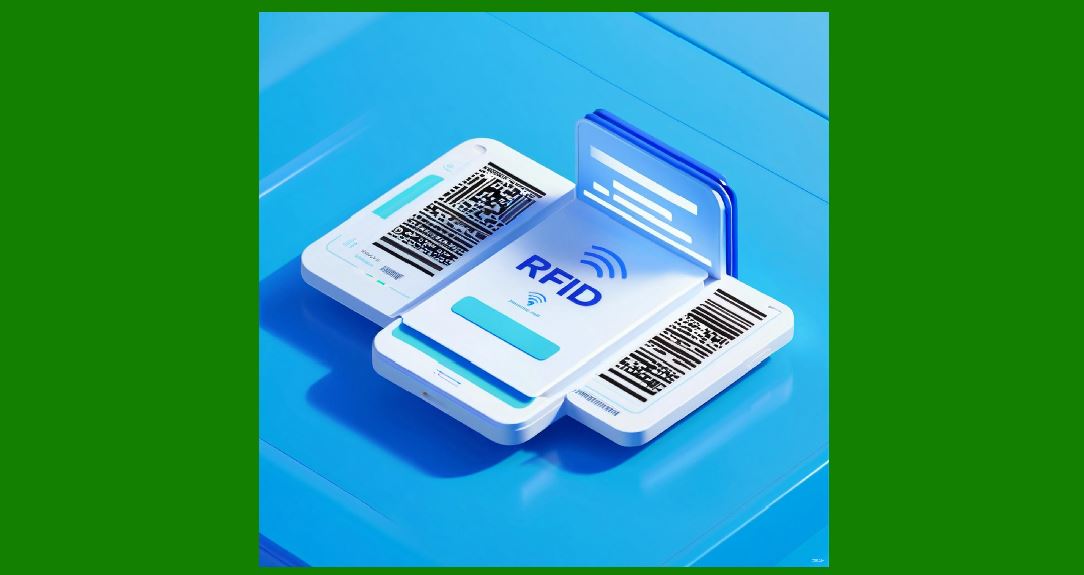
Before we dive into industry applications, it is worth restating a central theme of this book: barcodes and RFID are not competitors in a zero-sum game. They are complementary technologies that occupy different niches in the spectrum of automatic identification and data capture. Understanding their differences is key to understanding why both have survived and thrived. |
A barcode is an optical technology. It requires line of sight. It is extremely cheap to produce, often less than a fraction of a cent per label. It is universal, with standards that are recognized worldwide. It is passive, meaning it does not emit energy; it simply reflects light. It is also fragile; a smudge, a tear, or a wrinkle can render it unreadable. And it can only be read one at a time, by a human or a machine that deliberately points a scanner at it. |
RFID, by contrast, is a radio technology. It does not require line of sight. It can be read through cardboard, plastic, and even human tissue. It can be read in batches, hundreds of tags per second. It can be read at a distance, from a few centimeters to several meters, depending on the frequency and power. It can be read-write, meaning data can be updated on the tag. It can be combined with sensors to record temperature, humidity, shock, and motion. But it is more expensive than barcodes, often ten to fifty cents per tag for simple passive tags, and much more for specialized tags. It is also more complex, requiring readers, antennas, and software infrastructure. |
The genius of the silent network is that it uses both. A barcode on a cereal box tells the cashier what the product is. An RFID tag on a pallet of cereal boxes tells the warehouse manager how many pallets are in stock, where they are located, and when they were last moved. A barcode on a patient's wristband ensures the right medication is given. An RFID tag on a surgical sponge ensures that no sponge is left inside the patient. A barcode on a library book allows a patron to check it out. An RFID tag in the library's return chute allows the librarian to check in twenty books at once without opening them. |
This layering is not accidental. It is the result of decades of evolution, where each technology found its sweet spot. Barcodes became the universal identifier for individual consumer items. RFID became the invisible infrastructure for tracking assets, inventories, and logistics. Together, they create a dense, redundant, and resilient network that maps the physical world with increasing precision. |
|
Part Two: Industry Applications - A Journey Through the Real World |
To understand the power of this silent network, we must look at how it is used in practice. The following sections explore a wide range of industries, from retail to healthcare, from agriculture to aerospace. In each case, we will see how barcodes and RFID work together, often in ways that are invisible to the end user. |
Retail: The Frontline of the Silent Network |
Retail is where most people first encounter barcodes. The beep at the checkout counter is a familiar sound. But the silent network in retail goes far beyond the point of sale. |
Consider a large supermarket chain. Every product on the shelf has a barcode, typically a UPC or EAN code. This code identifies the manufacturer and the product, but not the individual item. When a customer buys a bottle of shampoo, the barcode is scanned, and the point-of-sale system updates the inventory. But how does the store know when to reorderHow does it know if the shampoo is on the shelf or in the back roomThis is where RFID comes in. |
Many retailers now use RFID tags on high-value or high-theft items, such as razors, cosmetics, and electronics. These tags are read by overhead readers or handheld devices. When a shipment arrives, the entire pallet can be read in seconds, without unpacking. When a customer picks up an item, the RFID tag can trigger a camera or an alert if the item leaves the store without being paid for. When the item is sold, the RFID tag is disabled or removed at the point of sale. |
But the real power is in the data. By combining barcode data from the point of sale with RFID data from the supply chain, retailers can achieve something close to real-time inventory visibility. They know what is on the shelf, what is in the back room, what is on the truck, and what is in the warehouse. This reduces out-of-stocks, reduces overstock, and reduces waste, especially for perishable goods. |
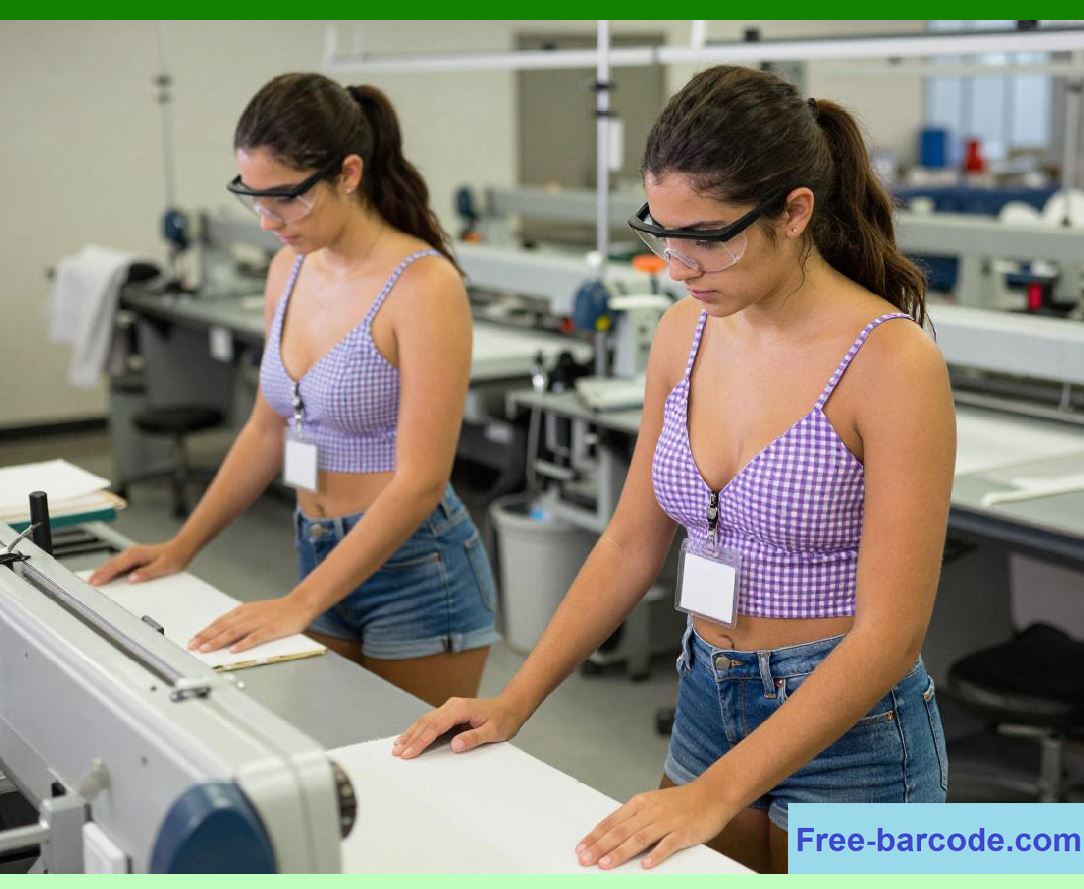
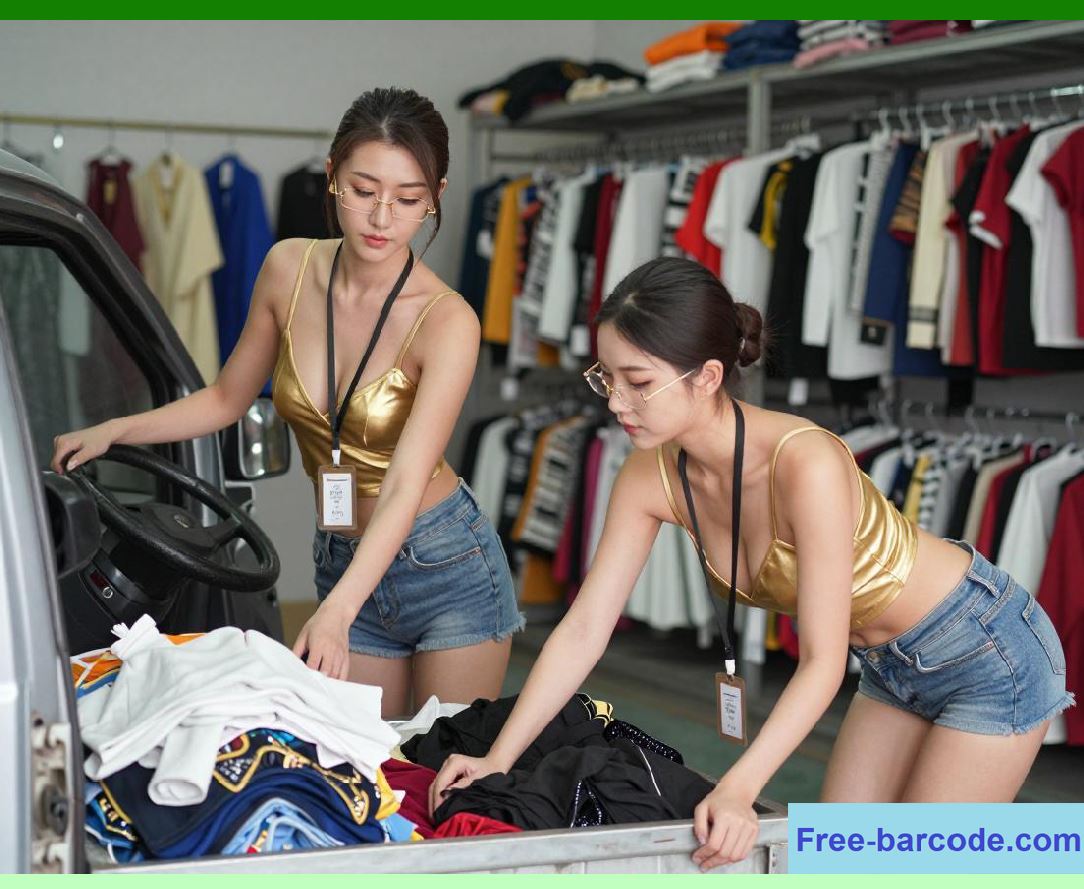
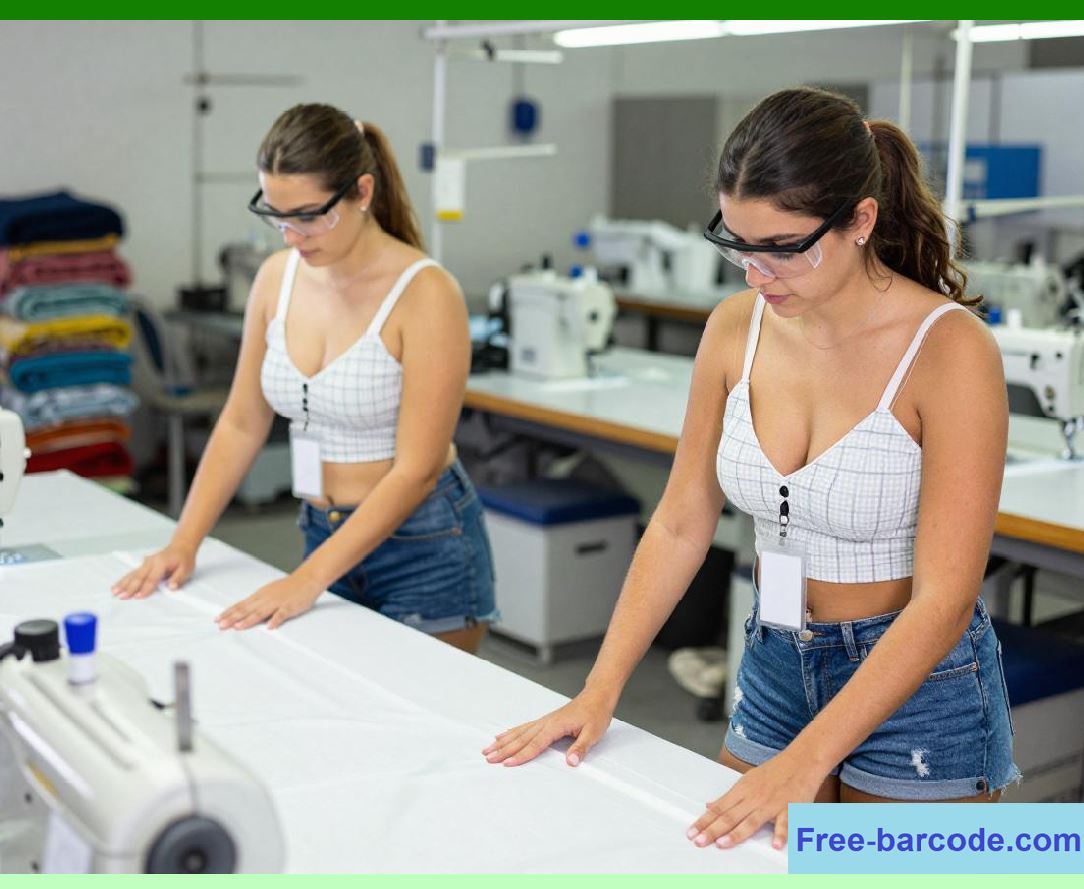
Take, for example, a major apparel retailer. Every item in the store has both a barcode and an RFID tag. The barcode is used at the checkout. The RFID tag is used for inventory counts. Once a week, a store employee walks through the store with a handheld reader, and in a few hours, the entire store's inventory is counted. This used to take dozens of employees and an entire night. Now it takes one person and a morning. The result is that the store knows exactly what it has, so it can order more of what sells and less of what does not. It can also find items that are misplaced, such as a shirt that fell behind a rack. And it can ensure that online orders are fulfilled accurately, because the picker can use RFID to find the exact item. |
Another example is a fresh food retailer. Barcodes on produce are often tricky because the codes can be smudged or damaged. RFID tags, on the other hand, can be embedded in reusable plastic containers. When a crate of strawberries arrives at the store, the RFID tag tells the receiver the farm it came from, the date it was picked, and the temperature it was stored at. If there is a recall, the store can instantly identify which crates are affected and remove them from the shelf. This is not just a matter of efficiency; it is a matter of food safety. |
|
Healthcare: Where Errors Can Be Fatal |
In healthcare, the silent network is not just about efficiency. It is about saving lives. Medical errors are a leading cause of death and injury worldwide. Many of these errors are due to misidentification: the wrong patient, the wrong drug, the wrong dose, the wrong procedure. Barcodes and RFID are powerful tools to prevent these errors. |
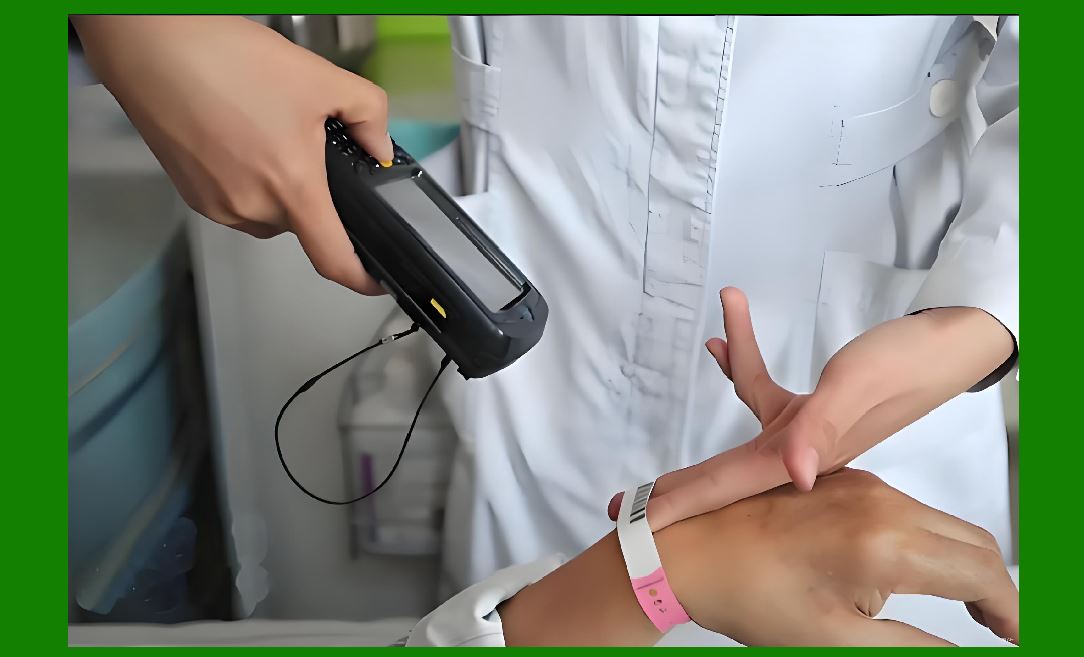
Consider a typical hospital. When a patient is admitted, they receive a wristband with a barcode. This barcode encodes a unique patient identifier. Before a nurse administers a medication, they scan the patient's wristband and the medication's barcode. The system checks that the drug is correct, the dose is correct, and the time is correct. If there is a mismatch, an alert sounds. This simple process, known as barcode medication administration, has been shown to reduce medication errors by up to eighty percent. |
But barcodes have limitations. They require line of sight, and they can be hard to read if the wristband is wrinkled or soiled. This is where RFID comes in. Many hospitals now use RFID wristbands for patients, especially those who are confused or wandering. The RFID tag can be read from a distance, so a nurse can identify a patient without waking them. The tag can also be used to track the patient's location, which is useful in emergency departments and operating rooms. If a patient is at risk of falling, the RFID system can alert staff when the patient tries to get out of bed. |
RFID is also used to track medical equipment. Hospitals have thousands of infusion pumps, wheelchairs, ventilators, and other devices. These devices are often misplaced, and staff spend valuable time searching for them. With RFID tags, the hospital can know where every device is, in real time. If a device is due for maintenance, the system can flag it. If a device is in a patient's room, the system can confirm that it was cleaned. This reduces the risk of infection and improves patient flow. |
In the operating room, RFID is used to track surgical sponges and instruments. A patient can accidentally retain a sponge after surgery, which can lead to serious complications. With RFID, each sponge is tagged, and a reader wand is used to scan the patient before closing the incision. If a sponge is missing, the system alerts the surgical team. This has virtually eliminated retained sponges in hospitals that use the technology. |
Another important application is in the blood bank. Blood bags are tagged with RFID, and the tags record the blood type, the donation date, and the expiration date. When a patient needs a transfusion, the nurse scans the patient's wristband and the blood bag. The system verifies that the blood type is compatible. This prevents incompatible transfusions, which can be fatal. |
|
Agriculture and Livestock: From Farm to Fork |
The silent network is also transforming agriculture. Farmers use barcodes and RFID to track everything from seeds to livestock to produce. |
Consider a dairy farm. Each cow has an RFID tag, usually in the form of an ear tag or a bolus that is swallowed. The tag identifies the cow and can also record data such as milk production, activity level, and health status. When the cow enters the milking parlor, the RFID reader identifies her and automatically records how much milk she produces. If her production drops, the farmer knows she may be sick. If her activity level changes, the farmer knows she may be in heat. This precision dairy farming improves animal health and increases milk yield. |
In the beef industry, RFID tags are used to track cattle from birth to slaughter. The tag records the animal's history, including vaccinations, medications, and feed. If there is an outbreak of disease, the entire supply chain can be traced in hours, rather than days. This is not just about food safety; it is about market access. Many countries require traceability for imported beef. Without RFID, farmers cannot export to those markets. |
In crop farming, barcodes and RFID are used to track seeds, fertilizers, and pesticides. A bag of seeds has a barcode that identifies the variety, the lot number, and the germination rate. When the farmer plants the seeds, the barcode is scanned, and the data is recorded in a field map. This allows the farmer to know exactly what was planted where. If there is a problem with a particular lot of seeds, the farmer can identify the affected area and take action. RFID tags on pallets of produce allow the farmer to track the produce from the field to the packing house to the cold chain. If the temperature rises above a certain threshold, the tag records it, and the produce can be diverted to a different market or processed quickly. |
In aquaculture, RFID tags are used to track fish. A small tag is implanted in the fish, and it records the fish's growth, health, and location. This helps fish farmers manage feeding, breeding, and harvesting. It also helps with traceability, so consumers can know where their fish came from. |
|
Logistics and Supply Chain: The Backbone of the Silent Network |
Logistics and supply chain management is perhaps the most natural home for barcodes and RFID. The entire industry is about moving goods from one place to another, and knowing where those goods are at every step. |
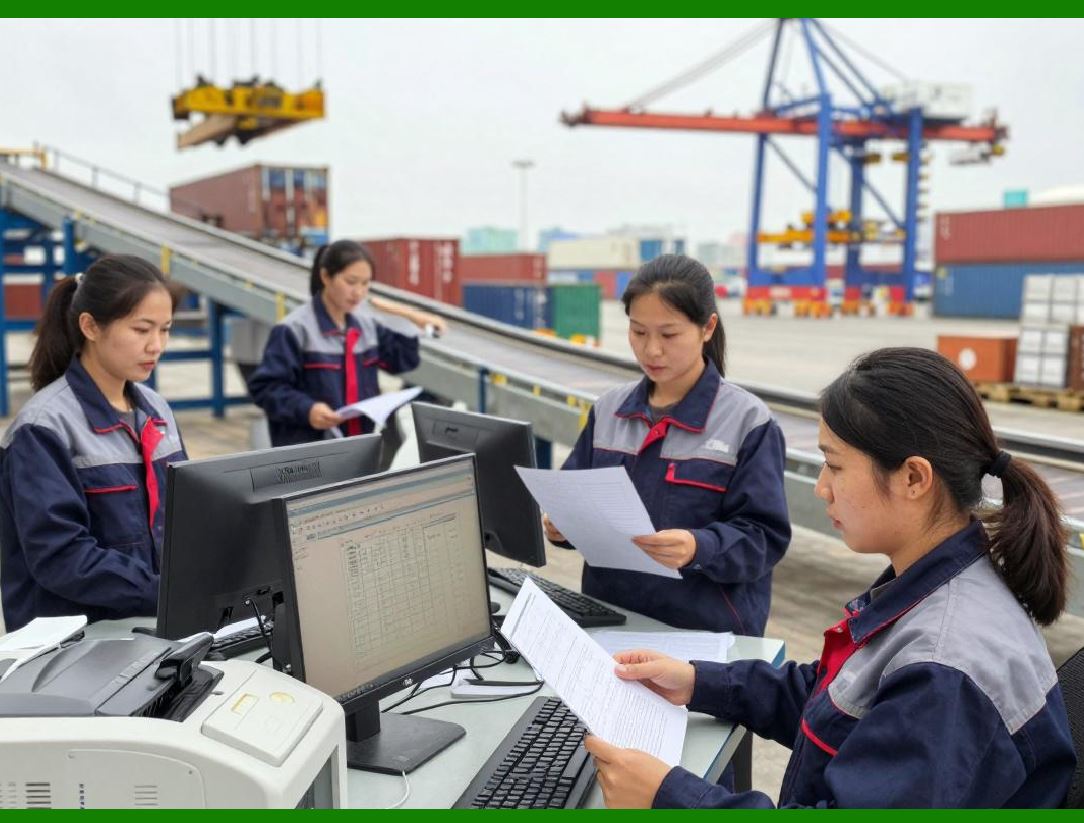
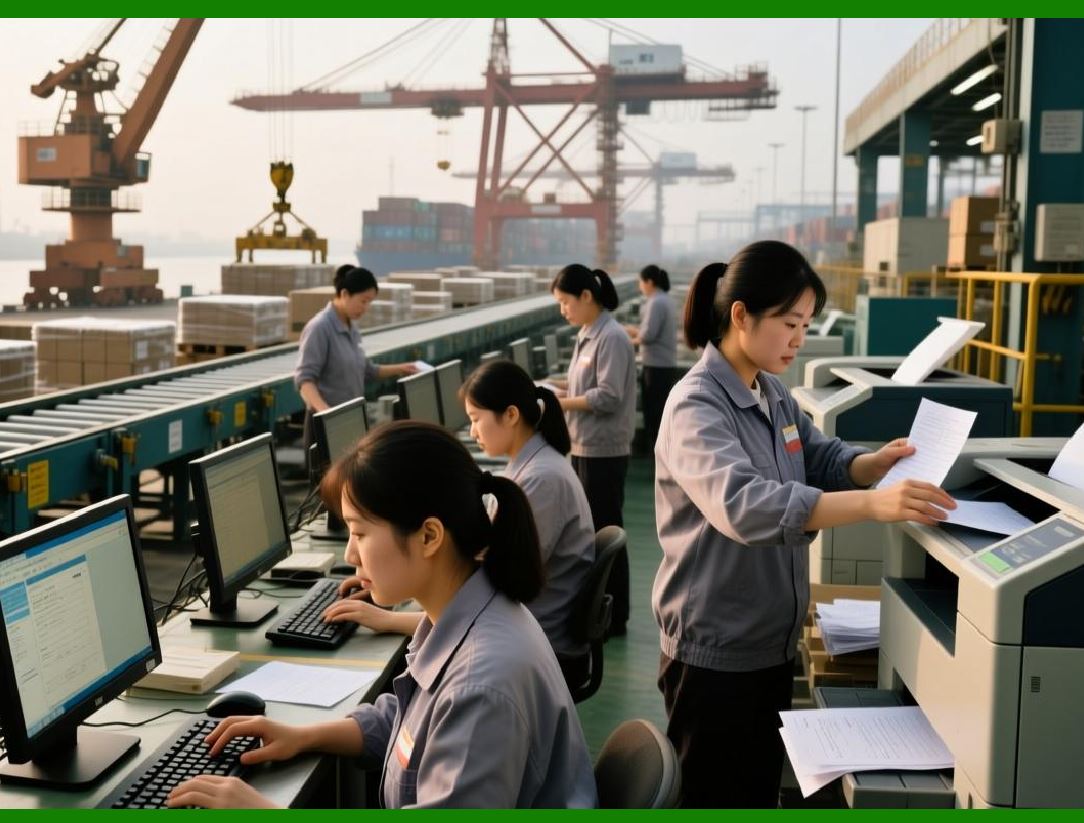
Consider a global shipping company. A container ship carries thousands of containers. Each container has a barcode and an RFID tag. The barcode is used for manual checks. The RFID tag is used for automated checks. When the container is loaded onto the ship, an RFID reader at the port gate reads the tag and records the time. When the ship arrives at the destination port, another reader reads the tag and records the arrival. This provides real-time visibility of the container's location. If a container is delayed, the shipper can notify the customer. If a container is lost, the shipper can find it. |
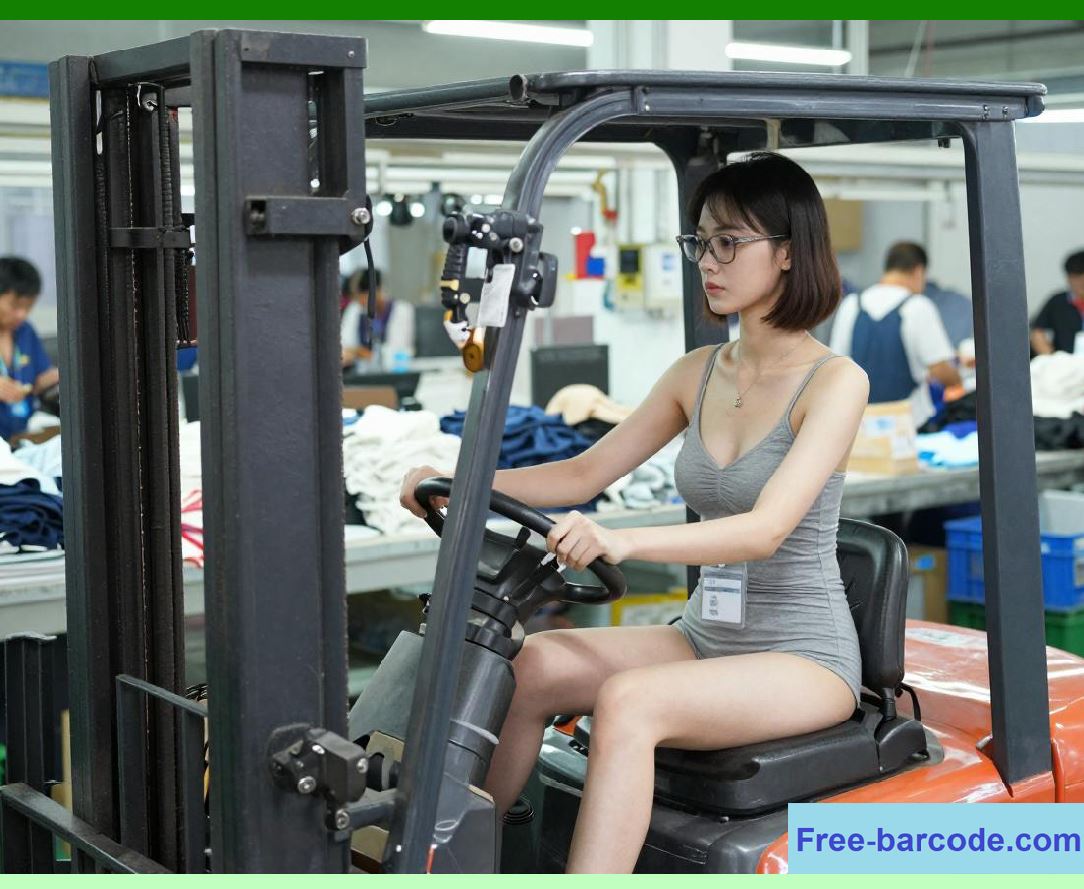
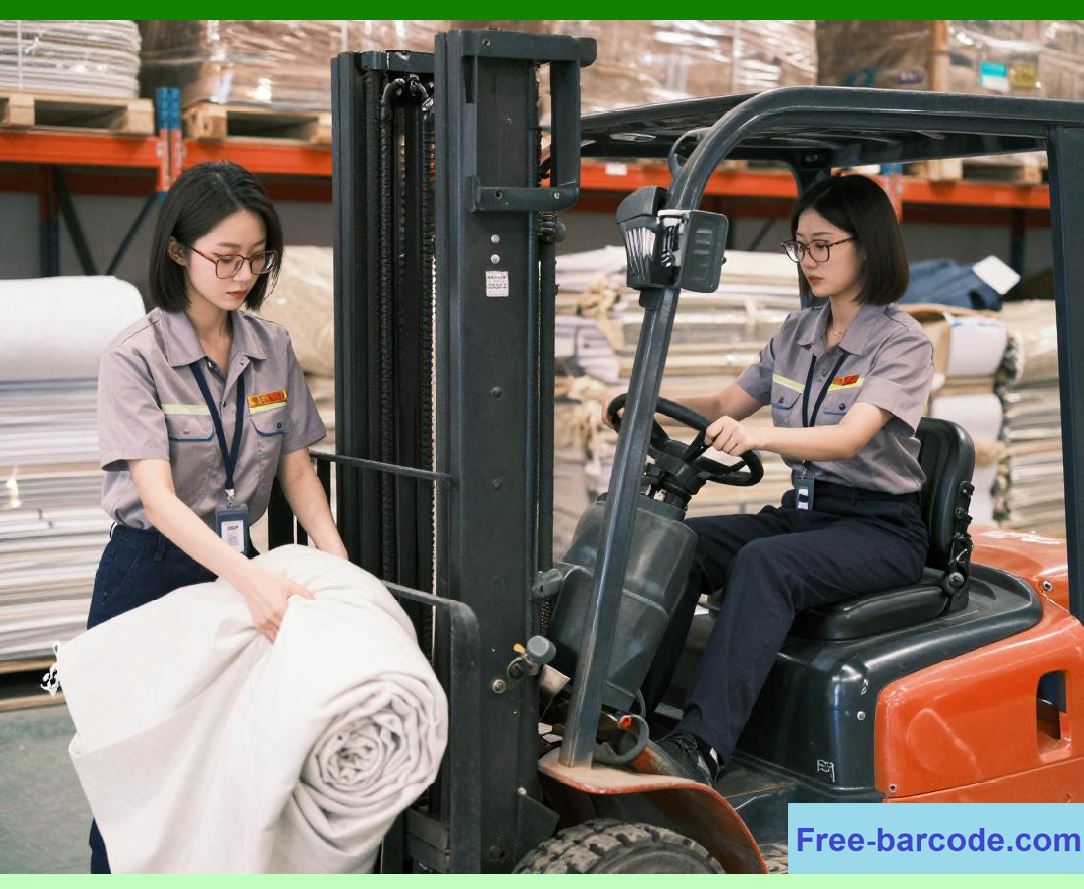
In a warehouse, barcodes and RFID are used to manage inventory. When a pallet arrives, the barcode on the pallet is scanned, and the pallet is put away. When an order is received, the warehouse management system tells the picker which items to pick. The picker scans the barcode on each item to confirm that it is correct. In some warehouses, RFID is used to automate the picking process. A forklift with an RFID reader can read an entire pallet of goods in seconds, without the driver leaving the seat. This speeds up the process and reduces errors. |
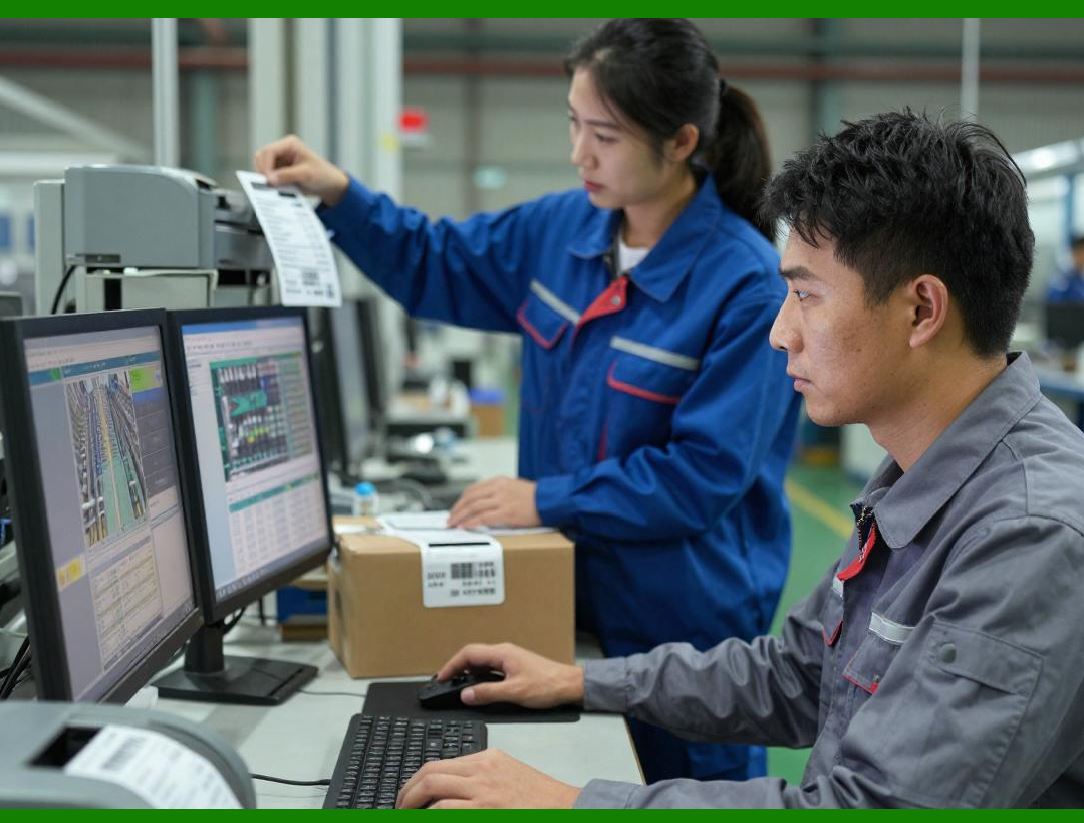
In the last mile of delivery, barcodes and RFID are used to track packages. A courier scans the barcode on a package when it is picked up, when it is sorted, when it is loaded onto a truck, and when it is delivered. The customer can track the package online. Some couriers now use RFID tags on high-value packages, so they can be located if they are lost or stolen. |
|
Manufacturing: The Factory Floor |
In manufacturing, the silent network is used to track parts, tools, and products. Consider an automobile factory. A car body has a barcode that identifies the model and the options. As the body moves down the assembly line, the barcode is scanned at each station. The station knows what parts to install and what tests to run. If a part is missing or incorrect, the line stops. This prevents errors and ensures quality. |
RFID is used in manufacturing for more complex tasks. For example, a jet engine has hundreds of parts. Each part has an RFID tag that records its serial number, its manufacturing date, and its maintenance history. When the engine is assembled, the tags are read, and the data is stored in a database. When the engine is serviced, the mechanic can read the tags to know which parts need to be replaced. This improves safety and reduces downtime. |
In electronics manufacturing, RFID tags are used to track printed circuit boards. The tag records the board's serial number and its test results. If a board fails, the manufacturer can trace it back to the specific machine and the specific operator. This helps identify the root cause of the failure and prevent it from happening again. |
In pharmaceutical manufacturing, barcodes and RFID are used to track drugs from the production line to the pharmacy. The tag records the drug's name, dose, lot number, and expiration date. This prevents counterfeiting and ensures that patients get the right drug. In some countries, RFID is required for certain high-risk drugs, such as opioids. |
|
Transportation and Automotive: On the Road |
The silent network is also on the road. Cars have RFID tags in their tires, keys, and toll transponders. Barcodes are used on parts and in service manuals. |
Consider a toll road. A car with an RFID transponder drives through a toll plaza. The reader identifies the car and deducts the toll from the driver's account. The driver does not have to stop. This reduces congestion and emissions. The same technology is used in parking garages, drive-through restaurants, and gas stations. |
In public transportation, barcodes and RFID are used for ticketing. A bus or train passenger can use a smart card with an RFID chip to pay for their fare. The card is tapped on a reader, and the fare is deducted. This is faster and more convenient than cash. It also allows the transit agency to collect data on ridership, which can be used to improve service. |
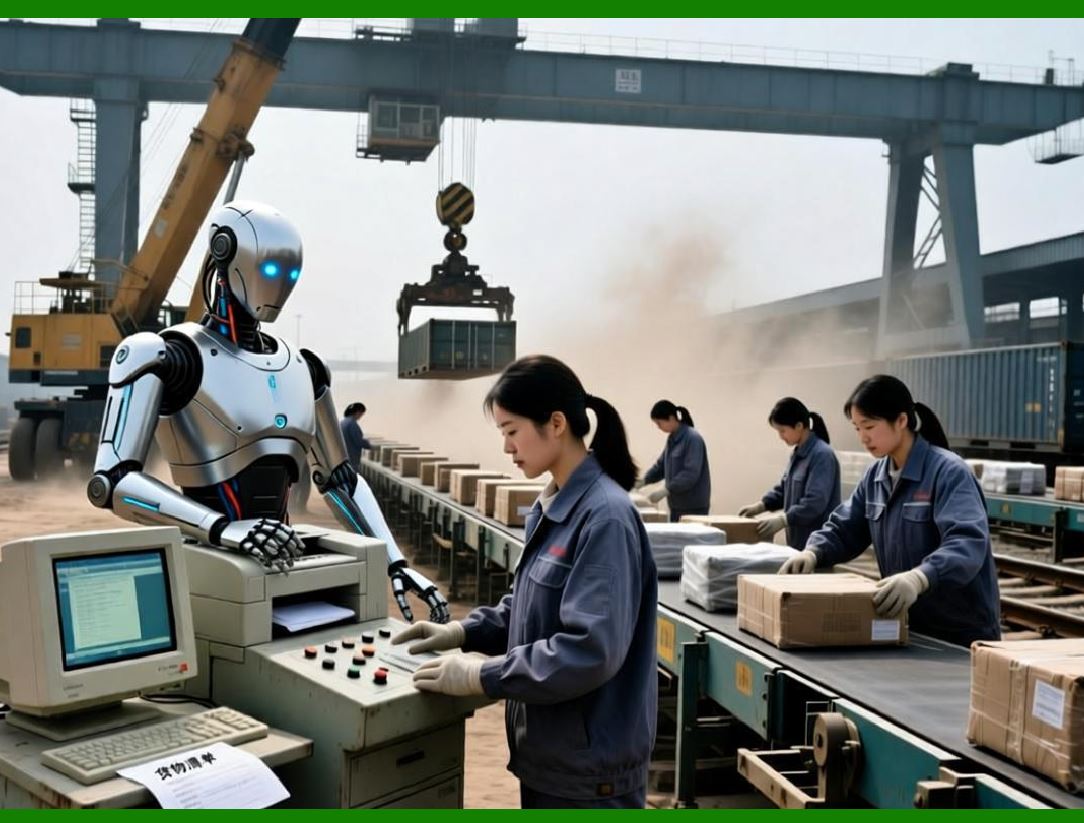
In the automotive industry, RFID is used to track vehicles as they move through the assembly line. It is also used to track parts in the dealership's inventory. When a customer brings their car in for service, the mechanic can read the RFID tags on the tires to know when they were installed and when they need to be replaced. Barcodes on the car's VIN plate are used for registration and insurance. |
|
Aerospace and Defense: Mission-Critical Tracking |
In aerospace and defense, the silent network is mission-critical. Every part on an aircraft must be traceable. A failure can be catastrophic. Barcodes and RFID are used to track parts from the moment they are manufactured to the moment they are retired. |
Consider a commercial airline. Each aircraft has thousands of parts. Each part has a barcode or an RFID tag that records its serial number, its manufacturing date, and its maintenance history. When the aircraft is inspected, the mechanic scans the tags to verify that all parts are airworthy. If a part is recalled, the airline can identify which aircraft are affected and replace the part before it fails. This is not just about safety; it is about economics. A grounded aircraft costs an airline tens of thousands of dollars per day. |
In defense, RFID is used to track supplies in the field. A soldier's gear, including weapons, ammunition, and medical supplies, can be tagged with RFID. A commander can use a handheld reader to know what supplies are available and where they are. This improves logistics and saves lives. RFID is also used to track vehicles and aircraft, so that commanders can know their location and status in real time. |

|
Library and Archives: The Quiet Revolution |
Libraries were among the first adopters of RFID. The technology is a perfect fit for the quiet, orderly world of books and archives. |
Consider a public library. Every book has a barcode and an RFID tag. The barcode is used for checking out books. The RFID tag is used for inventory and security. When a patron checks out a book, they place it on a self-checkout machine. The machine reads the RFID tag and the barcode, and the book is checked out. When the patron returns the book, they place it in a return chute. The chute has an RFID reader that reads the tag and checks the book in. This means the librarian does not have to open the book or scan the barcode. It also means that multiple books can be checked in at once. |
The RFID tag also acts as a security device. If a book is not checked out, the tag triggers an alarm at the library exit. This has reduced theft in many libraries. But the real benefit is in inventory. A librarian can walk through the stacks with a handheld reader and inventory the entire collection in a few hours. This used to take weeks. It also helps the library find misshelved books, which are a common problem. If a book is in the wrong place, the reader will not find it where it is supposed to be, but it will find it where it actually is. |
In archives and museums, RFID is used to track valuable and fragile items. A manuscript or a painting can be tagged with a small, unobtrusive RFID tag. The tag records the item's location, its condition, and its handling history. If the item is moved, the system records who moved it and when. This helps with conservation and security. |
|
Hospitality and Events: Enhancing the Experience |
The silent network is also in hotels, restaurants, and event venues. Barcodes and RFID are used to improve the guest experience and streamline operations. |
Consider a hotel. A guest checks in and receives a key card with an RFID chip. The guest uses the card to open their room, access the gym, and pay for meals. The card also tracks the guest's spending, so the hotel can offer personalized promotions. In the back of the house, RFID tags on linens and towels help the hotel track inventory. If a towel is missing, the hotel can find it. If a towel is worn out, the hotel can replace it. This reduces costs and improves guest satisfaction. |
In a restaurant, barcodes are used on menus and tables. A guest can scan a barcode to see the menu, order food, and pay the bill. This reduces wait times and improves accuracy. RFID tags on food trays can track how long a tray has been sitting before it is served. This helps ensure food safety and quality. |
At a music festival or a sporting event, attendees wear RFID wristbands. The wristband serves as a ticket, a payment method, and a social media link. The attendee can tap the wristband to enter the venue, buy food, and share their experience online. The event organizer can use the data to understand crowd flow and improve the event. |
|
Construction and Mining: Heavy-Duty Tracking |
In construction and mining, the silent network is used to track equipment, materials, and workers. The environment is harsh, so the technology must be rugged. |
Consider a construction site. Heavy equipment, such as excavators and cranes, are tagged with RFID. The tag records the equipment's location, its usage hours, and its maintenance history. If the equipment is due for service, the system alerts the maintenance crew. If the equipment is stolen, the RFID tag can be used to find it. Barcodes are used on materials, such as pipes and beams, to track them from the supplier to the site. This reduces waste and improves scheduling. |
In mining, RFID is used to track workers underground. Each miner wears a helmet with an RFID tag. The tag allows the mine operator to know where each miner is at all times. If there is an accident, the operator can send help to the right location. The tag also records the miner's exposure to dust, noise, and other hazards. This helps protect the miner's health. |
|
Energy and Utilities: Monitoring the Grid |
In the energy and utilities sector, the silent network is used to monitor and manage the grid. Barcodes and RFID are used on meters, transformers, and other equipment. |
Consider an electric utility. Every meter has a barcode that identifies the customer and the meter number. When the meter is read, the barcode is scanned, and the reading is recorded. Some utilities now use RFID-enabled meters that can be read remotely. This reduces the cost of meter reading and improves accuracy. The utility can also use the data to detect outages and restore power more quickly. |
In the oil and gas industry, RFID tags are used on pipelines and equipment. The tags record the equipment's inspection history and its maintenance schedule. If there is a leak, the utility can identify the affected section and shut it down. RFID is also used to track workers on offshore platforms, so that they can be located in an emergency. |
|
Environmental and Waste Management: Tracking the Flow |
The silent network is also used in environmental and waste management. Barcodes and RFID are used to track recycling, waste, and hazardous materials. |
Consider a recycling facility. Every bin has an RFID tag. When the bin is emptied, the tag is read, and the weight of the recyclables is recorded. The recycling company can use this data to bill the customer and to optimize collection routes. If a bin is contaminated, the tag can record it, and the customer can be notified. |
In hazardous waste management, RFID tags are used to track barrels of chemicals. The tag records the chemical's name, its hazard class, and its disposal date. If there is a spill, the emergency responders can read the tag to know what they are dealing with. This protects the responders and the public. |
|
Food and Beverage: From Farm to Table |
We have already touched on agriculture, but the food and beverage industry deserves a closer look. The silent network is used to track food from the farm to the table, ensuring safety and quality. |
Consider a winery. Every barrel and bottle has a barcode or an RFID tag. The tag records the wine's vintage, its varietal, and its vineyard. When the wine is bottled, the tag is read, and the bottle is tracked through the distribution chain. If there is a problem with a particular vintage, the winery can recall the affected bottles. The tag also helps with inventory. A sommelier can use a handheld reader to inventory the wine cellar in minutes. |
In a brewery, RFID tags are used on kegs. The tag records the keg's location, its contents, and its cleaning history. When the keg is returned, the tag is read, and the keg is inspected. This reduces the loss of kegs, which is a significant cost for breweries. The tag also helps the brewery ensure that the keg is clean before it is refilled. |
In a restaurant, barcodes are used on food packages to track expiration dates. The chef can scan the barcode to know when the food should be used. This reduces waste and ensures freshness. RFID tags on food trays can track the temperature of the food, so the chef knows if it has been stored properly. |
|
Government and Public Services: Serving the Citizen |
Governments use the silent network for many purposes, from tracking assets to providing services. |
Consider a motor vehicle department. Every license plate has a barcode, and every vehicle has a VIN. When a vehicle is registered, the VIN is scanned, and the data is recorded. When a police officer stops a vehicle, they can scan the barcode on the license plate to check the registration. This improves safety and efficiency. |
In a public library, as we have seen, RFID is used to track books. In a public hospital, barcodes and RFID are used to track patients and equipment. In a public transportation system, RFID is used for ticketing. In a public works department, RFID is used to track assets such as traffic lights and street signs. |
Governments also use RFID for border control and immigration. An electronic passport contains an RFID chip that stores the holder's biometric data. When the traveler passes through immigration, the chip is read, and the traveler's identity is verified. This speeds up the process and improves security. |
|
Sports and Fitness: Tracking Performance |
The silent network is also in sports and fitness. Barcodes and RFID are used to track athletes, equipment, and fans. |
Consider a marathon. Each runner wears an RFID tag on their shoe or bib. As the runner crosses the start line, the finish line, and the checkpoints, the tag is read, and the runner's time is recorded. This provides accurate results and allows the runner to see their split times. The tag also helps the race organizer track the runners and ensure their safety. |
In a gym, RFID tags are used on equipment and lockers. A member can use their RFID wristband to unlock a locker, start a treadmill, and log their workout. This improves the member experience and helps the gym manage its equipment. |
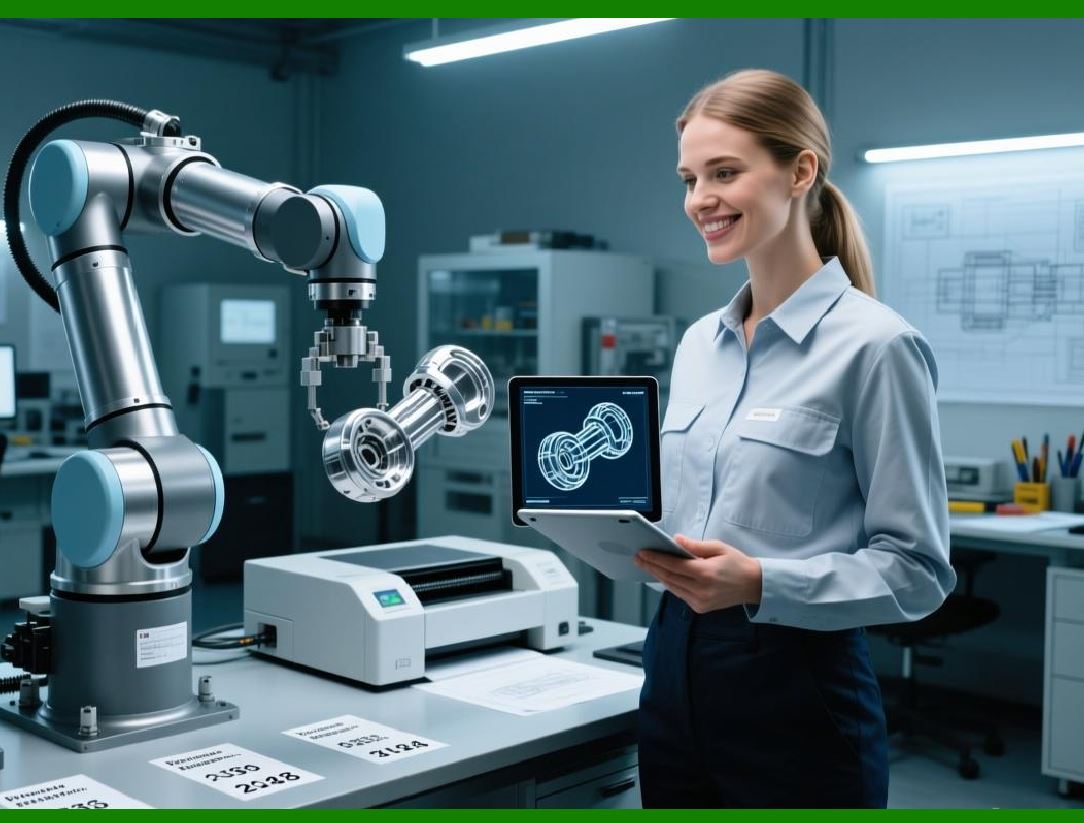
In professional sports, RFID is used to track players and the ball. The data is used for analytics and for enhancing the broadcast. For example, in American football, RFID tags in the players' shoulder pads and in the ball allow the broadcaster to show the exact position of the ball and the players. This improves the viewing experience. |
|
Entertainment and Media: The Immersive Experience |
The silent network is also in entertainment and media. Barcodes and RFID are used to create immersive experiences and to manage audiences. |
Consider a theme park. Visitors wear RFID wristbands that serve as their ticket, their room key, and their payment method. The wristband can be used to access rides, buy food, and interact with characters. The park can use the data to understand crowd flow and to personalize the experience. For example, if a visitor has a birthday, the park can send them a special greeting. |
In a museum, RFID tags are used to track artifacts and to provide information to visitors. A visitor can use their smartphone to read the tag on an exhibit and learn more about it. The museum can use the data to understand which exhibits are popular and to improve the layout. |
In a movie theater, barcodes are used on tickets. The usher scans the barcode to verify the ticket. RFID is used to track concessions, so the theater knows what is selling and what is not. |
|
The Internet of Things and the Future of the Silent Network |
The silent network is not static. It is evolving. The next phase of this evolution is the Internet of Things, or IoT. In the IoT, everyday objects are connected to the internet, and they can send and receive data. Barcodes and RFID are key enablers of the IoT. |
Consider a smart home. A refrigerator with an RFID reader can know what food is inside. When the milk is about to expire, the refrigerator can send a notification to the homeowner's smartphone. The homeowner can then order more milk, which will be delivered by a drone. The drone uses barcodes and RFID to navigate and to deliver the milk to the right address. |
In a smart city, RFID tags on trash cans can tell the sanitation department when they are full. The department can then optimize its collection routes. RFID tags on parking meters can tell the city when a meter is expired. The city can then send a notification to the driver. RFID tags on buses can tell the city where the buses are, so that the city can provide real-time arrival information to passengers. |
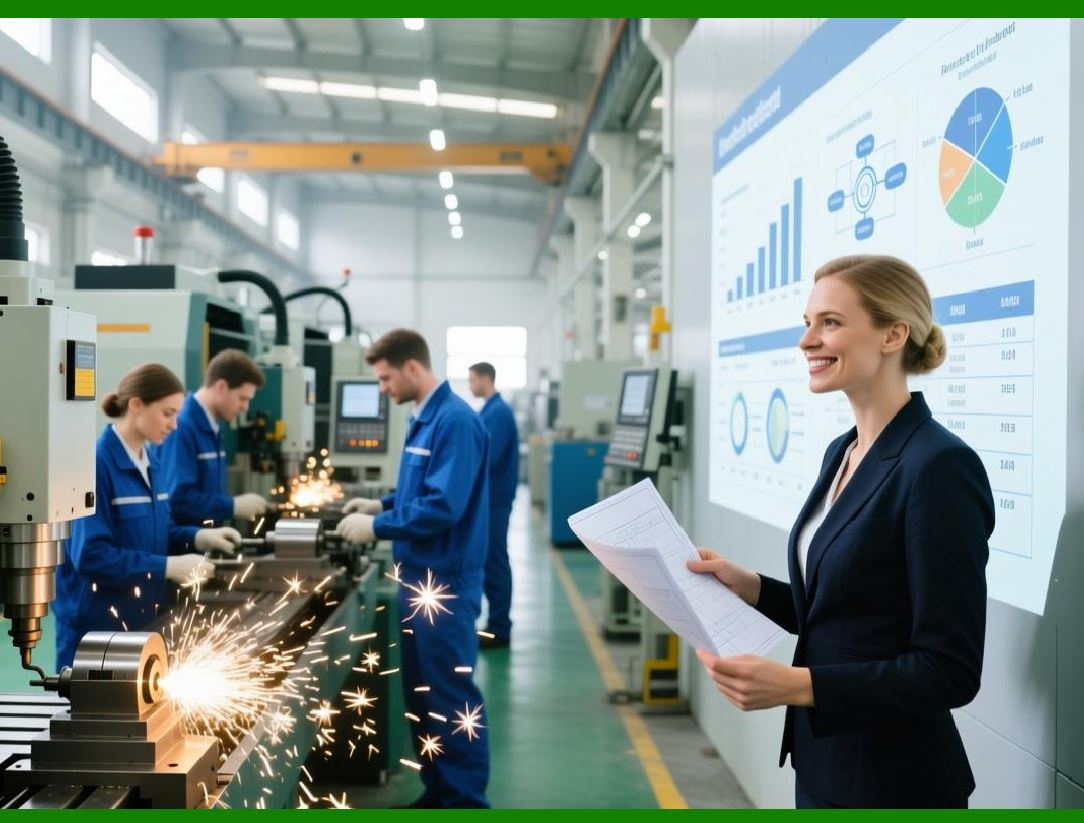
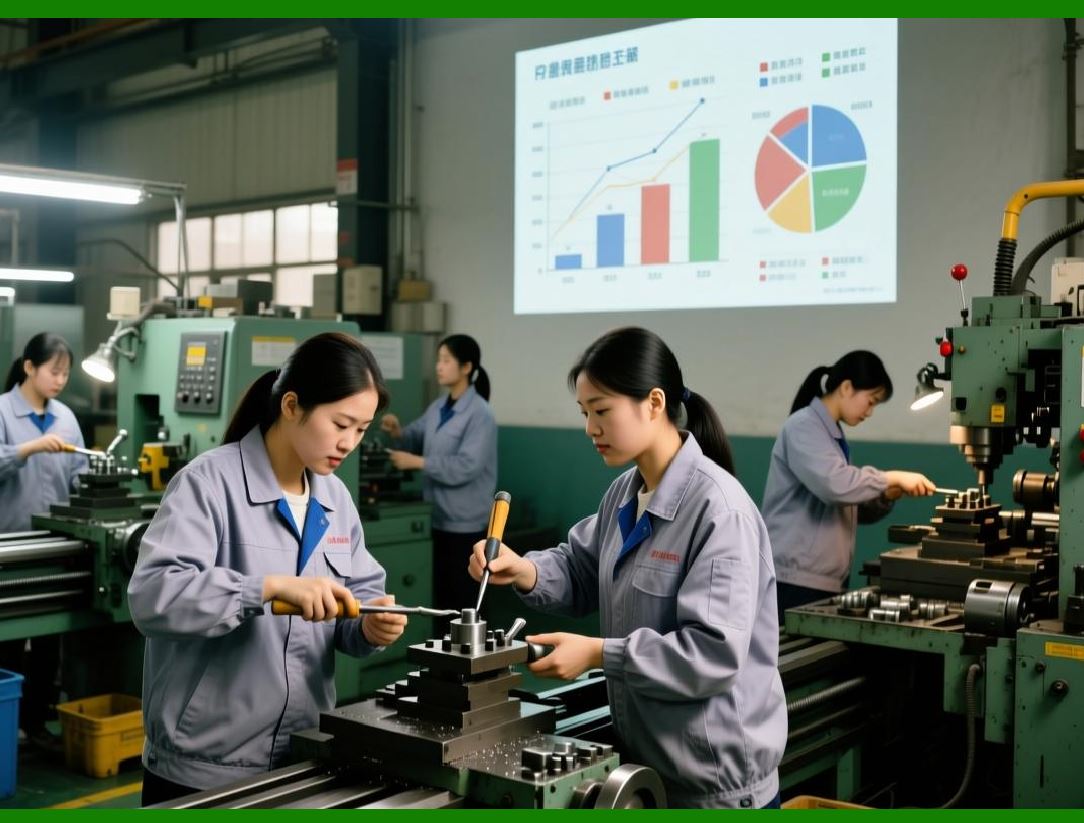
In a smart factory, RFID tags on parts and machines can tell the factory what is happening in real time. The factory can then adjust its production schedule to meet demand. The factory can also predict when a machine will fail, so that it can be repaired before it breaks down. |
In a smart hospital, RFID tags on patients and equipment can tell the hospital what is happening in real time. The hospital can then improve patient flow and reduce errors. The hospital can also track the spread of infections, so that it can take action to stop them. |
The IoT is not just about convenience. It is about efficiency, safety, and sustainability. By mapping the physical world with barcodes and RFID, we can create a digital twin of the world. This digital twin can be used to simulate, predict, and optimize. It can help us use resources more efficiently, reduce waste, and improve the quality of life. |

|
Challenges and Ethical Considerations |
The silent network is not without its challenges. As we map the physical world with barcodes and RFID, we must also consider the ethical and social implications. |
One challenge is privacy. RFID tags can be read without the knowledge or consent of the person carrying them. This raises concerns about surveillance and tracking. For example, if a person carries an RFID-enabled passport, the passport can be read by anyone with a reader. This could allow someone to track the person's movements. To address this, many RFID tags have a privacy mode that requires a password to read. Some tags can be killed at the point of sale, so they cannot be read afterward. But these measures are not perfect. |
Another challenge is security. RFID tags can be cloned or spoofed. A criminal could clone an RFID tag on a credit card or a passport. To address this, many RFID tags use encryption and authentication. But encryption is not foolproof, and it can be broken. |
A third challenge is cost. While barcodes are extremely cheap, RFID tags are still too expensive for some applications. For example, it is not yet economical to put an RFID tag on every can of soda. This is why barcodes and RFID coexist. Barcodes are used for low-value items, and RFID is used for high-value items. |
A fourth challenge is standardization. While there are global standards for barcodes and RFID, they are not always compatible. A tag from one manufacturer may not work with a reader from another manufacturer. This can create problems in global supply chains. To address this, organizations such as GS1 and ISO work to develop and promote standards. |
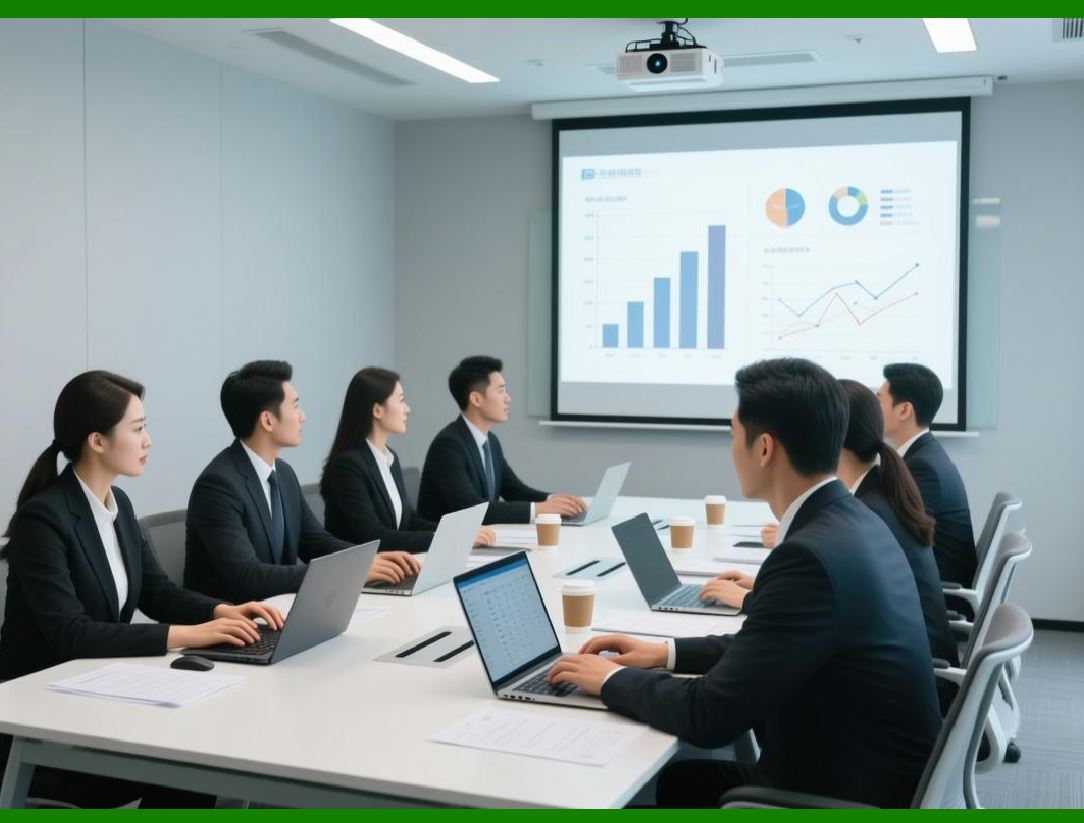
A fifth challenge is data overload. The silent network generates a massive amount of data. This data must be stored, processed, and analyzed. This requires significant investment in IT infrastructure. It also requires skilled people who can make sense of the data. Without the right people and the right tools, the data is useless. |
|
The Future: What Lies Ahead |
What does the future hold for the silent networkHere are a few trends to watch. |
First, we will see more convergence between barcodes and RFID. For example, some tags combine both technologies. A single label can have a barcode and an RFID chip. This allows the user to choose the best technology for the task. It also provides redundancy. If the barcode is damaged, the RFID tag can still be read. |
Second, we will see more sensors. RFID tags are no longer just identifiers. They can also sense temperature, humidity, shock, and motion. This is called sensor-enabled RFID. It allows the user to monitor the condition of the item, not just its location. This is especially useful for perishable goods, such as food and pharmaceuticals. |
Third, we will see more localization. RFID is no longer just about presence. It is also about position. Ultra-wideband RFID can locate a tag within a few centimeters. This is useful for finding items in a warehouse, for guiding robots, and for tracking people in real time. |
Fourth, we will see more integration with the cloud. RFID readers are increasingly connected to the cloud. This allows the user to access the data from anywhere. It also allows the user to use advanced analytics and machine learning to make sense of the data. |
Fifth, we will see more sustainability. RFID tags are increasingly made from recyclable materials. Some tags are even biodegradable. This reduces the environmental impact of the silent network. It also allows the tags to be used in compostable packaging. |
Sixth, we will see more consumer engagement. RFID tags are increasingly used to connect consumers to brands. A consumer can tap their smartphone on an RFID tag to learn more about a product, to register a warranty, or to receive a promotion. This creates a direct relationship between the brand and the consumer. |
|
Detailed Summary of Key Insights |
As we conclude this chapter and this book, let us summarize the key insights that have emerged. |
1. Barcodes and RFID are complementary, not competitive. Barcodes are cheap, universal, and optical. RFID is rich, wireless, and batch-readable. Together, they create a layered network that maps the physical world with increasing precision. |
2. The silent network is everywhere. It is in retail, healthcare, agriculture, logistics, manufacturing, transportation, aerospace, libraries, hospitality, construction, energy, waste management, food and beverage, government, sports, and entertainment. It is used to track everything from a single aspirin tablet to a herd of cattle, from a library book to a jet engine. |
3. The silent network saves lives. In healthcare, barcodes and RFID prevent medication errors, retained surgical sponges, and incompatible blood transfusions. In agriculture, they prevent foodborne illness. In transportation, they prevent accidents. In aerospace, they prevent crashes. |
4. The silent network saves money. It reduces out-of-stocks, overstock, waste, theft, and labor costs. It improves efficiency, accuracy, and speed. It enables new business models, such as self-checkout, curbside pickup, and drone delivery. |
5. The silent network is evolving. It is moving from identification to sensing, from presence to localization, from closed systems to the cloud, and from passive to active. It is becoming the backbone of the Internet of Things. |
6. The silent network raises ethical and social issues. Privacy, security, cost, standardization, and data overload are all challenges that must be addressed. The benefits of the silent network must be balanced against the risks. |
7. The silent network is a human achievement. It is the result of seventy years of innovation, standardization, and collaboration. It is a testament to our ability to encode the physical world so that machines can help us manage it. |

|
Final Reflection |
The next time you scan a barcode at checkout or tap your phone on a payment terminal, remember: you are participating in a seventy-year evolution of machines learning to see and hear the physical world. One tag, one code, one whisper at a time. |
You are part of a silent network that spans the globe. It connects farms to tables, factories to stores, hospitals to patients, and libraries to readers. It is invisible, but it is everywhere. It is quiet, but it speaks volumes. It is simple, but it is profound. |
This network did not appear overnight. It was built by engineers who figured out how to encode data in black and white lines. It was built by physicists who figured out how to power a chip with radio waves. It was built by standards organizations who figured out how to make it all work together. It was built by businesses who figured out how to use it to serve their customers. And it was built by you, the user, who scans, taps, and trusts. |
As we look to the future, we can expect the silent network to become even more powerful. It will sense more, know more, and do more. It will help us feed the world, heal the sick, build the future, and protect the planet. It will be a partner in our journey, a tool in our hands, and a mirror of our world. |
But we must also remember that the silent network is a human creation. It reflects our values, our priorities, and our choices. We must ensure that it is used for good, that it respects privacy, that it is secure, and that it benefits everyone. We must ensure that the silent network is not just a network of machines, but a network of people, working together to map the physical world for the betterment of all. |
The next time you scan a barcode or tap an RFID tag, take a moment to appreciate the journey. You are not just buying a product or entering a building. You are participating in a seventy-year evolution of machines learning to see and hear the physical world. You are part of the silent network. And the network is part of you. |
One tag. One code. One whisper at a time. |
 cs@easiersoft.com