1. Introduction to ITF-14 Barcode Technology |
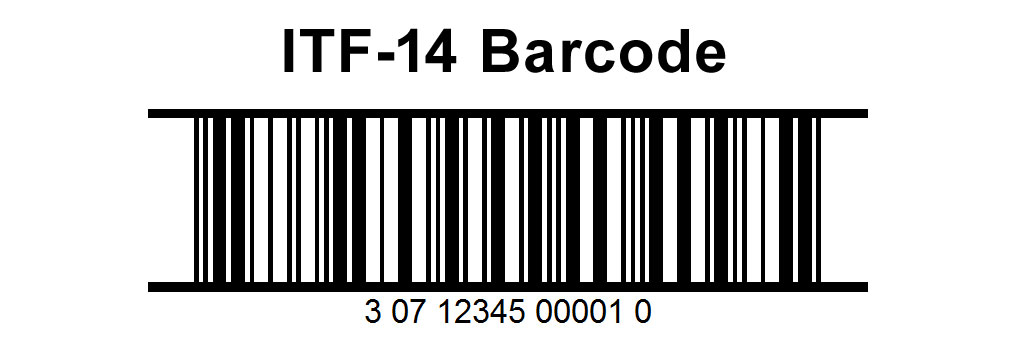
The ITF-14 barcode, also known as the SCC-14, is a 14-digit, high-density, and robust barcode standard used primarily for packaging and logistics. It belongs to the family of Interleaved 2 of 5 (ITF) barcodes and is designed to represent the Global Trade Item Number (GTIN-14). The ITF-14 barcode is most commonly used for shipping and product identification in distribution chains, typically on outer packaging such as cartons and pallets. |
In logistics and retail operations, ITF-14 plays a vital role in ensuring the efficient tracking and identification of goods in transit. It's designed to be printed on a variety of surfaces, often requiring a high level of durability due to environmental conditions such as handling, moisture, and exposure to different temperatures. |
|
2. Structure and Format of ITF-14 |
2.1 Components of ITF-14 Barcode |
An ITF-14 barcode is composed of several distinct sections, each of which serves a specific function to ensure the barcode's readability and efficiency in encoding data. |
1.Start/Stop Characters: These characters are located at both ends of the barcode. The start and stop characters are the same and are used to signal the beginning and end of the barcode data. |
2.Data Characters: The ITF-14 barcode uses a 14-digit numeric representation, typically based on the GTIN-14 format. This consists of: |
The first 1-3 digits represent the country or manufacturer identifier. |
The next 4-7 digits represent the item identifier (which can vary depending on the product). |
The last digit is the check digit, calculated using a modulus-10 algorithm. |
3.Quiet Zone: This is a blank margin area around the barcode to ensure it can be detected properly by scanners. It's critical that the quiet zone is free from any marks or print, as it ensures the scanner can differentiate between the barcode and surrounding elements. |
4.Bar and Space Widths: The ITF-14 barcode is made up of alternating bars and spaces, which represent binary digits (1 and 0). The width of each bar and space is consistent, and each data digit is represented by a specific combination of these bars and spaces. |
5.Check Digit: The final digit of an ITF-14 barcode is a calculated check digit. It is computed based on the other digits in the barcode to ensure that the barcode has been scanned correctly and without error. |
2.2 Encoding and Decoding |
The encoding scheme of ITF-14 follows the standard Interleaved 2 of 5 (ITF) encoding. This means that digits are encoded in pairs, interleaving the data to create a compact format. For example, a pair of digits is encoded in one symbol consisting of five bars and five spaces. When scanned, the ITF-14 barcode is decoded by interpreting the bars and spaces into binary data, which is then translated back into the original 14-digit number. |
|
3. ITF-14 in Logistics and Supply Chain |
3.1 Primary Applications of ITF-14 |
The ITF-14 barcode is widely used in the logistics and supply chain sectors, particularly for packaging and shipping. Its robustness, combined with its relatively compact form, makes it ideal for use on outer packaging, such as: |
1.Cartons: ITF-14 is often used to mark cartons that contain multiple individual items. |
2.Pallets: ITF-14 is used for pallet-level identification, which helps in tracking and managing large volumes of goods in warehouse or shipping environments. |
3.2 Industry Use Cases |
1.Retail: Retailers use ITF-14 barcodes for identifying large shipments of products. It allows retailers to efficiently track stock and manage their supply chains. |
2.Wholesale Distribution: ITF-14 is also used extensively in wholesale distribution to mark bulk packages and containers. |
3.Manufacturing: In the manufacturing industry, ITF-14 is utilized for product packaging and inventory management. |
3.3 Advantages in Logistics |
Efficient Scanning: ITF-14 barcodes are designed to be scanned from a distance, making them ideal for high-speed logistics operations. |
Durability: The barcode is highly resistant to wear and tear, which is crucial in environments where packages are subjected to rough handling, stacking, and exposure to moisture and dirt. |
International Standard: ITF-14 barcodes follow international standards for packaging and shipping, ensuring consistency and compatibility across global supply chains. |
|
4. ITF-14 Standards and Specifications |
4.1 ISO and GS1 Standards |
The ITF-14 barcode is governed by international standards set by the International Organization for Standardization (ISO) and the GS1 organization, which is responsible for global barcoding standards. |
ISO/IEC 16388: Defines the specification for the Interleaved 2 of 5 (ITF) symbology, which is the underlying technology behind ITF-14. |
GS1 Global Trade Item Number (GTIN): ITF-14 barcodes typically encode a GTIN-14, which is a standard used to uniquely identify trade items. This standard is maintained by GS1. |
4.2 ITF-14 Print Specifications |
Bar Width: The minimum bar width in ITF-14 barcodes is defined by ISO/IEC standards. The bars must be thick enough to withstand the rigors of logistics operations, but not so wide as to reduce the barcode's data density. |
Symbol Size: The physical dimensions of the ITF-14 barcode depend on the number of digits it encodes, as well as the print quality required for scanning. The barcode must meet specific size and print quality standards to ensure it can be reliably scanned by barcode readers. |
|
5. ITF-14 Barcode in Practice: Challenges and Solutions |
5.1 Printing Challenges |
Printing ITF-14 barcodes can be difficult due to the level of detail required, especially when printing on various types of packaging. Factors such as surface texture, ink quality, and printing technology all play a role in ensuring a high-quality, scannable barcode. |
Surface Variability: ITF-14 barcodes are often printed on cardboard and other packaging materials, which can vary in texture and smoothness. These surface variations can affect the clarity and readability of the barcode. |
Environmental Conditions: The barcode needs to be readable under various environmental conditions, including exposure to moisture, temperature changes, and physical wear. |
5.2 Scanning Challenges |
While ITF-14 barcodes are designed for high-speed scanning, they can sometimes be challenging to read if the barcode is poorly printed or damaged. |
Print Quality: Poor print quality can lead to incomplete or incorrect barcode scanning. Barcode readers might not detect the barcode properly if the print quality does not meet the required standards. |
Handling and Durability: ITF-14 barcodes printed on outer packaging, such as shipping boxes, can become damaged or obscured during handling. Ensuring durability through proper print methods and materials is key to maintaining readability. |
5.3 Solutions |
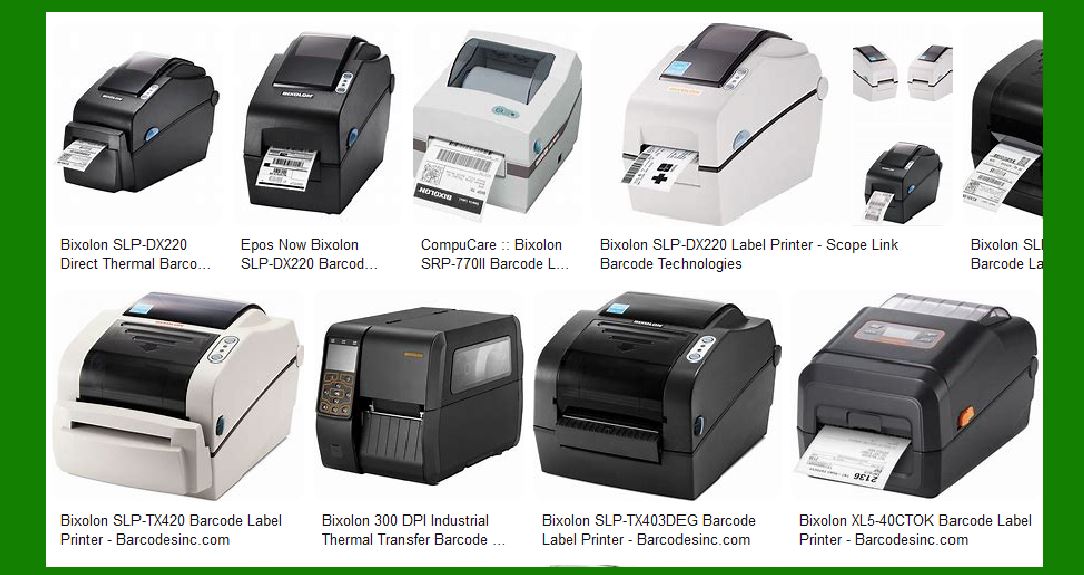
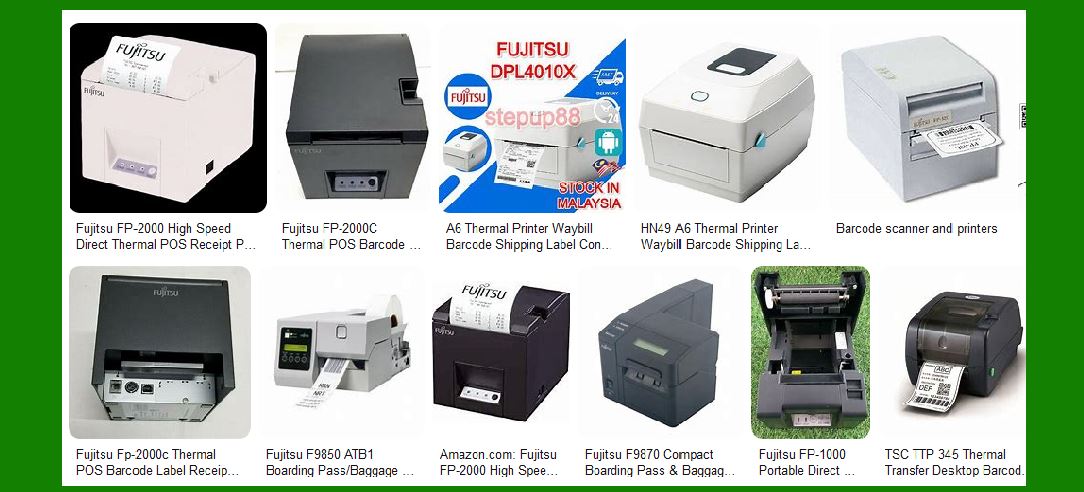
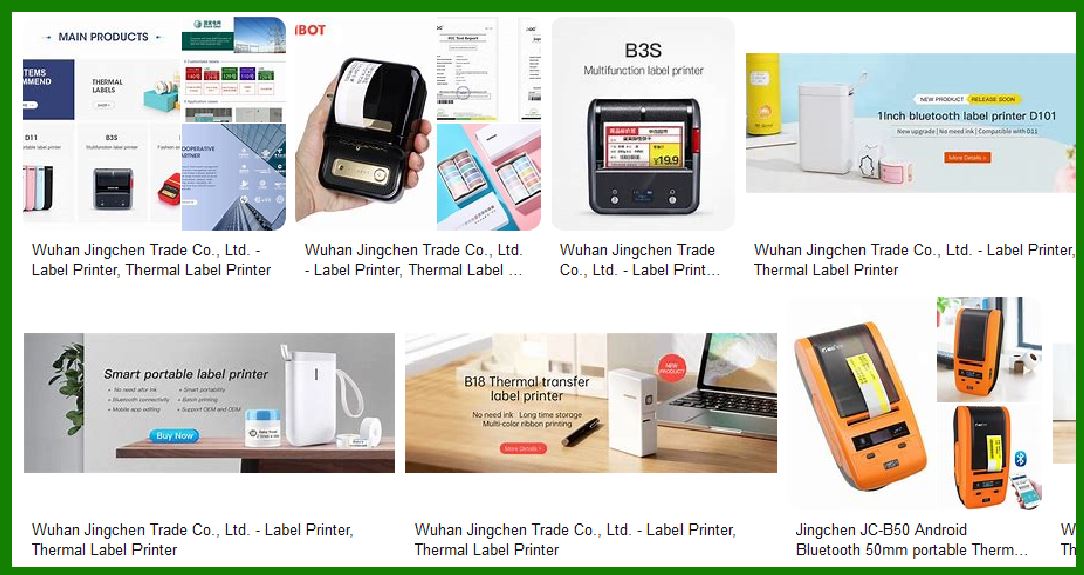
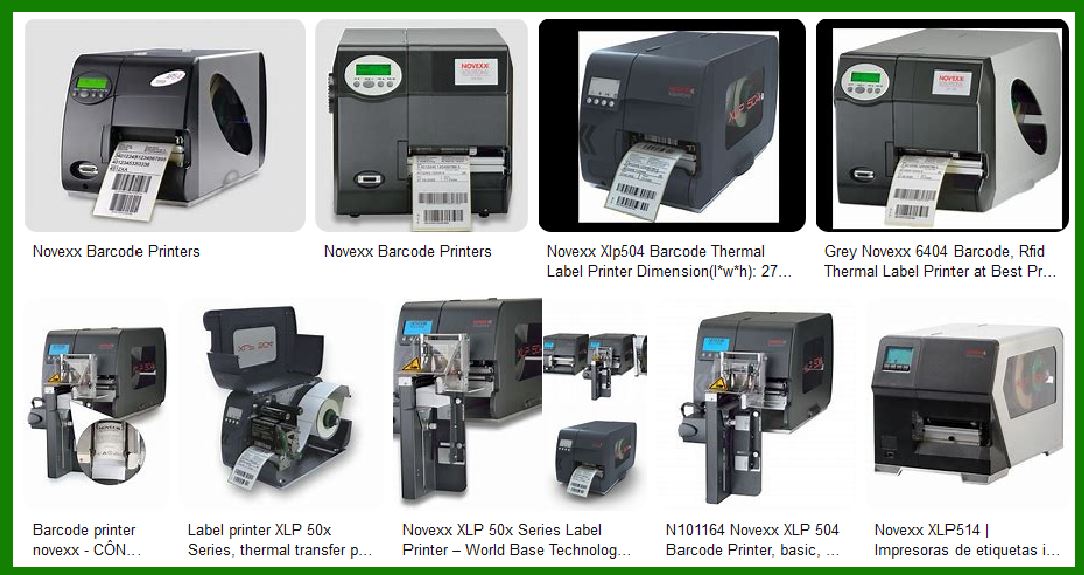
To address these challenges, modern barcode printers use advanced technologies such as thermal transfer printing, which can produce high-resolution barcodes on a variety of surfaces. Additionally, ITF-14 barcodes often include additional redundancy, such as supplementary markings or enhanced bar widths, to ensure they remain scannable even if part of the barcode is damaged. |
|
6. ITF-14 Barcode Scanners and Reader Compatibility |
ITF-14 barcodes can be read by a wide range of barcode scanners, including laser-based scanners, CCD scanners, and imaging-based scanners. Each type of scanner works differently: |
1.Laser Scanners: These are the most common scanners used in logistics and retail settings. They read the barcode by reflecting a laser beam off the barcode's surface. |
2.CCD Scanners: Charge-Coupled Device scanners use a row of light sensors to detect the barcode's bars and spaces. |
3.Imaging Scanners: These scanners capture a digital image of the barcode and decode it using software. |
Scanners must be configured to handle the specific characteristics of ITF-14 barcodes, including the high density of data encoded in the barcode. |
|
7. Future of ITF-14 Barcode Technology |
While ITF-14 remains a staple of the logistics and packaging sectors, new technologies may eventually replace it in some applications. Potential developments include: |
1.QR Codes: With their ability to encode larger amounts of data, QR codes are gaining ground in applications where more information needs to be stored in a small space. |
2.RFID: Radio Frequency Identification (RFID) technology offers an alternative to barcodes for tracking goods, especially in supply chain environments where real-time tracking and more detailed data are required. |
Conclusion |
ITF-14 barcodes remain a critical part of modern logistics and packaging operations. Their robust design, compatibility with global trade item numbers (GTIN-14), and ability to withstand the rigors of shipping make them indispensable in tracking products across the supply chain. While challenges exist in their printing and scanning, advancements in barcode printing technology and scanning systems continue to improve the efficiency of ITF-14 use in the field. |
|
7. Future of ITF-14 Barcode Technology |
The future of ITF-14 barcode technology is shaped by ongoing advancements in logistics, packaging, and barcode scanning technology. While ITF-14 continues to be a crucial tool for item tracking and packaging identification, several emerging trends suggest potential shifts and enhancements to the way ITF-14 barcodes are utilized. Below are key areas of evolution and innovation that could impact ITF-14 in the future. |
7.1 Integration with Emerging Technologies |
As the logistics and packaging industries evolve, there is an increasing demand for more advanced and intelligent solutions. While ITF-14 barcodes have served as a reliable means of tracking, newer technologies may work alongside or eventually replace traditional barcodes. The key areas to watch include: |
7.1.1 Radio Frequency Identification (RFID) |
One of the most significant advancements that could influence the future of ITF-14 barcodes is RFID technology. RFID allows for wireless data transmission between tags and readers, eliminating the need for direct line-of-sight scanning required by barcodes like ITF-14. RFID tags can store more data and are read automatically, which enables more real-time tracking and inventory management. |
However, RFID is not expected to replace ITF-14 in all cases, especially in cost-sensitive applications, because RFID tags are more expensive to implement. Instead, the two technologies may coexist in the future: |
Hybrid Solutions: Hybrid solutions that incorporate both barcodes and RFID could become more widespread. ITF-14 might still be used for outer packaging and shipping labels, while RFID could be deployed for real-time monitoring and tracking of goods within a warehouse or distribution center. |
Transition Period: RFID adoption is still growing, and for the foreseeable future, ITF-14 will likely remain the standard for packaging identification, especially in sectors where cost constraints are significant, such as shipping and logistics. |
7.1.2 Internet of Things (IoT) |
The Internet of Things (IoT) is another technology that could complement ITF-14 barcodes. IoT sensors can be embedded in products or packaging, enabling them to communicate data (such as location, temperature, or humidity) in real-time. |
Enhanced Product Tracking: IoT sensors combined with ITF-14 barcodes could provide even more granular tracking, allowing businesses to monitor not only the movement of goods but also environmental conditions. This could be crucial for industries that require specific handling conditions, such as pharmaceuticals and food products. |
Integration with Supply Chain Systems: ITF-14 barcodes, when integrated with IoT devices, could enable automatic logging of product data into supply chain management software. This would help streamline inventory management and reduce errors. |
7.1.3 Blockchain for Supply Chain Transparency |
Blockchain technology promises to bring greater transparency, security, and traceability to supply chains. In the future, ITF-14 barcodes could be part of a larger blockchain ecosystem to ensure the authenticity and provenance of products as they move through the supply chain. |
Tracking and Authentication: By linking ITF-14 barcodes with blockchain, businesses could ensure that every step of the product's journey is recorded in a decentralized ledger. This could be especially beneficial for industries like food and pharmaceuticals, where traceability is critical for safety and regulatory compliance. |
Improved Efficiency: Blockchain can also help reduce fraud and counterfeit products, ensuring that the goods identified by ITF-14 barcodes are genuine and correctly accounted for in the supply chain. |
|
7.2 Evolution in Data Capacity and Functionality |
While ITF-14 is traditionally a numeric-only barcode that encodes a 14-digit GTIN, the future of barcoding could see a shift toward encoding more data in a smaller space. Several factors could lead to the evolution of ITF-14 in this direction: |
7.2.1 Use of 2D Barcodes (QR Codes, DataMatrix, etc.) |
2D barcodes, such as QR codes and DataMatrix, have gained popularity due to their ability to store more data in a smaller area. These barcodes can encode both numeric and alphanumeric characters, and they allow for more flexibility in data storage. In contrast, ITF-14 is limited to numeric data. |
Dual Barcode Labels: ITF-14 barcodes might be used in conjunction with 2D barcodes to enhance data capacity. For example, an ITF-14 could be used for basic identification and product tracking, while a QR code or DataMatrix could hold additional information, such as product descriptions, serial numbers, or manufacturing dates. |
Enhanced Information: In certain applications, the need to store more data on the packaging itself may grow. A transition to 2D barcodes in place of or alongside ITF-14 could enable businesses to include product specifications, certifications, and other relevant data directly on the label. |
7.2.2 Integration with Cloud Computing |
The rise of cloud-based technologies could enable ITF-14 barcodes to link more directly with cloud systems for real-time data access and management. |
Real-Time Data Sync: Instead of relying solely on scanning ITF-14 barcodes to extract information, businesses could use cloud-connected scanners to retrieve live product data stored in cloud databases. This could help businesses track products, inventory, and shipments in real-time, improving operational efficiency. |
Dynamic Data Access: With cloud integration, businesses could dynamically update product details or shipping statuses in the cloud, allowing scanned ITF-14 barcodes to pull the latest information from the cloud rather than relying solely on pre-encoded data. |
|
7.3 Enhanced Printing and Material Technologies |
As the demand for more durable, cost-effective, and flexible packaging solutions increases, advancements in printing technologies and materials will also impact ITF-14 barcodes. |
7.3.1 Advanced Printing Techniques |
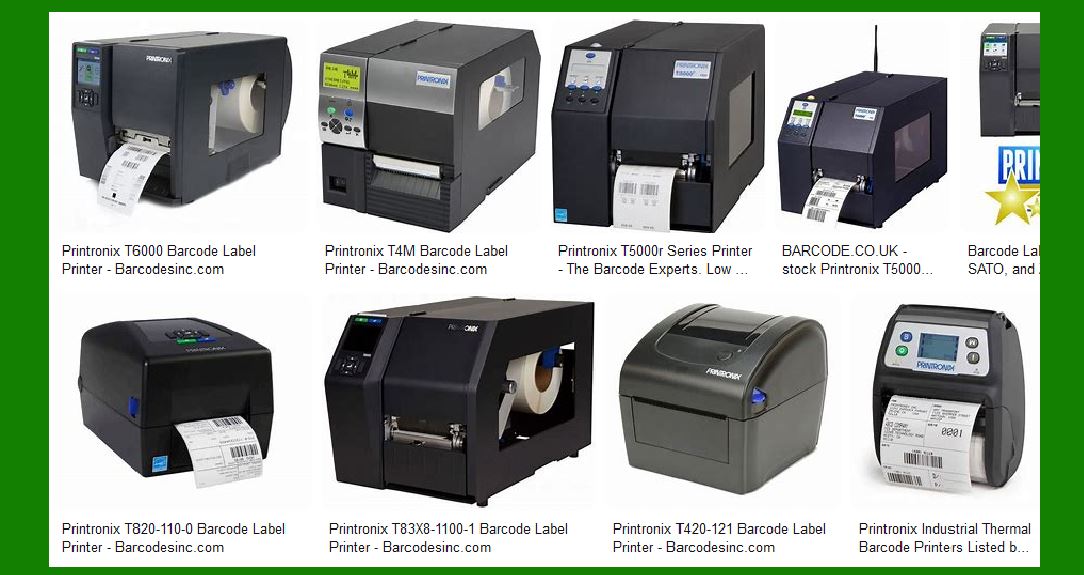
New printing technologies, such as digital printing and thermal transfer printing, offer higher resolutions and better durability. These techniques could make ITF-14 barcodes even more resilient to environmental factors. |
Higher Print Quality: As barcode scanners become more sensitive, the resolution of printed ITF-14 barcodes will need to increase. This ensures that the barcode remains scannable in demanding environments and after prolonged exposure to wear and tear. |
On-Demand Printing: In logistics and supply chain environments, the ability to print barcodes on-demand-directly on packaging-could allow for more flexible and cost-effective printing processes. |
7.3.2 New Materials and Packaging Innovations |
As packaging materials evolve, the durability and visibility of ITF-14 barcodes will be impacted. |
Smart Packaging: Smart packaging technologies, including those that feature embedded sensors, could work in tandem with ITF-14 barcodes to provide enhanced traceability and product information. |
Eco-Friendly Materials: The shift toward more sustainable packaging materials will influence how ITF-14 barcodes are printed. New materials may require specific printing methods, so barcode technologies will need to adapt to accommodate these changes. |
|
7.4 Regulatory and Industry Standards |
As regulations continue to evolve in various industries, ITF-14 barcodes will need to comply with updated requirements. This is particularly true in highly regulated sectors like pharmaceuticals, food safety, and manufacturing. |
7.4.1 Compliance with Serialization and Traceability Regulations |
With the growing emphasis on serialization-the unique identification of individual products-ITF-14 barcodes could evolve to support stricter regulatory requirements. For example, in the pharmaceutical industry, regulations like the Drug Supply Chain Security Act (DSCSA) in the U.S. mandate that each unit of sale and distribution is uniquely identified and traceable. |
Expanded Barcode Requirements: ITF-14 may need to support additional data, such as unique serial numbers or expiration dates, alongside GTIN-14 information. This could be achieved through supplementary barcodes or by transitioning to a more advanced format, such as a 2D barcode. |
7.4.2 Cross-Industry Standardization |
As industries continue to seek global interoperability, ITF-14 barcodes will need to remain adaptable to changes in international standards. GS1 and ISO/IEC will likely continue to update and refine barcode specifications to ensure compatibility with emerging technologies and industry requirements. |
|
7.5 ITF-14 in Emerging Markets |
The future of ITF-14 technology could see an expansion into emerging markets, particularly in Asia and Africa, where industrialization and supply chain infrastructure are rapidly growing. In these regions, the adoption of ITF-14 barcodes for logistics and packaging could increase significantly. |
Cost-Effective Solutions: In emerging markets, the affordability and simplicity of ITF-14 barcodes will continue to be a significant advantage over more complex systems like RFID or 2D barcodes, making it a popular choice for cost-sensitive businesses. |
Integration with Local Supply Chains: As these markets integrate into global supply chains, the standardization of ITF-14 barcodes will play a critical role in ensuring smooth logistics and product tracking. |
|
Conclusion |
The future of ITF-14 barcode technology lies in its adaptability and potential to integrate with emerging technologies, enhanced printing methods, and evolving industry standards. While RFID and 2D barcodes may offer more data capacity and advanced features, ITF-14 will continue to be an essential tool in logistics and packaging due to its simplicity, reliability, and cost-effectiveness. |
|
8. ITF-14 Standards and Specifications |
The ITF-14 barcode, also known as the SCC-14 (Shipping Container Code-14), is a 14-digit numeric barcode primarily used for identifying cartons or cases in the shipping, warehousing, and distribution sectors. It is specifically designed for the outer packaging level, often seen on boxes or pallets, containing multiple products. The ITF-14 barcode conforms to various standards set by organizations such as GS1, ISO, and ANSI, ensuring its global applicability and ease of integration into existing supply chain infrastructures. |
This section delves into the technical specifications, standards, and guidelines that govern the use of ITF-14 barcodes. The standards and specifications encompass everything from the construction of the barcode to its use in global supply chains. |
8.1 GS1 Standards for ITF-14 |
The GS1 is the primary global organization that governs the standards for barcodes, including ITF-14. It issues guidelines on barcode construction, dimensions, and usage to ensure compatibility across different industries. |
8.1.1 Structure of ITF-14 Barcode |
The ITF-14 barcode is based on the GS1-128 standard but with modifications suited for case-level identification. The barcode typically encodes a 14-digit Global Trade Item Number (GTIN-14). |
GTIN-14: This number consists of 13 digits from the GTIN-13 standard (commonly seen in retail barcodes) plus one additional check digit, providing error-checking for data integrity. |
Indicator Digit: The first digit is known as the indicator digit, used to indicate the packaging level or grouping of the product. For example, a value of '1' represents a standard carton, while '0' may indicate other packaging configurations. |
8.1.2 Key Features of GS1 ITF-14 Barcode: |
Numeric Only: ITF-14 barcodes are composed only of numeric data (0-9). |
Fixed Length: The barcode always encodes 14 digits, including the check digit. |
Modulation Scheme: It uses the interleaved 2 of 5 (ITF) modulation, meaning pairs of digits are encoded together as a unit, interspersed with a space. |
Error Checking: The barcode includes a check digit, calculated using the modulo-10 algorithm to ensure the validity of the data. |
|
8.2 ISO/IEC Standards for ITF-14 |
The International Organization for Standardization (ISO), through the ISO/IEC 16388 standard, provides a technical framework for barcode symbols, including ITF-14. ITF-14 barcodes are subject to specific guidelines that help ensure that they are scannable, readable, and standardized across all platforms and industries. |
8.2.1 ISO/IEC 16388:2007 - Symbology Specifications |
This standard defines the technical aspects of the ITF-14 barcode, detailing the rules for construction, dimensions, and printing. |
Minimum Width of Bars: The minimum width of the narrowest bar (X-dimension) must be 0.508 mm (0.02 inches), although a higher resolution can be used for better readability. |
Module Width: The barcode's smallest unit of measurement, or the module width, must be defined for consistency in printing and scanning. |
Quiet Zones: It requires a quiet zone (a margin of white space) of at least 10 times the width of the narrowest bar (X-dimension) on all four sides of the barcode. This ensures that the scanner can easily distinguish the barcode from the surrounding area. |
8.2.2 ITF-14 Encoding Process |
Interleaved 2 of 5: The ITF-14 barcode is encoded using the Interleaved 2 of 5 (ITF) symbology, which is known for its efficiency in encoding numeric data. This symbology is designed to fit a significant amount of data in a relatively small space. |
Digit Pairing: The ITF symbology encodes digits in pairs, interspersed with bars and spaces. This method of encoding is efficient for numeric data and makes the barcode easy to scan at high speeds. |
Check Digit: The 14th digit of the ITF-14 barcode is the check digit, which is computed using the Modulo-10 algorithm. This digit provides a means for verifying the accuracy of the barcode data. |
|
8.3 ANSI Specifications for ITF-14 |
The American National Standards Institute (ANSI) also provides specifications for barcode standards in the United States. ANSI specifications for ITF-14 barcodes, similar to GS1 and ISO/IEC, outline various technical aspects, such as minimum barcode dimensions and error-checking procedures. |
8.3.1 ANSI/AIM BC1-1995 - Barcode Symbology Specification |
This standard provides guidelines on the proper dimensions and printing requirements for ITF-14 barcodes. The key specifications are: |
Module Size: The module size (or smallest unit of the barcode) for ITF-14 is specified to be a minimum of 0.508 mm (0.02 inches), but larger sizes are allowed for better readability. |
Barcode Height: The minimum height for the ITF-14 barcode is defined as 32 mm (1.26 inches), although a larger size is permissible if the packaging requires it. |
Quiet Zones: Similar to the ISO/IEC standard, ANSI mandates a quiet zone of at least 10 times the narrowest bar width on all four sides of the barcode to ensure proper scanning. |
8.3.2 ANSI/AIM 2001-2013 - Barcode Printing Quality Guidelines |
This standard outlines the minimum print quality for ITF-14 barcodes, ensuring that they can be reliably scanned by equipment worldwide. |
Print Quality Verification: The barcode must meet the minimum print contrast and edge definition requirements to ensure that it can be easily read by scanners. |
Scanning Distance and Speed: ANSI guidelines also suggest that ITF-14 barcodes be designed for optimal readability at a range of scanning distances and speeds, ensuring versatility in different logistical environments. |
|
8.4 ITF-14 Barcode Size and Dimensions |
The size of an ITF-14 barcode is governed by both the X-dimension (the width of the narrowest bar) and the overall height and length of the barcode. These dimensions are critical for ensuring that the barcode is scannable and consistent across various applications. |
8.4.1 X-Dimension (Module Width) |
The X-dimension is the key to determining the size of the ITF-14 barcode. This dimension represents the width of the smallest bar in the symbol and is typically set at 0.508 mm (0.02 inches) but can vary based on the resolution of the printing equipment. |
Smallest X-Dimension: 0.508 mm (0.02 inches) is the minimum size for the narrowest bar. |
Maximum X-Dimension: The X-dimension can be larger, such as 1.016 mm (0.04 inches) or more, depending on the printing equipment and application needs. |
8.4.2 Overall Barcode Size |
The overall dimensions of the ITF-14 barcode depend on the X-dimension and the length of the encoded data. |
Minimum Length: The minimum length of an ITF-14 barcode is approximately 80 mm (3.15 inches), but the barcode's size can be adjusted depending on the space available on the packaging. |
Height: The height of the ITF-14 barcode should be at least 32 mm (1.26 inches) to meet ANSI and ISO specifications, although larger heights may be used for better readability. |
|
8.5 ITF-14 Barcode Printing Guidelines |
The successful application of ITF-14 barcodes in logistics, packaging, and distribution relies heavily on proper printing practices. Incorrect printing can result in barcodes that are unreadable or difficult to scan, causing inefficiencies in inventory management. |
8.5.1 Print Quality and Resolution |
Print Quality: The print quality of ITF-14 barcodes must be high to ensure the barcode is scannable under a variety of conditions. The printer should produce sharp, clear edges on the bars to avoid misreads. |
Resolution: For optimal print quality, the resolution of the printer should be at least 300 DPI (dots per inch). Higher resolutions may be necessary for printing on smaller packages or for meeting specific industry standards. |
8.5.2 Material and Ink Considerations |
Packaging Material: ITF-14 barcodes should be printed on materials that do not interfere with readability. Glossy or reflective materials may cause glare, reducing the ability of barcode scanners to read the code. |
Ink: Use high-contrast inks to print the barcode, typically black ink on a white background, to ensure optimal visibility and scanning performance. |
|
8.6 ITF-14 in Compliance with Industry Regulations |
In industries such as pharmaceuticals, food and beverage, and electronics, ITF-14 barcodes are often subject to specific regulatory requirements to ensure traceability and compliance with safety standards. |
8.6.1 Food and Pharmaceutical Packaging |
Serialization: In some cases, ITF-14 barcodes may need to include unique serial numbers for tracking individual products or batches, especially for industries like pharmaceuticals, where serialization is mandated by regulatory bodies. |
Traceability: In food safety and pharmaceuticals, the ability to trace products back to their origin is critical. ITF-14 barcodes, in these cases, often link to larger supply chain management systems that track product history. |
Conclusion |
ITF-14 barcode standards and specifications are designed to ensure that these barcodes are accurate, scannable, and adaptable across industries and regions. Governed by GS1, ISO, and ANSI, ITF-14 barcodes are optimized for logistics, packaging, and product identification. The future of ITF-14 will likely continue to see improvements in printing technologies, error-checking mechanisms, and integration with other tracking technologies like RFID and IoT. |
|
9. Components of ITF-14 Barcode |
The ITF-14 (SCC-14) barcode is a 14-digit numeric code primarily used for identifying shipping containers or cartons in the supply chain. The barcode consists of several key components that ensure accurate encoding, readability, and scannability. These components are designed according to industry standards to provide optimal performance in logistics, distribution, and inventory management systems. In this section, we will break down the primary components of an ITF-14 barcode in detail. |
9.1 GTIN-14 (Global Trade Item Number) |
The central element of the ITF-14 barcode is the GTIN-14 number, which encodes a unique identifier for a trade item at the carton or shipping container level. |
9.1.1 Structure of GTIN-14 |
The GTIN-14 is composed of 14 digits, which are structured as follows: |
Leading Zero (Indicator Digit): The first digit is the indicator digit. This digit identifies the packaging level or type of item. It helps distinguish between individual items and larger, grouped packaging levels (such as cartons, pallets, or cases). |
GS1 Prefix: The next digits (up to 13 digits) are used to represent the GS1 company prefix assigned to the manufacturer or brand owner, which uniquely identifies the company. |
Product Code: The next digits represent the product code, which uniquely identifies the specific product within the manufacturer's catalog. |
Check Digit: The final digit is a check digit calculated using the Modulo-10 algorithm. This provides error detection, ensuring that the barcode has been scanned or transmitted correctly. |
9.1.2 Example of GTIN-14 Encoding |
A typical GTIN-14 might look like this: |
12345678901234 |
Where: |
The first digit (1) is the indicator digit. |
The next 12 digits (234567890123) represent the product code. |
The last digit (4) is the check digit. |
|
9.2 Indicator Digit |
The indicator digit is the first digit of the ITF-14 barcode and serves an important role in indicating the level of packaging or containerization. |
9.2.1 Purpose of the Indicator Digit |
The indicator digit helps differentiate the packaging configuration and provides information on the grouping of products: |
0 - No special packaging information. |
1-9 - Denotes specific packaging levels or types, such as cases, cartons, or pallets. The exact meaning of the number can vary based on the company's internal coding system. |
9.2.2 Significance in Supply Chain |
In supply chain management, different levels of packaging may have different indicators. For example, if a case contains multiple individual items, the indicator digit helps ensure that the barcode correctly represents the shipping container's contents. |
|
9.3 Data Bars |
The data bars are the encoded elements of the barcode that represent the 14-digit GTIN-14 number. The data bars consist of bars and spaces arranged in a particular pattern to encode the digits. |
9.3.1 Interleaved 2 of 5 (ITF) Symbology |
The ITF-14 barcode uses the Interleaved 2 of 5 (ITF) symbology, which is a two-dimensional encoding scheme that pairs digits together for efficiency. Each pair of digits is encoded using bars and spaces. |
Digit Pairing: In ITF symbology, each pair of digits is encoded as a single unit, interleaved with other pairs. This allows for the encoding of numeric data in a compact space. |
9.3.2 Structure of Data Bars |
The data bars consist of several key parts: |
Bar Width: The width of the bars in the ITF-14 barcode can vary. The minimum width of the narrowest bar (X-dimension) is typically 0.508 mm (0.02 inches). |
Spaces: The spaces between the bars also follow the ITF encoding scheme, where the space between a pair of digits is proportional to the width of the bars. |
9.3.3 Data Encoding Example |
For the GTIN-14 12345678901234, the data is encoded using pairs of digits, such as: |
12, 34, 56, 78, 90, 12, 34 |
These pairs are interleaved with bars and spaces to create the barcode. |
|
9.4 Check Digit |
The check digit is a crucial component of the ITF-14 barcode. It is the 14th digit and serves to verify the accuracy of the encoded data. |
9.4.1 Calculation of the Check Digit |
The check digit is calculated using the Modulo-10 algorithm (also known as the Luhn algorithm). This method checks the validity of the barcode by ensuring that the sequence of digits follows a pattern that can be validated mathematically. |
Modulo-10 Algorithm: The algorithm involves summing the digits in a specific pattern, with odd and even digits receiving different weights. The sum is then divided by 10, and the remainder determines the check digit. If the remainder is 0, the check digit is 0; otherwise, it is the difference between 10 and the remainder. |
9.4.2 Error Detection |
The check digit ensures that errors in scanning or data entry are easily detected. If a barcode is scanned or transmitted with an incorrect check digit, the system will flag the error, prompting a re-scan or correction. |
|
9.5 Quiet Zones |
The quiet zone refers to the blank areas surrounding the barcode. It is essential for ensuring that the barcode is easily distinguishable from the background and can be accurately scanned by barcode readers. |
9.5.1 Minimum Quiet Zone |
The quiet zone is required on all four sides of the barcode and must be free from any printing, text, or other graphic elements. The minimum width of the quiet zone is defined as 10 times the width of the narrowest bar (X-dimension). |
Quiet Zone Size: For an ITF-14 barcode with an X-dimension of 0.508 mm (0.02 inches), the quiet zone would need to be at least 5.08 mm (0.2 inches) wide on each side of the barcode. |
9.5.2 Importance of Quiet Zones |
Quiet zones prevent the barcode scanner from misinterpreting surrounding elements as part of the barcode. This ensures that the scanner can properly identify the start and end of the barcode, leading to more accurate reads. |
|
9.6 Human-Readable Interpretation |
While the primary function of the ITF-14 barcode is machine readability, it often includes a human-readable interpretation of the encoded data. This interpretation is a textual representation of the GTIN-14 number, allowing humans to quickly read and identify the item or container. |
9.6.1 Placement of Human-Readable Data |
The human-readable number is typically displayed beneath the barcode. It is usually the same 14-digit number encoded in the barcode, but it is presented in a legible format, often in a clear, large font for easy reading. |
9.6.2 Format |
The human-readable format typically appears in bold or clear typefaces to facilitate quick recognition. The digits are usually presented without spaces, similar to how the barcode is encoded. |
|
9.7 Barcode End Caps and Start/Stop Marks |
The ITF-14 barcode includes specific marks at the beginning and end of the barcode to help scanners identify the start and stop points of the barcode. |
9.7.1 Start Mark |
The start mark is a special pattern of bars and spaces at the beginning of the barcode. This pattern helps scanners identify where the barcode starts. |
9.7.2 Stop Mark |
The stop mark is a similar pattern at the end of the barcode that indicates where the barcode ends. The start and stop marks are essential for ensuring that the barcode scanner can detect the entire barcode and accurately process the data. |
|
Conclusion |
The ITF-14 barcode is a highly structured and standardized system used for identifying shipping containers, cartons, and other bulk packaging. Its components-the GTIN-14, indicator digit, check digit, data bars, quiet zones, and human-readable data-are all designed to ensure accurate, efficient, and reliable identification of goods throughout the supply chain. The adherence to these components and specifications guarantees that ITF-14 barcodes can be successfully scanned in a wide range of logistical and inventory management applications, contributing to the smooth flow of goods in industries worldwide. |
 cs@easiersoft.com