1. Introduction to Code 39 Barcode |
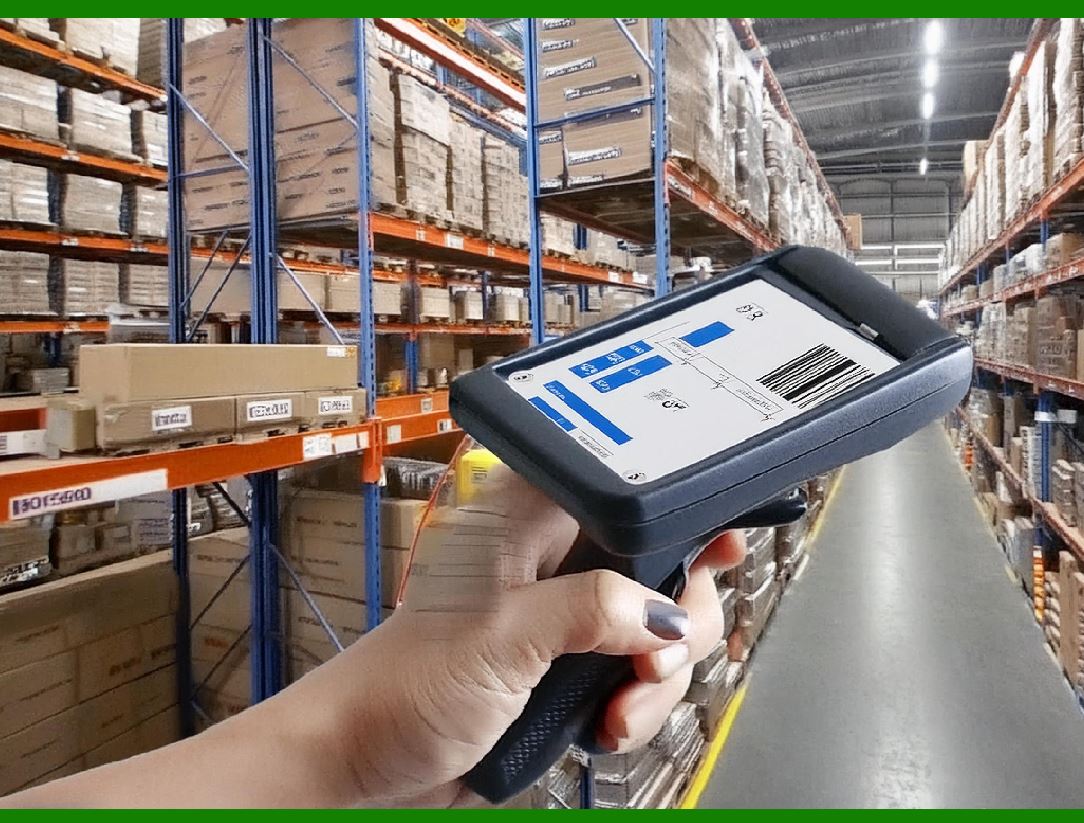
Code 39, also known as '39 Barcode' or '3 of 9,' is one of the most commonly used barcode symbologies in various industries, ranging from manufacturing to healthcare. It is an alphanumeric barcode that can encode both letters (A-Z) and digits (0-9), as well as a few special characters like hyphens, periods, dollar signs, and spaces. The Code 39 barcode is highly regarded for its simplicity, ease of use, and its ability to encode a wide variety of data. |
In this section, we will provide a deep dive into the Code 39 barcode, including its structure, functionality, historical background, advantages, and limitations. |
|
2. History and Evolution of Code 39 |
The origins of Code 39 date back to 1974 when it was developed by a group of engineers at Intermec Corporation. The intent was to create a barcode system that could be used for labeling in industrial and warehouse environments, particularly for inventory management. The barcode's design was based on the 3:9 ratio, where the characters are encoded using 9 elements, of which 3 are wide and 6 are narrow. |
Since its inception, Code 39 has evolved into one of the most widely used barcode types. Its most notable feature is that it can encode data in both uppercase letters and numbers, making it highly versatile for various applications. Code 39 became widely adopted due to its simple encoding mechanism and its suitability for various industries, from manufacturing to logistics. |
|
3. Structure of a Code 39 Barcode |
The structure of a Code 39 barcode consists of a series of bars and spaces that represent encoded characters. Code 39 uses a combination of narrow and wide bars to create a sequence of characters, and each character is represented by 9 elements: 5 bars and 4 spaces. The bars and spaces are of varying widths, with the wide bars and spaces being three times the width of the narrow ones. |
Each character in the barcode is separated by a narrow space, and the start and stop characters are represented by a special symbol known as the 'start/stop' character. This special character is the asterisk (*) and is placed at the beginning and end of the barcode to signify the start and stop points of the code. The following are the key components of a Code 39 barcode: |
Start and Stop Characters: The asterisk (*) is used at the start and stop of the barcode, marking the boundaries of the encoded data. |
Character Set: Code 39 can encode the following characters: A-Z (uppercase letters), 0-9 (digits), and a limited set of special characters: hyphen (-), period (.), space ( ), dollar sign ($), slash (/), plus sign (+), percent sign (%), and an asterisk (*), which also serves as the start and stop character. |
Bars and Spaces: Each character is encoded using a combination of 9 elements, consisting of 5 bars (either wide or narrow) and 4 spaces (either wide or narrow). The arrangement of wide and narrow bars and spaces represents the encoded character. |

|
4. Encoding and Decoding Process |
The encoding process for Code 39 involves converting each alphanumeric character into a series of 9 elements (bars and spaces). Each character is represented by a unique combination of wide and narrow bars and spaces. For example, the letter 'A' is represented by the pattern '110101001,' where 1 represents a narrow bar or space, and 0 represents a wide bar or space. |
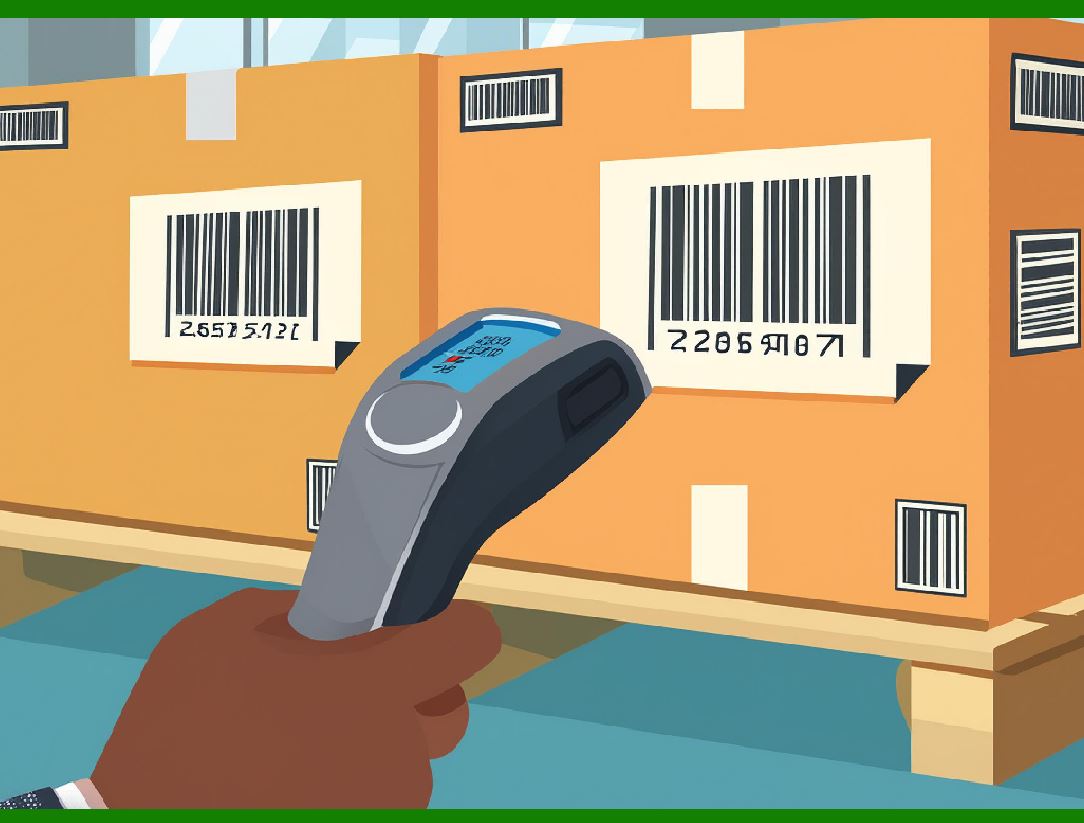
To decode a Code 39 barcode, a scanner or reader detects the pattern of bars and spaces and converts the pattern into a corresponding alphanumeric character. The scanner reads the barcode from left to right, identifies the width of each element, and matches the pattern against a predefined lookup table to convert it into the appropriate character. |
The decoding process is relatively straightforward because Code 39 is a self-checking barcode. This means that it has built-in error detection, ensuring that any errors in reading the barcode (such as misreads or omissions) will be immediately detected. |
|
5. Code 39 Character Set and its Limitations |
Code 39 can encode the following characters: |
Uppercase Letters (A-Z): Code 39 can encode all the uppercase alphabetic characters. |
Digits (0-9): All numeric digits are supported. |
Special Characters: In addition to letters and digits, Code 39 can encode the following special characters: |
Hyphen (-) |
Period (.) |
Dollar sign ($) |
Slash (/) |
Plus sign (+) |
Percent sign (%) |
Space ( ) |
However, one of the limitations of Code 39 is that it does not support lowercase letters, which restricts its use in certain applications where lowercase characters are required. This limitation led to the development of other barcode systems, such as Code 128, that could encode a wider range of characters, including lowercase letters. |
|
6. Advantages of Code 39 |
Code 39 offers several advantages, making it a popular choice in various industries. Here are some of the key benefits: |
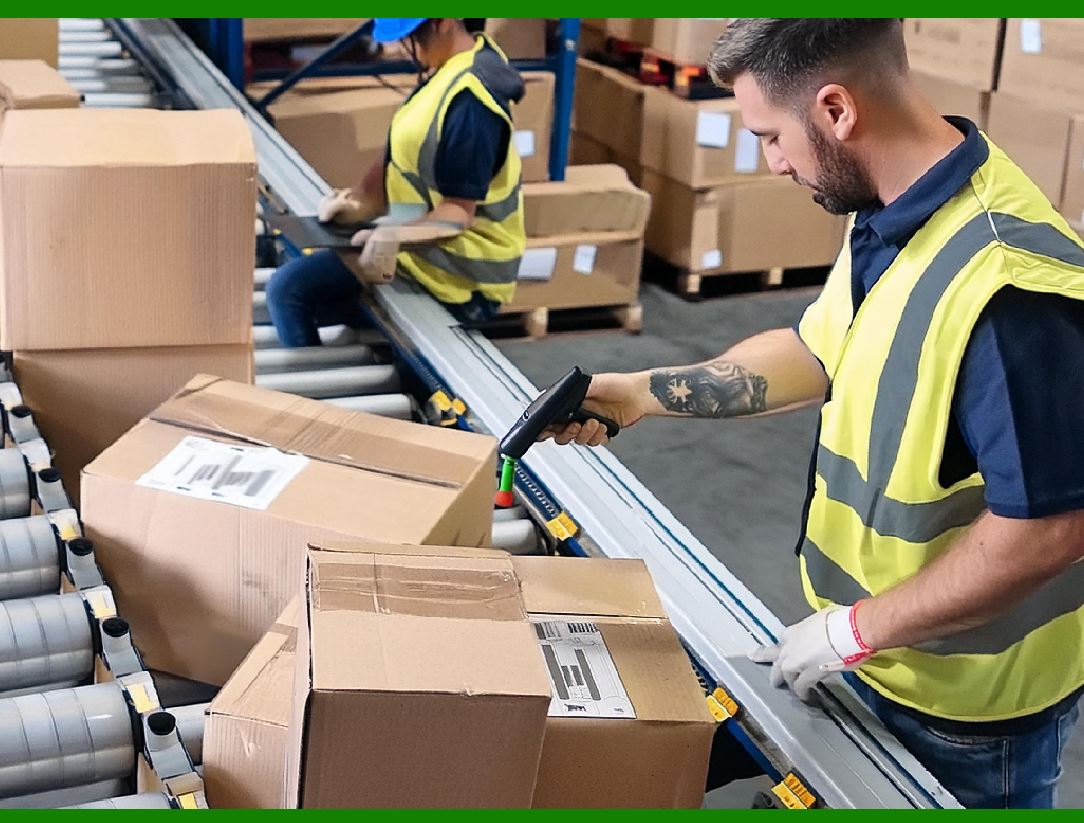
Ease of Use: Code 39 is easy to implement and is widely supported by most barcode scanners. Its simple structure and encoding scheme make it a popular choice for applications that require basic alphanumeric data encoding. |
Alphanumeric Encoding: Code 39 supports both numbers and uppercase letters, making it suitable for a wide range of applications, such as inventory management, shipping labels, and asset tracking. |
Wide Compatibility: Most barcode scanners and systems support Code 39, ensuring broad compatibility across different devices and platforms. |
Human Readability: Since the Code 39 barcode is based on alphanumeric characters, the encoded data is often human-readable. This can be useful in scenarios where the barcode needs to be manually verified. |
Error Detection: Code 39 barcodes feature built-in error detection, which can detect issues such as misreads or errors in the scanning process. This improves the reliability of the barcode system. |
|
7. Limitations of Code 39 |
Despite its many advantages, Code 39 also has some limitations: |
Limited Character Set: Code 39 can only encode uppercase letters, numbers, and a limited set of special characters. This makes it less versatile than other barcodes, such as Code 128, which can encode a larger range of characters. |
Data Density: Code 39 barcodes require more space to encode the same amount of data compared to other barcode types, such as Code 128. This means that for applications that require compact barcodes with high data density, Code 39 may not be the best choice. |
Error-prone with Poor Quality Printing: While Code 39 has built-in error correction, poor-quality prints, such as those with faded bars or inaccurate spacing, can still cause scanning issues. In environments where barcode quality is a concern, higher-density barcodes like DataMatrix may be more reliable. |
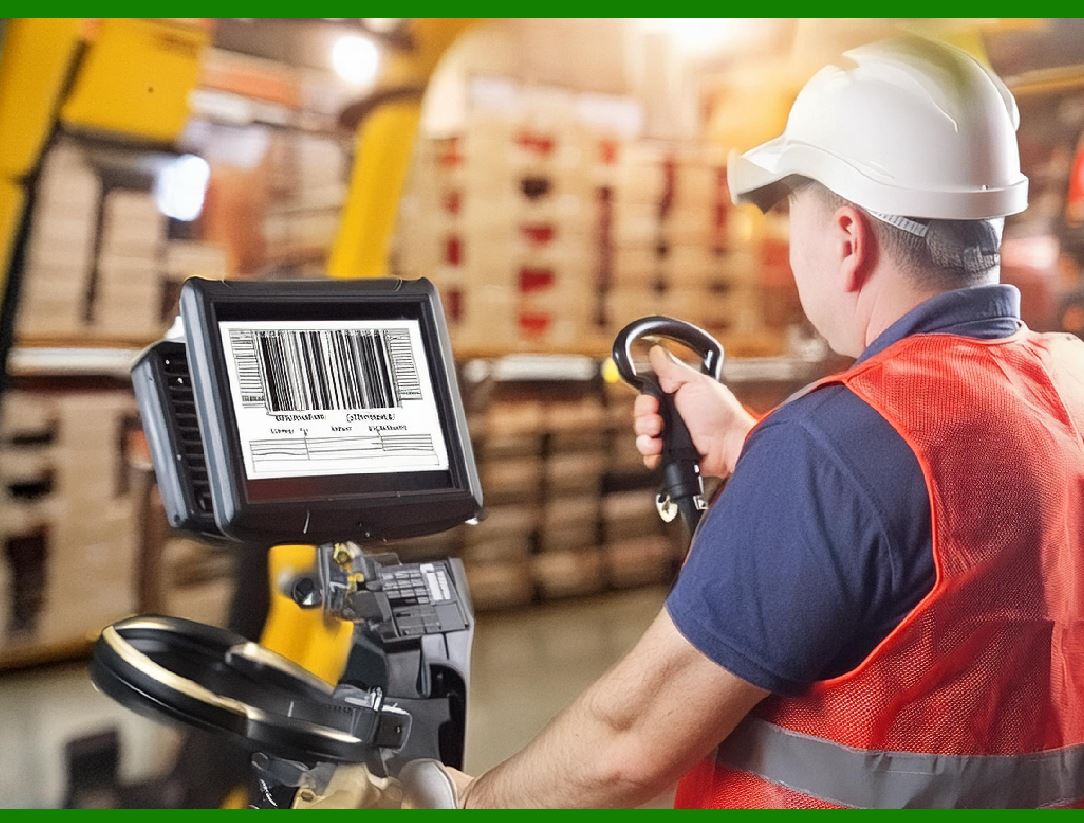
No Built-in Checksum: Unlike other barcode symbologies, Code 39 does not have a built-in checksum, which means that it does not automatically validate the accuracy of the data encoded in the barcode. This can lead to errors if the barcode is not scanned correctly. |
|
8. Applications of Code 39 |
Code 39 is widely used in various industries, including manufacturing, logistics, healthcare, and retail. Some of the most common applications include: |
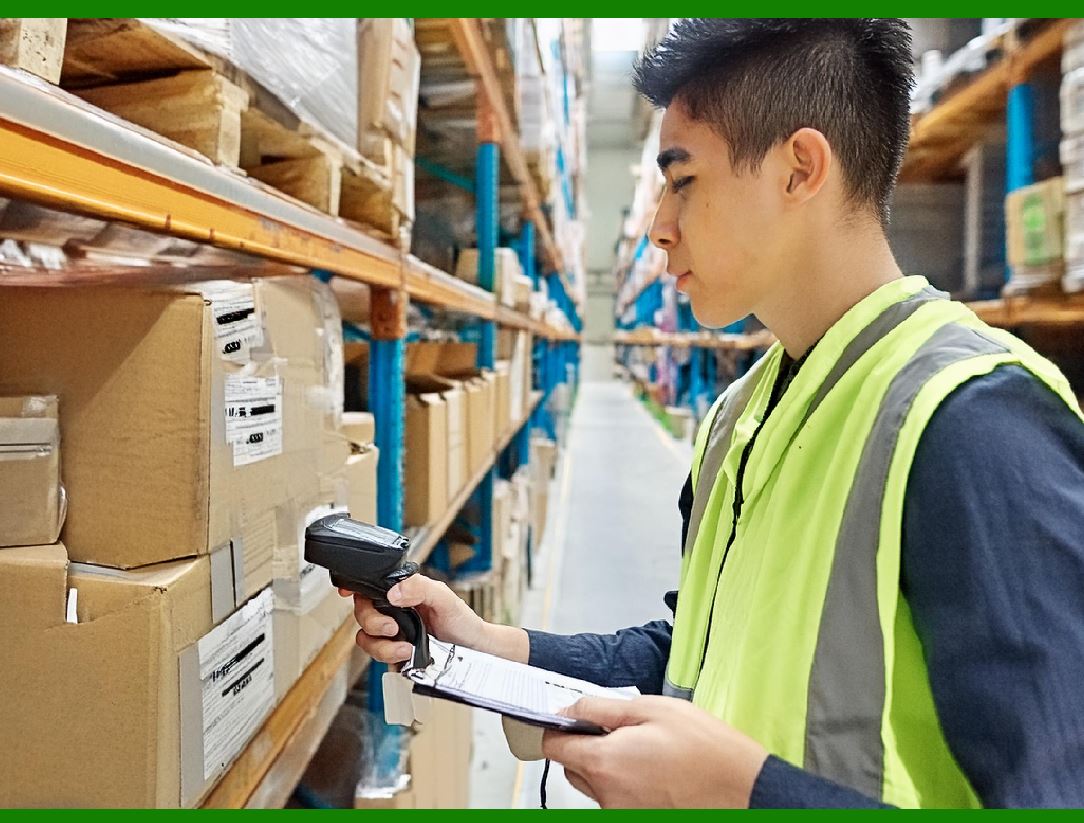
Inventory Management: Code 39 is used extensively in warehouses and manufacturing facilities to track and manage inventory. It is ideal for labeling products and parts with simple alphanumeric codes. |
Asset Tracking: Code 39 is often used to label assets, such as equipment, machinery, and vehicles, making it easy to track their location and status. |
Shipping Labels: Many shipping companies use Code 39 to encode package tracking information, including the recipient's address and tracking number. |
Healthcare: In healthcare, Code 39 is used for patient identification, medication tracking, and equipment management. |
Automotive Industry: The automotive industry uses Code 39 to label parts and components, allowing for better organization and tracking during production. |
This section outlines the foundational aspects of Code 39 barcode technology. In the subsequent sections, we can dive deeper into topics like variations of Code 39 (e.g., Extended Code 39), performance optimization, and its use in modern systems. |
|
9. Extended Code 39 |
While the standard Code 39 barcode symbology can encode uppercase letters, numbers, and a limited set of special characters, there exists an extended version known as Extended Code 39. This version was developed to overcome one of the major limitations of the standard Code 39 barcode - its restricted character set. |
Extended Code 39 allows the encoding of all 128 ASCII characters, including lowercase letters, punctuation marks, and other symbols. It does this by using a special encoding scheme, where some characters are represented by multiple bars and spaces. The extended version is useful in applications that require a wider range of characters beyond the basic alphanumeric set. |
9.1 Encoding in Extended Code 39 |
In Extended Code 39, each character is encoded using the same 9-element structure, but extended characters require more complex representations. For example: |
Letters A-Z are represented in the same way as in the standard Code 39. |
Lowercase letters (a-z), special characters (like ~, |, {, }, etc.), and control characters from the ASCII set are encoded by combining several symbols from the basic Code 39 character set. |
Extended Code 39 is typically used in applications where more varied data needs to be encoded, such as in database systems, ticketing systems, or labeling products that require special characters, or when the data includes non-English alphabets and punctuation. |
9.2 Performance Considerations |
Though Extended Code 39 significantly enhances the range of characters that can be encoded, it comes with a trade-off: |
Reduced Data Density: Extended Code 39 can take up significantly more space compared to other barcode systems like Code 128, especially when encoding large amounts of data. Therefore, it's less suited for applications where data density and compactness are critical. |
Error-prone in Poor Print Quality: Extended Code 39, like standard Code 39, can suffer from scanning issues when printed poorly. This is especially noticeable when the extended characters are not clearly represented in low-quality prints. |
Extended Code 39 is still frequently used in industrial environments, though its limitations make it less common in consumer-facing applications. |
|
10. Code 39 vs. Other Barcode Symbologies |
To fully understand the advantages and limitations of Code 39, it is essential to compare it with other popular barcode technologies. While Code 39 is an extremely versatile and widely used barcode symbology, it is not always the best choice for every application. Let's compare it with a few other barcode types, including Code 128, EAN-13, and QR Codes. |
10.1 Code 39 vs. Code 128 |
Character Set: Code 128 supports a much wider range of characters, including uppercase letters, lowercase letters, digits, and extended ASCII characters. This makes it ideal for applications that require a comprehensive character set. |
Data Density: Code 128 is much more compact than Code 39. It can encode more information in less space, making it suitable for applications that require a higher data density. |
Performance: Code 128 has better error correction capabilities and is less prone to errors in printing and scanning. It is more robust than Code 39 in environments with lower-quality prints. |
However, Code 39 has the advantage of being simpler and easier to implement. It remains a popular choice in environments where high data density is not a critical factor and where human readability of the data encoded in the barcode is important. |
10.2 Code 39 vs. EAN-13 |
Character Set: EAN-13 is a numeric-only barcode standard, which restricts its use compared to Code 39, which can encode both numbers and letters. |
Data Density: EAN-13 is more compact, as it is designed specifically for numeric data and includes a built-in checksum to ensure data accuracy. EAN-13 is primarily used in retail, particularly for product identification. |
Error Detection: EAN-13 has built-in error correction using a checksum, which adds an extra layer of reliability during scanning. Code 39, while it has some error-detection capabilities, does not have an inherent checksum. |
EAN-13 is preferred in retail environments, especially for product packaging, where numbers are the primary form of data encoding, and compactness is essential. |
10.3 Code 39 vs. QR Code |
Character Set: QR Codes can store much more data than Code 39 and support a wider character set, including kanji, emojis, and binary data. QR codes can also encode large amounts of data like URLs, payment information, and contact details. |
Data Density: QR codes are much more data-dense and can store thousands of characters in a small space, unlike Code 39, which requires more space for equivalent data. |
Error Correction: QR Codes come with robust error correction capabilities, allowing them to be read even if a portion of the barcode is damaged. Code 39 has some basic error detection, but it does not have the level of error correction that QR Codes offer. |
QR codes are preferred in digital or mobile applications, where large amounts of data need to be encoded, such as in contactless payments, marketing campaigns, and mobile ticketing. Code 39 is more suited for traditional, industrial, and logistics applications. |

|
11. Barcode Scanning and Performance |
Barcode scanning technology plays a crucial role in the effective use of Code 39. The performance of a Code 39 barcode depends on several factors, including the quality of the print, the type of scanner used, and environmental conditions. |
11.1 Types of Barcode Scanners |
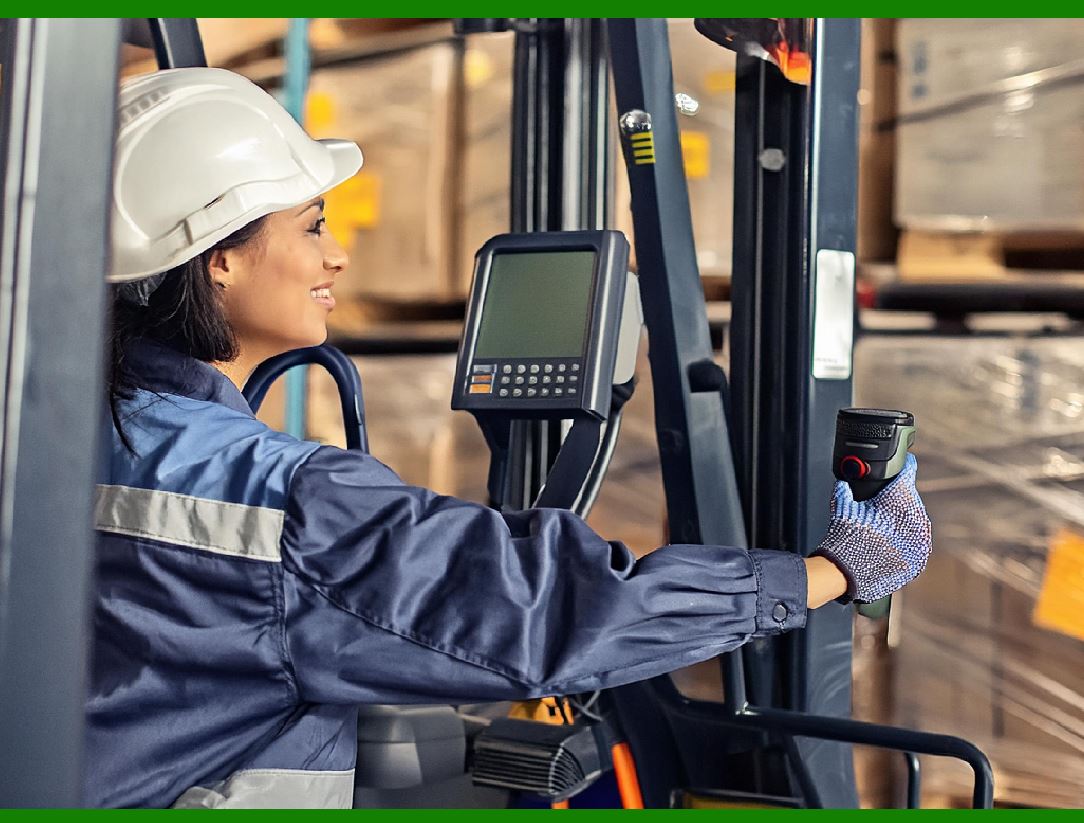
Barcode scanners come in various types, each optimized for different environments. The two main types of barcode scanners used for Code 39 are: |
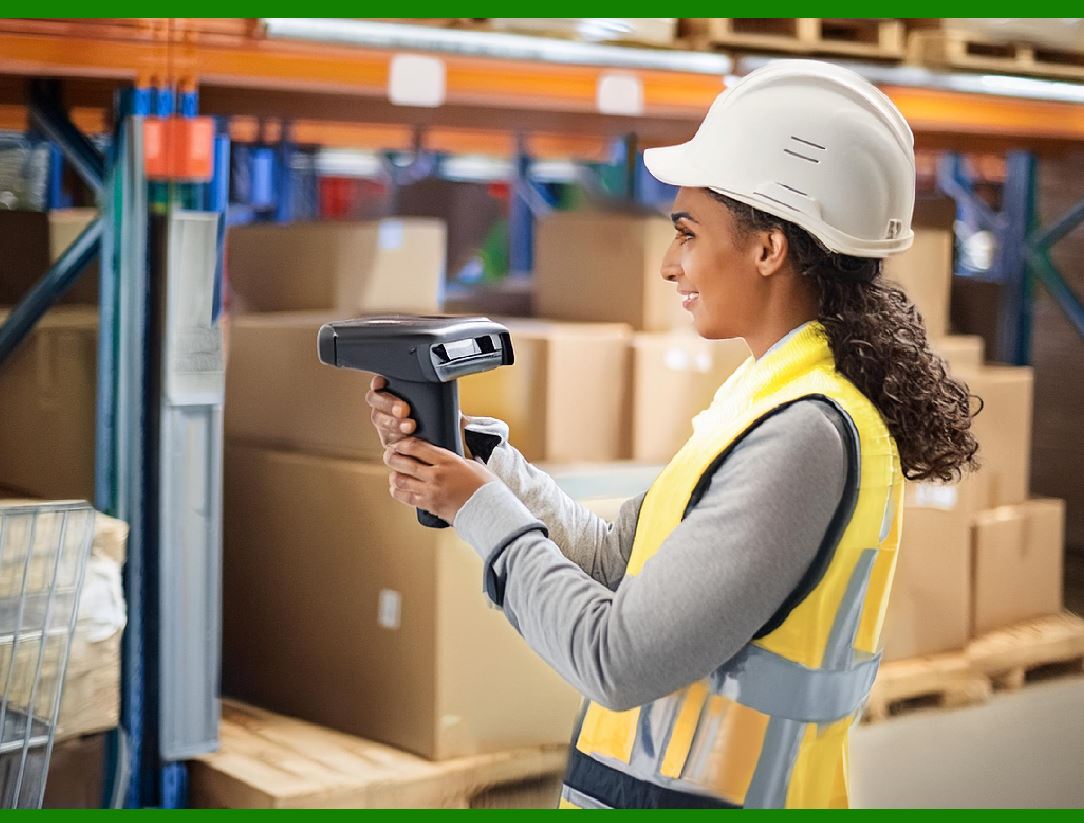
Laser Scanners: Laser barcode scanners use a laser beam to scan the barcode. They are highly accurate and can read Code 39 barcodes at a distance, making them ideal for scanning barcodes in environments with good lighting. |
CCD Scanners: Charge-coupled device (CCD) scanners are based on an array of light sensors that capture the barcode image. They are typically less sensitive than laser scanners and require closer contact with the barcode. |
Camera-Based Scanners (Imagers): These scanners use cameras to capture images of the barcode. They can read 1D and 2D barcodes and are particularly useful for scanning damaged or poorly printed barcodes. |
The choice of scanner can significantly impact the efficiency of reading Code 39 barcodes. Laser scanners are often preferred for their speed and long-range scanning ability. |
11.2 Environmental Factors |
The performance of Code 39 barcodes can be affected by environmental factors such as lighting, print quality, and physical damage to the barcode. For optimal scanning performance, it is essential to ensure the following: |
High-Quality Printing: A high-quality print with clear contrasts between bars and spaces is essential for reliable scanning. |
Good Lighting: Barcodes should be scanned under appropriate lighting conditions. Low-light environments or direct glare can interfere with barcode scanning. |
Barcode Placement: The placement of the barcode should allow for easy line-of-sight scanning and avoid areas where the barcode might be obscured by objects. |
|
12. Best Practices for Code 39 Barcode Implementation |
To achieve optimal performance and reliability when using Code 39 barcodes, there are several best practices to follow. These practices ensure that the barcodes can be read easily and accurately, minimizing the chances of errors and scan failures. |
12.1 Correct Size and Density |
Minimum and Maximum Sizes: Code 39 barcodes should be printed with a minimum height of 1 inch (25.4 mm) and a maximum width of 6 inches (152.4 mm), depending on the specific application. The width of the barcode should also be adjusted to ensure that the barcode can be read by scanners at the required distance. |
Data Density: It's important to strike a balance between data density and readability. In applications where large amounts of data need to be encoded, consider switching to a higher-density barcode system like Code 128 or DataMatrix. |
12.2 Label Placement |
Avoid Curved Surfaces: Barcodes should be placed on flat surfaces to ensure accurate scanning. Placing a barcode on a curved or irregular surface can cause distortion and reduce scannability. |
Label Orientation: Place barcodes in a consistent orientation, either horizontally or vertically, to make them easier to scan. |
12.3 Printer Quality |
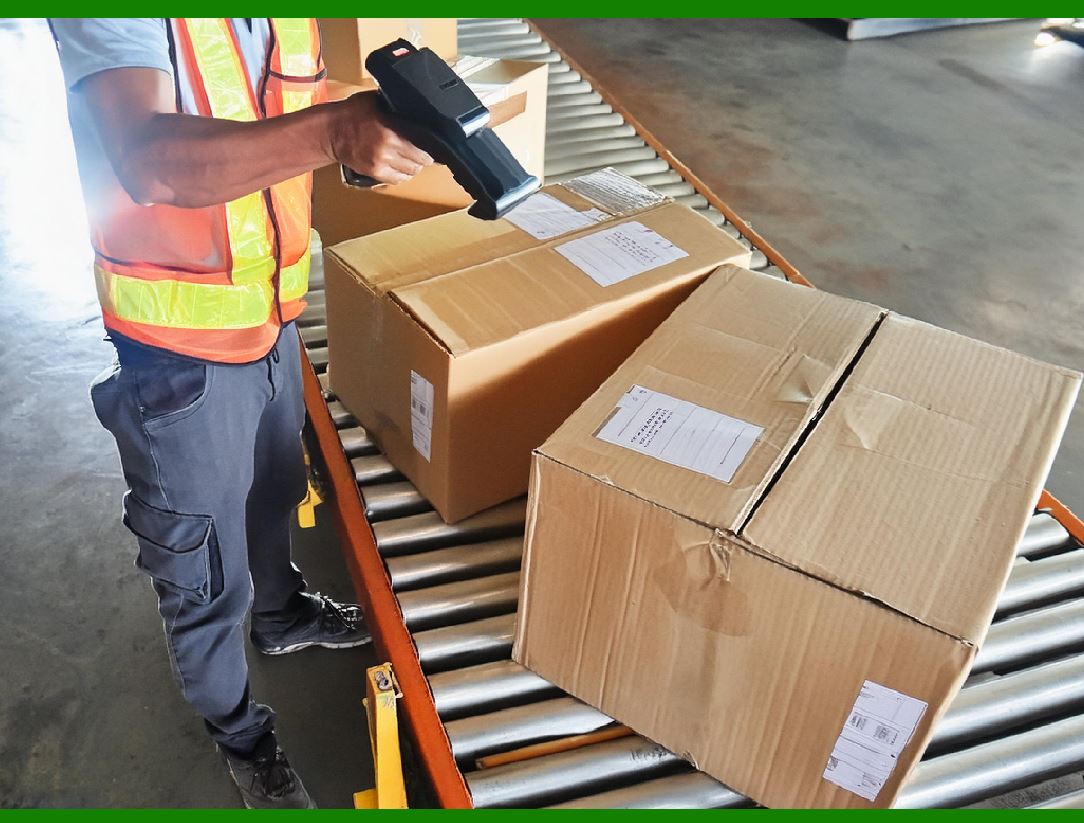
Printer Calibration: Ensure that printers are calibrated to produce high-quality barcodes. The print should have sharp edges and clear contrast between bars and spaces. Faded or blurry prints can lead to scanning errors. |
Material Choice: Consider using durable materials for barcode labels, especially in harsh environments, to prevent wear and tear. Materials that resist fading, scratches, and moisture will help extend the barcode's lifespan. |
|
13. Code 39 in Industry Applications |
Code 39 barcodes are widely adopted across multiple industries due to their simplicity, readability, and adaptability. In this section, we'll explore some of the key industries that rely heavily on Code 39 barcodes, including logistics, healthcare, automotive, and manufacturing. |
13.1 Logistics and Shipping |
Code 39 is a preferred barcode standard in logistics due to its ease of use and reliability. The primary applications in logistics include: |
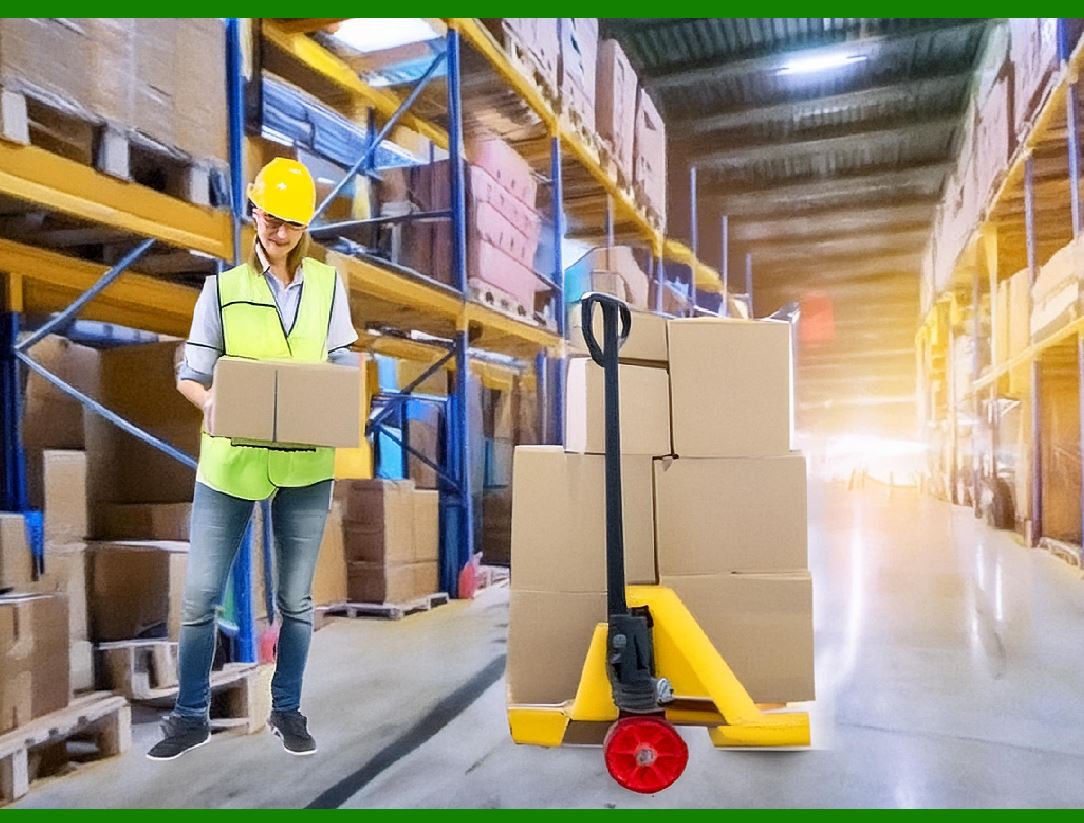
Inventory Management: Code 39 barcodes are used to track products within warehouses, distribution centers, and retail stockrooms. These barcodes enable quick and accurate scanning of items during inventory counts, reducing human error. |
Shipping Labels: Code 39 is commonly used for creating shipping labels, especially in systems that track packages and parcels through various stages of transit. Many logistics companies, including FedEx and UPS, use Code 39 barcodes for labeling packages with tracking numbers, origin addresses, and delivery destinations. |
Tracking of Pallets: Large shipping pallets and containers often feature Code 39 barcodes to ensure that they can be tracked as they move through various points in the supply chain. |
Advantages: |
Simple design that can be easily printed on large labels. |
Compatible with handheld barcode scanners in dynamic warehouse settings. |
Challenges: |
Code 39 can become unwieldy when handling large quantities of alphanumeric data, as the barcode's size grows in relation to the amount of encoded information. This can be mitigated by using Code 128 or DataMatrix for higher-density data needs. |
13.2 Healthcare Industry |
Code 39 plays an important role in the healthcare sector, especially in areas where clear identification of medical devices, medications, and patient information is critical. Key uses include: |
Patient Identification: Hospitals and clinics use Code 39 barcodes to identify patient wristbands, ensuring that the correct patient is matched with their medical treatment, medications, and procedures. The ability to encode patient data (such as name and ID number) in a scannable format reduces errors associated with manual entry. |
Medical Equipment Tracking: Code 39 barcodes are also used to track medical equipment, devices, and supplies throughout hospitals and medical facilities. This helps ensure that equipment is regularly maintained, and that there is accountability for all hospital assets. |
Medication Management: Prescription medications are often labeled with Code 39 barcodes that include detailed information about dosage, frequency, and patient instructions. Pharmacists and healthcare providers can scan these barcodes to confirm accurate dispensing of medications. |
Advantages: |
Easy to implement and read by most barcode scanners. |
Reliable even in fast-paced healthcare environments. |
Challenges: |
Code 39's relatively low data density can be a limitation in cases where extensive information needs to be encoded in a small space, such as drug packaging. |
13.3 Automotive Industry |
The automotive sector heavily relies on Code 39 barcodes to track components, spare parts, and finished products across the production line and supply chain. |
Parts and Inventory Tracking: Auto manufacturers use Code 39 barcodes to label vehicle components, parts, and subassemblies. These labels help workers and machines identify parts quickly and efficiently during the production process. |
Assembly Line Tracking: Code 39 barcodes are also applied to vehicles themselves, allowing for the tracking of cars and trucks as they move through various stages of assembly. This helps ensure that the correct parts are used, that assembly is on schedule, and that any defects are quickly identified. |
Maintenance and Service: Service stations and dealerships use Code 39 to track vehicle maintenance records and parts used in repairs. |
Advantages: |
Code 39 barcodes can be printed on a variety of materials used in automotive components, including metal and plastic. |
Simple to implement in large production environments, such as factories or warehouses. |
Challenges: |
As vehicles often have many components with unique serial numbers, the size of Code 39 barcodes can become a limitation when trying to encode more detailed information. For more complex data, manufacturers may opt for DataMatrix or QR Codes. |
13.4 Manufacturing and Industrial Applications |
Code 39 is frequently employed in manufacturing and industrial sectors for labeling products, parts, and tools, and for tracking the movement of materials and products across production lines. |
Tool and Equipment Tracking: Code 39 barcodes help ensure that tools and machinery are maintained, calibrated, and accounted for during and after use in the factory or warehouse. Barcodes allow for easy scanning when tools are checked out or returned. |
Work-in-Progress (WIP) Tracking: Manufacturing plants use Code 39 barcodes to label work-in-progress items, enabling factory workers to track the location and status of components as they move through different stages of production. |
Production Line Identification: Barcode labels on products help factory workers quickly identify parts and assemblies during production, improving efficiency. |
Advantages: |
Code 39 can be printed on durable materials and is suitable for both small and large items in industrial environments. |
Code 39 barcodes are human-readable, which is a big advantage in manufacturing environments where operators may need to verify data manually. |
Challenges: |
In some high-speed production environments, the need for a more compact and error-resistant barcode (like Code 128 or QR Codes) may arise. |
|
14. Global Standards and Compliance for Code 39 |
The adoption of Code 39 barcodes across various industries is influenced by both regulatory requirements and global standards. The following are key compliance considerations that organizations must keep in mind when implementing Code 39 barcodes. |
14.1 ISO/IEC Standards |
The International Organization for Standardization (ISO) and the International Electrotechnical Commission (IEC) have established standards for various barcode types, including Code 39. Code 39 is governed by ISO/IEC 16388, which outlines the specifications for Code 39 barcode symbology. This standard covers aspects like character encoding, barcode dimensions, and error detection. |
Organizations adopting Code 39 barcodes for their products and services should ensure that their barcode implementations comply with these international standards to avoid errors, improve interoperability, and meet industry-specific regulatory requirements. |
14.2 GS1 Standards |
The GS1 organization, which manages barcode standards for global supply chains, also recognizes Code 39 as an approved barcode type. In the GS1 framework, Code 39 barcodes are primarily used in applications where less-dense barcodes are sufficient, such as inventory and asset management. |
Compliance with GS1 standards can be especially important in industries such as retail, healthcare, and food safety, where traceability and accurate tracking of products are critical for consumer safety and quality control. |
14.3 Healthcare Standards |
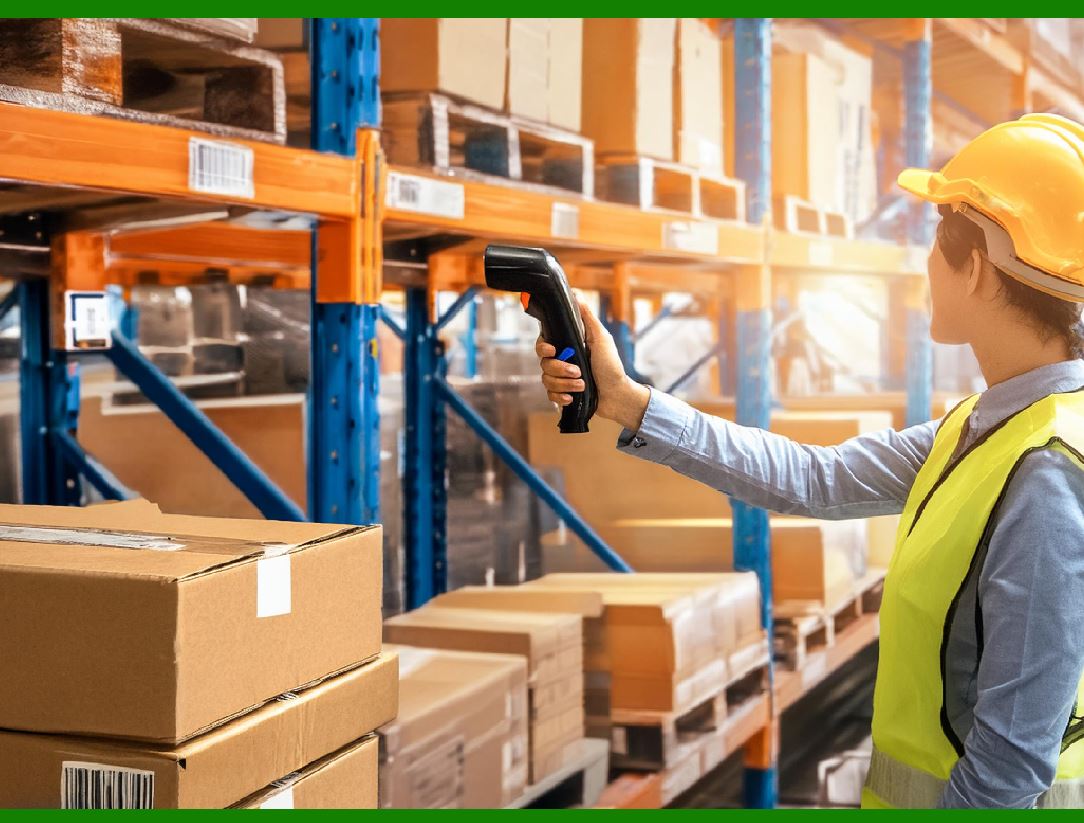
In healthcare, compliance with regulatory standards like the FDA (Food and Drug Administration) and HIPAA (Health Insurance Portability and Accountability Act) mandates the use of barcode technology for patient identification, medication tracking, and other health-related purposes. Code 39 barcodes are often used for labeling pharmaceutical products, medical devices, and patient wristbands, although there are stricter requirements for higher-density barcodes like Code 128 in certain applications. |
|
15. Best Practices for Code 39 Barcode Optimization |
To ensure that Code 39 barcodes perform optimally, it is essential to implement best practices in both barcode design and the overall system architecture. The following are key guidelines for optimizing Code 39 barcodes. |
15.1 Barcode Print Quality |
High-Resolution Printing: Use high-quality printers to ensure that the barcode is printed clearly. Low-resolution printers may result in blurred or distorted barcodes that are difficult to read. |
Contrast: The contrast between the bars and spaces of the barcode should be high. Black bars on a white background offer the best contrast, but other color combinations can be used if they meet the necessary contrast ratio. |
15.2 Correct Size and Proportions |
Barcode Height: The height of the barcode should be sufficient to allow for accurate scanning. Typically, a minimum height of 1 inch (25.4 mm) is recommended. |
Wide-to-Narrow Ratio: Ensure the correct ratio between the wide and narrow bars. Deviating from the standard 3:1 ratio can lead to scanning errors. |
15.3 Regular Scanning and Quality Control |
Scanner Calibration: Periodically calibrate barcode scanners to ensure accurate readings. This is particularly important in environments with high volumes of scanning. |
Visual Inspection: Regularly inspect barcodes for signs of wear, fading, or damage. Barcodes that are too worn or damaged may need to be replaced or reprinted. |

|
16. The Future of Code 39 |
While Code 39 remains a widely used symbology in many industries, its future will likely be influenced by the evolving needs for higher data densities, better error correction, and the adoption of newer, more compact barcode types. As digitalization, automation, and the Internet of Things (IoT) continue to transform industries, barcodes like Code 39 will need to integrate with new technologies, including mobile devices, cloud-based systems, and smart scanning solutions. |
In the future: |
Integration with IoT: Code 39 barcodes may become integrated with IoT systems for real-time asset tracking, supply chain visibility, and predictive maintenance. |
Smart Labels: Advancements in smart labels, such as those with embedded sensors or RFID chips, will complement traditional Code 39 barcodes in areas like product authentication, quality control, and dynamic pricing. |

|
17. Emerging Trends and Future Developments for Code 39 Barcode Technology |
The future of Code 39 barcode technology will be shaped by innovations in digital transformation, automation, and integration with new technologies. While it remains one of the most commonly used barcodes today, we can expect its role to evolve alongside the broader landscape of barcode and data capture technologies. |
17.1 Integration with IoT and Smart Devices |
The Internet of Things (IoT) has revolutionized industries by enabling devices to communicate and interact over the internet. As IoT technology becomes more ubiquitous in industries like logistics, healthcare, and manufacturing, Code 39 barcodes will play an increasingly important role in connecting physical objects with digital systems. |
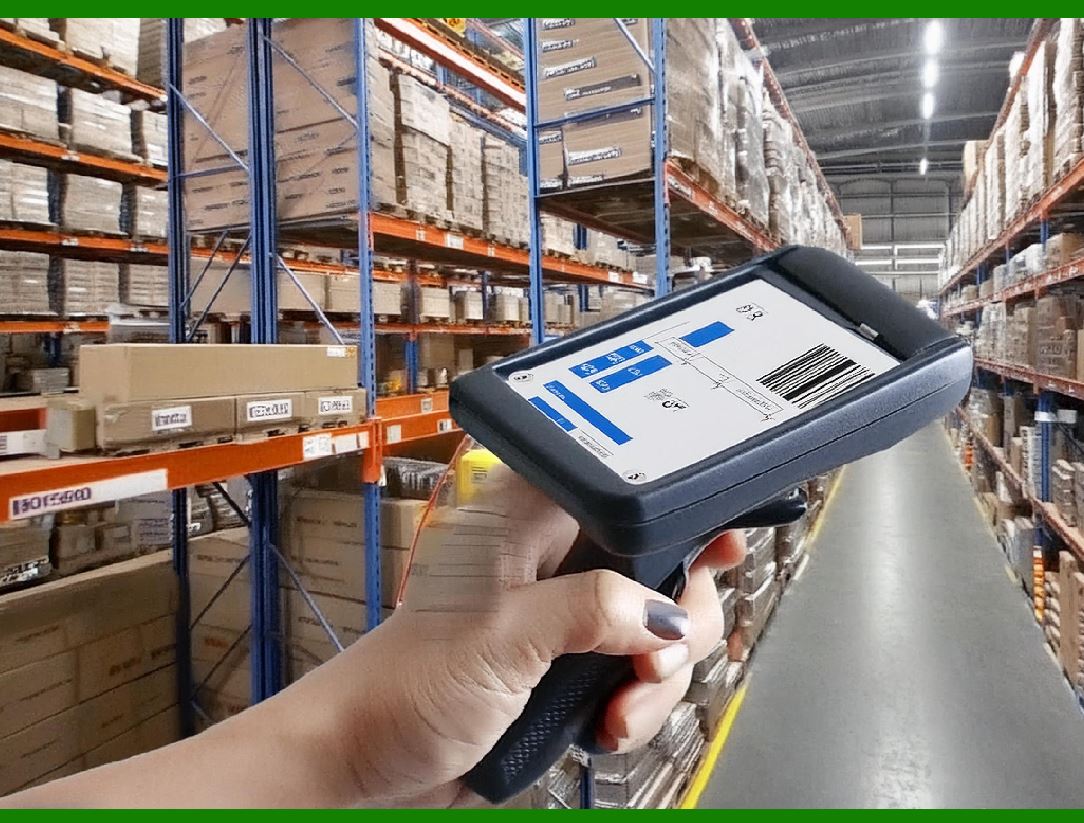
Asset Tracking and Management: Code 39 barcodes will be increasingly integrated into smart tags that connect to IoT systems. This will allow for real-time tracking of inventory, tools, medical devices, and more. For example, in a warehouse setting, each item labeled with a Code 39 barcode could be tracked by IoT-enabled scanners or RFID readers, sending real-time updates about its location, status, and movement. |
Predictive Maintenance: In manufacturing, IoT devices will be able to read Code 39 barcodes and send data about the condition of equipment and machinery. By monitoring the performance of assets, maintenance can be scheduled proactively before failures occur, improving uptime and reducing costs. |
Smart Warehouses: In logistics and warehousing, IoT sensors will interact with Code 39 barcodes to provide inventory data in real-time. The barcode acts as an entry point for data, which can then be used by automated systems like robotic arms, drones, and conveyor belts to manage product movements without human intervention. |
17.2 Adoption of Mobile Devices and Mobile Scanning |
The proliferation of smartphones and tablets equipped with high-resolution cameras and barcode scanning apps has made it easier than ever for businesses to implement Code 39 barcodes without investing in dedicated handheld barcode scanners. This trend is particularly evident in small to medium-sized businesses (SMBs) and mobile-centric applications. |
Mobile-First Applications: With mobile devices becoming the primary tool for barcode scanning in many industries, the ability to scan and decode Code 39 barcodes via smartphones or tablets is increasingly important. Businesses are investing in apps that allow employees to use smartphones for inventory tracking, shipment scanning, and equipment management, thus making barcode scanning more portable and efficient. |
Mobile Point-of-Sale (POS): In retail, smartphones and tablets can act as point-of-sale systems, where customers or store employees scan Code 39 barcodes to process transactions, check product availability, and manage returns. As mobile POS systems become more prevalent, Code 39's simplicity and wide adoption make it an ideal choice. |
17.3 Increased Demand for Higher Data Density |
While Code 39 has served industries well with its simple design and ease of implementation, industries with increasing data needs are pushing for barcodes that can store more data in less space. As a result, Code 39 is often being supplemented or replaced with higher-density barcodes such as Code 128, QR Codes, or DataMatrix. |
Challenges with Larger Datasets: In applications where large volumes of data need to be encoded (such as product specifications, serial numbers, or detailed tracking data), Code 39 barcodes may become impractical due to their lower data density. Code 128, for example, can encode a wider range of characters in a smaller space, making it more suitable for applications that require compact barcodes. |
Combining Code 39 with Other Technologies: To overcome these limitations, some industries are exploring ways to combine Code 39 with other technologies, such as RFID tags, which allow for automatic identification of items without direct line-of-sight scanning. This combination can offer the simplicity and readability of Code 39, alongside the flexibility and speed of RFID technology. |
17.4 Incorporation of Augmented Reality (AR) and Interactive Scanning |
As augmented reality (AR) technologies continue to advance, we are seeing greater interaction between barcodes and mobile devices in the form of AR-based scanning. This could be especially transformative in environments such as retail, warehouse management, and customer service. |
Interactive Shopping: In retail environments, customers could scan Code 39 barcodes using their smartphones, not only to get product information but also to access an AR experience. For example, scanning a product barcode could open up detailed specifications, promotional offers, reviews, or even virtual try-on experiences for clothing or accessories. |
Warehouse Optimization: In warehouses, workers could wear AR glasses that overlay barcode information in real-time. As they scan Code 39 barcodes, the AR display could show the exact location of products in the warehouse, the next item to pick, or potential errors in product placement, all in real-time. |
Customer Support and Troubleshooting: In technical fields, scanning Code 39 barcodes on equipment or machinery could trigger AR-based troubleshooting instructions. This could simplify repairs and maintenance tasks, helping technicians by overlaying relevant diagrams, videos, and step-by-step guides onto the physical environment. |
17.5 Sustainability and Eco-Friendly Barcode Solutions |
Sustainability is a growing trend across all industries, and Code 39 barcodes are no exception. As companies aim to reduce their carbon footprints and adopt more eco-friendly practices, barcode solutions are evolving to meet these demands. |
Eco-Friendly Materials: There is an increasing emphasis on using sustainable materials for printing barcode labels. Paper-based labels made from recycled materials or biodegradable plastics are being used to reduce the environmental impact of barcode labels. Some companies are even exploring the use of plant-based inks for printing barcodes to further reduce their carbon footprint. |
RFID Integration for Reusability: While Code 39 barcodes are often used for single-use applications, there's a growing shift towards RFID technology for reusable labeling solutions. In scenarios like laundry services, automotive parts, and reusable packaging, RFID tags can work alongside or in place of traditional barcodes like Code 39, allowing for tracking without printing new labels each time. |
Digital Labels: Another future trend is the adoption of digital labels that can display changing information in real-time. These labels, often using e-ink technology, can be reused multiple times and updated as needed, reducing waste associated with traditional barcode labels. |
17.6 Integration with Blockchain for Improved Security |
Blockchain technology is emerging as a solution for improving traceability, security, and transparency in various industries. Code 39 barcodes could play an important role in blockchain-enabled supply chain systems by linking physical assets to digital records. |
Supply Chain Transparency: Code 39 barcodes can be linked to blockchain records, allowing for real-time tracking of products as they move through the supply chain. This integration ensures that every transaction, shipment, or transfer is recorded immutably in the blockchain, reducing fraud, theft, and counterfeit products in industries like pharmaceuticals, food, and luxury goods. |
Product Authentication: Code 39 barcodes can be used for product authentication in industries prone to counterfeiting. By linking each Code 39 barcode to a digital certificate on the blockchain, consumers can verify the authenticity and origin of products directly from their smartphones. |
17.7 Next-Generation Barcode Printing Technologies |
As printing technologies evolve, Code 39 barcode labels will benefit from advancements that make printing faster, more reliable, and more cost-effective. |
3D Printing: In some industrial and manufacturing applications, 3D printing could be used to create custom barcode labels or products that incorporate barcode technology. This would allow for seamless integration of barcodes into product designs, potentially reducing the need for separate labels altogether. |
High-Speed Printing: Advances in high-speed printers will allow businesses to produce high volumes of barcoded labels more efficiently, whether for shipping, inventory management, or labeling products in large-scale manufacturing. These printers will also offer enhanced durability, ensuring that Code 39 barcodes remain scannable even in tough environments. |

|
18. Conclusion: The Long-Term Outlook for Code 39 Barcodes |
In conclusion, while Code 39 barcode technology has a long-standing history of success across various industries, its future will likely involve integration with emerging technologies like IoT, mobile scanning, augmented reality, and blockchain. As industries continue to embrace digital transformation, Code 39 will remain relevant in the tracking, identification, and management of physical assets. |
However, for certain high-density applications, alternative barcode solutions such as Code 128, QR Codes, and DataMatrix will increasingly complement or replace Code 39. The simplicity and human-readability of Code 39 will continue to make it a viable choice in many environments, but for businesses seeking more data capacity in less space, newer barcode technologies will rise to meet those needs. |
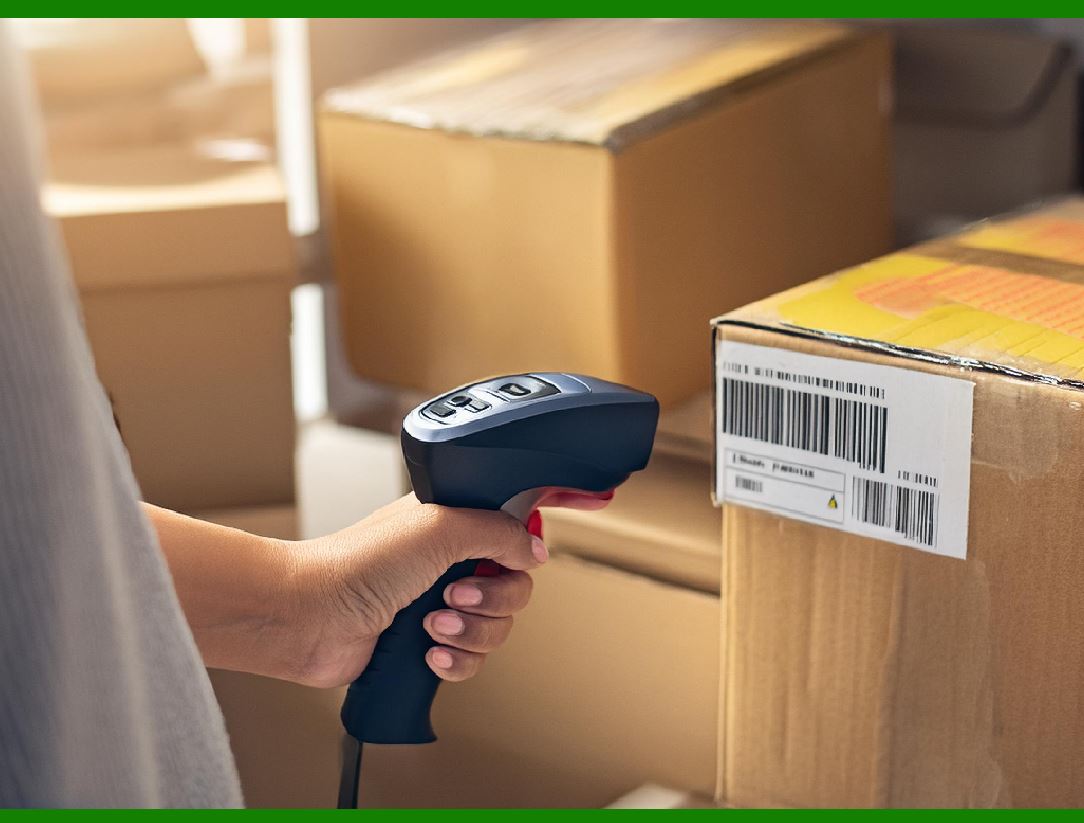
As technology evolves, Code 39 barcodes will adapt to new systems, enhancing their utility in modern supply chains, healthcare applications, and mobile-first environments. By embracing sustainability, smart technology, and cross-system compatibility, Code 39 barcodes will remain a key element of the barcode ecosystem, ensuring that they continue to serve businesses and industries effectively for years to come. |
|
19. Industry-Specific Advancements and Code 39's Future Impact |
19.1 Healthcare and Pharmaceutical Industries |
In healthcare and pharmaceuticals, the need for accurate, fast, and reliable data capture is critical for patient safety and regulatory compliance. Code 39 barcodes are already used widely for medication tracking, inventory management, and patient identification, but several trends are pushing for further innovations. |
Pharmaceutical Serialization: Due to global anti-counterfeiting regulations like the Drug Quality and Security Act (DQSA) in the U.S. and Falsified Medicines Directive (FMD) in Europe, pharmaceutical manufacturers are adopting serialization practices. This involves labeling each individual drug package with a unique identifier encoded in a barcode, often a Code 39 label. The shift to global serialization systems will likely result in a more sophisticated use of Code 39 alongside RFID and QR Codes to enhance tracking, recall processes, and anti-counterfeiting measures. |
Automated Dispensing Systems: Hospitals and pharmacies are increasingly moving toward automated medication dispensing systems. These systems use Code 39 barcodes to track drug dispensing, ensuring that the correct medication is provided to the correct patient. As these systems become more integrated with electronic medical records (EMRs), the need for highly reliable and secure barcode systems, including Code 39, will continue to grow. |
Clinical Trials: In clinical trials, Code 39 barcodes are being used for tracking drug shipments, patient samples, and research data. The use of barcodes to monitor drug batches and study materials will expand as clinical trial protocols become more digitized and require traceable, tamper-proof documentation. |
19.2 Retail and E-commerce |
Retail and e-commerce businesses are increasingly reliant on barcode technology to streamline operations and enhance the customer experience. While QR codes are often associated with mobile interactions, Code 39 barcodes will still play a role in various retail applications. |
Inventory and Supply Chain Management: Code 39 is ideal for simple inventory management systems in retail, especially for industries like clothing, electronics, and even automotive parts. With advances in warehouse automation, robots and drones will scan Code 39 labels to sort, track, and transport goods efficiently, improving both speed and accuracy. |
Self-Checkout Systems: In self-checkout lanes, Code 39 barcodes will remain important. Although QR codes are gaining traction in mobile-based checkout systems, Code 39 continues to be used on traditional physical products where space for a QR code might be limited. Retailers are likely to incorporate more AI-based scanning systems that automatically recognize Code 39 barcodes from a distance, improving the checkout process for customers and reducing errors. |
Mobile Retail Solutions: As mobile commerce continues to grow, mobile barcode scanning via smartphones will become even more essential. Code 39 barcodes can be scanned easily by mobile phones for product information, reviews, and price checks, allowing customers to quickly make informed purchasing decisions in-store. |
19.3 Logistics and Transportation |
The logistics and transportation industries are constantly evolving to meet global demand for faster, more efficient deliveries. Code 39 barcodes will remain a key component of automated logistics systems, shipping, and tracking applications. |
Real-Time Package Tracking: With the rise of global e-commerce and the Amazon effect, the ability to track packages in real-time is critical. Code 39 barcodes will be used for shipment tracking, parcel sorting, and delivery status updates across complex logistics networks. The integration of geospatial technology with Code 39 barcodes will further enhance the tracking capabilities of packages, allowing for more precise location data and reducing the chances of lost shipments. |
Cross-Border Logistics: For international shipments, the customs clearance process relies heavily on accurate barcode scanning to verify product contents, origins, and compliance with import/export regulations. Code 39 barcodes will continue to be an integral part of international shipping labels, ensuring that products pass through customs and other checkpoints smoothly. |
Last-Mile Delivery: In last-mile delivery, Code 39 barcodes will enable more efficient handling of individual parcels, especially in urban environments where deliveries are often complex and require quick turnarounds. By scanning barcodes on packages, delivery personnel can quickly retrieve route information, delivery instructions, and address details, speeding up the delivery process. |
19.4 Manufacturing and Industrial Applications |
In manufacturing, barcodes are indispensable for tracking raw materials, work-in-progress items, and finished products. As industrial processes become more automated and connected, the role of Code 39 barcodes will expand. |
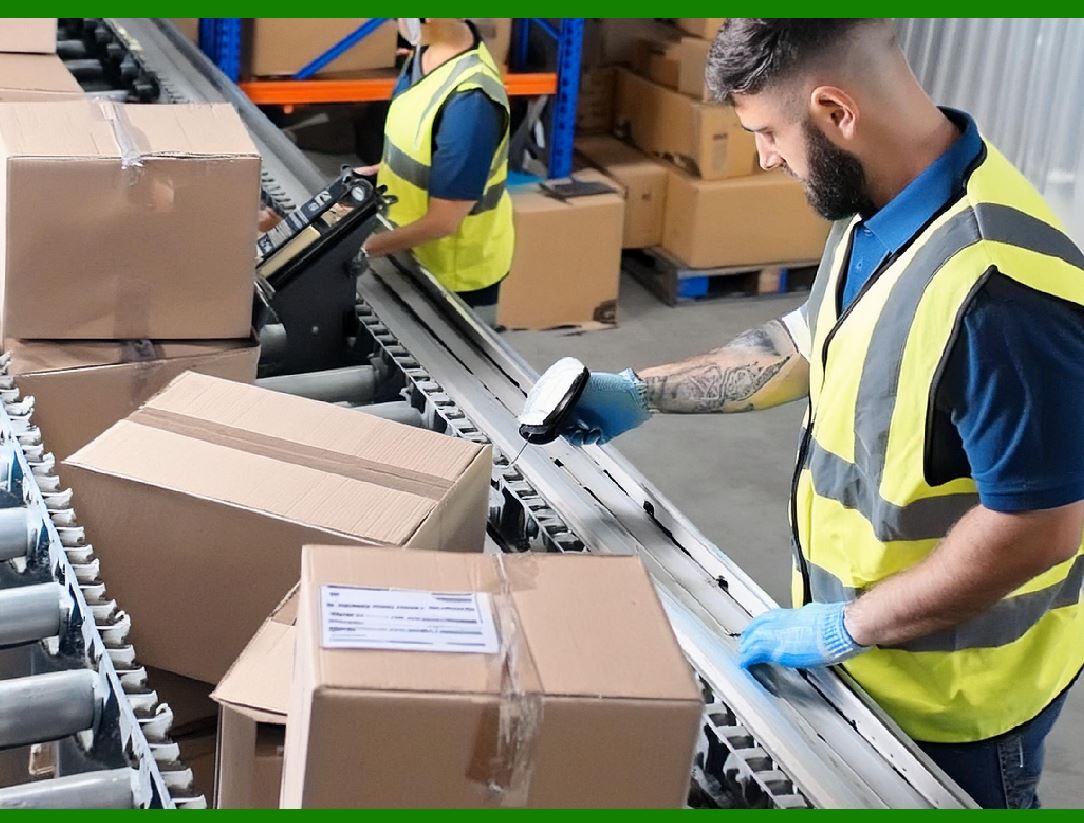
Production Line Automation: On production lines, automated barcode scanners will scan Code 39 labels to track materials, components, and work-in-progress items as they move through various stages of production. This improves operational efficiency, reduces human error, and ensures real-time data synchronization across systems. In industries like automotive manufacturing or electronics assembly, Code 39 barcodes will continue to play a crucial role in lean manufacturing and just-in-time (JIT) inventory management systems. |
Quality Control: Quality control processes will also rely on Code 39 barcodes to track and verify products at each stage of production. In high-precision manufacturing environments, scanning barcodes on every unit allows quality control teams to trace defective items back to their origin in the production process, making it easier to identify and resolve issues. |
Predictive Analytics: Integrating Code 39 barcodes with machine learning and AI can provide real-time insights into production performance and potential bottlenecks. By collecting data from barcode scans and analyzing it with predictive models, manufacturers can foresee issues before they arise and take proactive measures to avoid downtime. |
|
20. Integration with Advanced Data Capture and AI Technologies |
The future of Code 39 barcode technology will also be influenced by artificial intelligence (AI) and advanced data capture technologies that are revolutionizing how businesses capture, process, and interpret barcode data. |
20.1 AI-Enhanced Barcode Scanning |
As AI improves, Code 39 barcode scanners will become smarter, capable of detecting barcodes in more challenging environments. For instance: |
Multi-Angle Scanning: AI-powered scanners can quickly recognize Code 39 barcodes even when they are rotated, skewed, or partially obscured. This is especially useful in industries like automotive and warehousing, where barcodes may be applied at odd angles or on curved surfaces. |
Error Detection: AI systems will also be able to detect common errors in barcode scanning, such as incorrectly printed barcodes, damaged labels, or low-quality scans. These systems could then prompt the user to rescan or take corrective actions. |
20.2 Advanced Image Recognition |
AI combined with computer vision will enable more accurate barcode recognition from images or video streams. This means that Code 39 barcodes can be scanned from a wider range of formats, including scanned photographs, product packaging, or even videos showing products in motion. |
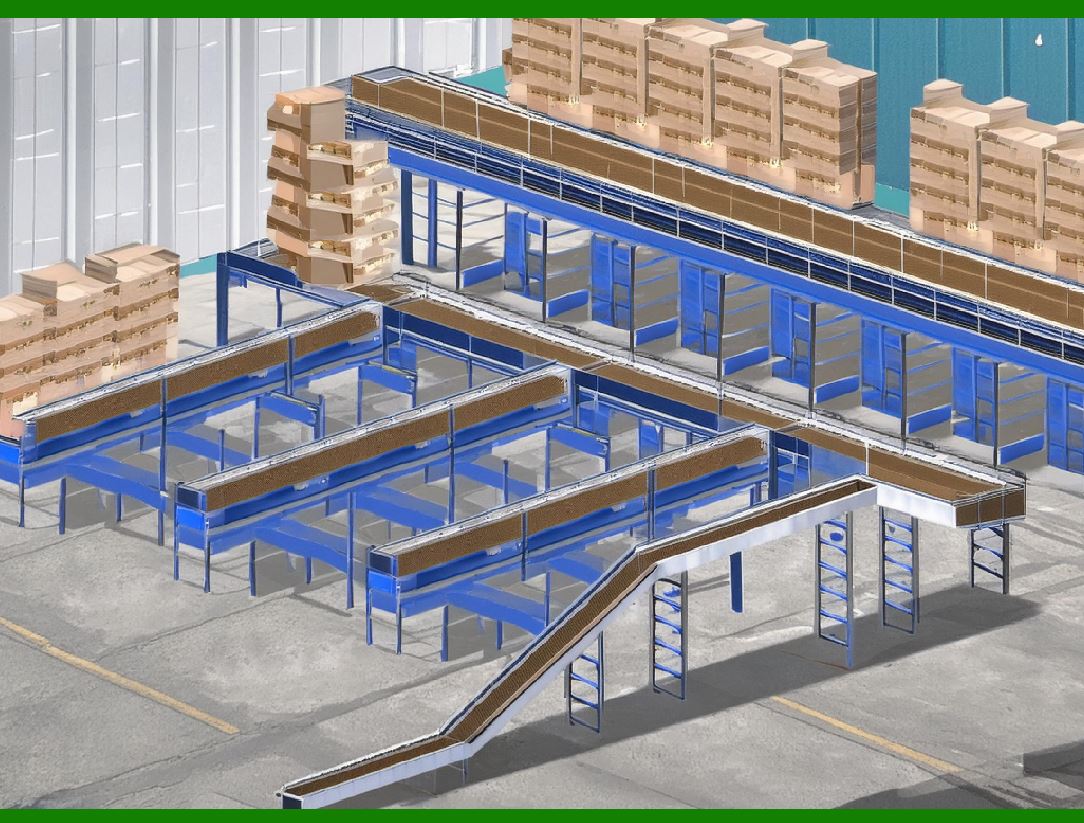
Smart Cameras and Drones: In large-scale environments like warehouses or retail floors, drones or robots equipped with smart cameras can scan Code 39 barcodes from a distance, reducing the need for manual scanning. |
Augmented Reality with AI: Augmented reality tools can superimpose information from Code 39 barcodes onto real-world objects. AI can interpret the barcode data and dynamically adjust the AR display, helping workers with tasks such as assembly, repair, and stock-taking. |
|
21. Conclusion: A Continued Role for Code 39 in a Digitally Transforming World |
While Code 39 barcodes may face challenges from other higher-density barcode solutions, their simplicity, readability, and long-standing track record in various industries ensure that they will remain relevant for the foreseeable future. Their continued integration with emerging technologies like IoT, AI, blockchain, and mobile scanning will ensure their role in automated supply chains, inventory management, and secure transactions. |
Moreover, Code 39 barcodes will continue to evolve in line with digital transformation trends, remaining an indispensable tool for businesses that need reliable, versatile, and scalable data capture solutions in industries such as healthcare, logistics, retail, and manufacturing. |
|
22. Deep Dive into the Technical Architecture of Code 39 Barcodes |
To understand how Code 39 barcodes are adapting to modern needs, we need to examine the fundamental structure and encoding mechanism that underpins the technology. Code 39 is a 1D (one-dimensional) linear barcode system that encodes alphanumeric data (letters A-Z, numbers 0-9), along with a limited set of special characters (-, ., space, $, /, +, %). |
22.1 Encoding Mechanism |
The Code 39 barcode consists of a series of alternating black and white bars and spaces. The fundamental unit is the 'module', which represents the smallest element of the barcode. These modules are then combined in specific patterns to encode characters. |
Character Encoding: Each character in the Code 39 system is represented by a unique pattern of bars and spaces. The encoding of each character is defined by 9 modules-five bars and four spaces. The width of these bars and spaces can vary based on the density (or resolution) of the barcode. |
Start/Stop Character: The start and stop characters in Code 39 are represented by an asterisk (*). These symbols are placed at the beginning and end of each barcode string to signify the start and end of the data encoded in the barcode. |
Check Digit: Code 39 does not include a mandatory check digit for error correction (unlike some other barcode types like EAN-13). However, a check digit can be added optionally for data validation purposes in applications requiring extra error-checking. |
Wide and Narrow Bars: The bars in Code 39 are variable width-narrow bars are typically one unit wide, while wide bars are typically three units wide. These variations help encode more information within a limited physical space. |
22.2 Scanning and Decoding Process |
Scanning a Code 39 barcode involves a combination of optical and digital processes that convert the image of the barcode into usable data. The steps are: |
1.Image Capture: The scanner captures an image of the barcode using a laser or LED light source. This light reflects off the white spaces and absorbs into the black bars. |
2.Image Processing: The image is converted into a digital signal, with the light reflection and absorption used to distinguish between bars and spaces. |
3.Signal Decoding: The digital signal is interpreted by the scanner's decoder software, which converts the sequence of bars and spaces into corresponding data based on the encoding standard. |
4.Error Detection: While Code 39 does not require a check digit, modern scanners often use algorithms to check for common errors, such as incorrectly spaced bars or distorted symbols. |
22.3 Advantages and Limitations of Code 39 |
Despite the prevalence of higher-density barcode systems like Code 128 and QR Codes, Code 39 remains a popular choice for several reasons. However, it also faces limitations when it comes to modern data needs. |
Advantages: |
Simple Structure: The simplicity of the Code 39 encoding makes it easy to generate and read with relatively low-cost hardware and software. |
Readability: Code 39 is widely known for its human-readable format. Each character is easily identifiable, which makes it useful for applications where human inspection or manual entry is required. |
Standardization: Code 39 has been in use for decades, and is recognized as a standard in several industries, including military, automotive, pharmaceutical, and manufacturing. |
Flexibility: It can encode a range of characters, including letters, numbers, and special symbols, making it versatile across a variety of applications. |
Limitations: |
Low Data Density: Code 39 has a relatively low data density compared to other 1D barcodes like Code 128. This means that it requires more space to encode the same amount of data, making it unsuitable for applications requiring high information content in small spaces. |
Error Handling: Unlike 2D barcodes (like QR Codes or DataMatrix), Code 39 does not have built-in error correction. If a barcode is damaged or partially obscured, it can result in scan failures. |
Size and Scalability: As the data set grows, the size of a Code 39 barcode will increase significantly. For very large datasets, a 2D barcode would be a better choice. |
22.4 Innovations in Code 39 Barcode Printing |
To address some of the limitations of traditional Code 39 barcodes, particularly around scalability and data density, new printing technologies are emerging. |
High-Density Printing: Advances in thermal printing and inkjet technologies are allowing for higher-quality, smaller-scale Code 39 barcodes. These technologies also offer improved printing on various surfaces, including metals, plastics, and textiles. |
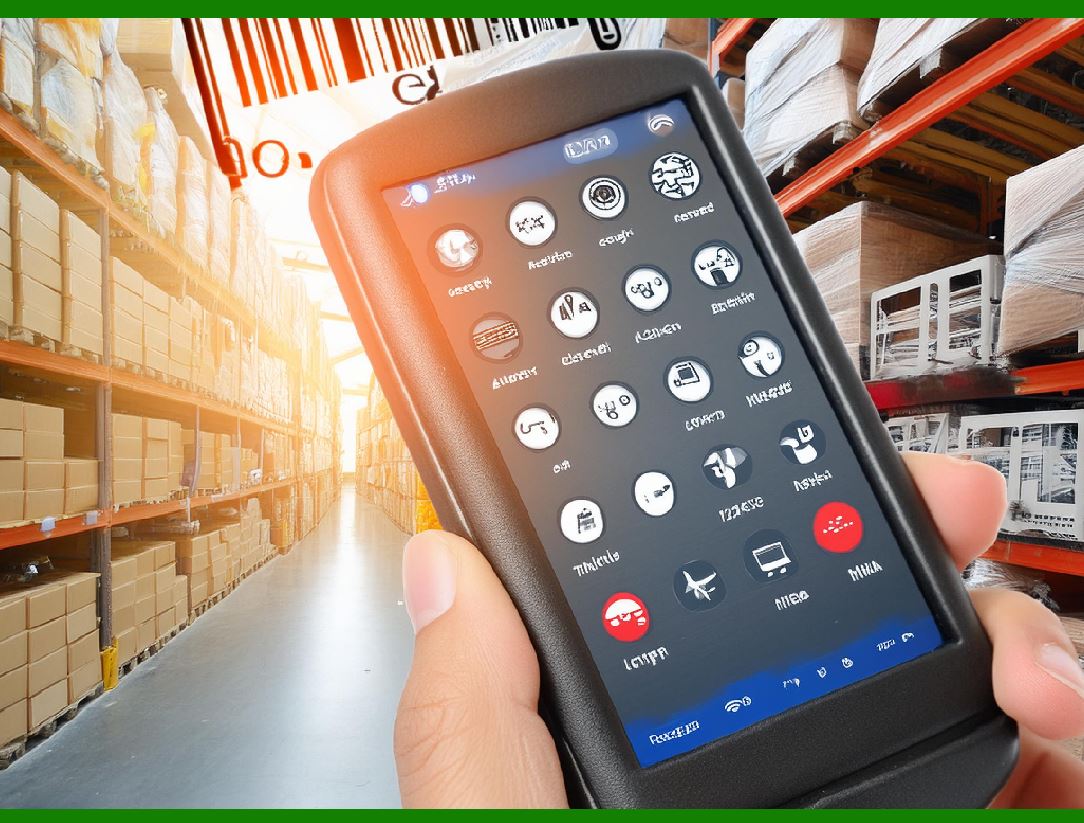
Durable Materials: In industries where Code 39 barcodes need to be applied to items exposed to harsh environments (like automotive parts or military equipment), durable, abrasion-resistant labels and QR Code hybrid solutions are being used to enhance the durability of barcodes. |
|
23. The Role of Code 39 in the Internet of Things (IoT) Ecosystem |
As IoT continues to expand, integrating Code 39 barcodes into the network of connected devices will be increasingly important for asset tracking, supply chain management, and automated systems. |
23.1 Asset Management and Smart Systems |
With the widespread deployment of IoT devices in industries like manufacturing, logistics, and healthcare, Code 39 barcodes will serve as an essential component in tracking physical assets. These barcodes can link to digital twins (virtual representations of physical assets) within IoT systems, allowing for real-time monitoring, condition tracking, and predictive maintenance. |
For example: |
RFID-Enhanced Barcodes: Code 39 barcodes, when integrated with RFID technology, could be used for automatic asset tracking and location-based services. The RFID tag could store the barcode data and transmit it wirelessly, allowing for continuous tracking without direct line-of-sight scanning. |
Smart Inventory Systems: IoT devices could scan Code 39 barcodes to automatically update inventory systems in real-time. These systems would provide precise data on stock levels, product location, and status across warehouses and stores, enabling automated restocking and minimizing manual labor. |
23.2 Predictive Analytics in IoT |
By integrating Code 39 barcodes with predictive analytics, businesses can optimize their operations. For example, a Code 39 barcode on a machine part could be linked to an IoT-enabled sensor that tracks the condition of the part. As wear and tear data is collected, predictive models can forecast when a part is likely to fail, prompting proactive maintenance or replacement. |

|
24. Blockchain and Code 39 in Supply Chain Traceability |
Blockchain is poised to transform supply chain management by providing an immutable, transparent, and decentralized ledger for transactions. Code 39 barcodes can play a significant role in connecting physical goods with digital blockchain records, enhancing product traceability and anti-counterfeiting measures. |
24.1 Connecting Physical Products to Blockchain |
Each Code 39 barcode could represent a unique digital asset in the blockchain. For instance, in industries like luxury goods, pharmaceuticals, or food safety, a barcode could encode a unique serial number or batch number that is registered in a blockchain ledger. |
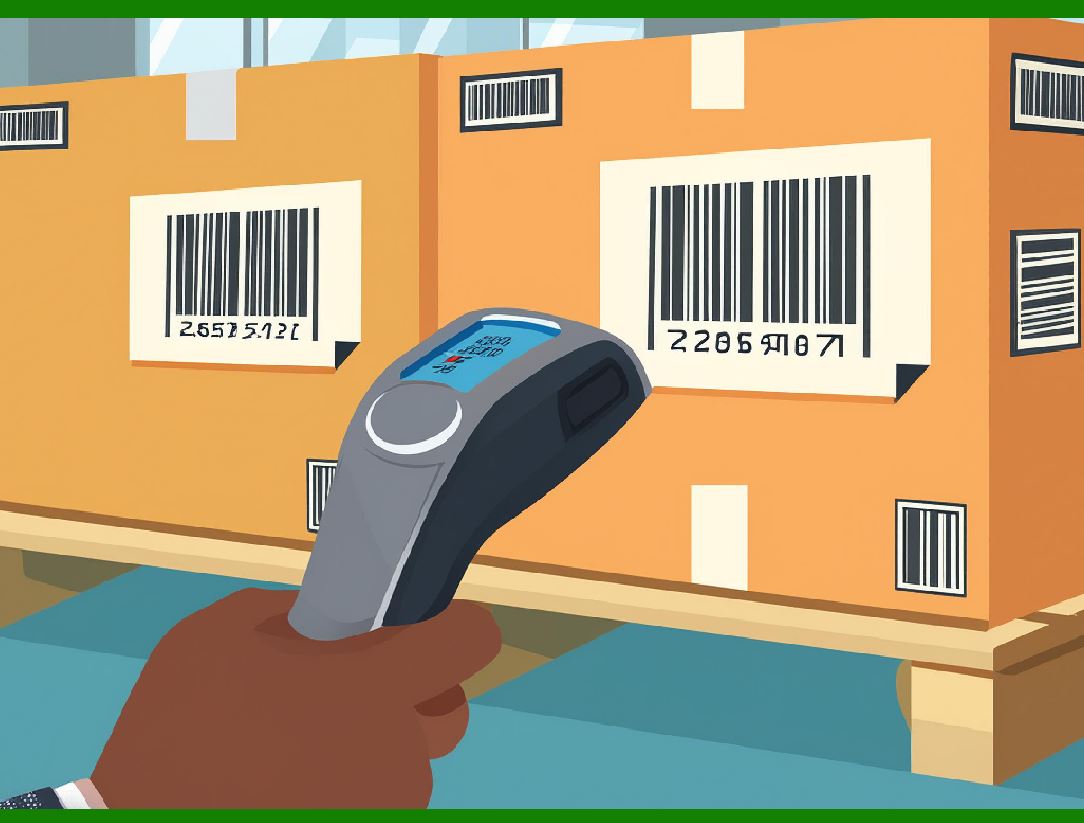
Authenticity Verification: Scanning the barcode on a product could allow the consumer or retailer to instantly verify the origin and authenticity of the product by checking its blockchain record. |
Smart Contracts: In supply chain processes, smart contracts could be used to automate actions based on Code 39 barcode scans, such as triggering a payment upon delivery confirmation, or automating the release of goods from customs once the barcode is scanned. |
|
25. Future Outlook: Code 39's Role in Digital Transformation |
The future of Code 39 barcode technology is intrinsically tied to broader digital transformation trends across industries. As businesses adopt automated systems, AI, and IoT, the use of Code 39 barcodes will remain a critical technology for data capture and asset management. |
While 2D barcodes like QR Codes and DataMatrix are gaining traction for data-heavy applications, Code 39 remains a trusted choice due to its simplicity, ease of use, and long-standing industry adoption. However, its future will require continued integration with other cutting-edge technologies such as IoT, RFID, and blockchain to meet the growing demand for automation, security, and traceability. |
 cs@easiersoft.com