1. Introduction to EAN-128 Barcode Technology |
Overview of the EAN-128 Barcode |
History and Evolution |
Purpose and Common Applications |
2. Technical Specifications |
Structure and Format |
Encoding Data |
Character Set Used in EAN-128 |
Length Restrictions |
|
3. Key Components of an EAN-128 Barcode |
Start and Stop Characters |
Data Characters |
Function Codes (FNC1) |
Application Identifiers (AI) |
Checksum and Error Correction |
4. Encoding and Decoding Process |
Encoding Rules |
Decoding and Scanning Mechanism |
Error Detection and Correction Techniques |
|
5. Applications and Use Cases |
Use in Retail and Logistics |
Pharmaceutical Industry Applications |
Supply Chain and Inventory Management |
Integration with Other Barcode Types |
6. Comparison with Other Barcode Types |
EAN-128 vs EAN-13 |
EAN-128 vs UPC-A |
EAN-128 vs Code 128 |
EAN-128 vs QR Codes |
|
7. EAN-128 Barcode in Real-World Systems |
Use in Point of Sale (POS) Systems |
Integration with Enterprise Resource Planning (ERP) |
Scanning in Different Environments (Retail, Healthcare, Warehousing) |
8. Advantages and Disadvantages of EAN-128 |
Benefits of Using EAN-128 in Business and Logistics |
Limitations and Challenges |
Comparisons with Other Barcode Technologies |

|
9. Security and Privacy Considerations |
Data Integrity and Confidentiality in Barcode Systems |
Security Measures in EAN-128 Systems |
Privacy Concerns with Data Encoded in EAN-128 |
10. Future of EAN-128 Barcode Technology |
Trends in Barcode Technology |
The Role of EAN-128 in Future Applications |
The Impact of New Technologies on Barcode Systems |
|
1. Introduction to EAN-128 Barcode Technology |
1.1 Overview of the EAN-128 Barcode |
The EAN-128 barcode (also known as GS1-128) is a high-density barcode that uses the Code 128 symbology. It is part of the GS1 System, which is an international standard for business communication. This barcode is used primarily for encoding data in the retail, logistics, and healthcare industries, where precise and standardized product and shipment information is required. |
Unlike traditional barcode systems, EAN-128 can encode both numeric and alphanumeric data, and it allows the inclusion of structured information, making it more versatile than many other barcode formats. It's widely used in applications where items need to be tracked across different stages of the supply chain, from manufacturing to distribution to retail. |
1.2 History and Evolution |
The EAN-128 barcode was developed by the European Article Numbering Association (EAN) and was standardized by GS1 (formerly known as EAN International). The barcode was introduced to support logistics and retail supply chains in the 1980s and has since become a vital part of global business operations. |
The evolution of EAN-128 involved the development of a more flexible standard that could accommodate additional information such as serial numbers, expiration dates, and lot numbers. These features are particularly useful for industries such as pharmaceuticals, where it is necessary to track and trace the movement of products for safety, regulatory, and quality control purposes. |
1.3 Purpose and Common Applications |
The primary purpose of the EAN-128 barcode is to encode detailed product and logistics information into a compact, scannable format. It allows businesses to exchange and store data that is relevant to their operations. |
Common applications of the EAN-128 barcode include: |
Retail: Used for product identification, pricing, and inventory management. |
Logistics: Facilitates the tracking of shipments, pallets, and containers across the supply chain. |
Healthcare: Used for tracking pharmaceutical products, medical devices, and patient-related data. |
Manufacturing: Helps in tracking raw materials, parts, and finished goods in production processes. |
|
2. Technical Specifications |
2.1 Structure and Format |
The EAN-128 barcode is built upon the Code 128 symbology, which is a high-density linear barcode. The key difference between standard Code 128 and EAN-128 is that EAN-128 barcodes are used specifically within the GS1 System and are required to encode structured data. The barcode itself consists of a series of bars and spaces, with varying widths to represent data. |
The structure of the EAN-128 barcode includes the following main components: |
Start Character: The barcode begins with a special start character that identifies it as a Code 128 barcode. |
Data Characters: These are the actual data elements represented by the bars and spaces, encoded according to the Code 128 specification. |
Check Digit: A checksum digit is calculated and added at the end of the barcode to ensure accuracy during scanning. |
Stop Character: The barcode ends with a stop character to mark the termination of the code. |
The barcode format allows for encoding both numeric and alphanumeric data, with the capability to use a variety of special characters as required by the industry. |
2.2 Encoding Data |
The EAN-128 barcode uses a special encoding scheme that combines different types of data. To ensure compatibility and correctness, EAN-128 barcodes require the use of Application Identifiers (AIs) to define the meaning of the data being encoded. |
Application Identifiers (AIs): These are predefined two- or three-digit numbers used to specify the type of data being encoded. For example, AI 01 indicates a Global Trade Item Number (GTIN), and AI 10 indicates a batch or lot number. |
Data Field: After the AI, the barcode encodes the corresponding data. The data can include product information such as serial numbers, expiration dates, weights, or any other relevant details. |
Each data field is typically defined by the corresponding AI, ensuring that the scanned data is correctly interpreted and processed by the scanning system. |
2.3 Character Set Used in EAN-128 |
The EAN-128 barcode follows the Code 128 character set, which includes three distinct character sets: |
1.Code Set A: Includes uppercase alphabetic characters (A-Z), control characters, and special characters such as punctuation marks. |
2.Code Set B: Includes both uppercase and lowercase alphabetic characters (A-Z, a-z), numeric characters (0-9), and a wider range of special characters. |
3.Code Set C: Specially designed for encoding pairs of digits (00-99). This set is used when the data consists solely of numeric values to increase encoding efficiency. |
For EAN-128, the character set primarily used is Code Set B, although Code Set C may be used in certain applications where numeric data is involved. |
2.4 Length Restrictions |
The length of an EAN-128 barcode depends on the specific data being encoded and the number of Application Identifiers (AIs) included in the barcode. Since the EAN-128 format is highly flexible, it can accommodate varying lengths of data. |
Minimum Length: A basic EAN-128 barcode, encoding a simple GTIN or serial number with no additional application identifiers, could be as short as 8 characters. |
Maximum Length: EAN-128 barcodes are capable of encoding up to 48 characters, depending on the structure and size of the data fields, including AIs and data values. |
Since the barcode must be large enough to accommodate all required data, the actual size of the printed barcode may vary based on the complexity of the encoded information. |
|
3. Key Components of an EAN-128 Barcode |
3.1 Start and Stop Characters |
Start Character: The start character identifies the beginning of the barcode and indicates that it is a Code 128 barcode. It is used to ensure that scanners can correctly identify the type of barcode being scanned. |
Stop Character: The stop character marks the end of the barcode. It signals to the scanner that all data has been transmitted. |
These characters are vital for the integrity and readability of the barcode. |
3.2 Data Characters |
The data characters are the core of the EAN-128 barcode. They represent the information encoded by the barcode and can include: |
Numerical Data: This includes product IDs, quantities, and other numeric values. |
Alphanumeric Data: This includes textual information such as lot numbers, expiry dates, and serial numbers. |
Special Characters: Code 128 allows for special characters like punctuation marks, which are used in certain applications. |
3.3 Function Codes (FNC1) |
The Function Code 1 (FNC1) is used in EAN-128 to separate different types of data within the barcode. FNC1 is not encoded as part of the data, but its presence helps define the structure of the data. |
The FNC1 function is essential for indicating the start of an Application Identifier (AI) and for ensuring that the barcode's data is correctly parsed by scanning systems. Without FNC1, the barcode data may be misinterpreted. |
3.4 Application Identifiers (AI) |
Application Identifiers (AIs) are used in EAN-128 to define specific types of data being encoded. They play a crucial role in ensuring that scanned data is understood in context. AIs are numeric codes that indicate what type of information is being encoded and its format. |
For example: |
AI 01: Global Trade Item Number (GTIN) |
AI 10: Lot or batch number |
AI 17: Expiration date |
These identifiers help distinguish between different data types and ensure that the correct data is extracted during scanning. |
3.5 Checksum and Error Correction |
EAN-128 barcodes use a checksum to verify the integrity of the encoded data. The checksum is a mathematical value calculated based on the data in the barcode. It is included at the end of the barcode to provide a way to verify that the data has been correctly scanned and decoded. |
When the barcode is scanned, the scanner calculates the checksum and compares it with the value stored in the barcode. If they match, the data is considered valid. If they do not match, an error is flagged, and the barcode may need to be rescanned. |
|
4. Encoding and Decoding Process |
4.1 Encoding Rules |
The encoding process of the EAN-128 barcode follows specific rules set by the GS1 System and Code 128 symbology. The process ensures that data is represented in a compact, efficient, and readable format. Here's a step-by-step breakdown of how the encoding works: |
1.Identify the Data: The first step is to determine the type of data that needs to be encoded. This can be product information such as GTINs, lot numbers, expiration dates, or batch numbers. Each piece of data must be mapped to an appropriate Application Identifier (AI). |
2.Choose the Appropriate Data Format: For each data element, the format must adhere to the GS1 standard. This includes setting the correct length for numeric and alphanumeric fields, as well as any other constraints such as character sets (e.g., A, B, or C). |
3.Apply Function Code 1 (FNC1): For each AI in the barcode, the Function Code 1 (FNC1) is used to separate different data fields. FNC1 is not represented in the barcode's visible form but is crucial for ensuring that the barcode's data can be parsed correctly. |
4.Convert Data to Code 128 Characters: Once the data and AIs are determined, the data is converted into Code 128 characters, using the corresponding character set (A, B, or C). This character set conversion ensures that the barcode can represent both numeric and alphanumeric data. |
5.Generate the Checksum: The checksum is calculated by applying an algorithm to the data characters in the barcode. The checksum ensures the integrity of the barcode's data and is placed at the end of the encoded data. |
6.Create the Barcode Image: After encoding the data and calculating the checksum, the barcode is created by drawing bars and spaces corresponding to the encoded characters. The barcode is printed in a linear format with the start, data, and stop characters. |
The GS1-128 Barcode Specification outlines the specific rules for encoding and the constraints for the different types of data. Adherence to these rules is crucial for proper functionality in real-world applications. |
|
4.2 Decoding and Scanning Mechanism |
Decoding an EAN-128 barcode is the process of interpreting the encoded data using a barcode scanner. Here's how the decoding process works: |
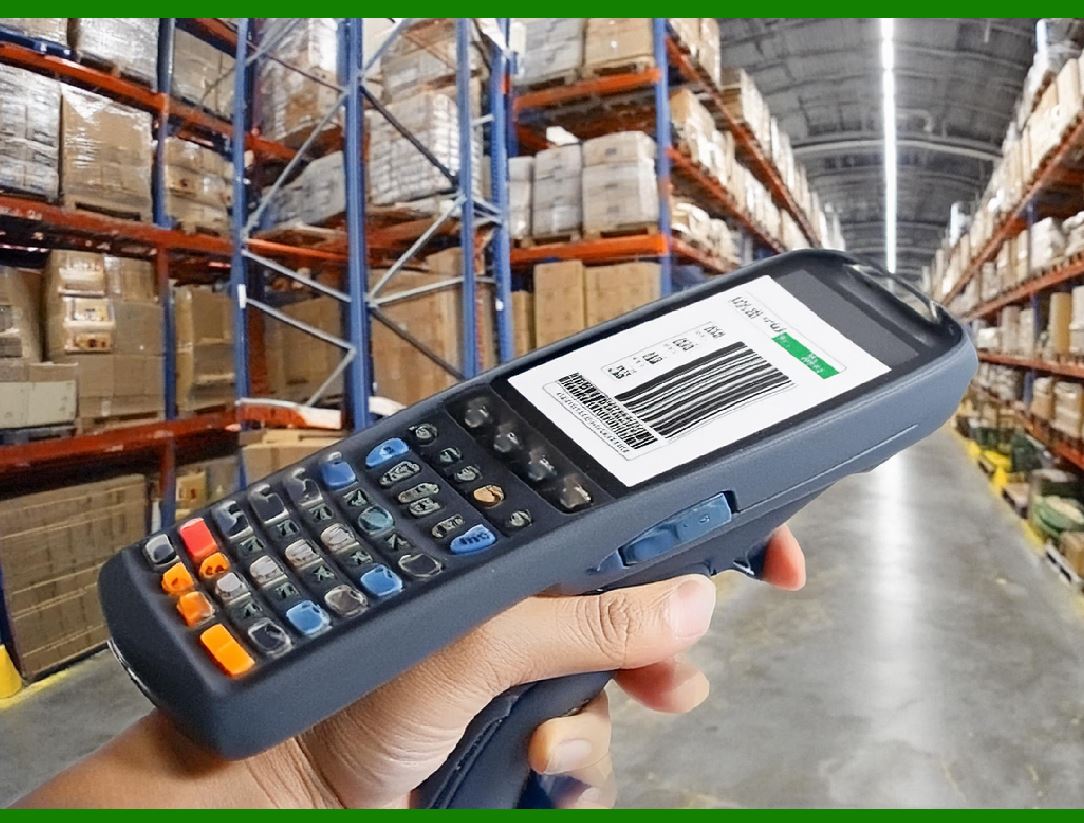
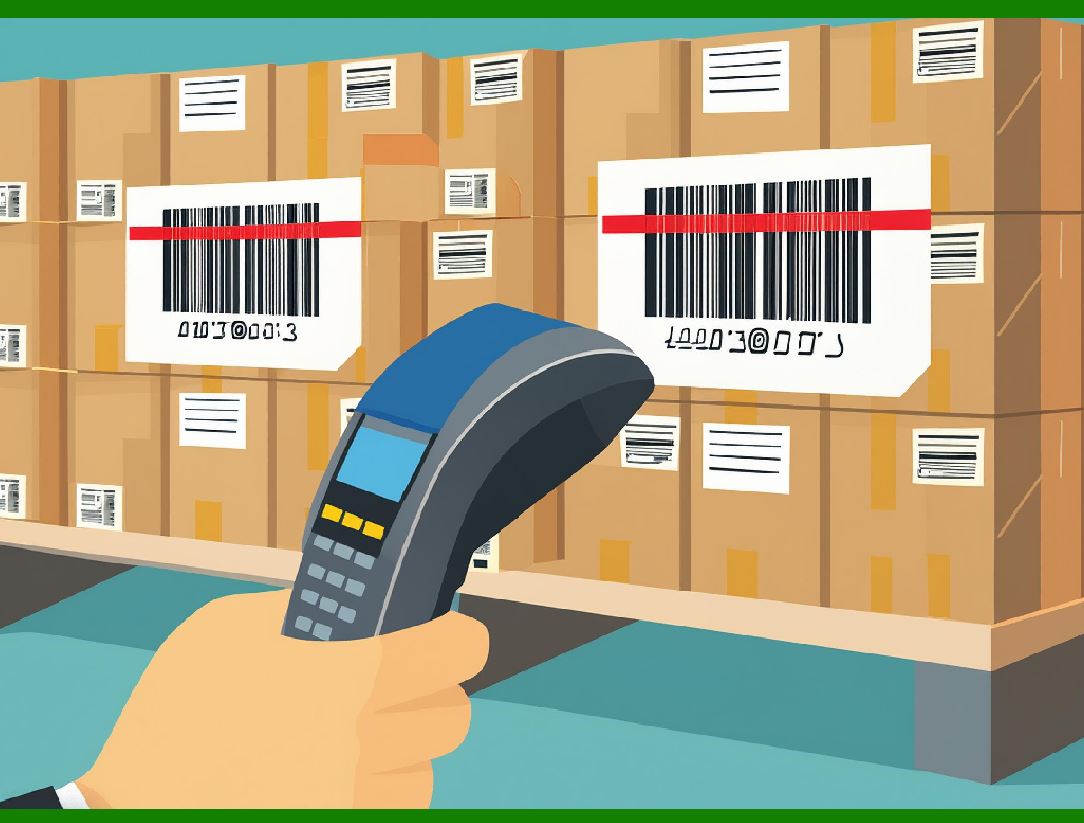
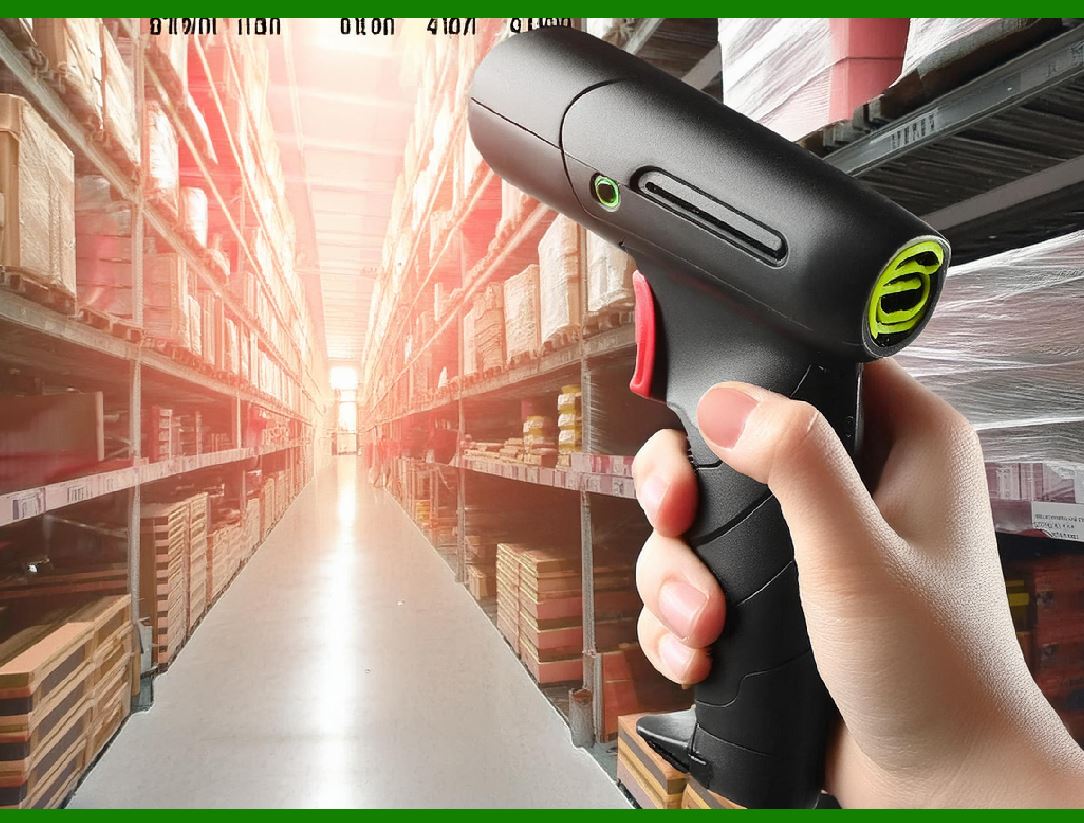
1.Scanner Activation: The barcode scanner is directed at the printed EAN-128 barcode. The scanner emits a light source (usually a laser or LED), which is reflected back by the bars and spaces on the barcode. |
2.Light Detection: The scanner's photodetector detects the reflected light, and the scanner converts this light into an electrical signal. This signal represents the pattern of bars and spaces in the barcode. |
3.Barcode Analysis: The scanner analyzes the width of the bars and spaces, which correspond to the encoded data in Code 128. It identifies the start character, followed by the data characters, checksum, and stop character. |
4.Interpretation of Application Identifiers (AIs): The scanner identifies the Application Identifiers (AIs), which help determine what type of data is encoded (e.g., product ID, batch number, expiration date). Each AI is mapped to a predefined data field in the scanning system. |
5.Checksum Verification: The scanner computes the checksum by applying the same algorithm used during the encoding process. It then compares the calculated checksum to the checksum value encoded in the barcode. If the checksums match, the data is considered valid. If they don't match, an error is flagged, and the system may request a re-scan. |
6.Data Output: After decoding the barcode, the scanner sends the decoded data to the connected system (e.g., point-of-sale system, inventory management system, or warehouse management system). The data is then processed according to the application's needs, such as tracking products, updating inventory, or processing transactions. |
|
4.3 Error Detection and Correction Techniques |
While EAN-128 barcodes are robust, they are not immune to errors. In order to minimize errors, several techniques are implemented during both the encoding and decoding processes. |
1.Checksum Validation: As mentioned earlier, the checksum digit at the end of the barcode is used to verify the integrity of the data. This simple error-detection mechanism ensures that minor scanning errors are caught before the data is processed. |
2.Redundant Data Encoding: In some cases, especially in high-security applications such as pharmaceuticals, the same data may be encoded multiple times within the barcode. This redundancy increases the likelihood that even if part of the barcode is damaged or unreadable, the remaining data can still be decoded. |
3.Error Recovery in Scanning: Many modern barcode scanners feature error recovery techniques, such as the ability to re-scan a partially damaged or corrupted barcode. The scanner might attempt to read the barcode from multiple angles or focus on different parts of the barcode to improve reading accuracy. |
4.Barcode Symbology Robustness: Code 128, the underlying symbology for EAN-128, is known for its high-density design and resilience to distortion. Even if the barcode is slightly smeared, stretched, or printed with some minor imperfections, it is still likely to be readable by most scanners. |
5.Quality Control During Printing: To minimize errors, businesses must ensure that their barcode printing processes are of high quality. Poor printing (e.g., ink smudging, low contrast, or wrong resolution) can lead to poor scan rates and increase the likelihood of errors. Barcode verification tools are used to check the print quality and ensure compliance with industry standards. |

|
5. Applications and Use Cases |
The EAN-128 barcode is widely used across various industries due to its flexibility in encoding structured and critical data. Its primary advantage is the ability to encode multiple types of information within a single barcode, making it ideal for tracking, identification, and documentation purposes. Below, we'll explore several key applications where EAN-128 barcodes play an essential role. |
5.1 Use in Retail and Logistics |
In retail and logistics, EAN-128 barcodes are used extensively for product identification, inventory management, and shipment tracking. These barcodes provide a structured way to represent detailed information, which helps businesses efficiently manage their operations. |
Product Identification: EAN-128 is often used for encoding Global Trade Item Numbers (GTINs), which are critical for identifying individual products in the supply chain. The barcode helps with product identification during shipping, receiving, and at the point of sale (POS). |
Inventory Management: With EAN-128, warehouses and retail outlets can keep accurate records of stock levels. By scanning the barcode, businesses can automatically update inventory levels in real-time, ensuring that stockouts or overstock situations are minimized. |
Shipping and Tracking: EAN-128 barcodes are commonly used on shipping labels to track shipments. They encode details such as shipment numbers, lot numbers, and delivery dates, making it easier to trace the movement of goods as they travel through the supply chain. In logistics, it is critical for tracking products at different stages, whether in transit or at warehouses. |
5.2 Pharmaceutical Industry Applications |
The pharmaceutical industry has strict requirements for tracking and tracing drugs, medical devices, and healthcare products. EAN-128 barcodes are essential in meeting regulatory compliance and ensuring patient safety. |
Tracking Drug Products: Pharmaceuticals are required to encode detailed information such as lot numbers, expiration dates, and serial numbers on their packaging. EAN-128 barcodes allow for the encoding of this critical data in a compact format, facilitating easy identification and verification of drug products. |
Serialization and Traceability: Serialization refers to the process of assigning unique serial numbers to individual pharmaceutical units. EAN-128 is used to encode serial numbers in a way that makes it possible to track every individual unit of medication throughout the supply chain. This helps prevent counterfeiting, ensures the authenticity of products, and supports regulatory compliance (e.g., Falsified Medicines Directive in Europe and Drug Supply Chain Security Act (DSCSA) in the U.S.). |
Expedited Recall Management: When a recall occurs, it's essential to trace affected batches quickly. EAN-128 barcodes, with their ability to encode lot numbers and expiration dates, help pharmaceutical companies quickly identify and remove potentially harmful products from the market. |
5.3 Supply Chain and Inventory Management |
In modern supply chains, data accuracy is essential for operational efficiency. EAN-128 barcodes help automate various processes in inventory control, warehouse management, and order fulfillment. |
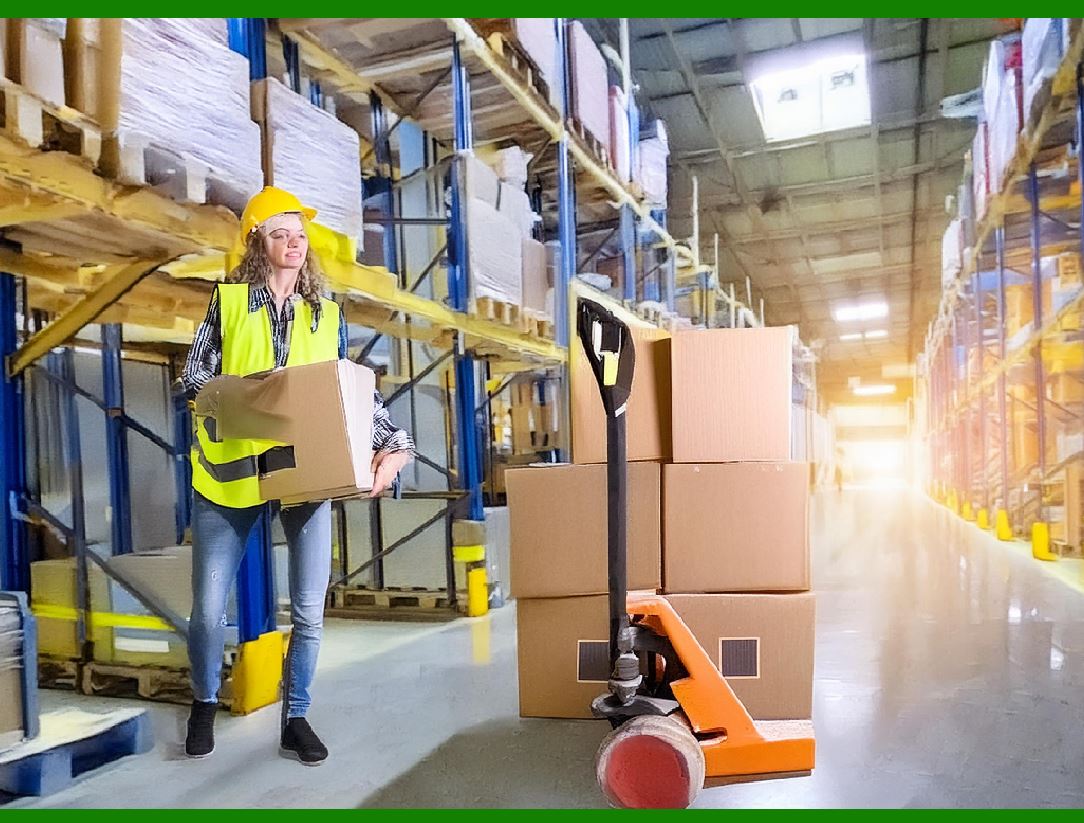
Efficient Stocking and Replenishment: In a warehouse environment, EAN-128 barcodes provide an easy way to monitor stock levels. As products are received, moved, or shipped, barcodes are scanned, allowing the system to update inventory levels automatically and trigger reorder alerts when stocks are running low. |
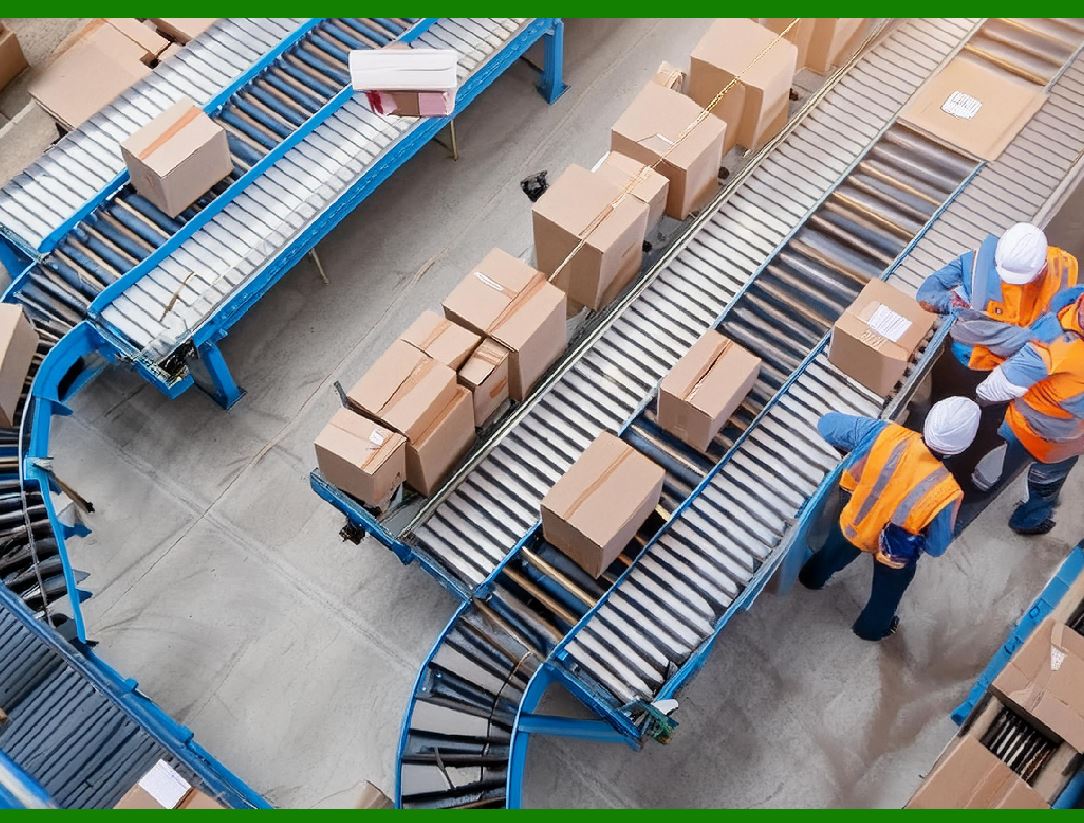
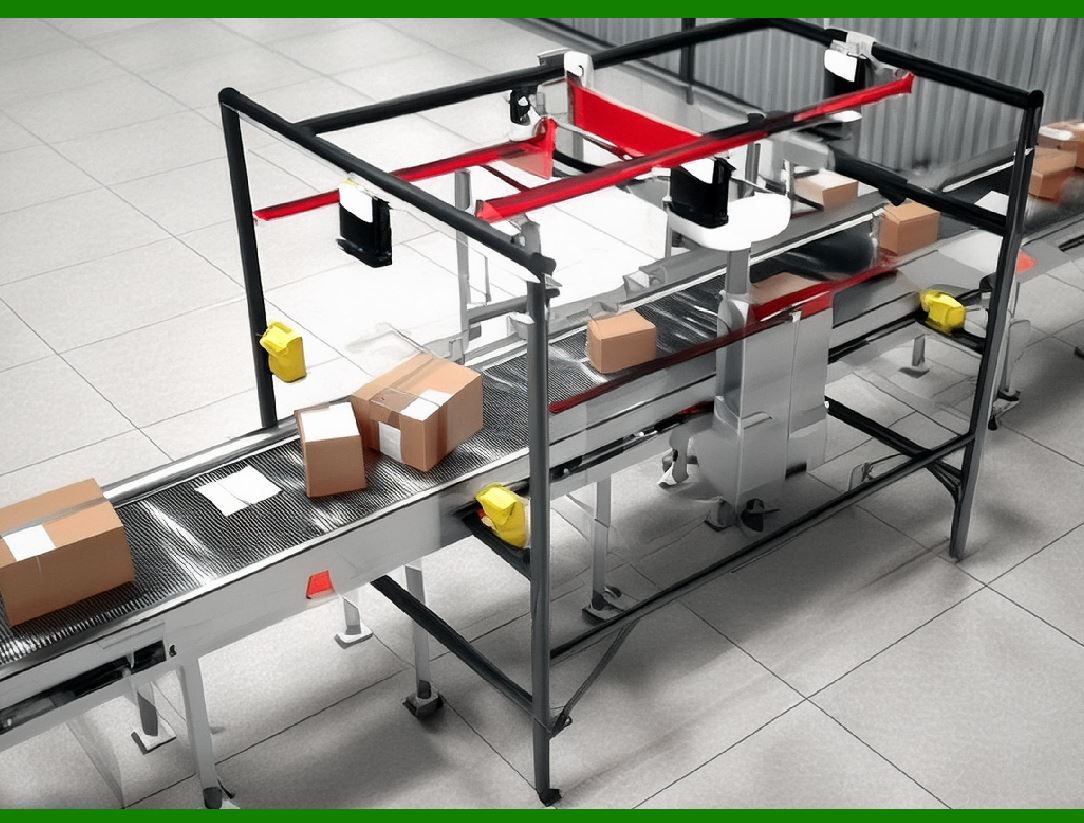
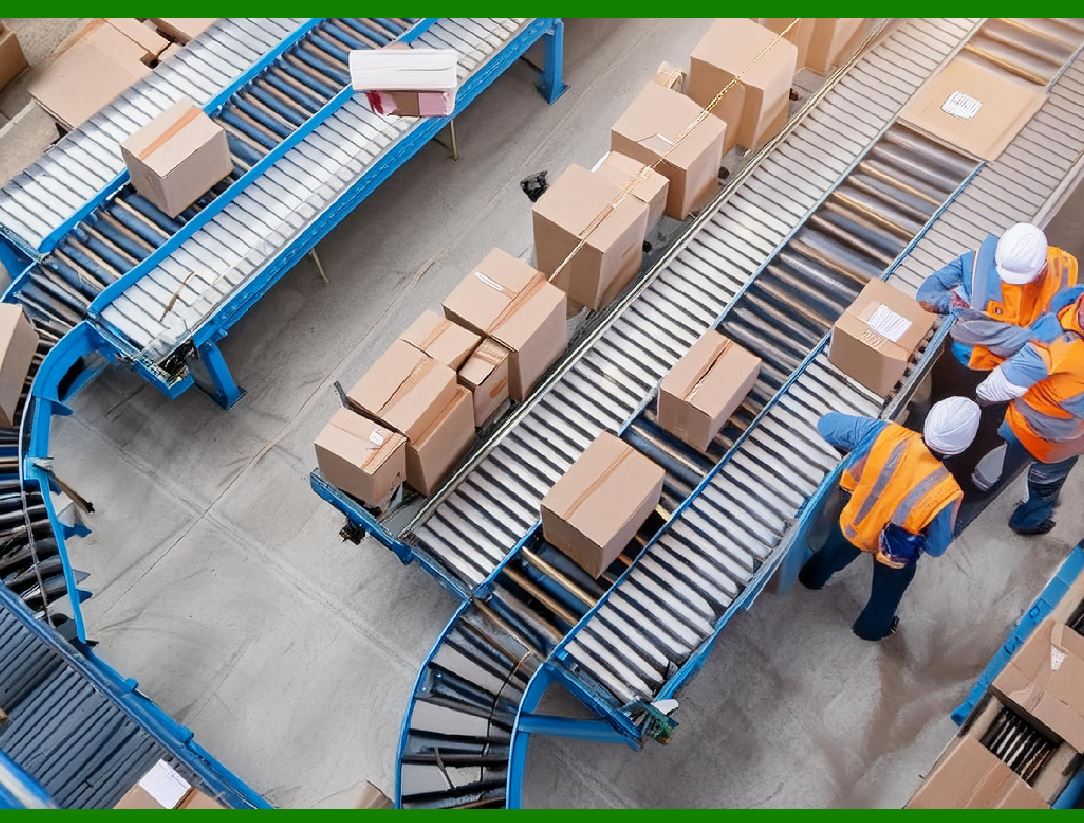
Automated Material Handling: EAN-128 barcodes can be used with automated guided vehicles (AGVs) and conveyor systems in warehouses. These systems use the barcode data to identify and move products without human intervention, significantly improving efficiency and reducing human error. |
Cross-Docking: In cross-docking operations, products are directly transferred from incoming shipments to outbound vehicles, bypassing the need for storage. EAN-128 barcodes are scanned to ensure that the right products are loaded onto the right vehicles, facilitating quick and accurate distribution. |
5.4 Integration with Other Barcode Types |
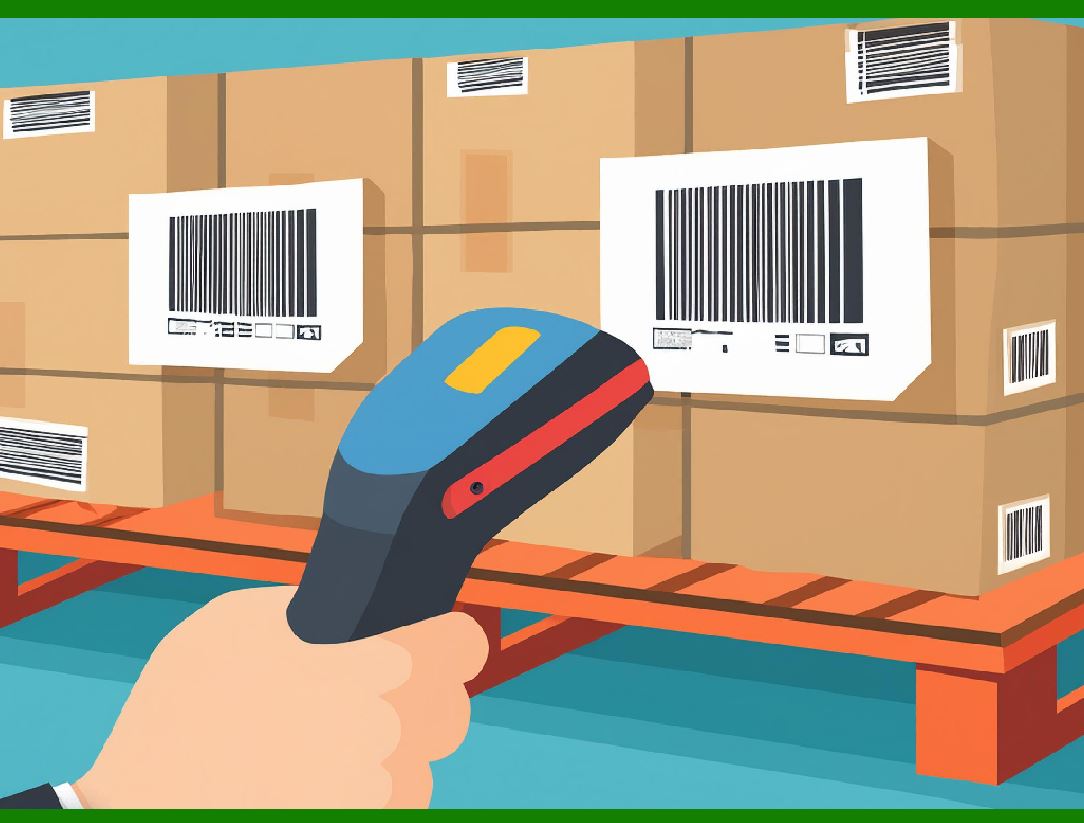
The EAN-128 barcode is often used in conjunction with other types of barcodes, particularly in systems where multiple forms of data need to be tracked and identified. For instance, in some environments, UPC barcodes (for retail products) might be used alongside EAN-128 barcodes (for logistics and additional product information) to provide a comprehensive tracking solution. |
EAN-13 and UPC-A: These barcodes are used for simple product identification (GTIN), while EAN-128 can encode more complex data such as expiration dates, lot numbers, and other regulatory information. In some cases, the same item might have both a standard retail barcode and an EAN-128 barcode on its packaging, serving different functions. |
QR Codes: Although EAN-128 is a linear barcode, it can also be used in systems alongside QR codes or Data Matrix codes to create a multi-layered approach for tracking products or shipments. While EAN-128 barcodes are used for structured, machine-readable data, QR codes or Data Matrix codes may be used to store additional or consumer-facing information (such as URLs or promotional content). |
|
6. Other Use Cases for EAN-128 Barcodes |
6.1 Manufacturing and Industrial Applications |
In manufacturing, EAN-128 barcodes are used to track parts, raw materials, and finished products throughout the production process. |
Work-in-Progress (WIP) Tracking: During manufacturing, EAN-128 barcodes can be placed on components or parts that are in the assembly line. As they move through different stages of production, they are scanned, and their status is updated, ensuring that the right parts are used at the right time. |
Quality Control: Manufacturers can use EAN-128 barcodes to ensure that products meet quality standards. For example, a barcode could encode information about the product's test results or quality checks performed at each stage of the manufacturing process. |
6.2 Automotive Industry |
In the automotive industry, EAN-128 barcodes are used for parts and inventory management, similar to other industries. Specific applications include: |
Parts Identification and Tracking: EAN-128 barcodes can be applied to automotive components, providing information on the part number, serial number, and supplier. This helps streamline the repair and replacement process, especially for parts that require serialization. |
Supply Chain Management: The automotive industry relies heavily on Just-in-Time (JIT) manufacturing principles. EAN-128 barcodes ensure that the right parts are delivered to the right production lines at the right time, improving production efficiency and reducing waste. |
|
7. Benefits of Using EAN-128 Barcodes |
The use of EAN-128 barcodes offers several key benefits, especially in industries where data accuracy, traceability, and efficiency are paramount. |
Improved Data Accuracy: EAN-128 provides a standardized format for encoding structured data, reducing human errors in data entry. |
Enhanced Traceability: With its ability to encode multiple data points such as batch numbers, serial numbers, and expiration dates, EAN-128 barcodes provide traceability across the supply chain, especially important in regulated industries like pharmaceuticals and food. |
Regulatory Compliance: EAN-128 barcodes help businesses comply with regulatory requirements by providing a reliable way to track and trace products. In the pharmaceutical industry, for example, serialization and lot tracking are critical for meeting government regulations. |
Increased Efficiency: By automating data capture, EAN-128 barcodes reduce the need for manual data entry, speeding up processes such as stock management, order fulfillment, and shipping. |
|
6. Comparison with Other Barcode Types |
While the EAN-128 barcode is a powerful tool in various industries, it's important to compare it with other barcode types to understand its unique advantages and limitations. Barcodes are categorized into 1D (linear) and 2D (matrix) types, and each has its strengths depending on the use case. In this section, we will compare EAN-128 with some of the most common barcode types, including UPC, QR Codes, Code 128, and DataMatrix. |
6.1 EAN-128 vs UPC (Universal Product Code) |
The UPC barcode, specifically UPC-A, is one of the most common barcode formats used globally, particularly in retail environments. It is used to identify products at the point of sale. Here's how it compares with EAN-128: |
Structure: UPC-A is a fixed-length, 12-digit barcode that encodes a limited amount of information (usually just the product identifier). It does not support complex data types like expiration dates, lot numbers, or batch codes. In contrast, EAN-128 is a variable-length barcode capable of encoding structured data using Application Identifiers (AIs). |
Use Cases: UPC is primarily used in retail for product identification, while EAN-128 is used for a wide range of applications, including logistics, pharmaceutical tracking, and product traceability, where additional information like lot numbers and expiry dates is required. |
Data Capacity: EAN-128 can hold more diverse data due to its flexible encoding system, whereas UPC can only encode basic product information like a GTIN (Global Trade Item Number). EAN-128 allows encoding of alphanumeric data, unlike UPC, which is limited to numerical data. |
Compliance: EAN-128 is more suitable for industries with stringent regulatory requirements (e.g., pharmaceuticals), where precise data and traceability are essential, while UPC is more common in retail for item-level product identification. |
|
6.2 EAN-128 vs Code 128 |
Code 128 is a high-density linear barcode symbology that can encode alphanumeric data and supports all 128 ASCII characters. EAN-128 is essentially a subset of Code 128, with specific rules governing the use of Application Identifiers (AIs) to encode additional data elements. Here's how they compare: |
Encoding Flexibility: Code 128 supports encoding of alphanumeric data, including special characters. It is highly flexible and can encode a wide variety of information, including special symbols. EAN-128 follows the Code 128 standard but adds structure through the use of AIs, which means that EAN-128 barcodes are typically more structured and focused on encoding specific data types. |
Application: Code 128 is widely used in general-purpose applications like product tracking, inventory management, and shipping labels. On the other hand, EAN-128 is more often used in specialized applications, such as pharmaceutical serialization, logistics, and food safety, where the barcode needs to encode specific data like batch numbers, expiration dates, and GTINs. |
Size and Density: Both Code 128 and EAN-128 can encode a large amount of data within a compact space, but EAN-128 can sometimes appear denser because it may include additional data elements, especially if multiple AIs are used. |
Checksum: Both Code 128 and EAN-128 require a checksum for error detection, but EAN-128 includes additional error checking via its Application Identifiers that provide better context for data validation in highly regulated industries. |
|
6.3 EAN-128 vs QR Code |
QR Codes are a type of 2D barcode, which contrasts with EAN-128's linear (1D) format. QR Codes can store more information and are designed for mobile scanning. Here's a comparison between the two: |
Data Capacity: QR Codes can store significantly more data than EAN-128. A QR Code can hold up to 7,000 numeric characters or 4,000 alphanumeric characters, while EAN-128 is more constrained in data capacity, typically encoding up to 48 characters. This makes QR Codes ideal for storing URLs, digital content, or other large datasets that need to be easily accessed via smartphones. |
Data Structure: EAN-128 is designed for structured data encoding, such as product information, batch numbers, and expiration dates, using Application Identifiers (AIs). QR Codes are often used for unstructured data, like web addresses, contact information, or event details. |
Scanning Technology: QR Codes are read by mobile phone cameras and specialized QR scanners, while EAN-128 barcodes are typically read by dedicated barcode scanners. The QR Code scanning process is often simpler, as it can be scanned from any orientation, while EAN-128 needs to be oriented correctly for optimal reading. |
Printing and Placement: EAN-128 is often used on product labels, shipping cartons, and containers where accuracy and regulatory compliance are critical. It is printed in linear format and is easily scanned by barcode readers. QR Codes, being 2D, are more flexible and can be printed on various surfaces, including posters, tickets, and even digital displays. |
Durability: QR Codes are more durable in terms of data retrieval if damaged, thanks to their error-correction capabilities. EAN-128 can still be read if slightly damaged, but it may require higher-quality printing standards to ensure reliable scanning. |
6.4 EAN-128 vs DataMatrix |
DataMatrix is a 2D barcode often used in applications that require high-density data storage, such as micro-labeling, medical device packaging, and aerospace. While EAN-128 is a 1D linear barcode, DataMatrix has distinct advantages for certain use cases: |
Data Capacity: DataMatrix can store much more data than EAN-128, with a capacity of up to 2,335 alphanumeric characters. This makes it ideal for applications where a large amount of information needs to be stored in a small space, such as tracking small items in high-precision industries like aerospace or electronics. |
Size: DataMatrix barcodes can be printed in a very small size while still maintaining readability. This is useful in industries where the size of the label is limited. EAN-128, being a linear barcode, requires more space to encode the same amount of data, which could be a limitation in compact applications. |
Use Cases: DataMatrix is often used in high-precision applications, such as medical device labeling, electronics, and aerospace. EAN-128 is more commonly used in logistics, retail, and pharmaceuticals. |
Scanning: DataMatrix is read using a 2D scanner, which can capture the barcode from any orientation, making it more flexible in scanning. EAN-128, on the other hand, requires correct alignment for scanning, though modern scanners often include auto-detection capabilities. |
Error Correction: DataMatrix offers higher error correction (up to 30%) than EAN-128. This makes DataMatrix a better choice for environments where the barcode might be subject to wear and tear, such as asset management in harsh conditions. |

|
7. Conclusion |
The EAN-128 barcode is a versatile and robust barcode format widely used for encoding structured data in industries such as retail, pharmaceuticals, logistics, and automotive. While it excels in applications requiring structured, regulatory-compliant data encoding, it is most often used alongside or in comparison with other barcode formats like UPC, Code 128, and QR Codes. |
Choosing the appropriate barcode format depends on the specific requirements of the application, such as the amount of data to be encoded, scanning environment, and industry regulations. EAN-128 is the preferred choice when structured data and regulatory compliance are needed, while other formats like QR Codes and DataMatrix offer greater flexibility and capacity for unstructured or dense data. |
|
7. Future Trends and Innovations in Barcode Technology |
Barcode technology continues to evolve to meet the increasing demands of industries for greater efficiency, accuracy, and versatility. As businesses strive for automation and data integration across their operations, the future of barcode technology holds several exciting developments. In this section, we will explore the future trends and innovations that are shaping the barcode industry, including the integration of new technologies, advancements in error correction, and the growing role of mobile devices in barcode scanning. |
7.1 Integration with IoT (Internet of Things) |
The Internet of Things (IoT) refers to the network of devices that communicate and share data over the internet. Barcodes, including EAN-128, are playing a crucial role in enabling IoT systems by providing a way to uniquely identify and track items within the system. The future of barcode technology will likely see more integration with IoT to provide real-time data tracking and automated decision-making. |
Real-time Tracking and Monitoring: With IoT integration, barcodes will be able to provide real-time data on products as they move through the supply chain. EAN-128 barcodes, when scanned, could trigger automatic updates on inventory levels, shipment status, and even product condition (e.g., temperature-sensitive products in pharmaceuticals or food). |
Connected Supply Chains: Barcodes, when linked to IoT sensors, will allow for a fully connected supply chain, where each item is continuously monitored. For instance, an EAN-128 barcode on a pharmaceutical product might not only provide batch and expiration data but also transmit real-time location and temperature data, ensuring compliance with Good Distribution Practices (GDP). |
Predictive Maintenance: In industries like manufacturing or logistics, barcodes attached to machinery or vehicles could integrate with IoT systems to monitor the condition of equipment and predict when maintenance is needed. This predictive maintenance can improve efficiency and reduce downtime. |
|
7.2 Enhanced Error Correction and Data Recovery |
As barcode technology evolves, there will be significant improvements in error correction and data recovery capabilities, allowing barcodes to remain readable even in harsh conditions or when damaged. While current technologies like DataMatrix and QR codes already offer robust error correction, future innovations could see even higher levels of error tolerance across both 1D and 2D barcodes, including EAN-128. |
Advanced Algorithms for Data Recovery: Future barcode standards may incorporate more sophisticated algorithms to enable the recovery of lost data from damaged or partially obscured barcodes. This could include image enhancement technologies or machine learning models that can intelligently interpret damaged barcode patterns. |
Self-Healing Barcodes: One exciting possibility is the development of self-healing barcodes that adapt to environmental conditions. These barcodes could automatically adjust their visual encoding (e.g., size, density, or contrast) in response to factors like lighting, humidity, or print quality, ensuring consistent readability across a wide range of scenarios. |
Enhanced Error Detection for EAN-128: For EAN-128 specifically, future innovations could enhance its checksum or even incorporate multiple error-checking layers to improve reliability in industries with stringent compliance requirements, such as pharmaceuticals and food safety. |
|
7.3 Barcode Authentication and Security |
Security will continue to be a major focus in the evolution of barcode technology. With the growing concern over counterfeit products, particularly in industries like pharmaceuticals, luxury goods, and electronics, future barcode technologies will likely include enhanced security features to prevent tampering, duplication, or fraud. |
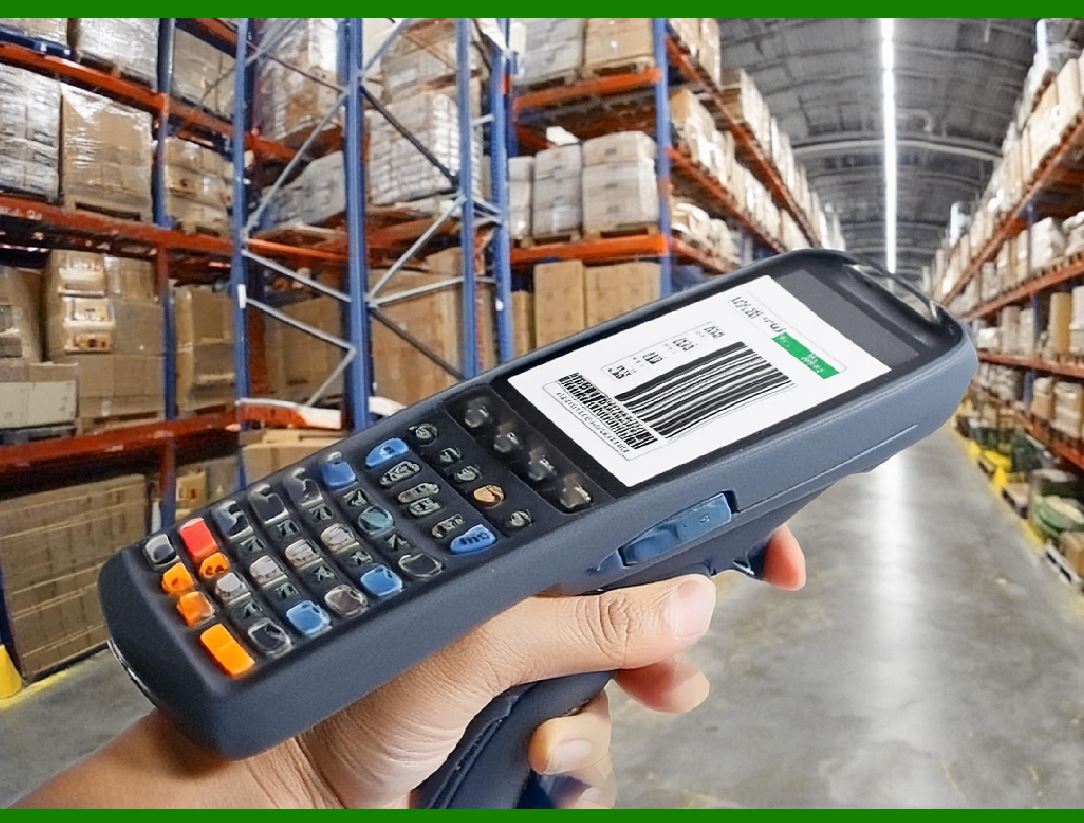
Digital Watermarks and Anti-Counterfeiting Features: Future EAN-128 barcodes could integrate digital watermarks or other invisible security features that make it difficult for counterfeiters to replicate. These features would be detectable only by specialized scanners or mobile devices, providing an added layer of authentication. |
Blockchain Integration: As blockchain technology continues to gain traction, barcodes might be used to link physical products with their digital counterparts on the blockchain. EAN-128 barcodes could contain data that directly ties a product to a blockchain record, ensuring that the product's provenance, authenticity, and transaction history can be traced and verified at every step of the supply chain. |
Smart Barcodes with Encrypted Data: Future barcodes may support encrypted data, allowing for secure transmission of information between barcodes and scanning devices. This could be particularly important for confidential data or when sensitive product information (e.g., pricing or proprietary data) is involved. |
|
7.4 Role of Mobile Devices and Wearables in Barcode Scanning |
The rapid adoption of mobile devices (smartphones, tablets) and wearable technology (smartwatches, smart glasses) will play a significant role in the future of barcode scanning. Mobile devices already have the ability to scan barcodes using built-in cameras, and future developments will make barcode scanning even more ubiquitous and convenient. |
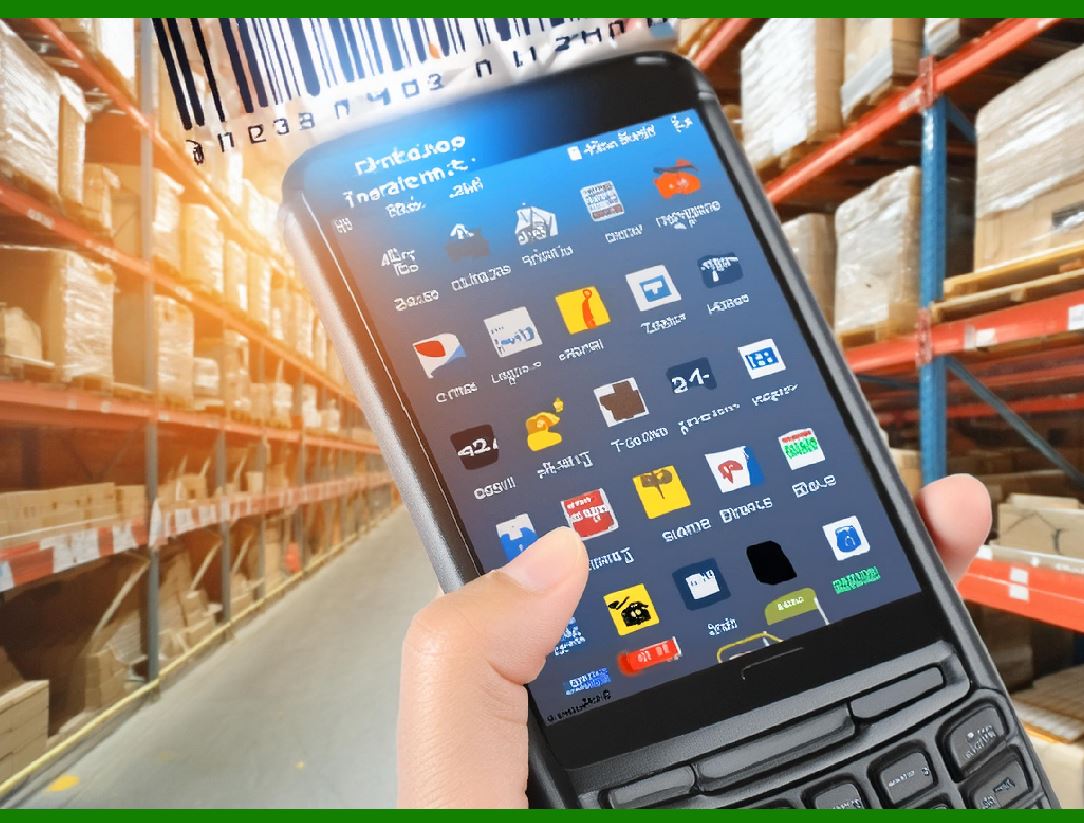
Mobile Apps and Cloud Integration: Future mobile apps will offer even more advanced features for barcode scanning, such as real-time data syncing with cloud-based inventory management systems. EAN-128 barcodes scanned using mobile apps will automatically update databases, trigger workflows, and even integrate with other systems (e.g., CRM or ERP software) to streamline operations. |
Wearable Devices for Hands-Free Scanning: Wearable devices, such as smart glasses or smartwatches, could enable hands-free barcode scanning in environments where workers need to be mobile, such as in warehouses or hospitals. By simply looking at an item or using voice commands, a worker could scan an EAN-128 barcode, improving both speed and efficiency. |
Augmented Reality (AR): As AR technology advances, barcode scanners might integrate with AR to provide real-time visual data overlays. When a user scans an EAN-128 barcode, the AR system could display relevant information in real-time, such as product details, inventory levels, or shipment status, directly on the user's screen or through smart glasses. |
|
7.5 Barcode Evolution and 2D Symbologies |
The continued development of 2D barcode technologies, such as QR codes, DataMatrix, and Aztec codes, is expected to influence the future of EAN-128 and other 1D symbologies. While 1D barcodes are still widely used, the demand for higher data capacity and more versatile encoding is likely to increase. |
Hybrid Barcodes: In the future, we may see hybrid barcode systems that combine 1D and 2D technologies in a single barcode. For example, EAN-128 could be paired with a QR code or DataMatrix code to allow for seamless data encoding and to take advantage of both technologies' strengths. |
Unified Barcode Systems: As businesses move towards more integrated data systems, the boundaries between 1D and 2D barcodes may blur. Future barcode systems may support a unified format that allows both types of codes to be scanned using the same devices, providing a seamless experience across all types of applications. |

|
7.6 Environmental and Sustainability Considerations |
As industries focus more on sustainability, barcode technology will also evolve to meet environmental goals. This may include innovations in materials and printing technologies that reduce environmental impact. |
Eco-friendly Printing Materials: Future EAN-128 barcodes may be printed on biodegradable or recyclable materials, reducing the environmental footprint of barcode labels. Advances in ink technology will allow for more sustainable printing methods, such as water-based or soy-based inks, which are more environmentally friendly than traditional ink. |
Energy-Efficient Scanning: As barcode scanning technology improves, there may be advancements in low-energy barcode readers that are more efficient and require fewer resources to operate, particularly in mobile and IoT applications. |
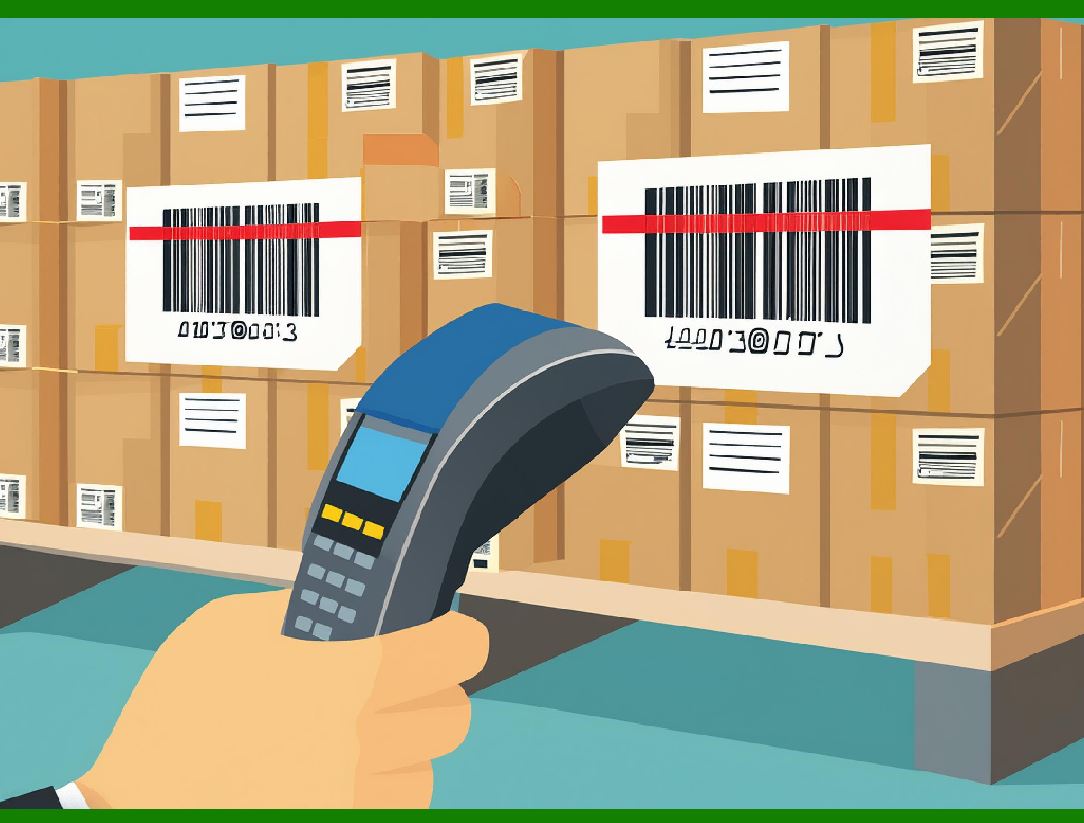
Digital Barcodes: The rise of digital labels or digital barcodes could eliminate the need for physical labels altogether, leading to a reduction in packaging waste. For instance, smart labels could replace traditional barcodes, allowing for dynamic data changes without printing new labels. |
|
8. Conclusion |
The future of barcode technology, including EAN-128, is set to be shaped by a variety of exciting developments. From the integration of IoT and blockchain to the use of wearable devices and mobile apps, the barcode ecosystem will continue to grow more sophisticated and interconnected. Enhanced error correction, security features, and sustainability innovations will further drive the adoption and versatility of barcodes across industries. |
As EAN-128 and other barcode formats evolve, they will continue to provide essential tools for data capture, supply chain management, and regulatory compliance, ensuring that businesses stay competitive in an increasingly complex and fast-paced world. |
 cs@easiersoft.com