1. Introduction |
1.1 Definition of EAN-14 |
1.2 Importance in Global Supply Chains |
1.3 Relationship with Other Barcodes (EAN-13, GTIN-13, etc.) |
1.4 Overview of GTIN (Global Trade Item Number) |
2. Technical Specifications |
2.1 Barcode Structure of EAN-14 |
2.2 Size and Dimensions |
2.3 Data Encoding |
2.4 Error Correction Mechanisms |
2.5 Check Digit Calculation and Validation |
2.6 Format and Field Details |
2.7 Representation in 2D vs. 1D |
|
3. Comparison with Other Barcodes |
3.1 EAN-14 vs. EAN-13 |
3.2 GTIN-14 vs. UPC-A |
3.3 EAN-14 in the Context of Global Trade |
4. EAN-14 in Retail and Logistics |
4.1 Use in Pallet and Case Labeling |
4.2 Importance for Manufacturers and Distributors |
4.3 Role in Supply Chain Visibility |
4.4 Integration with Inventory Management Systems |
4.5 Efficiency and Automation in Logistics |
|
5. Applications of EAN-14 |
5.1 Consumer Goods |
5.2 Pharmaceuticals |
5.3 Electronics and Durables |
5.4 Packaging and Shipping |
5.5 Global and Local Retail Markets |
6. Printing and Scanning Technologies |
6.1 Printing Methods for EAN-14 |
6.2 Barcode Quality and Readability |
6.3 Scanner Types and Their Role |
6.4 Environmental Conditions and Impact on Scanning |
6.5 Use of EAN-14 in Automated Systems |
|
7. Benefits of EAN-14 (GTIN-14) |
7.1 Increased Efficiency in Distribution |
7.2 Reduced Errors in Inventory Management |
7.3 Enhanced Consumer Experience |
7.4 Compatibility with Other Systems (e.g., RFID) |
7.5 Reduced Risk of Counterfeiting |
8. Future of EAN-14 and Barcode Technology |
8.1 Trends in Barcode and GTIN Evolution |
8.2 Integration with IoT and Smart Devices |
8.3 Shift Towards 2D Barcodes and Their Impact |
8.4 Sustainability and Eco-Friendly Alternatives |
8.5 Potential Regulatory Changes in Barcode Standards |

|
9. EAN-14 in the Context of Industry Standards |
9.1 GS1 Standards and Global Compliance |
9.2 Role of GS1 in Promoting EAN-14 |
9.3 International Adoption and Variations |
9.4 Compliance with Local Laws and Regulations |
10. Case Studies and Real-World Applications |
10.1 Case Study 1: EAN-14 in Grocery and Food Retail |
10.2 Case Study 2: EAN-14 in Electronics Manufacturing |
10.3 Case Study 3: EAN-14 in Pharmaceutical Distribution |
10.4 Lessons Learned and Best Practices |
|
11. Challenges in Using EAN-14 |
11.1 Complexity in Setup and Adoption |
11.2 Technical Barriers and Costs |
11.3 Challenges with Barcode Printing and Scanning |
11.4 Addressing Issues in Supply Chain Integration |
12. Conclusion |
12.1 Summary of EAN-14 Technology |
12.2 The Future of GTIN and EAN-14 in Global Commerce |
12.3 Importance of EAN-14 in Enhancing Global Trade Efficiency |

|
1. Introduction |
1.1 Definition of EAN-14 |
The EAN-14, also known as GTIN-14, is a 14-digit barcode used globally for identifying products and trade items. It is part of the Global Trade Item Number (GTIN) family, which is managed and regulated by GS1, a non-profit organization that develops and maintains global standards for business communication. |
GTIN-14 represents the highest level of packaging in the retail supply chain. Typically, it is used to identify cases, pallets, or bulk packaging, and it is different from the EAN-13 and GTIN-13 barcodes, which are used to identify individual items. |
1.2 Importance in Global Supply Chains |
The EAN-14 plays a crucial role in the flow of goods across international supply chains. It helps track and trace trade items at various packaging levels, such as cartons or pallets, enabling businesses to maintain accurate inventory levels and efficiently manage product distribution. This barcode ensures that goods are correctly identified, reducing errors in handling, and increasing operational efficiency. |
It is used in warehouses, shipping, logistics centers, and retail locations, enabling real-time monitoring of products as they move from one location to another, helping to streamline global supply chain operations. |
1.3 Relationship with Other Barcodes (EAN-13, GTIN-13, etc.) |
While EAN-13 (or GTIN-13) is used for individual product identifiers, the EAN-14 (GTIN-14) is primarily used for higher packaging levels like boxes, cartons, and pallets. The GTIN-13 is more commonly seen in consumer-facing products, such as packaged food or retail products, whereas EAN-14 is used for bulk shipping and larger packaging that groups several individual products together. |
The GTIN-14 barcode is an extension of the GTIN-13 standard and utilizes the same structure with one additional digit. This extra digit (the indicator digit) is used to represent packaging variations. The GTIN-14 can be derived from a GTIN-13 barcode by adding a leading '0' to the 13-digit GTIN, turning it into a 14-digit identifier. |
1.4 Overview of GTIN (Global Trade Item Number) |
GTINs are used to uniquely identify trade items, which include products and services that are bought, sold, or traded in the supply chain. The GTIN system allows businesses to identify trade items across industries, facilitating the efficient movement of goods. |
There are several versions of the GTIN: |
GTIN-8: 8-digit barcode for small items. |
GTIN-12 (UPC): 12-digit barcode primarily used in the USA. |
GTIN-13 (EAN-13): 13-digit barcode used globally. |
GTIN-14 (EAN-14): 14-digit barcode used for higher packaging levels. |
In summary, the GTIN-14 barcode is a key component of modern supply chain technology and plays a vital role in ensuring products are correctly identified and tracked from manufacturing to retail distribution. |

|
2. Technical Specifications |
This section provides an in-depth exploration of the technical aspects of the EAN-14 (GTIN-14) barcode, focusing on its structure, size, dimensions, data encoding, error correction mechanisms, and the check digit calculation. |
2.1 Barcode Structure of EAN-14 |
The EAN-14 barcode is composed of 14 digits, where each digit represents a specific part of the product identification and packaging. The structure of the EAN-14 is as follows: |
Indicator Digit (1 digit): This is the first digit in the barcode and signifies the packaging level of the product. It differentiates between various packaging configurations, such as cases, cartons, and pallets. The indicator digit is used to allow for a consistent representation of trade items at different packaging levels. |
GTIN-13 (13 digits): The next 13 digits represent the actual product or item number that corresponds to the Global Trade Item Number (GTIN). The GTIN-13 is the same as the EAN-13 used to represent individual retail items, but in the context of the EAN-14, it refers to the parent item or the base product being packaged. |
The combination of the indicator digit and the GTIN-13 creates a unique identification code that is used throughout the supply chain to track and identify goods at various stages of distribution. |
2.2 Size and Dimensions |
The size of an EAN-14 barcode can vary depending on the printing method and the space available on the packaging. However, there are standard dimensions and specifications for the barcode to ensure readability across scanners. These dimensions are set by the GS1, the global organization responsible for barcode standards. |
Minimum width: The minimum width of an EAN-14 barcode is 25.93 mm. This ensures that the barcode can be scanned properly by optical readers, ensuring accuracy in identification. |
Height: The height of the barcode should be at least 19.1 mm to ensure that it is large enough for scanners to read. |
Modules: The smallest unit of measurement in the EAN-14 is the module, which represents a single dot. The width of each module is typically 0.264 mm. This ensures the barcode is precise and can be scanned without errors. |
Quiet Zone: At both ends of the barcode, a 'quiet zone' is required to avoid interference with surrounding graphics or text. This quiet zone should be at least 10 times the width of the module. |
2.3 Data Encoding |
Data encoding in the EAN-14 barcode follows the Code 128 symbology, a high-density barcode standard widely used for encoding alphanumeric data. The Code 128 symbology provides a way to encode the 14 digits of the EAN-14 into a series of bars and spaces that can be easily read by barcode scanners. |
Character Set: Code 128 supports a full range of ASCII characters, including digits, uppercase and lowercase letters, and special characters. However, the EAN-14 barcode typically uses the numeric encoding scheme, which is more efficient for the 14-digit numeric structure of GTIN. |
Encoding Efficiency: Code 128 is a compact barcode system, meaning it can store a significant amount of data in a relatively small space. This is important for applications where the available space on packaging is limited. |
Barcode Representation: In EAN-14, each digit of the GTIN-13 and the indicator digit is represented as a series of bars and spaces, where each number is encoded into a specific pattern of wide and narrow bars. The use of wide and narrow bars ensures that scanners can differentiate between digits even at high speeds. |
2.4 Error Correction Mechanisms |
Error correction is crucial to ensure that a barcode remains readable despite physical damage or distortion during transit. However, unlike 2D barcodes, the EAN-14 does not include built-in error correction. This means that any damage to the barcode can potentially render it unreadable, so it is essential for the barcode to be printed with high quality. |
The lack of error correction in the EAN-14 barcode makes it vulnerable to certain types of damage, such as smudging, scratching, or distortion due to environmental conditions like temperature changes or moisture exposure. To mitigate these risks, companies should focus on quality control during the printing process, ensuring that barcodes are printed clearly and legibly. |
2.5 Check Digit Calculation and Validation |
One key feature of the EAN-14 barcode is the check digit. The check digit is the last digit of the barcode, and it is calculated using a mathematical formula to validate the integrity of the entire barcode. |
Here's a step-by-step breakdown of how the check digit is calculated for an EAN-14 barcode: |
1.Multiply each digit of the GTIN-13 by a weight factor, alternating between 1 and 3 for each digit, starting with the leftmost digit. |
2.Sum the products of these multiplications. |
3.Subtract the result from the next multiple of 10. The check digit is the difference between the sum and the next higher multiple of 10. |
For example: |
Consider the GTIN-13: 123456789012 |
Multiply each digit by the corresponding weight factor (alternating between 1 and 3): |
1 × 1 = 1 |
2 × 3 = 6 |
3 × 1 = 3 |
4 × 3 = 12 |
5 × 1 = 5 |
6 × 3 = 18 |
7 × 1 = 7 |
8 × 3 = 24 |
9 × 1 = 9 |
0 × 3 = 0 |
1 × 1 = 1 |
2 × 3 = 6 |
3 × 1 = 3 |
The sum is 84. |
The next multiple of 10 is 90. |
The check digit is 90 - 84 = 6. |
Thus, the EAN-14 barcode for the product would have the check digit 6 added at the end, making the complete barcode 1234567890126. |
The check digit ensures that the barcode can be validated for accuracy when scanned, helping to prevent errors in the identification and tracking of products. |
2.6 Format and Field Details |
The EAN-14 barcode is structured as follows: |
Indicator Digit (1 digit): Identifies the packaging level (e.g., carton, pallet). |
GTIN-13 (13 digits): Represents the parent product or base item being packaged. |
The EAN-14 follows a specific format defined by GS1 and is globally standardized to ensure consistency across supply chains. |
2.7 Representation in 2D vs. 1D |
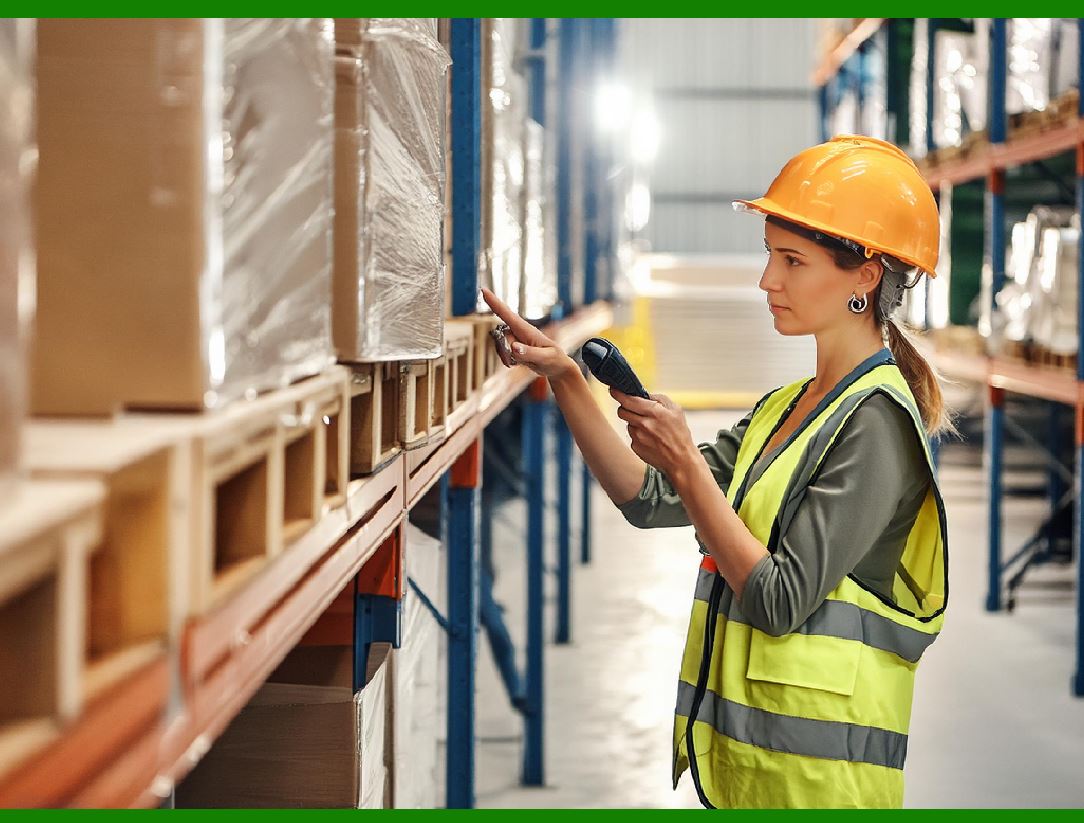
The EAN-14 is typically a 1D barcode, represented by parallel lines of varying thickness (bars). It is scanned using laser-based or CCD (Charge Coupled Device) barcode scanners, which read the reflected light from the barcode and decode the information. |
However, in certain applications, the EAN-14 barcode may be represented as a 2D barcode (such as a QR code or DataMatrix) for better integration with mobile devices or for applications requiring more data storage. While the EAN-14 itself is primarily 1D, 2D versions of the barcode can hold additional information like product description, expiration dates, and batch numbers. |
|
3. Comparison with Other Barcodes |
This section compares the EAN-14 (GTIN-14) barcode with other commonly used barcode standards, such as EAN-13, UPC-A, and GTIN-13. Understanding these differences helps highlight the unique features and applications of the EAN-14 in global trade and supply chain operations. |
3.1 EAN-14 vs. EAN-13 |
The EAN-13 (also known as GTIN-13) is one of the most widely recognized barcode standards, especially for retail products. The key differences between EAN-14 and EAN-13 are as follows: |
Length of the Barcode: |
EAN-13 is 13 digits long, primarily used for identifying individual retail items. |
EAN-14 is 14 digits long, with an additional indicator digit to denote packaging levels such as boxes, cartons, or pallets. |
Purpose and Use: |
EAN-13 is used to identify individual consumer products at the point of sale. It is typically seen on items such as grocery products, books, and clothing. |
EAN-14 is used for packaging and logistics, helping businesses track and identify groupings of individual items, such as bulk packaging, cases, and pallets. It provides a higher level of packaging hierarchy. |
Packaging Level: |
EAN-13 is used to represent the product itself, not its packaging. |
EAN-14 adds an indicator digit to the GTIN-13 number to represent the packaging configuration of the product, making it suitable for pallet-level tracking in supply chain management. |
Example: |
A retail product like a bottle of shampoo would have an EAN-13 barcode. |
A shipping case containing multiple bottles of shampoo would have an EAN-14 barcode for tracking the case rather than individual items. |
3.2 GTIN-14 vs. UPC-A |
UPC-A (Universal Product Code) is another widely used barcode system, especially in the United States. It is often used for retail product identification. Here's how it compares to GTIN-14 (EAN-14): |
Length: |
UPC-A is 12 digits long and is used for identifying individual items in the retail environment, mainly in North America. |
GTIN-14 is 14 digits long and used for identifying higher-level packaging such as cases, boxes, or pallets in the global supply chain. |
International Usage: |
UPC-A is primarily used in the United States and Canada for retail product identification. |
GTIN-14 is used worldwide for identifying goods at the packaging level and is part of the GTIN family of barcodes managed by GS1. |
Indicator Digit: |
UPC-A does not use an indicator digit to distinguish packaging levels. |
GTIN-14 includes an indicator digit to signify packaging configurations, such as cases or pallets. |
Example: |
A single bottle of shampoo would have a UPC-A barcode in the US. |
A box containing multiple bottles of shampoo would be identified with a GTIN-14 (EAN-14) barcode for logistics and shipping purposes. |
3.3 EAN-14 in the Context of Global Trade |
The EAN-14 barcode is part of the GTIN family and is specifically designed to support global trade operations. While EAN-13 is widely used for retail items, EAN-14 plays a critical role in bulk and pallet-based supply chain management. Here's how it stands out: |
Role in Global Supply Chains: |
The EAN-14 barcode is designed for logistics and inventory control at higher levels of packaging. It allows manufacturers, distributors, and retailers to track larger quantities of items, such as cartons or pallets, rather than individual products. |
The EAN-14 is globally accepted and is commonly used in international trade. It ensures that trade items are identified consistently across different regions and countries, reducing barriers to trade. |
Packaging Hierarchy: |
The EAN-14 adds the indicator digit to the GTIN-13 number, allowing for different levels of packaging, such as: |
Level 1: Individual products (identified by EAN-13). |
Level 2: Cases, cartons, or bundles (identified by EAN-14). |
Level 3: Pallets or larger containers (also identified by EAN-14). |
This hierarchical structure is essential for logistics optimization and enables businesses to accurately manage the movement of goods at every level of the supply chain. |
Key Differences in Summary: |
FeatureEAN-13 (GTIN-13)EAN-14 (GTIN-14)UPC-A |
Length13 digits14 digits12 digits |
UsageIndividual productsPackaging levels (cases, pallets)Individual products |
Indicator DigitNYesNo |
Global UseWidely used worldwideWidely used worldwidePrimarily in North America |
Target MarketRetailLogistics and ShippingRetail |
Barcode SymbologyEAN/UPCEAN/UPC (Code 128)UPC-A (Code 128) |
3.4 EAN-14 in the Context of Digital and Future Technologies |
With the rapid growth of digital technologies and the increasing use of mobile scanners and IoT devices, EAN-14 barcodes are evolving to meet the demands of more sophisticated tracking systems. The integration of RFID (Radio Frequency Identification) and 2D barcodes (such as QR codes) in combination with EAN-14 helps improve tracking capabilities and enhance inventory management. |
In the future, it is expected that EAN-14 will continue to coexist with emerging technologies, enhancing its utility in global trade and supply chain management. The adoption of 2D barcodes for better data storage and the integration of RFID tags for automated scanning will likely extend the use of EAN-14 for smarter inventory systems. |
Conclusion of Section 3 |
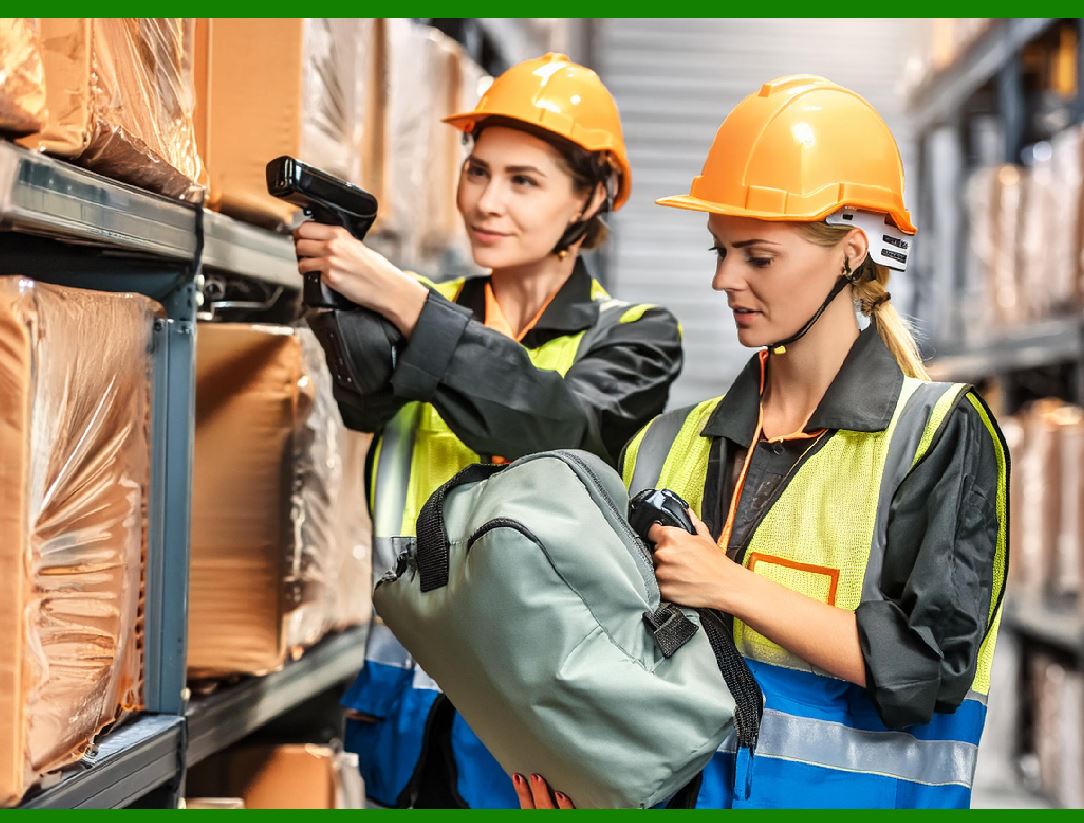
The EAN-14 (GTIN-14) barcode serves a unique purpose in identifying trade items at higher packaging levels. It differs significantly from EAN-13 and UPC-A due to its additional indicator digit, which represents packaging configurations. While EAN-13 is primarily used for individual product identification, EAN-14 is used for cases, pallets, and higher-level packaging. Understanding these distinctions is essential for businesses involved in global logistics and supply chain management. |
|
4. Applications of EAN-14 in Global Trade |
The EAN-14 (GTIN-14) barcode plays a significant role in modern supply chain management, logistics, and global trade. It is primarily used for packaging-level identification, enabling businesses to efficiently manage bulk items, cartons, cases, and pallets. This section explores the key applications of the EAN-14 barcode in global trade, highlighting its importance in logistics, inventory control, transportation, and more. |
4.1 EAN-14 in Inventory Management |
One of the primary applications of EAN-14 is in inventory management. Retailers, wholesalers, and distributors use EAN-14 barcodes to track products at various packaging levels throughout the supply chain. Here's how EAN-14 enhances inventory management: |
Tracking of Bulk and Case-Level Products: By assigning an EAN-14 barcode to each case or pallet, companies can track quantities of products at packaging levels rather than tracking individual items. This is especially important in industries with high-volume goods like electronics, food, pharmaceuticals, and consumer goods. |
Automated Inventory Control: EAN-14 barcodes enable businesses to automate stock updates in real time. When a shipment is received, the EAN-14 barcode is scanned, updating the inventory system to reflect the arrival of cases or pallets of goods. This minimizes human error and ensures that inventory levels are always accurate. |
Efficient Stock Replenishment: Retailers and warehouses can use EAN-14 barcodes to forecast when to reorder goods based on packaging quantities and movement rates. For example, if a pallet of bottled beverages has been sold, the system can automatically trigger an order for more pallets based on historical data. |
Warehouse Organization: EAN-14 barcodes allow for better organization within warehouses by providing clear identification of packaging levels. This ensures that workers can efficiently locate cases and pallets, reducing time spent searching for items and improving overall warehouse efficiency. |
4.2 EAN-14 in Logistics and Transportation |
In the logistics industry, where goods are frequently shipped from one location to another, the EAN-14 barcode plays a crucial role in tracking products at a packaging level. Its applications include: |
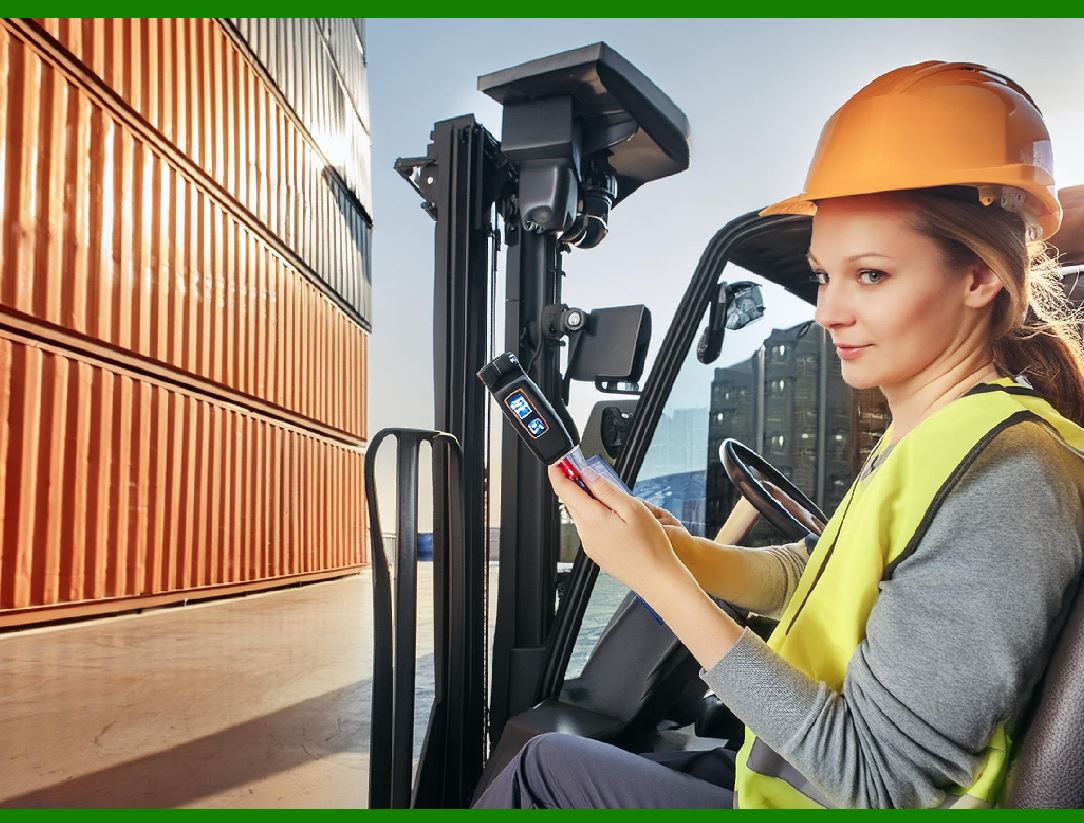
Pallet and Case Tracking: The EAN-14 barcode is primarily used to identify large packaging units like cases, pallets, or containers. By scanning the barcode at various stages of the supply chain, logistics companies can track the movement of goods as they pass through different warehouses, distribution centers, or transport vehicles. |
Cross-Docking: In cross-docking operations, where goods are moved directly from inbound to outbound transportation without being stored, the EAN-14 barcode helps identify and direct the correct cases or pallets to the right location quickly. This speeds up the transfer process and ensures that the correct items are shipped to retailers or customers. |
Shipment Monitoring and Security: By tracking EAN-14 barcodes during transport, logistics companies can ensure that shipments are not lost or delayed. The barcode allows for real-time updates on the location of goods, improving shipment visibility and providing security in case of delays or discrepancies. |
Pallet-Level Barcoding for Shipping: Many international shipping companies use EAN-14 barcodes for pallet-level tracking of goods. By scanning the EAN-14 barcode at the point of loading or unloading, logistics companies can confirm the contents of a shipment, ensuring that the correct number of items is transported and received. |
4.3 EAN-14 in Global Supply Chains |
Global supply chains involve the movement of goods across borders and continents. The EAN-14 barcode is essential for ensuring the smooth movement of products from manufacturers to retailers, wholesalers, and customers around the world. Its applications in global trade include: |
International Shipping and Customs: EAN-14 barcodes are used for pallet and container-level tracking, which is especially important for international shipping. Customs authorities use these barcodes to track and authenticate goods as they cross international borders, ensuring that shipments meet legal and regulatory requirements. |
Supply Chain Visibility: By assigning EAN-14 barcodes to each level of packaging, companies can gain visibility into their supply chains, from manufacturing plants to retail locations. This visibility helps identify potential bottlenecks, delays, or discrepancies, allowing businesses to make data-driven decisions to optimize supply chain operations. |
Customs Compliance and Documentation: The use of EAN-14 barcodes in international shipments ensures that accurate product information is provided to customs authorities. The barcode provides a consistent and standardized way of identifying goods, reducing the chances of errors during customs inspection and clearance. |
Supply Chain Optimization: As goods are transported through various stages of the supply chain, the EAN-14 barcode helps track each step, ensuring that products are delivered to the right place at the right time. This is especially important in just-in-time (JIT) manufacturing, where the timing of deliveries is critical to production schedules. |
4.4 EAN-14 in Retail and Wholesale |
While EAN-14 barcodes are mainly used in logistics, they also have important applications in retail and wholesale operations. The use of EAN-14 barcodes in these sectors includes: |
Bulk Ordering and Stocking: Retailers and wholesalers use EAN-14 barcodes to manage their bulk ordering processes. By scanning the EAN-14 barcode on incoming shipments, businesses can easily identify and stock large quantities of goods, ensuring that inventory is replenished efficiently. |
Warehouse-to-Shelf Management: In large retail chains, goods are typically stored in warehouses before being moved to store shelves. The EAN-14 barcode enables warehouse workers to quickly and accurately identify which pallets or cases should be sent to the store, streamlining the stocking process and ensuring that products are available for customers. |
Efficiency in Wholesale Distribution: EAN-14 barcodes are also used in wholesale distribution centers to track bulk shipments of products to retailers. By scanning the barcode, wholesalers can track the status of their shipments, ensure that retailers receive the correct quantities, and confirm that their orders are processed accurately. |
4.5 EAN-14 in E-Commerce |
With the rise of e-commerce, the EAN-14 barcode has found new applications in the world of online retail. E-commerce businesses use EAN-14 barcodes to streamline operations, enhance logistics, and manage bulk shipments to customers. Some of the key applications include: |
Bulk Shipping to Online Retailers: E-commerce platforms that sell in bulk often rely on EAN-14 barcodes to track pallets or cases of goods being shipped to warehouses. The barcode ensures that the correct quantity and type of products are received by the e-commerce platform, enabling accurate inventory management. |
Third-Party Logistics (3PL): Many e-commerce businesses rely on third-party logistics providers to handle storage, packaging, and shipping. EAN-14 barcodes are used by these providers to manage bulk shipments and ensure that items are correctly identified and shipped to the right customers. |
Order Fulfillment: In fulfillment centers, EAN-14 barcodes help warehouse workers quickly identify and pick the correct cases or pallets for shipment. The barcode ensures that orders are fulfilled accurately, reducing the chances of mistakes and improving customer satisfaction. |
Returns and Reverse Logistics: When products are returned, EAN-14 barcodes are used to identify the packaging level and return item. This makes the return process smoother, as the barcode ensures that the correct item is sent back to the warehouse. |
Conclusion of Section 4 |
The EAN-14 (GTIN-14) barcode is an indispensable tool in modern supply chain management, playing a crucial role in inventory control, logistics, transportation, global trade, and retail. By enabling the tracking of goods at packaging levels, it ensures that businesses can manage their products effectively from the manufacturer all the way to the consumer. Its use in e-commerce, bulk shipping, and international trade helps streamline operations, improve accuracy, and reduce costs, making it a key component of global commerce. |
|
5. EAN-14 Barcode Generation and Scanning Technologies |
The effective generation and scanning of EAN-14 (GTIN-14) barcodes are fundamental to ensuring that they serve their purpose in global trade, logistics, and retail. This section explores the technologies involved in generating EAN-14 barcodes, how they are used in practice, and the scanning systems that make it possible to track and read these barcodes efficiently. |
5.1 EAN-14 Barcode Generation |
Generating an EAN-14 barcode involves translating the GTIN-14 number (14 digits) into a graphical representation that can be scanned by barcode readers. The process follows several key steps, ensuring that the barcode is clear, scannable, and standardized for global use. |
Encoding the GTIN-14: The first step in generating an EAN-14 barcode is encoding the GTIN-14 number into a barcode format. This includes: |
The indicator digit that specifies the packaging level (such as case, carton, or pallet). |
The GTIN-13 number, which represents the product's identification within the packaging hierarchy. |
A check digit that is calculated based on the GTIN-14 to ensure that the barcode is valid and readable. |
Barcode Symbology: The EAN-14 barcode uses EAN-13 symbology to represent the 14 digits. The symbology is a series of bars and spaces that encode the numeric data in a way that can be read by barcode scanners. Each digit is represented by a unique combination of bars and spaces, with the check digit ensuring that the barcode is correctly constructed. |
Design Considerations: When generating an EAN-14 barcode, it is essential to follow international standards to ensure readability. Key factors to consider include: |
Size: The minimum size for an EAN-14 barcode is typically 37mm in width, but it can be larger depending on the application and scanning distance. |
Quiet Zone: A quiet zone (clear space) around the barcode is required to ensure that the scanner can detect the barcode clearly. This area is essential for the proper reading of the barcode. |
Resolution: The resolution should be high enough to ensure that the bars are clear and distinguishable, especially for small or densely packed barcodes. |
Barcode Generation Software: There are various software tools available to generate EAN-14 barcodes. These tools can automatically calculate the check digit and provide options for customizing the size, format, and resolution of the barcode. Some popular barcode generation software includes: |
Barcode Studio: A versatile barcode generation tool that supports a wide range of formats, including EAN-14. |
ZebraDesigner: Software provided by Zebra Technologies that allows for designing and printing barcodes, including EAN-14, for industrial and retail applications. |
Online Barcode Generators: There are also many free and paid online barcode generators available, which can quickly create EAN-14 barcodes for use in retail and logistics. |
5.2 EAN-14 Barcode Scanning Technologies |
Scanning EAN-14 barcodes requires the use of barcode scanners that are capable of reading the EAN-13 symbology. These scanners can capture the encoded data and transmit it to a computer or other system for processing. The types of scanners and technologies used to read EAN-14 barcodes include: |
Laser Scanners: Laser scanners are one of the most common types of barcode readers used in retail and logistics environments. They use a laser beam to scan the barcode, measuring the reflection of the light from the bars and spaces to interpret the encoded data. |
Advantages: Laser scanners are known for their speed and precision. They can scan a barcode from a distance and at various angles, making them ideal for high-volume environments like warehouses and retail stores. |
Limitations: Laser scanners may struggle to read barcodes on damaged, poorly printed, or curved surfaces. |
CCD (Charge Coupled Device) Scanners: CCD scanners use an array of tiny light sensors to capture the barcode image. The sensors measure the intensity of light reflected from the barcode and convert it into data. |
Advantages: CCD scanners are more durable than laser scanners and are less affected by external factors like lighting conditions or surface reflections. They are also capable of scanning barcodes in different orientations. |
Limitations: CCD scanners have a shorter reading range than laser scanners, which limits their effectiveness in large warehouse environments. |
2D Barcode Scanners (Imagers): 2D barcode scanners or imagers are designed to read 2D barcodes (such as QR codes), but they can also read traditional 1D barcodes like EAN-14. These scanners capture an image of the barcode and decode it using advanced software algorithms. |
Advantages: 2D imagers offer higher flexibility because they can read barcodes from any angle, and they can also read damaged or poorly printed barcodes better than traditional scanners. |
Limitations: 2D imagers tend to be more expensive than laser or CCD scanners, making them less ideal for some cost-conscious applications. |
Mobile Devices and Smartphones: With the rise of mobile technology, many businesses now use smartphones and tablets equipped with camera-based barcode scanning apps. These apps can decode EAN-14 barcodes by using the device's camera to capture the image of the barcode and convert it into readable data. |
Advantages: Mobile devices are widely available and cost-effective, making them a convenient option for small businesses or businesses on the go. Additionally, they can handle various barcode types, including EAN-14, QR codes, and other 2D barcodes. |
Limitations: Mobile devices may struggle with reading barcodes at a distance or in low-light conditions, and the speed of scanning may be slower compared to dedicated barcode scanners. |
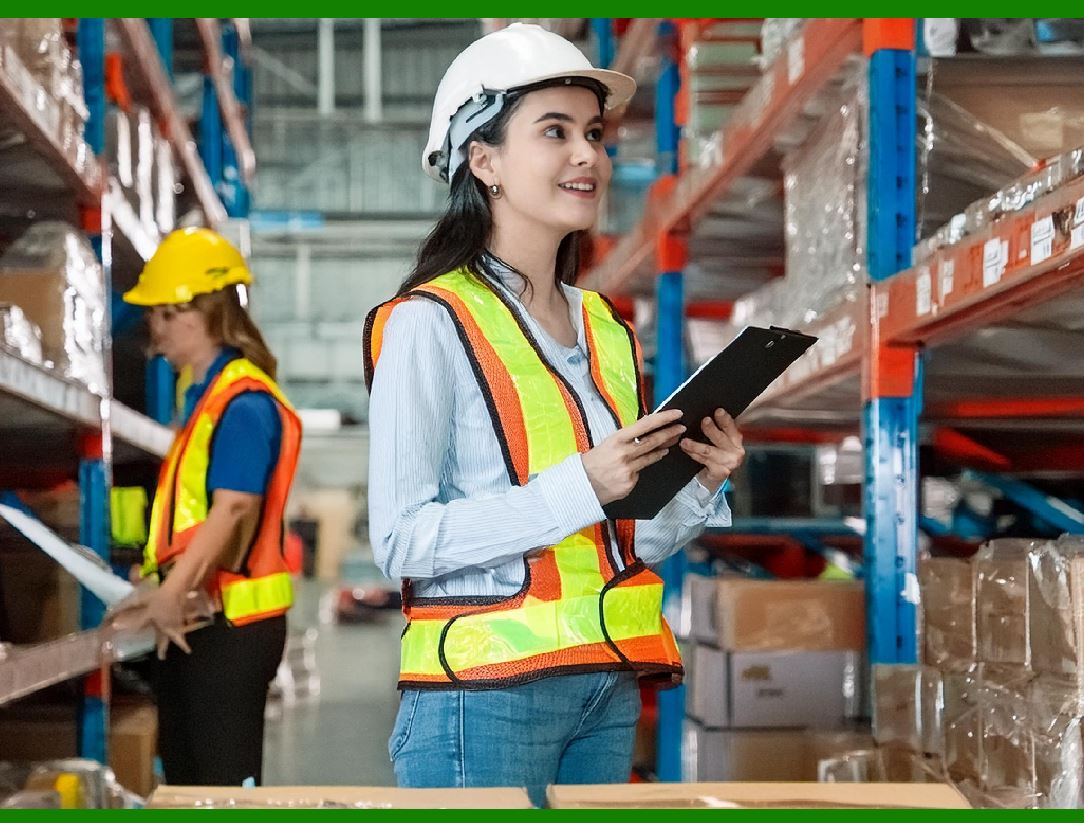
Handheld and Fixed Scanners: For large warehouses or retail stores, handheld scanners and fixed scanners can be employed to read EAN-14 barcodes. Handheld scanners provide mobility and flexibility, while fixed scanners are commonly used in conveyor systems for automated processing of shipments and goods. |
Advantages: Handheld scanners allow workers to scan barcodes while moving around the warehouse or store, making them more versatile. Fixed scanners can be used in conveyor belts or automated warehouses, providing real-time data processing for inventory management. |
Limitations: Handheld scanners require manual operation, while fixed scanners require installation and maintenance within a set location. |
5.3 Challenges in Scanning EAN-14 Barcodes |
While scanning EAN-14 barcodes is generally straightforward, several challenges can arise that impact the accuracy and efficiency of barcode reading. These challenges include: |
Poor Print Quality: Barcodes that are poorly printed or damaged may not be scannable by standard barcode readers. Inaccurate printing can result in misaligned bars, making it difficult for the scanner to interpret the data. |
Label Placement: The placement of the barcode on packaging can affect its scannability. If the barcode is placed in a location that is difficult to access or obstructed, it may not be read properly by the scanner. |
Dirty or Worn Labels: Barcodes printed on packaging that is exposed to dirt, moisture, or wear over time can degrade in quality, leading to scanning difficulties. |
Orientation: While many modern scanners can read barcodes from any angle, older scanners may require barcodes to be oriented in a specific direction. Ensuring proper orientation can improve scanning accuracy. |
5.4 Future of Barcode Scanning Technologies |
As technology advances, the future of barcode scanning, including EAN-14 barcodes, is moving toward more intelligent systems. Developments in artificial intelligence (AI) and machine learning are expected to improve barcode recognition, even for damaged or poorly printed labels. Additionally, the integration of augmented reality (AR) and wearable technologies may further enhance barcode scanning capabilities, providing real-time data directly to warehouse workers or retail employees. |
Conclusion of Section 5 |
The generation and scanning of EAN-14 barcodes are critical processes for ensuring that the barcode serves its purpose in inventory management, logistics, and global trade. Understanding the technologies behind barcode generation and scanning systems is essential for businesses looking to optimize their supply chain operations. With advancements in scanning technologies and future innovations on the horizon, the EAN-14 barcode will continue to play a vital role in the efficient movement of goods across global markets. |
|
6. Security and Anti-Counterfeiting Measures with EAN-14 |
In today's global marketplace, the security and authenticity of products are paramount. Counterfeiting, fraud, and the sale of substandard goods are significant concerns for industries ranging from pharmaceuticals to electronics. The EAN-14 (GTIN-14) barcode, primarily used for packaging-level identification, can play a critical role in combating these issues. This section explores the security and anti-counterfeiting measures that can be implemented with EAN-14 barcodes to safeguard products, ensure compliance, and protect consumer interests. |
6.1 The Role of EAN-14 in Anti-Counterfeiting |
The EAN-14 barcode, by itself, does not inherently have anti-counterfeiting features, but it can serve as a key component in a broader anti-counterfeiting strategy. The barcode helps trace the movement of goods across the supply chain, allowing businesses and consumers to verify product authenticity. Some key roles of the EAN-14 barcode in anti-counterfeiting efforts include: |
Traceability: The EAN-14 barcode enables full traceability of products from the manufacturer to the final point of sale. In the event of a recall or counterfeiting incident, this traceability allows companies to pinpoint the affected batches, prevent further distribution of counterfeit goods, and protect consumers. |
Brand Protection: For manufacturers and distributors, the ability to track products via the EAN-14 barcode ensures that goods are not diverted into unauthorized distribution channels. This reduces the chances of counterfeit products reaching the market, especially for high-value items like electronics, luxury goods, and pharmaceuticals. |
Supply Chain Visibility: By integrating EAN-14 barcodes into a digital supply chain platform, companies can monitor the entire product journey, from manufacturing to retail. This visibility can help detect any discrepancies or anomalies in the distribution process, allowing businesses to quickly address potential counterfeiting threats. |
6.2 Advanced Security Features Integrated with EAN-14 |
While the EAN-14 barcode itself is not equipped with built-in anti-counterfeiting features, it can be combined with other technologies to enhance its security. Here are some advanced security features commonly integrated with EAN-14 barcodes to protect against counterfeiting: |
Invisible Ink and UV Markings: One popular security feature is the use of invisible ink or UV markings alongside the barcode. These marks can be printed onto the packaging in a way that is not visible to the naked eye but can be detected under UV light. This helps verify the authenticity of the product at various points in the supply chain. |
Tamper-Evident Labels: To enhance product security, tamper-evident labels can be placed over EAN-14 barcodes. These labels are designed to show clear signs of tampering if someone attempts to open or alter the product. This feature helps deter counterfeiters from substituting products or altering packaging. |
Holograms and Security Labels: Holographic labels and security tags, often used in conjunction with EAN-14 barcodes, provide additional layers of protection. Holograms can display a unique visual effect when the product is tilted, making it much harder to replicate than standard printed packaging. These can be applied to EAN-14 barcodes to further validate the authenticity of a product. |
Digital Signatures and QR Codes: Combining the EAN-14 barcode with digital signatures or QR codes linked to a secure online verification system adds an additional layer of security. A QR code can be scanned by consumers or authorities to verify the product's legitimacy. The digital signature ensures that the data contained within the barcode is tamper-proof. |
RFID (Radio Frequency Identification): Another cutting-edge technology that can be integrated with EAN-14 barcodes is RFID. RFID tags can be embedded into packaging or products, providing an additional means of tracking and ensuring authenticity. RFID technology can store more detailed information and can be scanned remotely, making it more difficult for counterfeiters to replicate or interfere with the tracking system. |
6.3 Verification Systems and Consumer Engagement |
To fully leverage the security potential of EAN-14 barcodes, manufacturers and retailers can implement systems that allow for product verification by consumers and third-party authorities. Some methods include: |
Online Authentication Platforms: Many companies now offer online platforms or mobile apps where consumers can scan EAN-14 barcodes to verify the authenticity of products. These platforms can provide information such as the product's origin, manufacturing details, and whether it has been subject to any recalls. By scanning the barcode, consumers can ensure that the product they are purchasing is genuine. |
Authentication Tags and Apps: Manufacturers can use authentication tags and apps that are integrated with EAN-14 barcodes. These apps allow consumers to scan the barcode and instantly verify the product's authenticity, sometimes even offering additional information about the product's origin, batch number, and certification. |
Government and Regulatory Agencies: In some industries, regulatory authorities or third-party organizations may also have systems in place for verifying the legitimacy of goods using EAN-14 barcodes. This is especially true in sectors like pharmaceuticals, where products must meet strict quality standards. Authorities can scan the barcode to confirm that the product meets safety and regulatory requirements. |
6.4 Integration of Blockchain for Secure EAN-14 Tracking |
Blockchain technology is increasingly being integrated into supply chain systems as a way to secure product tracking and authentication. By linking EAN-14 barcodes with blockchain, manufacturers and distributors can create a tamper-proof record of every transaction and movement of goods across the supply chain. |
Decentralized Authentication: Blockchain offers a decentralized approach to authentication. Each time a product is scanned along the supply chain, a record of the transaction is securely stored in the blockchain, making it virtually impossible for counterfeiters to manipulate the data. |
End-to-End Transparency: With blockchain integration, consumers and companies can view the entire journey of a product, from manufacture to retail, all verified through EAN-14 barcode scans. This provides end-to-end transparency and gives consumers greater confidence in the products they purchase. |
Proof of Authenticity: By linking EAN-14 barcodes with a blockchain network, businesses can provide customers with verifiable proof that the product is authentic. This helps protect against counterfeiting and increases trust between brands and consumers. |
6.5 Case Studies: EAN-14 and Anti-Counterfeiting Solutions |
Several industries have successfully implemented security measures with EAN-14 barcodes to combat counterfeiting. Some notable examples include: |
Pharmaceutical Industry: Many pharmaceutical companies use EAN-14 barcodes integrated with RFID, holographic labels, and digital signatures to ensure the authenticity of prescription drugs. These measures prevent counterfeit drugs from entering the supply chain, protecting consumers and maintaining regulatory compliance. |
Luxury Goods: High-end luxury brands like watches, clothing, and electronics use advanced EAN-14 barcode security features, including invisible ink, holograms, and UV markers. These measures help maintain the exclusivity and authenticity of their products and prevent the sale of counterfeit goods. |
Consumer Electronics: Brands in the consumer electronics sector also use EAN-14 barcodes combined with QR codes and online verification platforms to allow customers to verify the authenticity of their purchases. This is especially important in markets where counterfeit electronics are common, such as smartphones and laptops. |
Conclusion of Section 6 |
The EAN-14 barcode, when integrated with modern anti-counterfeiting technologies, provides a powerful solution for ensuring the authenticity of products and combating counterfeiting. By combining the barcode with features such as tamper-evident labels, digital signatures, RFID, and blockchain, businesses can secure their supply chains and build trust with consumers. As counterfeiting continues to be a global issue, the use of EAN-14 in anti-counterfeiting strategies will play an increasingly important role in protecting both brands and consumers from fraudulent activities. |
|
7. EAN-14 Barcode Applications Across Industries |
The EAN-14 (GTIN-14) barcode is widely utilized in numerous industries due to its capacity to identify and track packaging-level units. Its flexibility allows it to be applied in various sectors where goods are sold or transported in bulk or multi-item packaging. This section explores the diverse applications of EAN-14 barcodes across different industries, including retail, logistics, pharmaceuticals, and food and beverage, highlighting how the barcode enhances efficiency and accuracy in each sector. |
7.1 Retail and Consumer Goods |
In the retail sector, EAN-14 barcodes are primarily used to identify products at the case or carton level rather than at the individual product level. This application streamlines the supply chain and improves inventory management. Key applications include: |
Inventory Management: Retailers use EAN-14 barcodes to manage bulk inventory shipments. Instead of scanning each individual item, employees can scan the case or carton containing multiple products. This speeds up inventory checks and reduces human error. |
Warehouse Automation: In large warehouse settings, EAN-14 barcodes are often used in conjunction with automated systems, such as conveyor belts and robotic arms, for product sorting and placement. Scanning the EAN-14 barcode ensures the correct items are directed to the appropriate location, reducing the risk of misplaced or misdirected products. |
Supply Chain Visibility: EAN-14 barcodes provide real-time visibility of goods as they move through the supply chain. From manufacturers to distributors and retailers, scanning the EAN-14 barcode at various checkpoints allows stakeholders to track shipments accurately, reducing delays and enhancing operational efficiency. |
Sales and Promotions: In some cases, retailers will use EAN-14 barcodes for product bundling or promotional offers. For example, a retailer might offer a discount on a package of multiple items, and the EAN-14 barcode ensures that the correct pricing is applied at the point of sale. |
7.2 Logistics and Supply Chain |
The EAN-14 barcode plays a crucial role in logistics and supply chain management by enhancing traceability and efficiency at the packaging level. Key applications in logistics include: |
Shipping and Tracking: The EAN-14 barcode is frequently used on pallets and shipping cartons to track goods as they move through the supply chain. Scanning the barcode helps logistics companies monitor the exact location of products, improving delivery accuracy and reducing shipping errors. |
Cross-Docking: In logistics centers, EAN-14 barcodes help facilitate cross-docking-a process where goods are transferred directly from inbound to outbound transportation without being stored in the warehouse. Scanning EAN-14 barcodes enables the immediate routing of products, reducing handling time and speeding up deliveries. |
Load Optimization: By scanning EAN-14 barcodes, logistics companies can ensure that shipments are loaded and unloaded efficiently. The barcode can provide information about the size and weight of the items within the package, allowing for better load planning and optimizing space within shipping containers or vehicles. |
Returns Management: EAN-14 barcodes also assist with managing returns. When customers return items, scanning the EAN-14 barcode on the packaging helps identify the exact batch and shipment, ensuring that returned products are correctly processed. |
7.3 Pharmaceuticals |
The EAN-14 barcode is particularly significant in the pharmaceutical industry, where traceability, authenticity, and regulatory compliance are paramount. Key pharmaceutical applications include: |
Tracking Pharmaceutical Packaging: In the pharmaceutical supply chain, EAN-14 barcodes are used to track the movement of drug packages from manufacturers to wholesalers, and then to pharmacies or hospitals. This ensures that drugs are transported safely and securely, with a clear record of each transaction. |
Counterfeit Prevention: The integration of EAN-14 barcodes with security features such as holograms, digital signatures, and RFID tags helps combat the widespread issue of counterfeit drugs. Consumers and regulatory agencies can scan the barcode to verify the authenticity of the product. |
Regulatory Compliance: Many countries, including the United States and the European Union, have stringent regulations requiring pharmaceutical companies to track their products using barcodes. The EAN-14 barcode is widely used to meet these compliance requirements, helping ensure that drugs are safely distributed and stored. |
Serialization: EAN-14 barcodes can be serialized to uniquely identify each package of pharmaceuticals. Serialization is particularly critical for drugs that require precise control and traceability, such as controlled substances or high-cost medications. |
7.4 Food and Beverage |
In the food and beverage industry, the EAN-14 barcode is used to manage bulk goods and ensure efficient distribution, with an emphasis on shelf life and quality. Key applications in the food industry include: |
Fresh Produce and Perishable Goods: The EAN-14 barcode is used on pallets or cartons containing perishable goods, such as fresh produce, dairy, or meats. Scanning the EAN-14 barcode at various points in the supply chain allows distributors to track inventory levels and monitor the expiration or use-by dates. |
Packaging and Bulk Distribution: Food and beverage manufacturers typically use EAN-14 barcodes to track products in bulk. Whether it's a pallet of bottled water, a carton of cereal, or a shipment of packaged snacks, the barcode ensures that goods are handled efficiently and can be easily tracked through the supply chain. |
Batch Traceability: In the event of a food recall due to contamination or quality issues, EAN-14 barcodes can help identify the affected batch. By scanning the barcode at the point of sale or during transportation, the affected goods can be quickly located and removed from the supply chain, reducing the risk to consumers. |
Product Promotions: The food and beverage industry also uses EAN-14 barcodes to track promotional bundles or value packs. These products often come in larger quantities or in special packaging and need to be managed separately from regular inventory. |
7.5 Consumer Electronics |
The EAN-14 barcode is commonly used in the consumer electronics industry to manage packaging at the wholesale and retail levels. Key applications in electronics include: |
Bulk Shipping: Consumer electronics such as smartphones, televisions, and laptops are often shipped in bulk, with multiple items in each box. The EAN-14 barcode is used to identify each bulk shipment, enabling efficient processing and tracking during delivery to retailers. |
Warranty and Repairs: In some cases, EAN-14 barcodes are associated with warranties or service plans for consumer electronics. When a consumer registers their product for a warranty, the barcode can be scanned to verify the model and the purchase details. |
Returns and Exchanges: EAN-14 barcodes are also used to manage returns and exchanges of consumer electronics. When a customer returns a product, scanning the EAN-14 barcode ensures the correct item is processed and that inventory records are updated. |
7.6 Automotive Industry |
In the automotive industry, EAN-14 barcodes are employed to track components and spare parts during manufacturing and distribution. Key applications include: |
Spare Parts Tracking: Auto manufacturers and suppliers use EAN-14 barcodes to manage inventory and shipments of spare parts. By scanning the barcode at various stages of production or distribution, businesses can ensure that parts are correctly allocated to the right vehicles. |
Assembly Line Operations: The EAN-14 barcode is used on bulk shipments of parts or components as they are delivered to assembly lines. Scanning the barcode helps track which components are being used and ensures that the correct parts are available when needed. |
Quality Control and Maintenance: In some cases, EAN-14 barcodes are used to identify maintenance records for automotive parts. This allows service centers to track repairs and replacement histories for specific vehicle components. |
Conclusion of Section 7 |
The EAN-14 barcode is an essential tool across various industries, enabling better traceability, inventory management, and supply chain efficiency. From the retail sector to pharmaceuticals and food production, its ability to track products at the case or carton level provides businesses with accurate and real-time data. This improves decision-making, enhances operational efficiency, and helps meet regulatory requirements. As industries continue to grow more complex, the role of the EAN-14 barcode will only become more significant in ensuring that goods are handled, tracked, and delivered in a secure and efficient manner. |
|
8. Future Trends and Developments of EAN-14 (GTIN-14) |
As the global economy continues to evolve, so too does the technology used in supply chains, inventory management, and product tracking. The EAN-14 (GTIN-14) barcode has been a staple in these systems for decades, and while it remains highly relevant today, ongoing advancements in technology are paving the way for new applications, efficiencies, and capabilities. This section explores the future trends and developments related to the EAN-14 barcode, particularly how it will continue to shape industries and adapt to emerging technologies. |
8.1 Integration with Internet of Things (IoT) |
One of the most transformative trends for the EAN-14 barcode in the coming years is its integration with the Internet of Things (IoT). IoT refers to the network of physical objects that are embedded with sensors, software, and other technologies to connect and exchange data with other systems over the internet. The combination of EAN-14 barcodes with IoT devices will allow businesses to track products and assets in real-time, providing unprecedented visibility and control over their supply chains. |
Real-Time Data Collection: IoT-enabled devices can automatically scan and record EAN-14 barcodes without the need for manual intervention. This means that businesses will be able to capture real-time data about product movements, inventory levels, and environmental conditions (such as temperature, humidity, or vibration) as products travel through the supply chain. |
Predictive Analytics: By integrating EAN-14 barcodes with IoT sensors, companies can gain access to predictive analytics that help them forecast demand, optimize inventory, and prevent stockouts. IoT-enabled barcodes will allow businesses to identify potential bottlenecks, monitor the conditions of goods in transit, and take proactive measures to address any issues before they arise. |
Automated Supply Chain Management: As IoT devices interact with EAN-14 barcodes, supply chain operations can become increasingly automated. For example, autonomous vehicles could transport goods based on data from scanned barcodes, and robotics could handle warehouse tasks such as picking, packing, and sorting without human oversight. |
8.2 Enhanced Data Capabilities with 5G Connectivity |
The introduction of 5G networks is another critical development that will impact the future of EAN-14 barcode technology. With faster, more reliable internet speeds, 5G networks can facilitate the rapid transmission of data between devices, cloud platforms, and other systems. This will enhance the functionality of EAN-14 barcodes in several key ways: |
Faster Data Processing: The increased speed of 5G networks will allow for quicker scanning and processing of EAN-14 barcodes, even in environments with high-volume transactions such as large retail stores or busy warehouses. This will improve operational efficiency by reducing wait times and enhancing data throughput. |
Real-Time Analytics: With 5G connectivity, businesses will be able to collect and analyze data from EAN-14 barcodes in real-time. This will allow for immediate decision-making based on up-to-the-minute information, such as adjusting stock levels, optimizing deliveries, or responding to customer needs more quickly. |
IoT-Enabled Assets: The combination of 5G and IoT with EAN-14 barcodes will provide enhanced visibility into the condition and location of assets throughout the supply chain. This will be especially important for high-value or perishable goods, where immediate actions may be necessary to maintain product quality or prevent spoilage. |
8.3 Blockchain Integration for Enhanced Security and Transparency |
Blockchain technology, known for its secure and transparent nature, is gaining traction in various industries, including supply chain management. Integrating EAN-14 barcodes with blockchain will enable businesses to further enhance the security, traceability, and transparency of their products. Key developments in blockchain integration include: |
Tamper-Proof Tracking: By linking EAN-14 barcodes with blockchain, businesses can ensure that all product data-such as origin, shipping route, and handling history-is recorded in an immutable ledger. This tamper-proof tracking will provide consumers and businesses with confidence that the product is authentic and has not been altered during transit. |
Smart Contracts: Blockchain-enabled EAN-14 barcodes can trigger smart contracts, which are self-executing contracts with the terms of the agreement directly written into code. For example, once a product is scanned and its EAN-14 barcode is verified, a smart contract could automatically trigger a payment, initiate a return, or activate a warranty. |
Decentralized Verification: Blockchain allows for decentralized verification of products, meaning that all parties in the supply chain-from manufacturers to consumers-can verify the authenticity and movement of a product without relying on a central authority. This democratizes access to product data and reduces the risk of fraud. |
8.4 Artificial Intelligence (AI) and Machine Learning Integration |
Artificial Intelligence (AI) and Machine Learning (ML) technologies are poised to revolutionize the way EAN-14 barcodes are utilized. These technologies can analyze vast amounts of data generated by EAN-14 barcodes and extract valuable insights to improve decision-making and operational efficiency. |
Predictive Supply Chain Management: By analyzing patterns in the data collected from EAN-14 barcodes, AI systems can predict demand fluctuations, identify potential disruptions in the supply chain, and recommend actions to mitigate risks. This will enable businesses to operate more efficiently, reduce waste, and improve customer satisfaction. |
Automated Quality Control: AI-powered systems can use data from EAN-14 barcodes to monitor the quality of products as they move through the supply chain. For instance, AI algorithms could analyze environmental conditions (such as temperature and humidity) and compare them to optimal levels for specific products. If any abnormalities are detected, the system could automatically trigger an alert or corrective action. |
Enhanced Fraud Detection: AI and ML can also help detect anomalies in product movement or inconsistencies in EAN-14 barcode data that may indicate fraud. These systems can learn from historical data to identify patterns of counterfeit activity, helping businesses protect their products and customers from fraud. |
8.5 Sustainability and Environmental Impact |
As the focus on sustainability and environmental responsibility increases, the role of EAN-14 barcodes in supporting these goals will also evolve. The future of EAN-14 barcodes will likely include developments aimed at improving the environmental impact of product tracking and packaging: |
Eco-Friendly Materials: The materials used for printing EAN-14 barcodes, such as labels and ink, may become more eco-friendly. The use of biodegradable or recyclable label materials, for instance, will reduce the environmental impact of packaging and labeling. |
Sustainability Tracking: In the future, EAN-14 barcodes could be used to track the environmental impact of products. For example, businesses could use the barcode to record and communicate information about a product's carbon footprint, sourcing practices, and recyclability, providing consumers with greater transparency about the products they purchase. |
Waste Reduction: The integration of EAN-14 barcodes with advanced technologies like IoT and AI can help optimize the use of materials throughout the supply chain, minimizing waste and improving resource efficiency. This could include better management of packaging materials, reduced food waste, and more efficient energy use in manufacturing. |
8.6 Customization and Enhanced Consumer Engagement |
Looking ahead, EAN-14 barcodes may be used to provide more customized and engaging experiences for consumers. The trend toward personalization and direct consumer interaction will likely drive new applications for EAN-14 barcodes in the following ways: |
Personalized Marketing: By integrating EAN-14 barcodes with customer relationship management (CRM) systems, companies can offer personalized promotions or loyalty rewards based on the consumer's purchase history or interactions with a product. Scanning the barcode could trigger a personalized offer or reward for repeat buyers. |
Interactive Packaging: In the future, EAN-14 barcodes could be used to provide interactive experiences via mobile apps or augmented reality (AR). For example, consumers could scan the barcode on packaging to access exclusive content, such as product tutorials, recipes, or brand stories, enhancing engagement and brand loyalty. |
Direct Feedback Channels: Manufacturers and retailers may use EAN-14 barcodes to create direct channels for customer feedback. After scanning the barcode, consumers could be prompted to leave reviews, ask questions, or rate their experience, providing valuable insights to businesses and enhancing the customer experience. |
Conclusion of Section 8 |
The future of EAN-14 barcodes is intertwined with emerging technologies that will enhance their functionality, security, and application across industries. From integrating with IoT and blockchain to leveraging AI and improving sustainability, EAN-14 barcodes will continue to evolve, providing businesses with advanced tools to optimize their operations, improve consumer engagement, and ensure product authenticity. As these technologies become more widespread, the EAN-14 barcode will remain a key component in driving efficiency, security, and innovation in supply chains worldwide. |

|
9. Conclusion and Final Thoughts on EAN-14 (GTIN-14) |
The EAN-14 (GTIN-14) barcode has proven itself to be a critical component in the world of product identification, supply chain management, and logistics. As we've seen throughout this document, its applications span numerous industries, ranging from retail to pharmaceuticals and beyond. While the technology itself has remained largely unchanged for decades, its role in modern business operations has evolved significantly, driven by the need for greater efficiency, accuracy, and traceability. |
This final section provides a recap of the key insights from previous sections, and highlights the growing importance of the EAN-14 barcode in a rapidly changing technological landscape. |
9.1 Recap of Key Features and Applications |
Throughout this detailed exploration of the EAN-14 barcode, we've examined its structure, characteristics, and widespread use across various sectors: |
Structure and Function: The EAN-14 barcode is a 14-digit code, part of the GTIN (Global Trade Item Number) family, designed to identify products at the packaging level. It provides essential information such as the product's origin, manufacturer, and packaging type, offering a scalable solution for tracking goods in bulk. |
Industry Applications: Its versatility is evident in industries such as retail, logistics, pharmaceuticals, food and beverage, and consumer electronics, where it simplifies processes like inventory management, shipping, and traceability. Businesses use the EAN-14 barcode to manage bulk shipments, prevent fraud, and ensure regulatory compliance. |
Benefits: The EAN-14 barcode helps businesses optimize their operations through streamlined inventory control, improved product tracking, and enhanced supply chain visibility. It minimizes errors, reduces manual data entry, and speeds up transactions, all of which contribute to cost savings and operational efficiency. |
9.2 The Future of EAN-14 in a Changing Technological Landscape |
The future of EAN-14 barcodes is closely linked to advancements in technology. The integration of EAN-14 with emerging technologies such as IoT, blockchain, AI, and 5G will significantly enhance its functionality, allowing businesses to monitor, track, and manage products more effectively than ever before. |
IoT and 5G: The combination of EAN-14 barcodes with IoT devices and 5G networks will provide real-time data collection, faster processing speeds, and more efficient supply chain manage |
 cs@easiersoft.com