1. Introduction to PDF417 Barcode Technology |
PDF417 is a two-dimensional (2D) barcode that was first introduced by Symbol Technologies in 1992. The name 'PDF417' stands for 'Portable Data File 417,' where '417' refers to the code's specific structure - it contains 17 rows and a variable number of columns. PDF417 is one of the most widely used 2D barcode formats, especially for applications requiring substantial data storage. It is designed to encode large amounts of data in a small space and is frequently used in shipping, inventory management, identity documents, and more. |
The PDF417 barcode is known for its ability to encode both text and numeric information, as well as its error correction capabilities, which make it highly robust in challenging conditions. |
|
2. Structure of the PDF417 Barcode |
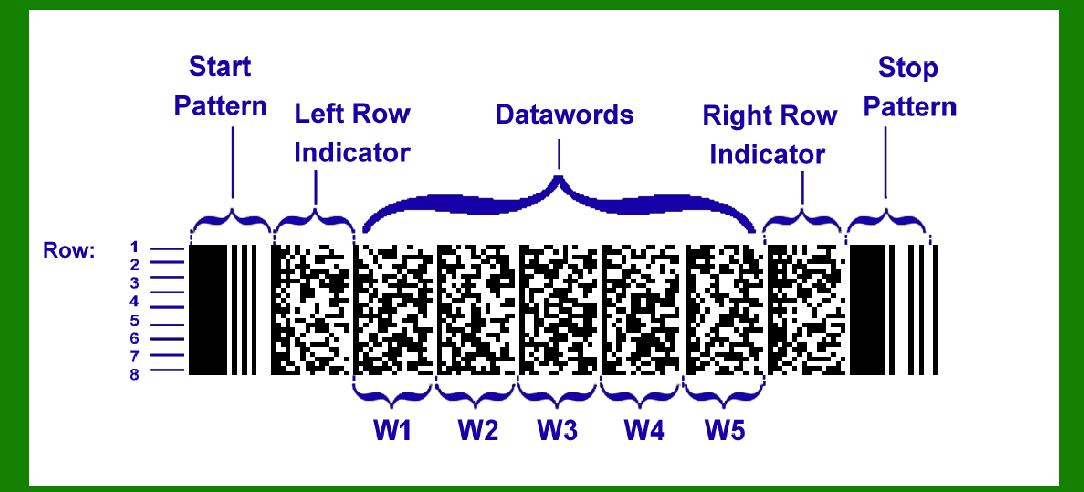
The structure of PDF417 is composed of several key elements, including modules, rows, and columns. |
Modules: A PDF417 barcode consists of modules that represent the data. These modules are small black and white rectangles or squares, each representing a bit of information. A single module is the smallest element that can be scanned and interpreted. The modules are grouped into codewords, and each codeword is represented by a series of adjacent modules. |
Rows and Columns: The PDF417 barcode consists of a series of rows and columns arranged in a rectangular grid. Each row contains a set number of codewords, which are essentially sequences of bits. The number of rows in a PDF417 barcode is fixed at 17, but the number of columns can vary depending on the amount of data encoded. The larger the data payload, the more columns are used. |
Data Codewords: A PDF417 barcode encodes data using a series of codewords, each representing a combination of data. The length of a codeword is determined by the number of bits that can be encoded in the module. |

|
3. Encoding Data in PDF417 |
The PDF417 barcode is capable of encoding a wide variety of characters, including alphanumeric characters (letters, numbers, and symbols), as well as binary data. It uses a specialized encoding scheme to compress and store the data efficiently. |
Character Set: PDF417 can encode data from several character sets, including ASCII, extended ASCII, and even Unicode, enabling the barcode to store both text and international characters. |
Encoding Modes: PDF417 supports various encoding modes to represent different types of data: |
Text Encoding: Textual characters are encoded using a special scheme that compresses data by grouping characters in a way that minimizes space. |
Numeric Encoding: Numeric data can be encoded more efficiently than text, as it is represented in base 10. |
Binary Encoding: Binary data can be encoded, allowing for more complex information like images or files to be included in the barcode. |
Compaction: PDF417 uses a method called compaction to optimize how data is stored. This method reduces the space required for certain types of data. For example, consecutive digits may be encoded using a special numeric compaction mode that takes up less space than encoding each number individually in the text mode. |

|
4. Error Correction in PDF417 |
One of the key features of PDF417 is its built-in error correction. The barcode uses the Reed-Solomon error correction algorithm to ensure data can be correctly interpreted even if part of the barcode is damaged or obscured. |
Reed-Solomon Algorithm: This algorithm adds redundant data to the barcode in the form of error correction codewords. If a portion of the barcode is unreadable, the error correction mechanism can reconstruct the missing data by using the redundant codewords. |
Error Correction Levels: PDF417 supports multiple error correction levels, allowing for flexibility in how much redundancy is added to the barcode. The level of error correction is adjustable, and the higher the error correction level, the more codewords are used for redundancy. This results in a larger barcode but increases its reliability in adverse conditions. |
Redundancy: Error correction in PDF417 is achieved by adding extra codewords that are not necessary for encoding the data itself. These redundant codewords are used by the scanning device to identify and correct errors in the barcode during the scanning process. |

|
5. PDF417 Scanning and Decoding Process |
PDF417 barcodes are decoded by scanners or imaging devices that use specialized algorithms to read the barcode and interpret the encoded data. The decoding process involves several steps to ensure accuracy and reliability. |
Scanner Hardware: PDF417 barcodes can be read using laser scanners, CCD scanners, or camera-based devices. Unlike traditional 1D barcodes, PDF417 requires a more sophisticated scanning mechanism due to its two-dimensional structure. Laser scanners can be used to read PDF417 barcodes, but more commonly, image-based scanners (such as CCD or CMOS cameras) are employed, which can capture the entire barcode image in a single shot. |
Decoding Process: When a scanner captures the image of a PDF417 barcode, the decoder software analyzes the image, identifies the rows and columns, and then decodes the sequence of modules into binary data. This data is then interpreted according to the encoding scheme used to create the barcode (text, numeric, or binary). |
Error Handling: If the scanner detects that part of the barcode is damaged, the error correction mechanism kicks in. The Reed-Solomon algorithm compares the received codewords with the redundant codewords and attempts to reconstruct the missing or corrupted data. |
Data Output: Once the barcode is successfully decoded, the data is output in the form of text, numbers, or binary data, depending on the type of information encoded. |

|
6. Applications of PDF417 |
PDF417 barcodes are versatile and used in a wide range of applications where large amounts of data need to be encoded in a compact, reliable format. |
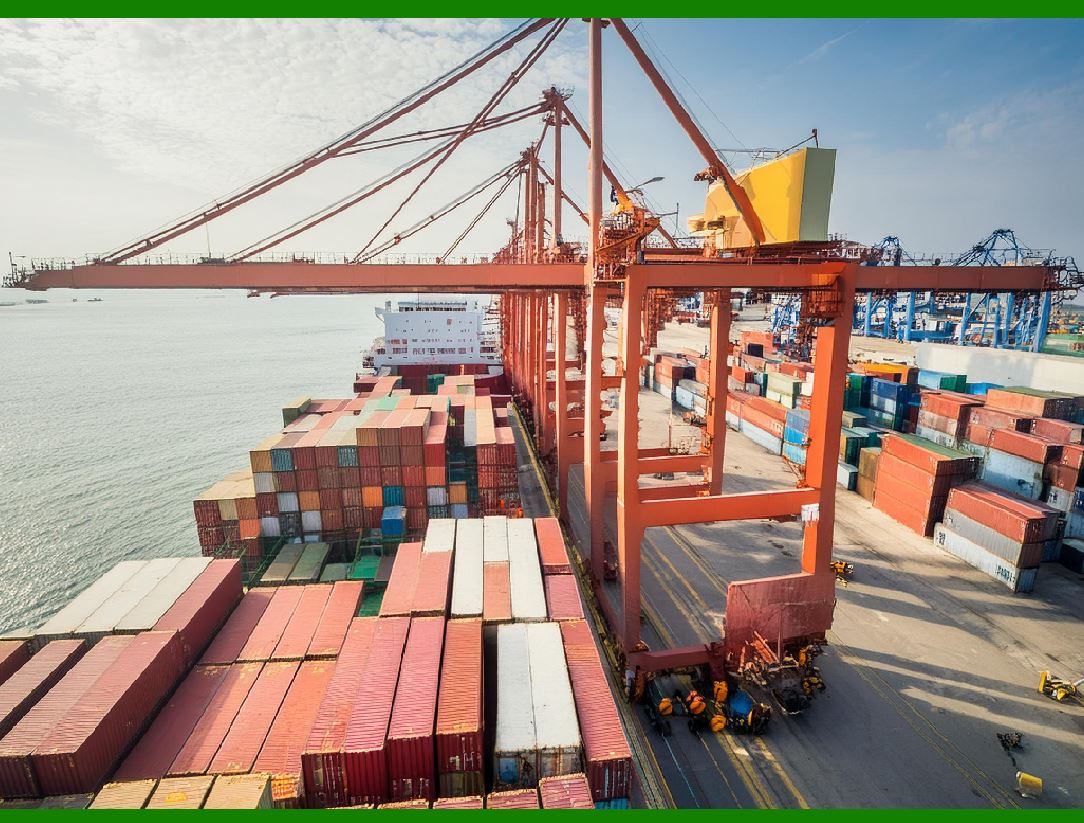
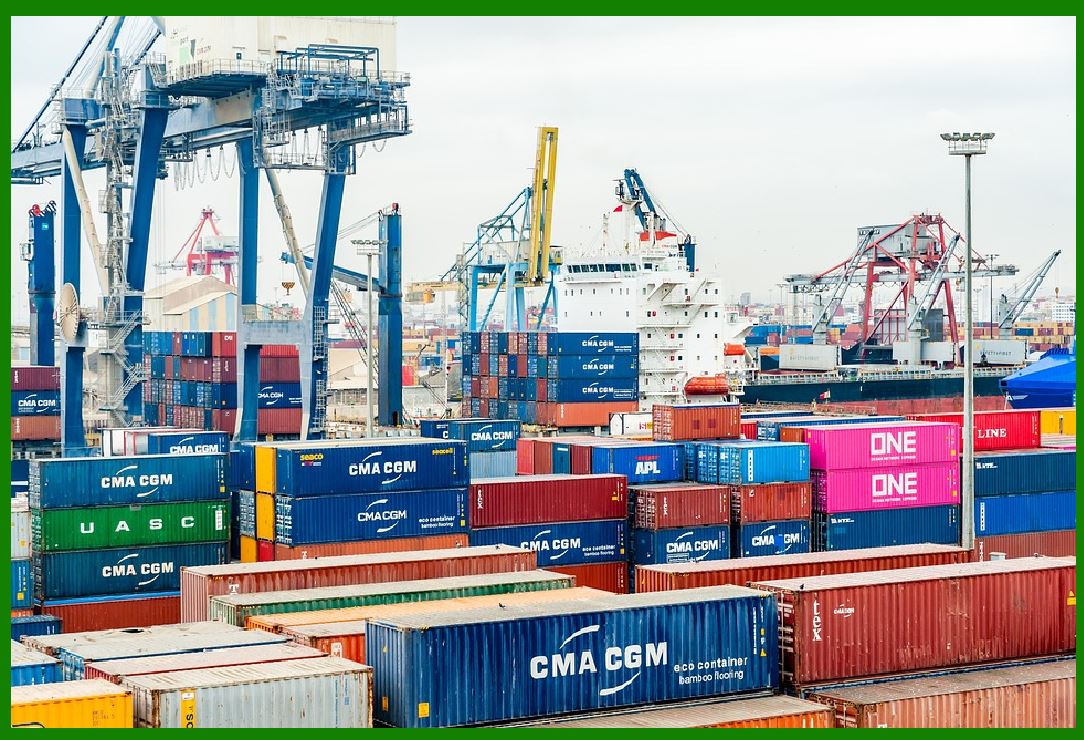
Transportation and Logistics: PDF417 is commonly used in logistics and transportation for tracking shipments. The barcode can store detailed information about the origin, destination, contents, and handling instructions for packages, making it easier to track goods throughout the supply chain. |
Identification Cards: Many government-issued identification cards, such as driver's licenses, incorporate PDF417 barcodes. These barcodes can store personal information such as names, addresses, dates of birth, and even biometric data, ensuring quick and secure identification. |
Postal Services: Postal systems use PDF417 barcodes for package tracking and delivery confirmation. The ability to store large amounts of data allows postal services to include detailed tracking information, which can be scanned and processed efficiently. |
Healthcare: PDF417 barcodes are used in healthcare applications to store patient information, medication details, and billing codes. These barcodes are used on prescription labels, medical records, and laboratory samples. |
Retail and Point-of-Sale: Retailers use PDF417 barcodes on product packaging and receipts to store product details, pricing information, and transaction data. They can also be used for loyalty programs and coupons. |
|
7. Advantages of PDF417 |
PDF417 offers several advantages over traditional 1D barcodes and other 2D barcode formats. |
High Data Capacity: PDF417 can store much more data than traditional 1D barcodes. This makes it ideal for applications that require the encoding of large amounts of information in a small space. |
Error Tolerance: The error correction feature ensures that PDF417 barcodes can be read even if they are damaged, scratched, or poorly printed. This makes it a robust option for use in real-world environments where wear and tear are common. |
Versatility: PDF417 can encode text, numeric, and binary data, making it suitable for a wide range of applications across different industries. |
Scalability: The barcode's ability to adjust the number of columns allows for flexibility in how much data can be encoded. This makes PDF417 suitable for both small and large data sets. |
The process of encoding data into a PDF417 barcode is sophisticated, using specialized techniques to efficiently store and represent large volumes of information. PDF417 employs several methods for data encoding, depending on the type of information to be stored. |
Text Encoding: |
Text encoding is the most common mode of encoding in PDF417. When text is encoded, the characters are represented by a combination of codewords, which are 17-bit sequences. The encoding process uses a table of predefined patterns (such as the ASCII character set) to map each character to a codeword. |
Compaction: Text compaction is a form of data compression that reduces the number of bits required to represent certain types of data. For example, instead of encoding every letter individually, PDF417 might group characters together in sequences, reducing the space needed. |
Shift and Extended Modes: PDF417 also supports special modes, such as the shift mode, where the code can switch between different character sets. This feature allows the encoding of both Latin and extended characters (such as accented letters) in the same barcode. |
Numeric Encoding: |
PDF417 is capable of encoding numerical data more efficiently than text. The numeric encoding mode uses a special numeric compaction technique that stores numbers in a compressed format, minimizing the size of the barcode. |
Base 10 Representation: Numeric data is stored in base 10 format, which makes it more compact than encoding individual digits. For example, a sequence of numeric digits like '123456' might be stored as a single compact numeric codeword, making it more space-efficient. |
Binary Encoding: |
Binary encoding allows PDF417 to store any type of data, such as images, files, or non-text characters, in the form of binary sequences. PDF417 supports encoding arbitrary binary data as a stream of bits. This mode is useful for applications that require non-textual data to be embedded within the barcode. |
Byte Sequences: The binary encoding mode is suitable for scenarios where exact byte sequences need to be preserved, such as when storing proprietary data formats, digital signatures, or encryption keys. |

|
9. Error Correction and Its Importance |
PDF417 is designed with robust error correction capabilities to ensure that the barcode can be accurately read even when it is damaged, misprinted, or partially obscured. Error correction is essential for maintaining the integrity of the encoded data, especially in environments where wear and tear or poor printing quality are common. |
Reed-Solomon Error Correction: |
The Reed-Solomon error correction algorithm is central to the robustness of PDF417. This algorithm works by adding redundant codewords to the barcode, which are not necessary for decoding the data under normal conditions. If part of the barcode is unreadable or distorted, these redundant codewords can be used to reconstruct the missing data. |
Error Correction Codewords: The number of error correction codewords added to the barcode depends on the size of the barcode and the chosen error correction level. A higher error correction level provides more redundancy, which increases the barcode's reliability in difficult conditions, but also results in a larger barcode. |
Correction Levels: PDF417 supports up to 8 different error correction levels, ranging from Level 0 (no error correction) to Level 8 (maximum error correction). Higher levels of correction require more codewords, but they allow the barcode to tolerate a greater degree of damage. For example, at Level 4, the barcode can tolerate up to 20% data loss, while at Level 8, it can tolerate up to 40% damage. |

|
10. PDF417 Barcode Specifications and Standards |
The specifications for PDF417 are defined by various standards and guidelines that ensure the barcode is used consistently and can be reliably decoded across different platforms and applications. PDF417 is recognized by several international organizations, including ISO and ANSI, which have established detailed guidelines for its use. |
ISO/IEC 15438: |
PDF417 is standardized by the International Organization for Standardization (ISO) under ISO/IEC 15438. This standard defines the structure of the barcode, including its encoding, error correction, and scanning requirements. The standard ensures that PDF417 barcodes can be read by a wide range of scanners and devices, regardless of the manufacturer. |
ANSI/AIM BC1-2005: |
In addition to ISO standards, PDF417 is also included in the ANSI/AIM BC1-2005 standard, which provides specifications for barcodes used in automatic identification and data capture (AIDC) applications. This standard focuses on performance criteria for barcode scanning, ensuring that PDF417 barcodes meet certain minimum standards for readability and reliability. |
GS1 System: |
The Global Standards 1 (GS1) organization, which manages global standards for barcodes, includes PDF417 as a valid option for encoding data in supply chain and logistics applications. The GS1 system defines how PDF417 should be used in contexts like product tracking, shipping, and inventory management, providing guidance on best practices for barcode printing and scanning. |
|
11. Scanning PDF417 Barcodes |
The scanning process for PDF417 barcodes is distinct from that of traditional 1D barcodes due to the barcode's two-dimensional nature. Scanning a PDF417 barcode requires specialized scanning equipment capable of interpreting both the vertical and horizontal dimensions of the code. |
Types of Scanners: |
There are several types of scanners used for reading PDF417 barcodes: |
Laser Scanners: While PDF417 can be read by laser scanners, these are less commonly used compared to imaging-based scanners. Laser scanners typically have difficulty reading 2D barcodes like PDF417 unless the barcode is positioned precisely in line with the laser beam. These scanners are often limited in their ability to decode PDF417 from a variety of angles or under non-ideal conditions. |
Image-Based Scanners: The more common approach to scanning PDF417 barcodes is through image-based scanners, which use CCD or CMOS technology to capture the barcode in a 2D image. These scanners are able to decode PDF417 barcodes from various angles, including distorted, skewed, or rotated barcodes, and are better suited for reading barcodes in real-world environments. |
Smartphones and Mobile Devices: In recent years, smartphones and tablets equipped with cameras have become widely used for reading PDF417 barcodes. Mobile devices use specialized barcode scanning apps that can process the captured image and decode the information, offering flexibility and convenience for users. |
Scanning Range and Angle: |
One of the advantages of image-based scanners is their ability to read barcodes from different angles and distances. Unlike laser scanners, which require precise alignment with the barcode, image-based scanners can capture a wide range of angles and read barcodes even when they are not perfectly aligned with the scanner. |
Tolerances: PDF417 barcodes are designed to tolerate certain degrees of distortion, tilt, and misalignment. As long as the barcode remains within the specified tolerance limits, it can still be scanned and decoded accurately. |
|
12. Advantages of PDF417 Over Other Barcode Formats |
PDF417 is often chosen for applications where large amounts of data need to be encoded and where reliability is paramount. There are several advantages that PDF417 offers over other barcode formats. |
Higher Data Density: Compared to traditional 1D barcodes, PDF417 can store significantly more data. A typical 1D barcode can store up to 20-25 characters, while a PDF417 barcode can store thousands of characters, making it ideal for applications that require the encoding of complex information like product details, tracking numbers, or even full-text documents. |
Error Resilience: The error correction feature of PDF417 provides a level of reliability that is not possible with traditional 1D barcodes. This is particularly important in industries where barcodes are subjected to rough handling or where high levels of data integrity are required, such as in healthcare and logistics. |
Multifunctionality: PDF417 can store various types of data, including alphanumeric characters, numeric data, and binary information. This makes it suitable for a wide range of applications across different industries, from shipping and transportation to healthcare and government-issued IDs. |
Compact Size: Despite its ability to store large amounts of data, PDF417 barcodes remain relatively compact in size. This allows them to be used in applications where space is limited, such as on identity cards, packaging, and labels. |

|
13. Advanced Applications of PDF417 |
PDF417 barcodes have found widespread applications across numerous industries due to their versatility and ability to store large amounts of data. Some of the most advanced and specialized applications are in areas that demand high data density and accuracy. |
Government Identification and Documents: |
PDF417 barcodes are frequently used on government-issued identification cards such as driver's licenses, national IDs, and passports. These barcodes can store important personal details such as name, address, date of birth, and even biometric data (e.g., fingerprints, facial recognition data) in a compact format. For example, in the U.S., state-issued driver's licenses typically have a PDF417 barcode on the back that encodes personal details, reducing the risk of identity fraud. |
Global Standards for ID: International standards like the International Civil Aviation Organization (ICAO) specify the use of PDF417 for biometric passports, which require the storage of high volumes of personal and security information. The use of PDF417 ensures that this information is easily accessible and can be scanned by border security personnel globally. |
Transportation and Ticketing: |
In the transportation sector, PDF417 barcodes are used for boarding passes, train tickets, and event tickets. These barcodes can hold travel itinerary information, passenger details, seat assignments, and even QR codes for further online interactions. This use of PDF417 improves the efficiency of passenger processing at airports, train stations, and event venues. |
Automated Ticket Validation: In airports, for example, PDF417 barcodes on boarding passes allow for seamless automated ticket validation by scanners. Passengers can check in electronically, reducing the need for paper-based processes and enhancing customer experience. |
Healthcare: |
In healthcare, PDF417 barcodes are used on prescription labels, patient wristbands, medical records, and laboratory specimens. The ability to encode large amounts of data, including patient history, allergies, and medication information, is crucial for improving patient safety and minimizing medication errors. |
Pharmaceutical Labels: PDF417 is particularly useful in pharmaceutical applications for storing detailed product information, including the manufacturing date, batch number, and expiration date. In countries where pharmaceutical regulation is stringent, PDF417 barcodes provide a reliable means of ensuring compliance. |
Logistics and Supply Chain: |
One of the most prominent uses of PDF417 barcodes is in logistics, shipping, and warehousing. They are used to track shipments, manage inventory, and monitor goods as they move through the supply chain. |
Shipment Tracking: PDF417 barcodes are often used to track freight shipments, allowing both the sender and the recipient to monitor the package's journey in real time. PDF417's ability to store complex tracking information, such as shipping addresses, time stamps, and package dimensions, ensures that all relevant details are captured. |
Retail and Point-of-Sale: |
Retailers use PDF417 barcodes for encoding product details, loyalty points, coupons, and even digital receipts. Because PDF417 can store more data than traditional 1D barcodes, it enables more efficient transactions at checkout counters. |
Price and Promotion Codes: Retailers might embed promotional information, coupons, and product specifications into a PDF417 barcode that is scanned at checkout, providing a richer, more interactive customer experience. |

|
14. Regulatory and Standardization Requirements for PDF417 |
As with any barcode standard, there are specific regulations and guidelines that govern the use of PDF417 in various industries. These standards ensure that PDF417 barcodes can be reliably scanned, decoded, and interpreted across different systems and devices. |
ISO/IEC 15438 Compliance: |
PDF417 is formally standardized by the International Organization for Standardization (ISO) under the ISO/IEC 15438 standard. This standard outlines the specifications for PDF417 barcodes, including how data is encoded, how the barcode should be printed, and how the barcode should be scanned. Compliance with ISO/IEC 15438 ensures that PDF417 barcodes are universally compatible with scanners and decoding systems. |
Barcode Quality: ISO 15438 also includes guidelines on the quality of the barcode image. For instance, it specifies the minimum contrast ratio between black and white elements, the spacing between bars (modules), and the optimal resolution for printing PDF417 barcodes. This helps ensure that barcodes can be scanned successfully under various lighting conditions and distances. |
ANSI/AIM BC1-2005: |
This ANSI standard provides additional specifications for PDF417, including guidelines for performance standards in automatic identification and data capture (AIDC) systems. This standard is widely adopted in industries like logistics and transportation, where accuracy and reliability in barcode scanning are paramount. |
GS1 Application: |
The Global Standards 1 (GS1) system is another important regulatory framework that impacts PDF417 usage, particularly in the retail and logistics sectors. GS1 specifies how PDF417 should be used in contexts like shipping labels, inventory management, and product tracking. |
Healthcare Compliance: |
In healthcare, PDF417 barcodes are subject to regulatory requirements outlined by organizations like the U.S. Food and Drug Administration (FDA) and the European Medicines Agency (EMA). These regulations stipulate the use of PDF417 on pharmaceutical packaging to enhance drug traceability and safety. |
Drug Serialization: Many countries have implemented regulations requiring unique serial numbers to be encoded into PDF417 barcodes on pharmaceutical products, enhancing security and tracking in the global supply chain. |

|
15. Security Features and Considerations in PDF417 |
PDF417 barcodes offer several security features that make them a viable option for applications where data integrity and privacy are critical. While PDF417 itself does not inherently provide encryption, it can be used in conjunction with other technologies to enhance security. |
Data Encryption: |
PDF417 barcodes can be combined with encryption algorithms to secure the data encoded within the barcode. This is particularly important when sensitive information, such as medical records, financial data, or government IDs, needs to be protected. |
Public Key Infrastructure (PKI): In high-security environments, PDF417 can store encrypted data that is only accessible with the appropriate decryption keys. PKI can be used in conjunction with PDF417 to ensure that only authorized users can access the sensitive data encoded in the barcode. |
Digital Signatures: |
Another security feature that can be integrated with PDF417 is the use of digital signatures. These signatures authenticate the origin and integrity of the data. For instance, a PDF417 barcode on an ID card might store a digital signature that validates the authenticity of the cardholder's information, preventing forgery and tampering. |
Tamper-Evident Designs: |
In some applications, PDF417 barcodes are used in conjunction with tamper-evident printing technologies. These include holograms or special ink that makes it clear if the barcode or its surrounding area has been altered. This provides an additional layer of security in applications like passports and government-issued IDs. |

|
16. Challenges in PDF417 Barcode Usage |
Despite its many advantages, PDF417 barcode technology is not without challenges. There are certain factors that may limit its effectiveness in some situations. |
Size of the Barcode: |
One of the primary drawbacks of PDF417 is that it can become quite large if encoding a significant amount of data. This can make it impractical for applications where space is highly limited. For example, on product packaging or small labels, the size of the barcode may need to be adjusted carefully to fit within the available area. |
Optimal Resolution: For smaller barcodes, the resolution at which they are printed must be high enough to ensure readability. If the resolution is too low, scanners may not be able to decode the barcode reliably. |
Print Quality and Damage: |
The readability of PDF417 barcodes is highly dependent on print quality. A poorly printed barcode can result in unreadable data, even if the scanner is high quality. For instance, smudging, fading, or misalignment of the modules can lead to scanning failures. |
Environmental Factors: Exposure to harsh environments, such as high temperatures, moisture, or physical abrasion, can also damage a PDF417 barcode. However, as noted earlier, PDF417 has built-in error correction to recover from minor damage. |
Compatibility with Older Systems: |
Although PDF417 is widely used, older barcode systems and scanners may not support 2D barcodes, including PDF417. Upgrading to newer systems with 2D scanning capabilities may be required to fully leverage PDF417's benefits. |
|
17. Future Developments in PDF417 Technology |
The future of PDF417 barcodes will likely see innovations that improve efficiency, scanning capabilities, and data storage. These improvements may be driven by advancements in printing technology, scanning devices, and the ongoing development of software applications. |
Smarter Scanning: |
Future PDF417 scanning technologies may integrate artificial intelligence (AI) to automatically correct errors in scanned images and improve decoding accuracy. Machine learning algorithms could help scanners better interpret degraded or skewed barcodes, making PDF417 more adaptable in real-world scenarios. |
Integration with IoT: |
As the Internet of Things (IoT) continues to expand, PDF417 may be increasingly used in applications that require real-time data exchange. For example, PDF417 barcodes could be used to connect physical products to cloud-based systems for real-time tracking and management. |
Improved Security Features: |
With rising concerns about data privacy and security, future iterations of PDF417 barcodes may include even more advanced encryption and authentication features. These improvements will make PDF417 an even more robust solution for applications requiring high levels of data protection. |

|
18. Practical Considerations for Implementing PDF417 |
When adopting PDF417 barcodes for real-world applications, businesses and organizations must carefully consider several practical aspects, such as design, printing, and scanning conditions. This ensures that the barcode performs optimally in its intended environment. |
Design and Layout: |
The design of a PDF417 barcode needs to be optimized for both readability and the available space. A barcode that is too small or too densely packed might result in scanning failures, while a barcode that is too large may occupy unnecessary space. Therefore, when designing a PDF417 barcode: |
Module Size: The module size (the smallest square or rectangular unit of the barcode) plays a critical role in determining the minimum size of the barcode. It must be large enough to ensure reliable scanning but compact enough to fit within the available space. |
Quiet Zone: A quiet zone is the blank space around the barcode. This area must be sufficiently wide to prevent interference from surrounding text or graphics, which could affect the readability of the barcode. According to ISO standards, the quiet zone should be at least 10 times the width of the smallest module. |
Aspect Ratio: PDF417 barcodes have a 3:1 aspect ratio for width-to-height. This ensures that the barcode remains legible while still storing large amounts of data. Proper aspect ratio maintenance helps scanners quickly adjust focus and improve decoding accuracy. |
Printing Quality and Materials: |
The quality of printing can significantly impact the accuracy and durability of PDF417 barcodes. High-resolution printing is crucial, especially for smaller barcodes that may store large amounts of data. Low-resolution or poorly printed barcodes can cause problems with decoding. |
Materials: For environments where the barcode may be exposed to harsh conditions, such as high moisture, UV light, or abrasion, choosing durable printing materials is key. For example, polyester or vinyl labels may be used in place of paper for applications where durability is essential. |
Printing Technologies: Different printing technologies-such as laser printers, inkjet printers, and thermal printers-can be used to create PDF417 barcodes. The choice of printing method can impact the final quality of the barcode. Thermal transfer printers, for instance, are often preferred in applications like shipping labels, where the barcode needs to withstand the rigors of transportation. |
Scanner and Reader Considerations: |
Ensuring compatibility between the barcode and scanning equipment is essential for seamless operation. Barcode readers and scanners should be selected based on the specific use case and environment. |
Scanner Types: As mentioned earlier, image-based scanners (CCD and CMOS) are preferred for reading PDF417 barcodes, as they offer superior flexibility in reading from different angles and orientations. However, laser scanners may still be used for simpler barcode applications. |
Scanning Speed: The scanning speed is a critical factor in environments with high throughput, such as airports, train stations, or warehouses. Scanners should be capable of quickly reading PDF417 barcodes even when they are at varying angles, distorted, or damaged. |

|
19. Industry-Specific Examples of PDF417 Barcode Implementation |
PDF417's versatility allows it to be deployed across a broad spectrum of industries. Let's take a look at several specific examples where PDF417 barcodes are utilized to streamline operations, enhance data security, and improve user experience. |
Aviation and Airport Management: |
In the aviation industry, PDF417 barcodes are widely used on boarding passes, luggage tags, and flight documents. These barcodes contain essential passenger information such as name, seat number, flight details, and baggage information. |
Self-Check-In and Baggage Tracking: Passengers can use mobile apps or self-service kiosks to check in and receive a boarding pass with a PDF417 barcode. The barcode can then be scanned at various checkpoints throughout the airport to verify their identity and track their luggage. This reduces wait times and improves operational efficiency at the airport. |
Healthcare and Pharmaceutical Industry: |
PDF417 barcodes are used extensively in the healthcare industry for patient identification, medication tracking, and lab testing. |
Patient Identification: Hospitals often use wristbands with PDF417 barcodes to identify patients. The barcodes store vital information such as medical history, allergies, and treatment plans. When patients move between departments, healthcare providers can quickly scan the barcode to access the patient's electronic medical records, reducing the chance of human error. |
Pharmaceutical Traceability: In pharmaceutical applications, PDF417 is used to encode data on drug packaging. This could include the product's serial number, expiration date, manufacturing details, and batch number. Such information helps track the movement of drugs through the supply chain and ensures compliance with regulations like the U.S. Drug Supply Chain Security Act (DSCSA). |
Logistics and Warehouse Management: |
In the logistics sector, PDF417 barcodes are used to improve supply chain visibility, optimize inventory management, and enhance shipment tracking. |
Inventory and Warehouse Management: Each product or pallet in a warehouse can be tagged with a PDF417 barcode containing key data such as product type, quantity, location, and batch number. Warehouse staff can scan the barcode to update inventory records in real time, minimizing errors and improving stock accuracy. |
Shipment Tracking: As goods move through the supply chain, PDF417 barcodes on shipping labels help track shipments by encoding detailed data such as order numbers, delivery addresses, and shipment contents. This information can be used for real-time tracking and route optimization. |
Retail and Consumer Goods: |
Retailers are increasingly turning to PDF417 barcodes to handle a wide variety of functions, such as managing customer loyalty programs, encoding product information, and processing transactions. |
Customer Loyalty Programs: Retailers can embed PDF417 barcodes on loyalty cards or coupons to store customer information and purchase history. The barcode can also be used to deliver personalized promotions to customers during checkout. |
Product Information: Retail products, especially those in the electronics and pharmaceutical sectors, can have PDF417 barcodes affixed to labels that store detailed product specifications, batch numbers, and warranty information. This allows customers or store staff to scan the barcode for immediate access to the product's history or details. |
|
20. The Evolving Landscape of Barcode Technology |
While PDF417 remains an essential 2D barcode technology, the barcode landscape is continuously evolving. As technology advances, newer barcode formats, scanning technologies, and data encoding techniques are emerging to provide greater efficiency, flexibility, and security. |
Integration with QR Codes: |
QR codes, another type of 2D barcode, are rapidly gaining popularity for applications such as mobile payments, marketing, and contactless check-ins. As PDF417 continues to serve specialized applications, QR codes are expected to capture a larger share of the market, especially in consumer-facing environments. |
Hybrid Systems: In the future, hybrid systems might emerge, where both QR codes and PDF417 barcodes coexist on the same label, with the QR code providing a simple way for consumers to access information via mobile devices, and the PDF417 barcode storing more detailed, secure, or business-critical data. |
Data Encoding Advancements: |
Future advancements in barcode technology may lead to more sophisticated data encoding techniques that allow even greater data capacity and better error correction. Additionally, new methods of data compression could make barcode sizes smaller while maintaining their data density. |
Enhanced Compression Techniques: Researchers are working on data compression algorithms that would allow even more data to be stored in less space. These advancements could lead to even higher data density in 2D barcodes, potentially making formats like PDF417 even more versatile and applicable across a broader range of industries. |
Integration with IoT and Blockchain: |
As IoT and blockchain technologies mature, PDF417 barcodes could play a crucial role in enabling real-time data exchange and authentication. For example, in the IoT landscape, PDF417 could be used to encode unique identifiers for devices, allowing them to interact with other devices or systems in real time. Similarly, blockchain-based applications could use PDF417 barcodes for immutable tracking and traceability of products, ensuring transparency and security in industries like supply chain management and healthcare. |
Mobile and Smart Device Usage: |
With the increasing use of mobile phones and smart devices, barcode scanning technology is being integrated into a wider array of applications. Future advancements may make it easier to use mobile devices to scan PDF417 barcodes in a variety of settings, such as at points of sale, in warehouses, or in field service applications. |
Augmented Reality (AR): AR technology could enhance the barcode scanning experience by overlaying information from scanned PDF417 barcodes directly into the user's field of view, offering new ways for users to interact with the data encoded in barcodes. |
 cs@easiersoft.com