1. Introduction: The Need for a New Barcode Standard |
Before 2D barcodes, 1D barcodes (like UPC and EAN) were the dominant standard for data representation. While 1D barcodes excelled in simple applications, they were limited in the amount of information they could store. With increasing demands for more complex data storage, higher efficiency, and faster scanning capabilities, the need for a more advanced system arose. The emergence of 2D barcodes was a direct response to these demands. |
|
2. Early Concepts and Precursors to 2D Barcodes |
The idea of encoding more data into a small visual symbol is not new. The history of 2D barcodes can be traced back to several early concepts that influenced their creation: |
Optical Character Recognition (OCR): Prior to 2D barcodes, technologies like OCR were developed to read characters on paper documents. While OCR could recognize text, it was inefficient and error-prone when processing large volumes of data. |
Linear Barcodes: Linear barcodes, developed in the early 20th century, were the first to use optical scanning for data encoding. However, they were limited to storing information in one direction, with a capacity of only about 20-30 characters. |
Stacked Barcodes: Early experiments in encoding more data included stacked barcodes like PDF417, which had two-dimensional structures that allowed more data to be represented. However, these still didn¡¯t fully meet the demand for compact, high-density data storage. |
|
3. The Birth of the First 2D Barcode: DataMatrix |
In the late 1980s, the first truly effective 2D barcode was developed, known as DataMatrix. This was a major breakthrough in barcode technology. |
Development by International Data Matrix Inc. (ID Matrix): Founded by researchers like Joe Wood, the company released the DataMatrix barcode standard in 1988. The design utilized both horizontal and vertical axes to store information, significantly increasing the data capacity per unit area compared to 1D barcodes. |
Key Features: The DataMatrix barcode could store up to 2,000 alphanumeric characters, and its small size made it ideal for marking small products like medical devices, automotive parts, and electronics. Unlike traditional 1D barcodes, it used square-shaped 'cells' to encode data in two dimensions, increasing its robustness and readability. |

|
4. The Rise of QR Code: Global Adoption and Popularization |
The QR Code (Quick Response Code), developed by Denso Wave in 1994, brought 2D barcodes into mainstream use. Unlike previous barcodes, QR codes could store much more data (up to 7,000 digits or 4,000 alphanumeric characters) and were faster to read due to their design. |
Commercial Success in Japan: Initially developed for tracking parts in the automotive industry, QR codes quickly gained popularity in Japan for retail applications. Their versatility and higher data storage capacity led to widespread adoption in the logistics and retail industries. |
Global Expansion: As smartphones equipped with cameras became ubiquitous, QR codes gained global prominence in marketing, retail, and consumer applications. Their ability to link to websites, store contact information, and execute commands (like adding a contact or connecting to Wi-Fi) made them a versatile tool for businesses worldwide. |
Evolution of QR Codes: Over the years, QR codes have evolved, with enhancements in their error correction capabilities, leading to greater reliability in damaged or partially obscured codes. |
|
5. Other Notable 2D Barcode Systems |
While DataMatrix and QR codes were the most widely adopted, other 2D barcode systems were developed for niche applications: |
PDF417: A popular 2D barcode used for encoding large amounts of data, PDF417 is used in logistics, identification cards, and transport tickets. It can store up to 1,800 characters in a compact, readable form and features error correction capabilities. |
Aztec Code: Introduced in the mid-1990s, Aztec codes were designed for mobile ticketing and applications where space is limited. They offer a smaller size than QR codes and are used in applications like transportation tickets. |
MaxiCode: Developed by UPS in the 1990s, MaxiCode is a 2D barcode used for package tracking in logistics. It uses a fixed grid layout and is optimized for fast scanning from varying angles. |
|
6. Technological Advancements and Innovations in 2D Barcode Scanning |
As 2D barcode technologies evolved, so too did the hardware and software required to read them. The rapid development of scanning technologies has been critical to the widespread adoption of 2D barcodes. |
Imaging Sensors and CCD Cameras: The early 2D barcode scanners used laser scanners similar to their 1D counterparts. However, advances in imaging sensors and CCD cameras enabled the development of high-performance scanners capable of reading both 1D and 2D barcodes. |
Mobile Devices: The proliferation of smartphones with built-in cameras and scanning apps has been a pivotal factor in the success of 2D barcodes. By simply scanning QR codes or other 2D barcodes with their phones, users gained access to websites, products, services, and more, thus driving the adoption of 2D barcodes in everyday life. |
Cloud Integration and Real-Time Data: The integration of 2D barcodes with cloud computing and real-time data management systems has enabled businesses to track inventory, shipments, and customer interactions more efficiently. |

|
7. The Role of 2D Barcodes in Digital Transformation |
As businesses and industries began their digital transformation, 2D barcodes played a crucial role in facilitating the transition from manual to automated data collection. This transformation is most evident in the following areas: |
Supply Chain and Logistics: 2D barcodes are essential in tracking goods and shipments through the supply chain. By enabling faster, more accurate scanning, they helped reduce human error and streamline operations in industries ranging from retail to healthcare. |
Retail and Customer Experience: QR codes became a core part of the retail experience, allowing customers to quickly access product information, prices, and promotions. They also became central to mobile payment systems like WeChat Pay and Apple Pay. |
Healthcare: The healthcare sector adopted 2D barcodes for tracking pharmaceuticals, medical equipment, and patient data. DataMatrix, in particular, has been used extensively in the medical field for labeling small items and ensuring that the right medication reaches the right patient. |
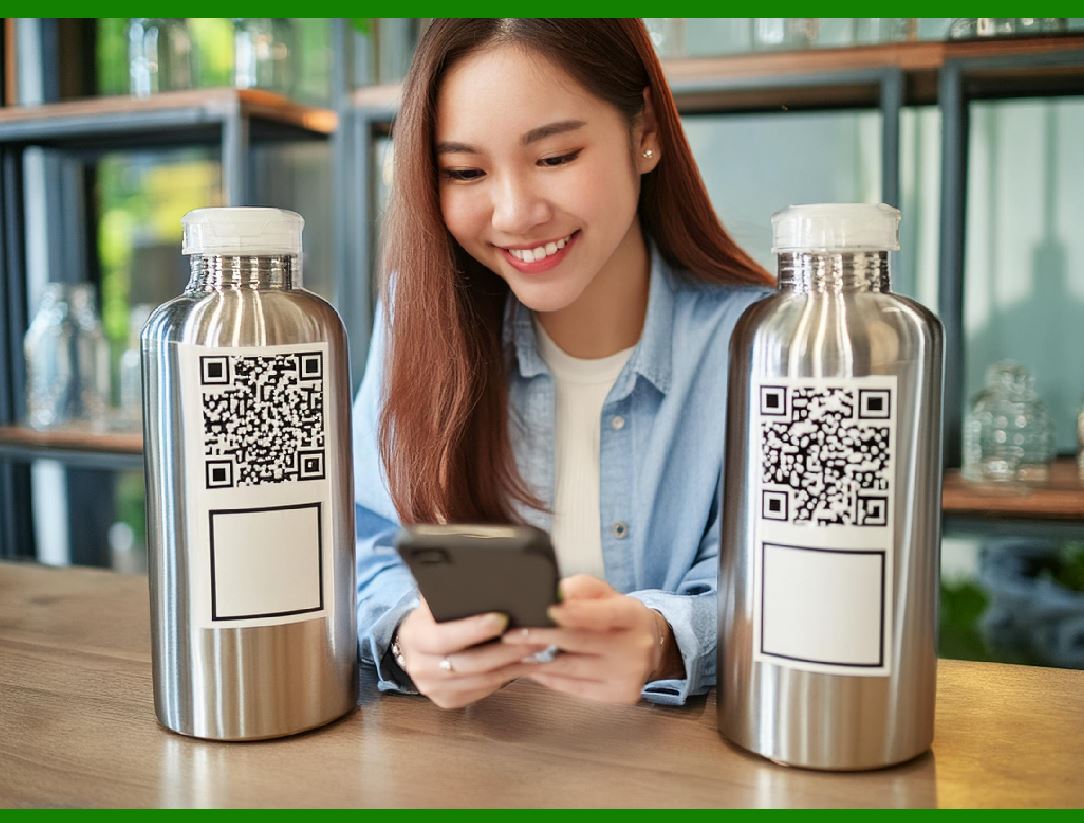
Advertising and Marketing: 2D barcodes, particularly QR codes, have been heavily used in marketing campaigns to direct consumers to websites, discounts, product information, or even special offers. The ability to integrate these codes into print media, packaging, and billboards opened up new avenues for direct-to-consumer interaction. |
|
8. Challenges in the Adoption of 2D Barcodes |
Despite their advantages, 2D barcodes faced certain challenges in adoption: |
Technological Limitations in Early Stages: Early adopters faced issues with the scanning capabilities of 2D barcode readers. Some scanners were slow, and the codes could be difficult to read under certain lighting conditions or if they were damaged. |
Consumer Awareness: Many consumers were unfamiliar with 2D barcodes, particularly QR codes, which hindered widespread use. Overcoming this barrier required substantial education and marketing to inform the public about how to scan and interact with 2D barcodes. |
Security Concerns: As 2D barcodes became more widely used in marketing and payment systems, concerns over security began to arise. Malicious QR codes, for example, could lead to phishing websites or trigger actions that users were unaware of. |
|
9. Future Developments in 2D Barcode Technologies |
The future of 2D barcodes is poised for continued evolution. Some of the key developments expected to shape their future include: |
Enhanced Data Storage Capacity: Future 2D barcodes will likely be able to store even more data, surpassing current limits. This will enable more complex applications, such as encoding entire documents or extensive product details within a single code. |
Integration with IoT and AI: 2D barcodes are expected to become more integrated with Internet of Things (IoT) devices and Artificial Intelligence (AI). For example, smart labels and barcode-enabled sensors could communicate real-time data about products as they move through the supply chain, providing unprecedented transparency and efficiency. |
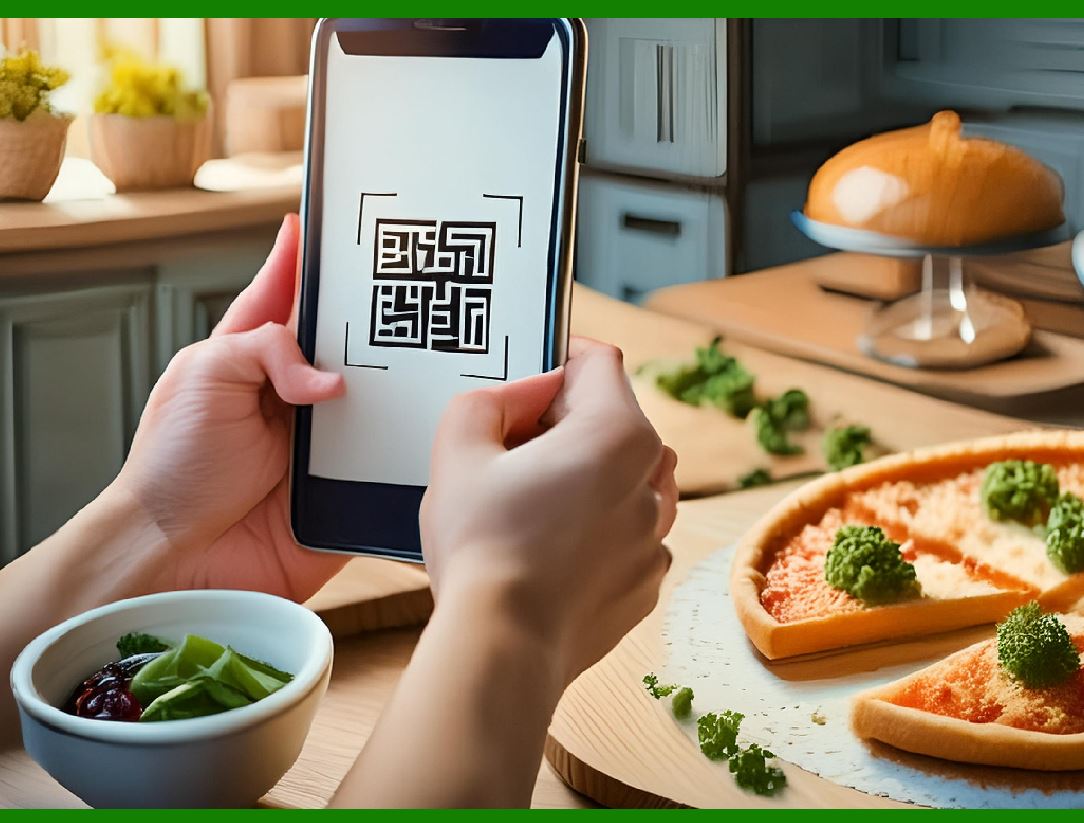
Augmented Reality (AR) Integration: With the rise of AR, 2D barcodes may evolve to interact with AR devices. For example, scanning a barcode might trigger an immersive AR experience where additional product information or virtual demonstrations are displayed in the real world. |
Increased Security Features: As cyber threats continue to rise, the future of 2D barcodes will likely see advancements in encryption and security measures. Expect secure data transmission and authentication protocols to be integrated into the next generation of barcode systems, particularly in payment and identity verification applications. |
Printable Electronics and Smart Packaging: Researchers are exploring the possibility of integrating barcodes with flexible, printable electronics, creating smart labels that can interact with consumers and store data in innovative ways. This could include temperature-sensitive labels, interactive packaging, and even barcodes that change in real-time. |
Sustainability and Eco-Friendly Materials: As environmental concerns become more prominent, the development of sustainable, biodegradable, or recyclable materials for barcode labels will be a focus. Additionally, technologies like e-ink and other low-energy consumption solutions could reduce the environmental impact of barcode systems. |
|
10. Conclusion: A Key Component in the Future of Data and Automation |
The history of 2D barcodes demonstrates their critical role in the digital economy. From their humble beginnings in the automotive industry to becoming a global standard for mobile payments and product tracking, 2D barcodes have shown incredible adaptability. Their future developments are poised to revolutionize industries even further, especially with advancements in security, AI, and IoT integration. As we continue to see rapid changes in data management and consumer interaction, 2D barcodes will remain a core component in shaping the way information is transmitted, accessed, and managed in the modern world. |
This history encapsulates the major milestones in the development of 2D barcodes, but their evolution is far from over. Looking ahead, the integration of new technologies and creative solutions promises to keep 2D barcodes at the heart of the digital transformation across industries worldwide. |

|
Deep into QR Code |
1. Introduction to QR Codes |
QR Codes (Quick Response Codes) are a form of 2D barcode that has become one of the most recognized and widely used symbols in the world. Originally developed in Japan for automotive applications, QR codes are now ubiquitous in marketing, retail, payments, logistics, and even personal identification. |
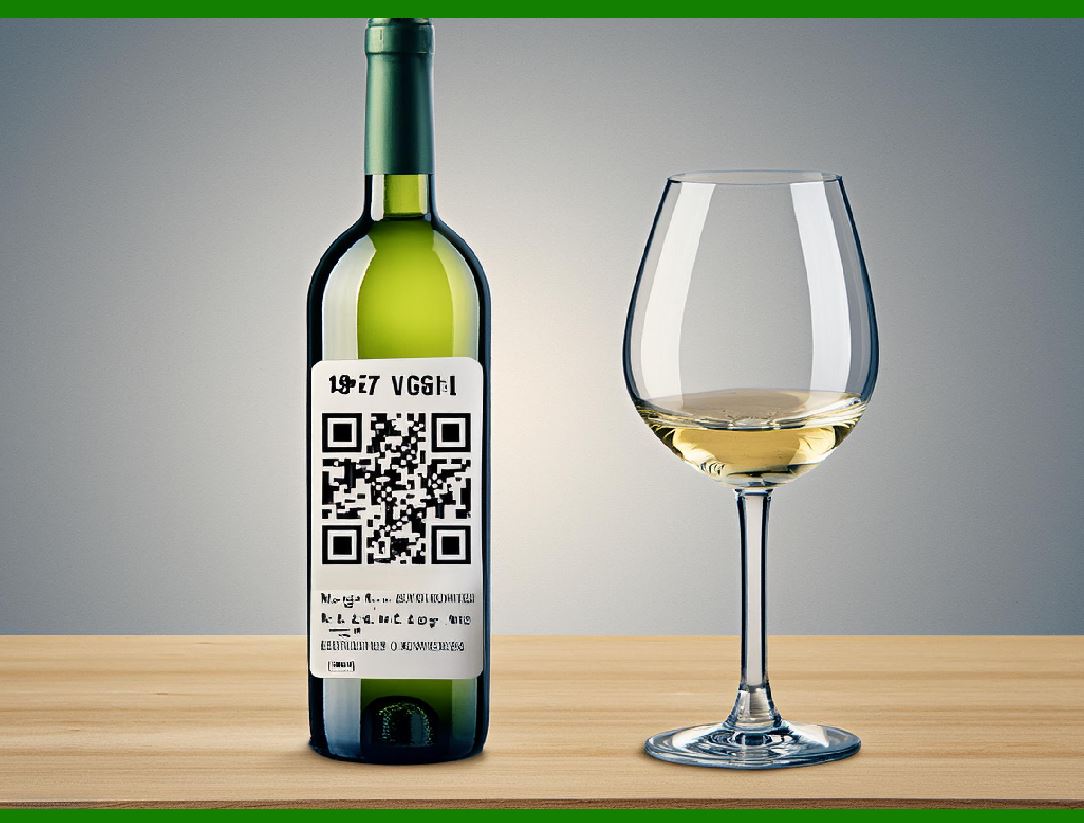
The primary advantage of QR codes over traditional 1D barcodes is their ability to store much more data in a small, easily scannable format. A QR code can hold up to 7,000 numeric characters or 4,000 alphanumeric characters, significantly surpassing the capacity of 1D barcodes. Their rapid adoption in modern technology stems from their versatility, ease of use, and integration with mobile technologies. |
|
2. The History and Development of QR Codes |
2.1 Origin and Early Use |
QR codes were developed in 1994 by Denso Wave, a subsidiary of the Toyota Group in Japan. The initial purpose was to improve the efficiency of tracking vehicles during the manufacturing process. Traditional barcodes could not store enough information to be useful in automotive production, where parts are tracked through complex and varying stages. The QR code was designed to address this issue by offering faster, more reliable scanning and a much larger data storage capacity. |
The first commercial use of QR codes was in the automobile industry, where they were employed to track components and ensure that parts were correctly matched to their corresponding vehicles. Over time, QR codes found applications beyond automotive manufacturing, with the retail industry quickly recognizing their potential. |
2.2 Global Spread |
The late 2000s saw the global expansion of QR codes, particularly with the rise of smartphones. The proliferation of camera phones with built-in scanning capabilities turned QR codes from a niche technology into a mainstream tool. In 2010, Google integrated QR codes into its Google Search and other services, helping to drive adoption worldwide. With smartphones enabling easy access to QR codes, they began appearing on everything from advertisements to packaging, billboards, and business cards. |

|
3. Technical Structure of a QR Code |
3.1 Basic Components |
A QR code is composed of several key components that allow it to store and convey data efficiently: |
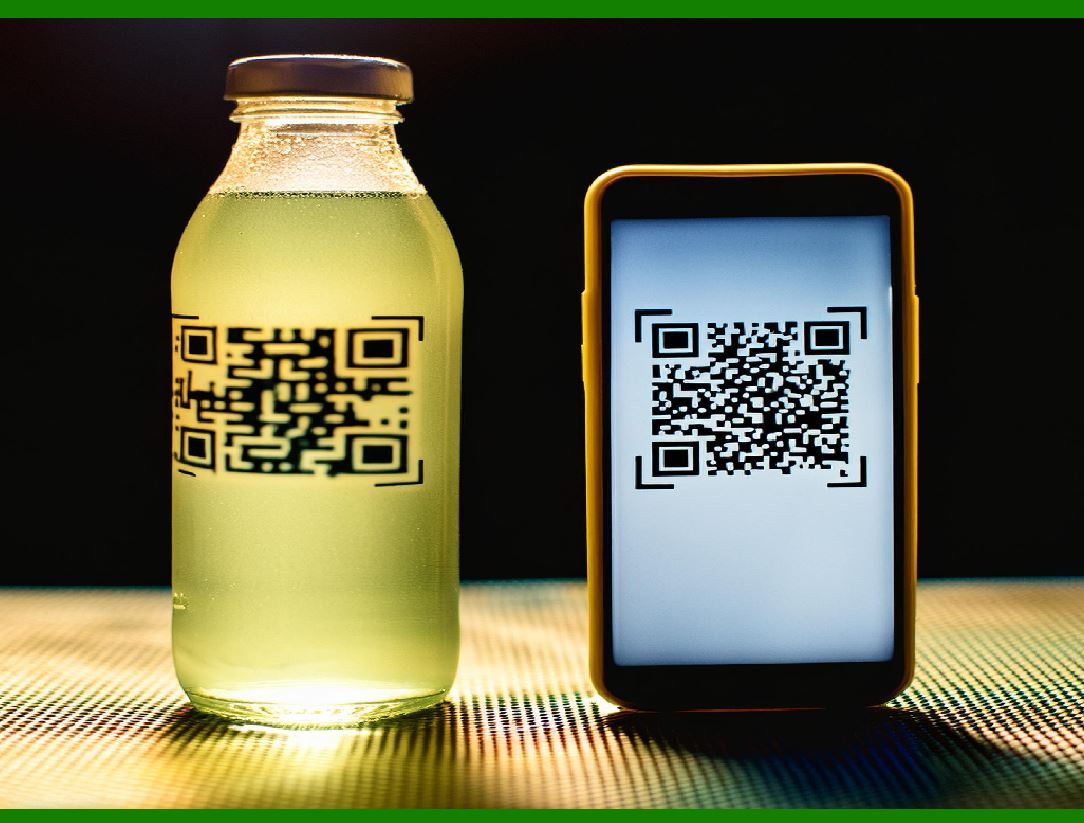
Modules: The small black and white squares that make up the QR code are called 'modules.' Each module represents a bit of information, with black modules typically indicating a binary '1' and white modules representing a '0.' |
Finder Patterns: The large squares located at three of the corners of the QR code are known as finder patterns. They allow QR scanners to detect the code¡¯s orientation and alignment. |
Alignment Pattern: A smaller square located near the bottom right corner is the alignment pattern. This ensures the code can be scanned accurately, even if it is slightly distorted. |
Timing Patterns: These alternating black and white modules form a pattern that runs along the top and left side of the QR code. Timing patterns are used to help define the grid structure of the QR code. |
Quiet Zone: This is the blank margin surrounding the QR code. It ensures that the scanner can distinguish the code from its surrounding environment. |
Version Information: QR codes come in different versions, ranging from Version 1 (21x21 modules) to Version 40 (177x177 modules). Larger versions can store more data. |
Error Correction: QR codes use Reed-Solomon error correction to allow scanning even if the code is partially damaged. There are four levels of error correction, from Level L (7%) to Level H (30%), allowing for varying degrees of damage while still maintaining scannability. |
|
3.2 Encoding Data |
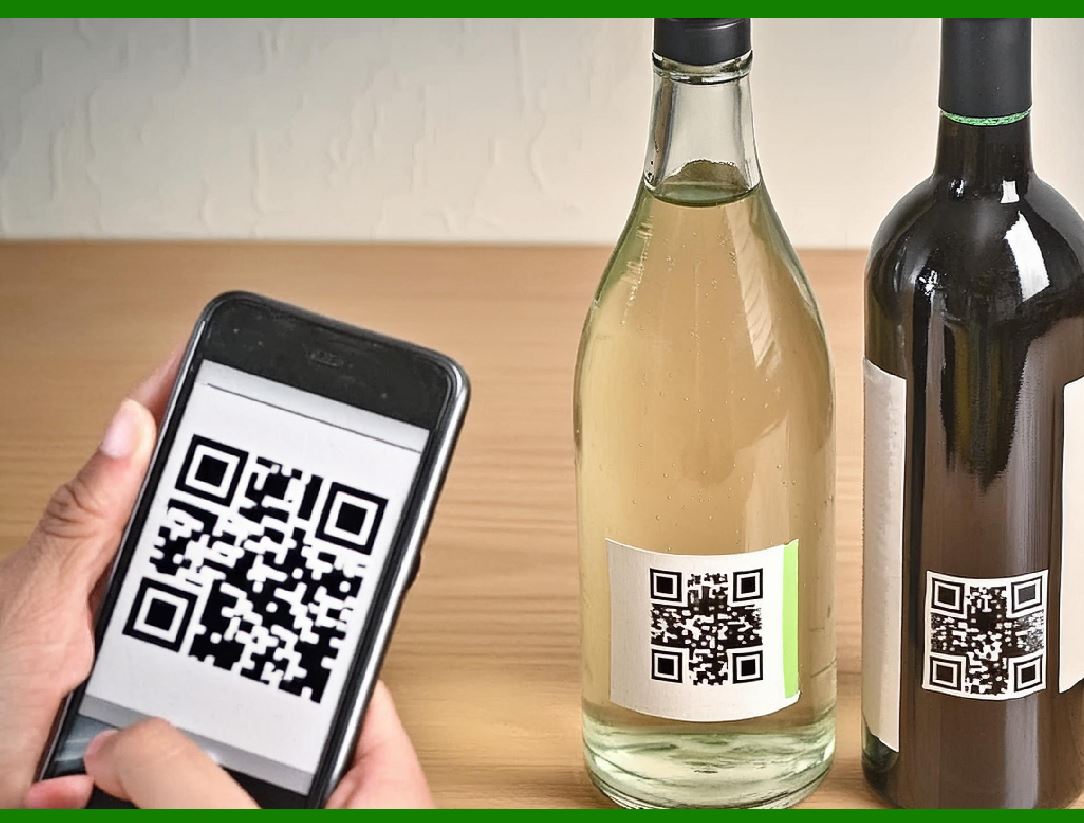
QR codes can encode various types of data, including: |
Numeric: Up to 7,000 digits (e.g., a long string of numbers like a product ID or phone number). |
Alphanumeric: Up to 4,000 characters, including letters, numbers, and a limited set of special characters. |
Binary: Storing raw binary data such as images or files. |
Kanji/Kana: A specialized encoding that allows QR codes to store text in Japanese, such as Kanji characters. |
|
4. QR Code Versions and Error Correction |
4.1 Versions of QR Codes |
The QR Code specification includes 40 versions, with each version representing a different grid size (from 21x21 to 177x177 modules). As the version number increases, the number of data modules increases, thus allowing for more information to be stored. |
Version 1 (21x21): The smallest QR code, which can store about 25 alphanumeric characters. |
Version 40 (177x177): The largest version, which can hold up to 7,000 alphanumeric characters or 4,000 digits. |
4.2 Error Correction Levels |
QR codes use Reed-Solomon error correction to ensure that they can still be scanned if part of the code is obscured, damaged, or distorted. There are four error correction levels: |
Level L (Low): Can correct up to 7% of data. |
Level M (Medium): Can correct up to 15% of data. |
Level Q (Quartile): Can correct up to 25% of data. |
Level H (High): Can correct up to 30% of data. |
The higher the error correction level, the more robust the QR code becomes, but the more space is used for redundancy. |

|
5. QR Code Scanning and Usage |
5.1 How QR Code Scanning Works |
QR code scanning involves the following steps: |
Capture: The camera of a device (such as a smartphone) captures an image of the QR code. |
Analysis: The scanning software detects the pattern of black and white squares and analyzes the position of the finder patterns and alignment pattern. |
Decoding: Using the QR code¡¯s grid structure, the data encoded in the QR code is retrieved. The error correction system can be used to recover the data if some parts of the QR code are damaged. |
Execution: Once the data is decoded, the scanner performs the appropriate action (e.g., directing a user to a website, saving contact information, or displaying a message). |
QR code scanning has become ubiquitous, especially with the advent of smartphone-based applications, which can scan and process QR codes in real-time. |
5.2 Applications of QR Codes |
QR codes have a vast array of applications: |
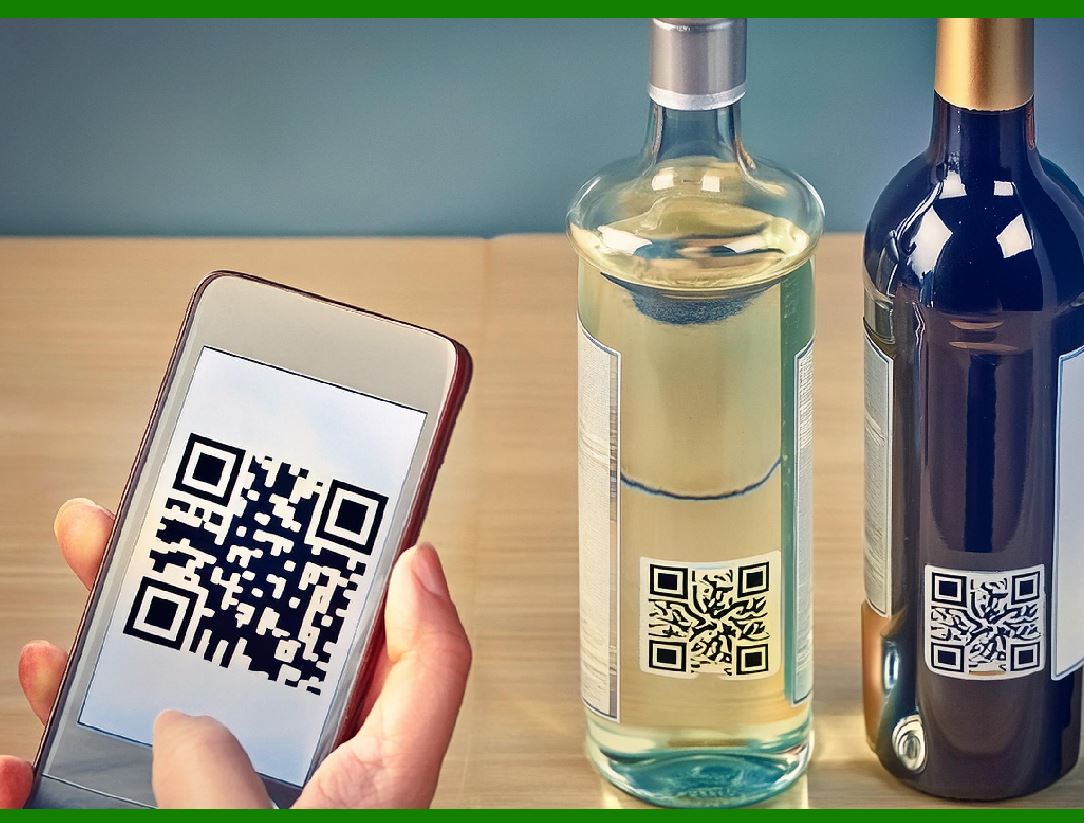
Mobile Payments: QR codes are widely used in mobile payment systems like WeChat Pay, Alipay, Apple Pay, and Google Pay. Users can scan a code to quickly complete a transaction, making payments more efficient. |
Retail and Advertising: QR codes have been used extensively in retail marketing. Product packaging, flyers, and billboards often contain QR codes that link to promotional content, product details, or online stores. |
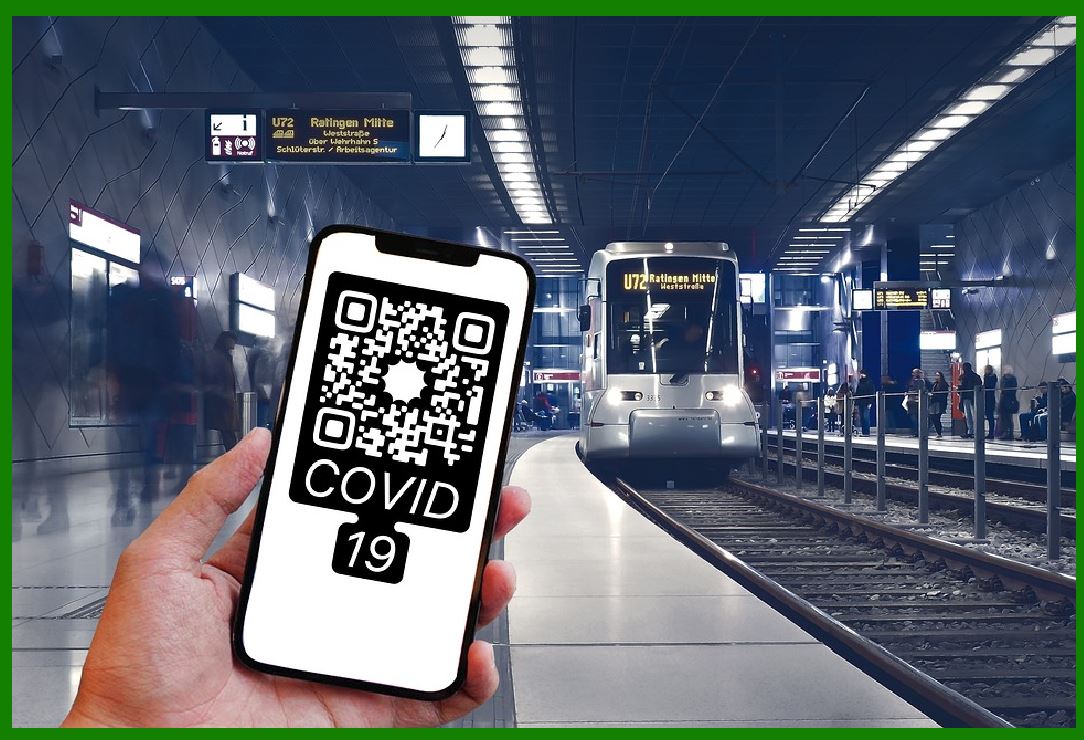
Ticketing and Access Control: QR codes are used for event tickets, boarding passes, and access control in venues and public transportation systems. |
Tracking and Inventory Management: QR codes are widely used in supply chain management, allowing products and shipments to be tracked efficiently throughout their lifecycle. |
Education and Information Sharing: QR codes provide easy access to additional resources or learning materials. Museums, galleries, and educational institutions often use QR codes to offer more interactive experiences to visitors. |
|
6. Security and Privacy Issues with QR Codes |
6.1 Malicious QR Codes |
As the use of QR codes has expanded, security concerns have also increased. Malicious QR codes can lead users to harmful websites or trigger unwanted actions, such as initiating a phone call to a premium-rate number or downloading malicious software. Common threats include: |
Phishing Websites: QR codes that direct users to fake websites that mimic legitimate ones to steal personal information. |
Malware: QR codes that link to downloadable files, which may contain malware or viruses. |
6.2 Mitigating Security Risks |
To protect against these security threats, several strategies are being employed: |
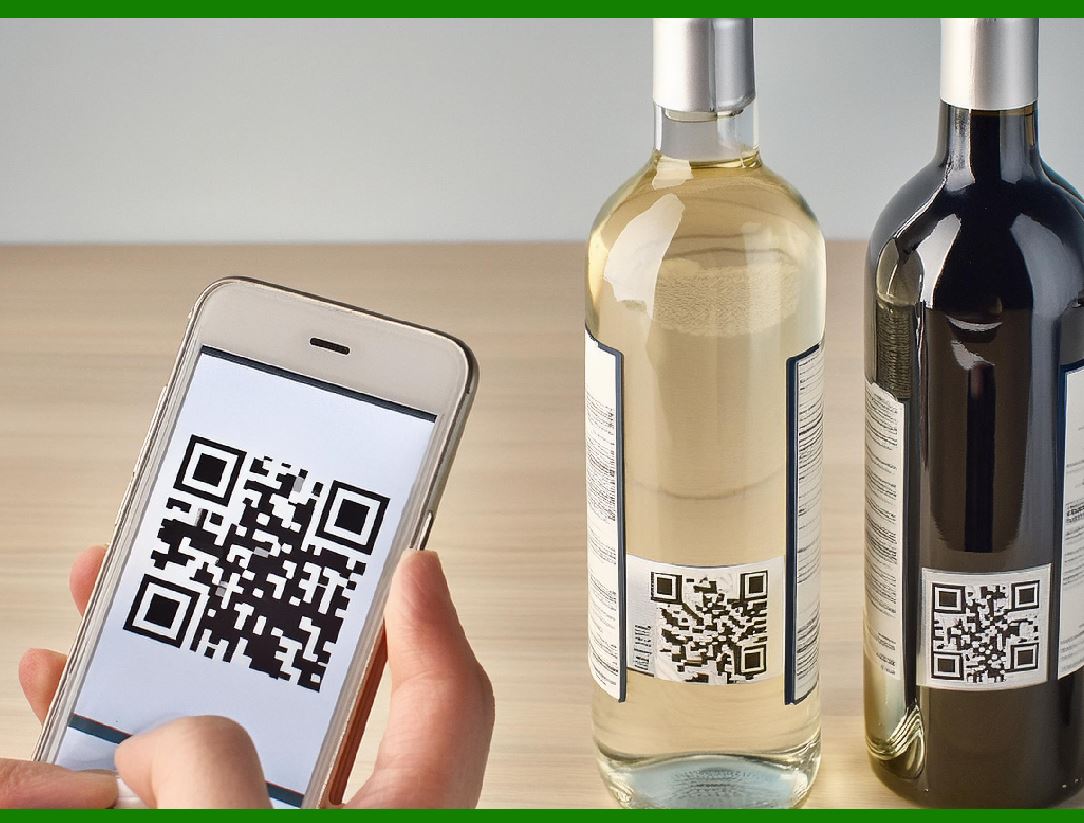
Secure QR Codes: Some organizations employ secure QR codes that can be scanned only with authorized apps, providing more control over what actions can be triggered. |
Warning Labels: Certain applications may show a warning if a QR code links to a potentially dangerous site. |
Encryption: QR codes used for secure transactions may encrypt data to ensure that only authorized parties can decode and process the information. |
|
7. QR Code Future Developments |
The future of QR codes is intertwined with advancements in mobile technology, augmented reality, and digital payments. Here are several key trends: |
Augmented Reality (AR) Integration: Future QR codes may enable augmented reality experiences, where scanning a code triggers 3D objects or immersive media overlays in the real world. This could change the way advertisements, product demonstrations, and educational content are delivered. |
AI and Contextual Recognition: With the rise of AI and machine learning, QR codes could become more context-aware. For example, a code could trigger different actions based on the time of day, location, or the type of device being used. |
Enhanced Security Features: Future QR codes may come with advanced encryption and verification techniques, ensuring higher levels of security, especially in areas like mobile payments and access control. |
Wearables and IoT Integration: QR codes may become integral to the ecosystem of Internet of Things (IoT) devices, enabling users to interact with smart home systems, wearables, and other connected devices through simple scans. |

|
8. Conclusion |
QR codes have evolved from a simple automotive tracking tool to a globally recognized symbol enabling a wide array of applications across industries. Their ability to store large amounts of data in a compact, scannable format, combined with the ubiquity of mobile devices, has made QR codes an essential part of modern life. As technology continues to advance, QR codes are poised to become even more integrated with the digital and physical worlds, unlocking new possibilities for user interaction, security, and data management. |

|
Deep into 2D Barcode Scanning |
1. Introduction to 2D Barcode Scanning |
2D barcode scanning is the process of reading a two-dimensional barcode, typically a QR code, DataMatrix, PDF417, or other types of 2D barcodes, using a scanner or a mobile device equipped with a camera and specific software. Unlike 1D barcodes, which encode data in a linear fashion (left to right), 2D barcodes store data both horizontally and vertically, enabling them to store much more information in a smaller space. |
The primary advantage of 2D barcode scanning is its high-density data storage, allowing the encoding of large amounts of information. This enables applications ranging from simple product look-ups to complex data tracking, secure payments, and even full document storage. The evolution of 2D barcode scanning technology has been pivotal in sectors like retail, logistics, healthcare, and advertising. |
This deep dive will explore the technical aspects of 2D barcode scanning, the hardware and software involved, key advancements, challenges, and future developments. |

|
2. Technical Overview of 2D Barcode Scanning |
2.1 How 2D Barcode Scanning Works |
At its core, 2D barcode scanning involves several technical stages: |
Capture: |
A camera or optical sensor captures an image of the 2D barcode. This can be done using a dedicated barcode scanner, a mobile device camera, or an industrial imaging system. |
Pattern Recognition: |
The scanning software detects the patterns formed by the black and white squares (modules) that make up the barcode. It identifies the finder patterns, timing patterns, and alignment patterns that help the software determine the orientation and structure of the barcode. |
Decoding: |
The next step is to decode the information encoded in the 2D barcode. The decoding process involves: |
Grayscale Conversion: The image captured is converted to a black-and-white image for easier analysis. |
Error Correction: Using Reed-Solomon error correction algorithms, scanners can often recover data from damaged or partially obscured codes. |
Data Retrieval: The data encoded within the 2D barcode (which can be a URL, product information, or other data) is extracted. |
Execution: |
Once the data is decoded, the scanner or application performs an action. For example, in retail, scanning a QR code might take the user to a product page on a website, or in logistics, it might update the inventory system with shipment details. |

|
2.2 Key Components of 2D Barcode Scanning |
Several key elements make up the process of 2D barcode scanning: |
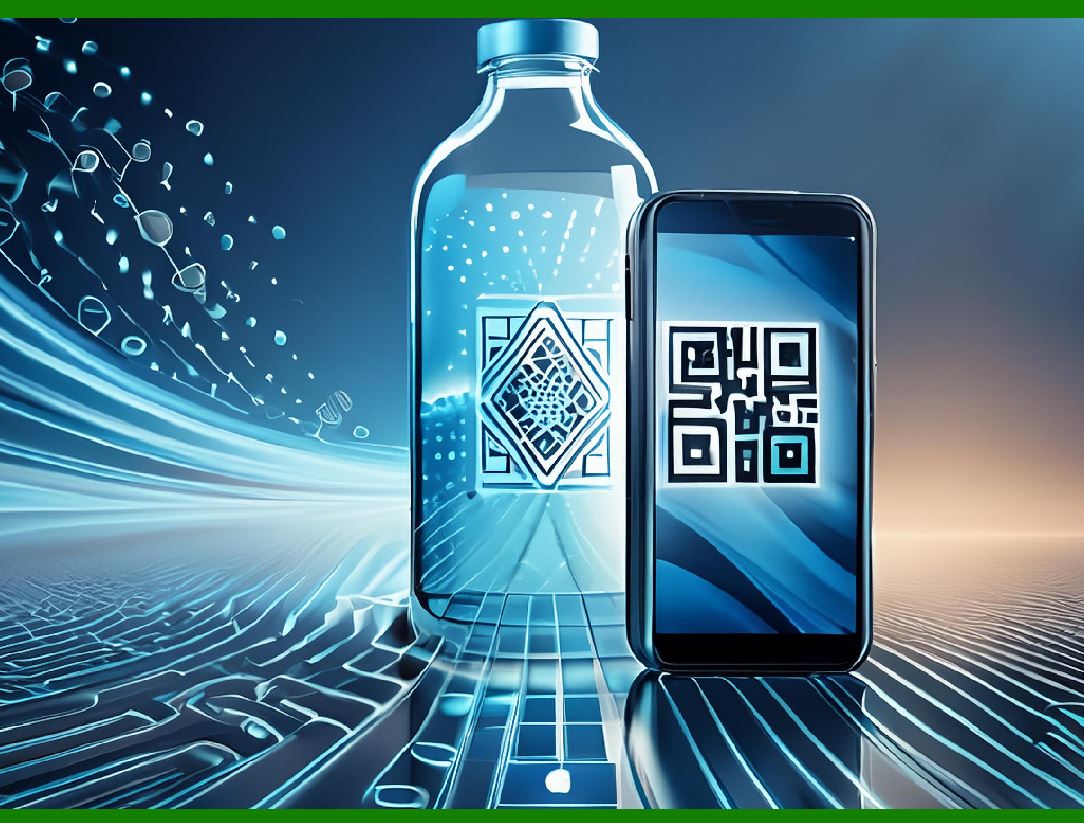
Camera or Optical Scanner: The device used to capture the image of the barcode. It can be a laser scanner, CCD sensor, or CMOS image sensor in handheld or stationary devices. For mobile devices, it is typically the built-in smartphone camera. |
Software (Decoder): After the image is captured, the software decodes it by analyzing the captured pattern of black and white modules. Popular libraries for decoding QR codes include Zxing (Zebra Crossing), ZBar, and Scandit SDK. |
Display and Action: After decoding the data, the scanner or application typically presents the user with the decoded information or triggers a predefined action (such as opening a website, completing a transaction, or updating inventory). |
|
3. Types of 2D Barcode Scanners |
The technology used to scan 2D barcodes varies widely, depending on the use case. The key types of scanners are: |
3.1 Laser Scanners |
Laser scanners are the most common type of 1D barcode scanner but can also read 1D component barcodes embedded in 2D barcodes. However, these scanners are not as efficient at reading 2D barcodes because they are optimized for linear data and may struggle with the complex geometric structures of 2D barcodes. |
Pros: |
Fast and accurate at reading 1D barcodes. |
Low cost and reliable for basic applications. |
Cons: |
Limited ability to read 2D barcodes like QR or DataMatrix. |
3.2 Imager Scanners (Camera-based) |
Imager scanners use CCD (Charge-Coupled Device) or CMOS (Complementary Metal-Oxide-Semiconductor) sensors to capture a visual image of the barcode. These scanners can read both 1D and 2D barcodes, making them highly versatile. |
Pros: |
Can read a wide variety of 1D and 2D barcodes. |
Support for reading barcodes from mobile screens or damaged codes. |
Generally more versatile and accurate at long and short ranges. |
Cons: |
Slightly more expensive than laser scanners. |
Can be slower if the barcode is poorly printed or damaged. |
3.3 Smartphone Cameras with Apps |
Smartphones have revolutionized 2D barcode scanning. With the built-in camera and software libraries, almost any modern smartphone can read QR codes and other 2D barcodes with ease. Dedicated apps like Scan, QR Droid, and Barcode Scanner allow for fast and accurate barcode scanning. |
Pros: |
Extremely accessible (almost everyone has a smartphone). |
No need for specialized hardware or dedicated scanners. |
Supports a wide range of 2D barcode types. |
Cons: |
Dependent on the quality of the smartphone¡¯s camera. |
Can be slower compared to specialized industrial scanners. |
3.4 Fixed-Mount Scanners |
Fixed-mount scanners are used in high-throughput environments like warehouses, manufacturing lines, and retail checkouts. These scanners are mounted on a stand or structure and can automatically scan products or items as they pass through the scanning area. |
Pros: |
Continuous, automated scanning. |
Can handle large volumes of products quickly. |
Cons: |
Typically expensive and requires installation. |
Less flexible for mobile use cases. |
|
4. Challenges in 2D Barcode Scanning |
4.1 Barcode Quality and Damage |
One of the most common challenges in barcode scanning is the quality of the printed barcode. Low-quality printing or physical damage (e.g., scratches, stains, or creases) can make barcodes difficult or impossible to read. |
Solution: Many modern barcode scanners use error correction algorithms (like Reed-Solomon) to recover data from partially damaged codes. Increasing the error correction level can allow the scanner to read barcodes with more damage. |
4.2 Lighting and Environmental Conditions |
2D barcode scanning is often sensitive to lighting conditions. Scanners might have difficulty reading barcodes in low-light conditions, under glare, or from certain angles. This is particularly true in outdoor environments or areas with bright overhead lighting. |
Solution: Advanced scanners use polarizing filters, auto-exposure settings, and wide dynamic range sensors to mitigate lighting issues and improve readability under various conditions. |
4.3 Orientation and Alignment |
In contrast to 1D barcodes, 2D barcodes can be read from any angle, making them more versatile, but sometimes the scanner needs to account for the barcode¡¯s orientation. In some cases, the user or equipment may not align the barcode correctly for scanning. |
Solution: Modern scanners, especially imager-based devices, can scan 2D barcodes from multiple angles without requiring perfect alignment. Omnidirectional scanning allows scanners to read barcodes placed at any orientation. |
4.4 Scanner Speed and Processing Time |
While modern 2D barcode scanners are generally fast, scanning can still be slow under certain conditions, such as when the code is damaged, when there are multiple codes on the same item, or when there is high traffic in the environment (e.g., busy retail stores). |
Solution: High-performance imager scanners with multi-threaded decoding and hardware acceleration can speed up processing times by allowing multiple codes to be read simultaneously. |
|
5. Advancements in 2D Barcode Scanning Technologies |
The future of 2D barcode scanning is intertwined with advancements in both hardware and software. Here are some key developments: |
5.1 Artificial Intelligence and Machine Learning |
AI and machine learning are being increasingly incorporated into barcode scanning software. These technologies can help scanners recognize damaged or poorly printed barcodes, enhance decoding accuracy, and even predict the type of data being encoded. |
Example: AI-based scanners can ¡°learn¡± to optimize for specific types of barcodes or recognize commonly scanned patterns (like retail barcodes) to speed up scanning and improve reliability. |
5.2 Augmented Reality (AR) and Barcode Scanning |
AR technology is becoming integrated with barcode scanning in applications like virtual try-ons, interactive advertisements, and real-time product information. |
Example: Scanning a barcode in a retail store with AR could superimpose product specifications, reviews, or a virtual demonstration on a screen. |
5.3 Advanced Security Features |
With the rise of QR codes in payment systems, secure scanning technologies are being developed. Advanced encryption and blockchain-based solutions may be used to ensure secure, tamper-proof barcode scanning. |
Example: In the payment industry, blockchain could be used to verify the authenticity of QR codes, ensuring that transactions are secure and traceable. |
5.4 Integration with IoT and Smart Devices |
As the Internet of Things (IoT) continues to grow, barcode scanners will increasingly interface with connected devices. This will allow for automatic inventory updates, smart packaging, and even real-time tracking of products in warehouses or on shipping routes. |
|
6. Conclusion |
2D barcode scanning has evolved into a crucial technology for industries ranging from retail to logistics, healthcare, and beyond. Its ability to store and retrieve large amounts of data in a small, scannable format has made it indispensable in both consumer and industrial applications. As scanning technology continues to advance with AI, AR, and IoT integration, we can expect even more efficient and secure barcode scanning systems to emerge, further cementing the role of 2D barcodes in the future of data management. |
|
Deep into Future Developments in 2D Barcode Technologies |
1. Introduction to Future Developments in 2D Barcode Technologies |
2D barcodes have evolved significantly since their inception in the early 1990s. From basic product tracking to complex, secure transactions, the growth and expansion of 2D barcode applications have been driven by advancements in scanning technologies, mobile devices, and data encryption. As industries continue to digitalize and consumer behaviors shift, the future of 2D barcodes is poised to be shaped by cutting-edge developments that will enable new, more powerful applications across sectors such as retail, healthcare, logistics, finance, and advertising. |
This in-depth exploration will look at the key trends and technologies driving the future of 2D barcodes, the challenges they will address, and the opportunities they will create. |
|
2. Enhanced Data Storage and Encoding Capabilities |
2.1 Increased Data Capacity |
One of the most significant advancements in 2D barcode technology is the increase in data storage capacity. As 2D barcodes are utilized for a wider range of applications¡ªsome of which require more complex data storage¡ªthere is a growing need for barcodes that can hold more information. |
Current Limitations: Today¡¯s QR codes can store up to 7,000 numeric digits or 4,000 alphanumeric characters, but these are often not enough for applications that require larger data payloads (e.g., documents, full product specifications, or encrypted credentials). |
Future Outlook: Future 2D barcodes, particularly those incorporating advanced error correction algorithms and densely packed modules, will be able to store far more data while remaining scannable by devices. Innovations in nano-technology and molecular encoding could further expand the data capacity of barcodes beyond traditional limits. |
Example: High-capacity barcodes could eventually encode full documents, medical records, or even multimedia files within a small, scannable code. |
2.2 Integration with Emerging File Formats |
Another key future development is the integration of 2D barcodes with new types of data formats. This could include file types like images, videos, or even interactive multimedia content, allowing barcodes to serve as dynamic containers for rich media. |
Dynamic Data Containers: For example, QR codes or DataMatrix codes could potentially link to multimedia content, dynamically adjusting based on real-time data inputs, such as location, device type, or time of day. Such dynamic barcodes could revolutionize interactive marketing, e-learning, or product demonstrations. |
|
3. Integration with Internet of Things (IoT) |
3.1 Smart Products and Real-Time Data |
With the rise of the Internet of Things (IoT), there is a growing demand for 2D barcodes that can facilitate communication between physical objects and digital systems. By integrating 2D barcodes into IoT-enabled products, devices, and packaging, companies will be able to gain real-time insights into the status, location, and performance of products throughout their lifecycle. |
Future Application: A smart refrigerator could scan a QR code on a perishable product to track expiration dates, monitor temperature, and reorder items automatically. Similarly, a smart sensor embedded in a package could use a 2D barcode to report location and condition to logistics management systems in real time. |
Actionable Data: With IoT integration, 2D barcodes will no longer just store static information. Instead, they will allow businesses to access live data streams from connected products. For example, scanning a barcode on a sensor or smart device could instantly display performance metrics, battery levels, and operating conditions. |
3.2 Seamless Integration with AI and Big Data |
As artificial intelligence (AI) and big data analytics continue to transform industries, 2D barcodes will increasingly serve as a bridge between physical objects and digital information processing. By incorporating AI-driven decision-making, barcodes could provide deeper insights and automations. |
AI-Powered Insights: Future barcode scanning systems could leverage AI algorithms to analyze scanned data and immediately trigger actions based on predictive models. For example, a barcode could be scanned in a warehouse and an AI system could analyze inventory levels, predict future demand, and automatically generate an order. |
Data Collection and Personalization: On the consumer side, AI-powered systems could use scanned QR codes to personalize offers, advertisements, or content based on the data collected from the scan. These systems could learn user preferences, buying habits, and location, allowing brands to deliver hyper-targeted experiences. |
|
4. Enhanced Security Features and Encryption |
4.1 Blockchain and Cryptographic Integration |
As security concerns rise, particularly in the digital payment and identification sectors, future 2D barcode technologies will increasingly integrate blockchain and cryptographic security features. This integration will make it much harder for malicious actors to compromise the data encoded in barcodes. |
Blockchain Integration: By leveraging blockchain technology, 2D barcodes could be used as digital signatures for secure transactions, ensuring that scanned codes can be authenticated and verified across distributed networks. For example, in supply chain management, QR codes could be used to authenticate the origin and authenticity of goods at each stage of their journey. |
End-to-End Encryption: QR codes used for secure digital payments or identity verification could be encrypted in such a way that only authorized parties can decode and use the data. Two-factor authentication (2FA) could become a standard for accessing information embedded in secure QR codes. |
4.2 Biometric and Multi-Factor Authentication |
With rising concerns about identity theft and fraud, 2D barcodes will likely evolve to support more advanced biometric authentication methods, such as fingerprints, facial recognition, or voice authentication, in conjunction with scanned data. |
Example: A QR code could be linked to a biometric identification system that uses facial recognition technology to authenticate a user. This could be particularly useful in banking, healthcare, and border control scenarios where security is paramount. |
|
5. Augmented Reality (AR) and 2D Barcodes |
5.1 AR-Enabled Scanning and User Interaction |
The integration of Augmented Reality (AR) with 2D barcode scanning is a powerful development on the horizon. AR applications will likely use 2D barcodes as triggers to present additional interactive content to users in real-time. |
Dynamic Content Rendering: When a user scans a QR code, AR applications could display 3D visualizations of products, virtual demonstrations, or interactive tutorials. For example, a user could scan a product barcode and instantly see a 3D model of how the product works or receive an immersive product experience. |
Enhanced User Experience: By scanning 2D barcodes, users could access augmented navigation, virtual store tours, or contextual information in museums, retail stores, and exhibitions, elevating user engagement and providing a richer experience. |
5.2 Virtual Try-Ons and Interactive Shopping |
In retail, the integration of AR with 2D barcodes will enable features like virtual try-ons. Scanning a product¡¯s barcode could trigger a virtual fitting room experience, allowing customers to try on clothing or accessories through their smartphone or AR glasses. |
Example: Furniture stores could use AR-based QR codes to allow customers to place virtual furniture in their living rooms, helping them visualize the product in their space before purchasing. |
|
6. Sustainability and Environmental Considerations |
6.1 Eco-Friendly Materials for Barcode Labels |
As sustainability becomes an increasingly important consideration, future 2D barcodes may be produced using eco-friendly materials. This could include biodegradable or recyclable labels for products that would otherwise generate waste. |
Biodegradable QR Codes: Labels and barcodes that degrade naturally over time without leaving behind harmful residues could significantly reduce waste in packaging, particularly in industries like food production, pharmaceuticals, and cosmetics. |
Low-Impact Printing Technologies: The development of printing technologies using non-toxic inks, water-based solutions, or even electronic paper (e-ink) could further reduce the environmental impact of barcode production. |
|
7. Universal Standardization and Cross-Platform Compatibility |
7.1 Global Standards for 2D Barcodes |
In the coming years, we can expect to see universal standards for 2D barcodes that allow them to be used seamlessly across different platforms, industries, and devices. This would help improve interoperability and reduce fragmentation in barcode scanning technologies. |
Cross-Platform Usage: For instance, a QR code could be scanned by any device worldwide, whether it's a smartphone, industrial scanner, or wearable technology. These codes could be used across payment systems, tracking applications, and inventory management systems, regardless of the device or platform. |
7.2 5G-Enabled Barcode Scanning |
As the 5G network continues to expand, its impact on barcode scanning will be profound. With low-latency and high-speed data transfer capabilities, 5G will allow for instantaneous scanning and real-time data analysis, enhancing the functionality of 2D barcodes in critical applications like supply chain management, autonomous vehicles, and healthcare diagnostics. |
Example: In retail, 5G could allow instant updates to inventory levels every time a barcode is scanned, providing real-time synchronization of stock levels across an entire supply chain. |
|
8. Conclusion: Shaping the Future of 2D Barcode Technologies |
As we've explored, the future of 2D barcodes is rich with potential for innovation. From greater data storage and IoT integration to AR-based interactivity and blockchain-enabled security, 2D barcodes will continue to evolve as a central technology for connecting the physical and digital worlds. |
The continued advancement of error correction algorithms, encryption capabilities, and multi-factor authentication will ensure that barcodes remain secure and reliable, even as their scope and applications expand. |
In the future, AI, machine learning, and big data will make barcode scanning even more intelligent, allowing businesses to extract deeper insights, make real-time decisions, and engage customers in new, personalized ways. |
As these developments unfold, 2D barcodes will become even more integrated into the fabric of our daily lives, enhancing convenience, security, and efficiency in an increasingly connected world. |
|
Deep into the 2D barcodes Security Features and Encryption |
1. Introduction to Security Features and Encryption in 2D Barcodes |
As 2D barcodes become more prevalent in sensitive applications like mobile payments, identity verification, access control, and data sharing, their security features are becoming increasingly crucial. In the past, 2D barcodes were primarily used for basic data encoding in retail and logistics. However, as their use has expanded into more complex, security-sensitive areas, the need to ensure the integrity, authenticity, and confidentiality of the information encoded in 2D barcodes has grown. |
This deep dive into 2D barcode security features will explore how these technologies are evolving to safeguard against unauthorized access, fraud, and cyberattacks. Key topics will include encryption techniques, authentication methods, and the role of blockchain technology in ensuring the security of 2D barcodes. |
|
2. The Importance of Security in 2D Barcodes |
2.1 Vulnerabilities in 2D Barcode Systems |
Despite their advantages in data storage and quick retrieval, 2D barcodes have several inherent vulnerabilities: |
Malicious Modification: QR codes, for example, can be easily manipulated to redirect users to malicious websites or to initiate actions without user consent. Hackers can alter a legitimate QR code by changing the URL it links to, thus leading the user to a phishing site or triggering malicious downloads. |
Data Interception: As 2D barcodes are increasingly used for mobile payments and data transfers, the information encoded can be intercepted or intercepted if it's not properly encrypted, exposing sensitive data. |
Cloning and Replication: Fraudsters can clone barcodes and use them to replicate payment transactions, identity information, or authorization tokens, bypassing legitimate security checks. |
2.2 Applications Requiring High Security |
2D barcodes are now used in scenarios that demand the highest level of security, including: |
Mobile Payment Systems: QR codes are often used for contactless payments in services like Alipay, WeChat Pay, and Apple Pay. These transactions require robust encryption and authentication to ensure the security of users' financial data. |
Authentication and Access Control: 2D barcodes can be used for two-factor authentication (2FA), digital ID cards, or access badges in secure environments (e.g., airports, corporate buildings, and government facilities). |
Supply Chain and Logistics Tracking: In industries like pharmaceuticals and luxury goods, QR codes and DataMatrix codes are used to authenticate products and prevent counterfeiting or diversion. |
|
3. Encryption Techniques in 2D Barcodes |
3.1 Symmetric vs. Asymmetric Encryption |
Encryption ensures that data embedded within a 2D barcode is protected from unauthorized access. Two main types of encryption can be used: |
Symmetric Encryption: In symmetric encryption, both the encryption and decryption keys are the same. This method is fast and efficient but requires the secure exchange of the encryption key between the sender and receiver. Common symmetric algorithms include AES (Advanced Encryption Standard) and DES (Data Encryption Standard). |
Asymmetric Encryption: Asymmetric encryption uses a pair of keys: a public key to encrypt the data and a private key to decrypt it. This method provides a higher level of security, especially for scenarios like digital signatures or authentication. Popular asymmetric algorithms include RSA and ECC (Elliptic Curve Cryptography). |
Usage in 2D Barcodes: For instance, QR codes containing payment details or personal identification data can be encrypted using asymmetric encryption (public key encryption) to prevent unauthorized parties from extracting sensitive data if they intercept the barcode. Only the intended recipient, who possesses the private key, can decrypt the information. |
3.2 End-to-End Encryption (E2EE) for Secure Transactions |
In many secure applications¡ªsuch as mobile payments or identity authentication¡ªEnd-to-End Encryption (E2EE) is used to ensure that data is encrypted from the moment it is generated (e.g., when the QR code is created) until it is accessed by the intended recipient (e.g., when the QR code is scanned). This ensures that no third party can intercept, decrypt, or tamper with the data during transmission. |
Example: When a user makes a payment via a QR code, the payment information (such as card details) can be encrypted on the user's device. Once the QR code is scanned, the encrypted data is transmitted to the merchant's server, where it can only be decrypted using a private key or secure token. |
|
4. Authentication Methods for 2D Barcodes |
4.1 Two-Factor Authentication (2FA) |
2D barcodes are increasingly used in multi-factor authentication (MFA) systems to provide an additional layer of security. Two-Factor Authentication (2FA) involves requiring two different forms of identification before granting access: |
Something the user knows (e.g., a password). |
Something the user has (e.g., a mobile device or a smart card), which can generate or scan a 2D barcode that acts as a time-sensitive code or authentication token. |
Example: An online banking application could generate a QR code that the user must scan with their mobile device to receive an authentication token. This token is then entered alongside the user¡¯s password to complete the login process. |
4.2 Biometric Integration with 2D Barcodes |
To enhance security, biometric authentication can be integrated with 2D barcode systems. The combination of biometrics (e.g., fingerprint scanning, facial recognition, or iris scanning) and 2D barcodes offers a robust security solution for sensitive applications like mobile payments, physical access control, and identity verification. |
Example: A QR code could encode a biometric authentication token, which would be decrypted only after the user¡¯s fingerprint or face is scanned. This ensures that only the authorized person can access the encoded data. |
4.3 Digital Signatures |
A digital signature is a cryptographic mechanism that ensures the integrity and authenticity of data encoded within a 2D barcode. Digital signatures can be used to verify that the data hasn¡¯t been altered and that the source of the data is legitimate. |
How It Works: The data in the 2D barcode is signed using the sender¡¯s private key. When the barcode is scanned, the recipient uses the sender's public key to verify the signature. If the signature matches, the recipient can be assured that the data is authentic and has not been tampered with. |
Example: In e-tickets or e-passports, a digital signature could be applied to the QR code, ensuring that the data (such as travel details or personal identity) has been securely transmitted and not modified. |
|
5. Blockchain Technology and 2D Barcodes |
5.1 Blockchain for Authentication and Verification |
Blockchain technology is increasingly being integrated with 2D barcodes to enhance security in sectors like supply chain management, pharmaceuticals, and luxury goods. Blockchain's decentralized and immutable nature provides a tamper-resistant way to authenticate and verify the information encoded in barcodes. |
How Blockchain Enhances Security: |
Every time a QR code is scanned, the action (e.g., payment, identity verification, or product authentication) can be recorded as a transaction on a blockchain. This provides an immutable, transparent record of the event. |
Blockchain can be used to verify the origin and authenticity of products, ensuring that they are not counterfeit or diverted. Each time a product with a 2D barcode is scanned, the blockchain ledger is updated to reflect its authenticity and history. |
5.2 Smart Contracts for Secure Transactions |
Smart contracts, which are self-executing contracts with the terms directly written into code, can be integrated with 2D barcodes for secure transactions. These contracts automatically execute, enforce, or verify actions based on the data encoded in the barcode. |
Example: In supply chain management, a 2D barcode containing a smart contract can automatically trigger a payment when a product is delivered or scanned at a specific location. The smart contract ensures that the payment is only made if all conditions are met, improving efficiency and reducing the potential for fraud. |
|
6. Tamper-Proof 2D Barcodes |
6.1 Watermarking and Hidden Data |
One of the challenges with 2D barcode security is the potential for fraudsters to create counterfeit or altered codes. To address this, watermarking and hidden data techniques can be used to create tamper-proof barcodes. |
Watermarking: Invisible markers or patterns are embedded in the 2D barcode image, which can only be detected by specific software or under certain conditions. These watermarks provide an additional layer of verification to ensure the barcode is legitimate. |
Hidden Data Layers: Some advanced 2D barcodes can encode multiple layers of information¡ªa public layer visible to all users and a private, hidden layer that can only be accessed with the correct decryption key or scanning tool. This hidden data provides an extra level of security, ensuring that only authorized users can access sensitive data. |
|
7. Future of 2D Barcode Security |
As 2D barcodes become more integral to secure applications, the demand for enhanced security features will continue to grow. Future developments will likely focus on: |
Advanced Encryption Algorithms: The adoption of more powerful encryption methods, such as quantum encryption, could revolutionize the security of 2D barcodes, making them resistant to even the most sophisticated hacking attempts. |
Biometric Integration: 2D barcodes integrated with biometric data (such as fingerprints, retina scans, or facial recognition) will provide even stronger protection for secure access systems. |
AI-Based Threat Detection: Artificial intelligence and machine learning algorithms could be used to detect fraudulent barcodes or unauthorized scans in real-time, adding an extra layer of protection against attacks. |
|
8. Conclusion |
The security of 2D barcodes is evolving to meet the increasing demands of applications in sensitive sectors like payments, identity verification, and supply chain management. Through advanced encryption techniques, multi-factor authentication, blockchain integration, and tamper-proof technologies, 2D barcodes are becoming more secure than ever before. |
As cyber threats become more sophisticated, the security features of 2D barcodes will continue to advance, ensuring that the benefits of these technologies¡ªsuch as convenience, efficiency, and versatility¡ªcan be leveraged without compromising safety or privacy. |
 cs@easiersoft.com