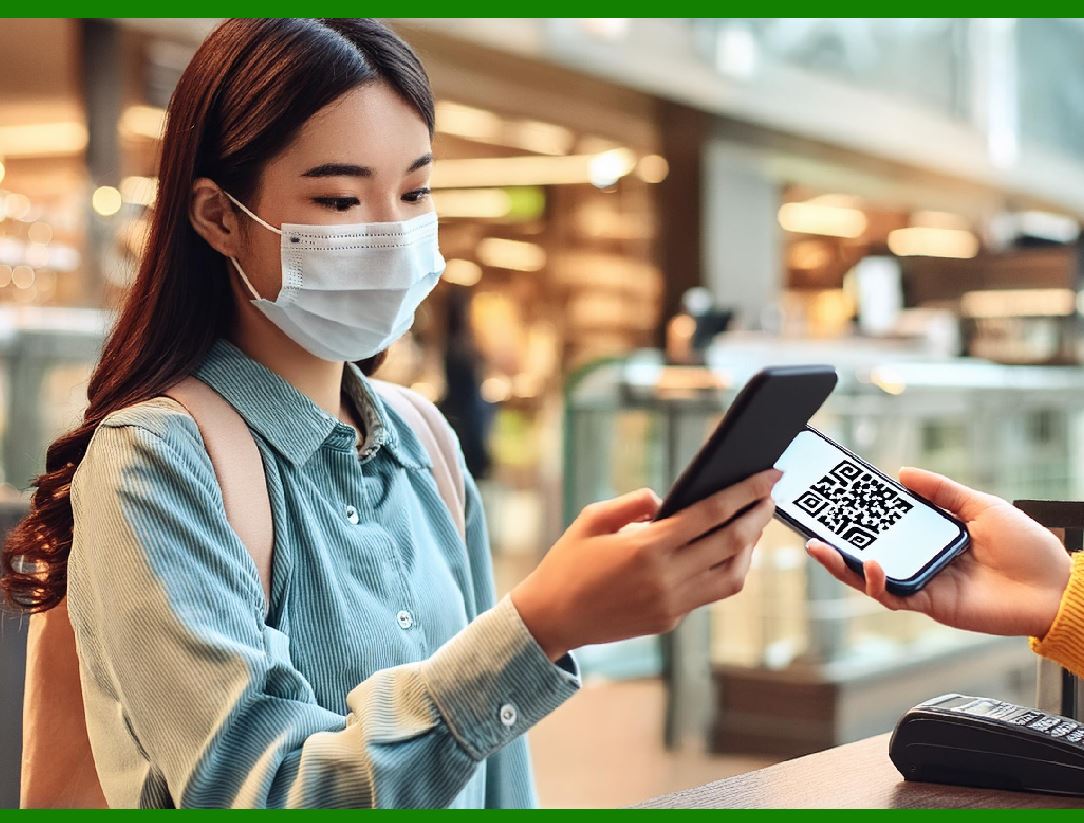
QR codes can be used on various mobile device operating systems. Both Android and iOS devices can natively scan QR codes without downloading an external app. |
The camera app is able to scan and display the kind of QR code along with the link. These devices support URL redirection, which allows QR codes to send metadata to existing applications on the device. Many free apps are available with the ability to scan the codes and hard-link to an external URL. |
|
Here is a detailed description of how QR codes can be used on various mobile device operating systems, focusing on Android and iOS: |
QR Codes and Mobile Devices |
Native QR Code Scanning |
Android and iOS: |
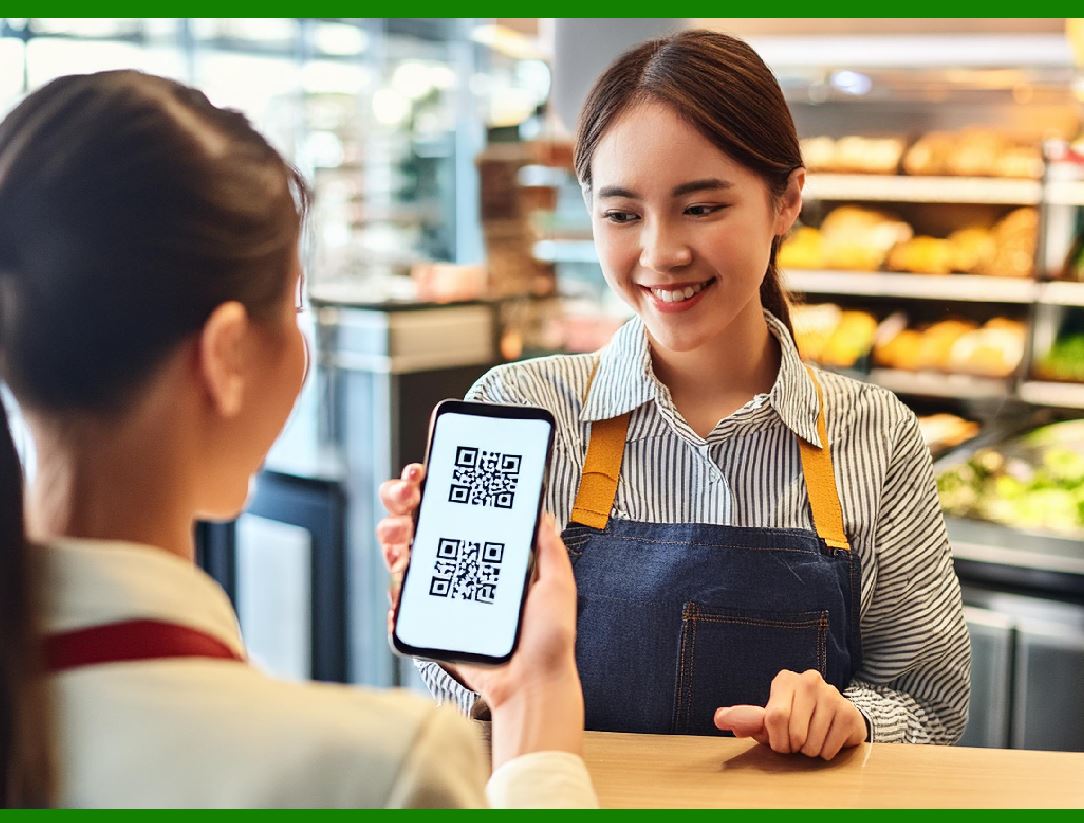
Built-in Camera App: Both Android and iOS devices have built-in camera apps that can natively scan QR codes without the need for additional applications. When the camera is pointed at a QR code, it automatically recognizes it and displays a notification with the decoded information. iOS: On iOS devices, the native camera app has integrated QR code scanning since iOS 11. When a QR code is detected, a notification banner appears, prompting the user to take action based on the QR code's content (e.g., opening a URL in a web browser). Android: Similarly, on Android devices, QR code scanning capabilities have been integrated into the native camera app in many versions, particularly from Android 9 (Pie) and onward. When the camera detects a QR code, it shows a notification or overlay with the content, allowing the user to interact with it. |
|
Functionality and Features |
QR Code Content Handling: |
Link Display: When a QR code is scanned, the camera app will display the type of content and, in the case of URLs, provide a clickable link. This allows users to quickly visit websites, download apps, or access specific online content. Metadata and URL Redirection: QR codes can encode various types of metadata and URLs. When scanned, these codes can redirect the user to different actions, such as opening a webpage, dialing a phone number, sending a message, or even triggering app-specific actions if the relevant app is installed on the device. Application Integration: Devices support URL redirection, which allows QR codes to send metadata to existing applications. For example, a QR code for a location might open directly in Google Maps or Apple Maps if scanned. Similarly, a QR code with contact information can add a new contact to the address book. |

|
Third-Party Applications |
Additional Scanning Apps: |
While the native camera apps on both platforms handle QR code scanning efficiently, there are numerous third-party applications available for free that offer advanced QR code scanning features. These apps may include additional functionalities such as: History Tracking: Keeping a history of all scanned QR codes. Enhanced Security: Checking URLs for safety before opening them. Custom Actions: Allowing users to create custom actions for specific types of QR codes. Batch Scanning: Scanning multiple QR codes at once. |

|
Popular QR Code Scanning Apps: |
Android: Google Lens, QR Code Reader, and Barcode Scanner. iOS: QR Code Reader by Scan, QR Scanner, and Quick Scan. |
Practical Uses of QR Codes |
Common Use Cases: |
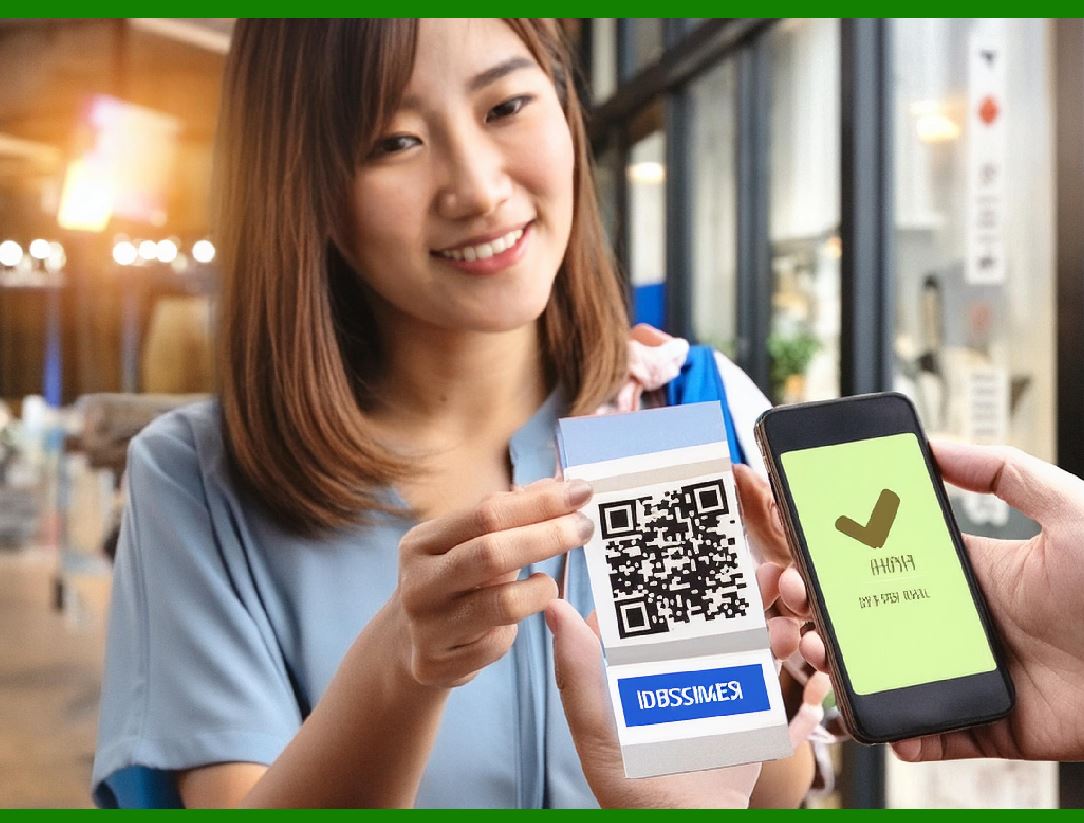
Marketing and Advertising: QR codes in advertisements link to promotional websites, videos, or product pages. Event Management: Event tickets often use QR codes for entry scanning. Product Packaging: QR codes on packaging provide detailed product information, user manuals, or promotional offers. Contactless Payments: Many mobile payment systems use QR codes for transactions, enabling users to pay securely by scanning a code. |
|
Advantages: |
Convenience: Easy to scan and access information quickly. Versatility: Can store various types of information, from URLs to contact details. Integration: Seamlessly works with multiple apps and services on mobile devices. |
|
Conclusion |
QR codes offer a versatile and efficient way to convey information and connect users to digital content. With native support on both Android and iOS devices, users can easily scan QR codes using the built-in camera apps, enabling quick and convenient access to a wide range of services and information. Additionally, third-party apps provide enhanced functionalities, making QR code scanning an even more powerful tool for both consumers and businesses. |
 cs@easiersoft.com