Applications of Boxing Barcode in PiqlFilm at the Arctic World Archive |
The utilization of boxing barcode technology on piqlFilm by Piql AS represents a cutting-edge approach to preserving and storing vast volumes of information in a secure and durable format. This technology finds its significant application at the Arctic World Archive, where institutions like the Vatican Library, photographic collections, GitHub repositories, and others have entrusted their valuable data for long-term storage. This detailed exploration aims to delve into the workings, benefits, and applications of boxing barcode technology within this unique archival setting. |
|
Understanding PiqlFilm and Boxing Barcode Technology |
PiqlFilm, developed by Piql AS, stands at the forefront of modern archival solutions. It is a high-density digital storage medium that utilizes traditional 35mm photographic film as its substrate. What sets PiqlFilm apart is its incorporation of advanced digital encoding techniques alongside traditional photographic processes, ensuring robustness and longevity in data storage. |
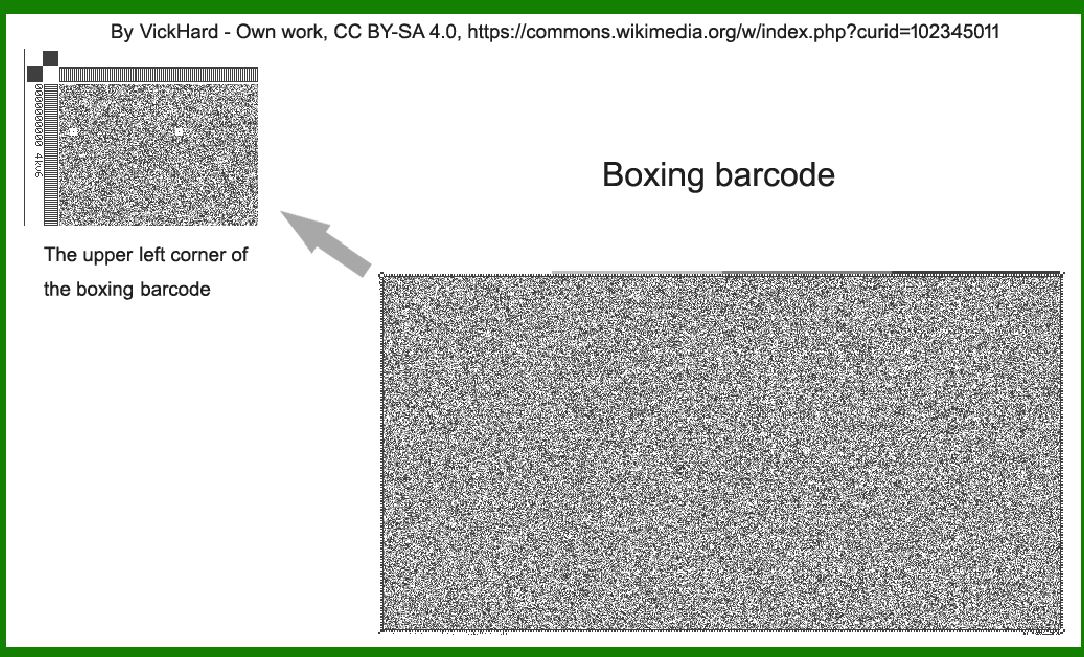
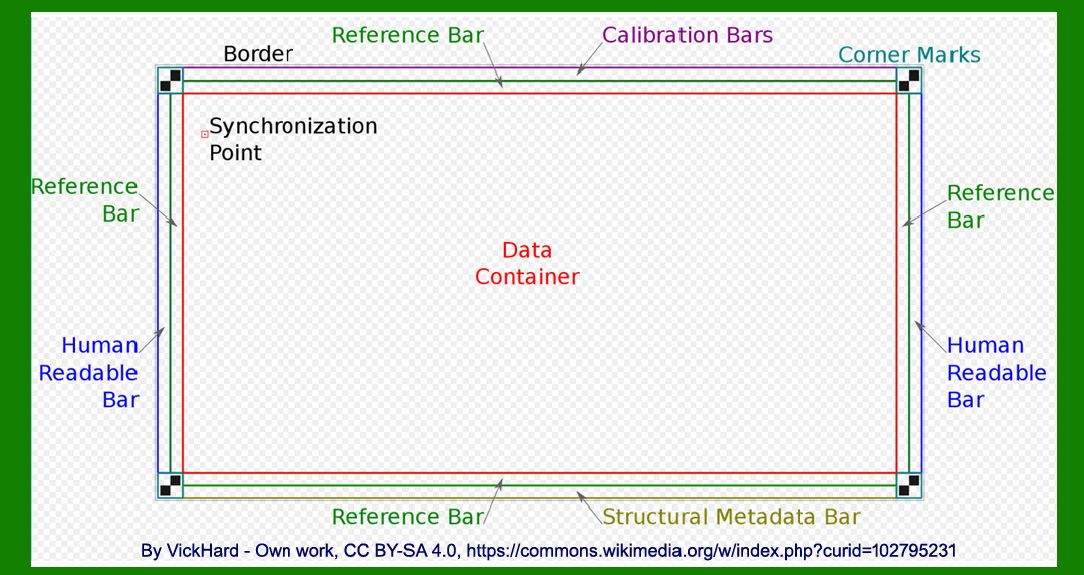
At the heart of PiqlFilm's functionality lies the boxing barcode system. This system is pivotal in managing and accessing data stored on the film. Each reel of PiqlFilm is assigned a unique boxing barcode, which serves as a comprehensive index for the information stored within. This barcode not only identifies the specific reel but also encodes critical metadata essential for retrieval and verification processes. |
|
Applications in the Arctic World Archive |
The Arctic World Archive, situated deep within a remote mountainside in Svalbard, Norway, serves as the repository for PiqlFilm storage. This facility offers optimal conditions for long-term preservation, leveraging the natural cold temperatures and stable environment of the Arctic region. Within this secure vault, institutions from around the world have chosen to store their invaluable collections, ranging from historical documents to digital datasets, safeguarding them against the risks of obsolescence and technological decay. |

|
The Vatican Library |
One of the notable institutions that have entrusted their collections to the Arctic World Archive is the Vatican Library. Renowned for its vast repository of historical manuscripts, books, and artworks spanning centuries of human history, the Vatican Library faces the perpetual challenge of preserving these treasures for future generations. By opting to archive select portions of its collection on PiqlFilm, the Vatican Library ensures that these documents are not only preserved but also accessible in a format that guarantees longevity. |
The boxing barcode technology employed in the Vatican Library's archival process plays a crucial role in managing the vastness of its collection. Each barcode is meticulously linked to specific reels of PiqlFilm containing digitized versions of manuscripts, rare books, and other documents. This linkage facilitates efficient retrieval and verification, enabling scholars and researchers worldwide to access these historical treasures without compromising their integrity or risking physical deterioration. |

|
Photographic Collections |
In addition to the Vatican Library, numerous photographic collections have found a secure home at the Arctic World Archive. These collections encompass a diverse array of visual archives, ranging from historical photographs capturing pivotal moments in human history to contemporary digital imagery documenting cultural landscapes and natural wonders. The decision to archive such collections on PiqlFilm underscores the medium's versatility in preserving visual data with uncompromising fidelity. |
The application of boxing barcode technology in photographic collections extends beyond mere storage. Each barcode associated with a reel of PiqlFilm serves as a digital fingerprint, encapsulating essential metadata such as date of capture, photographer attribution, and contextual information. This metadata not only aids in cataloging and organizing vast collections but also enhances the archival value by providing researchers with detailed insights into the historical and cultural significance of each image. |

|
GitHub Repositories and Digital Datasets |
In an era dominated by digital information, the preservation of GitHub repositories and other digital datasets presents a distinct set of challenges. These repositories, comprising software codes, datasets, and collaborative projects, are integral to advancing fields ranging from scientific research to technological innovation. However, the ephemeral nature of digital storage mediums necessitates proactive measures to ensure their long-term accessibility and integrity. |
By employing PiqlFilm and boxing barcode technology, the Arctic World Archive offers a viable solution for archiving GitHub repositories and digital datasets. Each barcode associated with a reel of PiqlFilm contains encoded representations of these digital artifacts, safeguarding their contents against data loss and technological obsolescence. Moreover, the durability of PiqlFilm ensures that these repositories remain accessible for decades, if not centuries, providing future generations with invaluable insights into the evolution of technology and knowledge. |
|
Other Institutions and Collections |
Beyond the Vatican Library, photographic collections, and GitHub repositories, the Arctic World Archive accommodates a diverse array of institutions and collections seeking reliable long-term storage solutions. These include but are not limited to: |
National Archives and Libraries: Preserving governmental records, legal documents, and national heritage. Cultural Institutions: Safeguarding artworks, musical recordings, and cultural artifacts. Scientific Organizations: Archiving research data, field observations, and scientific publications. Private Archives: Protecting personal and corporate records, ensuring privacy and security. |
Each institution benefits from the tailored application of boxing barcode technology within the Arctic World Archive. The comprehensive indexing provided by boxing barcodes facilitates efficient storage management, retrieval, and verification processes. This, in turn, enhances the archival integrity and accessibility of diverse collections, fostering a collaborative ecosystem where knowledge and cultural heritage are preserved for future generations. |

|
Advantages of Boxing Barcode Technology |
The adoption of boxing barcode technology offers several distinct advantages for archival purposes: |
1.Efficient Data Management: Boxing barcodes streamline the organization and cataloging of vast collections, enabling archivists to maintain comprehensive records of stored information. 2.Reliable Retrieval: The unique identification provided by boxing barcodes facilitates accurate retrieval of specific reels of PiqlFilm, minimizing search time and ensuring prompt access to archived materials. 3.Data Integrity: By encoding critical metadata within boxing barcodes, PiqlFilm preserves the integrity of archived information, safeguarding against corruption, tampering, or unauthorized access. 4.Longevity and Durability: PiqlFilm's robust construction and resistance to environmental degradation ensure prolonged data retention, exceeding the lifespan of traditional digital storage mediums. 5.Security and Confidentiality: Boxing barcode technology enhances security protocols by providing a secure means of accessing archived materials, protecting sensitive information from unauthorized disclosure. |

|
Future Prospects and Innovations |
Looking ahead, the application of boxing barcode technology in PiqlFilm continues to evolve, driven by ongoing advancements in archival science and digital preservation. Future innovations may include enhanced encoding techniques for embedding richer metadata, improved methods for accessing and interfacing with archived data, and expanded collaborations with global institutions to broaden the scope of preserved collections. |
Moreover, the scalability of boxing barcode technology makes it adaptable to a wide range of archival needs, from individual collections to large-scale national repositories. This scalability ensures that PiqlFilm remains a versatile choice for preserving diverse forms of cultural heritage, scientific knowledge, and digital innovation well into the future. |

|
Conclusion |
In conclusion, the applications of boxing barcode technology in PiqlFilm at the Arctic World Archive represent a paradigm shift in the field of archival science. By combining the durability of traditional photographic film with advanced digital encoding techniques, Piql AS has established a robust platform for storing and preserving vast volumes of information. Institutions such as the Vatican Library, photographic collections, GitHub repositories, and others benefit from this innovative approach by safeguarding their invaluable collections against the risks of obsolescence and decay. |
The integration of boxing barcode technology ensures efficient data management, reliable retrieval, and enhanced archival integrity, thereby facilitating global access to preserved knowledge and cultural heritage. As technology continues to evolve, the role of boxing barcode technology in archival preservation is poised to expand, promising continued innovation and sustainability in safeguarding humanity's collective memory for generations to come. |
 cs@easiersoft.com