Aztec Code: A Detailed Overview |
The Aztec Code, a matrix barcode developed by Andrew Longacre, Jr. and Robert Hussey in 1995, represents a significant advancement in the field of two-dimensional barcodes. This complex yet efficient coding system was introduced by AIM, Inc. in 1997 and has since gained recognition for its compactness and data capacity. Initially patented, the code has transitioned into the public domain, allowing widespread adoption and integration across various industries. This detailed exploration will delve into the structure, functionality, encoding process, applications, advantages, and future prospects of the Aztec Code. |
|
Structure and Characteristics |
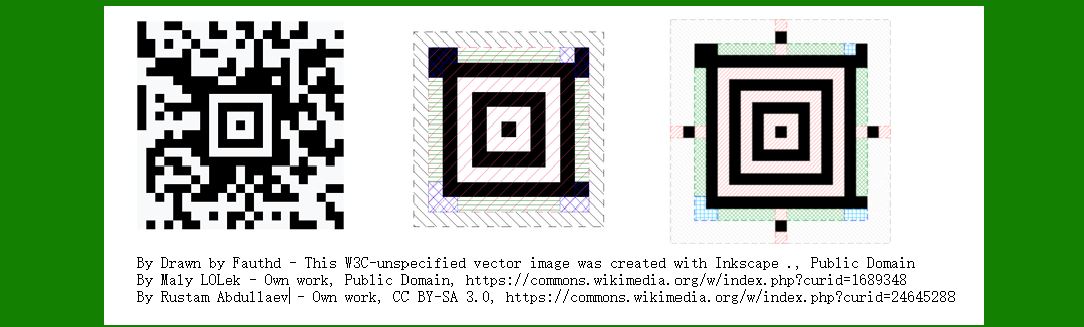
The Aztec Code is characterized by its unique matrix structure, which distinguishes it from linear barcodes like UPC or EAN. Unlike conventional barcodes that are one-dimensional, Aztec Code is two-dimensional, resembling a square or rectangular grid of black and white modules. Its design includes a central 'finder pattern' that resembles an Aztec pyramid, from which the name derives. |
Key structural components of the Aztec Code include: |
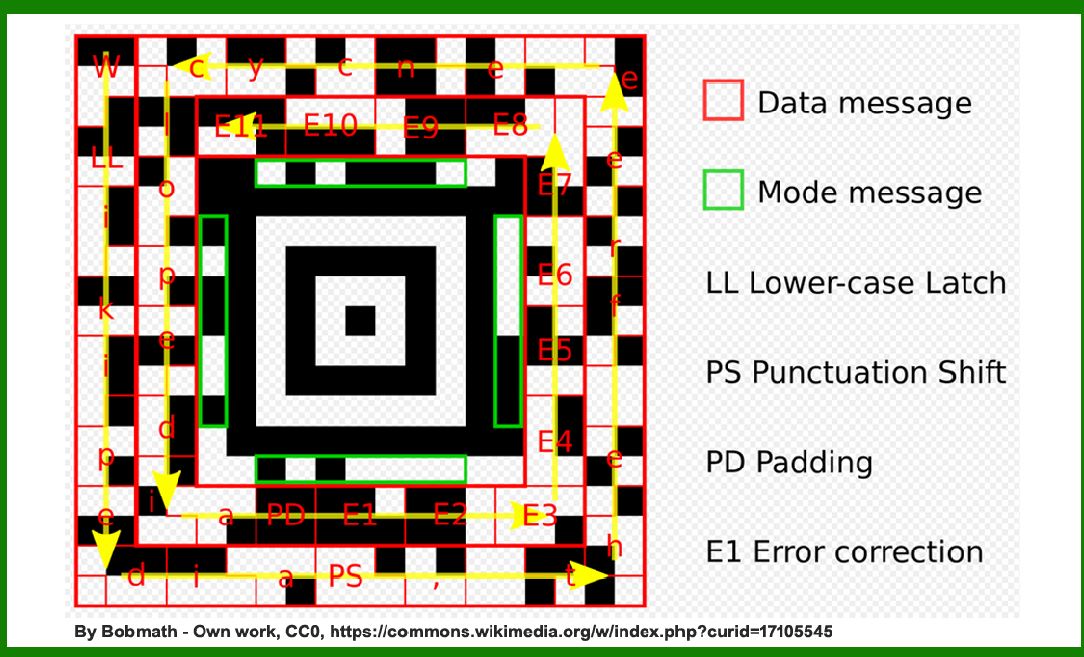
Finder Pattern: Located at the center, this distinctive feature aids in locating and decoding the barcode. Data Region: Surrounding the finder pattern, this area contains the encoded data modules. Orientation Marker: Helps in determining the orientation of the code during scanning. Quiet Zone: Unlike many other matrix codes, Aztec Code does not require a blank space around it, contributing to its space-efficient design. |
|
Encoding Process |
The encoding process of Aztec Code involves converting data-such as alphanumeric characters, binary data, or even bytes-into a series of black and white modules arranged in a specific pattern. This pattern is designed to be easily readable by scanners equipped with image-capturing technology. The process typically includes: |
1.Data Input: The information to be encoded is inputted into a specialized encoding software or generator. 2.Encoding Algorithm: Algorithms specific to Aztec Code convert the data into a format suitable for matrix encoding. 3.Module Placement: The encoded data is then arranged into modules within the matrix, following predefined rules regarding error correction and data redundancy. |

|
Error Correction and Data Capacity |
One of the notable features of Aztec Code is its robust error correction capability. It employs a sophisticated Reed-Solomon error correction algorithm, allowing the code to remain largely intact and readable even if parts of it are damaged or obscured. This is particularly advantageous in environments where the code may be subjected to wear, tear, or scanning imperfections. |
The data capacity of Aztec Code varies depending on factors such as the size of the code and the version used. It can encode up to: |
Numeric Data: Several hundred characters. Alphanumeric Data: Approximately 3000 characters. Binary Data: Over 2000 bytes. |
This high capacity makes Aztec Code suitable for a wide range of applications requiring extensive data storage in a compact format. |

|
Applications and Industry Integration |
Aztec Code finds applications across diverse industries due to its versatility and compact design: |
Transportation and Ticketing: Used for mobile ticketing, boarding passes, and transit cards. Healthcare: Patient identification, medical records, and pharmaceutical tracking. Retail: Product labeling, inventory management, and mobile coupons. Logistics: Package tracking, warehouse management, and asset tagging. Marketing: Direct mail, loyalty programs, and promotional campaigns. |
Its integration into mobile devices through QR code reader apps has further expanded its utility, allowing consumers to access information quickly and conveniently. |

|
Advantages Over Other Matrix Codes |
Compared to other matrix codes like QR Code and Data Matrix, Aztec Code offers several distinct advantages: |
Compact Size: Does not require a surrounding quiet zone, allowing for efficient use of space. High Data Capacity: Can encode large amounts of data within a small area. Error Correction: Robust error correction ensures reliable scanning even under adverse conditions. Versatility: Supports various data types and applications across different industries. Open Standard: Being part of ISO/IEC 24778:2008 standard ensures compatibility and interoperability. |

|
Future Developments and Innovations |
Looking ahead, the future of Aztec Code involves ongoing advancements aimed at enhancing its functionality and expanding its capabilities. Innovations may include: |
Enhanced Security Features: Integration of encryption and authentication mechanisms for secure data transmission. Augmented Reality Integration: Linking physical products to digital content through interactive Aztec Codes. Improved Scanner Technology: Faster and more accurate scanners capable of reading codes from greater distances and angles. IoT and Smart Devices: Integration with Internet of Things (IoT) devices for seamless data connectivity and automation. |
As technology evolves and demands for data-driven solutions grow, Aztec Code continues to evolve as a reliable and adaptable barcode solution. |

|
Conclusion |
In summary, the Aztec Code represents a pivotal advancement in barcode technology, offering a compact, high-capacity solution for data encoding across various industries. Its unique matrix structure, robust error correction, and versatility make it a preferred choice for applications ranging from healthcare to retail and logistics. As it moves forward as an open standard, the future holds promising innovations that will further enhance its utility and integration into everyday technology and business processes. |
 cs@easiersoft.com