In the realm of studying insect behavior, particularly focusing on honey bees and potentially other animals, the bCode matrix emerges as a pivotal tool. |

|
Engineered with precision, it incorporates an 11-bit identifier alongside 16 bits dedicated to read error detection and correction. This combination not only facilitates precise identification but also ensures robust data integrity, essential for rigorous scientific investigation. |
|
Evolution of bCode |
The genesis of bCode lies in the need for reliable, non-invasive methods to track individual insects over extended periods. Traditional marking techniques often fall short in terms of longevity, readability, and data security. bCode addresses these limitations by harnessing advancements in matrix coding and error correction technologies. |

|
Technical Specifications |
Matrix Structure: The bCode matrix consists of a compact arrangement of cells, each meticulously encoded to represent information essential for identification and error management. Its design optimizes both space utilization and computational efficiency, crucial for real-time data processing in field conditions. 11-bit Identifier: At its core, bCode employs an 11-bit identifier, capable of distinguishing over 2000 unique codes. This granularity is pivotal for differentiating individual insects within a population, facilitating detailed behavioral studies and population dynamics analyses. Error Detection and Correction: Complementing the identifier, bCode integrates 16 bits dedicated to error detection and correction. This sophisticated mechanism enhances reliability by detecting and rectifying data anomalies caused by environmental factors or technological limitations. |
|
Application in Honey Bee Research |
Marking Honey Bees |
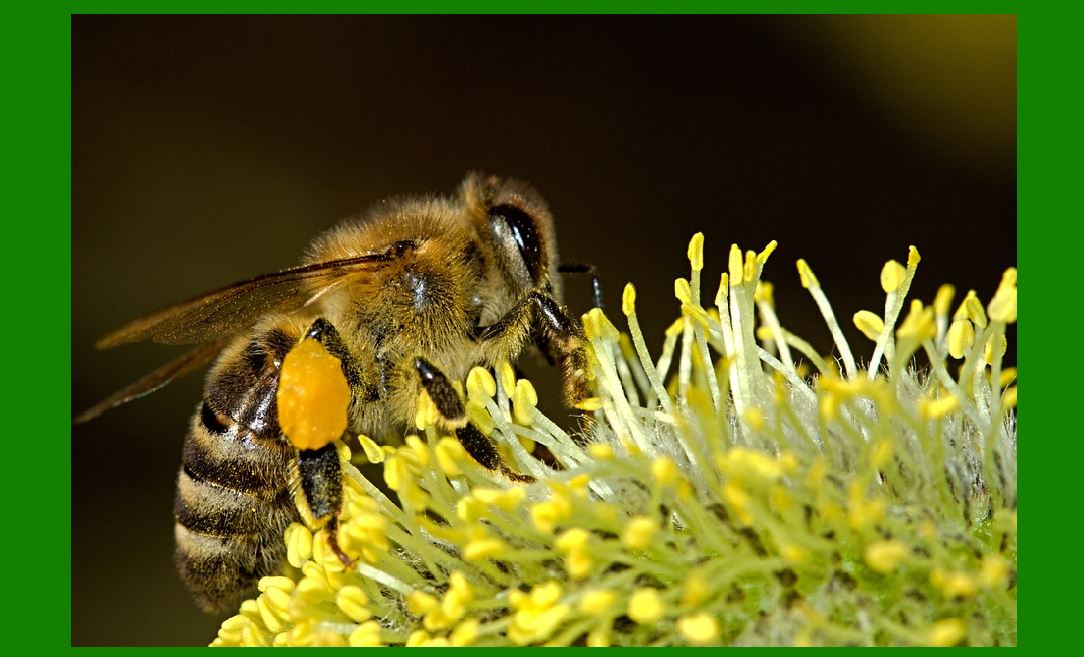
Non-invasive Application: bCode's matrix structure allows for non-invasive marking of honey bees. Applied either externally or embedded within tags, it minimizes disruption to natural behaviors while providing researchers with unparalleled traceability. Longevity and Durability: Unlike traditional marking methods that may degrade or become illegible over time, bCode's robust design ensures longevity. This characteristic is pivotal for longitudinal studies tracking individual behavior across seasons and environmental changes. Behavioral Insights: By accurately identifying and tracking individual honey bees, researchers can delve deeper into behavioral patterns, foraging dynamics, and social interactions within colonies. Such insights are instrumental in understanding broader ecological impacts and informing conservation efforts. |
|
Technological Integration |
Data Collection: bCode's integration with digital data collection systems streamlines information gathering. Coupled with advancements in sensor technology, it enables real-time monitoring of movement, activity levels, and environmental interactions. Interdisciplinary Potential: Beyond entomology, bCode holds promise for interdisciplinary applications. Its adaptable design can extend to studies involving other small animals, facilitating comparative research and expanding scientific understanding across diverse ecological contexts. |

|
Matrix Coding Technology |
Design Principles |
Compactness and Efficiency: The design principles underlying bCode prioritize compactness and operational efficiency. This ensures minimal physical footprint while maximizing computational performance, ideal for resource-constrained environments. Scalability: bCode's scalability enables customization across species and research objectives. Whether applied to honey bees, other insects, or small animals, its adaptable framework accommodates diverse study parameters and analytical requirements. |
Error Management |
Reliability: Error detection and correction mechanisms embedded within bCode bolster data reliability. By preemptively identifying and mitigating potential errors, it safeguards the integrity of behavioral data, crucial for scientific accuracy and reproducibility. Environmental Resilience: Designed to withstand environmental variables such as temperature fluctuations and humidity levels, bCode maintains readability under challenging field conditions. This resilience enhances its utility in diverse ecological settings and climatic regions. |
|
Practical Implementation |
Field Deployment |
Tagging Protocols: Protocols for applying bCode to insects emphasize minimal interference with natural behaviors. Techniques range from adhesive application to tag embedding, tailored to species-specific anatomy and behavioral traits. Data Capture: Field-deployed bCode tags interface seamlessly with data capture devices. Automated scanning technologies facilitate rapid data acquisition, minimizing human intervention and optimizing observational accuracy. Data Analysis and Interpretation Big Data Analytics: The volume and granularity of data generated by bCode necessitate robust analytical frameworks. Big data analytics techniques enable comprehensive pattern recognition, correlation analysis, and predictive modeling, unveiling intricate insights into insect behavior and ecological dynamics. Statistical Modeling: Statistical modeling techniques complement data analytics, facilitating hypothesis testing and evidence-based decision-making. By quantifying behavioral parameters and population trends, bCode supports informed conservation strategies and agricultural practices. |

|
Ethical Considerations |
Animal Welfare |
Minimizing Impact: Ethical guidelines underscore bCode's non-invasive application, prioritizing minimal impact on insect welfare. Adherence to animal welfare protocols ensures research practices align with humane principles, promoting responsible stewardship of wildlife resources. Behavioral Integrity: Monitoring protocols uphold the behavioral integrity of studied populations. By respecting natural behaviors and social structures, researchers mitigate potential stressors and preserve ecological balance within habitats. |

|
Future Directions |
Advancements in Technology |
Innovative Developments: Ongoing advancements in matrix coding and sensor technologies promise future iterations of bCode. Enhancements may include increased coding capacity, enhanced error correction algorithms, and integration with emerging platforms for real-time data visualization. Interdisciplinary Synergies: Collaborative efforts across scientific disciplines foster synergies in bCode's application. From ecological modeling to precision agriculture and public health surveillance, interdisciplinary research pathways unlock novel insights into complex ecological interactions. |
|
Conclusion |
In conclusion, bCode stands at the forefront of insect behavior research, offering a paradigm shift in precision marking and data acquisition. Its matrix design, encompassing an 11-bit identifier and advanced error correction capabilities, empowers researchers to unravel the intricacies of honey bee behavior and beyond. By harmonizing technological innovation with ethical stewardship, bCode paves the way for transformative discoveries in entomology, ecology, and beyond. As scientific inquiry continues to evolve, bCode exemplifies a cornerstone technology driving meaningful advancements in understanding and conserving our natural world. |
 cs@easiersoft.com