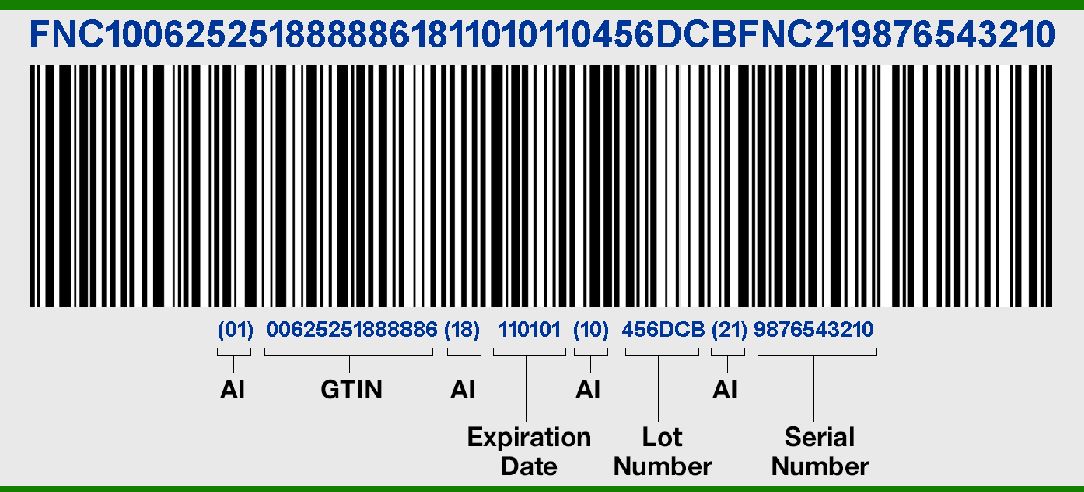
GS1-128 barcodes, originally known as UCC/EAN-128, are a subset of the Code 128 barcode standard and are used extensively in logistics and transportation. |
These barcodes can encode a large amount of information in a compact space, making them highly suitable for tracking and managing goods throughout the supply chain. |
|
Here is a detailed description of their applications in logistics and transportation: |
1. Shipment Tracking |
GS1-128 barcodes are used to track shipments from origin to destination. They can include a variety of information such as: Serial Shipping Container Code (SSCC): A unique identifier for each logistic unit, allowing for tracking and tracing of individual containers or pallets throughout the supply chain. Shipment Details: Information like origin, destination, and route can be embedded, facilitating real-time tracking and updates. |
2. Inventory Management |
In warehouses and distribution centers, GS1-128 barcodes enable efficient inventory management by: Automating Data Entry: Scanning barcodes reduces errors associated with manual data entry. Real-Time Inventory Tracking: Providing up-to-date information on inventory levels, locations, and movement. Batch and Lot Tracking: Ensuring precise tracking of batches and lots, which is essential for industries like pharmaceuticals and food. |
|
3. Cross-Docking Operations |
Cross-docking involves transferring goods directly from inbound to outbound transportation with minimal or no storage time. GS1-128 barcodes facilitate this by: Streamlining Processes: Reducing handling times and expediting shipment processing. Enhanced Visibility: Ensuring that each pallet or container is correctly identified and routed. |
4. Automated Sorting Systems |
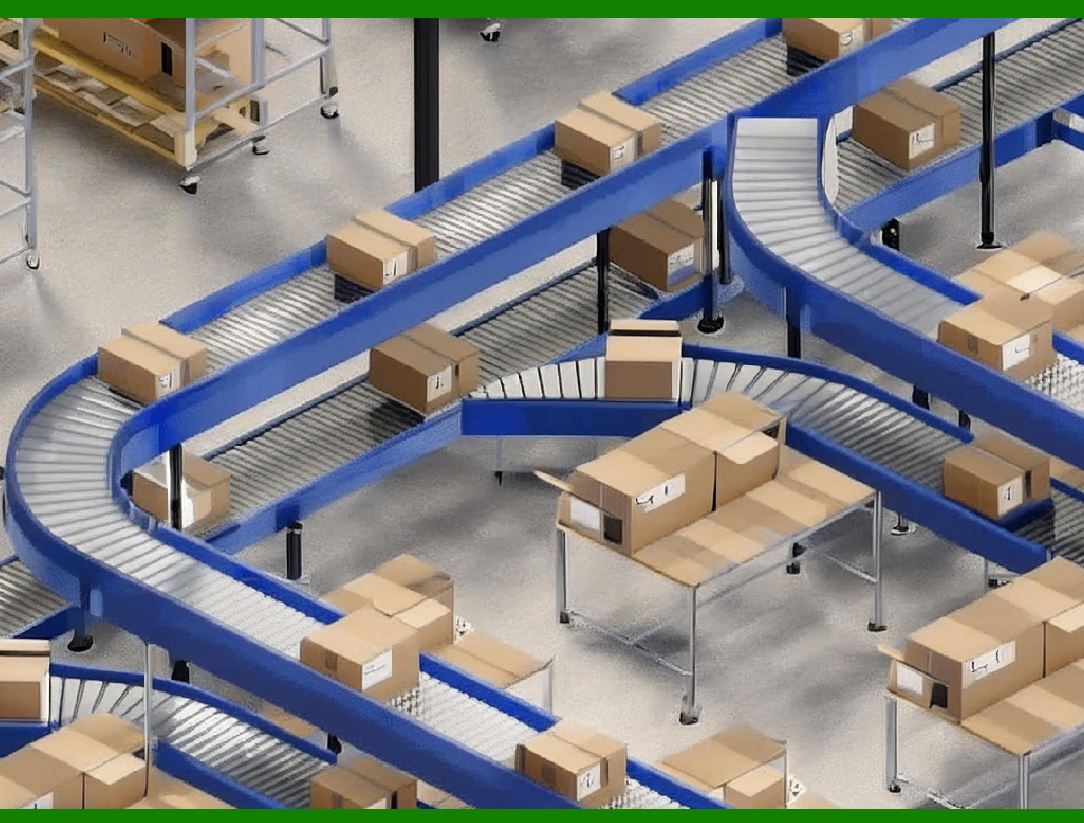
Logistics hubs and sorting centers use GS1-128 barcodes to: Automate Sorting: Automated systems scan barcodes to direct parcels to the appropriate conveyor belts and loading docks. Increase Efficiency: Speeds up the sorting process, reduces labor costs, and minimizes errors. |

|
5. Compliance and Standardization |
GS1-128 barcodes ensure compliance with industry standards and regulations by: Standardized Information: Providing a universal method for encoding and decoding data, ensuring consistency across the supply chain. Regulatory Compliance: Meeting requirements for traceability, particularly in sectors like pharmaceuticals (for drug traceability) and food (for traceability and recall management). |
6. Customer Service and Satisfaction |
Enhanced tracking and inventory capabilities lead to improved customer service by: Accurate Delivery Information: Providing precise tracking information to customers. Efficient Returns Management: Facilitating the return process by tracking returned goods accurately. |

|
7. Supply Chain Integration |
GS1-128 barcodes play a crucial role in integrating various elements of the supply chain: Supplier Coordination: Allowing seamless communication and data exchange between suppliers, manufacturers, distributors, and retailers. End-to-End Visibility: Offering a holistic view of the supply chain, from raw materials to end consumers. |
8. Cold Chain Management |
In industries requiring strict temperature control, such as pharmaceuticals and perishables, GS1-128 barcodes help manage the cold chain by: Temperature Monitoring: Embedding information about temperature conditions during transportation. Ensuring Integrity: Verifying that temperature-sensitive goods are maintained within specified ranges. |

|
9. Customs and Border Control |
GS1-128 barcodes facilitate international trade by: Customs Documentation: Including necessary customs information, reducing delays at borders. Regulatory Compliance: Ensuring goods comply with international shipping regulations. |
10. Security and Authentication |
Enhancing security in logistics through: Unique Identifiers: SSCC and other unique codes help in authenticating and verifying the legitimacy of goods. Tamper Evidence: Ensuring that goods have not been tampered with during transit. |

|
Conclusion |
GS1-128 barcodes are essential in modern logistics and transportation due to their ability to encode comprehensive information, enhance efficiency, ensure accuracy, and facilitate compliance. Their application across various stages of the supply chain helps improve visibility, security, and overall operational efficiency, ultimately leading to better service and satisfaction for end customers. |
 cs@easiersoft.com