PDF417 Barcode in the Aviation Industry |
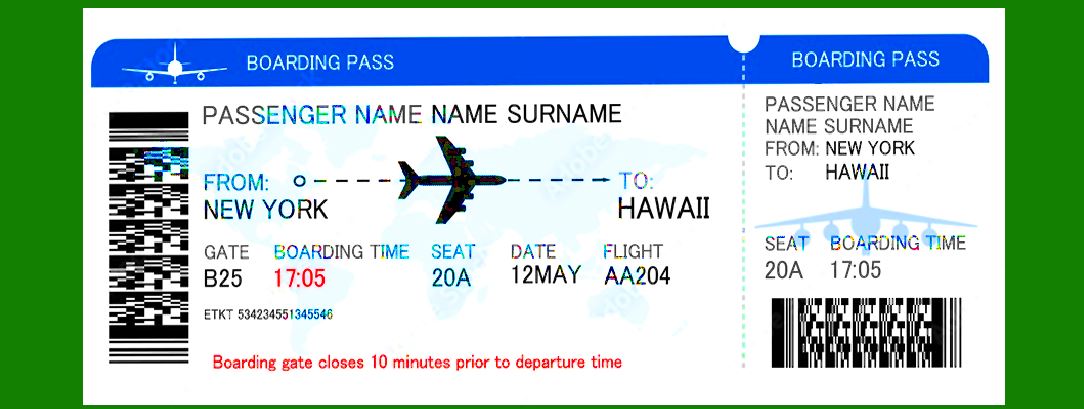
In the fast-paced world of aviation, efficiency, accuracy, and security are paramount. To meet these demands, the adoption of advanced technologies like PDF417 barcodes has revolutionized various aspects of airline operations, particularly in the realm of Bar Coded Boarding Passes (BCBP). This barcode standard plays a crucial role in streamlining check-in processes, enhancing security measures, and improving overall operational efficiency for airlines worldwide. |
|
Introduction to PDF417 Barcode |
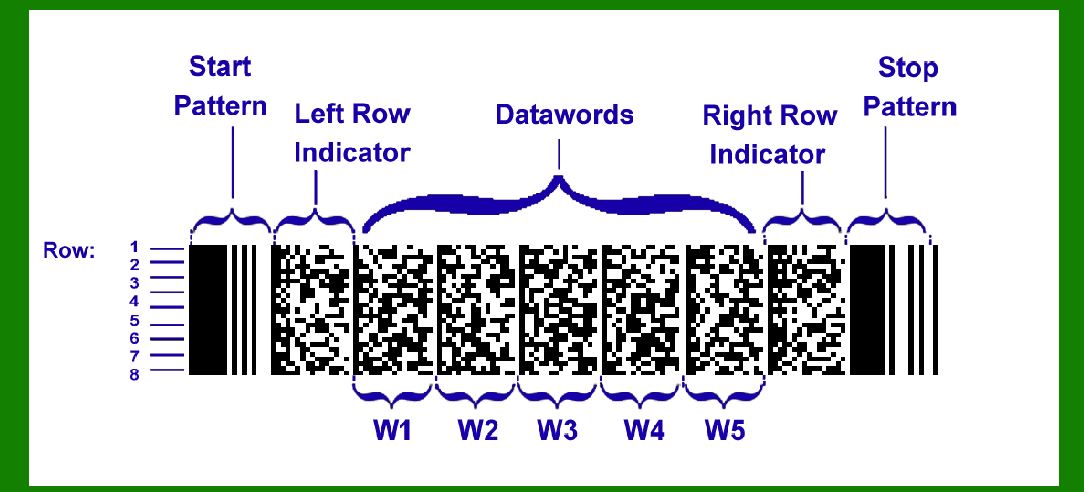
PDF417, a two-dimensional stacked barcode symbology, was developed by Symbol Technologies (now part of Zebra Technologies) in 1991. Unlike traditional linear barcodes that encode data horizontally, PDF417 can encode large amounts of data vertically and horizontally in a single symbol. This capability makes it ideal for applications requiring the storage of extensive information within a compact space, such as boarding passes in the aviation sector. |
|
Adoption in the Aviation Sector |
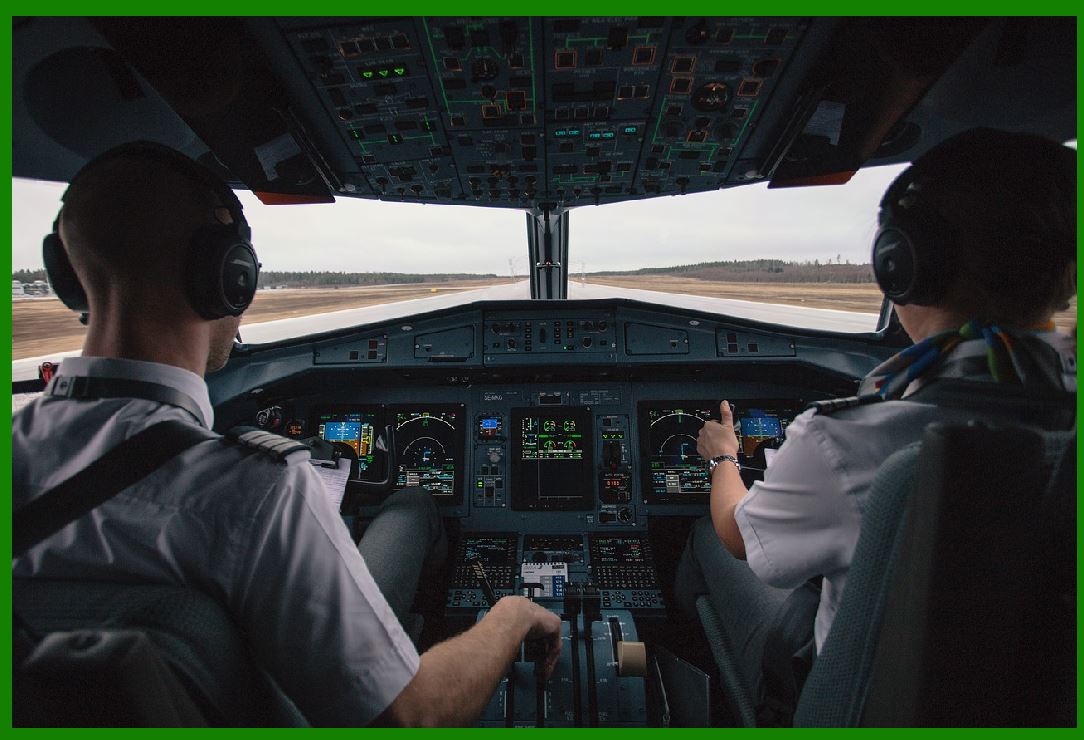
The aviation industry, known for its rigorous safety and efficiency standards, recognized PDF417 as a suitable technology to enhance the boarding pass system. PDF417 barcodes are widely adopted as the standard for Bar Coded Boarding Passes (BCBP) due to their ability to encode critical passenger information securely and efficiently. This standardized approach ensures compatibility across different airlines and airports globally, facilitating seamless passenger processing and boarding procedures. |
|
Components of a PDF417 Barcoded Boarding Pass |
A PDF417 barcoded boarding pass typically contains encoded information essential for passenger identification, flight management, and security checks. The encoded data may include: |
1.Passenger Information: Passenger name Frequent flyer number (if applicable) Passenger ID or booking reference Contact information |
2.Flight Details: Flight number Departure and arrival airports Departure date and time Seat assignment Boarding gate information |
3.Security Data: Passenger's security clearance status TSA PreCheck or similar program status Baggage screening information |
|
Benefits of PDF417 Barcodes in Aviation |
1. Streamlined Check-in Process: |
PDF417 barcodes enable passengers to check in quickly using automated kiosks or mobile apps. By scanning the barcode, airlines can instantly retrieve passenger information and issue boarding passes, reducing queuing times and enhancing the overall passenger experience. |
2. Enhanced Security Measures: |
The barcode's ability to store sensitive security data ensures that only authorized personnel can access crucial information. This contributes to improved security screening processes and helps airlines comply with stringent aviation security regulations. |
3. Improved Operational Efficiency: |
Automating check-in and boarding processes with PDF417 barcodes reduces manual errors and accelerates throughput rates at airports. This efficiency gains translate into cost savings for airlines and a smoother travel experience for passengers. |
4. Global Compatibility: |
PDF417's standardized format allows for interoperability among different airlines and airport systems worldwide. This compatibility is crucial for seamless passenger transfers and international travel, minimizing logistical challenges for both airlines and passengers. |
5. Data Integrity and Redundancy: |
The barcode's robust error correction capabilities ensure data integrity, even if part of the barcode is damaged or unreadable. This redundancy reduces the risk of data loss and ensures accurate information retrieval throughout the passenger journey. |

|
Implementation and Integration |
Implementing PDF417 barcodes in the aviation sector involves integrating barcode encoding and decoding capabilities into airline check-in systems, airport infrastructure, and mobile applications. Key considerations include: |
Barcode Generation: Airlines generate PDF417 barcodes containing encrypted passenger data during the check-in process. Scanning Technology: Airport personnel use barcode scanners capable of decoding PDF417 symbology to retrieve passenger information quickly and accurately. System Compatibility: Ensuring compatibility between barcode generation systems used by airlines and scanning systems deployed at airports to facilitate seamless data transfer and passenger processing. Security Protocols: Implementing encryption and authentication measures to safeguard barcode data against unauthorized access and tampering, ensuring compliance with aviation security standards. |

|
Case Study: Implementation in Major Airlines |
Major airlines worldwide have embraced PDF417 barcodes as the standard for boarding passes, demonstrating its effectiveness in enhancing operational efficiency and passenger convenience. Airlines such as Delta Air Lines, British Airways, and Lufthansa have integrated PDF417 barcodes into their mobile check-in apps and self-service kiosks, enabling passengers to expedite check-in processes and minimize wait times at airports. |

|
Future Trends and Innovations |
Looking ahead, the aviation industry continues to explore advancements in barcode technology to further improve passenger processing and security. Potential future developments include: |
Mobile Wallet Integration: Integrating PDF417 barcodes into digital wallet platforms to enable seamless integration with mobile boarding passes and contactless travel experiences. Enhanced Data Analytics: Leveraging barcode data for passenger flow analysis, predictive modeling, and operational optimization to streamline airport operations further. Blockchain Integration: Exploring blockchain technology to enhance the security and traceability of barcode data, ensuring data integrity and authenticity throughout the passenger journey. |

|
Conclusion |
In conclusion, PDF417 barcodes have become indispensable in the aviation industry, particularly for Bar Coded Boarding Passes (BCBP). Their ability to store extensive passenger information securely and facilitate efficient check-in and boarding processes underscores their importance in modern airline operations. As technology evolves, PDF417 barcodes will continue to play a pivotal role in enhancing security, improving operational efficiency, and delivering a seamless travel experience for passengers worldwide. |
 cs@easiersoft.com