In the intricate web of healthcare and pharmaceutical industries, where precision, safety, and compliance are paramount, technological innovations such as PDF417 barcodes play a crucial role. These two-dimensional barcodes are extensively utilized across various facets of these industries to encode and retrieve vital information, thereby enhancing operational efficiency, patient safety, and regulatory adherence. |
|
Introduction to PDF417 Barcodes |
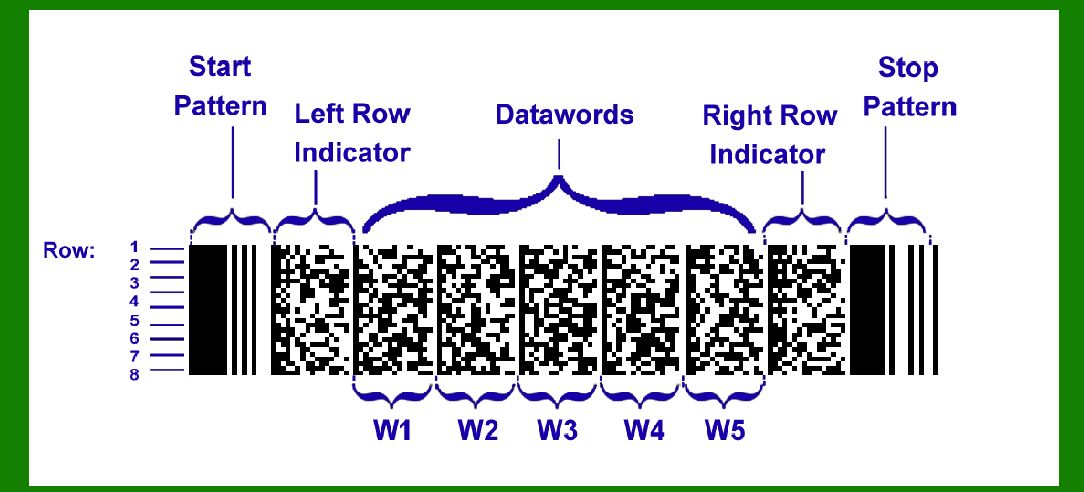
PDF417 barcodes are a type of stacked linear barcode symbol format used in a variety of applications due to their ability to encode large amounts of data securely and efficiently. Unlike traditional linear barcodes that can only store limited data such as product numbers, PDF417 barcodes can encode up to 1.1 kilobytes of data, including text, numbers, and even binary data. This capacity makes them ideal for scenarios where extensive information needs to be stored and accessed rapidly, which is particularly advantageous in the healthcare and pharmaceutical sectors. |

|
Applications in Pharmaceutical Industry |
In the pharmaceutical sector, PDF417 barcodes find widespread use primarily in packaging and distribution processes. These barcodes are prominently displayed on medication packaging and contain critical information that is essential for safe and effective use. Key data elements typically encoded in PDF417 barcodes on drug packaging include: |
1.Drug Identification Numbers (DINs): Unique identifiers assigned to each drug product for regulatory tracking purposes. 2.Expiration Dates: Vital information indicating the date beyond which the drug should not be used for safety and efficacy reasons. 3.Batch Numbers: Identification numbers assigned to specific batches of drugs to facilitate traceability in case of recalls or quality issues. 4.Dosage Instructions: Clear and concise directions on how the medication should be administered to patients. 5.Manufacturer Details: Information about the company responsible for manufacturing the drug, ensuring accountability and traceability. |
These barcodes serve multiple purposes within pharmaceutical operations: |
Inventory Management: Facilitates efficient tracking and management of drug inventory at various stages of distribution, from manufacturing to dispensing. Counterfeit Prevention: Enables verification of the authenticity of pharmaceutical products, helping to combat the proliferation of counterfeit drugs. Clinical Information Retrieval: Provides quick access to detailed medication information in clinical settings, aiding healthcare professionals in making informed decisions. |
|
Integration into Medical Laboratory Operations |
Beyond pharmaceuticals, PDF417 barcodes play a critical role in medical laboratory operations, particularly in specimen management and diagnostic testing processes. Specimen containers used in laboratories are typically affixed with PDF417 barcodes that encode essential information such as: |
1.Patient Identification Data: Unique identifiers linking specimens to specific patients, ensuring accuracy and patient safety throughout testing. 2.Test Types: Details about the specific tests requested for each specimen, ensuring that the correct procedures are followed. 3.Collection Dates: Dates and times when specimens were collected, critical for interpreting test results accurately. 4.Laboratory Accession Numbers: Unique identifiers assigned to each specimen upon receipt in the laboratory, facilitating tracking and retrieval. |
The utilization of PDF417 barcodes in laboratory settings offers several advantages: |
Error Reduction: Minimizes errors associated with manual data entry by automating the capture and processing of specimen information. Traceability and Accountability: Enhances traceability of specimens throughout the testing process, from collection to reporting of results, ensuring accountability and compliance with regulatory requirements. Efficiency: Streamlines laboratory workflows by enabling rapid identification and retrieval of specimen data, thereby expediting diagnostic processes. |

|
Regulatory Compliance and Standards |
In both pharmaceutical and laboratory settings, adherence to regulatory standards is non-negotiable. PDF417 barcodes help organizations comply with various regulatory frameworks by ensuring that essential data is accurately encoded and easily accessible: |
Healthcare Regulations: Regulatory bodies such as the FDA (Food and Drug Administration) in the United States and equivalent agencies worldwide require pharmaceutical companies to provide detailed information about drugs and medical devices. PDF417 barcodes assist in meeting these requirements by encoding mandated information directly onto product packaging. Laboratory Accreditation: Accrediting bodies such as CLIA (Clinical Laboratory Improvement Amendments) in the United States have stringent guidelines for laboratory practices, including specimen tracking and data management. PDF417 barcodes support compliance by enabling standardized data capture and reporting. Global Harmonization: With increasing globalization of pharmaceutical supply chains and healthcare services, PDF417 barcodes facilitate harmonization of data standards across borders, ensuring consistency and interoperability. |

|
Technological Considerations and Implementation Challenges |
While PDF417 barcodes offer significant benefits, their implementation requires careful consideration of technological factors and potential challenges: |
Barcode Scanning Technology: Barcode scanners must be capable of decoding PDF417 barcodes accurately, necessitating investment in compatible scanning equipment. Data Integrity and Security: Ensuring the integrity and security of encoded data is crucial to prevent unauthorized access or tampering, particularly in sensitive healthcare environments. Integration with Information Systems: Seamless integration with existing information systems (such as Electronic Health Records (EHR) systems or Laboratory Information Management Systems (LIMS)) is essential to maximize the utility of PDF417 barcodes in capturing and utilizing encoded data. Standardization: Adherence to barcode standards (such as those defined by GS1) ensures interoperability and facilitates data exchange between different stakeholders within the healthcare and pharmaceutical sectors. |

|
Future Trends and Innovations |
Looking ahead, the role of PDF417 barcodes in healthcare and pharmaceuticals is poised to evolve further with ongoing technological advancements: |
Enhanced Data Capacity: Continued improvements in barcode technology may increase the data capacity of PDF417 barcodes, enabling them to store even more detailed information. Integration with IoT and Blockchain: Integration of barcoding systems with Internet of Things (IoT) devices and blockchain technology could enhance traceability and security across supply chains, further bolstering patient safety and regulatory compliance. Artificial Intelligence: AI-driven analytics and machine learning algorithms may leverage data captured through barcoding systems to derive actionable insights, potentially revolutionizing personalized medicine and treatment protocols. |

|
Conclusion |
PDF417 barcodes represent a cornerstone technology in the healthcare and pharmaceutical industries, facilitating efficient data capture, enhanced patient safety, and regulatory compliance. From drug packaging in pharmaceuticals to specimen tracking in medical laboratories, these barcodes streamline operations, minimize errors, and support timely decision-making. As technology continues to advance, PDF417 barcodes are expected to play an increasingly pivotal role in shaping the future of healthcare delivery and pharmaceutical innovation. |
 cs@easiersoft.com