PDF417 barcodes have become integral components of modern ticketing and access control systems, revolutionizing the way events are managed and security is enforced in various environments. From large-scale concerts to public transportation systems and secure facilities, PDF417 barcodes play a crucial role in enhancing efficiency, security, and customer experience. |
|
Ticketing Systems |
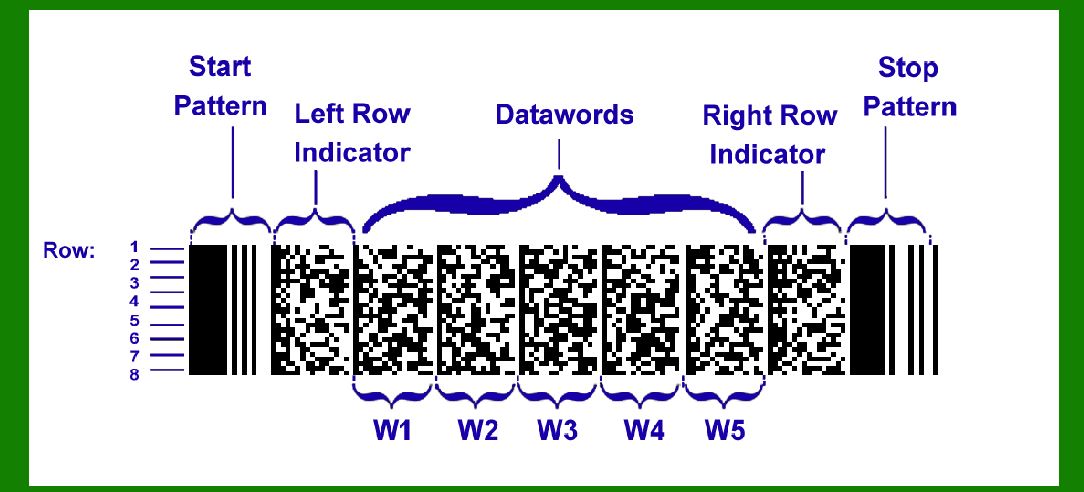
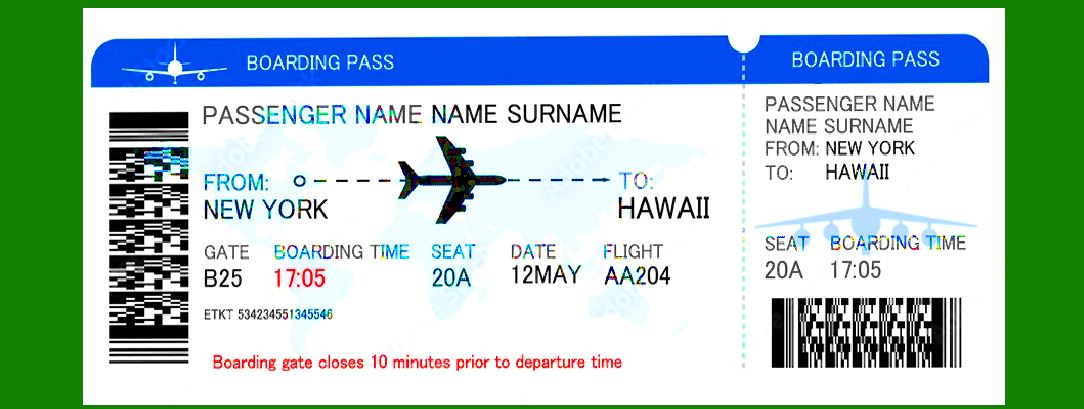
In the realm of ticketing, PDF417 barcodes offer a versatile and efficient solution for encoding a wealth of information on a small, two-dimensional symbol. This format, developed by Symbol Technologies in 1991, stands out due to its ability to store large amounts of data, including alphanumeric characters and binary data, within a compact space. This capability makes it ideal for encoding diverse ticket-related information such as event details, seat assignments, admission times, and ticket holder information. |
Encoding Information |
PDF417 barcodes are capable of encoding up to 1850 text characters or 2710 digits, making them suitable for comprehensive ticketing needs. For event organizers, this means the barcode can store not only basic ticket information like event name and date but also complex data such as seating arrangements for multiple attendees in a single barcode. |
|
Rapid Ticket Validation |
One of the primary advantages of PDF417 in ticketing is its quick readability. Modern barcode scanners can swiftly decode PDF417 barcodes even when they are damaged or partially obscured. This capability significantly speeds up the ticket validation process at entry points, reducing queues and enhancing the overall attendee experience. Event staff equipped with handheld scanners or integrated ticketing systems can efficiently verify ticket validity and scan attendees into events without delays. |
Integration with Ticketing Systems |
PDF417 barcodes seamlessly integrate with digital ticketing platforms and systems. Whether tickets are issued in physical or digital formats, the barcode remains a common denominator for access control. This integration extends to mobile ticketing apps, where attendees can simply present their mobile devices for scanning, eliminating the need for physical tickets altogether. |
|
Enhanced Security Features |
In addition to convenience, PDF417 barcodes contribute to enhanced security measures. By encoding unique identifiers and other security features within the barcode, organizers can mitigate the risks associated with counterfeiting and unauthorized access. Advanced barcode scanners can authenticate tickets against databases in real-time, ensuring that each scan corresponds to a valid ticket within the system. |
Real-Time Data Access |
The use of PDF417 barcodes facilitates real-time access to attendance data and analytics. Event organizers can monitor entry patterns, track attendance levels, and analyze demographic information based on scanned tickets. This data-driven approach enables better planning for future events and improves operational efficiency. |

|
Flexibility in Design and Application |
PDF417 barcodes offer flexibility in design and application. They can be printed on various ticket materials, including paper and synthetic substrates, without compromising readability. Moreover, advancements in barcode printing technology ensure high-quality reproduction, even in environments where tickets may be exposed to wear and tear. |
Access Control Systems |
Beyond event ticketing, PDF417 barcodes play a pivotal role in access control systems across diverse settings, including buildings, campuses, and restricted areas. These systems utilize PDF417-encoded access cards and badges to manage entry permissions, enhance security, and ensure regulatory compliance. |

|
Secure Authentication |
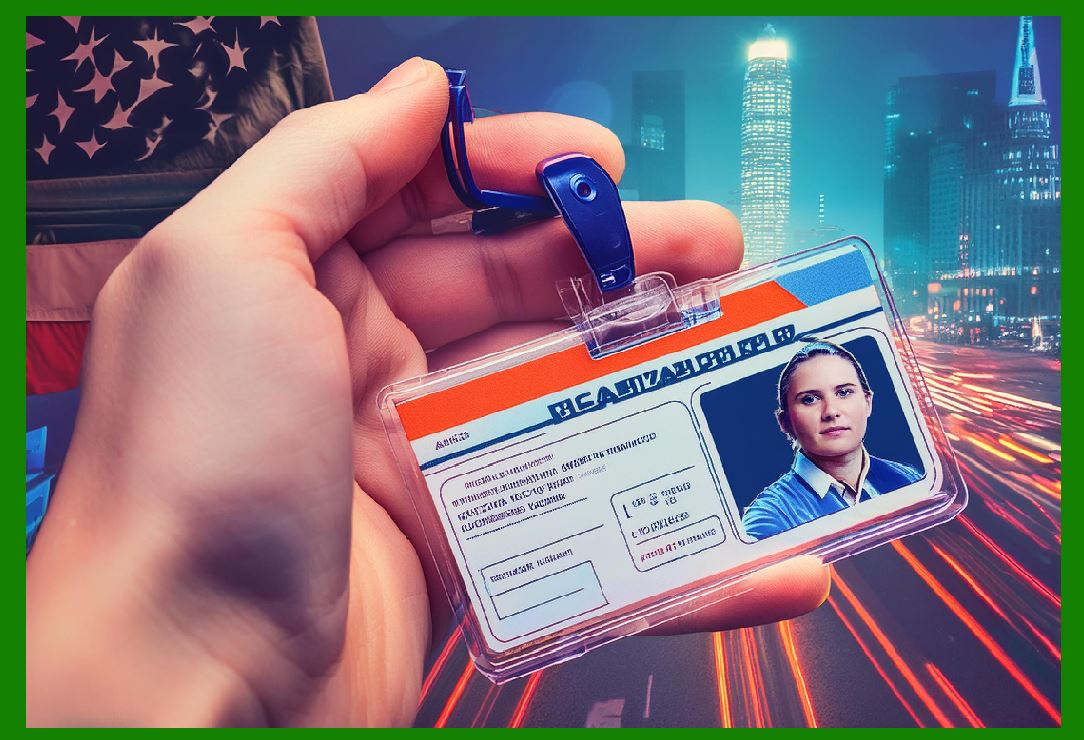
Access cards containing PDF417 barcodes encode critical information such as user credentials, access permissions, and biometric data. This information is securely stored within the barcode and can be verified by compatible access control systems. By scanning the barcode, security personnel can authenticate individuals and grant appropriate access privileges based on predefined rules. |
Integration with Biometric Systems |
PDF417 barcodes complement biometric authentication systems by storing biometric data securely within the barcode itself. This hybrid approach enhances security by requiring both barcode scanning and biometric verification for access to sensitive areas. Institutions and organizations benefit from enhanced identity validation and reduced instances of unauthorized access. |

|
Compliance with Security Standards |
Access control systems leveraging PDF417 barcodes adhere to stringent security standards and regulatory requirements. These standards ensure that access to confidential information, sensitive areas, and high-security zones is strictly controlled and monitored. By implementing PDF417 barcodes, organizations demonstrate commitment to security protocols and safeguard against potential threats. |
Monitoring Entry and Exit Activities |
PDF417 barcodes facilitate comprehensive monitoring of entry and exit activities. Access control systems equipped with barcode scanners record timestamps and user identities each time a barcode is scanned. This data is invaluable for auditing purposes, investigating security incidents, and maintaining accurate records of personnel movements within controlled environments. |

|
Scalability and Integration |
The scalability of PDF417 barcodes allows access control systems to expand seamlessly as organizational needs evolve. Whether managing access for a small office building or a sprawling campus, barcode-based systems can accommodate varying levels of complexity and user volume. Integration with existing security infrastructure, including CCTV surveillance and alarm systems, further enhances overall security posture. |

|
Future Trends and Innovations |
Looking ahead, PDF417 barcodes continue to evolve in tandem with advancements in technology and security requirements. Emerging trends include: |
Mobile Access Solutions: Increasing reliance on mobile devices for ticketing and access control, leading to greater adoption of mobile barcode scanning technologies. Enhanced Data Encryption: Implementation of robust encryption algorithms to protect sensitive information encoded within PDF417 barcodes from unauthorized access and tampering. Blockchain Integration: Exploration of blockchain technology to enhance the traceability and authenticity of digital tickets and access credentials. Artificial Intelligence: Integration of AI-driven analytics to derive actionable insights from barcode-scanned data, improving operational efficiencies and security protocols. |

|
Conclusion |
PDF417 barcodes have emerged as indispensable tools in modern ticketing and access control systems. Their ability to encode vast amounts of data in a compact format, coupled with rapid scanning capabilities, enhances operational efficiency, improves security measures, and elevates the overall user experience across diverse environments. As technology continues to advance, PDF417 barcodes will likely play an even more prominent role in shaping the future of secure access and event management systems worldwide. |
 cs@easiersoft.com