QR codes storing addresses and URLs may appear in magazines, on signs, on buses, on business cards, or on almost any object about which users might want information. Users with a camera phone equipped with the correct reader application can scan the image of the QR code to display text, contact information, connect to a wireless network, or open a web page in the phone's browser. |
This act of linking from physical world objects is termed hardlinking or object hyperlinking. |
|
QR codes, short for Quick Response codes, are a type of two-dimensional barcode that can store various types of information. |
These codes are becoming increasingly popular due to their versatility and ease of use. |
Here is a detailed explanation of how they work and their applications: |
How QR Codes Work |
1.Structure: Modules: QR codes consist of black squares (modules) arranged on a white background. Encoding: The information in a QR code is encoded in a pattern of these modules. Data Capacity: QR codes can store a large amount of data, including alphanumeric characters, binary data, and kanji characters. |
2.Types of Information Stored: Addresses and URLs: QR codes can store web addresses, making it easy for users to access websites. Text: Any text information, such as instructions or product details. Contact Information: VCard format for storing contact details like name, phone number, and email. Wi-Fi Network Details: SSID and password to connect to Wi-Fi networks. Other Data: Event details, payment information, and more. |
|
Applications of QR Codes |
1.Magazines and Printed Media: Enhanced Content: QR codes in magazines can link to additional content online, such as videos, galleries, or articles. Advertisements: Allow readers to quickly access promotional websites or special offers. |
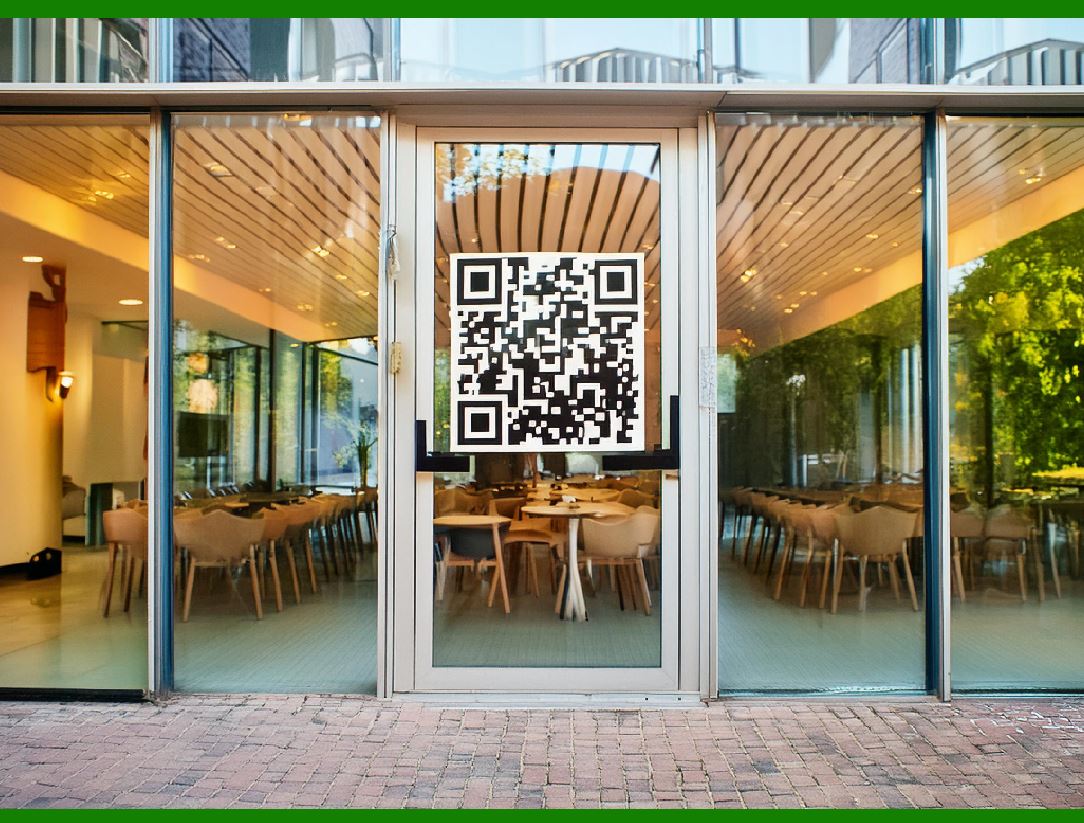
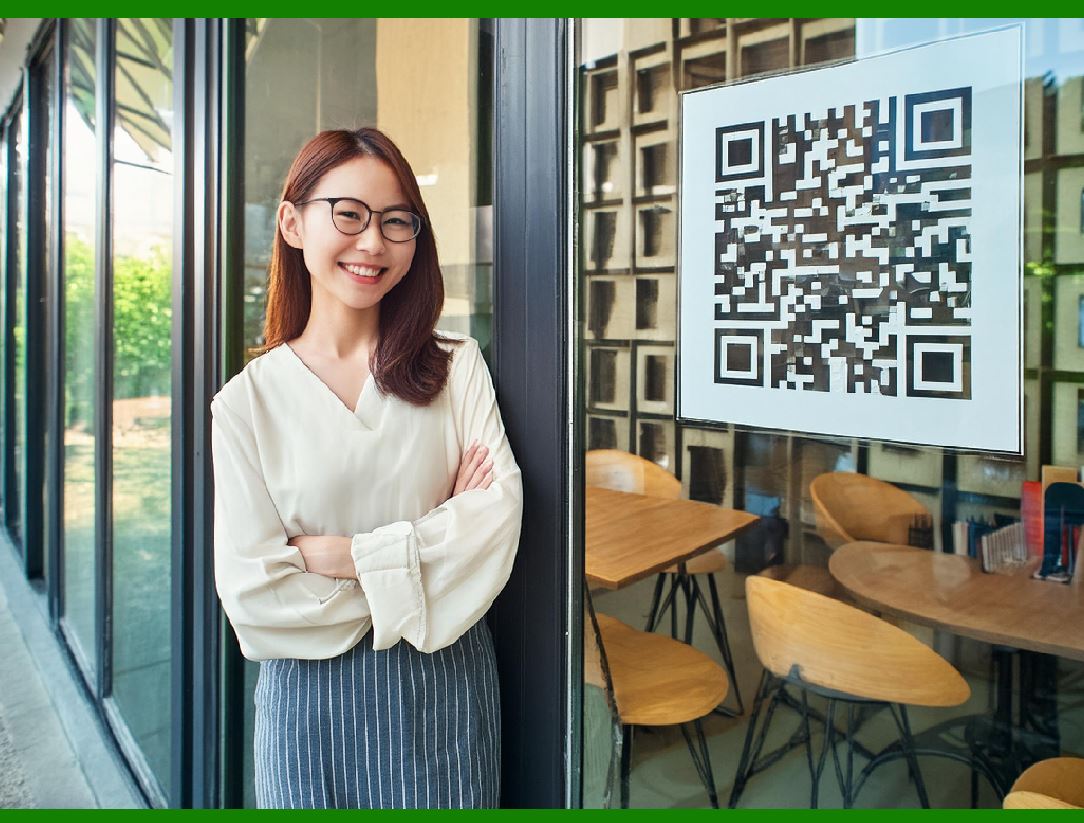
2.Signs and Public Spaces: Information Access: QR codes on signs can provide information about locations, historical sites, or public services. Event Information: Codes on event posters can link to ticket purchasing websites or event schedules. |
3.Public Transportation: Schedules and Routes: QR codes on buses and bus stops can provide route maps, schedules, and real-time updates. Payment Systems: Some public transport systems use QR codes for ticketing and payments. |
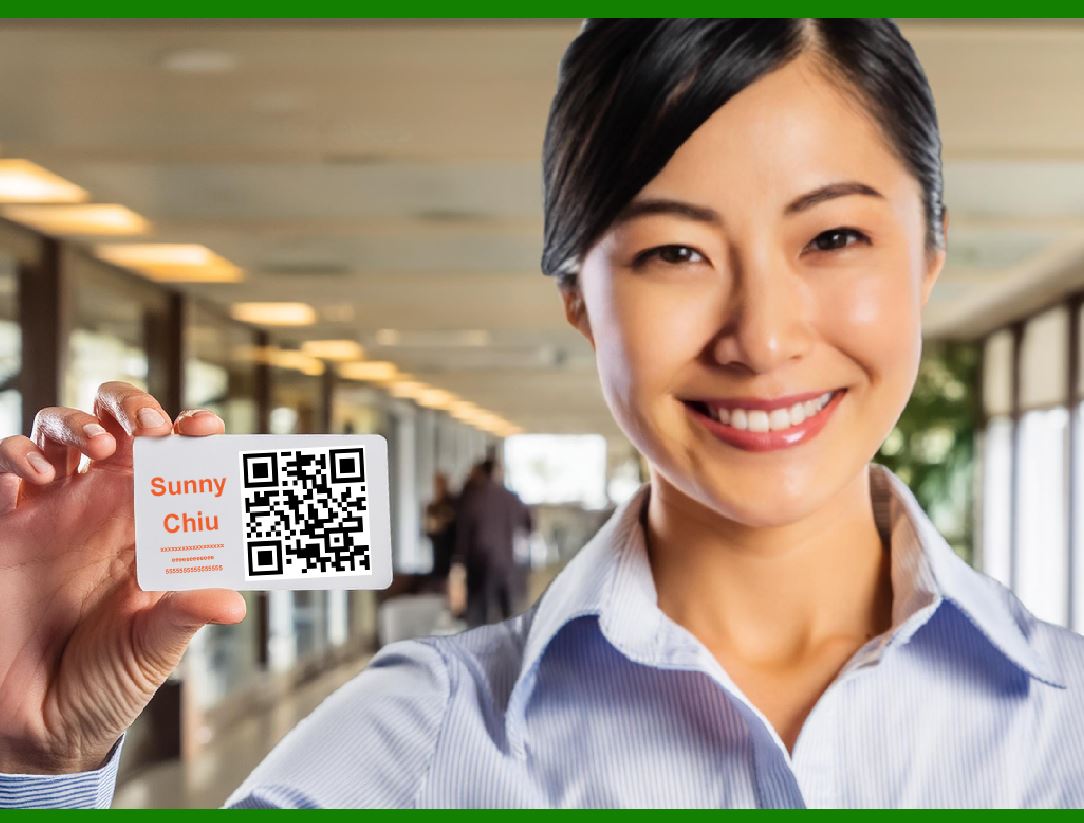
4.Business Cards: Contact Details: Scanning a QR code on a business card can save contact information directly to the user's phone. Professional Links: QR codes can link to LinkedIn profiles, portfolios, or company websites. |
5.Product Packaging: Product Information: QR codes on packaging can link to detailed product information, usage instructions, or promotional content. Authenticity Verification: Consumers can scan QR codes to verify the authenticity of a product. |

|
Scanning and Usage |
1.Requirements: Camera Phone: A mobile device with a camera. Reader Application: A QR code reader app, which can decode the information stored in the QR code. Many modern smartphones have built-in QR code readers in their camera apps. |
2.Process: Scanning: The user opens the reader application and points the camera at the QR code. Decoding: The application scans the code, decodes the information, and performs the corresponding action, such as opening a web page or saving contact information. |
|
Hardlinking or Object Hyperlinking |
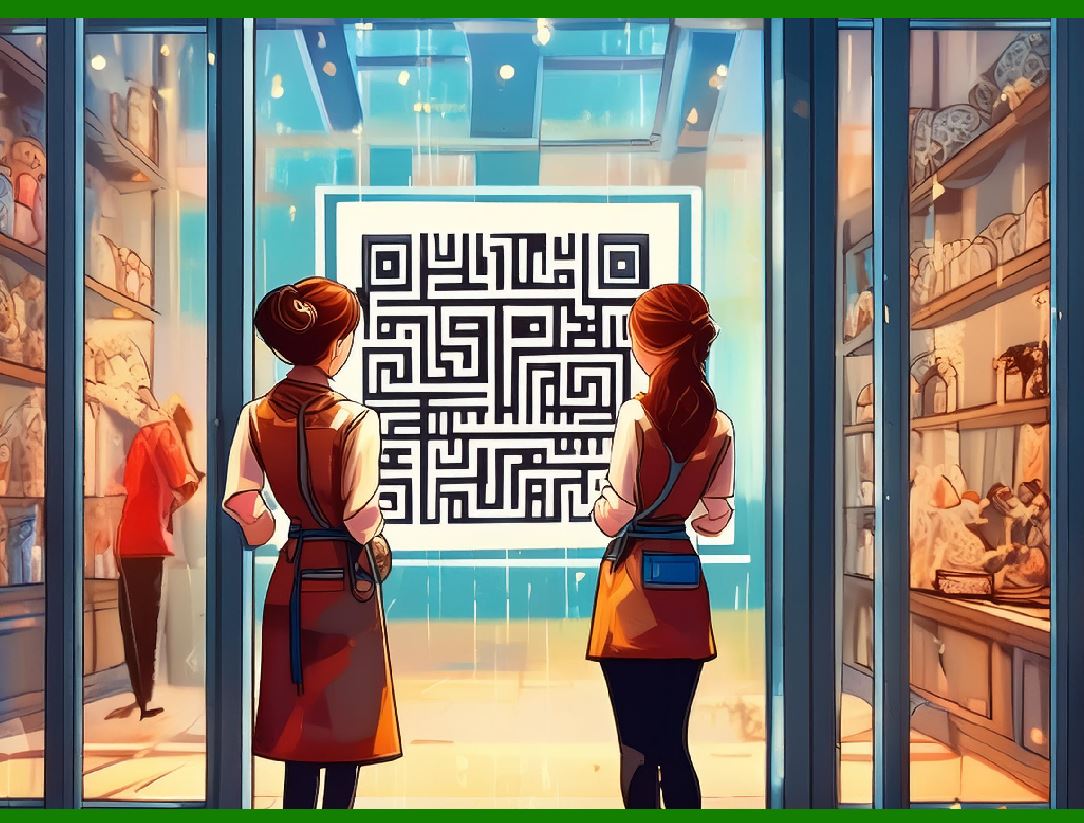
Definition: This is the process of creating a hyperlink from a physical object to digital information. Usage: By scanning a QR code, users can seamlessly transition from the physical world to digital content. This technique enhances user interaction and information accessibility. |
|
Advantages of QR Codes |
Ease of Use: Simple and quick access to information. Versatility: Can store a wide variety of data types. Cost-Effective: Inexpensive to create and print. Space Efficient: Takes up little physical space on an object. |

|
Conclusion |
QR codes bridge the gap between the physical and digital worlds, making information easily accessible from everyday objects. Their ability to store diverse types of data and the ease with which they can be scanned using common devices like smartphones has led to their widespread adoption in various fields. |
 cs@easiersoft.com