Product tracing, also known as traceability, is the ability to track the movement of a product and its components through the various stages of production, processing, and distribution. |

|
It ensures that every step in the supply chain can be monitored and documented, which helps in managing and mitigating risks, ensuring product safety, and enhancing transparency. In the context of food products, traceability is crucial for maintaining food safety standards, identifying sources of contamination, and facilitating recalls when necessary. |
In a field experiment, it was found that when provided free access to a smartphone with QR code scanning app, 52.6% of participants would use it to access labelling information. A study made in South Korea showed that consumers appreciate QR code used in food traceability system, as they provide detailed information about food, as well as information that helps them in their purchasing decision. QR Codes in Food Traceability Systems |
|
Overview |
Quick Response (QR) codes are two-dimensional barcodes that can store a significant amount of information, which can be easily accessed using a smartphone or other QR code scanning devices. They have become a valuable tool in product tracing, particularly in the food industry, due to their ability to convey detailed information quickly and efficiently. |

|
Field Experiment Findings |
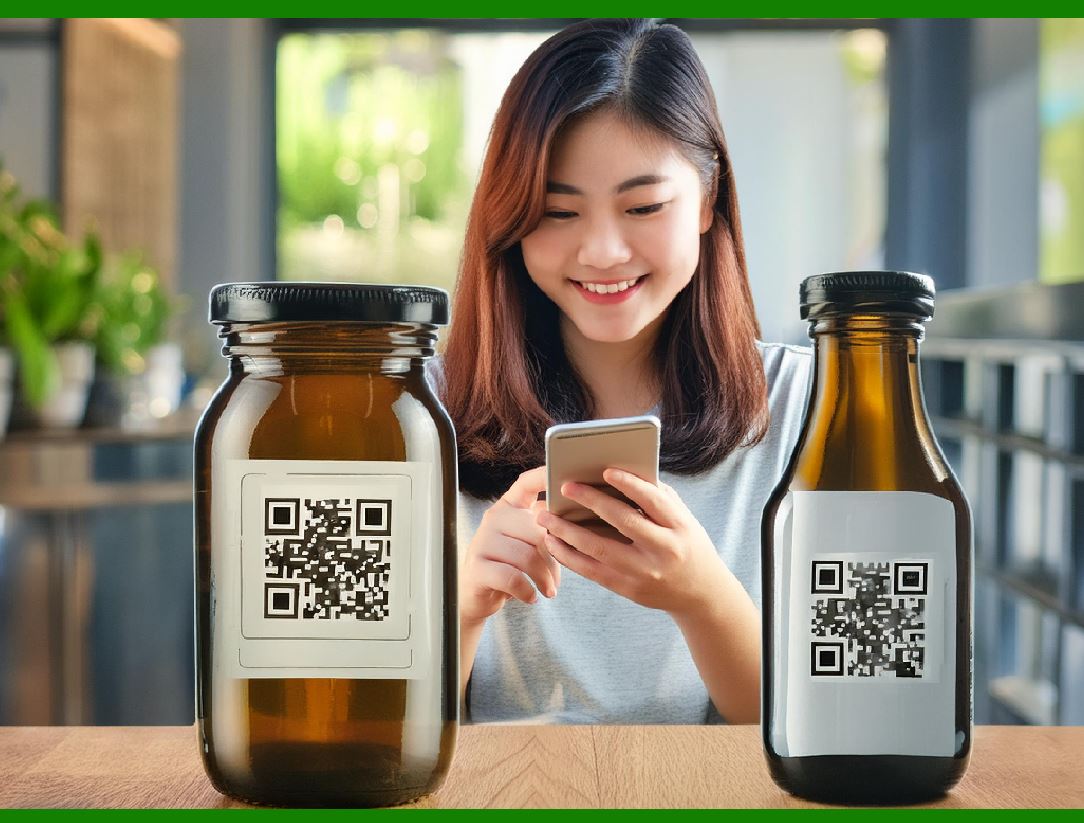
In a field experiment, it was observed that when participants were given free access to a smartphone equipped with a QR code scanning app, 52.6% of them utilized it to access labeling information. This indicates a significant level of consumer interest and willingness to use QR codes for obtaining product details. |

|
Consumer Appreciation in South Korea |
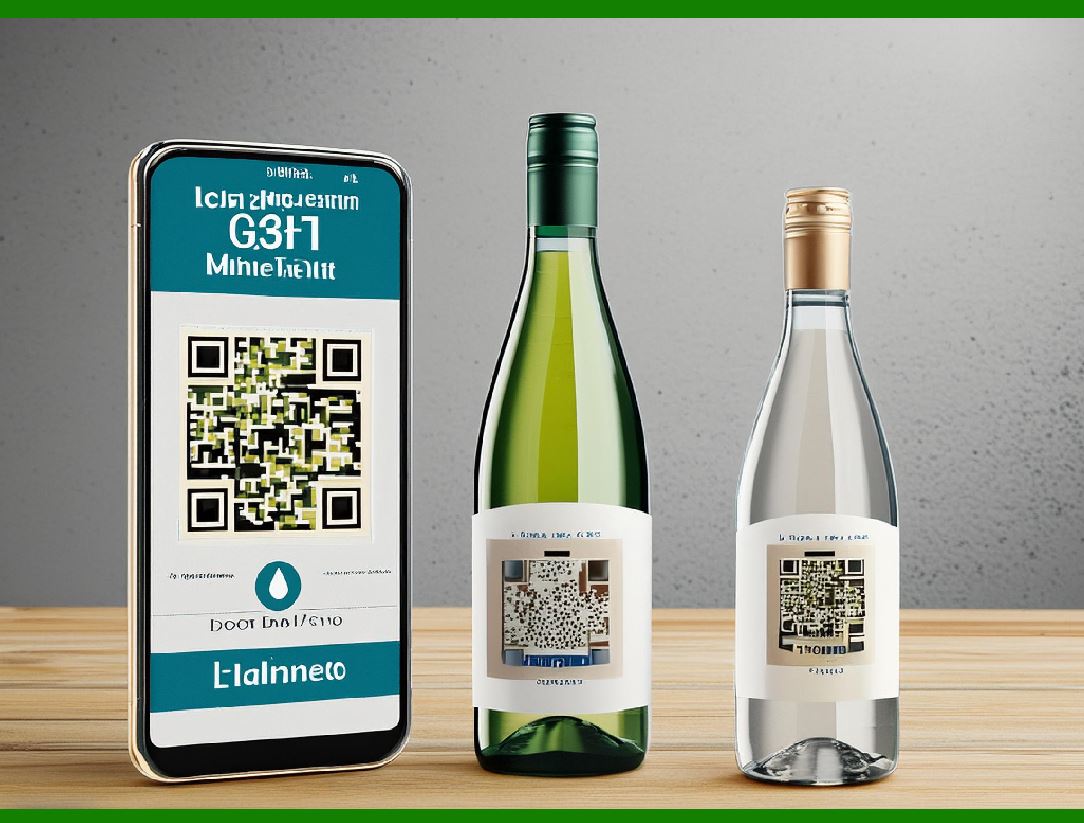
A study conducted in South Korea revealed that consumers greatly appreciate the use of QR codes in food traceability systems. The reasons for this appreciation include: |
1.Detailed Information: QR codes provide comprehensive details about the food product, including ingredients, nutritional information, and other relevant data. 2.Purchasing Decisions: The detailed information accessed via QR codes aids consumers in making informed purchasing decisions, enhancing their overall shopping experience. |
|
Serialized QR Codes |
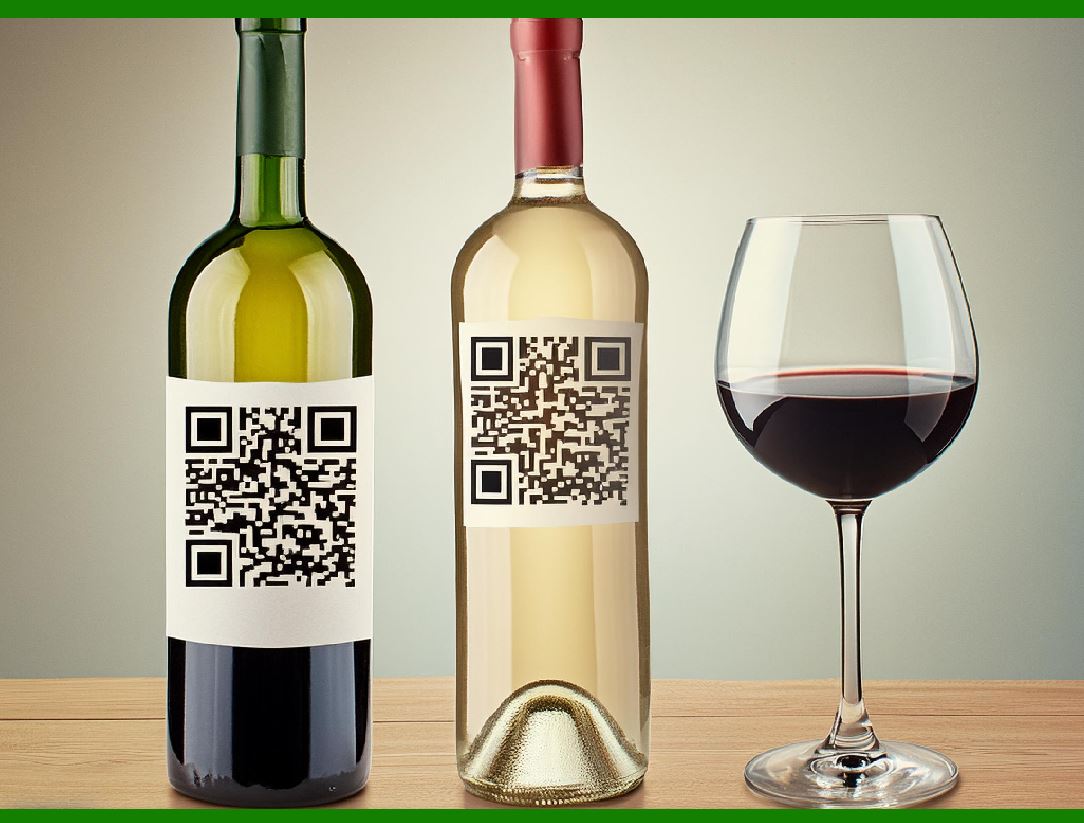
When QR codes are serialized, they can offer even more detailed and batch-specific information. Serialization involves assigning a unique identifier to each product or batch, which is encoded in the QR code. This allows consumers to: |
1.Access Supply Chain Information: By scanning the QR code, consumers can visit a web page that shows the entire supply chain for each ingredient in the product. 2.Batch-Specific Information: Consumers can obtain information specific to each batch, such as the names of meat processors and manufacturers. This level of detail helps address consumer concerns regarding the origin and safety of their food. |
|
Benefits of QR Code-Based Food Traceability Systems |
1.Enhanced Transparency: Consumers can see where their food comes from, how it was processed, and who handled it, which builds trust. 2.Improved Food Safety: Traceability helps in quickly identifying and addressing contamination issues, thereby reducing the risk of foodborne illnesses. 3.Efficient Recalls: In case of a product recall, serialized QR codes enable pinpointing the affected batches, ensuring that only those products are removed from the market. 4.Consumer Engagement: QR codes engage tech-savvy consumers by providing them with interactive and easily accessible information. 5.Regulatory Compliance: QR codes can help food producers and distributors comply with traceability regulations and standards set by authorities. |
|
Conclusion |
The use of QR codes in food traceability systems is an effective means of providing detailed product information, enhancing consumer trust, and ensuring food safety. Studies and experiments indicate a positive reception from consumers, particularly when QR codes are used to provide comprehensive and batch-specific information. As technology continues to evolve, the role of QR codes in product tracing is likely to become even more significant, offering new ways to connect consumers with the origins and safety of their food. |
 cs@easiersoft.com