Technical details of EAN barcode |
1. Overview of EAN barcode |
EAN (European Article Number) barcode is a widely used commodity identification system in the world and has now developed into a core component of the international article coding system (GS1 system). EAN barcode was originally developed by Europe to standardize commodity identification and is now compatible with the UPC system in the United States to form a global unified commodity coding system. |
The EAN barcode system includes many types, the most common of which are EAN-13 (13 digits) and EAN-8 (8 digits). EAN-13 is used for regular retail goods, while EAN-8 is used for small goods with limited packaging space. Both barcodes use the same encoding principle, but differ in data capacity and physical size. |
EAN barcodes contain not only commodity identification information, but also country code, manufacturer code and product code. The last digit is a check digit used to verify the correctness of the barcode. This structured encoding method makes EAN barcode a basic tool for global supply chain management. |

|
2. The structure of the EAN barcode |
2.1 EAN-13 barcode structure |
The EAN-13 barcode consists of 13 digits, and its structure can be divided into the following parts: |
1. Leading digit: The first digit, which is usually not displayed below the barcode, but participates in the encoding process. It determines the encoding mode of the 6 digits on the left. |
2. Country/region code: The 2nd-3rd digit (sometimes extended to the 2nd-4th or 2nd-5th digits), assigned by GS1, identifies the registered country or region. |
3. Manufacturer code: The 4-6 digits after the country code are assigned to local companies by the coding organizations of each country. |
4. Product code: The 3-5 digits after the manufacturer code are assigned to their products by the manufacturer. |
5. Check digit: The last digit, calculated by a specific algorithm, is used to verify the correctness of the barcode. |
2.2 EAN-8 barcode structure |
EAN-8 is a shortened version of EAN-13 and consists of 8 digits: |
1. Country/region code: the first 2-3 digits. |
2. Product code: the 4-5 digits after the country code. |
3. Check digit: the last digit, calculated in the same way as EAN-13. |
EAN-8 has a higher encoding density and is suitable for small commodity packaging, but its encoding capacity is much smaller than EAN-13. |

|
3. Encoding principle of EAN barcode |
3.1 Number representation method |
EAN barcode uses module combination method to represent numbers. Each number consists of 7 modules with 2 bars and 2 spaces. The width of the bars and spaces can be 1, 2, 3 or 4 module widths. EAN uses three different encoding sets (A, B, C), and the specific one used depends on the position of the number and the leading digit. |
Left digits (first 6 digits): use group A or group B codes, the specific choice is determined by the leading digit |
Right digits (last 6 digits): uniformly use group C codes |
Separator: the central separator and the guard lines on both sides use a fixed pattern |
|
3.2 Detailed explanation of the coding set |
Group A coding: |
0: 0001101 |
1: 0011001 |
2: 0010011 |
3: 0111101 |
4: 0100011 |
5: 0110001 |
6: 0101111 |
7: 0111011 |
8: 0110111 |
9: 0001011 |
Group B coding: |
0: 0100111 |
1: 0110011 |
2: 0011011 |
3: 0100001 |
4: 0011101 |
5: 0 111001 |
6: 0000101 |
7: 0010001 |
8: 0001001 |
9: 0010111 |
Group C code (used for the right digits): |
0: 1110010 |
1: 1100110 |
2: 1101100 |
3: 1000010 |
4: 1011100 |
5: 1001110 |
6: 1010000 |
7: 1000100 |
8: 1001000 |
9: 1110100 |

|
3.3 Leading digits and encoding mode |
The leading digit (first digit) of EAN-13 is not directly encoded as a bar-space pattern, but determines whether the 6 digits on the left use Group A or Group B encoding. The specific correspondence is as follows: |
Leading digit | Encoding mode (digit position 2-7) |
0 | AAAAAA |
1 | AABABB |
2 | AABBAB |
3 | AABBBA |
4 | ABAABB |
5 | ABBAAB |
6 | ABBBAA |
7 | ABABAB |
8 | ABABBA |
9 | ABBABA |
This design allows EAN-13 to identify the leading digit through the encoding mode of the left digit, thereby fully representing 13 digits. |
|
4. Check digit calculation of EAN barcode |
The check digit is an important part of the EAN barcode and is used to detect errors during scanning or input. EAN-13 and EAN-8 use the same check digit calculation method: |
1. Starting from the first digit, add the odd digits (first, third, etc.) |
2. Multiply the result by 3 |
3. Add the even digits (second, fourth, etc.) |
4. Add the results of step 2 and step 3 |
5. Find the next multiple of 10 that is greater than the sum |
6. The check digit is this multiple minus the sum |
For example, to calculate the check digit X of EAN-13 '590123412345X': |
Odd digits: 5+0+2+4+2+4 = 17 |
17¡Á3 = 51 |
Even digits: 9+1+3+1+3+5 = 22 |
Sum: 51+22 = 73 |
Next multiple of 10: 80 |
Check digit: 80-73 = 7 |
So the complete barcode is 5901234123457. |

|
5. Physical characteristics of EAN barcodes |
5.1 Dimensions |
The physical dimensions of the standard EAN-13 barcode have strict requirements: |
Height: usually 25.93mm, can be adjusted as needed, but should not be less than 20% of the standard height |
Width: about 37.29mm (including quiet zone) |
Module width: X dimension, standard is 0.33mm, can be adjusted between 0.264mm (80%) and 0.660mm (200%) |
Quiet zone: blank area on the left and right sides, at least 11X wide (about 3.63mm) |
EAN-8 has smaller dimensions: |
Total width is about 26.73mm |
Height is the same as EAN-13 |
5.2 Bar-Space Ratio |
The bar and space widths of the EAN barcode follow a strict ratio: |
Each digit consists of 2 bars and 2 spaces, a total of 7 modules |
The width of the bars and spaces can be 1, 2, 3 or 4 modules wide |
The narrowest bar or space width is 1X |
The widest bar or space width is 4X |
5.3 Color requirements |
To ensure good scanning performance, the EAN barcode has specific requirements for color: |
Bars: dark colors (black, blue, green, etc.) should be used |
Spaces: light colors (white, yellow, orange, etc.) should be used |
Avoid using red, as many scanners use red light sources |
The contrast between the background and the bars should be high enough (at least 70%) |
|
6. Symbol structure of EAN barcode |
A complete EAN barcode symbol consists of the following parts: |
1. Left guard line: 101 (module sequence), marking the start of the barcode |
2. Left data characters: 6 digits, the encoding mode is determined by the leading digit |
3. Central separator: 01010, separating the left and right data |
4. Right data characters: 6 digits (EAN-13) or 4 digits (EAN-8), uniformly using C group encoding |
5. Right guard line: 101, marking the end of the barcode |
6. Quiet area: blank areas on both sides, at least 11X wide |
For EAN-8: |
Left guard line: 101 |
4 digits of data on the left |
Central separator: 01010 |
4 digits of data on the right |
Right guard line: 101 |
|
7. Printing and quality requirements of EAN barcodes |
7.1 Printing technology |
EAN barcodes can be printed using a variety of technologies: |
Commercial printing: offset printing, flexographic printing, etc., for large-volume product packaging |
Digital printing: laser, inkjet printing, suitable for small batches or variable data |
Thermal transfer: commonly used for label printing |
Direct marking: laser engraving on metal or plastic |
7.2 Quality parameters |
The main parameters for EAN barcode quality assessment include: |
1. Minimum reflectivity difference: The reflectivity difference between bars and spaces should be large enough |
2. Edge determination: Bar-space boundary clarity |
3. Bar-space size deviation: The difference between actual size and theoretical value |
4. Defects: Printing defects such as stains and gaps |
5. Quiet zone size: Is there enough blank space on both sides? |
6. Decoding capability: Can all characters be decoded correctly? |
7.3 Quality level |
According to ISO/IEC According to the 15416 standard, barcode quality is divided into 4 levels: |
Level A: Excellent (¡Ý4.0) |
Level B: Good (¡Ý3.0) |
Level C: Qualified (¡Ý2.0) |
Level D: Unqualified (<2.0) |
In practical applications, it is recommended to achieve at least Level B quality. |
|
8. Scanning and decoding of EAN barcodes |
8.1 Scanning principle |
Working principle of EAN barcode scanner: |
1. Light source (usually laser or LED) illuminates the barcode |
2. Sensor detects changes in reflected light intensity |
3. Converts optical signal into electrical signal |
4. Decodes digital information by measuring bar width |
8.2 Decoding process |
Basic steps of decoder processing signal: |
1. Detect the wire protection pattern and determine the starting position of the barcode |
2. Measure the bar pattern according to the module width |
3. Identify the central separator and distinguish the left and right data |
4. Decode the left digit according to the pattern determined by the leading digit |
5. Decode the right digit using C group encoding |
6. Verify the check digit |
7. Output the decoding result |
8.3 Scanning angle |
Modern scanners usually support multi-directional scanning: |
Single-line scanner: needs to be aligned with the barcode |
Omnidirectional scanner: can identify barcodes in any direction |
Image reader: captures the entire barcode image for decoding |
|
9. Application extension of EAN barcode |
9.1 Special application of EAN-13 |
In addition to standard product identification, EAN-13 is also used for: |
1. Book ISBN: 978/979 prefix + ISBN number (excluding check digit) + EAN check digit |
2. Journal ISSN: 977 prefix + ISSN number + 2-digit additional code + EAN check digit |
3. Coupon: 99 prefix + 10-digit custom code + check digit |
9.2 Compatibility of EAN and UPC |
EAN-13 is fully compatible with UPC-A: |
UPC-A can be regarded as EAN-13 with a leading digit of 0 |
Modern scanners can automatically recognize both formats |
Same physical size and encoding principle |
9.3 Relationship between EAN and GS1 system |
EAN is now integrated into the GS1 global unified identification system: |
Prefix code is uniformly assigned by GS1 |
Support more application areas, such as logistics, medical care, etc. |
Expanded to a wider standard including GTIN |

|
10. Technical development trend of EAN barcode |
10.1 High-density encoding |
To meet the needs of small commodities, the following are developed: |
Compressed EAN symbol |
Smaller X size (minimum 0.264mm) |
Direct marking technology on new materials |
10.2 Color barcode |
Explore the use of: |
Color barcode increases information density |
Spot color printing improves anti-counterfeiting |
Combined with QR code and other two-dimensional codes |
10.3 Dynamic barcode |
Combined with the development of digital technology: |
Electronic ink screen displays variable barcodes |
Encrypted dynamic barcodes enhance security |
Integrate with mobile payment systems |
10.4 IoT integration |
Extended application of EAN in IoT: |
Product unique identification |
Supply chain traceability |
Complementary use with RFID technology |

|
11. Implementation Guide for EAN Barcode |
11.1 Application Process |
Basic steps for enterprises to obtain EAN codes: |
1. Join the GS1 member organization of the country |
2. Apply for the manufacturer prefix code |
3. Assign a unique number to the product |
4. Design a barcode symbol that meets the standard |
5. Perform printing tests and quality verification |
11.2 Design considerations |
When designing EAN barcodes, consider: |
1. Sufficient quiet space |
2. Appropriate barcode size (X size) |
3. High-contrast color combinations |
4. Avoid deformation, distortion or truncation |
5. Correct check digit calculation |
11.3 Common errors and solutions |
Common problems and solutions: |
1. Scan failure: Check size, contrast and print quality |
2. Check digit error: Recalculate check digit |
3. Encoding error: Verify the correspondence between the encoding mode and the leading digit |
4. Size problem: Make sure the X size is within the acceptable range |
5. Improper position: Avoid placing the barcode in a curved or folded area |
|
12. Security and anti-counterfeiting of EAN barcodes |
12.1 Basic security features |
EAN barcodes have some basic security features: |
1. Check digit mechanism prevents simple input errors |
2. Complex encoding mode increases the difficulty of counterfeiting |
3. Standard size and ratio requirements |
12.2 Enhanced anti-counterfeiting technology |
To improve security, you can use: |
1. Special inks (fluorescence, infrared absorption, etc.) |
2. Microtext or hidden patterns |
3. Combination of barcodes and anti-counterfeiting labels |
4. Digital watermark technology |
12.3 Verification method |
Methods to verify the authenticity of EAN barcodes: |
1. Check digit verification |
2. Manufacturer prefix validity check |
3. Compare with registration information in the database |
4. Physical feature detection (printing quality, materials, etc.) |
13. Global management of EAN barcodes |
13.1 GS1 organizational structure |
GS1 global management system: |
1. International headquarters: formulate global standards |
2. Regional offices: coordinate regional affairs |
3. National member organizations: manage local code allocation |
13.2 Prefix code allocation |
GS1 prefix code allocation principles: |
1. 2-3 digits: identify the country or region |
2. Some prefixes are used for special applications (books, journals, etc.) |
3. The prefix does not represent the origin of the product, but only the place of registration |
13.3 Standard maintenance and update |
EAN standard maintenance mechanism: |
1. Regular technical review |
2. Industry demand response |
3. Coordinate with other standard organizations |
4. Version control and release management |

|
14. Comparison of EAN barcode and other coding systems |
14.1 EAN and UPC |
Main differences: |
1. Number length (EAN-13 vs UPC-A's 12 digits) |
2. Country code included (EAN has, UPC doesn't) |
3. Global applicability (EAN is more international) |
14.2 EAN and ITF |
ITF (interleaved 25 codes) features: |
1. Mainly used for logistics packaging |
2. Higher coding density |
3. Variable number length |
4. Different coding principles |
14.3 EAN and QR code |
Advantages of QR code: |
1. Higher data capacity |
2. Support for letters and symbols |
3. Error correction capability |
4. Smaller physical size |

|
15. Technical limitations and challenges of EAN barcode |
15.1 Capacity limitation |
Main technical limitations of EAN: |
1. Fixed length (13 or 8 bits) |
2. Digital encoding only |
3. Limited information carrying capacity |
15.2 Environmental challenges |
Problems in practical applications: |
1. Difficulty in identification under low-contrast environments |
2. Deformation of curved packaging |
3. Inconsistent printing quality |
4. Failure to read due to contamination or occlusion |
15.3 Threat of technological substitution |
Facing competition from emerging technologies: |
1. Automatic identification advantages of RFID |
2. Multifunctional application of QR codes |
3. Digital watermark and image recognition technology |
4. Development of biometric identification |
|
16. Conclusion |
As the basic technology for global commodity identification, EAN barcode has formed a highly standardized technical system after decades of development and improvement. From coding principles to physical characteristics, from verification algorithms to quality requirements, every technical detail of EAN barcode has been carefully designed to ensure the efficient operation of the global supply chain. Despite the challenges of emerging technologies, the EAN barcode will remain important for a long time to come due to its maturity, reliability and low cost. Understanding the complete technical details of the EAN barcode is of great significance for product packaging design, supply chain management and retail system development. |
|
Will EAN-13 and EAN-8 codes be replaced in the GS1 Sunrise 2027 plan? |
The future development of EAN-13 and EAN-8 in the GS1 Sunrise 2027 plan |
1. Overview of the GS1 Sunrise 2027 plan |
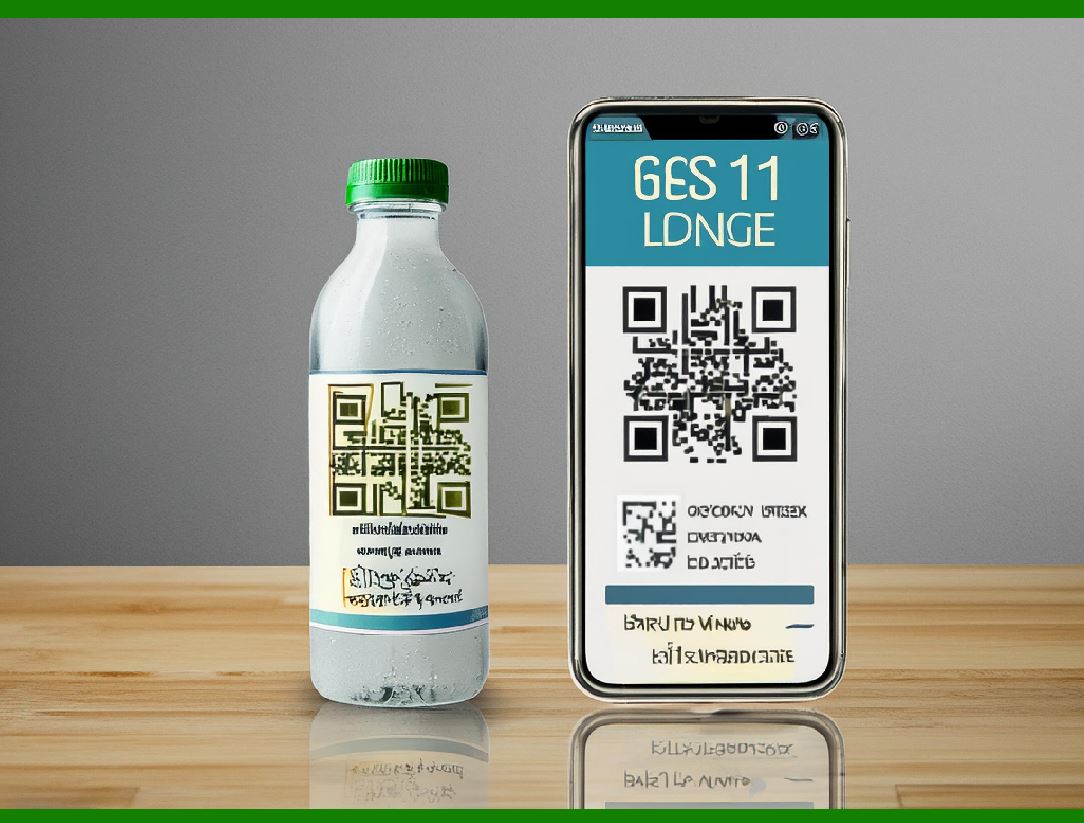
GS1 Sunrise 2027 is a global initiative promoted by the GS1 organization to accelerate the transition from traditional barcodes to more advanced GS1 standards (especially 2D barcodes based on GS1 Digital Link). The core goal of the plan is to enable the global supply chain to fully utilize the advantages of digitalization by 2027 to achieve a more efficient, transparent and interconnected business ecosystem. |
1.1 Background of the plan |
Digital transformation needs: Traditional one-dimensional barcodes have limited information carrying capacity in the digital age |
Changes in consumer expectations: Higher requirements for product transparency and digital interactive experience |
Increasing supply chain complexity: More powerful identification and traceability systems are needed |
Development of Retail 4.0: Online and offline integration requires smarter product identification solutions |
1.2 Main objectives |
Promote global adoption of GS1 Digital Link standards |
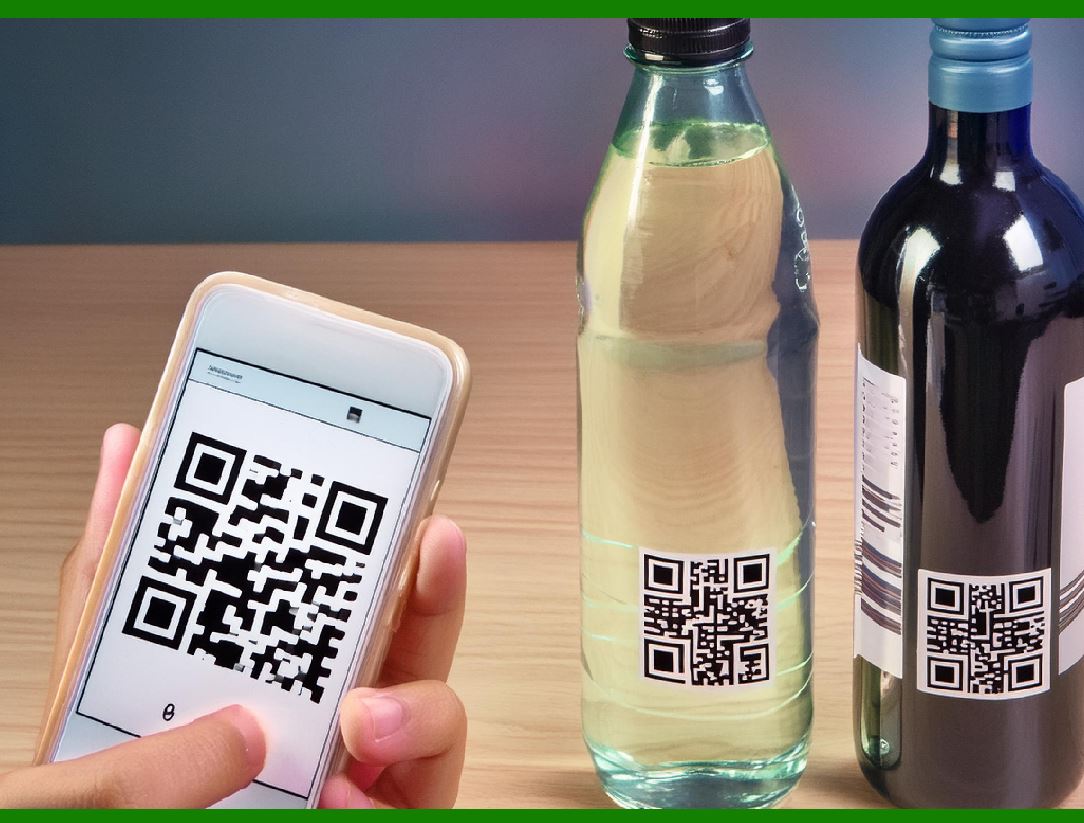
Promote the transition of product identification from one-dimensional barcodes to two-dimensional barcodes |
Establish infrastructure to support digital commerce |
Maintain compatibility with traditional systems |
|
2. Positioning of EAN-13/EAN-8 in Sunrise 2027 |
2.1 Official position |
According to the official statement of GS1, the Sunrise 2027 plan does not mean that EAN-13 and EAN-8 barcodes will be completely replaced or eliminated. GS1 adopts a gradual transition strategy: |
1. No forced elimination: EAN standard will not be disabled or abolished in 2027 |
2. Encourage migration: Promote enterprises to gradually adopt more advanced identification solutions |
3. Dual-track parallel: Traditional EAN and new QR code will coexist for a long time |
4. Compatibility retention: Ensure that the new system can be compatible with the interpretation of traditional EAN barcodes |
2.2 Actual impact |
Although EAN-13/EAN-8 will not disappear immediately, Sunrise 2027 will bring the following changes: |
Reduced importance: EAN will no longer be the preferred identification solution recommended by GS1 |
Narrowing application scope: New products may give priority to QR code |
Functional limitations: Unable to support the digital functions advocated by the Sunrise plan |
Investment transfer: Industrial resources will tilt towards the new standard |

|
3. Alternative technology: GS1 Digital Link |
3.1 Technical features |
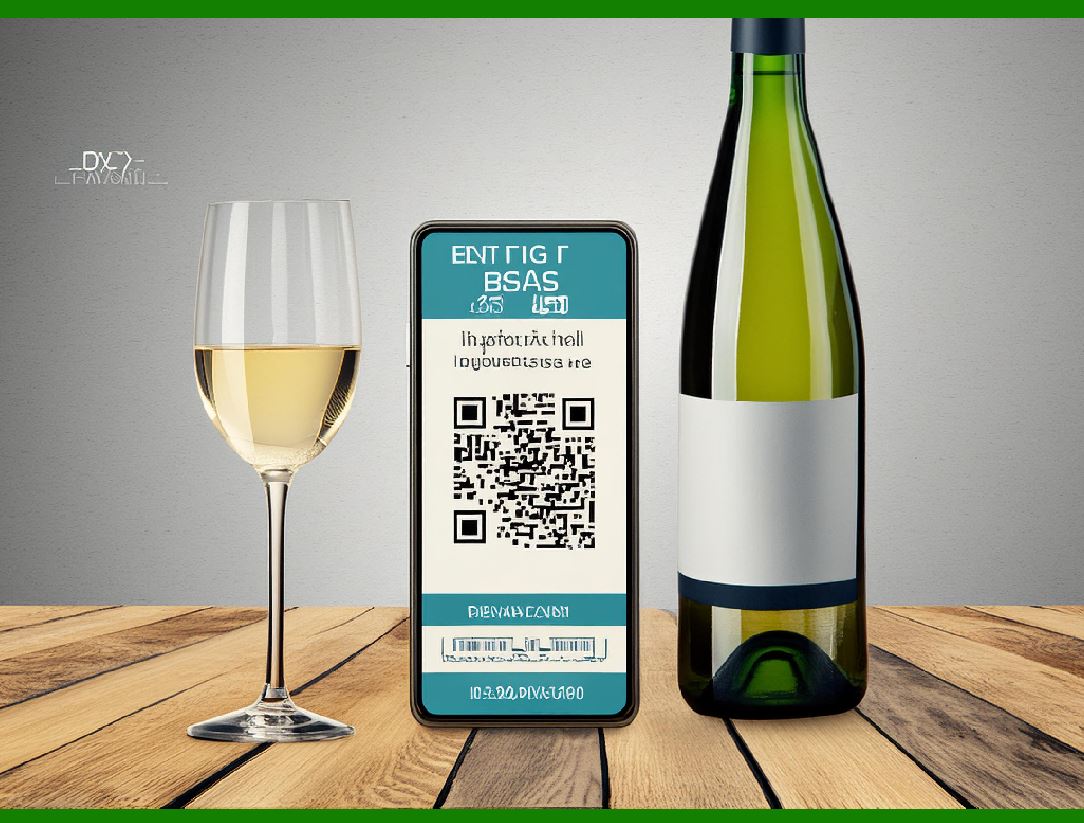
GS1 Digital Link is a standardized solution that combines traditional GTIN (Global Trade Item Number) with Internet URI: |
Based on QR code: usually in the form of QR code or Data Matrix |
Extended functions: |
Directly link to product webpage |
Carry more attribute information (ingredients, shelf life, etc.) |
Support dynamic data update |
Achieve direct digital interaction with consumers |
Compatible design: can contain both traditional GTIN and extended information |
3.2 Advantages comparison |
Advantages compared with traditional EAN: |
Features EAN-13/EAN-8GS1 Digital Link |
Data capacity 13/8 digits Hundreds to thousands of characters |
Character types only numbers, letters, symbols |
Information update static dynamic updateable |
Direct network access does not support native support |
Consumer interaction has no rich interaction possibilities |
Fixed printing area is large and can be adjusted flexibly |
Damage tolerance is low and high (with error correction capability) |
|
4. Transition timetable and industry impact |
4.1 Phased implementation |
GS1 recommended transition path: |
1. Preparation phase (2023-2025): |
Enterprise assessment needs |
System upgrade preparation |
Pilot project implementation |
2. Parallel phase (2025-2027): |
Coexistence of old and new logos |
Infrastructure compatibility construction |
Employee training |
3. Optimization phase (2027-2030): |
New logo dominance |
EAN gradually reduced |
Fully digitalized functions achieved |
4.2 Industry differences |
The transition speed of different industries will be different: |
Fast-moving consumer goods (FMCG): May be the first to complete the transition due to high demand for digitalization |
Pharmaceutical industry: Will be quickly adopted due to regulations (such as EU FMD requirements) |
Luxury goods: Use new standards to enhance anti-counterfeiting and customer experience |
Industrial products: Transition may be slow due to the large inertia of existing systems |
Small retailers: May rely on traditional EAN systems for a long time |
|
5. Enterprise response strategies |
5.1 Short-term measures (1-2 years) |
System assessment: Check the compatibility of existing systems |
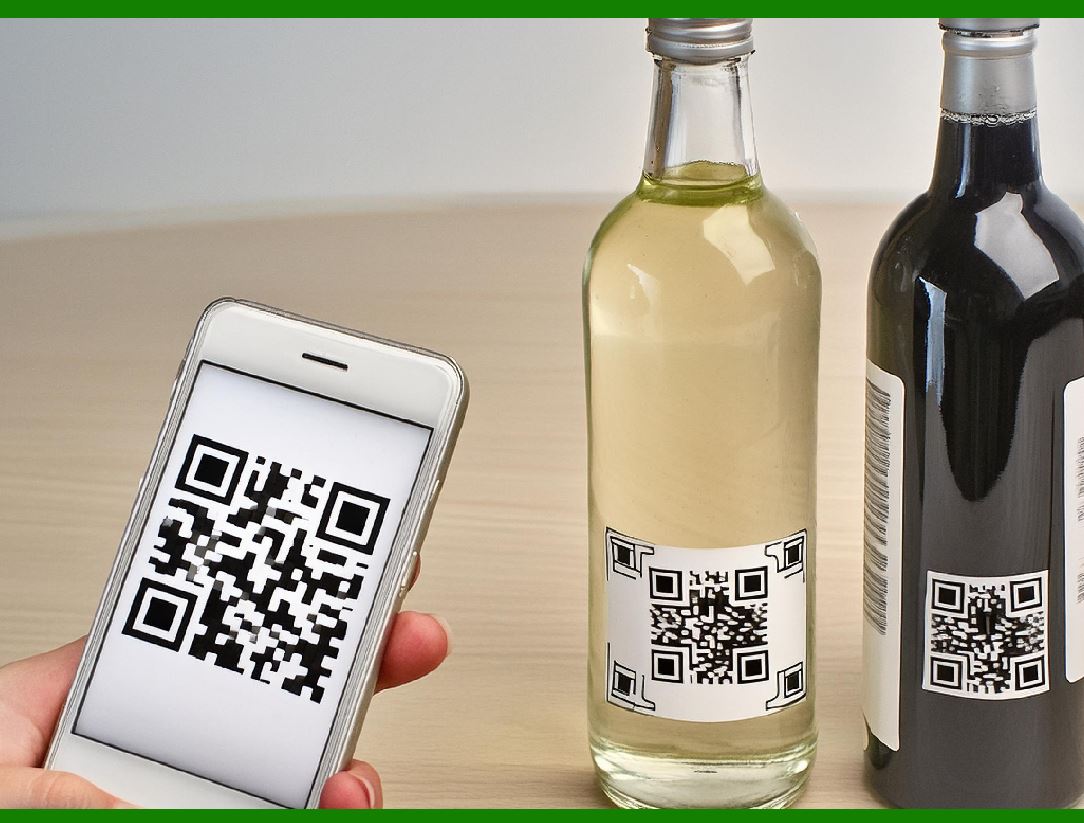
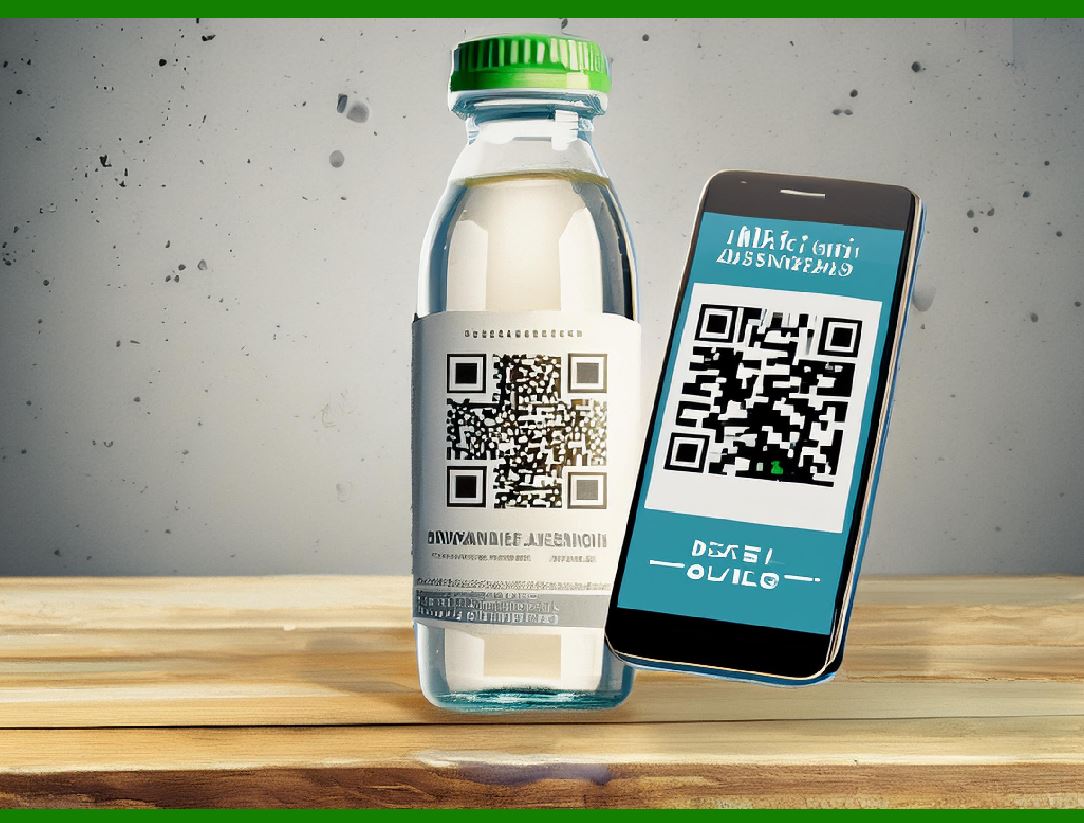
Dual coding: Consider printing EAN and QR codes on products at the same time |
Employee training: Cultivate awareness of the new standard in advance |
Supplier coordination: Ensure that all links in the supply chain are ready |
5.2 Medium-term planning (3-5 years) |
System upgrade: Gradually update POS, ERP and other systems |
Packaging redesign: Optimize product packaging to accommodate new logos |
Data governance: Establish a more complete product information management system |
Pilot project: Test the full digital process in some product lines |
5.3 Long-term strategy (more than 5 years) |
Omnichannel integration: Unify online and offline product logos |
Digital experience development: Create customer value with new standards |
Supply chain reconstruction: Achieve end-to-end digital traceability |
Innovative applications: Explore the possibility of combining AR, IoT, etc. |
|
6. Technology compatibility and coexistence solutions |
6.1 Hybrid solutions |
Common transitional technical solutions: |
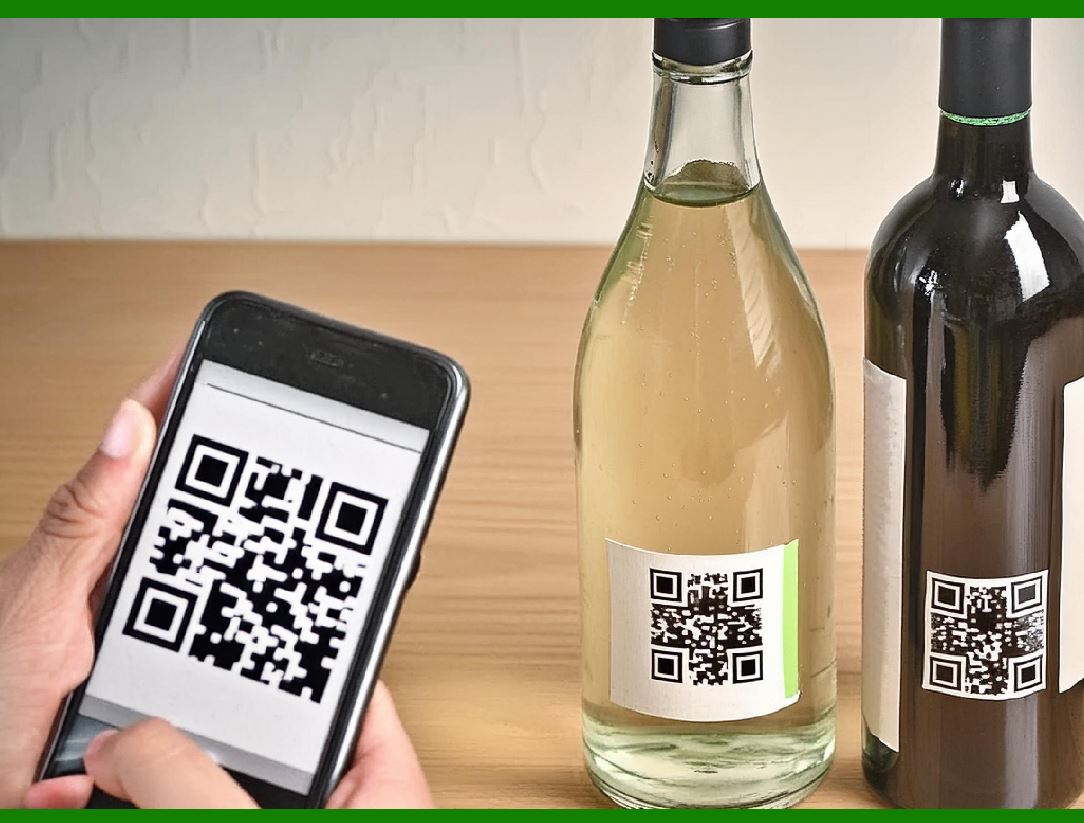
1. Combination label: |
Retain EAN-13 for traditional scanning |
Add GS1 Digital Link QR code |
RFID tag may be attached |
2. 'Barcode in barcode': |
EAN information embedded in QR code |
Scanner selects decoding based on capability |
3. Layered application: |
QR code used for outer box |
EAN identification retained for single product |
6.2 System compatibility guarantee |
Key technical measures to ensure smooth transition: |
Scanning equipment upgrade: support multi-format automatic recognition |
Database expansion: maintain GTIN compatibility while adding new fields |
Interface adaptation: enterprise system API needs to handle new and old data formats |
Fallback mechanism: EAN backup can be used when QR code is unreadable |
|
7. Global implementation differences |
7.1 Regional progress |
Expected transition speed in different regions: |
1. Europe: |
Fastly driven by EMVCO and EU policies |
High degree of retail digitization |
Likely to achieve large-scale migration first |
2. North America: |
Large retailers lead the transition |
Special considerations for UPC compatibility |
May take a more gradual approach |
3. Asia: |
China, Japan and South Korea have a good QR code foundation |
May skip some transition stages |
Emerging markets are very different |
4. Other regions: |
Depends on the requirements of major trading partners |
Infrastructure restrictions may slow the process |
Some countries may have special regulations |
7.2 Impact on cross-border trade |
Special considerations for international trade during the transition period: |
Standard coordination: ensure consistent implementation of GS1 in various countries |
Label requirements: meet regulations of different markets |
Data synchronization: timely update of global data pool |
Partner preparation: coordination of all links in the supply chain |

|
8. Cost-benefit analysis |
8.1 Migration costs |
Investments that companies need to consider: |
1. Direct costs: |
New label design and printing |
System software upgrade |
Hardware equipment replacement |
Employee training |
2. Indirect costs: |
Transition period parallel operation expenses |
Process reconstruction costs |
Potential business interruption risks |
8.2 Expected benefits |
Long-term business value: |
Operational efficiency: |
Reduce manual intervention |
Improve data accuracy |
Accelerate processes |
Business intelligence: |
Richer data collection |
Real-time supply chain visibility |
Precise inventory management |
Customer experience: |
Enhance product transparency |
Provide value-added services |
Establish direct communication channels |

|
9. Consumer influence and education |
9.1 Changes in user experience |
Major changes that consumers will experience: |
1. Scanning method: |
From laser scanning to camera reading |
May need to install a dedicated APP |
Richer interactive interface |
2. Obtaining information: |
From simple price to comprehensive product details |
May include video, AR and other content |
Dynamic information updated in real time |
3. Participation method: |
Direct feedback channel |
Personalized recommendation |
Loyalty program integration |
9.2 Education needs |
Consumer education focus to ensure a smooth transition: |
New scanning habit cultivation: How to correctly shoot QR code |
Privacy awareness: Understand the scope of data collection and control options |
Functional awareness: Understand the services that new barcodes can provide |
Trust building: Ensure that new technologies are safe and reliable |
|
10. Future prospects and conclusions |
10.1 Long-term prospects of EAN barcodes |
Although it will not be eliminated immediately, EAN-13/EAN-8 will gradually: |
1. Application scenarios will shrink: |
Mainly remain in low-cost basic goods |
The last position of traditional retail environment |
Special industries may retain demand |
2. Technology role change: |
From primary identification to backup solution |
Play a compatible role in hybrid labels |
Gradually withdraw from high-end applications |
3. Final elimination: |
May be in the late 2030s |
Depends on the global digitalization process |
Requires all key infrastructure to be ready |
10.2 Summary of industry recommendations |
Main recommendations for enterprises: |
1. Don't panic and abandon EAN: traditional barcodes still have many years of life cycle |
2. But start planning for transition: digital competition will accelerate development |
3. Take a step-by-step strategy: implement in stages according to business needs |
4. Pay attention to standard updates: keep up with the latest GS1 guidelines |
5. Invest in future capabilities: build digital infrastructure |
GS1 Sunrise 2027 represents a major evolution in product identification, not a revolutionary replacement. Smart companies will view this transition as an opportunity for digital transformation rather than a compliance burden, and will achieve a smooth transition and gain competitive advantage through strategic planning. |
 cs@easiersoft.com