1. Introduction to 5G and Industrial IoT (IIoT) |
The evolution of wireless communication technology from 4G to 5G represents a quantum leap in capabilities, enabling faster data transfer speeds, ultra-low latency, and greater connectivity density. As 5G continues to roll out globally in 2024, one of its most significant applications is in the Industrial Internet of Things (IIoT). The IIoT refers to the integration of smart devices, sensors, and machines in industrial sectors such as manufacturing, logistics, healthcare, energy, and transportation, which communicate with each other and with centralized systems to automate processes and improve decision-making. |
Industrial operations today are increasingly data-driven, and the massive volumes of data generated by IoT devices require high-speed, low-latency networks to ensure that information flows seamlessly between machines, systems, and workers. This is where 5G comes into play. Its superior bandwidth, ultra-low latency, and capacity for handling large numbers of connected devices make it an ideal fit for the IIoT environment. This section will explore how 5G technology is transforming industries, enabling more efficient processes, and solving challenges that previous wireless generations couldn't address. |

|
2. Key Features of 5G that Benefit IIoT |
Before diving into specific applications, it's important to understand why 5G is a game-changer for IIoT. Some of the most critical features of 5G that directly impact industrial applications include: |
a. Ultra-Low Latency: One of the most transformative aspects of 5G is its ability to support ultra-low latency, typically around 1 millisecond (ms), compared to 4G's latency of approximately 50 ms. Latency is the time it takes for data to travel from one point to another in a network, and in industrial environments, even small delays can lead to significant operational inefficiencies. With 5G, devices can communicate in near real-time, which is particularly valuable in environments that require immediate feedback, such as robotics, automated manufacturing, and remote diagnostics. |
b. High Throughput and Massive Data Capacity: 5G offers significantly higher data speeds than 4G, with theoretical download speeds of up to 10 Gbps. In IIoT, this enables high-definition video streaming from surveillance cameras, real-time sensor data collection, and remote monitoring of machines and equipment. The massive capacity of 5G networks also allows the seamless connection of millions of devices in a single area, crucial for large-scale IIoT deployments like smart factories and automated warehouses. |
c. Network Slicing: Network slicing is a unique feature of 5G that allows operators to create multiple virtual networks within the same physical infrastructure. This can be used to tailor specific network resources to meet the needs of different industrial applications. For instance, a factory might require high-speed connectivity for machine-to-machine (M2M) communication, while a hospital might need a separate slice with enhanced security for medical devices. This flexibility ensures that industries can optimize their network for varying requirements, balancing performance, security, and cost. |
d. Edge Computing and Reduced Dependence on Cloud: While the cloud has been a backbone of many IIoT solutions, real-time processing of data often requires faster responses than cloud-based systems can provide. 5G facilitates edge computing, where data is processed closer to the source (i.e., on the factory floor or at a logistics hub) rather than being sent to a distant cloud server. This reduces the time it takes to analyze and respond to sensor data, enabling faster decision-making and reducing bandwidth usage. |
e. Massive Device Connectivity: 5G is designed to support a much higher density of connected devices than previous generations. While 4G networks can handle up to 100,000 devices per square kilometer, 5G can support over a million devices in the same area. This is particularly important for IIoT applications, where thousands or even millions of sensors, machines, and devices need to be connected simultaneously without compromising network performance. |

|
3. Transforming Manufacturing with 5G |
Manufacturing is one of the most prominent industries to benefit from 5G integration, as it relies heavily on automation, real-time data processing, and efficient operations. The convergence of 5G and IIoT in manufacturing has led to the development of smart factories, where machines, robots, and systems are interconnected and can communicate autonomously. |
a. Predictive Maintenance: One of the key applications of 5G in manufacturing is predictive maintenance, which allows manufacturers to monitor the condition of machinery in real-time and predict when maintenance will be needed before a failure occurs. Sensors embedded in machines collect data on factors such as temperature, vibration, and pressure. With 5G's low latency and high data throughput, this information can be transmitted instantly to a centralized monitoring system. The system can analyze the data using machine learning algorithms to detect patterns that indicate impending failures. By addressing issues before they lead to costly breakdowns, companies can avoid unplanned downtime, extend the lifespan of their equipment, and reduce maintenance costs. |
b. Real-Time Process Optimization: In addition to maintenance, 5G enables real-time process optimization on the factory floor. For example, in an automotive manufacturing plant, robots used for assembly lines can be continuously monitored and adjusted in real time to optimize production speed and quality. With the massive data handling capacity of 5G, manufacturers can gather data from each step of the production process, analyze it immediately, and make adjustments to improve efficiency, reduce waste, and lower energy consumption. |
c. Autonomous Robots and Vehicles: 5G's ultra-low latency and fast data speeds are critical for enabling autonomous robots and vehicles on the factory floor. These machines rely on real-time communication to coordinate with other systems and respond instantly to changes in their environment. In a 5G-powered smart factory, robots can work alongside human workers, with near-instantaneous communication between systems ensuring safety and collaboration. Similarly, autonomous guided vehicles (AGVs) used for material handling can navigate and optimize paths dynamically based on the real-time location of inventory, minimizing delays and improving supply chain efficiency. |
d. Enhanced Quality Control: In manufacturing, quality control is essential to ensure that products meet specifications and regulatory requirements. 5G allows for real-time inspection of products using connected sensors and high-definition cameras. Visual inspection systems can be used to detect defects, scratches, or other issues in products as they move along the production line. With 5G's high throughput and low latency, this information can be processed quickly, enabling immediate corrective action to be taken if a defect is detected, thereby improving product quality and reducing the need for rework or scrapping. |

|
4. Impact of 5G on Logistics and Supply Chain Management |
The logistics industry is another key beneficiary of 5G technology. The integration of IIoT and 5G allows logistics companies to optimize supply chains, improve fleet management, and enhance warehouse operations. |
a. Smart Warehouses: 5G-enabled smart warehouses are transforming the way goods are stored and retrieved. IoT sensors placed on shelves, pallets, and inventory items enable real-time tracking of products and materials. Warehouse robots, equipped with 5G connectivity, can autonomously retrieve and transport goods with greater speed and efficiency. Additionally, 5G allows for real-time tracking of the location of goods and vehicles, providing logistics managers with detailed insights into inventory levels and shipment statuses. This real-time visibility allows for more accurate forecasting and demand planning, helping companies reduce stockouts, improve order fulfillment, and enhance customer satisfaction. |
b. Autonomous Fleet Management: In the transportation and logistics sector, 5G plays a vital role in enabling autonomous vehicles, including trucks, drones, and delivery robots. These vehicles rely on continuous data exchange to navigate, communicate with traffic systems, and adjust their routes in response to changing conditions. 5G's low latency ensures that these vehicles can operate safely and efficiently, even in complex environments. For example, autonomous trucks can communicate with traffic lights, road sensors, and other vehicles to optimize their routes, reduce fuel consumption, and enhance safety. This is especially beneficial for long-haul trucking, where vehicles need to operate autonomously over extended distances. |
c. Dynamic Route Optimization: 5G also enhances dynamic route optimization for logistics operations. By integrating real-time traffic data, weather forecasts, and supply chain conditions, logistics companies can use AI-powered systems to dynamically adjust delivery routes for trucks or drones. This optimization ensures that goods are delivered faster, reducing fuel costs and improving overall efficiency. Additionally, real-time communication between the vehicle, warehouse, and central command centers ensures that any issues or delays are immediately addressed. |

|
5. 5G in Healthcare and Remote Monitoring |
Healthcare is another sector where the combination of 5G and IIoT is making a transformative impact. With the ability to support real-time communication and massive data transfer, 5G facilitates more effective remote patient monitoring, telemedicine, and the operation of medical devices. |
a. Remote Patient Monitoring: With 5G, healthcare providers can remotely monitor patients in real time using connected medical devices such as wearables, sensors, and imaging equipment. For example, a patient wearing a heart monitor can have their condition monitored continuously, with data sent directly to their healthcare provider. In cases of emergency, healthcare professionals can respond more quickly and accurately, minimizing the risk of complications. 5G's low latency ensures that even time-sensitive medical data, such as heart rate, blood pressure, or oxygen levels, can be transmitted instantaneously to medical professionals, enabling faster interventions. |
b. Telemedicine and Virtual Care: Telemedicine, which has grown in popularity since the COVID-19 pandemic, is significantly enhanced by 5G. With high-speed, low-latency networks, doctors can conduct high-quality video consultations with patients, even in remote or underserved areas. The ability to stream high-definition video and share medical data in real time helps healthcare providers make more accurate diagnoses and treatment decisions. Additionally, 5G's ability to support large numbers of connected devices means that hospitals and clinics can deploy a variety of smart medical devices, from patient monitoring systems to robotic surgery equipment, without worrying about network congestion. |
c. Precision Medicine and Data Integration: In precision medicine, 5G helps integrate data from a variety of sources, such as genomics, medical imaging, and patient health records, to create personalized treatment plans. With 5G's massive data-handling capacity, healthcare providers can analyze and cross-reference large datasets in real time, leading to more accurate diagnoses and tailored treatments for patients. Additionally, 5G can enable real-time collaboration between specialists in different locations, allowing for more effective treatment and faster decision-making. |

|
6. Conclusion |
In 2024, 5G is playing a central role in the evolution of the Industrial Internet of Things (IIoT), enabling industries to become more connected, efficient, and agile. From manufacturing to logistics to healthcare, 5G's ultra-low latency, high data throughput, and massive connectivity are unlocking new possibilities for automation, real-time decision-making, and improved operational efficiency. As the adoption of 5G continues to grow, its impact on IIoT will only expand, further driving the digital transformation of industries and reshaping how businesses operate in the 21st century. |
Through enhanced communication, greater operational insight, and more advanced automation, 5G in IIoT is setting the stage for a future where industries can respond to changing conditions faster, improve safety and quality, and achieve higher levels of sustainability and profitability. As businesses begin to realize the full potential of 5G, we can expect to see profound changes across all sectors, revolutionizing the way industries work and compete. |

|
7. Case Studies of 5G in Industrial IoT (IIoT) |
To provide a deeper understanding of how 5G is revolutionizing industries through the Industrial Internet of Things (IIoT), we can look at a few real-world case studies from manufacturing, logistics, healthcare, and other sectors. These examples demonstrate how 5G-enabled IIoT solutions are improving operational efficiency, reducing costs, enhancing safety, and driving innovation. |
7.1 Case Study: 5G in Smart Manufacturing - Bosch and Ericsson |
Company: Bosch |
Location: Germany |
Industry: Manufacturing |
Technology Partner: Ericsson |
Focus: Predictive Maintenance, Smart Factory Automation |
Bosch, a global leader in manufacturing, has been at the forefront of integrating 5G into its smart manufacturing operations. In collaboration with Ericsson, Bosch implemented a 5G-powered industrial ecosystem in their facility in Stuttgart, Germany. The goal was to enhance the connectivity of its machines and devices to enable faster communication, real-time data analysis, and predictive maintenance. |
Key Highlights: |
Predictive Maintenance: Bosch uses IoT sensors attached to critical machinery to collect data such as temperature, vibration, and pressure. With 5G's low latency and high data throughput, this data is transmitted to a cloud-based system for real-time analysis. Predictive analytics algorithms identify potential failures before they occur, allowing the company to schedule maintenance proactively and avoid unplanned downtime. |
Automation and Robotics: The implementation of 5G allows for seamless communication between robots on the assembly line. These robots, which are involved in tasks such as welding, assembly, and quality control, can communicate instantly with each other and the central management system, improving workflow efficiency and reducing human error. The low latency of 5G ensures real-time coordination between machines, creating a more flexible and responsive manufacturing environment. |
Network Slicing: Bosch implemented network slicing to create a dedicated 5G network that prioritizes industrial applications. For example, robots and automated machinery are given high priority in network traffic, ensuring that they receive uninterrupted communication for time-sensitive operations. |
Outcomes: |
Reduced downtime due to predictive maintenance, with significant cost savings. |
Improved operational efficiency, leading to faster production cycles. |
Enhanced automation and flexibility in manufacturing processes, allowing Bosch to react swiftly to production demand changes. |
This smart manufacturing system is a prime example of how 5G enhances factory automation, predictive maintenance, and the overall efficiency of manufacturing operations. |

|
7.2 Case Study: 5G in Logistics - Deutsche Telekom and DB Schenker |
Company: DB Schenker |
Location: Germany |
Industry: Logistics and Supply Chain |
Technology Partner: Deutsche Telekom |
Focus: Real-Time Tracking, Autonomous Vehicles, Warehouse Automation |
DB Schenker, one of the world's largest logistics companies, partnered with Deutsche Telekom to implement 5G-enabled IIoT solutions in its logistics and supply chain operations. The primary objective was to optimize warehouse management, enhance fleet management, and enable autonomous vehicle systems for last-mile delivery. |
Key Highlights: |
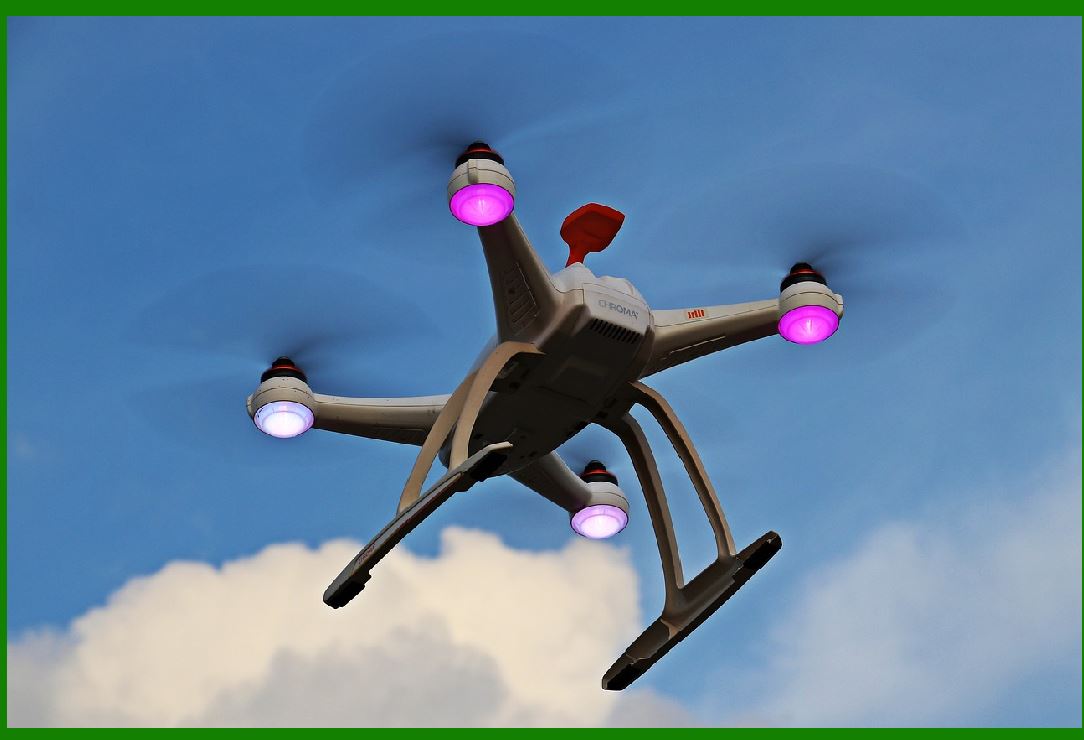
Autonomous Vehicles and Drones: DB Schenker has deployed autonomous delivery vehicles that rely on 5G's low-latency, high-speed capabilities to navigate complex urban environments. The vehicles communicate in real time with traffic infrastructure, allowing them to make split-second decisions about their routes. Similarly, drones are used for rapid inventory checks in warehouses, transmitting high-resolution data back to central systems over 5G. |
Smart Warehouse Systems: 5G's high throughput and connectivity capabilities are utilized to enable smart warehouse solutions, such as real-time inventory management, location tracking, and robotic process automation (RPA). Warehouse robots are equipped with 5G-enabled sensors that enable them to collaborate and perform tasks such as sorting and moving goods autonomously, ensuring faster throughput and reducing the need for human intervention. |
Real-Time Tracking: 5G allows DB Schenker to track inventory in real time, from warehouse to delivery, with granular visibility into each shipment's location and condition. This is achieved by embedding IoT sensors in packages and transportation vehicles, ensuring that supply chain managers have access to up-to-the-minute data on the status of goods. |
Outcomes: |
Enhanced real-time visibility across the entire supply chain, leading to better inventory management and demand forecasting. |
Increased efficiency in warehouse operations, with autonomous robots reducing labor costs and minimizing errors. |
Improved customer satisfaction through faster deliveries, as autonomous vehicles and drones enable faster last-mile delivery solutions. |
This case highlights how 5G enables more efficient logistics and supply chain management, reducing costs and improving service levels. |
|
7.3 Case Study: 5G in Healthcare - Ericsson and the Swedish Health Authority |
Company: Swedish Health Authority (SLL) |
Location: Stockholm, Sweden |
Industry: Healthcare |
Technology Partner: Ericsson |
Focus: Remote Patient Monitoring, Telemedicine, Real-Time Data Transfer |
The Swedish Health Authority partnered with Ericsson to integrate 5G into the country's healthcare system to address several challenges, including remote patient monitoring, telemedicine, and ensuring seamless communication between healthcare providers and patients. |
Key Highlights: |
Remote Patient Monitoring: With 5G's ultra-low latency and high data throughput, healthcare providers are able to monitor patients in real time, even in rural and remote locations. Patients can wear IoT-enabled medical devices that continuously send data such as heart rate, blood pressure, and oxygen levels to healthcare professionals. This data can be analyzed instantly, allowing medical teams to intervene if necessary. |
Telemedicine: 5G also improves the quality and accessibility of telemedicine. Patients can have high-definition video consultations with doctors without worrying about latency or connectivity issues, even in remote areas where traditional internet might not have sufficient bandwidth. This is particularly beneficial for elderly patients or those with mobility issues who cannot visit healthcare facilities in person. |
Smart Ambulances: Another key application is the deployment of smart ambulances, equipped with medical IoT devices that transmit patient vital signs in real time to the hospital emergency department while the patient is being transported. This enables doctors to prepare in advance and provide the necessary care as soon as the patient arrives, improving outcomes for critical patients. |
Outcomes: |
Improved access to healthcare services, especially in rural and underserved areas. |
Faster medical intervention and diagnosis through real-time patient data. |
Enhanced telemedicine services, leading to reduced wait times for consultations and better patient outcomes. |
This case study demonstrates how 5G can transform healthcare by enabling real-time monitoring and telemedicine, enhancing patient care, and reducing the burden on healthcare facilities. |

|
7.4 Case Study: 5G in Mining - Anglo American and Nokia |
Company: Anglo American |
Location: South Africa |
Industry: Mining |
Technology Partner: Nokia |
Focus: Autonomous Mining Equipment, Safety, Operational Efficiency |
Anglo American, a global mining company, has partnered with Nokia to implement 5G-enabled solutions to automate and optimize its mining operations. The focus of the project is to increase safety, improve operational efficiency, and reduce environmental impact. |
Key Highlights: |
Autonomous Mining Vehicles: Anglo American has deployed autonomous trucks and other heavy mining equipment that are connected via 5G to improve operational efficiency. These vehicles use 5G's low-latency communications to receive real-time instructions and updates from central management systems, enabling them to operate independently and safely. |
Real-Time Equipment Monitoring: 5G-enabled IoT sensors on mining equipment allow for continuous monitoring of machine health and performance. This data is transmitted to a cloud-based platform, where predictive analytics can be applied to forecast equipment failures. This allows Anglo American to perform maintenance tasks before machines break down, reducing operational downtime and maintenance costs. |
Safety and Communication: In a mining environment, worker safety is paramount. 5G enables real-time communication between workers and their supervisors, even in challenging underground environments where traditional communication methods may fail. Additionally, IoT-enabled wearables allow workers to be tracked in real time, improving safety monitoring and emergency response times. |
Outcomes: |
Improved safety for workers through better communication and real-time monitoring. |
Reduced maintenance costs and unplanned downtime through predictive maintenance. |
Enhanced operational efficiency, with autonomous vehicles improving the speed and accuracy of material transport. |
Anglo American's 5G-powered mining operations showcase how the technology can be applied to heavy industries, improving safety, reducing costs, and enhancing overall operational efficiency. |

|
7.5 Case Study: 5G in Agriculture - Ericsson and Aker Horizon |
Company: Aker Horizon |
Location: Norway |
Industry: Agriculture |
Technology Partner: Ericsson |
Focus: Precision Agriculture, Environmental Monitoring, Automation |
Aker Horizon, a Norwegian agricultural company, partnered with Ericsson to implement 5G in its precision agriculture operations. The goal was to enhance crop management, improve sustainability, and increase the efficiency of farming operations by using real-time data and automation. |
Key Highlights: |
Precision Agriculture: Aker Horizon uses 5G-connected sensors to monitor soil conditions, weather patterns, crop health, and irrigation levels. By collecting and analyzing this data in real time, farmers can make more informed decisions about when to plant, irrigate, and harvest crops. The high-speed connectivity of 5G ensures that these data streams are delivered instantly to cloud-based platforms, where AI algorithms can optimize agricultural practices. |
Autonomous Tractors and Drones: 5G is also being used to control autonomous tractors and drones, which are equipped with cameras and sensors. These machines can perform tasks like planting seeds, spraying fertilizers, and monitoring crop health autonomously. 5G's ultra-low latency ensures that these machines can operate efficiently and safely without requiring constant human oversight. |
Environmental Monitoring: Through IoT-enabled sensors and 5G connectivity, Aker Horizon can monitor environmental factors such as air quality, water usage, and CO2 emissions in real time. This allows the company to optimize farming practices for sustainability, reduce environmental impact, and increase yield. |
Outcomes: |
Increased crop yields through precision farming and real-time data analysis. |
Reduced resource waste by optimizing water usage, irrigation, and pesticide application. |
Improved sustainability, with better monitoring of environmental factors and reduced emissions. |
Aker Horizon's use of 5G in agriculture highlights how the technology can drive innovation in sustainable farming, improve productivity, and create a more environmentally friendly agricultural sector. |

|
8. Conclusion |
These case studies illustrate the transformative impact of 5G on various industries. Whether in manufacturing, logistics, healthcare, mining, or agriculture, 5G enables real-time monitoring, automation, enhanced safety, and greater operational efficiency. By leveraging the capabilities of 5G, businesses can not only improve existing processes but also unlock entirely new possibilities for growth and innovation in the Industrial Internet of Things (IIoT). As the adoption of 5G continues to grow, its potential to revolutionize industries will only expand, paving the way for smarter, more efficient, and more sustainable operations worldwide. |
 cs@easiersoft.com