1. Introduction to Apple iPhone |
The Apple iPhone is a flagship smartphone developed and marketed by Apple Inc., widely recognized for its innovation, sleek design, and powerful hardware integrated with software to deliver a seamless user experience. Since the launch of the first iPhone in 2007, Apple has continuously evolved its iPhone models, pushing the boundaries of mobile technology, and influencing the global smartphone market. Over the years, the iPhone has gone from being a revolutionary communication device to a powerhouse of productivity, photography, gaming, and much more. |
At the core of the iPhone's success is its integration of hardware and software. Apple controls both aspects, unlike other phone manufacturers that rely on third-party operating systems like Android. The iPhone runs on Apple's proprietary iOS, which has been consistently refined to offer a fluid, stable, and feature-rich experience. |
1.1 Hardware Evolution of the iPhone |
The iPhone has undergone significant changes in its hardware over the years. Initially, the iPhone featured a 3.5-inch display, a single-core processor, and a 2-megapixel camera. However, as Apple continued to innovate, the screen size expanded, the processing power increased, and the camera technology improved, making the iPhone not only a communication device but also a tool for professional work and entertainment. |
The first major leap came with the introduction of the iPhone 4, which included the Retina display, providing pixel density that made text and images much sharper and clearer. The iPhone 5 brought a larger screen and a faster A6 processor. With the iPhone 6, Apple introduced larger screen sizes, with the Plus model offering a 5.5-inch display. Each iteration of the iPhone has also included improvements in storage options, battery life, camera capabilities, and most notably, the addition of cutting-edge technologies, including the introduction of Face ID, wireless charging, and more. |
By the time the iPhone 11 series was released, Apple had incorporated its A13 Bionic chip, a powerful piece of technology that marked the beginning of even more advanced features, particularly in the realms of computational photography and augmented reality. The most recent iPhone 15 series has pushed the boundaries even further with advancements such as the Dynamic Island interface, improved cameras, and the introduction of USB-C charging. |
1.2 Software and Ecosystem Integration |
Apple's iOS software is one of the defining features of the iPhone. It offers a user-friendly interface, security, and consistency across devices, as all Apple products work seamlessly within the same ecosystem. With iCloud, iMessage, and Apple Pay, users can effortlessly move between their iPhones, iPads, Macs, and Apple Watches. This ecosystem integration provides a high level of user satisfaction and loyalty, as the devices work harmoniously together, reducing friction and improving usability. |
One of the standout features of iOS is its consistent updates. Unlike Android, where updates are often fragmented across different devices, iPhones receive regular updates directly from Apple, ensuring the latest features, security patches, and improvements are available to users on day one. This integration of software and hardware allows Apple to optimize the performance of the device, which is one of the key reasons iPhones tend to remain fast and responsive even after years of use. |
1.3 The Role of the Apple Neural Engine in the iPhone |
In recent years, one of the most significant advancements in iPhone technology is the introduction of the Apple Neural Engine (ANE). The ANE is a specialized hardware component within the A-series processors, specifically designed to accelerate machine learning tasks. This addition to the iPhone's hardware further enhances its ability to perform tasks that require AI and machine learning, such as facial recognition, real-time image processing, augmented reality (AR), and much more. |
The introduction of the Apple Neural Engine has allowed the iPhone to process these complex tasks more efficiently and effectively, without overburdening the main CPU or GPU. This specialized chip enables the iPhone to deliver faster, more accurate machine learning capabilities, which are increasingly important as more applications rely on AI to function. |

|
2. The Apple Neural Engine (ANE) - A Deep Dive |
The Apple Neural Engine is a critical component of Apple's A-series processors, starting from the A11 Bionic chip, where it was first introduced. This custom-designed processor is built specifically to handle machine learning (ML) and artificial intelligence (AI) workloads, making it one of the most advanced features of the iPhone. |
2.1 Architecture and Design |
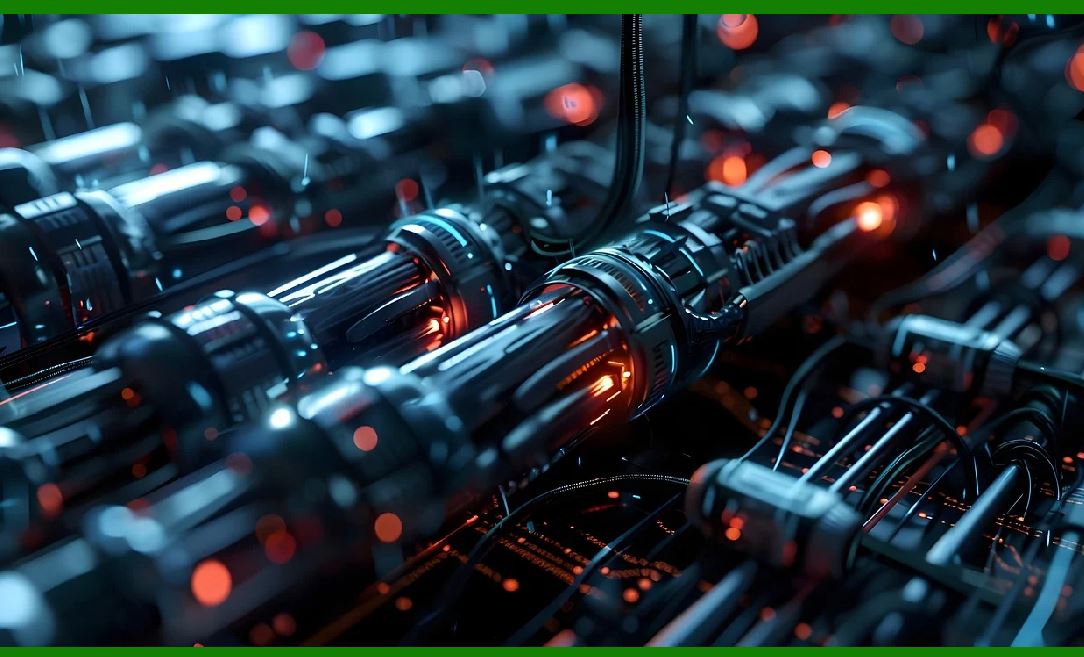
The Apple Neural Engine is a dedicated coprocessor that works alongside the iPhone's CPU and GPU, but unlike the general-purpose processors, the ANE is optimized to handle tasks related to machine learning and AI. The architecture of the ANE is designed to perform matrix multiplications and other operations essential for training and inference in machine learning models. This is crucial because machine learning algorithms often require significant computational power, particularly when processing large amounts of data in real time. |
The ANE is designed to be highly efficient, allowing it to execute tasks with much less power consumption compared to the general-purpose CPU or GPU. This efficiency allows the iPhone to perform AI-driven tasks like face recognition or image enhancement while preserving battery life, a critical consideration in mobile devices. |
|
2.2 Machine Learning and AI Tasks Powered by the ANE |
The main function of the Apple Neural Engine is to accelerate machine learning and AI operations. Apple has integrated the ANE into various aspects of iOS to enable features such as: |
1.Face ID and Face Recognition: The Neural Engine plays a crucial role in Face ID, Apple's facial recognition system. When you set up Face ID, the ANE learns the unique features of your face. It stores this data securely on the device in the Secure Enclave, which is an isolated part of the A-series chip. Every time you unlock your iPhone, the Neural Engine processes the facial data to match it with the stored data and confirm your identity. |
2.Real-time Image Processing: Machine learning powers the iPhone's camera system. The ANE allows for real-time image and video processing, improving photo quality with features such as Smart HDR, Deep Fusion, and Night Mode. The ANE helps enhance image quality by optimizing lighting, contrast, and color balance while reducing noise in low-light conditions. |
3.Augmented Reality (AR): Apple's ARKit, which powers augmented reality applications, relies heavily on the ANE for real-time data processing. The ANE enables the iPhone to map the environment, track movements, and process real-time input from cameras and sensors to create a realistic AR experience. This is particularly important for applications like games, interior design tools, or navigation apps. |
4.Natural Language Processing (NLP): The ANE is also used for improving Siri, Apple's virtual assistant, by processing natural language more efficiently. Siri's ability to understand and respond to spoken commands is enhanced by the machine learning capabilities of the ANE, making voice recognition faster and more accurate. |
5.Battery Efficiency and Power Management: Machine learning algorithms are used to manage the iPhone's battery life by predicting how you use the device and optimizing power consumption. The ANE can process these predictive models more quickly, ensuring that your iPhone maintains optimal battery performance. |
|
2.3 How the Apple Neural Engine Works |
The ANE operates using a combination of hardware and software components. It can execute specific types of operations much faster than a general-purpose CPU, particularly operations involving large datasets that are common in machine learning models. The neural engine performs computations by applying learned models and making inferences based on input data. |
For example, when you use the camera app to take a photo, the ANE is responsible for processing the data captured by the camera in real-time. It analyzes the scene, applies enhancements, and processes multiple layers of information, such as focus, exposure, and depth. This process happens so quickly that the user experiences it as seamless, with the result being a high-quality photo, even in challenging lighting conditions. |
One of the key strengths of the ANE is its ability to execute parallel computations. This means it can handle multiple tasks simultaneously, greatly improving efficiency and speed. This parallel processing ability makes it ideal for tasks like facial recognition or AR, where real-time processing is critical. |
|
2.4 Impact of the ANE on App Development |
The introduction of the ANE has significantly impacted app development, especially in fields like photography, gaming, and health. App developers can leverage the power of the Neural Engine to create more advanced and efficient apps that require AI and machine learning capabilities. |
For instance, app developers can use the Core ML framework, which is a part of Apple's suite of machine learning tools, to build apps that utilize the ANE for tasks like image recognition, sound classification, and text analysis. By offloading machine learning tasks to the ANE, developers can make their apps run faster and consume less power, which is particularly important for mobile devices. |

|
2.5 Evolution and Future of the Apple Neural Engine |
Since its introduction in the A11 Bionic chip, the Apple Neural Engine has continuously evolved, with each new iteration of the iPhone featuring a more powerful and capable version of the chip. The A15 and A16 Bionic chips, for example, featured improvements in the number of cores and processing power, allowing the ANE to handle even more complex machine learning tasks. |
Looking ahead, it's likely that the Neural Engine will continue to play a pivotal role in Apple's hardware design. With the increasing prevalence of artificial intelligence and machine learning in daily life, the need for powerful, efficient AI processing will only grow. Apple is well-positioned to maintain its leadership in mobile AI by continuing to refine and enhance the capabilities of the Neural Engine in future iPhone models. |

|
3. Conclusion |
The Apple iPhone, in conjunction with the Apple Neural Engine, represents the cutting edge of mobile technology. Through careful integration of powerful hardware and software, Apple has managed to create a device that not only serves as a communication tool but also acts as a platform for advanced machine learning and artificial intelligence applications. The addition of the Neural Engine has allowed the iPhone to perform tasks that were once the domain of specialized devices or desktop computers, further enhancing the overall user experience. |
As AI and machine learning continue to evolve, the iPhone and its Neural Engine will likely remain at the forefront of innovation, helping to redefine what's possible on mobile devices. From improved photography and real-time AR experiences to more efficient use of resources, the Apple Neural Engine is integral to the iPhone's role in shaping the future of mobile technology. |
|
4. Challenges the iPhone and Apple Neural Engine (ANE) Will Face in the Future |
While the iPhone and Apple Neural Engine (ANE) have set new standards in mobile technology, there are several challenges that they will face as they evolve. As both hardware and software continue to advance, so too do the expectations of users, competition, and the rapid growth of emerging technologies. Below are the key challenges the iPhone and ANE will face in the future. |
4.1 Increasing Competition in the Smartphone Market |
Apple's iPhone has traditionally been a market leader, but it faces mounting competition from other smartphone manufacturers, particularly those running on Google's Android operating system. Brands like Samsung, Google, and Xiaomi are not only improving the raw performance of their devices but also incorporating their own advanced AI capabilities, such as Samsung's Neural Processing Unit (NPU) and Google's Tensor chip. |
With these competitors introducing high-performance AI chips and integrating their own machine learning models into their devices, Apple must continue to innovate to maintain its leadership. Moreover, as consumers become more price-sensitive, Apple will need to balance performance with affordability in order to remain competitive. This could mean designing more cost-effective models without sacrificing the features that make the iPhone stand out, including the ANE's performance and AI capabilities. |

|
4.2 The Need for Continual AI Evolution |
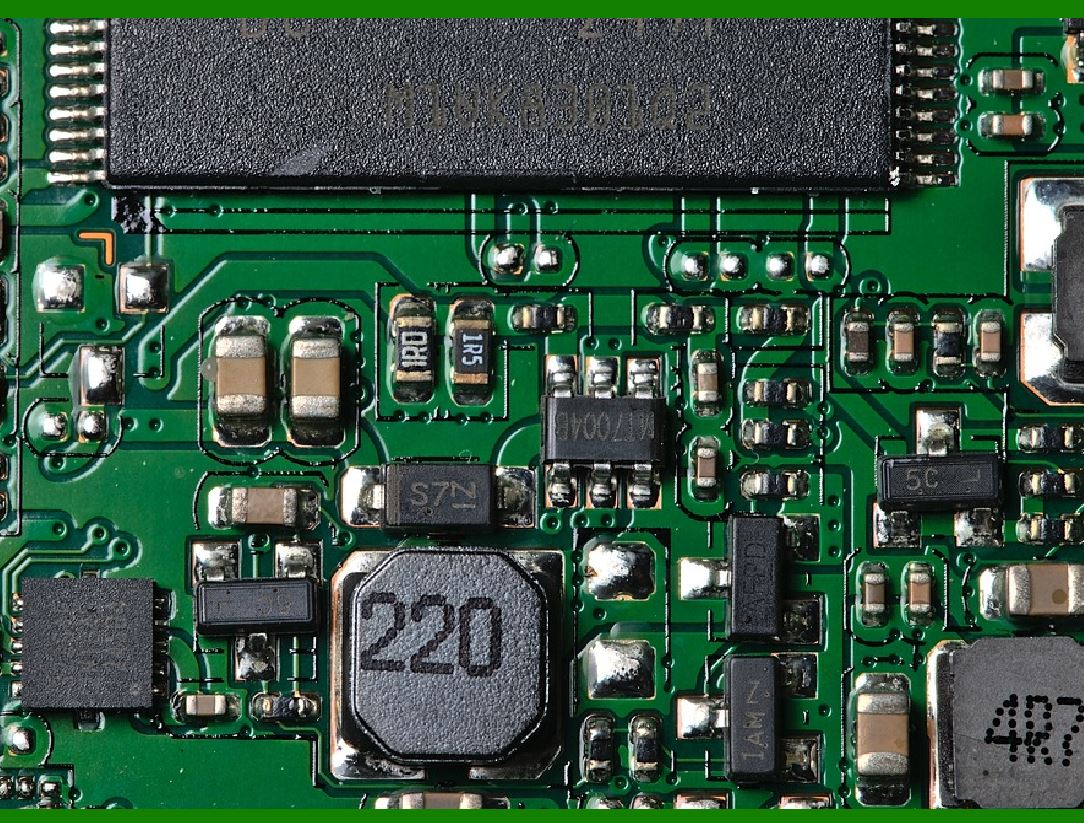
The role of artificial intelligence in mobile devices, particularly through the Apple Neural Engine, is becoming more critical as users expect smarter, more intuitive systems. However, AI and machine learning are fields that evolve at an incredibly fast pace. What works today might become outdated in a few years as more sophisticated algorithms are developed. |
For instance, the ANE's current architecture is optimized for certain machine learning models, such as image and voice recognition, but future AI applications may require different kinds of computational power, such as the need for better natural language processing, enhanced speech synthesis, or even quantum computing in the long term. As AI evolves, so too must the architecture of the ANE. Apple will need to continuously invest in developing new neural network architectures, improving processing efficiency, and finding ways to handle more complex and diverse tasks, all while maintaining or even improving battery efficiency. |
|
4.3 The Ethical Implications of AI and Privacy Concerns |
As the iPhone relies more heavily on AI for tasks like facial recognition, behavioral analysis, and personal data processing, the ethical and privacy concerns surrounding the use of AI will become more prominent. Apple has always touted its commitment to user privacy, but the introduction of machine learning technologies such as the ANE could bring about questions regarding data usage and surveillance. |
For example, the iPhone's Face ID system uses sophisticated machine learning algorithms to recognize faces, but this data is stored locally on the device in the Secure Enclave. While Apple's implementation is designed to protect user privacy, there is always the risk of potential breaches, either through hacking or through governmental requests for data. As governments around the world tighten regulations around data privacy (such as GDPR in Europe), Apple will need to ensure that its AI features remain fully compliant with these laws, while balancing the need for innovation with ethical practices. |
In addition, there is growing concern about AI's ability to influence users, particularly with the use of recommendation algorithms, targeted advertising, and personalized content. Ensuring that these systems operate ethically and transparently will be a challenge, especially as the iPhone's AI capabilities become more personalized and pervasive. |
|
4.4 Managing Power Consumption and Battery Life |
As the iPhone becomes more advanced, one of the most pressing challenges will be power consumption and battery life. With each new feature, especially AI-driven capabilities like those powered by the Apple Neural Engine, comes an increased demand on the device's power. AI tasks, particularly those involving real-time machine learning or processing large datasets, are resource-intensive and can drain the battery faster than traditional tasks. |
Apple has made significant strides in battery technology and power management, incorporating features like power-efficient chips and software optimizations to extend battery life. However, as AI becomes more integral to the iPhone's functionality, and as the ANE becomes more powerful, the demands on the battery will only increase. |
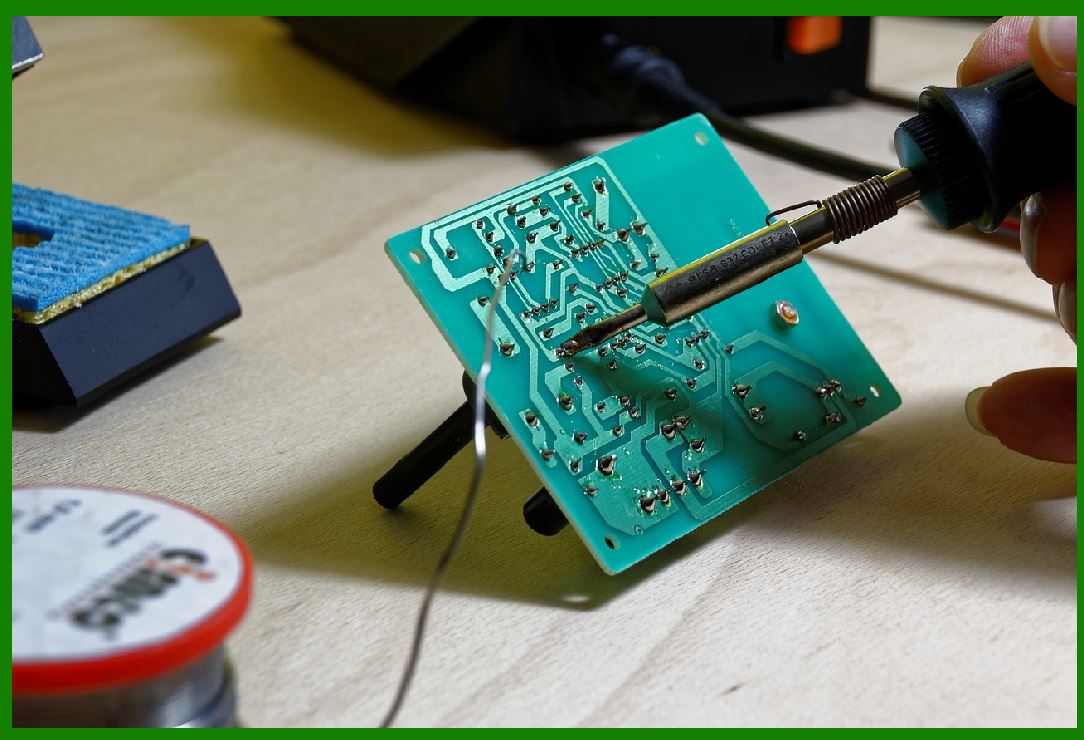
Apple must find ways to maintain or improve battery life while also ensuring that the performance of the Neural Engine doesn't degrade due to energy limitations. This could involve improvements in both hardware, such as more efficient power management circuits or batteries with higher energy density, as well as software-level optimizations, like intelligent task scheduling that ensures AI tasks are only processed when necessary. |
|
4.5 Scalability and Software Integration |
The integration of the ANE into the iPhone is not just about raw computational power; it also requires seamless software integration. Apple's Core ML framework, which developers use to build apps that leverage machine learning, needs to continue evolving to ensure that the ANE is used efficiently across a wide range of applications. |
However, machine learning algorithms are not a one-size-fits-all solution. Different applications may require different types of AI models and optimizations, which could lead to challenges in maintaining software compatibility and ensuring optimal performance. Developers will need to adapt to the ever-changing landscape of AI models, and Apple will need to continue supporting and enhancing the tools available to developers through the Core ML framework, Swift, and other development platforms. |
Moreover, as AI-based features become more widespread in mobile apps, scalability will be a challenge. Many apps could rely on large models that require significant computational resources. Ensuring that these apps run smoothly on devices with limited power and memory, while maintaining the speed and responsiveness that users expect, will be a delicate balance. |
|
4.6 Hardware and Physical Limitations |
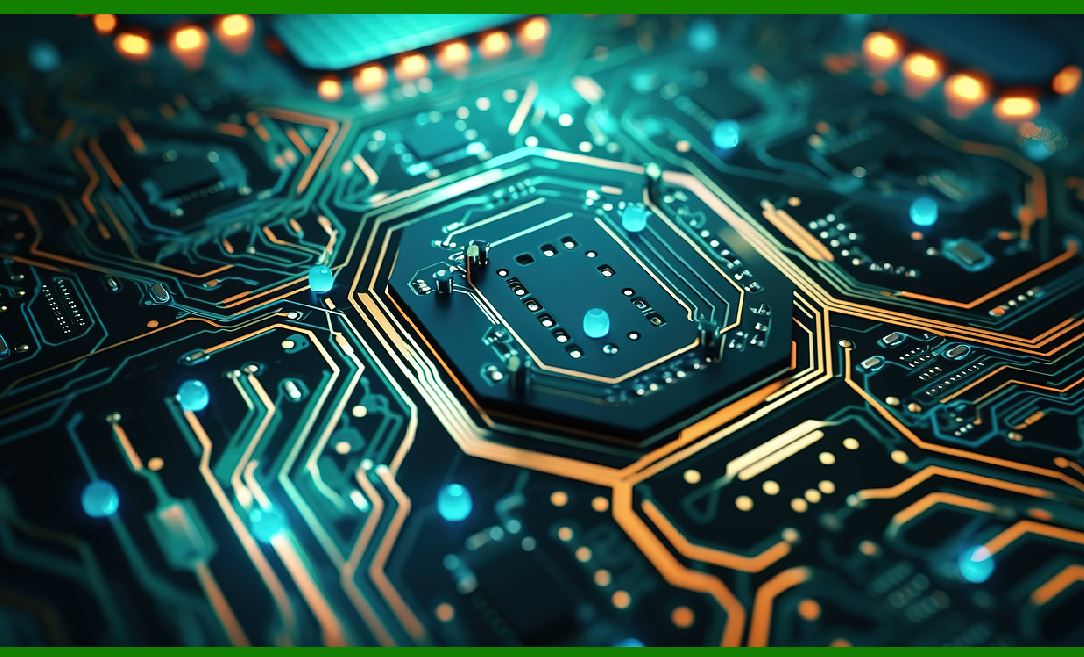
Despite its powerful neural engine and sophisticated machine learning capabilities, there are physical limitations that Apple's hardware will encounter in the future. For example, the silicon used in the A-series chips has reached a point where further increases in performance will require substantial breakthroughs in chip design or materials. Traditional silicon chips may hit a ceiling in terms of their transistor density and clock speeds, which could limit the overall computational power available for the ANE and other components. |
Moreover, as AI algorithms become more complex, they may demand more powerful hardware that may not fit in the current physical form factor of the iPhone. Apple must strike a balance between improving hardware performance and ensuring that the device remains compact, lightweight, and easy to use. This could mean investing in new chip manufacturing techniques, such as using advanced materials like graphene, or adopting new chip architectures like 3D stacking. |
|
4.7 Consumer Expectations and Technological Saturation |
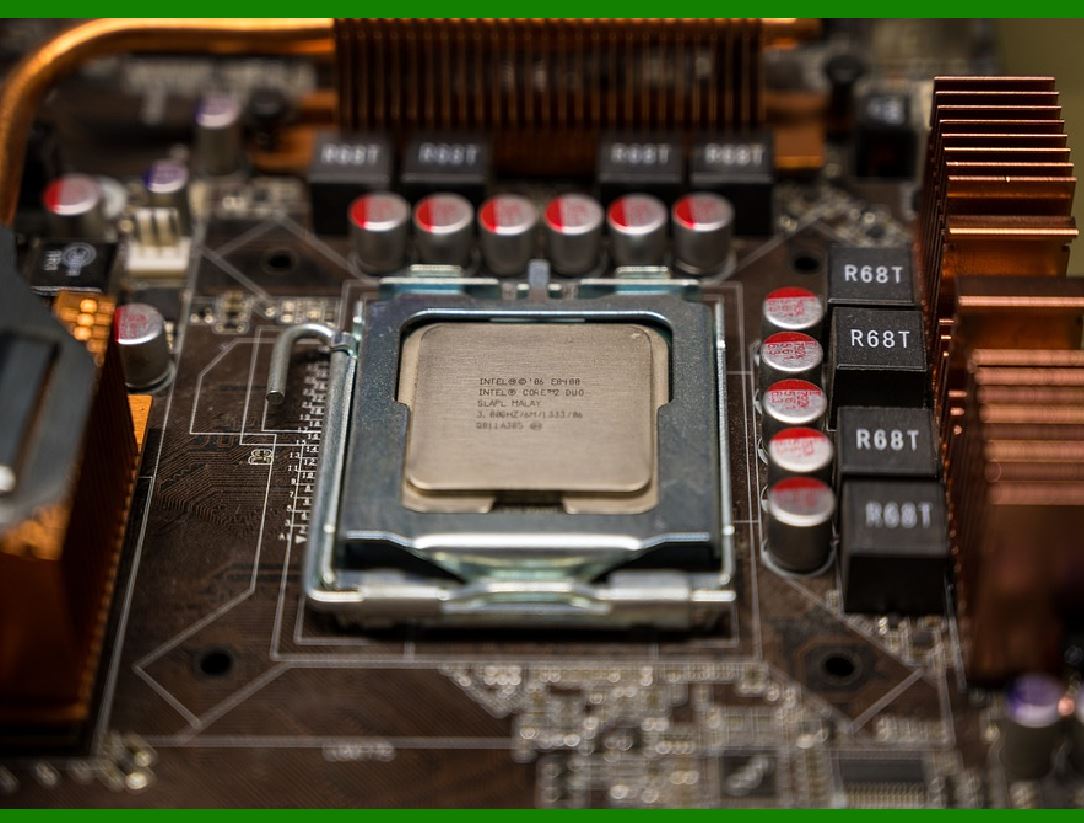
The smartphone industry is nearing a point of technological saturation, where many of the most desirable features have already been integrated into devices. As the iPhone continues to evolve, the challenge will be to offer innovative features that justify upgrading to newer models. While the introduction of the Neural Engine and AI-powered features such as Face ID, advanced camera capabilities, and AR functionality have been major selling points, the future will require even more compelling reasons for consumers to continue upgrading. |
Consumers may also become more demanding in terms of customization and personalization, expecting devices that can adapt more closely to their preferences and habits. In this context, Apple will need to ensure that AI features continue to evolve in a way that is meaningful and provides a tangible benefit to the user, rather than simply adding more complexity or features for the sake of novelty. |
|
4.8 Regulatory and Environmental Pressures |
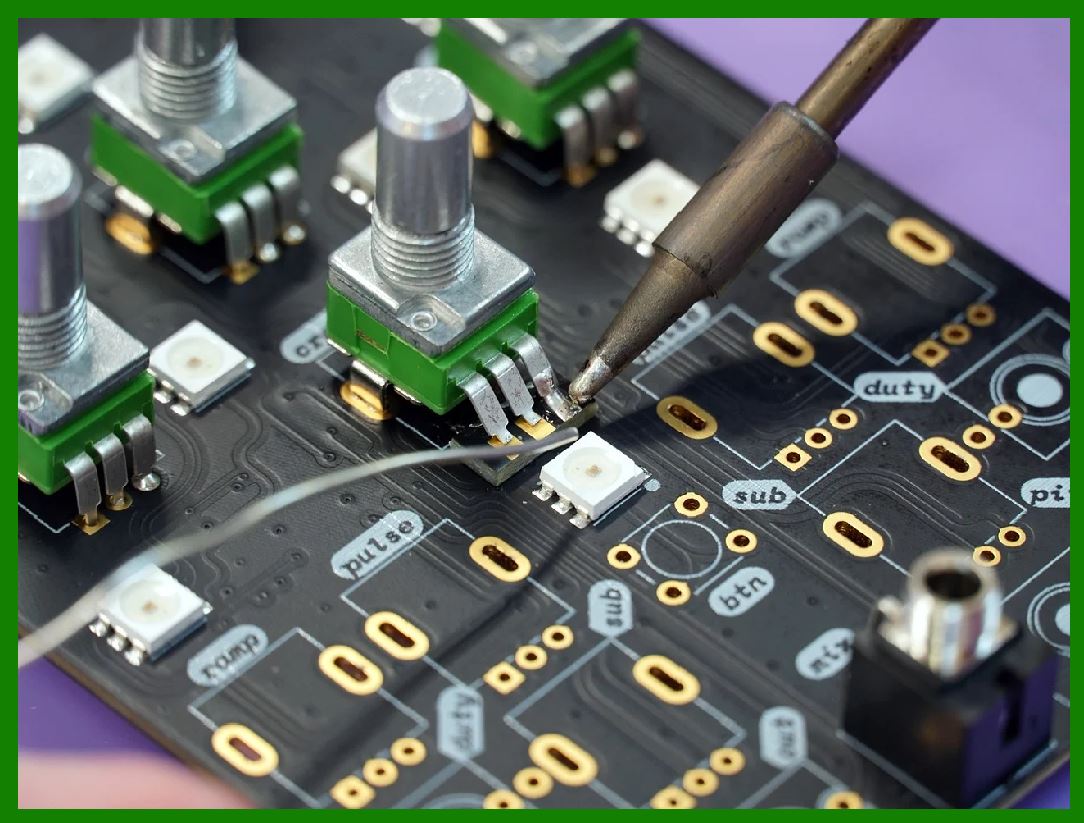
As environmental concerns continue to rise, Apple faces increasing pressure to make its devices more sustainable. The company has made significant progress in reducing the environmental impact of its products, including using recycled materials in the iPhone's construction and committing to carbon neutrality. However, future innovations in AI and machine learning may involve more complex manufacturing processes or the use of rare or difficult-to-recycle materials. |
Moreover, there are growing calls for tech companies to address the 'right to repair' movement, which pushes for easier repairability and longer-lasting devices. Apple may face regulatory challenges regarding the repairability of its devices, which could impact how the ANE and other internal components are designed, as well as the overall lifespan of the iPhone. |
|
5. Conclusion |
While the future of the iPhone and its Apple Neural Engine looks promising, the devices will undoubtedly face numerous challenges as they continue to evolve. These challenges span from competition in the smartphone market, the need for continuous AI innovation, and managing privacy and ethical concerns, to the pressures of maintaining battery life, scalability, and hardware advancements. Additionally, consumer expectations, regulatory pressures, and environmental concerns will play an important role in shaping the future of the iPhone and its AI capabilities. |
Ultimately, Apple will need to stay ahead of the curve by addressing these challenges through innovation, strategic partnerships, and ongoing investments in research and development. Balancing cutting-edge AI capabilities with ethical responsibility and sustainability will be key to ensuring the iPhone's continued success in a rapidly changing technological landscape. |
 cs@easiersoft.com