1. Introduction to Apple's Neural Engine |
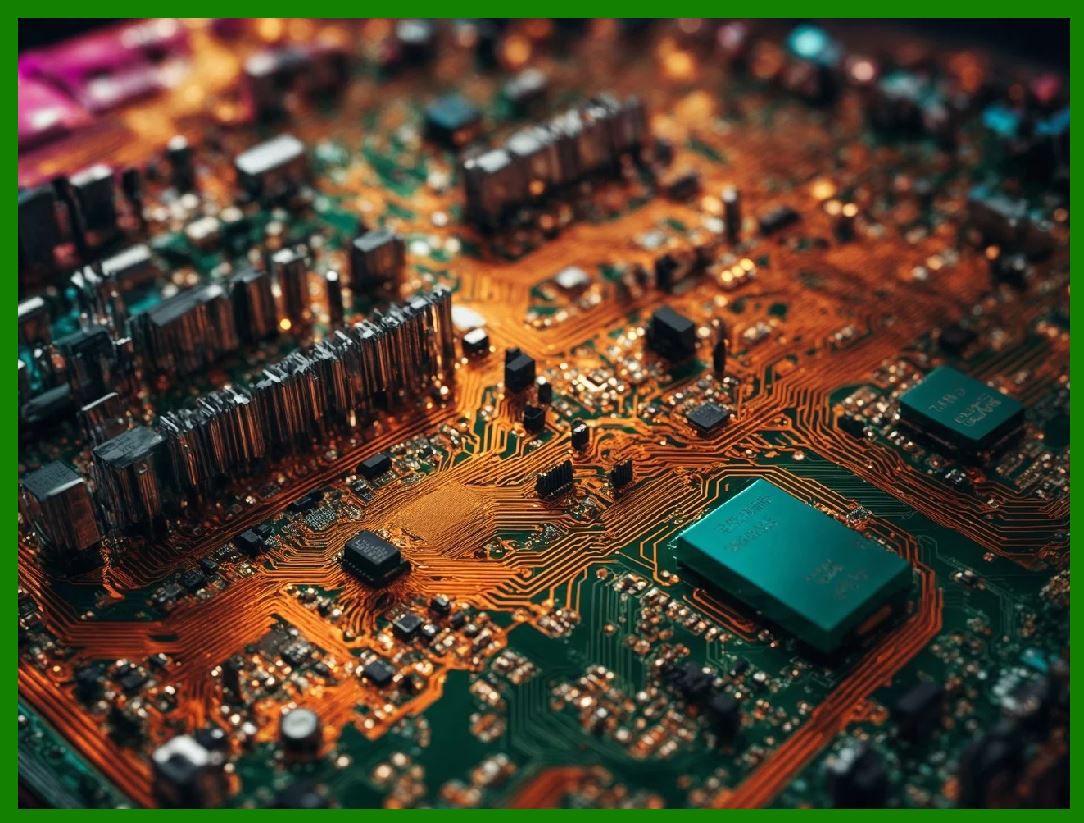
Apple's Neural Engine (ANE) is a specialized hardware unit designed by Apple to accelerate machine learning (ML) tasks on its devices. Integrated into Apple's A-series processors, the Neural Engine is tailored for high-performance artificial intelligence (AI) computations while maintaining energy efficiency. This enables AI tasks to be performed on the device in real time, without needing to rely heavily on cloud-based servers. Its design represents a significant leap forward in terms of integrating powerful machine learning capabilities directly into the hardware of consumer devices such as iPhones, iPads, and Apple Watches. This focus on on-device AI processing sets Apple apart from other technology companies that often rely on cloud computing for similar tasks. |
|
2. The Role of the Neural Engine in Apple's Ecosystem |
The Neural Engine is an integral part of Apple's broader strategy for machine learning and artificial intelligence, serving a variety of functions across different devices. By embedding this powerful processor into the chipsets of iPhones, iPads, and other Apple products, Apple has been able to bring advanced features to its devices that would have been difficult or impossible to implement on less specialized hardware. For instance, the ability to perform real-time facial recognition for Face ID, object detection in photos, and even enhance augmented reality (AR) experiences are all powered by the Neural Engine. These features represent just a fraction of what the Neural Engine is capable of. Its role in Apple's ecosystem is not just to power individual features but also to provide a backbone for the continuous improvement and evolution of AI-powered functionalities across Apple products. |
|
3. Architecture of the Neural Engine |
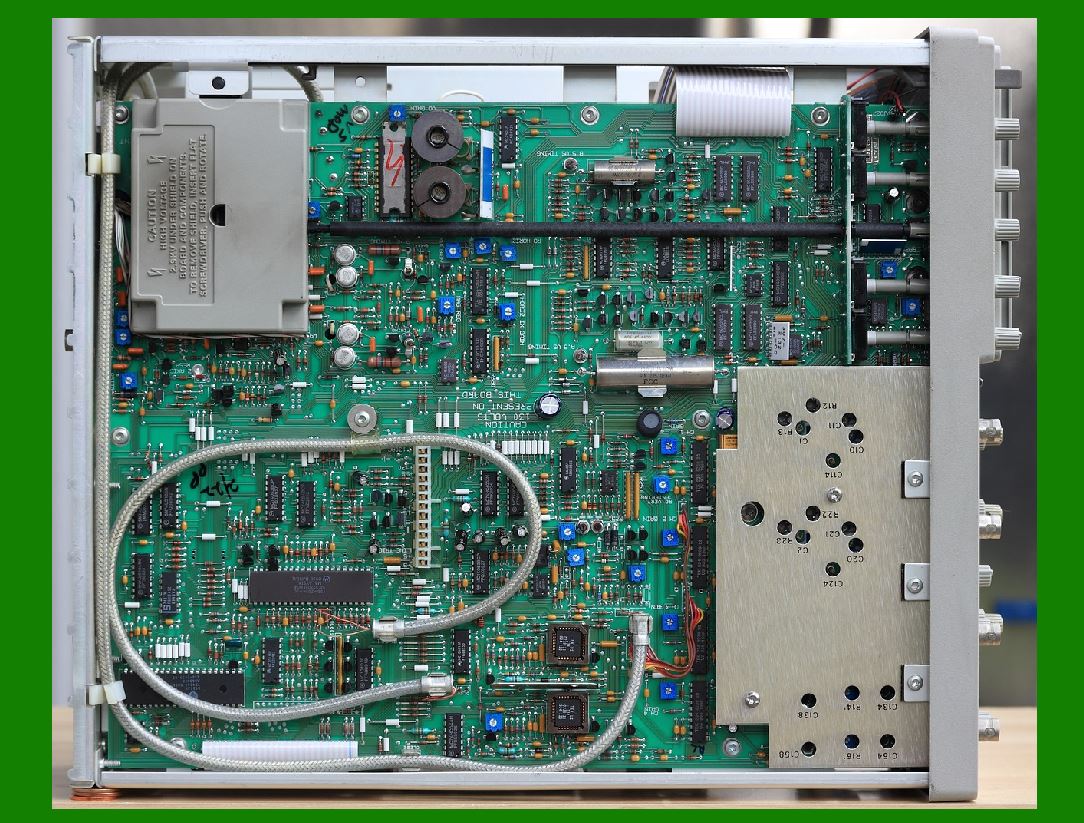
Apple's Neural Engine is embedded within its custom-designed silicon chips, specifically within the A-series processors, including the A11 Bionic and its successors. The chip is designed to handle matrix multiplications, which are the core operations in machine learning algorithms, especially for deep learning. The Neural Engine typically consists of an array of specialized cores optimized for specific types of ML workloads, enabling it to outperform general-purpose processors (CPUs) in tasks related to artificial intelligence. |
Each iteration of the Neural Engine has seen improvements in both the number of cores and the processing power. For example, the A11 Bionic chip featured a 2-core Neural Engine capable of handling 600 billion operations per second. The A12 Bionic expanded this capability to an 8-core Neural Engine that could process 5 trillion operations per second, while the A13 Bionic saw an increase to 8-core architecture and 6 trillion operations per second. These improvements have allowed Apple to continually raise the bar for what is possible on-device, pushing the boundaries of what is achievable in AI applications. |
|
4. The Role of Neural Engine in Machine Learning Tasks |
The primary responsibility of the Neural Engine is to accelerate machine learning tasks. In the context of Apple's devices, this includes a wide range of operations such as image recognition, natural language processing (NLP), and augmented reality (AR) applications. These tasks benefit greatly from the parallel processing capabilities of the Neural Engine, which is designed to handle multiple AI operations simultaneously. |
4.1. Face ID and Object Detection |
Face ID, Apple's facial recognition system, is one of the standout applications powered by the Neural Engine. Face ID uses a combination of infrared sensors and cameras to capture a 3D map of a user's face, which is then processed by the Neural Engine in real time. This is a task that requires a significant amount of computational power due to the complexity of the data and the need for extremely fast processing to ensure that the user experience is seamless. |
Similarly, object detection in photos or videos is another key function that benefits from the Neural Engine's processing power. The Neural Engine is able to quickly identify and label objects in images, enabling features like smart photo organization in the Photos app or real-time image enhancement and filtering. |
4.2. Natural Language Processing (NLP) |
Another area where the Neural Engine excels is in natural language processing (NLP). NLP is a branch of artificial intelligence that involves the interaction between computers and human languages. Siri, Apple's voice assistant, relies heavily on the Neural Engine for tasks like voice recognition, voice commands, and text-to-speech processing. The Neural Engine's ability to understand and process speech in real-time allows Siri to interpret spoken commands more accurately and provide faster responses. |
4.3. Augmented Reality (AR) |
Augmented reality (AR) is another domain where the Neural Engine plays a critical role. Apple has been a major proponent of AR, and its devices are equipped with powerful hardware and software to support AR experiences. The Neural Engine helps to track movement, detect objects, and process real-time data from the device's sensors, all of which are essential for a seamless AR experience. By handling the processing tasks efficiently, the Neural Engine allows for fluid, immersive AR applications on devices like the iPhone and iPad. |
|
5. Energy Efficiency and Battery Life |
One of the most important aspects of Apple's Neural Engine is its emphasis on energy efficiency. Machine learning tasks, particularly deep learning tasks, are known to be computationally intensive and can quickly drain a device's battery if not managed properly. Apple designed the Neural Engine to perform these tasks efficiently, ensuring that AI computations are carried out without placing excessive strain on the device's battery. |
The efficiency of the Neural Engine is achieved through its architecture, which is optimized for machine learning workloads. This allows it to perform tasks that would otherwise require the processing power of a general-purpose CPU, but at a fraction of the energy cost. This is particularly important for mobile devices, where battery life is a key concern. For instance, face recognition for Face ID or processing a voice command for Siri must be fast, but also power-efficient. The Neural Engine ensures that these tasks can be performed without significantly draining the battery. |
|
6. Real-Time Processing Capabilities |
The Neural Engine is specifically designed to handle real-time processing tasks. In contrast to traditional CPUs, which process instructions sequentially, the Neural Engine can perform many operations in parallel. This parallel processing capability is essential for applications like real-time video processing, augmented reality (AR), and live photo enhancements, all of which require the ability to process large volumes of data simultaneously. For example, when a user is using the camera to scan an object or play an AR game, the Neural Engine can handle all the computations in real time without noticeable lag, ensuring a smooth experience. |
Real-time processing also plays a critical role in the performance of Apple's voice recognition system. When a user interacts with Siri, the voice data must be captured, processed, and interpreted in real-time. The Neural Engine processes these voice inputs instantly, enabling Siri to respond without delay, providing a natural and intuitive user experience. |
|
7. Deep Learning and the Neural Engine |
At the heart of the Neural Engine's capabilities is its focus on deep learning, a subfield of machine learning. Deep learning models, especially those used in computer vision and speech recognition, require enormous computational power. This is where the Neural Engine shines, as it is purpose-built to accelerate the types of matrix multiplications and vector operations that are critical to these models. |
For example, deep neural networks (DNNs), which are a common type of deep learning model, consist of multiple layers of interconnected nodes that transform input data into meaningful output. Training and inference for DNNs typically require vast amounts of computation, which is where specialized hardware like the Neural Engine comes into play. The high-speed matrix operations performed by the Neural Engine allow Apple's devices to execute complex machine learning models efficiently. |
|
8. Security and Privacy Features |
Apple has placed a strong emphasis on privacy and security when designing its Neural Engine. All AI processing related to sensitive data, such as Face ID and other biometric data, happens on the device itself, and is not sent to Apple's servers. This approach aligns with Apple's commitment to user privacy, as the data is kept local and encrypted. In the case of Face ID, for instance, the 3D map of the user's face is stored securely in the device's Secure Enclave, a separate processor designed for handling sensitive data. The Neural Engine processes this data without compromising privacy or security, making it one of the most secure AI implementations on mobile devices. |
|
9. Conclusion: The Future of Apple's Neural Engine |
Apple's Neural Engine has set a new standard for machine learning capabilities in consumer devices. Its integration with Apple's A-series processors, its high degree of parallelism, and its energy-efficient design have made it a game-changer in the mobile technology space. From enabling cutting-edge AI features like Face ID and real-time AR processing to supporting powerful applications in natural language processing and object detection, the Neural Engine continues to evolve and drive innovation. |
As machine learning and AI technologies continue to advance, Apple's Neural Engine will likely play an increasingly important role in the development of future devices. It is expected that future iterations will continue to improve in processing power, efficiency, and versatility, opening up new possibilities for AI-driven applications. With Apple's ongoing focus on privacy and security, the Neural Engine is likely to remain a core component of Apple's approach to on-device AI, providing users with powerful, efficient, and secure AI capabilities for years to come. |
|
10. Case Studies: Applications of Apple's Neural Engine |
The Apple Neural Engine (ANE) has revolutionized the way AI tasks are handled on mobile devices, particularly through its integration into iPhones, iPads, and other Apple products. Its ability to perform machine learning tasks on-device has allowed developers to create advanced applications that offer enhanced user experiences. Below are some real-world case studies that demonstrate the Neural Engine's impact on various domains, from security to healthcare, gaming, and more. |
10.1. Case Study 1: Face ID and Personal Security |
Background: One of the most widely recognized applications of Apple's Neural Engine is Face ID, Apple's facial recognition system used in iPhones and iPads. Face ID utilizes advanced machine learning techniques to securely identify users based on their facial features. |
How the Neural Engine is Involved: The Neural Engine is responsible for processing and analyzing the 3D map of the user's face captured by the front-facing camera and infrared sensors. The machine learning model, specifically designed to recognize the unique features of a person's face, operates locally on the device, ensuring that the process is both fast and secure. Face ID uses a deep learning model to compare the captured face data against the encrypted data stored in the Secure Enclave, which is a separate processor within Apple's A-series chips designed to handle sensitive information. |
Outcome: Since the introduction of Face ID with the iPhone X in 2017, this system has been widely praised for its security, ease of use, and accuracy. The Neural Engine's ability to process and match facial features in real time has made Face ID one of the most secure and efficient biometric authentication systems on the market. |
Key benefits of Face ID powered by the Neural Engine include: |
Speed: Recognition and unlocking of the phone happens almost instantly after the user looks at the device. |
Security: The system ensures that face data is never uploaded to Apple's servers, enhancing user privacy. It is also able to detect spoofing attempts using photos or 3D models, further strengthening security. |
Adaptability: Face ID improves over time, learning to recognize subtle changes in a user's appearance, such as a new hairstyle or glasses. |
Broader Impact: The success of Face ID has influenced many other companies and industries to consider adopting similar facial recognition technologies, particularly in areas where security and user convenience are paramount, such as in banking, secure facilities, and healthcare systems. |

|
10.2. Case Study 2: Augmented Reality with ARKit |
Background: Apple has been a strong advocate of augmented reality (AR), integrating it deeply into both iOS and iPadOS through ARKit, its AR development framework. ARKit enables developers to create immersive AR experiences for Apple devices, including games, educational tools, and productivity apps. |
How the Neural Engine is Involved: ARKit relies on the Neural Engine to process a large number of tasks in real time. For example: |
Motion Tracking: The Neural Engine uses data from the device's sensors, including accelerometers and gyroscopes, to accurately track the user's movement and orientation in 3D space. |
Scene Understanding: It processes data from the device's cameras to identify and understand the environment in which the user is interacting, detecting surfaces and objects for precise placement of virtual elements. |
Object and Face Tracking: The Neural Engine also accelerates object detection, which allows virtual objects to be anchored to real-world objects. This is essential for applications like furniture shopping apps, where users can place virtual furniture into their home environments to see how it fits and looks. |
Outcome: The integration of the Neural Engine has allowed ARKit to deliver smooth, low-latency AR experiences, even on devices with limited processing power. The neural engine processes large amounts of data simultaneously, ensuring that the AR experiences are responsive and real-time, without draining the device's battery. |
One notable example is the IKEA Place app, which allows users to visualize furniture in their homes using AR. The AR capabilities of the app are powered by ARKit and benefit significantly from the real-time processing abilities of the Neural Engine. |
Broader Impact: ARKit has significantly influenced how businesses think about consumer engagement. Industries ranging from gaming to retail, real estate, and education are using ARKit and Apple's Neural Engine to offer innovative, immersive experiences. The ability to offer seamless AR experiences directly on a mobile device has set Apple's ecosystem apart, with AR becoming a key part of its future-facing strategy. |
|
10.3. Case Study 3: Camera Enhancements and Image Recognition |
Background: The Apple camera system has long been regarded as one of the best in the smartphone industry. A major factor in this success has been the integration of AI and machine learning, powered by the Neural Engine, into the camera software. |
How the Neural Engine is Involved: The Neural Engine enhances various aspects of the camera experience, particularly through real-time image and video processing. Some key functionalities include: |
Portrait Mode and Bokeh Effects: The Neural Engine processes depth information from the camera's sensors to create the popular 'portrait mode,' which applies a blurred background effect (bokeh) while keeping the subject in sharp focus. |
Scene Recognition and Automatic Adjustments: The Neural Engine helps the iPhone's camera to automatically detect the scene or object being photographed, adjusting settings like exposure, white balance, and focus for optimal results. This allows users to capture high-quality images with minimal effort, even in complex or dynamic environments. |
Smart HDR: Smart HDR uses the Neural Engine to combine multiple images taken at different exposures to create a well-balanced image with rich details in both shadows and highlights. |
Object and Text Recognition: The Neural Engine powers real-time object recognition, enabling features like 'Live Text,' where the iPhone can detect and interact with text within photos or videos. This includes translating foreign text or allowing users to copy and paste text from images. |
Outcome: The Neural Engine has transformed the way users interact with their cameras, making advanced photography techniques more accessible to the average user. With minimal user input, iPhone cameras can take high-quality photos, even in challenging lighting conditions. |
Notable examples of the Neural Engine's role in photography include: |
iPhone 12 and 13: These models, powered by the A14 and A15 Bionic chips, include advanced image processing capabilities such as Deep Fusion and Night Mode, both powered by the Neural Engine. |
iPhone 14 and 15: With even more advanced capabilities like Photonic Engine, the Neural Engine continues to enhance photographic realism, particularly in low-light conditions. |
Broader Impact: The success of Apple's camera system has set a high standard for the smartphone industry, with many competitors following suit by integrating AI-driven enhancements into their own camera technologies. Apple's approach to on-device processing via the Neural Engine ensures faster, more secure results compared to cloud-based solutions. |
|
10.4. Case Study 4: Health and Fitness with the Apple Watch |
Background: The Apple Watch is not just a smartwatch, but a health and fitness companion. It monitors heart rate, tracks physical activity, provides ECG functionality, and even detects irregularities like arrhythmias. |
How the Neural Engine is Involved: The Neural Engine plays a critical role in several aspects of health and fitness tracking, enabling real-time analysis of physiological data. Specific tasks include: |
Heart Health Monitoring: The Neural Engine processes data from the watch's sensors, such as the accelerometer and gyroscope, to detect anomalies in a user's heart rhythm. For example, it can detect signs of atrial fibrillation (AFib) by analyzing the heart's electrical activity using the ECG app. |
Motion Detection: The Neural Engine processes the data from the motion sensors to detect and classify different types of physical activities, such as walking, running, swimming, and even dancing. This allows the Apple Watch to give personalized activity recommendations. |
Fall Detection: The Neural Engine processes data from the accelerometer and gyroscope to detect falls in real time. When a fall is detected, the watch can automatically alert emergency contacts or services if the user is unresponsive. |
Outcome: Apple's health-related features powered by the Neural Engine have saved lives. For instance, the fall detection feature has been credited with helping users in emergency situations by notifying medical personnel and loved ones when a fall is detected. The ability to detect irregular heart rhythms, combined with the ECG app, has enabled users to identify potential health risks before they become life-threatening. |
Broader Impact: The inclusion of the Neural Engine in Apple Watch devices has positioned Apple as a leader in health and fitness tracking. With more than 100 million active users of the Apple Watch worldwide, it has become a significant tool in personal health monitoring. Apple's focus on on-device processing for sensitive health data ensures user privacy while enabling real-time insights. |
|
10.5. Case Study 5: Siri and Voice Recognition |
Background: Siri is Apple's virtual assistant, designed to help users perform tasks and get information using voice commands. Over the years, Siri has evolved, becoming more sophisticated in its ability to understand and process natural language. |
How the Neural Engine is Involved: The Neural Engine powers many of Siri's voice recognition capabilities. It handles tasks like: |
Real-Time Speech Recognition: The Neural Engine processes audio inputs from the user's voice, enabling Siri to quickly understand and respond to commands, such as setting reminders or sending messages. |
Language Understanding: The Neural Engine is used for natural language processing (NLP), allowing Siri to comprehend the context and intent behind voice commands, even if they are phrased in various ways. |
On-Device Processing: To maintain privacy and reduce the reliance on cloud computing, Siri's voice recognition is often processed directly on the device using the Neural Engine. This ensures faster responses and greater privacy for users. |
Outcome: Siri has improved significantly in recent years, thanks to advances in the Neural Engine. It can now process more complex requests and better understand regional accents and colloquialisms, providing users with more accurate and personalized responses. |
Broader Impact: As voice assistants become more integrated into everyday devices, Siri's performance, powered by the Neural Engine, sets a high standard for the industry. By moving more processing to the device, Apple's approach addresses concerns about privacy and speed, making Siri a preferred option for many users. |
|
Conclusion |
Apple's Neural Engine has proven to be a transformative force in the mobile tech industry, enabling cutting-edge AI and machine learning applications on iPhones, iPads, Apple Watches, and other devices. From enhancing personal security through Face ID to enabling immersive AR experiences and improving health monitoring, the Neural Engine has become central to Apple's vision of a more intelligent and user-centric ecosystem. These case studies illustrate just a few of the many ways in which the Neural Engine is reshaping industries and enhancing user experiences, with even more innovation expected as AI and machine learning continue to evolve. |
 cs@easiersoft.com