1. Introduction to Complexity in Electronics Design |
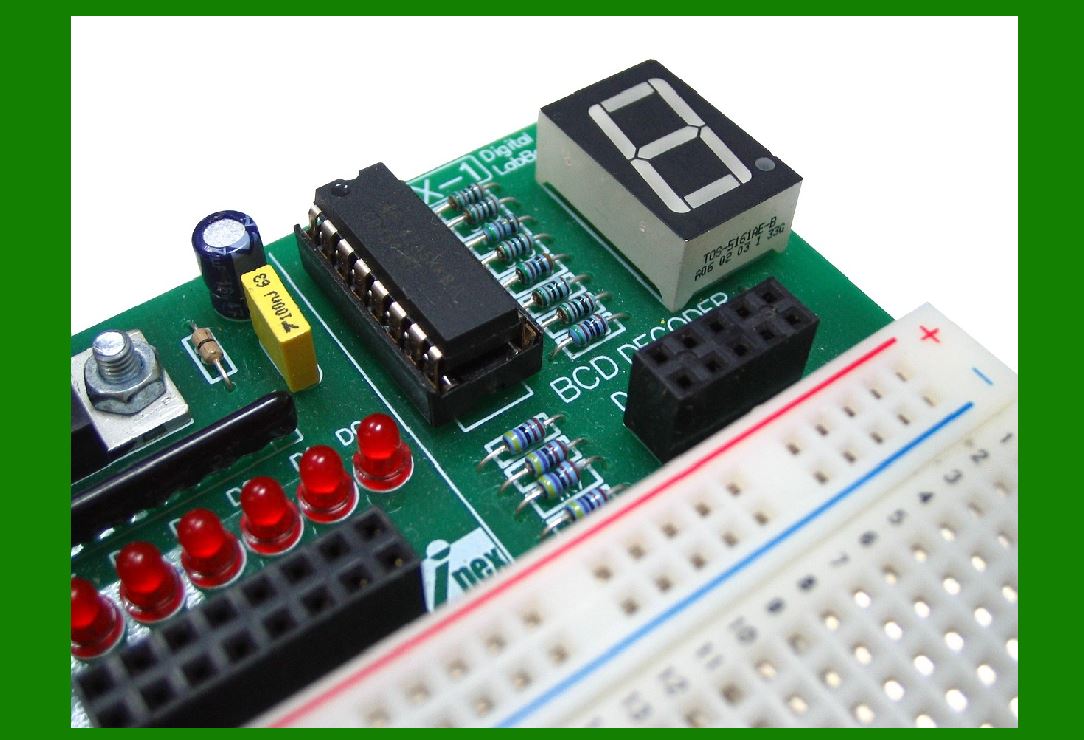
The design of modern electronic devices has reached unprecedented levels of complexity, driven by the need for ever-more sophisticated features in increasingly compact form factors. Devices such as smartphones, wearables, automotive electronics, and even industrial machinery now integrate diverse functionalities, including artificial intelligence (AI), 5G communication, advanced sensors, and energy-efficient systems, all into a single, compact package. This growing complexity requires expertise not only in traditional fields like electrical engineering but also in software development, material science, thermal management, and systems integration. As the demand for multifunctional and miniaturized electronics increases, managing this complexity becomes a significant challenge for engineers, requiring innovative solutions and interdisciplinary collaboration. |
|
2. Factors Contributing to the Increasing Complexity |
Several factors contribute to the growing complexity in electronics design. These factors can be categorized into technological advancements, miniaturization, system integration, and regulatory considerations. |
2.1 Technological Advancements |
The rapid pace of technological advancements, particularly in fields like AI, 5G, and IoT (Internet of Things), has been a major driver of complexity. AI algorithms, for instance, require specialized hardware such as GPUs (Graphics Processing Units) or even dedicated AI chips like TPUs (Tensor Processing Units), which must be integrated seamlessly into the system. Similarly, 5G technologies require highly complex RF (radio frequency) circuits, advanced signal processing, and low-latency communication protocols, all of which must work together in harmony to deliver the promised benefits of speed and reliability. |
2.2 Miniaturization |
The demand for smaller, lighter devices with more powerful performance has led to the ongoing trend of miniaturization. As electronic components shrink, the physical constraints on design become more pronounced. Engineers must manage the power and thermal dissipation of increasingly smaller components while maintaining their functionality and ensuring they meet performance standards. For instance, as transistor sizes decrease, it becomes more challenging to mitigate issues related to power consumption, heat management, and signal integrity. |
2.3 System Integration |
The integration of multiple subsystems into a single device introduces additional challenges. In modern electronics, it's not uncommon for a device to include an array of sensors (such as accelerometers, gyroscopes, temperature sensors, and environmental sensors), communication modules (Wi-Fi, Bluetooth, NFC), and complex processors (CPUs, GPUs, FPGAs), all interacting simultaneously. Ensuring that these disparate systems work together cohesively and efficiently requires sophisticated systems integration techniques, where compatibility between components and seamless data transfer are paramount. |
2.4 Regulatory Considerations |
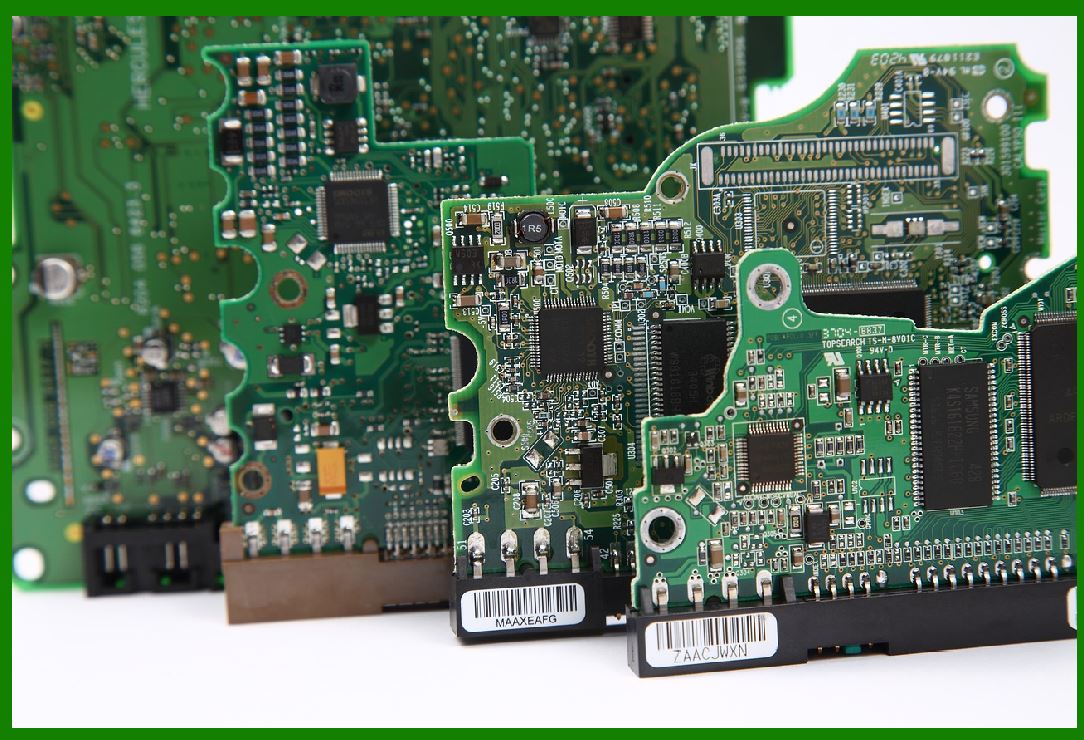
Electronics designers must also navigate regulatory requirements, such as electromagnetic compatibility (EMC) standards, safety certifications, and environmental regulations (RoHS, WEEE). Compliance with these regulations often requires additional design iterations, testing, and certifications. Furthermore, these standards may vary by region, adding another layer of complexity to global product design. |
|
3. Design Domains in Modern Electronics |
Modern electronic design involves multiple, often overlapping domains, each of which requires specialized knowledge. The primary domains in electronics design include hardware design, software development, systems engineering, thermal management, and material science. |
3.1 Hardware Design |
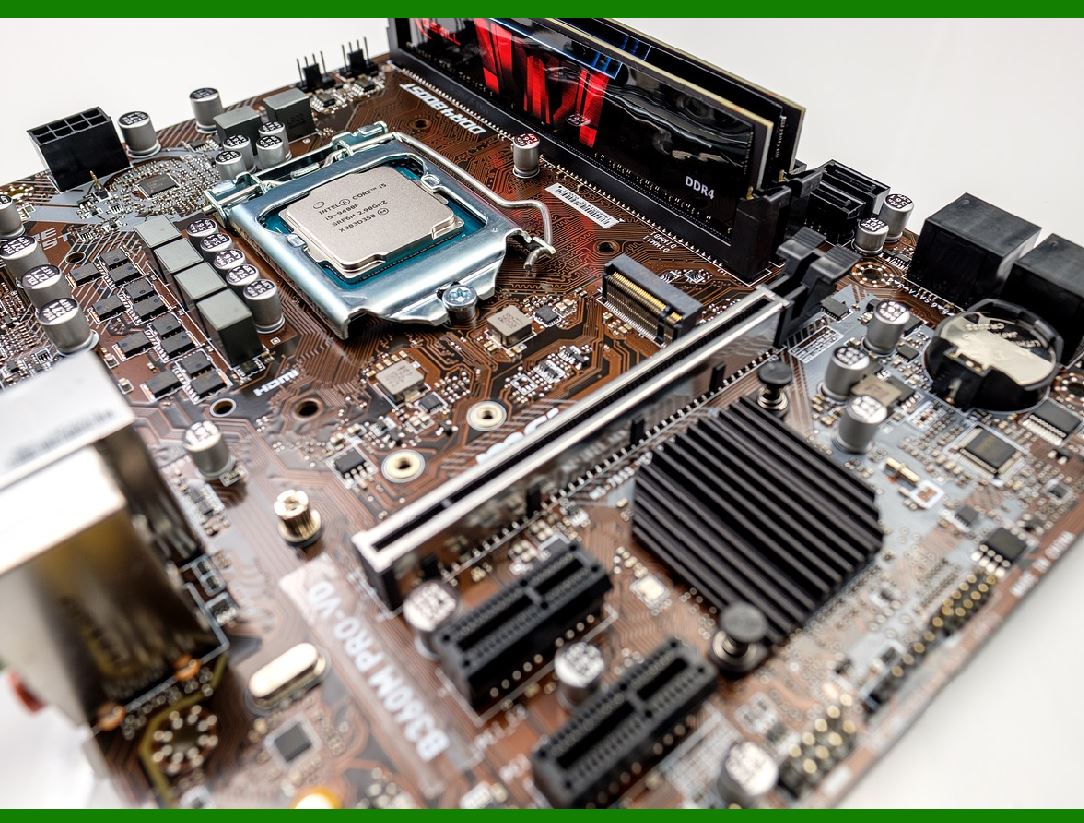
Hardware design remains the core of electronic systems. It involves the development of circuits and components that perform specific functions within the device. In contemporary electronics, hardware design often involves choosing the right microcontrollers, sensors, and power management ICs (integrated circuits) while ensuring that the design can meet performance, power, and size constraints. |
1.Signal Integrity: As high-frequency signals become more common, designers must ensure that signal integrity is maintained. This requires careful layout design, including minimizing signal traces, using differential signaling where appropriate, and controlling impedance. |
2.Power Management: Power management is crucial for optimizing device performance while minimizing power consumption. Power delivery networks must be designed to manage the distribution of power to various components while preventing noise and voltage drops that could disrupt functionality. |
3.Component Selection: In modern designs, component selection can be highly complex. Designers need to evaluate the specifications of every part, considering factors like performance, power consumption, size, reliability, and cost. Furthermore, components must be selected based on their compatibility with other parts of the system, both electrically and mechanically. |
3.2 Software Development |
As hardware becomes more complex, the software that runs on these devices has to evolve as well. The software ecosystem in modern electronics includes not just operating systems but also drivers, application software, and firmware. In systems involving AI, machine learning models may need to be integrated directly into the device. |
1.Embedded Software: Embedded software controls the operation of hardware components and manages low-level operations like power cycling, sensor data collection, and communication. Given that hardware and software must be tightly integrated, embedded systems developers often work closely with hardware designers to ensure optimal performance. |
2.Real-Time Systems: Many modern devices, especially those in automotive or industrial applications, must adhere to real-time processing requirements. This means that the system must meet stringent timing constraints, such as processing sensor data in real-time without lag. Developing real-time systems involves careful design of software routines, ensuring that the code executes in a predictable manner with minimal delays. |
3.AI and Machine Learning: AI and ML are increasingly embedded in modern electronic devices, enabling smart features like voice recognition, image processing, and predictive analytics. These algorithms require powerful processing capabilities, often implemented in custom-designed hardware or using cloud-based processing. Ensuring the efficient execution of these algorithms within the limited processing resources of an embedded system is a significant challenge. |
3.3 Systems Engineering |
Systems engineering plays a central role in ensuring that all components within a complex electronic system work together. It involves managing the interactions between hardware and software, ensuring that the performance, power, and reliability requirements are met. Systems engineers also need to account for various environmental factors such as temperature, vibration, and electromagnetic interference (EMI). |
1.System Architecture: One of the first steps in systems engineering is to define the architecture of the system. This includes deciding how components will be arranged, how they will communicate, and how power will be distributed. System architecture decisions have a long-lasting impact on the overall performance and efficiency of the device. |
2.Interdisciplinary Collaboration: Given the complexity of modern devices, systems engineers must work closely with other engineering disciplines-hardware engineers, software developers, and even industrial designers-to ensure that the design meets the required specifications. This collaboration is critical to achieving the optimal performance, size, and cost for the device. |
3.4 Thermal Management |
As electronic components become smaller and more powerful, managing the heat generated by these components is increasingly challenging. High-performance chips, particularly processors and GPUs, can produce significant amounts of heat, which must be dissipated efficiently to prevent overheating and ensure reliable operation. |
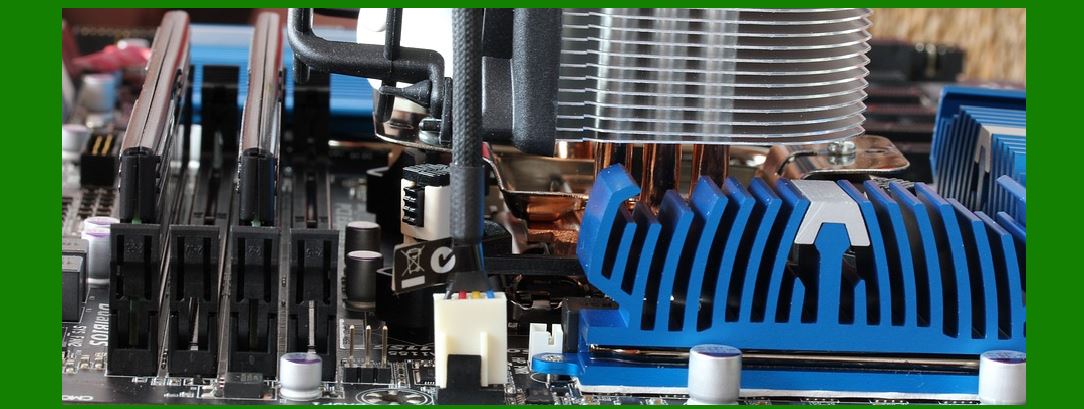
1.Heat Sinks and Thermal Interface Materials: To manage heat, designers often use heat sinks, which increase the surface area for heat dissipation, along with thermal interface materials (TIMs) that improve heat transfer between components and heat sinks. |
2.Active Cooling: In some high-performance devices, active cooling solutions, such as fans or liquid cooling systems, may be used to keep temperatures within acceptable ranges. |
3.Thermal Simulations: Thermal simulations are increasingly important in modern electronics design. By simulating heat flow and temperature distribution within a system, designers can identify potential hotspots and optimize the layout of components to improve thermal performance. |
3.5 Material Science |
Material selection is a critical aspect of electronics design, particularly in the context of miniaturization and energy efficiency. As devices shrink in size, the materials used in their construction must meet stringent requirements for electrical conductivity, thermal dissipation, and mechanical strength. |
1.Semiconductors: The development of new semiconductor materials, such as gallium nitride (GaN) and silicon carbide (SiC), is enabling faster and more efficient devices, particularly in high-power and high-frequency applications. |
2.Flexible Electronics: For applications like wearable devices or bendable screens, the use of flexible materials is becoming more common. These materials must not only support electronic components but also be durable and resistant to environmental factors like moisture and UV exposure. |
3.Sustainability: With increasing concerns about environmental impact, sustainable materials and manufacturing processes are becoming an integral part of electronics design. This includes the use of recyclable materials and reducing the carbon footprint of production processes. |
|
4. Managing the Complexity in Design |
Managing the complexity in electronics design is a multifaceted challenge. It requires a combination of advanced tools, effective collaboration, and iterative development processes. |
4.1 Design Automation Tools |
To cope with the complexity of modern electronics design, engineers rely heavily on advanced design automation tools. These tools can automate various aspects of the design process, from circuit simulation and layout optimization to testing and validation. |
1.Electronic Design Automation (EDA): EDA tools are essential for designing and simulating circuits. These tools allow engineers to create detailed schematics, perform signal integrity analysis, and optimize layouts for minimal signal interference and efficient power distribution. |
2.System Design Tools: Tools that support system-level design, such as those used for simulating hardware-software interaction, are also critical. These tools allow engineers to model entire systems before physical prototypes are created, reducing the time and cost involved in the design process. |
4.2 Prototyping and Testing |
Given the complexity of modern designs, prototyping and testing are essential steps in ensuring that the final product will function as intended. Designers often create multiple iterations of a prototype to refine the system and identify issues early in the development cycle. |
1.Rapid Prototyping: Techniques like 3D printing, PCB (printed circuit board) prototyping, and FPGA prototyping are commonly used to quickly develop and test designs. These approaches allow for faster iteration and debugging. |
2.Testing and Validation: Rigorous testing is needed to ensure that the device meets all performance, power, and reliability requirements. This includes functional testing, environmental testing, and compliance testing. |
4.3 Collaborative Development |
The interdisciplinary nature of modern electronics design necessitates close collaboration between various teams. Electrical engineers, software developers, mechanical engineers, and product designers must work together to ensure that all aspects of the design align with the overall product goals. |
1.Cross-Disciplinary Communication: Effective communication tools and practices are essential to ensuring that teams can share knowledge, resolve issues quickly, and make informed decisions about trade-offs in design. |
2.Agile Development: Agile methodologies, often used in software development, are increasingly being applied to hardware design. This iterative approach allows for continuous improvement and flexibility throughout the design process. |
|
5. Conclusion |
The increasing complexity of electronics design presents significant challenges for engineers, but it also offers immense opportunities for innovation. As devices become smaller, more powerful, and more multifunctional, the need for interdisciplinary collaboration, advanced design tools, and novel materials will continue to grow. Managing this complexity effectively will be crucial for designing the next generation of electronic products that meet the ever-evolving needs of consumers and industries alike. By embracing new technologies, adopting agile methodologies, and fostering collaboration across fields, engineers will be well-equipped to tackle the challenges of modern electronics design. |

|
New Technologies That Will Improve Electronics Design in the Future |
As the demand for smaller, faster, and more functional electronic devices continues to grow, the complexity of electronics design is set to increase even further. However, several emerging technologies have the potential to significantly improve and streamline the design process, addressing key challenges such as power consumption, miniaturization, system integration, and efficiency. These advancements span across several domains including materials science, computing, manufacturing techniques, and design methodologies. Here's a look at the key technologies that will shape the future of electronics design. |
1. Advanced Semiconductor Materials |
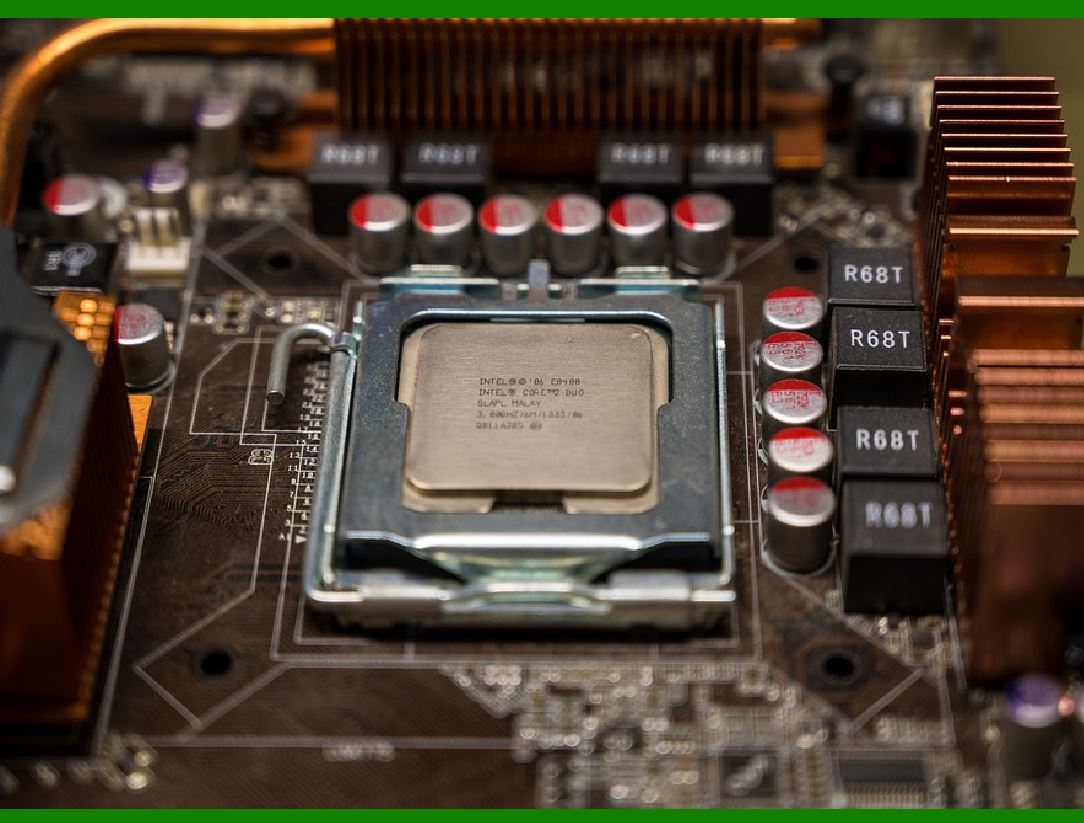
One of the most fundamental aspects of improving electronic devices is the continued development of new semiconductor materials. Traditional silicon-based chips have reached physical and performance limits due to scaling issues, heat dissipation, and power consumption concerns. New materials can push the boundaries of performance, enabling faster, more efficient, and more compact devices. |
1.1 Gallium Nitride (GaN) |
Gallium Nitride (GaN) is a wide-bandgap semiconductor material that has proven to be much more efficient than silicon, especially in power electronics. GaN transistors are capable of operating at higher voltages, frequencies, and temperatures than their silicon counterparts, making them ideal for applications that require high power density and fast switching, such as 5G, electric vehicles, and energy-efficient power supplies. |
1.2 Silicon Carbide (SiC) |
Silicon Carbide (SiC) is another wide-bandgap material that offers high thermal conductivity, high breakdown voltage, and lower energy losses, especially in high-power applications. SiC is already revolutionizing power electronics, and its application in electric vehicle (EV) inverters, industrial motor drives, and renewable energy systems is expected to expand rapidly. SiC-based devices could allow for smaller, more efficient designs that handle higher power levels without generating excess heat. |
1.3 Graphene and Other 2D Materials |
Graphene, a single layer of carbon atoms arranged in a two-dimensional lattice, has shown promise for creating ultra-high-speed transistors with extremely low power consumption. It also has remarkable thermal and electrical conductivity properties, making it an ideal material for managing heat in small devices. In the future, graphene and other 2D materials, like transition metal dichalcogenides (TMDs), could enable faster, more efficient circuits while minimizing energy losses. |
1.4 Quantum Dots |
Quantum dots, tiny semiconductor particles that can be tuned to emit light at specific wavelengths, are being explored for applications in displays, sensors, and energy harvesting. These materials can improve the efficiency of optoelectronic devices and allow for more compact, multifunctional designs. Quantum dots could also play a role in the development of quantum computing, which could revolutionize electronics design in the future. |
|
2. AI and Machine Learning in Design Automation |
Artificial Intelligence (AI) and machine learning (ML) have the potential to fundamentally change the way electronic designs are approached. By automating many aspects of the design process and enabling optimization based on complex criteria, AI and ML can significantly improve efficiency, accuracy, and speed in developing advanced electronic systems. |
2.1 Generative Design and Optimization |
Generative design, driven by AI algorithms, allows designers to explore a wide range of design alternatives based on specific performance criteria such as power efficiency, size, or thermal management. The system can autonomously create new design iterations that would be difficult or time-consuming for human engineers to consider manually. This can greatly reduce the time required for product development while ensuring that optimal solutions are reached faster. |
For example, AI-powered design tools can optimize circuit layouts by automatically adjusting parameters such as component placement, trace routing, and power distribution to minimize interference and heat generation. These tools will likely become essential in developing the next generation of miniaturized, highly integrated systems. |
2.2 Machine Learning for Predictive Modeling and Simulation |
Machine learning can be used to enhance the accuracy and efficiency of simulations, which are crucial in modern electronics design. AI-powered predictive modeling tools can learn from previous simulations and actual real-world data to forecast the behavior of new designs. This could reduce the need for expensive physical prototypes and make simulations faster, allowing designers to quickly assess the performance of various design iterations in different environments. |
2.3 AI-Driven Manufacturing and Quality Control |
AI and computer vision technologies can be integrated into the manufacturing process to detect defects early and optimize the production process. Automated visual inspection systems can scan and evaluate components and circuit boards for defects, ensuring higher yields and reducing errors in the final product. This technology will be crucial as designs become more complex, and precision becomes even more critical. |
|
3. Flexible and Stretchable Electronics |
The development of flexible and stretchable electronics will be a game-changer for the design of wearable devices, health monitoring systems, and even bendable displays. These technologies will allow for electronics to be integrated into forms that were previously not possible, such as clothing, medical implants, and foldable screens. |
3.1 Organic Electronics |
Organic electronics, which use carbon-based materials instead of traditional semiconductors, offer unique properties such as flexibility, low cost, and lightweight. Organic light-emitting diodes (OLEDs) and organic solar cells are already used in displays and energy-harvesting devices. As these materials improve in performance and stability, they could revolutionize consumer electronics, medical devices, and IoT applications by making devices lighter, more adaptable, and more energy-efficient. |
3.2 Stretchable Circuits |
Stretchable electronics, such as circuits embedded in elastic materials, will allow for new forms of human-computer interaction and wearable devices that conform to the shape of the body. These materials will have applications in areas such as health monitoring (e.g., smart bandages that monitor wounds), flexible sensors, and next-generation wearables. Stretchable circuits will also help reduce the size and weight of devices, making them more portable and comfortable. |
|
4. 3D Printing and Additive Manufacturing |
Additive manufacturing, or 3D printing, has the potential to significantly change the way electronics are designed and manufactured. With the ability to create complex, custom shapes and structures, 3D printing enables the rapid prototyping of electronics and the possibility of creating highly integrated, compact, and personalized designs. |
4.1 Printed Electronics |
Printed electronics is a subset of 3D printing that focuses on creating electronic components such as circuits, sensors, and transistors by printing conductive materials directly onto substrates. This approach allows for the creation of thin, flexible, and lightweight electronic devices. Printed electronics could lead to cheaper, faster, and more sustainable production methods, enabling the mass production of disposable or low-cost electronics. |
4.2 Multi-Material Printing |
Advancements in multi-material 3D printing will allow engineers to print electronics that incorporate a variety of materials with different properties. For example, conductive materials, insulators, and even flexible polymers can be printed together in a single process, resulting in integrated systems that would be impossible to manufacture using traditional methods. This capability is particularly useful for creating customized devices and components for specific applications. |
4.3 Rapid Prototyping |
3D printing technology will also continue to play a crucial role in rapid prototyping. Engineers can quickly iterate and test new designs without the long lead times associated with traditional manufacturing methods. By speeding up the prototyping process, designers can test more ideas, catch errors early, and refine designs faster, resulting in shorter development cycles and more innovative products. |
|
5. Edge Computing and Distributed Systems |
Edge computing refers to processing data closer to the source of data generation, rather than relying on centralized cloud-based servers. This distributed computing model is gaining traction due to its ability to reduce latency, enhance security, and improve energy efficiency, especially in systems that require real-time processing, such as autonomous vehicles and industrial automation. |
5.1 Low-Power AI at the Edge |
The integration of AI processing at the edge-on devices themselves, rather than in the cloud-will allow for more efficient use of resources. AI chips designed for low power consumption, such as Google's Edge TPU, will enable edge devices to perform sophisticated tasks like object detection, facial recognition, and sensor data analysis locally. This will significantly reduce the need for high-bandwidth communication with the cloud, saving both time and energy. |
5.2 IoT and 5G Integration |
As IoT devices proliferate and 5G networks become ubiquitous, the demand for distributed computing will increase. Edge computing will allow these devices to process data locally, making them more responsive and reducing dependence on centralized cloud servers. This will also reduce the energy consumption associated with data transmission and help meet the power efficiency needs of next-generation electronics. |
|
6. Blockchain for Electronics Supply Chain and Security |
Blockchain, known primarily for its role in cryptocurrency, has the potential to revolutionize electronics design and manufacturing, particularly in the areas of security, traceability, and supply chain management. |
6.1 Supply Chain Transparency |
In the electronics industry, ensuring that components are sourced from reliable suppliers and meet quality standards is essential. Blockchain can provide an immutable, transparent record of each component's origin and history, making it easier to track the provenance of materials and components. This technology can reduce counterfeiting and ensure the integrity of the entire electronics supply chain. |
6.2 Device Authentication and Security |
Blockchain can also be used to enhance security in electronic devices by providing a secure way to authenticate devices, firmware, and software updates. Each component's identity could be securely stored on a blockchain, making it much harder for malicious actors to compromise a device. In an era of increasing cybersecurity threats, this added layer of protection will be essential for safeguarding both consumers and manufacturers. |
|
Conclusion |
The future of electronics design will be shaped by a host of new technologies that address the increasing complexity of modern devices. Advanced semiconductor materials like GaN and SiC, AI-driven design tools, flexible electronics, 3D printing, edge computing, and blockchain all hold the potential to revolutionize the way electronics are conceived, designed, and produced. These innovations will allow for the development of smaller, faster, and more energy-efficient devices, while also enabling new applications and forms of interaction that were previously not possible. As these technologies continue to evolve, the next generation of electronics will be even more integrated, intelligent, and interconnected, transforming industries and everyday life alike. |
 cs@easiersoft.com