Core Electronic Components of Barcode Label Printers: Power Supply |
Barcode label printers are essential tools in many industries, used to produce labels for products, inventory management, logistics, and shipping. These printers utilize a variety of electronic components to produce high-quality, scannable barcode labels efficiently and consistently. One of the most crucial elements for the operation of these printers is the power supply. The power supply ensures that the necessary electronic components such as the print head, motors, and other systems function optimally throughout their operation. In this detailed breakdown, we will explore the role of the power supply in barcode label printers, the types of power supplies used, how they work, and why they are critical for performance. |
|
1. Introduction to the Role of the Power Supply in Barcode Label Printers |
The power supply in a barcode label printer provides the necessary energy to support various components, enabling the printer to perform tasks such as print head heating, label feeding, and motor operation. These printers rely on a power supply system that can deliver stable and continuous power during both normal operation and periods of heavy load. Barcode printers, especially those used in industrial settings, must operate under demanding conditions, often printing hundreds or thousands of labels daily. As a result, the power supply must be designed to handle such intensive use while ensuring that the printer maintains consistent performance and minimizes downtime. |
The power supply also impacts several factors, including: |
Printer Performance: The printer must operate efficiently and quickly, producing high-quality prints without overheating or experiencing failures. A stable power supply helps ensure that these tasks are completed without issues. |
Durability: Since barcode printers can operate for long hours or in harsh environments, the power supply must be able to withstand fluctuations in power demand and provide a long-lasting and reliable solution. |
Energy Efficiency: With increasing concerns over energy consumption, modern barcode label printers are designed to optimize power usage. The power supply must balance efficiency and performance to reduce operational costs and minimize environmental impact. |
|
2. Types of Power Supplies in Barcode Label Printers |
Barcode label printers generally use two types of power supplies: AC-powered and DC-powered (battery-operated for portable devices). The choice of power supply depends on the printer's design, intended application, and mobility requirements. |
2.1 AC-Powered Power Supplies |
AC-powered barcode printers are the most common type, especially in stationary settings such as warehouses, factories, and retail environments. These printers require a connection to a wall outlet for operation. |
How AC Power Works in Barcode Printers: In this configuration, the printer is connected to an alternating current (AC) source. The AC power is then converted into direct current (DC) by an internal power supply unit (PSU) to drive the electronic components. |
Advantages of AC-Powered Printers: AC-powered systems provide continuous power and do not require charging or battery replacement. They are well-suited for environments with a stable and reliable power grid, and they are capable of supporting high-volume printing tasks, such as those in industrial settings. |
Components of an AC-Powered Power Supply: |
Transformer: The transformer steps down the high-voltage AC from the electrical grid to a lower voltage that is suitable for the printer. |
Rectifier: The rectifier converts AC into DC power. This is essential because the electronic components in the printer operate on DC power, not AC. |
Filter: A filter smooths out the ripples in the DC power to provide a steady output. |
Regulator: The voltage regulator ensures that the output DC voltage remains constant, even if there are fluctuations in the AC input or the printer's load. |
2.2 DC-Powered (Battery-Operated) Power Supplies |
For portable barcode label printers, DC-powered systems are commonly used. These printers are equipped with rechargeable batteries that allow them to function without being tethered to an external power source. |
How Battery-Powered Printers Work: In a battery-operated barcode printer, the printer has an internal rechargeable battery that provides DC power. The power is distributed to the various components of the printer, such as the motors, print head, and control circuits. |
Advantages of Battery-Powered Printers: These printers are designed for mobility and are ideal for environments where portability is required, such as in field operations, retail checkout, or in logistics and transportation. Battery-powered printers are typically lighter and more compact compared to their AC-powered counterparts. |
Components of a DC-Powered Power Supply: |
Battery: Typically, lithium-ion or lead-acid batteries are used, as they offer a good balance of energy density, weight, and cost. The battery provides the necessary DC voltage to operate the printer. |
Charger: A built-in charger allows the battery to be recharged between uses. The charging circuit manages the process to ensure that the battery does not overcharge, which could reduce its lifespan or cause safety issues. |
Voltage Regulator: Similar to AC-powered printers, battery-operated printers also require voltage regulation to ensure a stable voltage supply to the internal components, preventing damage due to over-voltage or under-voltage conditions. |

|
3. Power Consumption and Efficiency |
One of the major considerations for the power supply in barcode label printers is ensuring that the system is efficient, particularly when operating at high volumes. An efficient power supply minimizes energy waste, reduces operating costs, and contributes to the environmental sustainability of the printer. |
3.1 Power Consumption Factors |
Print Head: The print head is one of the primary consumers of power in a barcode label printer. In thermal printers, for instance, the print head requires significant energy to heat up the elements that will burn the image onto the label. The amount of energy required depends on the print head's resolution, the number of heating elements, and the print speed. |
Motors: The motors in barcode label printers are used to feed the label stock through the printer and to move the print head. These motors also require power, and their consumption can vary depending on the speed at which the printer operates. |
Control Electronics: The control circuitry, including the processor, memory, and communication interfaces, also draws power. However, these components typically consume less power compared to the print head or motors. |
3.2 Power Management Techniques |
Modern barcode printers employ various power management techniques to improve overall energy efficiency. These include: |
Low Power Mode: Many barcode printers feature a low-power or sleep mode, which reduces the power consumption of non-essential components when the printer is idle or not in use. For example, the print head may be powered down when the printer is waiting for the next label to print. |
Dynamic Power Adjustment: Some printers can adjust their power consumption based on the type of job being printed. For instance, during large print runs, the printer may increase power to ensure faster print speeds, while smaller print jobs may use less power. |
Power Factor Correction: For AC-powered printers, power factor correction ensures that the current is in phase with the voltage. This maximizes the efficiency of the power supply, reducing energy losses and improving the overall power factor of the printer. |
|
4. Power Supply Reliability and Durability |
Reliability and durability are critical aspects of the power supply in barcode label printers. The power supply must be able to perform consistently over time, even under demanding conditions. |
4.1 Temperature Variations |
Barcode label printers are often used in environments with significant temperature fluctuations. For example, printers used in warehouses, factories, or outdoor settings may face extreme heat or cold. The power supply must be able to function properly in these conditions without overheating or suffering from voltage instability. |
4.2 Overload and Short Circuit Protection |
To ensure the safety and longevity of the printer, the power supply is designed with built-in protections to prevent damage from overloads or short circuits. Overload protection automatically shuts down the power supply if the current exceeds a certain threshold, while short-circuit protection prevents damage to components if a short circuit occurs. |
4.3 Surge Protection |
Surge protection is essential to protect the power supply and the printer's internal components from power spikes caused by lightning, power outages, or other disturbances in the electrical grid. Surge protectors in the power supply absorb these spikes, preventing them from damaging the printer. |
4.4 Battery Life (for Portable Printers) |
For battery-powered barcode label printers, battery life is a crucial factor. A robust and efficient power supply system is needed to ensure that the battery can last throughout the day without requiring frequent recharging. The battery should be able to maintain stable power output throughout its life and degrade slowly over time. |
|
5. The Power Supply's Impact on Print Quality and Speed |
The power supply plays a crucial role in determining the overall performance of the barcode printer, especially in terms of print quality and speed. |
5.1 Print Quality |
A stable and reliable power supply ensures that the print head receives consistent power to generate accurate and clear prints. Any instability in power delivery can cause uneven heating of the print elements, resulting in blurry, inconsistent, or unreadable barcodes. This is particularly important for thermal printers, where the print head must heat up evenly to produce high-quality prints. |
5.2 Print Speed |
Print speed is another factor that is influenced by the power supply. During high-speed printing operations, the printer demands more power to drive the print head and feed the labels at the necessary rate. A robust power supply ensures that these operations are carried out quickly and efficiently without delays or slowdowns, which could affect throughput in high-volume environments. |
|
6. Conclusion |
In conclusion, the power supply is a critical component in the functioning of barcode label printers. It ensures that the various electronic components such as the print head, motors, and control systems receive the power they need to perform efficiently and reliably. Whether the printer is AC-powered or battery-operated, the power supply must be carefully designed to meet the printer's specific requirements. Factors such as power consumption, energy efficiency, durability, and the ability to manage fluctuations in voltage are all key considerations in the design of the power supply. A well-engineered power supply system contributes to the overall performance, reliability, and longevity of the printer, making it an indispensable part of barcode label printing technology. |
|
Manufacturing Technology and Key Manufacturers of Power Supplies for Barcode Label Printers |
Power supplies are one of the most critical components in barcode label printers, directly affecting their reliability, performance, and efficiency. As the demand for high-quality, high-speed, and energy-efficient barcode printing solutions grows, the manufacturing technology behind these power supplies has advanced to keep pace with technological and environmental requirements. In this section, we will explore the key manufacturing technologies behind power supplies for barcode label printers and highlight some of the leading manufacturers in this space. |
1. Manufacturing Technology of Power Supplies for Barcode Label Printers |
The manufacturing technology for power supplies in barcode label printers has evolved significantly in recent years, driven by advances in component miniaturization, energy efficiency, and cost reduction. The main goal of power supply technology in barcode printers is to ensure stable and reliable power delivery to all internal components, even under demanding conditions. Below are the key aspects of the manufacturing technology involved in producing power supplies for these devices. |
1.1 Switching Power Supply (SMPS) Technology |
The most commonly used type of power supply in barcode printers is the Switching Mode Power Supply (SMPS). This technology is widely used due to its efficiency, compact size, and ability to handle varying power demands. SMPS works by converting the incoming AC voltage into a high-frequency AC signal, which is then rectified and regulated to provide the required DC output. |
Advantages of SMPS: SMPS are highly efficient (typically 80-90% or more), allowing barcode printers to deliver high performance while consuming less energy. They also generate less heat, which is crucial for maintaining the longevity of components like the print head. |
Design and Production: SMPS technology relies on various components such as transistors (MOSFETs), inductors, capacitors, and transformers, which are used to convert, store, and regulate power. Advanced circuit design techniques are employed to ensure that these components work together seamlessly to achieve high efficiency and low power loss. |
Miniaturization: As printers become more compact and portable, power supply manufacturers use miniaturization techniques, including the use of small, high-performance components. This allows for smaller power supply units (PSUs) that fit into the limited space available in modern barcode printers, particularly mobile or handheld models. |
Efficiency Standards and Regulations: Modern power supplies for barcode label printers must adhere to strict energy efficiency standards, such as the ENERGY STAR certification or other regional guidelines. Manufacturers employ technologies like power factor correction (PFC) to improve the efficiency and reduce harmonic distortion in the power supply. |
|
1.2 Linear Power Supply Technology |
Linear power supplies are sometimes used in barcode printers that require a very stable and low-noise power source, which is essential for applications where precision is critical. These power supplies convert AC to DC using a linear regulator, which offers a very stable output with minimal electrical noise. |
Advantages of Linear Power Supplies: They provide clean and stable DC output, which is ideal for sensitive electronic components in barcode printers that require consistent and noise-free power, especially in high-resolution thermal printing applications. |
Disadvantages: However, linear power supplies are typically less efficient than SMPS, as they generate more heat and consume more energy. As a result, they are generally used in specific high-end or specialized barcode printers where low noise is more important than energy efficiency. |
|
1.3 Power Supply Integration |
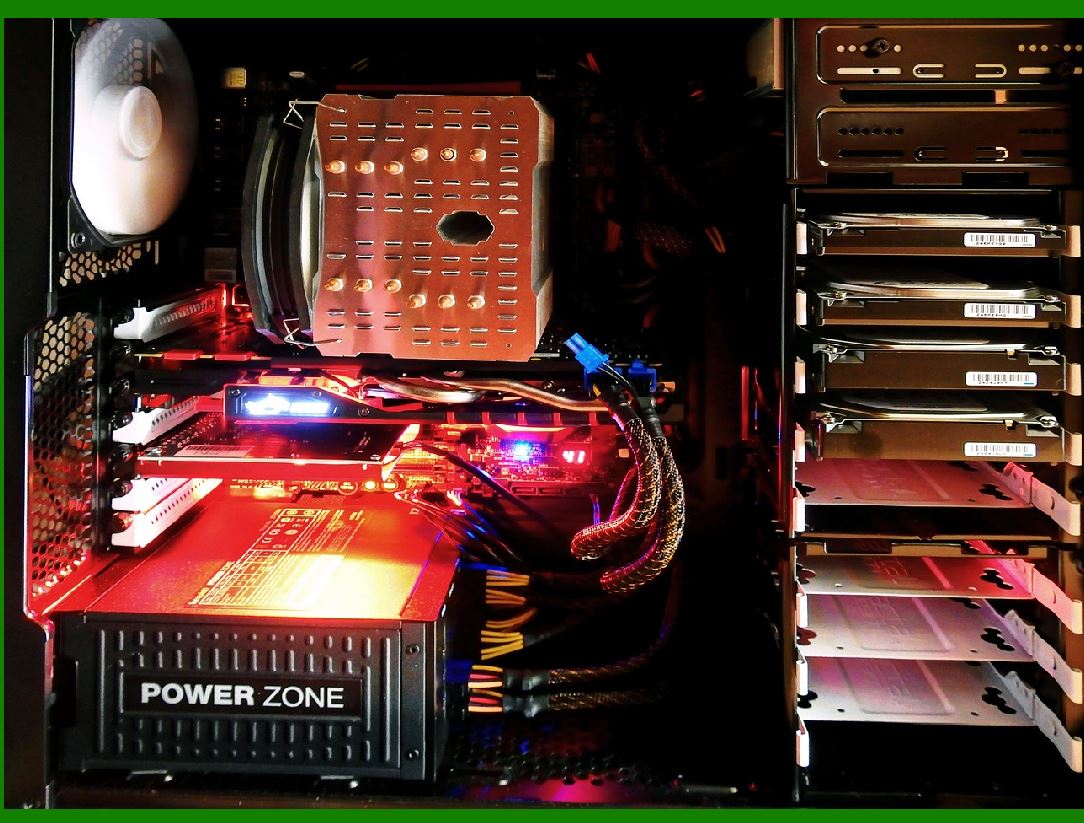
With the trend toward smaller and more compact barcode printers, power supply units (PSUs) are becoming increasingly integrated into the design of the printer. In some cases, power supply circuitry is integrated into the printer's main board, allowing for a more compact and streamlined design. Integrated PSUs help reduce the overall size of the printer, making it more portable while still delivering the necessary power to drive the print head, motors, and other components. |
|
1.4 Thermal Management Technologies |
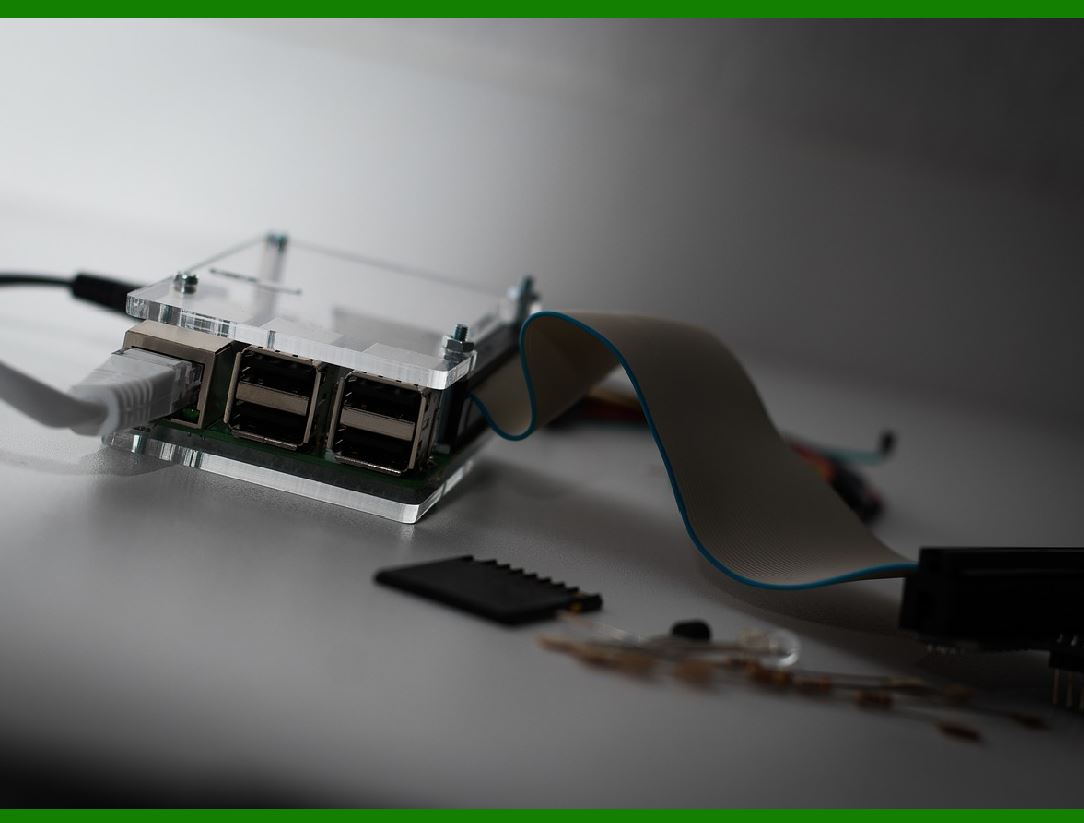
Effective thermal management is essential in power supplies, especially for barcode printers that are used in high-volume printing operations. As the power supply delivers energy to components like the print head, motors, and circuits, it generates heat. To maintain the longevity and reliability of the power supply, modern manufacturing techniques employ: |
Heat Sinks and Cooling Systems: Active cooling systems (such as small fans) or passive cooling systems (such as heat sinks) are integrated into power supplies to dissipate heat efficiently. |
Thermal Cutoffs and Protection: Many power supply designs incorporate thermal cutoff switches and temperature sensors that automatically shut down or reduce power if the temperature exceeds safe operating limits. |
|
1.5 Printed Circuit Board (PCB) Manufacturing |
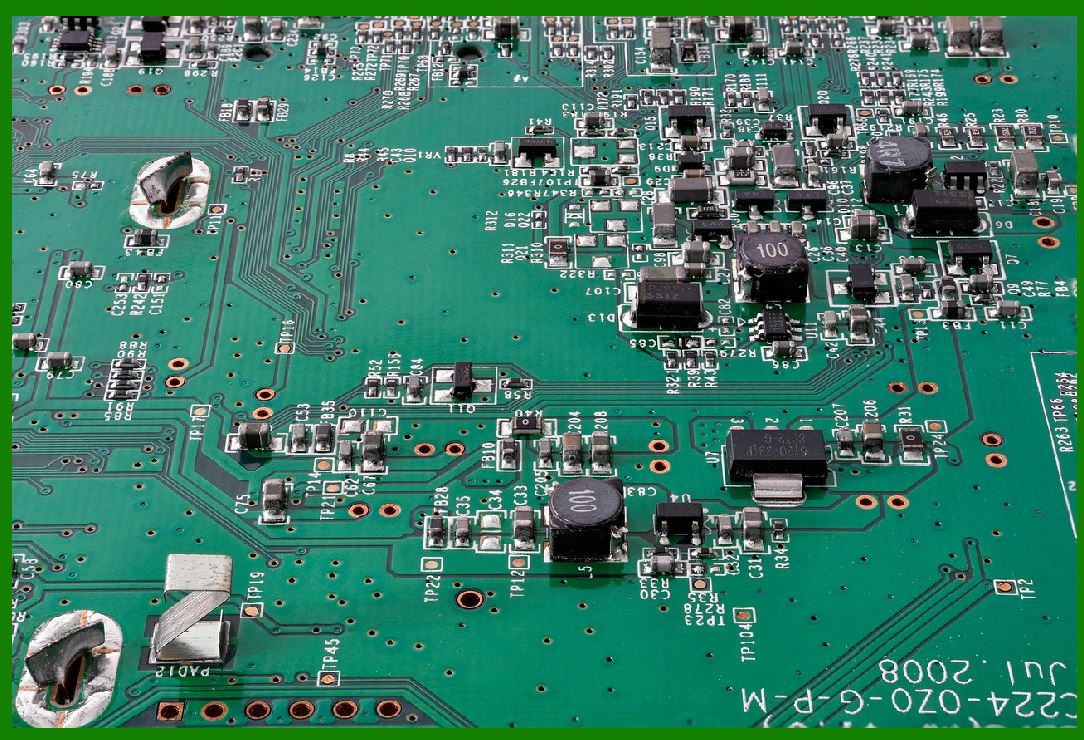
The power supply's PCB design and manufacturing are critical to ensuring the reliability and performance of the system. Modern PCB manufacturing technologies allow for multi-layered, compact, and high-density designs that maximize the available space in a barcode label printer. |
High-Density Interconnect (HDI) PCBs: These advanced PCBs enable the design of compact and reliable power supplies, as they allow for more components to be placed within a smaller area without sacrificing performance. |
Automated Soldering and Assembly: Automated technologies, including surface-mount technology (SMT), are commonly used to assemble power supplies for barcode printers. These techniques improve production efficiency and ensure the high quality of solder joints and component placement. |

|
2. Main Manufacturers of Power Supplies for Barcode Label Printers |
Several companies are recognized as leaders in the design, manufacturing, and supply of power supplies for barcode label printers. These manufacturers provide power supplies that meet the rigorous performance and reliability standards required for high-volume and portable printing solutions. Below are some of the key manufacturers: |
2.1 MeanWell Enterprises Co., Ltd. |
Overview: MeanWell is a global leader in the development and manufacturing of power supplies, including those used in barcode label printers. Known for its high-quality and energy-efficient products, MeanWell produces a wide range of power supply solutions that cater to both industrial and portable barcode printing applications. |
Key Products: MeanWell offers a range of power supplies that are used in thermal and inkjet barcode label printers, including AC-DC power supplies, DC-DC converters, and battery chargers for portable models. |
Technology: The company utilizes advanced SMPS technology, offering high efficiency, compact designs, and compliance with international energy standards such as ENERGY STAR. |
Global Reach: With production facilities in Taiwan and a global distribution network, MeanWell is a trusted supplier for many printer manufacturers worldwide. |
|
2.2 Delta Electronics, Inc. |
Overview: Delta Electronics is one of the largest manufacturers of power supplies and energy-efficient components. The company provides power solutions for a wide variety of applications, including barcode label printers, industrial equipment, and consumer electronics. |
Key Products: Delta produces a range of power supplies for barcode printers, focusing on providing compact, reliable, and energy-efficient units for both stationary and portable models. |
Technology: Delta is known for using cutting-edge technologies such as PFC, high-efficiency SMPS, and energy-saving designs that reduce the environmental impact of its products. |
Innovation: Delta's commitment to innovation includes research and development in the areas of renewable energy and power management, ensuring that its power supplies meet the latest industry standards. |
|
2.3 Powerbox |
Overview: Powerbox is a leading supplier of industrial power supplies and embedded power systems. The company designs and manufactures power supplies for a wide range of applications, including barcode printers, automation systems, and healthcare devices. |
Key Products: Powerbox offers high-performance AC-DC power supplies for thermal barcode printers, as well as DC-DC converters for battery-operated models. |
Technology: Powerbox specializes in rugged, high-reliability power supplies designed for challenging environments, including high-temperature and high-humidity conditions, which are often encountered in industrial barcode printing operations. |
Sustainability: Powerbox is committed to producing energy-efficient solutions that comply with international standards for environmental impact, such as RoHS and WEEE. |
|
2.4 Artesyn Embedded Technologies |
Overview: Artesyn Embedded Technologies is a leading provider of power conversion solutions. The company designs and manufactures high-efficiency power supplies that are used in a wide array of applications, including barcode printers, telecommunications equipment, and medical devices. |
Key Products: Artesyn's power supplies for barcode printers include both external AC-DC adapters and integrated power solutions for embedded applications. |
Technology: Artesyn is known for its expertise in high-density power supplies and for offering solutions that optimize power efficiency while minimizing heat generation. |
Innovation: Artesyn invests heavily in research and development to create next-generation power supplies, including solutions that are capable of handling complex and demanding tasks in industrial and mobile barcode printing applications. |
|
2.5 Toshiba Electronics |
Overview: Toshiba is a well-established name in the electronics industry, producing a wide range of products, including power supplies for barcode printers. Toshiba's power solutions are particularly known for their quality and reliability in industrial applications. |
Key Products: Toshiba produces power supplies for both thermal and inkjet barcode printers, with a focus on providing energy-efficient and durable solutions for high-volume printing. |
Technology: Toshiba employs advanced power conversion technologies, ensuring stable power output and meeting energy efficiency standards such as ENERGY STAR. |
Global Presence: Toshiba's global network of manufacturing plants and distribution partners ensures that its power supplies are available to barcode printer manufacturers around the world. |
|
3. Conclusion |
The power supply is an integral component in the design and operation of barcode label printers. Advancements in manufacturing technology, such as the adoption of SMPS, high-density PCB design, and integrated cooling solutions, have significantly improved the performance, efficiency, and compactness of these components. Leading manufacturers like MeanWell, Delta Electronics, Powerbox, Artesyn Embedded Technologies, and Toshiba continue to innovate in this space, providing reliable, energy-efficient power solutions for both stationary and portable barcode printers. These companies play a vital role in supporting the growth of industries that rely on barcode printing, ensuring that printers can deliver high-quality, reliable, and energy-efficient performance. |
 cs@easiersoft.com