1. Introduction to Defect Detection and Quality Control in Manufacturing |
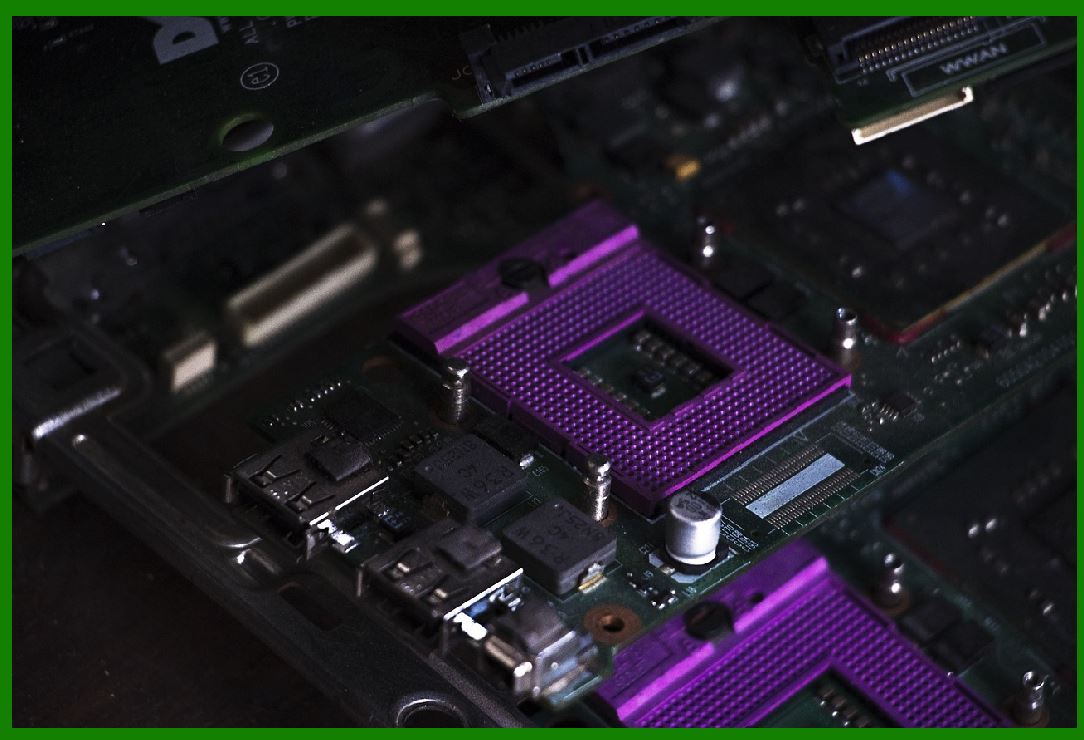
In modern manufacturing environments, ensuring product quality and minimizing defects are crucial for maintaining competitiveness and meeting safety standards. A defect in a manufactured product can range from minor aesthetic flaws to critical structural weaknesses that compromise the functionality or safety of the product. As manufacturing processes have become more complex, with products becoming more intricate and precise, the need for sophisticated defect detection and quality control systems has intensified. This is particularly true in industries like electronics, aerospace, and automotive manufacturing, where even the smallest defect can have significant consequences. |
Traditional quality control (QC) methods, while effective in some contexts, often fall short when dealing with the volume, complexity, and precision required in modern manufacturing processes. Manual inspection by human workers is prone to error, fatigue, and inconsistency. Automated inspection systems, though faster and more consistent, can still miss subtle defects due to limitations in their programming or sensor capabilities. As a result, the advent of artificial intelligence (AI) in defect detection and quality control systems has brought a paradigm shift. By leveraging machine learning (ML), computer vision, and deep learning algorithms, AI systems can achieve higher levels of accuracy, speed, and efficiency in detecting defects compared to traditional methods. |
|
2. The Cost of Defects in Manufacturing |
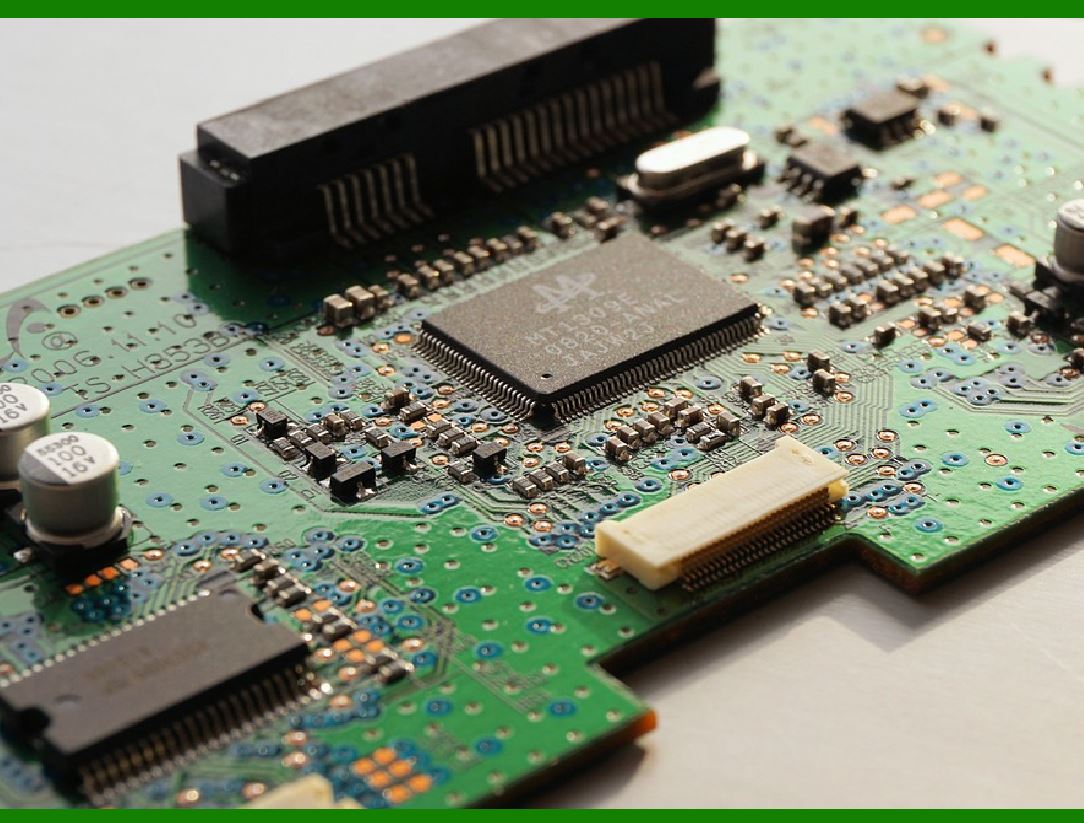
The cost of defects in manufacturing can be staggering. It is not just about the direct cost of scrap and rework; defective products can also result in delays, regulatory penalties, loss of customer trust, and reputational damage. In industries like aerospace and electronics, defects can lead to catastrophic failures, which can cause harm to people, property, or the environment. For example, a minor flaw in an aircraft's structural component or an electronic device's circuit board can lead to malfunction, rendering the entire product unsafe for use. |
Beyond the direct financial implications, defects can also lead to supply chain disruptions, lost production time, and legal liabilities. The ability to detect defects early in the production process can significantly reduce the cost of corrective actions. Identifying defects before the product reaches the customer can save manufacturers from costly recalls and damage to their brand reputation. Therefore, the ability to implement effective quality control measures that can detect defects at every stage of production is of paramount importance. |
|
3. Traditional Quality Control Methods |
Traditional quality control methods in manufacturing have relied on a combination of manual inspections and automated checks. These methods can be broadly classified into the following categories: |
3.1 Manual Inspections |
Manual inspections involve human workers visually examining products or components during or after the production process. Inspectors check for physical defects, such as cracks, surface imperfections, misalignment, or incorrect dimensions. While manual inspections have been a staple in quality control for many years, they have significant limitations: |
Subjectivity: Human inspectors can have varying levels of expertise, and their judgment can be influenced by factors such as fatigue, boredom, or distractions. |
Inconsistency: Different inspectors may interpret quality standards in slightly different ways, leading to inconsistencies in defect detection. |
Speed: Manual inspection is time-consuming and may not be suitable for high-volume production environments, leading to delays in production and increased costs. |
Limited Scope: Human inspectors can only detect visible defects or those that are easily identifiable through tactile examination. Hidden or microscopic defects are often missed. |
3.2 Automated Inspection Systems |
Automated inspection systems use sensors and cameras to detect defects during the manufacturing process. These systems can include optical sensors, laser scanners, and coordinate measuring machines (CMMs). While automated systems are more consistent and faster than manual inspections, they have limitations as well: |
Fixed Rules: Traditional automated systems often rely on pre-programmed rules that define specific characteristics of acceptable products. These systems can fail to detect novel or previously unseen defects that fall outside of predefined parameters. |
Limited Flexibility: Automated inspection systems may struggle to handle variations in product designs, especially when dealing with complex or highly detailed components. |
False Positives/Negatives: These systems may generate false positives (indicating defects where there are none) or false negatives (missing defects that do exist), leading to inefficiencies and incorrect assessments. |
Despite these limitations, automated inspection systems are widely used in manufacturing due to their ability to operate continuously, quickly, and with a high degree of repeatability. |
|
4. The Role of AI in Defect Detection and Quality Control |
Artificial intelligence (AI) has emerged as a transformative tool for enhancing defect detection and improving quality control in manufacturing. AI-powered systems use machine learning algorithms, computer vision, and deep learning techniques to analyze production data and identify defects with greater precision than traditional methods. AI systems can learn from vast amounts of data, adapt to new situations, and improve over time, making them more capable of handling the complex and dynamic nature of modern manufacturing. |
AI's impact on defect detection and quality control can be broken down into several key areas: |
4.1 Machine Learning and Pattern Recognition |
Machine learning (ML) algorithms can be trained to recognize patterns and anomalies in large datasets. These algorithms analyze historical production data, including images, sensor readings, and measurements, to learn the characteristics of 'normal' products. Once trained, the algorithms can detect deviations from the normal patterns, which may indicate defects. |
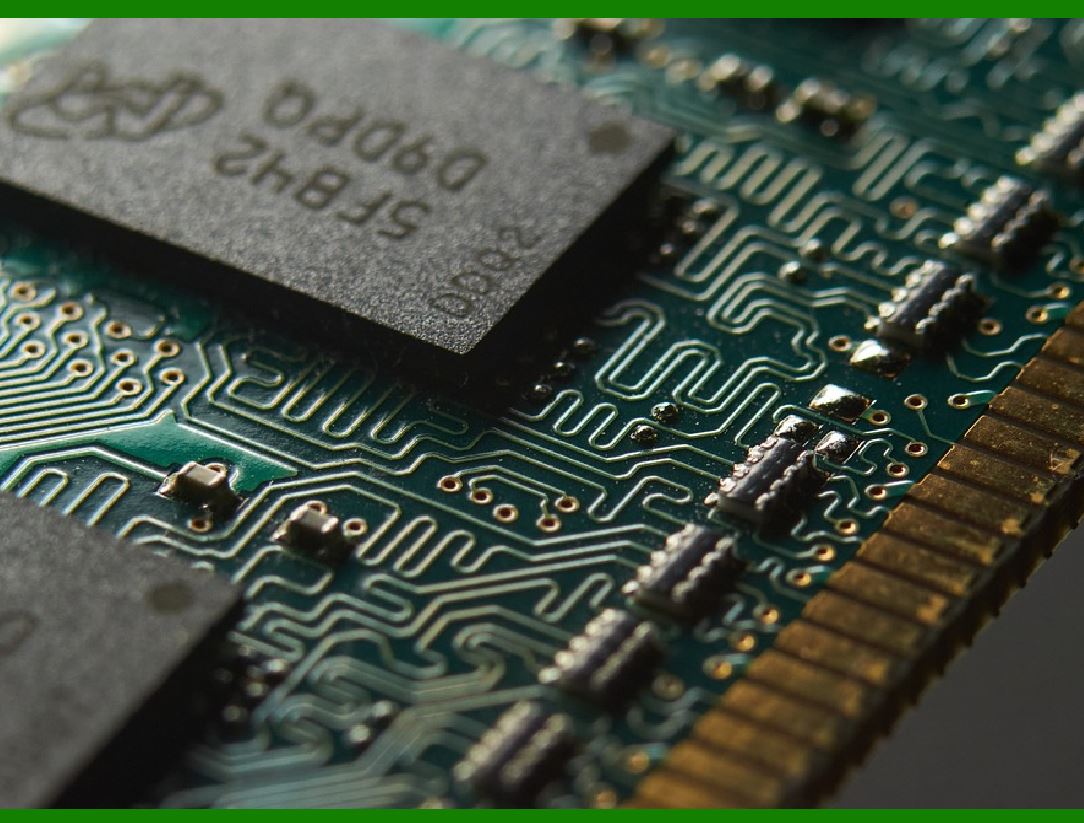
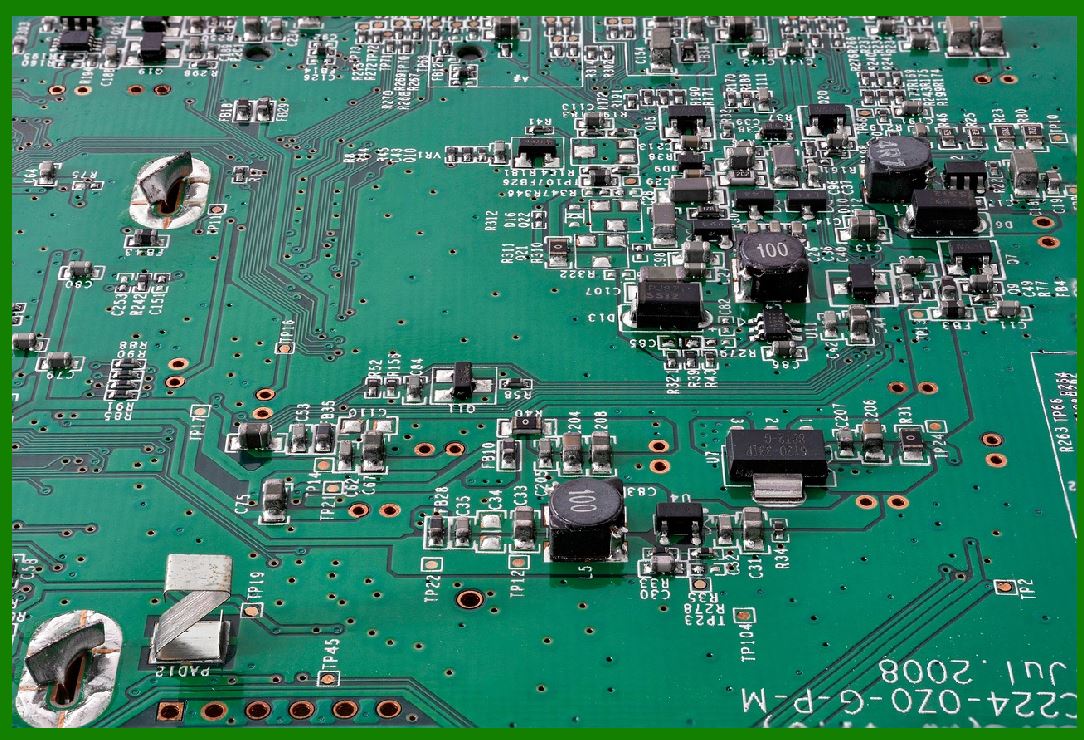
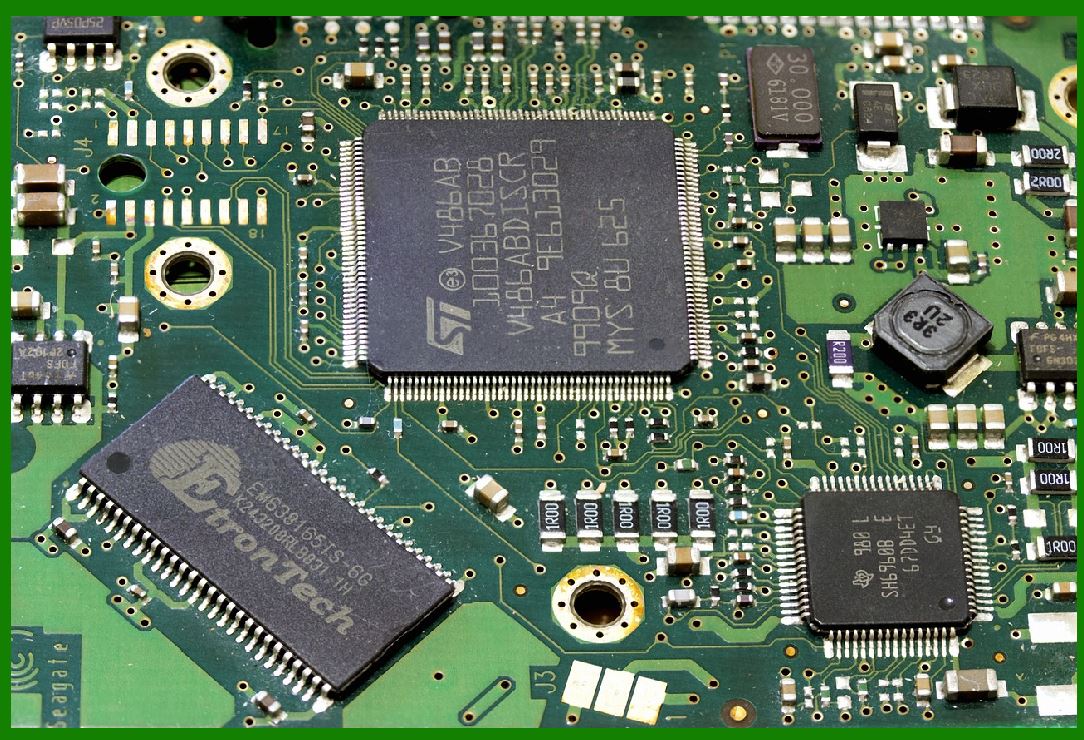
For example, in a production line producing circuit boards, an AI system can analyze high-resolution images of each board and identify patterns of micro-cracks, soldering issues, or component misalignments. By training the system on a large dataset of defect-free boards, the AI model can learn to detect subtle defects that may not be visible to the human eye. |
4.2 Computer Vision |
Computer vision plays a central role in AI-powered defect detection systems. By processing visual data captured by cameras or other imaging devices, computer vision algorithms can detect defects such as surface scratches, dents, color inconsistencies, and geometric misalignments. These systems often use deep learning techniques, particularly convolutional neural networks (CNNs), to analyze images in a way that mimics human visual perception. |
For example, in the automotive industry, computer vision systems can be used to inspect painted car parts for surface defects like blemishes, drips, or uneven paint coverage. The system compares the captured images to a reference model to detect any discrepancies, significantly speeding up the inspection process and improving accuracy. |
4.3 Deep Learning and Neural Networks |
Deep learning, a subset of machine learning, uses artificial neural networks to process large volumes of data. These networks are composed of multiple layers of interconnected nodes that learn to extract hierarchical features from raw data. Deep learning models, particularly CNNs, are highly effective in image recognition tasks, making them ideal for defect detection in industries where visual inspection is critical. |
One of the key advantages of deep learning is its ability to learn from unstructured data. As more data becomes available from the production process, deep learning models can improve their accuracy in identifying defects. In addition, these models can be fine-tuned to adapt to new types of defects or changes in production processes, making them highly flexible. |
4.4 Real-Time Monitoring and Feedback |
AI-powered defect detection systems can operate in real-time, providing immediate feedback to the production line. As products are manufactured, cameras and sensors continuously capture data that is analyzed by AI algorithms. When a defect is detected, the system can trigger an alert, stop the production line, or even initiate corrective actions such as adjusting machinery or reprogramming automated tools. |
This real-time capability is crucial in high-speed manufacturing environments where defects can accumulate quickly if left undetected. By catching defects early in the production process, manufacturers can prevent further waste, reduce downtime, and avoid defects from propagating through to later stages of production. |
4.5 Predictive Analytics and Maintenance |
AI systems can also be used for predictive analytics and preventive maintenance in manufacturing. By analyzing data from sensors, AI can predict when a machine or process is likely to fail, allowing operators to take preemptive action before defects occur. This reduces the likelihood of defects being introduced due to faulty equipment, as well as minimizing downtime and repair costs. |
For instance, in a semiconductor manufacturing plant, AI systems can analyze data from equipment such as etching machines or ion implanters to predict when they are likely to require maintenance. This allows maintenance teams to intervene before a malfunction leads to a defect in the finished products. |
|
5. Benefits of AI in Defect Detection |
AI-powered defect detection and quality control systems offer several significant benefits over traditional methods: |
5.1 Increased Accuracy |
AI systems can analyze complex data with high precision, identifying defects that may be missed by human inspectors or traditional automated systems. Through deep learning and pattern recognition, AI can detect subtle, microscopic, or hidden defects that would be difficult or impossible for a human inspector to identify. |
5.2 Faster Detection |
AI systems can process large amounts of data in real-time, enabling faster defect detection compared to manual inspections or traditional automated systems. This increased speed not only improves efficiency but also reduces the time required for quality assurance, allowing for faster production cycles. |
5.3 Reduced Human Error |
AI systems are not subject to fatigue, distraction, or inconsistency, making them less prone to errors compared to human inspectors. This leads to more reliable and consistent defect detection across different production shifts and operators. |
5.4 Scalability |
AI-powered systems can easily scale to handle higher volumes of data as production lines expand. As the volume of products increases, AI systems can adapt by processing more images or sensor readings without sacrificing speed or accuracy. |
5.5 Continuous Improvement |
AI systems improve over time as they are exposed to more data. This means that as new types of defects emerge or production processes change, AI systems can continue to adapt and refine their detection capabilities. |
|
6. Challenges and Considerations |
Despite the numerous advantages, the implementation of AI-powered defect detection systems also comes with challenges: |
6.1 Data Quality and Availability |
AI systems require large amounts of high-quality data to train effectively. In many manufacturing environments, data may be sparse or inconsistent, making it difficult to develop accurate models. Additionally, data privacy and security concerns may arise when collecting and storing sensitive manufacturing data. |
6.2 Integration with Existing Systems |
Integrating AI-powered defect detection systems with existing manufacturing equipment and production lines can be complex and costly. It may require retrofitting older machinery with sensors and cameras, as well as ensuring that AI algorithms can interface with the existing software and control systems. |
6.3 Initial Cost |
While AI systems offer long-term savings and efficiency gains, the initial investment required for implementation can be high. The costs of cameras, sensors, computing infrastructure, and software development can be significant, especially for small and medium-sized manufacturers. |
6.4 Training and Expertise |
Implementing AI in manufacturing requires specialized knowledge in both AI and manufacturing processes. Manufacturers may need to invest in training their workforce or hiring new talent with expertise in machine learning, data analysis, and AI systems. |
|
7. Conclusion |
AI-powered defect detection and quality control systems represent a significant leap forward in manufacturing, offering increased accuracy, speed, and efficiency compared to traditional methods. By leveraging machine learning, computer vision, and deep learning techniques, manufacturers can identify defects earlier in the production process, reducing costs and improving product quality. While the initial investment and integration challenges may pose hurdles, the long-term benefits of AI in manufacturing are undeniable, particularly in industries where safety, precision, and reliability are paramount. As AI continues to evolve, its role in manufacturing quality control will only become more central, helping manufacturers stay competitive in an increasingly demanding global market. |
|
8. Future Challenges of AI in Defect Detection and Quality Control |
While AI-powered defect detection and quality control systems offer significant advantages, there are several challenges that manufacturers will need to address as AI continues to evolve and become more integrated into production environments. These challenges span a wide range of technical, operational, and strategic areas and must be navigated carefully to ensure that the full potential of AI can be realized. Here are the key challenges AI systems are likely to face in the future: |
8.1 Data Quality, Availability, and Privacy |
One of the core requirements for AI systems is high-quality, abundant data to train machine learning models. However, in many manufacturing environments, data may be sparse, inconsistent, or incomplete. This can make it difficult for AI systems to learn accurate patterns and effectively detect defects. The following issues are particularly relevant: |
Data Scarcity: In some cases, there may not be enough labeled data to train robust machine learning models. For example, certain types of defects may occur infrequently, making it hard to generate a comprehensive dataset for training purposes. |
Data Inconsistency: Data collected from various machines or sensors may not always be consistent in terms of format, quality, or frequency. Discrepancies in data from different production lines or over time could affect the AI model's performance and reliability. |
Data Privacy and Security: As manufacturing processes become more digitized, the amount of sensitive data being generated will increase. This raises concerns about data privacy, especially in industries where intellectual property or trade secrets are involved. Secure storage, encryption, and data sharing practices will be critical to prevent leaks or breaches. |

|
8.2 Lack of Generalization Across Different Manufacturing Environments |
AI models, particularly those based on deep learning, tend to perform very well in environments where they have been extensively trained and tested. However, they often struggle to generalize to new or slightly different production environments. This limitation could create several challenges: |
New Product Variations: In many industries, products undergo frequent design changes or product variations. AI systems that were trained on one version of a product may struggle to detect defects in another version if the new version deviates in terms of material, shape, size, or manufacturing process. |
Customization and Flexibility: Different manufacturers or suppliers may use slightly different processes, tools, or materials that result in subtle variations in the products. AI systems will need to be adaptable and flexible enough to account for these variations without significant retraining or reprogramming. |
Cross-Industry Applicability: AI systems designed for defect detection in one industry may not be easily transferable to another. For example, the AI model used for detecting defects in automotive parts may not work well in the aerospace or electronics industries due to different manufacturing processes, materials, and defect types. |

|
8.3 Model Interpretability and Transparency |
Many AI models, especially deep learning models, operate as 'black boxes,' meaning they make predictions or decisions without offering a clear explanation of how those decisions were made. This lack of transparency can present several problems in manufacturing environments: |
Trust and Adoption: Manufacturers may be hesitant to adopt AI-based defect detection systems if they cannot understand why the system flagged a particular product as defective. Without transparency, it can be difficult to build trust in the system's accuracy and reliability. |
Regulatory Compliance: In industries like aerospace, medical devices, or automotive manufacturing, regulatory bodies require detailed documentation and validation of quality control processes. AI models that lack interpretability could make it challenging to meet these requirements, particularly if regulators demand an explanation of how defects were detected and how decisions were made. |
Debugging and Improvement: When AI systems make mistakes, it is essential for engineers and quality control experts to understand why the system failed. If the model's inner workings cannot be interpreted, debugging and improving the system becomes more challenging. |

|
8.4 Integration with Legacy Systems and Processes |
While AI promises significant improvements in defect detection, many manufacturers still rely on legacy equipment and systems that are not designed to integrate with advanced AI technologies. The integration of AI with existing manufacturing infrastructure will present several challenges: |
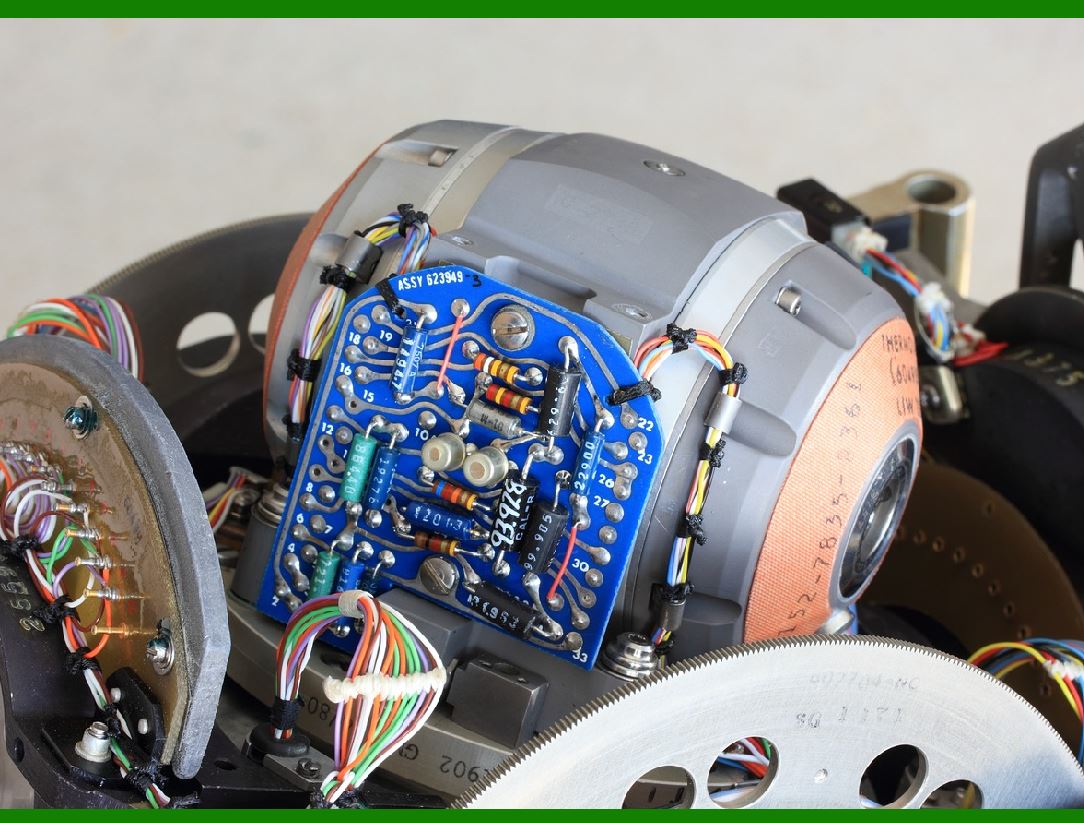
System Compatibility: Legacy manufacturing systems, machines, and equipment often run on older software and hardware platforms that may not be compatible with the latest AI tools. Updating or retrofitting these systems to work with AI can be time-consuming and expensive. |
Data Silos: Manufacturing environments often involve multiple departments, processes, and systems that generate data in isolation. Integrating AI requires the ability to consolidate and analyze data across the entire production chain, which may involve breaking down data silos and implementing new data-sharing protocols. |
High Integration Costs: Retrofitting older equipment with AI-powered sensors, cameras, or computational hardware can be expensive. Manufacturers will need to carefully evaluate the cost-benefit ratio before deciding whether to integrate AI systems into their existing infrastructure. |
|
8.5 High Initial Investment and ROI Uncertainty |
AI-based defect detection systems require substantial upfront investment in terms of hardware, software, training, and system integration. While the long-term benefits of AI-such as improved defect detection, reduced waste, and faster production times-are clear, the initial costs can be a significant barrier to adoption, particularly for smaller manufacturers or those with limited budgets. |
High Capital Investment: The cost of cameras, sensors, edge devices, computing infrastructure, and AI development can be a heavy burden for manufacturers, especially small and medium-sized enterprises (SMEs) that may not have the resources to invest in expensive AI systems. |
ROI Uncertainty: Determining the return on investment (ROI) for AI systems is challenging because the benefits-such as reduced defect rates, improved customer satisfaction, and lower recall costs-are often indirect and long-term. Manufacturers may be reluctant to make significant investments without a clear and quantifiable understanding of how soon they will see the financial returns. |
Changing Business Models: As AI systems improve and evolve, manufacturers may need to adapt their business models to take full advantage of these technologies. This could require changes in production workflows, supply chain management, or customer service, all of which could introduce additional complexities and costs. |
|
8.6 Ethical and Workforce Implications |
The widespread implementation of AI in manufacturing also raises concerns about job displacement, workforce reskilling, and the ethical implications of AI decision-making: |
Job Displacement: AI and automation systems have the potential to replace human workers, especially in tasks such as visual inspection or quality assurance. While AI can improve productivity and reduce defects, it could lead to job losses in roles that are traditionally performed by humans. |
Reskilling the Workforce: To address potential job displacement, manufacturers will need to invest in reskilling their workforce. As AI systems automate routine tasks, employees will need to acquire new skills to work alongside AI and take on higher-level tasks such as system oversight, maintenance, and decision-making. |
Ethical AI: As AI systems become more autonomous, manufacturers must consider the ethical implications of AI decision-making. Questions around accountability, transparency, and bias will become increasingly important, particularly in high-stakes industries like healthcare, automotive, and aerospace, where AI decisions can have far-reaching consequences. |

|
8.7 Evolving Threats to Cybersecurity |
As AI systems become more deeply integrated into manufacturing processes, they may also become targets for cyberattacks. Threats to cybersecurity will evolve, and manufacturers will need to be proactive in protecting their AI systems from potential breaches: |
Adversarial Attacks: AI models, particularly those in image recognition, can be vulnerable to adversarial attacks-subtle changes to input data that can deceive the system into making incorrect predictions. In the context of defect detection, an attacker could potentially manipulate the AI system to miss defects, leading to unsafe or faulty products. |
Data Integrity: Since AI models rely on data to make decisions, ensuring the integrity of the data used by AI systems will be critical. Cybercriminals could try to manipulate production data or sensor readings to alter defect detection outcomes. |
System Vulnerabilities: As AI systems become more complex and interconnected, they may introduce new vulnerabilities. Hackers could exploit these weaknesses to disrupt production, steal intellectual property, or cause quality control issues that lead to defective products being shipped. |
|
8.8 Maintaining Continuous Improvement |
AI systems, while powerful, require constant monitoring and maintenance to stay effective. Over time, they can experience 'drift,' where the performance of the system degrades due to changes in the manufacturing environment, such as new materials, equipment malfunctions, or evolving product designs. Ensuring that AI systems remain accurate and up-to-date requires: |
Ongoing Training: AI models need to be retrained periodically with fresh data to account for changes in production processes or defect patterns. Without continuous learning, models can become less effective over time. |
Human Oversight: While AI systems can handle many aspects of defect detection, human oversight will still be needed to ensure the system is working correctly. This involves monitoring the AI's performance, interpreting complex cases, and making adjustments when necessary. |
Adaptability: Manufacturers must ensure that AI systems can adapt to new production processes or product variations without requiring a complete overhaul of the system. This adaptability is crucial as production lines change or new product lines are introduced. |
|
9. Conclusion |
While AI has the potential to revolutionize defect detection and quality control in manufacturing, it will face several challenges in the future. These challenges include issues related to data quality and availability, system integration with legacy equipment, model interpretability, and the potential for job displacement. Manufacturers must address these challenges proactively by investing in data management, ensuring transparency in AI decision-making, and developing strategies for workforce reskilling and cybersecurity. |
The future of AI in manufacturing will require a balanced approach, integrating the power of AI with human expertise to ensure that systems remain trustworthy, adaptable, and efficient. By addressing these challenges, manufacturers can fully leverage AI to drive productivity, reduce defects, and improve overall product quality while navigating the complexities of the evolving manufacturing landscape. |
 cs@easiersoft.com