E-Waste Management: Challenges and Solutions in the Evolving Landscape |
E-waste, or electronic waste, refers to discarded electrical or electronic devices, which have become one of the fastest-growing waste streams globally. As the pace of technological advancement accelerates, devices become obsolete more quickly, posing significant environmental, economic, and social challenges. This detailed exploration of e-waste management will delve into the complexities of the problem, the environmental hazards posed by improper disposal, current recycling technologies, and potential solutions that could help mitigate e-waste in the future. |
|
1. Understanding E-Waste: Scope and Nature of the Problem |
E-waste encompasses a wide range of discarded electronic devices, including smartphones, computers, televisions, refrigerators, and even small appliances like toasters. The rapid pace of technological innovation means that products that were once cutting-edge become obsolete within just a few years. This creates a growing stream of e-waste that is difficult to manage due to its size and complexity. |
The global volume of e-waste is staggering. In 2020, the global e-waste produced was estimated at approximately 53.6 million metric tons (Mt), a figure projected to rise to 74.7 million metric tons by 2030. This increase is largely driven by the rapid adoption of electronics in both developed and developing economies, as well as a reduction in the lifespan of many devices. Electronics today are often designed to be thinner, lighter, and more powerful, but the result is that they often contain a complex array of materials that are difficult to separate and recycle. |
E-waste is also a source of valuable materials. Many electronic devices contain precious metals such as gold, silver, platinum, copper, and rare earth elements. For example, smartphones and computers often contain small amounts of gold, silver, and palladium, while some batteries in electronic devices contain lithium, cobalt, and other valuable elements. However, the methods currently used to recover these materials are inefficient, and large quantities of valuable resources end up in landfills. |
|
2. The Environmental and Human Health Hazards of E-Waste |
The improper disposal of e-waste presents significant environmental and human health risks. When e-waste is thrown away or incinerated, harmful substances such as lead, mercury, cadmium, and brominated flame retardants can be released into the environment. These substances are toxic and can contaminate soil, water, and air, leading to long-term environmental damage. For instance: |
Heavy Metals: E-waste often contains heavy metals such as lead, cadmium, and mercury, which can leach into soil and groundwater. These metals can accumulate in ecosystems and are highly toxic to both wildlife and humans. |
Polybrominated Diphenyl Ethers (PBDEs): These are used as flame retardants in electronics and can be released when e-waste is burned or improperly disposed of. PBDEs have been linked to a range of health problems, including developmental delays, hormone disruption, and even cancer. |
Plastics: Many electronics also contain plastics that, when burned or disposed of in landfills, release dioxins and other toxic compounds into the environment. |
Beyond the environmental impact, the informal processing of e-waste, particularly in developing countries, poses severe risks to human health. In places like Agbogbloshie, Ghana, and Guiyu, China, workers (often including children) manually dismantle e-waste using rudimentary tools. These workers are exposed to hazardous chemicals, heavy metals, and toxic fumes, leading to health issues such as respiratory problems, skin diseases, and even neurological damage. |
|
3. The Lifecycle of Electronic Products |
To understand how e-waste is generated and why managing it is so challenging, it is essential to consider the lifecycle of electronic products. This lifecycle generally includes several key stages: |
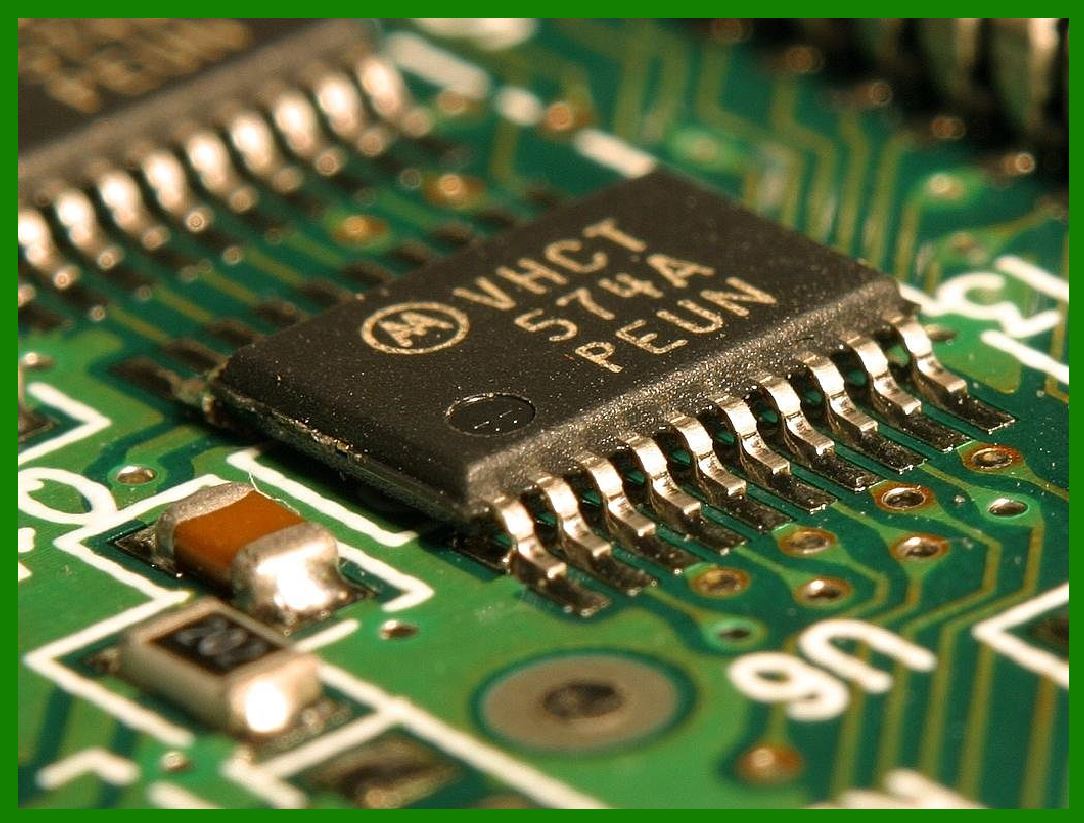
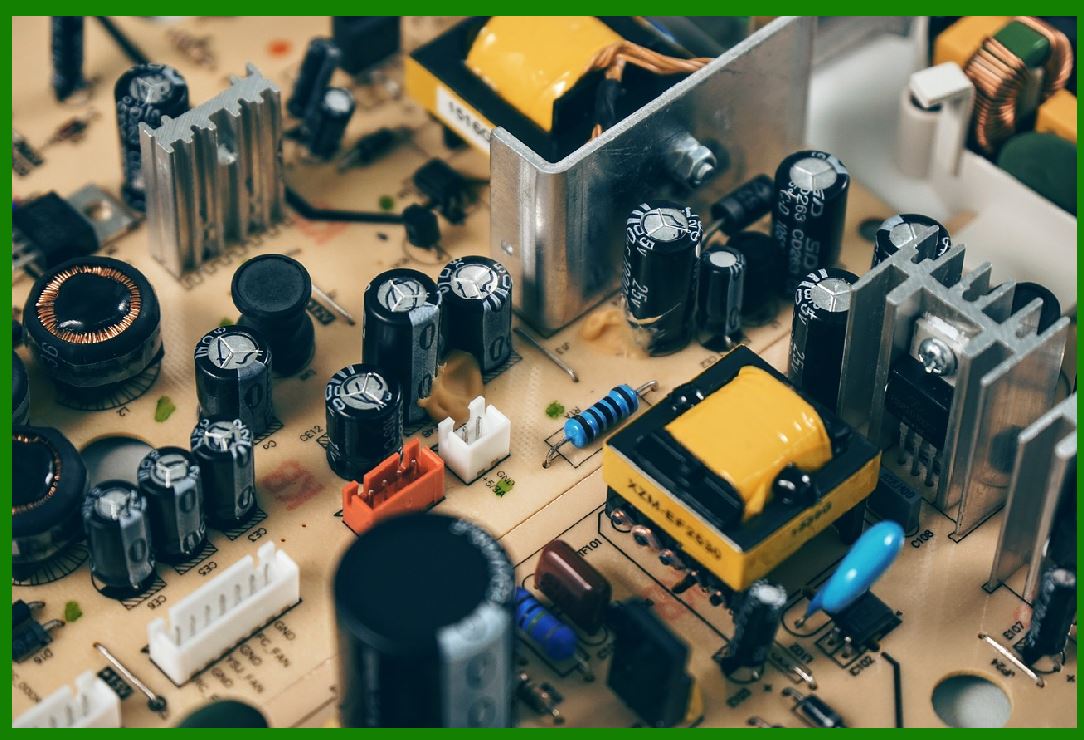
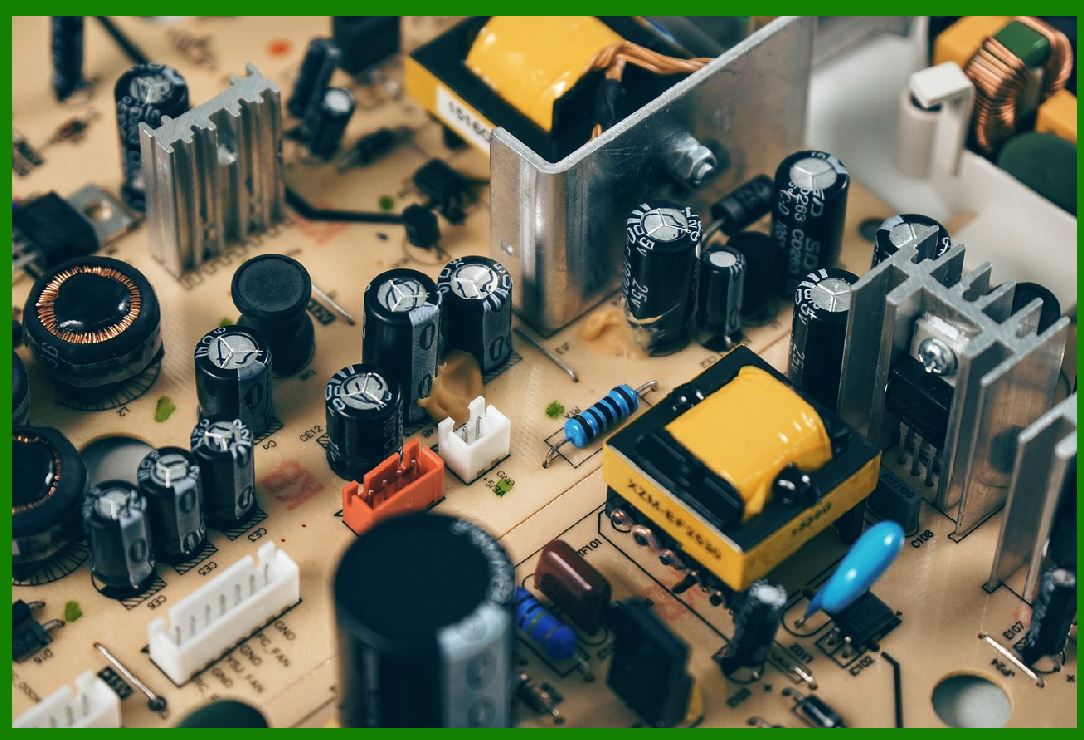
Design and Manufacturing: The design phase plays a crucial role in determining how recyclable an electronic device will be at the end of its life. Many modern electronics are designed with aesthetic considerations in mind, which often means that different materials are mixed together in ways that make disassembly difficult. For example, circuit boards may be coated with materials that are hard to separate or reuse. |
Usage: Electronic products typically have a relatively short lifecycle due to the rapid pace of technological innovation. For example, smartphones and laptops may become outdated after just two to three years of use. This shortening lifecycle leads to the accumulation of e-waste as people upgrade to newer models. |
Disposal or Recycling: When devices reach the end of their life, they are often discarded improperly or are sent to informal recycling operations. In more developed countries, some of the waste is sent to professional e-waste recycling facilities, but even these operations are often inefficient at recovering valuable materials and are not able to handle the sheer volume of e-waste that is generated. |
|
4. Recycling Technologies: Progress and Limitations |
Recycling e-waste is seen as one of the most sustainable ways to manage electronic waste, as it allows for the recovery of valuable materials and reduces the need for raw material extraction. However, the technologies currently available to recycle e-waste are limited in several ways. |
Collection and Dismantling: The first step in e-waste recycling is collecting the devices and dismantling them to separate the components. This process is often done manually in informal settings in developing countries, where labor is cheap but safety regulations are minimal. In developed countries, more sophisticated technologies such as automated shredders and mechanical separation systems are used to break down devices. |
Material Recovery: The key challenge in e-waste recycling is recovering valuable materials like gold, silver, copper, and rare earth elements. While there are methods to extract these materials from e-waste, they are often inefficient. Traditional methods, such as using acids or high temperatures, can result in the loss of precious metals and produce harmful waste by-products. Additionally, rare earth elements are often embedded in complex circuits and are difficult to extract using conventional techniques. |
E-Waste Refining: Advanced refining technologies such as hydrometallurgy and pyrometallurgy have been developed to recover precious metals and other valuable resources. Hydrometallurgy uses chemical solutions to dissolve metals from e-waste, while pyrometallurgy uses high heat to separate metals. While these methods are effective in recovering metals, they are expensive and energy-intensive. They also present environmental risks, particularly when toxic by-products are generated. |
|
5. Extended Producer Responsibility (EPR) and Legal Frameworks |
To tackle the growing e-waste problem, many countries have introduced policies aimed at holding manufacturers accountable for the disposal of their products. One of the most common approaches is Extended Producer Responsibility (EPR), a policy framework that makes producers responsible for the entire lifecycle of their products, including their eventual disposal. |
EPR Laws: Under EPR, manufacturers are required to take back their products once they reach the end of their life, either directly or through designated collection schemes. This can involve offering consumers the option of returning old devices to retailers or designated recycling centers. Manufacturers may also be required to provide financial support for the recycling process. |
Global Approaches to E-Waste Legislation: Different countries have adopted varying approaches to e-waste legislation. The European Union has one of the most comprehensive legal frameworks for e-waste management, with the Waste Electrical and Electronic Equipment Directive (WEEE Directive) requiring member states to establish systems for the collection, recycling, and safe disposal of e-waste. In contrast, in many developing countries, e-waste management is less regulated, and informal recycling often leads to unsafe practices and environmental degradation. |

|
6. Sustainable Solutions for E-Waste Reduction |
Given the challenges of e-waste management, there is an urgent need to develop more sustainable solutions. Several strategies can help reduce the generation of e-waste and improve its management: |
Eco-Design: One of the most effective long-term solutions to e-waste is to design products with recycling in mind. Eco-design principles focus on creating products that are easier to disassemble and contain fewer hazardous materials. Manufacturers can use modular designs, which allow consumers to replace individual components (such as batteries or screens) rather than discarding the entire device. |
Product Longevity: Extending the lifespan of electronic products can help reduce the volume of e-waste. This can be achieved through the development of more durable devices, as well as offering repair and upgrade services. Many modern electronics, particularly smartphones and laptops, are difficult to repair or upgrade, leading consumers to dispose of them when a minor component fails. |
Consumer Education: Educating consumers about proper disposal and recycling methods is critical in reducing e-waste. Awareness campaigns can help people understand the importance of recycling and the environmental benefits of properly disposing of their old electronics. |
Circular Economy Models: The concept of a circular economy, which emphasizes reusing, repairing, and recycling materials, can be applied to e-waste. By creating a closed-loop system where electronic components are continuously reused, the need for raw material extraction is reduced, and e-waste is minimized. |
|
7. The Future of E-Waste Management |
As the volume of e-waste continues to rise, it is clear that current recycling methods will not be sufficient to address the problem in the long term. To achieve a more sustainable future, industries, governments, and consumers must work together to find innovative solutions. |
Future advancements in recycling technology, including the development of more efficient methods for recovering rare earth metals and lithium, will play a significant role in reducing e-waste. Additionally, increased investment in research and development of eco-friendly product designs and sustainable manufacturing processes will be crucial in creating a more sustainable electronic industry. By embracing the principles of sustainability and circularity, the industry can reduce e-waste and its negative impact on the environment and human health. |
|
In conclusion, e-waste management is an urgent global challenge that requires a multifaceted approach. The complexity of modern electronics, combined with the rapid pace of technological change, makes it difficult to address the growing volume of e-waste. However, by improving recycling technologies, adopting policies like EPR, designing more sustainable products, and raising consumer awareness, the world can move toward a future where e-waste is minimized, and valuable resources are recycled and reused. |
|
Case Studies in E-Waste Management |
Below are several case studies highlighting the challenges, innovations, and strategies in e-waste management across different regions and industries. These examples reflect both successful initiatives and the continuing struggles in managing electronic waste. |
1. Case Study: Switzerland's E-Waste Recycling System |
Location: Switzerland |
Challenge: Efficient collection and recycling of e-waste |
Solution: Comprehensive national recycling system, 'Swiss Recycling' |
Outcome: High recycling rate and significant reduction in harmful environmental impacts |
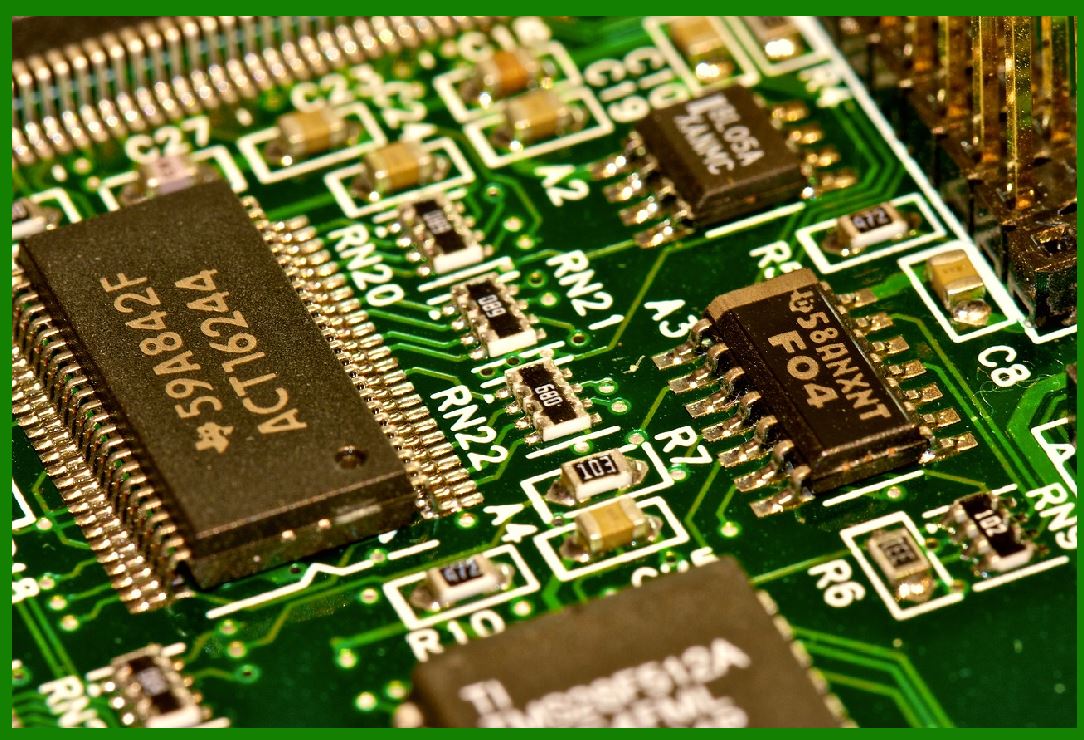
Switzerland has one of the most efficient e-waste management systems in the world. As a country with a strong focus on sustainability and environmental conservation, Switzerland has implemented a comprehensive strategy to address e-waste. Under the country's Extended Producer Responsibility (EPR) laws, producers of electronic goods are responsible for ensuring their products are collected and recycled at the end of their life. These laws have been enforced through an organized system called 'Swiss Recycling.' |
The system works by requiring manufacturers to register with an e-waste recycling scheme and finance the collection, transportation, and recycling of their products. Consumers are provided with easy access to collection points where they can drop off old electronics, and the scheme ensures that proper disposal methods are followed. Additionally, Switzerland has set up recycling depots, public awareness campaigns, and incentives for consumers to recycle e-waste. |
The result has been a dramatic increase in e-waste recycling rates. The country recycles about 50,000 tons of e-waste annually, with a recycling rate of approximately 80%, one of the highest in the world. The system is considered a model for other nations seeking to improve their e-waste management frameworks. Swiss Recycling has also pioneered technologies for the extraction of precious metals, including gold and silver, from old electronic devices. This approach has helped Switzerland close the loop on many valuable materials, reducing the need for mining and decreasing environmental damage. |
|
2. Case Study: Guiyu, China - The E-Waste Processing Hub |
Location: Guiyu, China |
Challenge: Unsafe, informal e-waste processing |
Solution: Informal e-waste recycling methods |
Outcome: Severe environmental and health risks, ongoing need for better regulations |
Guiyu, a small town in southern China, is known for being one of the largest e-waste recycling hubs in the world. Each year, hundreds of thousands of tons of e-waste from developed countries, including the United States and Europe, are shipped to Guiyu, where they are dismantled and recycled, often through unsafe, informal practices. |
In Guiyu, e-waste is processed by laborers using rudimentary techniques. For example, workers often burn plastic casing from devices to extract copper wiring, or they use acid baths to extract precious metals like gold from circuit boards. These methods are not only inefficient but also extremely dangerous. The toxic fumes from burning plastic and metals contaminate the air, and the chemicals used in metal extraction poison the soil and water supply. The workers, who often include children and young adults, are exposed to hazardous materials like lead, cadmium, and mercury, which can lead to serious health issues, including neurological damage, respiratory problems, and cancers. |
This situation in Guiyu has highlighted the need for stricter regulations and better e-waste management practices. Despite ongoing challenges, efforts are being made to address the problem. The Chinese government has begun to enforce stricter e-waste regulations, such as the 2011 'Regulations on the Management of Pollution from Electronic Wastes.' These regulations aim to reduce the flow of informal e-waste processing and encourage safer, more sustainable recycling practices. However, progress remains slow, and Guiyu continues to serve as a cautionary tale about the risks of informal e-waste processing. |
|
3. Case Study: The United States' E-Waste Export Ban |
Location: United States |
Challenge: E-waste dumping in developing countries |
Solution: National e-waste export ban |
Outcome: Reduction in illegal e-waste exports, promotion of domestic recycling |
In the early 2000s, the United States was one of the leading countries involved in the export of e-waste to developing nations, where much of it was recycled under unsafe conditions. Countries like Ghana, India, and China became the destination for millions of tons of old electronics, often without the consent or knowledge of the local populations. This practice contributed significantly to environmental pollution and health risks in these countries. |
In response to growing international criticism and rising awareness of the environmental and human health impacts of e-waste dumping, the United States implemented the National Environmental Protection Act's (NEPA) 2006 amendment, which introduced an export ban on hazardous e-waste. Under the Basel Action Network (BAN) and the Resource Conservation and Recovery Act (RCRA), illegal exportation of e-waste is now prohibited, and companies must ensure that their e-waste is disposed of responsibly. |
The export ban has had a significant impact on reducing the flow of hazardous e-waste to developing countries, particularly to places like Guiyu and Agbogbloshie. It has led to the creation of more domestic recycling programs, with greater focus on certified e-waste recycling facilities. For example, the Responsible Recycling (R2) Certification program encourages recyclers to follow strict environmental standards. However, the illegal export of e-waste still persists, and enforcement remains a challenge due to loopholes in the laws and the complex nature of the global e-waste trade. |
|
4. Case Study: India's E-Waste Management Policy |
Location: India |
Challenge: Informal e-waste recycling, environmental contamination |
Solution: The 2011 E-Waste (Management and Handling) Rules |
Outcome: Gradual improvements in formal recycling systems, but challenges remain |
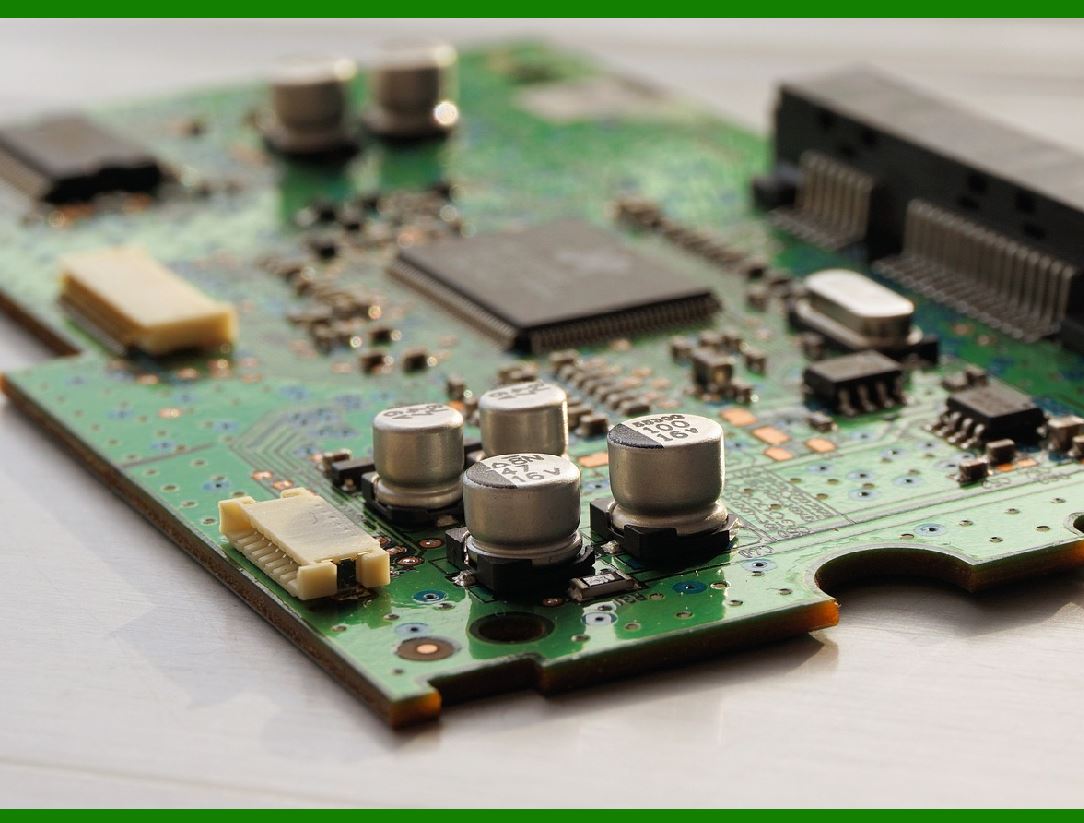
India is one of the fastest-growing markets for electronics, and consequently, it is also generating massive amounts of e-waste. According to estimates, India produced approximately 3.2 million metric tons of e-waste in 2020, with a rapid increase expected in the coming years. Much of the e-waste in India is handled by the informal sector, where workers, including many from low-income backgrounds, engage in unregulated recycling practices. These workers often dismantle devices in unsafe conditions, risking exposure to toxic chemicals and heavy metals. |
In response to the increasing problem of e-waste, the Indian government introduced the E-Waste (Management and Handling) Rules in 2011, which set guidelines for the collection, recycling, and disposal of electronic waste. Under the law, producers are required to take responsibility for the e-waste generated by their products through an EPR framework. They must set up collection systems to allow consumers to return old electronic devices for proper disposal. Additionally, e-waste recycling companies must be registered with the government and follow environmental safety standards. |
India has made some progress in improving its e-waste recycling infrastructure. For example, the establishment of formal recycling facilities that follow environmental safety protocols has led to a reduction in hazardous practices. The country is also focusing on developing reverse logistics systems, where old electronics are collected from consumers and sent directly to certified recyclers. |
However, challenges remain. A significant portion of e-waste is still handled informally, particularly in regions like Delhi and Mumbai. Furthermore, there are difficulties in enforcing regulations in rural areas where informal e-waste recycling is more prevalent. Continued efforts are needed to strengthen enforcement mechanisms and create awareness about the dangers of improper e-waste disposal. |
|
5. Case Study: Dell's Takeback and Recycling Program |
Location: Global (Primarily United States, Europe, and Asia) |
Challenge: Sustainable end-of-life management for electronics |
Solution: Dell's Global Takeback and Recycling Program |
Outcome: Significant reduction in e-waste, promotion of circular economy |
Dell, a leading computer manufacturer, has developed one of the most robust corporate e-waste recycling programs in the tech industry. The company's Global Takeback and Recycling Program allows consumers to return old Dell products at no cost for recycling. The program offers collection points in numerous countries, and Dell partners with certified recyclers to ensure that the materials are safely handled and reused. |
One of the most notable aspects of Dell's program is its emphasis on a circular economy. Dell has pioneered efforts to recycle materials such as plastics and metals from old devices to use in the production of new ones. For example, Dell's closed-loop recycling initiative has focused on reclaiming plastic from old electronics to make new computer chassis. The company has committed to using 100% recycled or renewable materials in its products and packaging by 2030. As part of its broader sustainability efforts, Dell has also worked to design products that are easier to disassemble and recycle. |
In addition to the take-back program, Dell has invested in research to develop new recycling technologies. For instance, the company has collaborated with various organizations to find innovative ways to recover precious metals like gold and copper from e-waste more efficiently. By creating a more sustainable recycling system and adopting circular economy principles, Dell aims to reduce its environmental impact while providing consumers with more sustainable electronics options. |
|
Conclusion |
These case studies provide a snapshot of the diverse approaches to e-waste management across the globe. While some countries and corporations, like Switzerland and Dell, have implemented successful models that can be scaled, others, such as China and India, are still grappling with the challenges of informal recycling practices and environmental pollution. Effective e-waste management requires a combination of regulatory oversight, technological innovation, public awareness, and corporate responsibility to create a sustainable and circular economy. By learning from both successes and failures, the world can move toward a more responsible and sustainable approach to electronic waste. |
|
What new technologies will improve this in the future? |
Emerging Technologies to Improve E-Waste Management in the Future |
As the e-waste crisis continues to grow, the need for advanced technologies that can efficiently manage, recycle, and recover valuable materials from electronic waste becomes more urgent. While existing recycling methods are limited, several emerging technologies hold the promise of improving e-waste management in the future. These technologies can help recover rare earth metals, reduce harmful environmental impacts, and increase the efficiency of recycling processes. |
Below are some of the most promising technologies that could revolutionize e-waste management in the near future: |
1. Advanced Automated Sorting and Dismantling Technologies |
Technology: Robotics, AI, and Machine Learning in Sorting |
Impact: Increased efficiency and precision in e-waste dismantling |
One of the most labor-intensive and complex parts of e-waste recycling is the manual sorting and dismantling of devices. In many current e-waste recycling systems, workers manually disassemble electronics to separate valuable components like circuit boards, batteries, and metals. This process is time-consuming, expensive, and often hazardous to human health. |
Emerging technologies in robotics, artificial intelligence (AI), and machine learning offer a solution. Robots equipped with advanced sensors and AI-driven systems can automatically disassemble electronic devices with greater precision and speed than humans. These systems can identify and sort different materials such as plastics, metals, and circuit boards, as well as detect specific components like lithium-ion batteries, which require special handling. |
For example, AI algorithms can analyze images of electronic devices and identify the best way to disassemble them for recycling. Robots equipped with these algorithms can dismantle devices in a systematic and efficient manner, reducing the time needed to process e-waste and minimizing human exposure to hazardous substances. |
In the future, these automated systems will likely improve the overall efficiency of e-waste recycling plants, increasing the rate of material recovery and reducing costs. Additionally, the technology will improve safety and reduce the need for human labor in hazardous environments. |
|
2. Advanced Material Separation Techniques |
Technology: Hydrometallurgy, Biotechnologies, and Electrochemical Methods |
Impact: More efficient recovery of valuable metals from e-waste |
Extracting valuable materials like gold, silver, copper, and rare earth elements from electronic waste is one of the biggest challenges in e-waste management. Traditional methods such as pyrometallurgy (using heat) and hydrometallurgy (using chemicals) have been used, but they are energy-intensive, expensive, and produce toxic by-products. Fortunately, new technologies are emerging that could significantly improve the efficiency and sustainability of metal recovery from e-waste. |
Hydrometallurgy: While this method involves using water-based solutions (acids or solvents) to separate metals from e-waste, innovations in selective leaching techniques are improving the process. Researchers are developing more efficient, eco-friendly chemicals to selectively dissolve valuable metals like gold and copper while leaving behind other materials that can be discarded safely. This reduces the environmental impact compared to traditional methods. |
Biotechnologies: Bioleaching and biosorption are emerging as sustainable alternatives for recovering metals from e-waste. Bioleaching involves using microorganisms, such as bacteria or fungi, to break down the metal-containing parts of e-waste and release valuable metals. This biological process is environmentally friendly and more energy-efficient than traditional chemical methods. Additionally, biosorption uses natural materials like algae, fungi, or even certain bacteria to absorb metals from e-waste. |
Electrochemical methods: Advances in electrochemical recycling are making it possible to recover precious metals and rare earth elements more efficiently. These methods use electricity to separate metals from e-waste, which can be both faster and more selective than traditional techniques. Electrochemical methods also reduce the need for toxic chemicals, making the process more sustainable. |
Together, these technologies promise to improve the recovery of valuable metals from e-waste, reduce environmental pollution, and make the recycling process more cost-effective. |
|
3. Closing the Loop with Circular Economy Technologies |
Technology: Product-as-a-Service (PaaS) and Design for Recycling |
Impact: Reducing e-waste generation and extending product lifespans |
A major driver of e-waste is the rapid obsolescence of electronic products. In the traditional model, consumers purchase electronic devices, use them for a short time, and then dispose of them. The circular economy model aims to extend the lifecycle of products, reduce waste, and ensure that materials are reused, refurbished, or recycled. |
Product-as-a-Service (PaaS): The PaaS model, which is gaining traction in the electronics industry, involves companies selling their products as services rather than as products for ownership. For instance, consumers may lease electronic devices like smartphones, laptops, or even home appliances, and return them after a specified period for repair, refurbishment, or recycling. The company is responsible for maintaining, repairing, and recycling the product, which encourages manufacturers to design products that are more durable, easy to repair, and recyclable. Companies like Fairphone are already incorporating modular designs that allow consumers to easily upgrade or replace individual components rather than discard the entire device. |
Design for Recycling: Another key development in the circular economy is Design for Recycling (DFR). As part of this approach, manufacturers design products with the end-of-life stage in mind. This means using recyclable materials, minimizing the use of mixed materials, and designing devices that are easy to disassemble. In the future, design tools that incorporate sustainability and circularity principles will be used more widely to create devices that can be easily recycled at the end of their life. Companies such as Apple and Dell are already making strides in this direction with their efforts to design products that can be disassembled more efficiently and are made from recycled materials. |
By focusing on extending the lifespan of products and designing them for easier recycling, these innovations help minimize the amount of e-waste generated in the first place. |
|
4. Smart E-Waste Collection and Tracking Systems |
Technology: Internet of Things (IoT) and Blockchain for E-Waste Tracking |
Impact: Improved transparency and efficiency in e-waste collection and recycling |
A major issue with current e-waste management systems is that a large proportion of electronic waste is either improperly disposed of or lost in informal recycling channels, where it may not be properly recycled. Tracking and monitoring e-waste is a significant challenge due to the sheer volume of waste generated and the lack of visibility over where and how it is processed. |
Emerging technologies like IoT and blockchain can help improve the collection, transportation, and recycling of e-waste by providing real-time data and ensuring transparency throughout the process. |
IoT Sensors: The Internet of Things (IoT) can be applied to e-waste collection by embedding sensors in electronic devices or in recycling bins to track the location and status of e-waste. These sensors can notify consumers and recycling centers when a device needs to be picked up, ensuring more timely and efficient collection. IoT could also enable smart bins to automatically segregate different types of waste (e.g., metals, plastics, batteries), which could streamline the recycling process. |
Blockchain for E-Waste Tracking: Blockchain technology has the potential to create an immutable ledger for tracking the lifecycle of electronic devices, from manufacturing to disposal and recycling. By tracking the flow of e-waste through every step of the process, blockchain can ensure transparency and accountability. Consumers could scan a product's barcode or QR code to track its recycling progress, while manufacturers could verify that their products are being recycled in compliance with EPR laws. Additionally, blockchain could help combat the illegal export of e-waste by providing a verifiable record of the e-waste's journey. |
Together, these technologies can help create a more efficient and transparent system for e-waste management, ensuring that electronic devices are properly disposed of and recycled. |

|
5. Next-Generation Recycling Facilities |
Technology: AI-driven Processing Plants, 3D Printing for Parts Reuse |
Impact: Higher efficiency, reduced waste, and better resource recovery |
As the demand for e-waste recycling continues to grow, next-generation recycling plants are being developed that integrate a range of cutting-edge technologies to improve efficiency and reduce the environmental impact of recycling operations. |
AI and Robotics in Recycling Plants: AI-driven sorting technologies are being integrated into e-waste recycling plants to improve the speed and accuracy of material separation. Robots and machine learning algorithms can be used to analyze the composition of electronic waste and separate it into distinct categories based on material type. This allows for higher recovery rates of valuable materials like metals and rare earth elements. |
3D Printing for Part Reuse: The integration of 3D printing technologies in e-waste recycling plants could allow for the reuse of parts and components from old electronics. For example, plastic parts could be melted down and used to 3D-print new components, while metals could be refined and used to create new parts for electronics. This technology has the potential to significantly reduce waste and encourage the reuse of materials that would otherwise be discarded. |
Conclusion: The Future of E-Waste Management |
|
The future of e-waste management lies in the integration of emerging technologies that enhance efficiency, sustainability, and the recovery of valuable materials. From automated sorting and AI-driven systems to advanced material separation methods and innovations in circular economy models, these technologies offer promising solutions to the growing global e-waste problem. However, their success will depend on continued investment in research and development, government regulations, and the active involvement of manufacturers and consumers in adopting more sustainable practices. By combining cutting-edge technologies with a holistic approach to sustainability, it will be possible to tackle the challenges of e-waste and move towards a more circular and environmentally-friendly future. |
 cs@easiersoft.com