Electronic Technologies Related to Barcode Label Printers |
Barcode label printers are specialized machines that generate printed labels with machine-readable codes, commonly known as barcodes. These labels are used in a wide range of industries, from retail to manufacturing and logistics. The success of these systems hinges on various electronic technologies that work together to ensure the accurate generation, printing, and reading of barcodes. This document will cover these electronic technologies in detail, highlighting key components, technologies, and considerations in barcode label printers. |
1. Barcode Label Printer Overview |
Before delving into the specifics of the electronic technologies, it's important to understand the fundamental role of barcode label printers. These printers are designed to produce labels containing barcodes that represent data. Barcode labels are typically used to track inventory, assets, shipments, and other items in various sectors. The barcode itself is a visual representation of data that can be read by barcode scanners or optical readers. |
There are two primary types of barcode label printers: |
Thermal Printers: Use heat to print images onto special paper that turns black when heated. |
Inkjet Printers: Use liquid ink to print the barcode labels on paper or other materials. |
Thermal printers are the most common in barcode printing because of their durability, speed, and lower cost of operation. They come in two main categories: direct thermal and thermal transfer. |
|
2. Core Electronic Components of Barcode Label Printers |
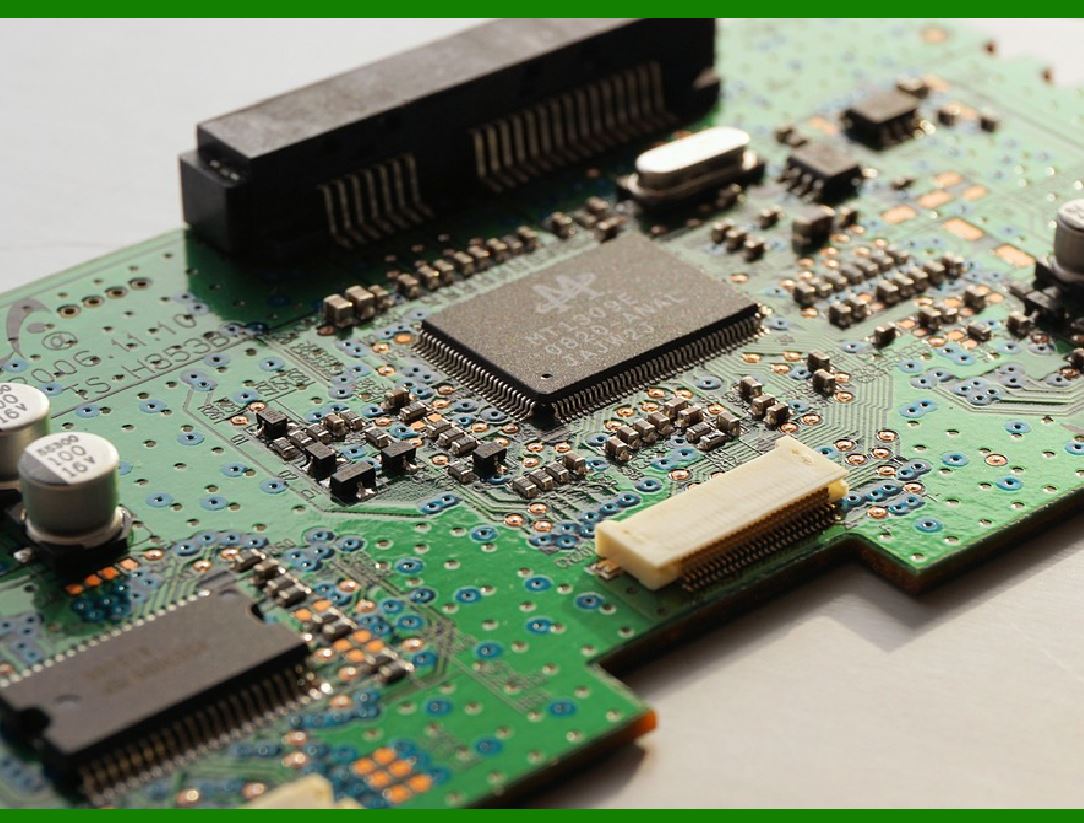
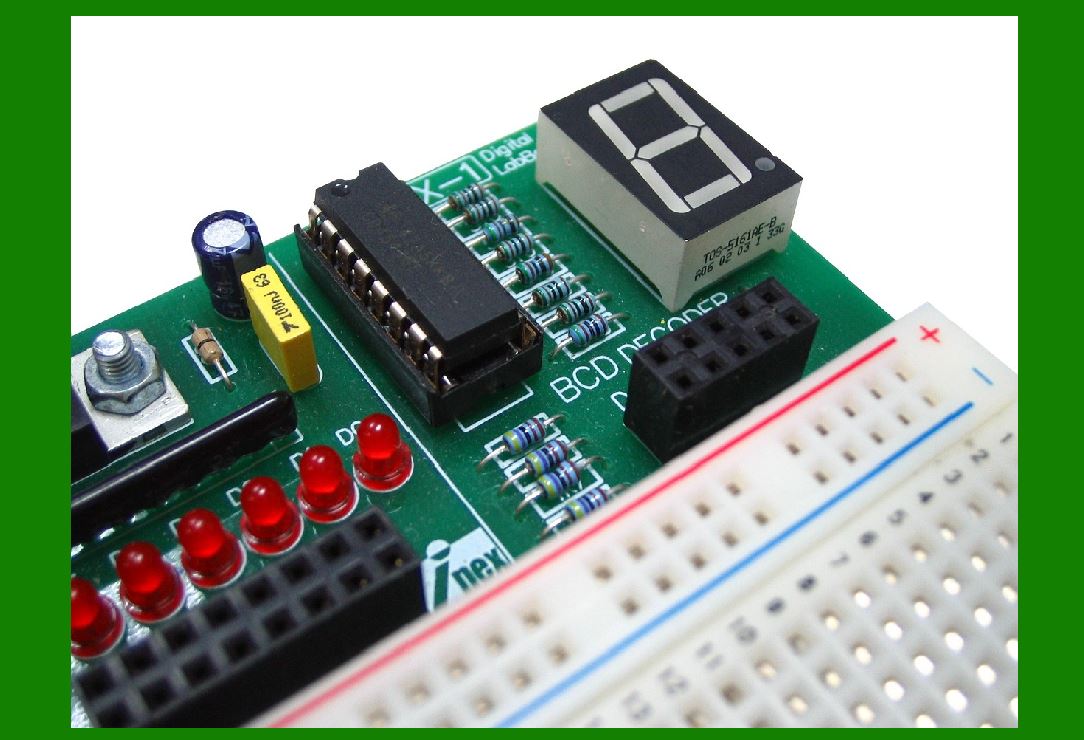
A barcode label printer contains several key electronic components that allow it to function. These components include: |
1.Microcontroller (MCU): The microcontroller is the 'brain' of the printer. It is responsible for processing the data received from the connected device, controlling the various printer functions, and converting the digital data into printable formats. The MCU interprets input from external sources such as a computer, mobile device, or network, processes the information, and converts it into commands for the printer's other components. |
2.Memory: Barcode label printers have both volatile and non-volatile memory. Volatile memory (like RAM) is used for temporary storage during printing operations, while non-volatile memory (such as flash or EEPROM) stores the printer's firmware and configuration data. This memory also holds the graphical information for the barcode layout and data. |
3.Printer Mechanism: This consists of motors, sensors, and other mechanical parts that physically print the barcode onto the label material. The most important components of the printing mechanism are: |
Stepper Motors: These motors drive the print head and media feed, ensuring precise control over label positioning and print quality. |
Print Head: In thermal printers, the print head contains rows of heating elements that apply heat to the thermal paper, creating the barcode image. |
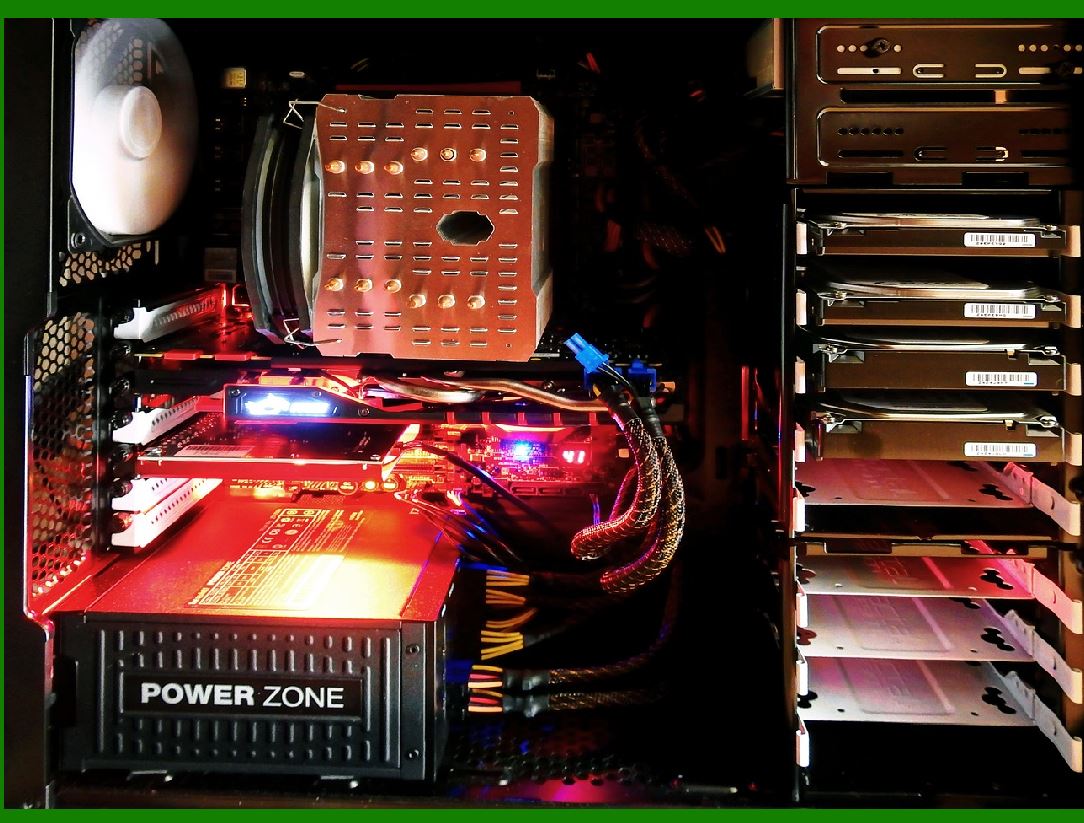
4.Power Supply: Barcode printers require an external power supply, which can be AC-powered or, in some cases, battery-operated for portable devices. The power supply ensures the operation of the motors, print head, and other electronic components. The power system must be robust to ensure continuous and stable operation during extended use. |
5.Display Panel: Many modern barcode label printers include a digital display (either LCD or LED) that shows the status of the printer, such as power on/off, media out, and error messages. The display panel allows users to quickly diagnose issues and operate the printer manually. |
|
3. Barcode Printing Technologies |
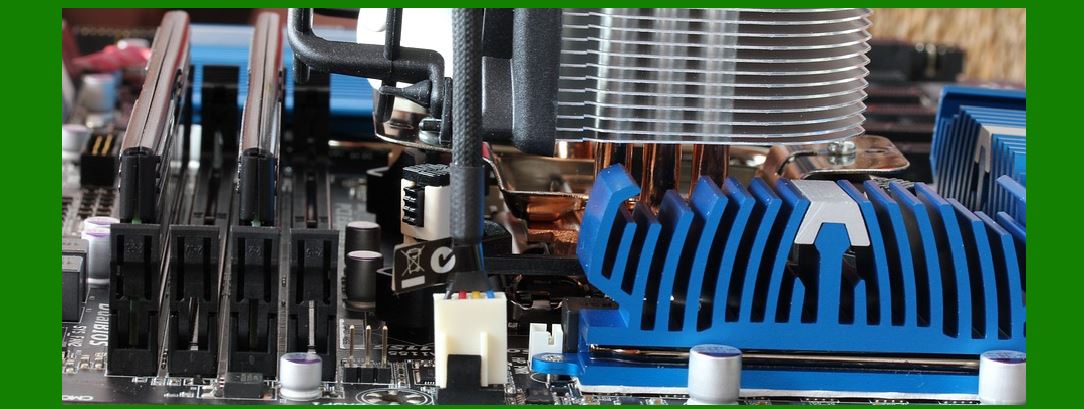
Barcode printers typically use two key technologies for printing: thermal transfer and direct thermal printing. Both of these technologies rely heavily on electronic systems to generate high-quality barcodes. |
1.Thermal Transfer Printing: This process uses a ribbon coated with wax or resin that transfers ink onto the label when heat is applied. The thermal print head activates specific areas of the ribbon, causing it to melt and adhere to the label. This process produces a durable, smudge-resistant image. The electronics involved in thermal transfer printing must carefully control the temperature and timing of the heating elements to ensure optimal print quality. |
2.Direct Thermal Printing: In direct thermal printing, no ribbon is used. Instead, heat is applied directly to specially coated thermal paper. The heat causes the paper to darken, creating an image. This method is faster and less expensive but produces less durable labels that are susceptible to fading when exposed to heat or light. The thermal print head and temperature control systems in direct thermal printers must be highly precise to ensure a clean, accurate print. |
|
4. Barcode Encoding and Data Management |
Barcode label printers rely on sophisticated electronic systems to encode the data into a barcode. A barcode is a graphical representation of data, and the way it is encoded depends on the type of barcode being printed (e.g., UPC, QR code, Code 128). |
1.Data Encoding: The data that needs to be encoded in a barcode is usually provided in the form of alphanumeric characters, which are converted into a specific pattern of bars and spaces. The printer's controller must handle this conversion process by taking the input data and applying the appropriate encoding algorithm. |
2.Firmware and Software: The printer's firmware plays a crucial role in barcode encoding. It contains algorithms to transform the raw data into a barcode image that matches the chosen format. Software drivers or applications interface with the printer and allow users to design custom labels, including text, logos, and barcodes. |
3.Error Detection and Correction: Many modern barcode systems use error detection and correction techniques, such as checksum algorithms, to ensure that the data encoded in the barcode is accurate. These systems add redundancy to the barcode in the form of extra bits of data that can help correct errors during scanning. |
4.Resolution and Print Density: Resolution, measured in dots per inch (DPI), is a critical factor in ensuring that the barcode is scannable. The printer's electronics must ensure precise control over the print head's movement to achieve the desired resolution. Higher DPI allows for more detail and smaller barcodes, but it also requires more processing power and more precise mechanical control. |
|
5. Communication Interfaces |
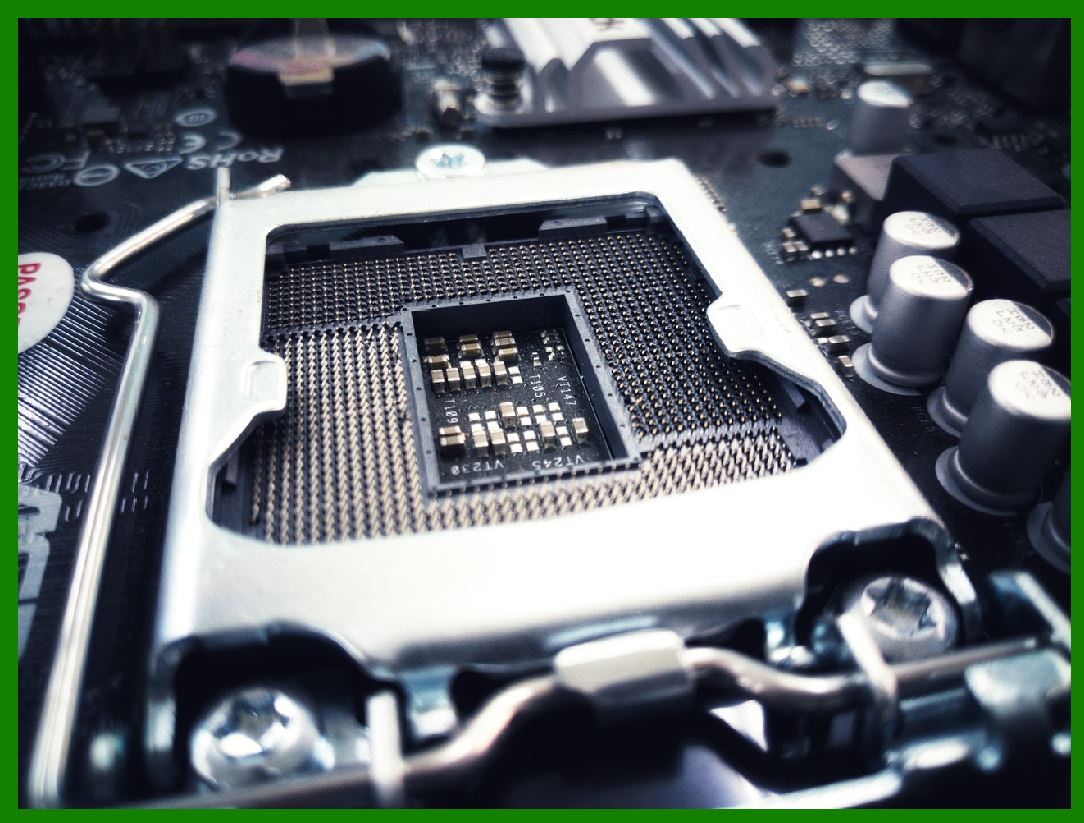
Barcode printers need to communicate with external devices like computers, mobile devices, or networked systems. Several communication interfaces allow this interaction, each utilizing different electronic technologies. |
1.USB: A common interface for connecting barcode label printers to computers or other devices. It provides fast data transfer rates and plug-and-play functionality. The electronics behind USB communication must manage data transfers and ensure that the printer responds to commands in real-time. |
2.Ethernet: Networked barcode printers often use Ethernet for communication. This allows them to be connected to a local area network (LAN) and shared by multiple users. Ethernet requires additional network interfaces and protocols (like TCP/IP) to be supported by the printer's internal electronics. |
3.Bluetooth and Wireless: Many modern printers come with Bluetooth or Wi-Fi connectivity, allowing them to be used wirelessly with mobile devices, tablets, or laptops. Bluetooth printers require specialized hardware to pair and maintain a wireless connection, while Wi-Fi printers have integrated Wi-Fi modules to connect to wireless networks. |
4.Serial and Parallel Ports: Older barcode label printers may still use serial (RS-232) or parallel (Centronics) communication interfaces. These interfaces are less common today but are still used in some industrial or legacy systems. |
|
6. Sensor Technologies |
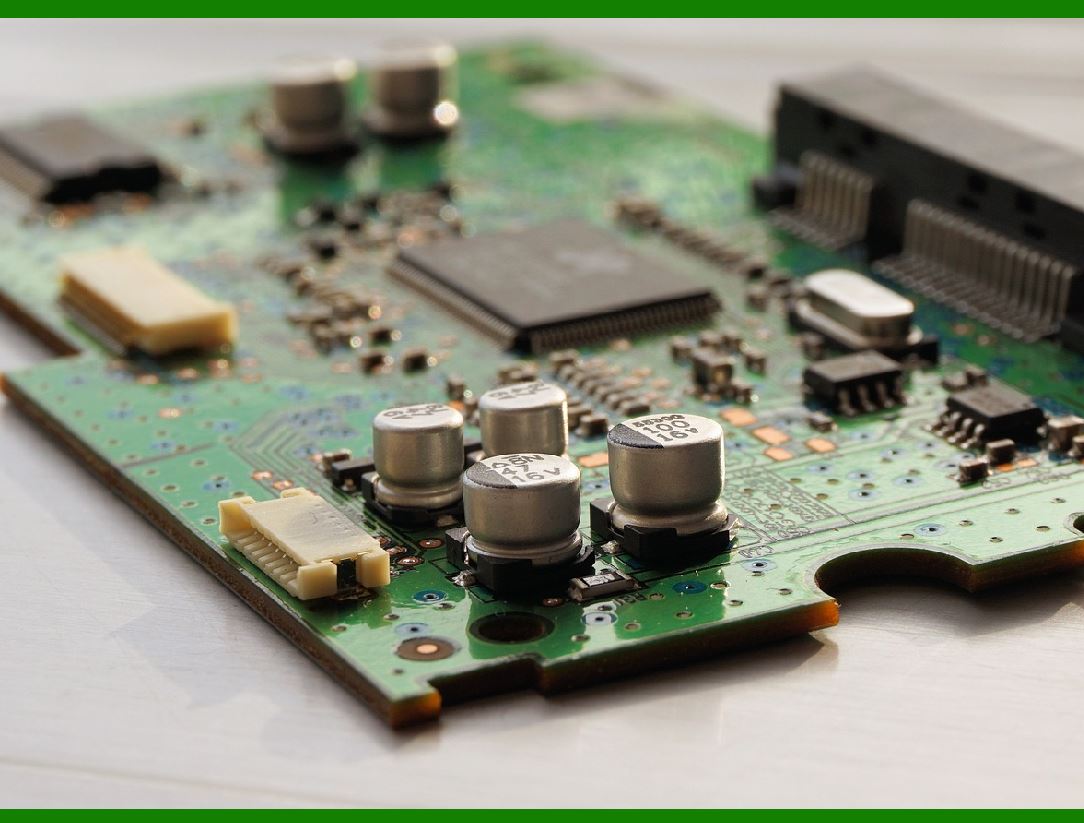
Barcode label printers employ a variety of sensors to ensure proper functioning and to enhance print quality. These sensors detect conditions such as label presence, print head temperature, and media alignment. |
1.Media Sensors: These sensors detect the type and presence of the label media (paper or synthetic material). For example, gap sensors detect the gap between labels, while reflective sensors are used to detect black marks on the back of labels for positioning. |
2.Temperature Sensors: These are used to monitor the print head temperature to prevent overheating, which could damage the print head or result in poor-quality prints. Temperature sensors are essential for controlling the heating elements in thermal printers, ensuring consistent heat application. |
3.Paper Feed Sensors: These sensors detect whether the label has been fed correctly. They help ensure that the labels are properly aligned and prevent printing errors or damage to the media. |
|
7. Power Management Systems |
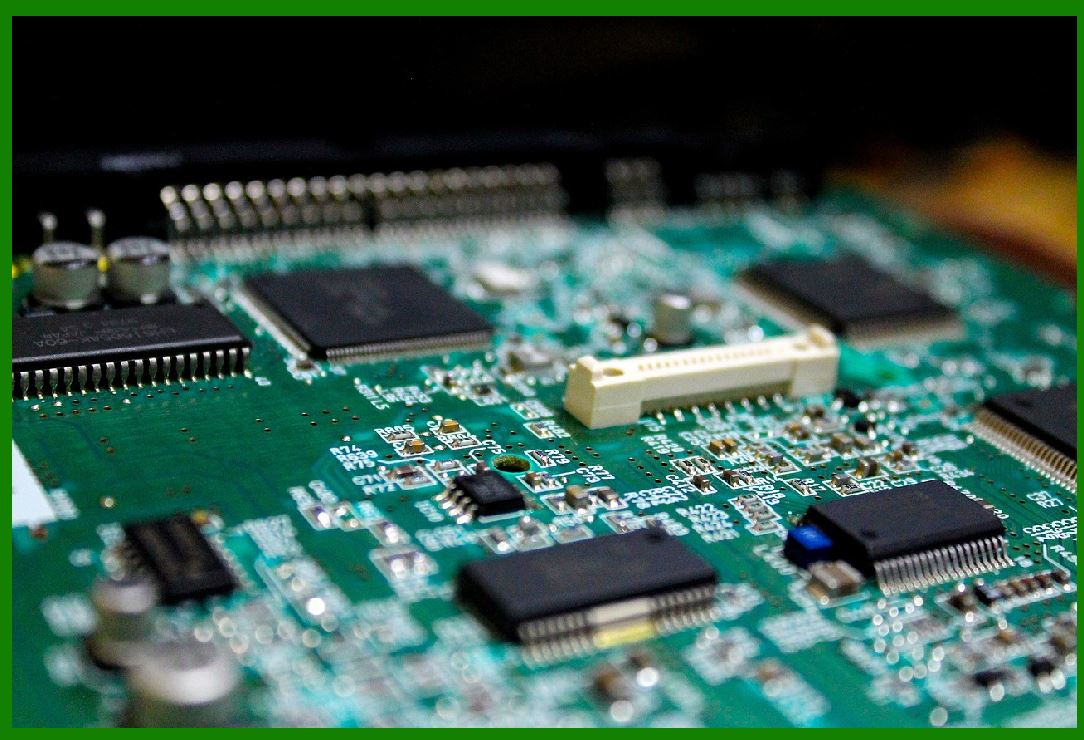
Power management is another critical electronic technology in barcode label printers. Barcode printers often operate in environments where energy efficiency is essential, and effective power management ensures the longevity and stability of the printer. |
1.Power Efficiency: Modern barcode printers incorporate power-efficient electronics to minimize energy consumption. This includes low-power microcontrollers and voltage regulators that manage the power delivered to the various components of the printer. |
2.Battery-Powered Printers: For portable printers, battery management is critical. The printer must monitor battery levels and provide warnings when power is low. In many cases, battery-powered barcode label printers also include charging circuits and power-saving modes to extend battery life. |
|
8. Advanced Features in Barcode Printers |
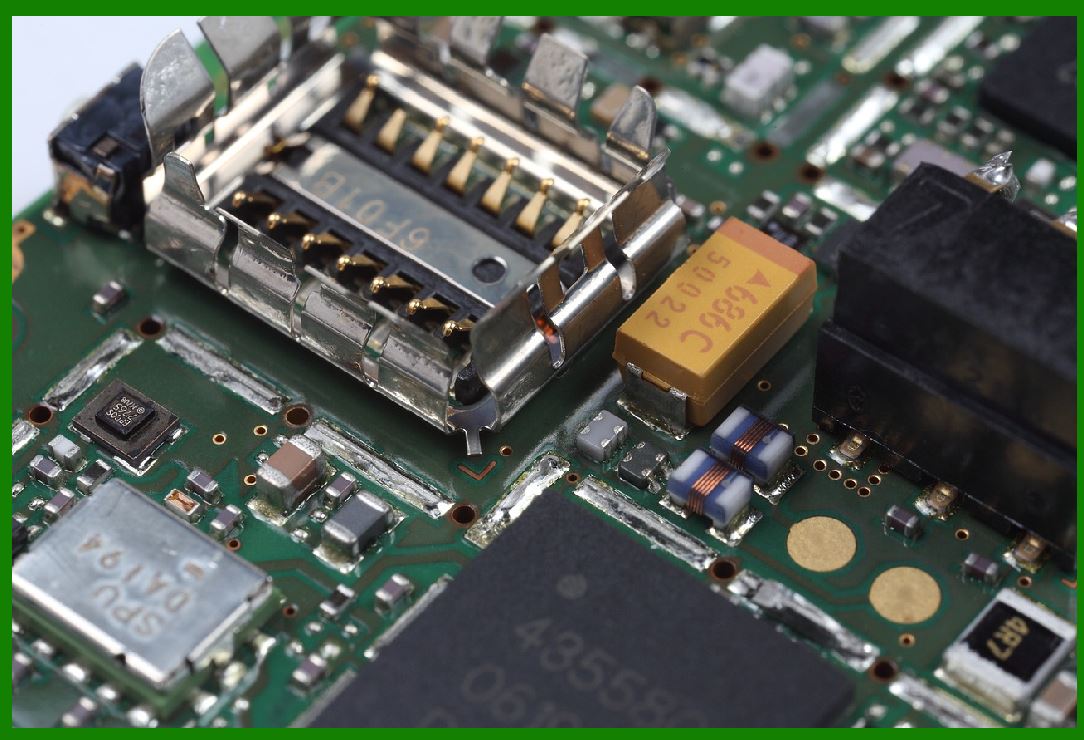
With the advancement of electronic technologies, modern barcode printers offer a wide range of features to enhance performance and usability. These features rely on advanced electronic systems. |
1.Smart Printing: Some barcode printers come equipped with intelligence to automatically adjust print speed, resolution, and other settings based on the content being printed or the label material. This involves embedded algorithms that analyze print jobs in real-time. |
2.Data Encryption: To enhance security, some barcode label printers support data encryption for sensitive data being printed. This feature is particularly important in industries where data security is paramount, such as healthcare or logistics. |
3.Cloud Connectivity: Some printers can connect to cloud services, allowing users to print labels remotely or track printing history. This integration requires the printer to have internet connectivity and support for cloud-based protocols. |
|
9. Challenges and Future Trends in Electronic Technologies |
Despite the advances in barcode printing technology, several challenges remain: |
1.Environmental Sensitivity: Barcode labels are often used in environments where temperature, humidity, and exposure to chemicals can affect print quality. Electronic systems in printers must be robust enough to handle a wide range of operating conditions. |
2.Integration with Emerging Technologies: As industries adopt new technologies like IoT, RFID, and artificial intelligence, barcode label printers will need to evolve. This could involve integrating barcode printing with other forms of identification and data capture, such as RFID tags or smart sensors. |
3.Sustainability: With growing concerns about environmental impact, barcode printers will increasingly need to adopt eco-friendly materials, energy-efficient components, and recyclable media. |

|
Conclusion |
Barcode label printers rely on a range of electronic technologies to provide accurate, efficient, and reliable printing of barcodes for use across numerous industries. These technologies encompass everything from data encoding and communication interfaces to advanced sensors and power management. As the demand for smarter, faster, and more secure printing grows, barcode label printers will continue to evolve, incorporating cutting-edge electronics to meet these new requirements. |
|
Future Technologies Related to Barcode Label Printers |
As the demand for efficient, accurate, and more intelligent systems continues to grow, barcode label printers will evolve to incorporate new technologies that enhance their functionality, flexibility, and integration with broader systems. The following are some of the key emerging technologies that are expected to shape the future of barcode label printers. |
1. Internet of Things (IoT) Integration |
One of the most significant shifts in technology in recent years has been the rise of the Internet of Things (IoT). IoT involves connecting everyday devices to the internet, allowing them to share data and interact with other systems. In the context of barcode label printers, IoT integration will offer several key advancements: |
1.Remote Monitoring and Management: IoT-enabled barcode printers will allow users to monitor the status of their printers in real-time, including ink levels, print quality, and operational status. Cloud-based management tools could be used to remotely configure printer settings, troubleshoot problems, and even conduct maintenance diagnostics, reducing downtime and enhancing operational efficiency. |
2.Automated Replenishment: IoT technology can enable printers to automatically order supplies such as labels or ink when they run low, ensuring continuous operations without the need for manual inventory checks. |
3.Data Analytics: IoT-enabled printers can collect data on printing patterns, usage, and performance. This data can be analyzed to optimize printing schedules, reduce waste, and predict when maintenance is needed based on usage statistics. |
4.Smart Environment Integration: Future printers may be able to adapt to their surroundings. For example, they could automatically adjust settings such as print speed or resolution based on environmental factors like temperature, humidity, and material quality. |
|
2. Cloud Computing and Cloud Printing |
The future of barcode label printing will likely see a significant integration of cloud computing. Cloud-based solutions are already being used for data storage, and this trend is expanding to printing technologies. Cloud printing systems will allow users to send print jobs to a printer from any location, access printer data from anywhere, and store label designs securely in the cloud. |
1.Remote Printing: With cloud-based barcode printers, users can print labels from remote locations, accessing the printer over the internet. This is particularly useful for industries with multiple locations or for businesses with a mobile workforce. |
2.Centralized Label Management: Cloud-based systems will allow businesses to centralize label management. Companies will be able to create, update, and store label designs in the cloud, which can then be accessed by different printers at various locations. This ensures consistency in label formats across the enterprise. |
3.Reduced Hardware Dependency: Cloud printing minimizes the reliance on specific hardware setups. As long as devices are connected to the cloud, users can print labels from virtually any device, be it a mobile phone, tablet, or computer. |
|
3. Artificial Intelligence (AI) and Machine Learning (ML) |
Artificial intelligence (AI) and machine learning (ML) technologies are increasingly influencing industrial and manufacturing processes, including the printing industry. These technologies will play a key role in enhancing barcode label printers' functionality: |
1.Predictive Maintenance: Machine learning algorithms can be used to monitor the performance of barcode printers in real-time and predict potential failures before they occur. By analyzing historical data, these systems can detect early signs of wear and tear in components like print heads, rollers, or motors, and recommend proactive maintenance. |
2.Dynamic Label Design: AI-based systems could be used to create adaptive or dynamic label designs. Based on factors such as product characteristics, customer preferences, or environmental conditions, AI could automatically adjust design elements like font size, layout, or barcode density to optimize scannability and visual appeal. |
3.Quality Control: AI-powered quality control systems could help ensure that barcode labels are printed with optimal quality. These systems could analyze prints for defects such as poor contrast, incorrect barcode formatting, or misalignment, and make real-time adjustments to the printer settings for improved results. |
4.Automated Data Validation: AI could be used to validate the data being encoded into barcodes. This would help prevent human errors in barcode generation, ensuring that the correct information is being printed onto labels before they are sent to the printer. |
|
4. Augmented Reality (AR) for Label Management |
Augmented Reality (AR) is another emerging technology that could change the way barcode label printers are used, particularly in the areas of label design, maintenance, and troubleshooting. |
1.Label Design and Preview: AR could allow users to visualize how a printed label will look on a product before it's actually printed. Using a mobile device or smart glasses, users could scan a product or packaging and see an overlay of the barcode label on the item. This would help in making design adjustments on the fly and ensuring the label fits well with the product. |
2.Maintenance Assistance: AR could provide technicians with step-by-step visual instructions for printer maintenance. This would help reduce the learning curve for new users and enable technicians to troubleshoot and repair barcode printers more efficiently. |
3.Real-Time Data Overlay: AR could be used to provide real-time data related to the printer's status, such as current print quality or ink levels, directly onto the printer or through an app on a mobile device. This would enable users to manage printers more effectively and intervene when necessary. |
|
5. RFID Integration with Barcode Printers |
While RFID (Radio Frequency Identification) is a separate technology, its integration with barcode label printers represents a significant future trend. The combination of barcodes and RFID technology could lead to new opportunities for automated tracking and data management. |
1.Dual-Technology Labels: In the future, barcode printers may have the capability to print dual-technology labels that combine both traditional barcodes and RFID chips on the same label. This will allow businesses to take advantage of the strengths of both technologies-RFID's ability to automatically track objects without a direct line of sight and the scannability and affordability of barcodes. |
2.Enhanced Tracking and Data Capture: RFID-enabled barcode labels will allow for more sophisticated tracking of products throughout their lifecycle, from manufacturing to shipping to retail. This integration will enhance inventory management, reduce errors, and increase operational efficiency. |
3.Integration with IoT and Supply Chains: RFID-equipped barcode labels will enable seamless integration with IoT systems in warehouses, factories, and retail environments. This will improve the accuracy of stock levels, automate data collection, and streamline the supply chain process. |
|
6. Sustainable and Eco-Friendly Materials |
As businesses and industries continue to prioritize sustainability, barcode label printers will likely adopt eco-friendly materials and technologies that reduce environmental impact. This will include: |
1.Recyclable and Biodegradable Labels: Future barcode label printers may print on materials that are both recyclable and biodegradable. These materials will be more sustainable than current plastic-based labels, which take longer to decompose and are harmful to the environment. |
2.Energy-Efficient Printing: Printers will be designed to consume less power during operation, particularly in thermal printing, where energy efficiency is critical. Innovations in low-power microcontrollers, power-saving algorithms, and more efficient print heads will help reduce the overall energy consumption of printers. |
3.Reduced Waste: Advances in material handling systems, automated label cutting, and printing technologies will minimize the waste associated with barcode label production. Some manufacturers are already designing printers that use minimal waste or can re-use scraps of label material. |
4.Non-Toxic Inks and Ribbons: In thermal transfer printing, there is an increasing trend toward using non-toxic inks and ribbons that are safer for the environment and workers. These materials may also contribute to longer-lasting, fade-resistant barcodes. |
|
7. Quantum Computing |
Though still in its early stages, quantum computing could have a profound impact on industries that rely on barcode label printing. While quantum computing is unlikely to directly change the mechanics of printing, it could revolutionize the way data is processed, encoded, and verified. |
1.Faster Data Processing: Quantum computers could significantly speed up the process of data encryption and encoding for barcodes, allowing for faster label printing without sacrificing security or quality. |
2.Improved Security: Quantum encryption methods could be used to protect sensitive information stored on or transmitted by barcode labels. This would be particularly valuable in industries like healthcare, pharmaceuticals, and logistics, where data security is paramount. |
3.Advanced Analytics: Quantum computing could enable the analysis of large datasets generated by barcode label printers, providing new insights into operational performance, customer behavior, and supply chain dynamics. |
|
8. 3D Printing for Barcode Labels |
While still a developing area, 3D printing could change how barcode labels are printed in the future, especially for products that require custom or specialized labeling. |
1.3D Barcodes: In industries like healthcare and manufacturing, where physical durability and high information density are important, 3D barcodes might emerge. These could include raised barcode elements or 3D QR codes that provide additional layers of information or visual appeal. |
2.Customized and Interactive Labels: 3D printing could allow for highly customized labels that are integrated directly into the product, packaging, or environment. This would be particularly useful in industries where branding and consumer engagement are critical, such as fashion and luxury goods. |
3.Smart Labels: 3D printing could also enable the creation of smart labels that include embedded sensors or RFID tags. These labels could monitor product conditions (e.g., temperature, humidity) and transmit that data for real-time tracking. |
|
Conclusion |
As we look to the future, barcode label printers will likely evolve through the integration of cutting-edge technologies like IoT, AI, cloud computing, and RFID, along with the adoption of more sustainable materials and advanced features. These technological advancements will lead to faster, more efficient, and smarter printing systems, with increased automation, remote management, and greater integration with the broader ecosystem of supply chain, inventory management, and business intelligence systems. The future of barcode label printers holds great promise, with innovations that will continue to streamline operations and improve accuracy, while also contributing to sustainability and security. |
 cs@easiersoft.com