Google Pixel Smartphones and Google's Tensor Chip |
1. Introduction to Google Pixel Smartphones |
Google's Pixel smartphones represent the company's efforts to create a seamless mobile experience, combining hardware, software, and AI in a way that offers users a unique and polished user experience. Since the first Pixel phone was introduced in 2016, the devices have been widely regarded as an example of high-quality Android smartphones, delivering Google's vision of mobile computing. |
The key selling points of the Google Pixel smartphones are their integration with Google services, exceptional cameras, and the clean Android experience, often before it is released to other Android devices. Additionally, the Pixel phones serve as a testing ground for new Google features, with the company frequently showcasing its latest software advancements on the Pixel first. As of 2024, the Pixel lineup includes multiple models, including flagship phones, mid-range options, and variations with different features tailored to diverse customer needs. |
|
2. Evolution of Google Pixel Phones |
Google's Pixel phones have evolved significantly since their introduction. The original Pixel phone launched in 2016, and with it came the promise of a 'pure' Android experience, without the added layers of customization and bloatware that were commonly found on other Android devices. This initial model was praised for its camera performance, a feature that would remain central to the Pixel phones throughout the years. |
2.1. Pixel 2 and Pixel 2 XL (2017) |
Building on the success of the original Pixel, Google released the Pixel 2 and Pixel 2 XL in 2017. These phones brought significant improvements, particularly in the camera department. The Pixel 2 introduced the first-ever Google Lens, an AI-powered tool that helped identify objects and landmarks via the camera. The design was updated, and both phones featured OLED displays with better color accuracy. |
2.2. Pixel 3 and Pixel 3 XL (2018) |
The Pixel 3 series refined the camera experience even further, particularly with the addition of a wide-angle front-facing camera, which was a big hit with selfie enthusiasts. The Pixel 3 also introduced features like Night Sight, which allowed users to take stunning photos in low light. This feature solidified Google's position as the leader in smartphone photography, despite not having the multiple lenses that were standard in competing devices. |
2.3. Pixel 4 and Pixel 4 XL (2019) |
The Pixel 4 series marked a leap forward with the introduction of features such as the 90Hz refresh rate display (for smoother scrolling and gaming) and the innovative Face Unlock system. These phones also integrated Motion Sense technology, which allowed users to control the device without touching it. While the camera remained the centerpiece of the Pixel 4 series, the phone faced some criticism for its battery life, as the device struggled to last throughout the day on a single charge. |
2.4. Pixel 5 and Pixel 5a (2020-2021) |
In 2020, Google opted for a more value-oriented approach with the Pixel 5. Instead of pushing the boundaries on hardware, the Pixel 5 was focused on providing a premium experience at a more affordable price point. The phone featured 5G support, a 90Hz OLED display, and Google's renowned software features. The Pixel 5a followed in 2021, offering similar features but at a lower price point, designed for users who wanted the Pixel experience without the high-end cost. |
2.5. Pixel 6 and Pixel 6 Pro (2021) |
The Pixel 6 series marked a significant shift for Google in both design and performance. With the introduction of Google's Tensor chip (more on that later), the Pixel 6 phones ushered in a new era for the Pixel brand. The design was bold and colorful, with a large camera bar stretching across the back of the device. The Pixel 6 and Pixel 6 Pro both featured large sensors and a new camera system that aimed to elevate photography even further. The Pixel 6 Pro also featured a telephoto lens for improved zoom photography, and both models offered a vastly improved performance over previous generations. |
2.6. Pixel 7 and Pixel 7 Pro (2022) |
The Pixel 7 series built on the foundation set by the Pixel 6. The design was refined, and the camera system was further enhanced with better processing, including improvements to the Night Sight and Super Res Zoom features. The Tensor G2 chip, a second-generation variant of Google's proprietary silicon, offered even better AI and machine learning performance. Features like the Cinematic Blur, which gave a bokeh-like effect for videos, were introduced in the Pixel 7 Pro. The focus on delivering a flagship experience at a competitive price continued, making the Pixel 7 series one of the best value-for-money Android smartphones available. |
2.7. Pixel 8 and Pixel 8 Pro (2023) |
As of 2023, Google released the Pixel 8 series, which focused on even greater AI integration, refined design, and more powerful hardware. The devices featured improved processing, an upgraded camera system, and more immersive displays. The Tensor G3 chip was introduced, offering enhanced machine learning capabilities and optimized power management for a longer battery life. |
|
3. Google's Tensor Chip: A Game-Changer for Pixel Phones |
One of the most notable innovations in recent Pixel smartphones is the introduction of Google's proprietary Tensor chip. Launched with the Pixel 6 series, the Tensor chip represents a significant departure from the standard Qualcomm Snapdragon processors that have been used in previous Pixel devices. Google's Tensor chip is designed to provide a deeper integration between hardware and software, leveraging Google's AI and machine learning technologies to improve performance, efficiency, and the overall user experience. |
3.1. The Need for a Custom Chip |
Before the Tensor chip, Google relied on Qualcomm's Snapdragon processors to power its Pixel devices. However, with the increasing importance of AI and machine learning in mobile devices, Google realized that it could gain an advantage by developing its own custom-designed chip. By designing a chip tailored specifically to its needs, Google could better optimize the Pixel devices for AI-heavy tasks like image processing, voice recognition, and real-time language translation. |
3.2. Architecture and Design of the Tensor Chip |
The Google Tensor chip is built on a 5nm process, which helps balance power efficiency and performance. It incorporates multiple key components, including: |
CPU: The Tensor chip's central processing unit (CPU) is designed to handle tasks that require high general performance. It includes high-performance cores and efficiency cores that dynamically scale depending on the task, ensuring a balance between speed and battery life. |
GPU: The graphics processing unit (GPU) is responsible for rendering images and graphics. In the Tensor chip, the GPU is optimized for gaming, video rendering, and graphical tasks while still being efficient enough for regular use. |
Tensor Processing Unit (TPU): The TPU is the most innovative part of the Tensor chip, designed to accelerate machine learning tasks. It powers the AI-driven features of the Pixel devices, such as real-time language translation, image enhancement, and voice recognition. The TPU enables features like 'Magic Eraser' and 'Face Unblur,' both of which use machine learning to automatically edit photos. |
ISP (Image Signal Processor): Google's custom-designed ISP plays a critical role in the Pixel camera experience. It is responsible for processing images taken by the camera sensors and making real-time adjustments to improve image quality. This includes handling tasks such as noise reduction, white balance correction, and dynamic range optimization. |
3.3. AI and Machine Learning Enhancements |
One of the most significant advantages of the Tensor chip is its deep integration with Google's machine learning models. Tensor's AI capabilities enable features that were once considered impossible on a mobile device. For example, the Tensor chip enables features like real-time translations, automatic voice transcription, and the ability to recognize objects and scenes in images. |
3.3.1. AI in the Camera |
The Tensor chip has revolutionized the Pixel camera experience. Features like Google's 'Night Sight' for low-light photography, 'Super Res Zoom' for better digital zoom, and 'Top Shot' for selecting the best photo out of a series are all powered by the AI capabilities of the Tensor chip. Tensor's machine learning models can process images on the fly, analyzing each frame to ensure sharpness, clarity, and color accuracy. |
In addition, features like 'Magic Eraser' use machine learning to automatically identify and remove unwanted objects from photos. With the power of the TPU, these features are processed locally on the device, providing fast, real-time results without relying on cloud-based processing. |
3.3.2. Speech Recognition and Natural Language Processing |
Another area where the Tensor chip excels is in voice recognition and natural language processing. Google's Assistant, which is already one of the best voice assistants available, is enhanced by the Tensor chip's capabilities. Real-time speech-to-text transcription, language translation, and contextual understanding are all optimized by Tensor's machine learning models. |
For example, Tensor enables the Pixel phones to understand more complex commands and queries, recognizing nuances in spoken language and delivering more accurate responses. |
3.4. The Tensor Chip and Power Efficiency |
One of the key challenges in designing a custom chip for smartphones is ensuring that it is power-efficient while still offering high performance. The Tensor chip excels in this area by balancing the power-hungry demands of AI processing with the need for long battery life. This is achieved by using a combination of high-performance and power-efficient cores in the CPU, as well as leveraging the TPU and ISP to offload certain tasks that would traditionally be handled by the CPU or GPU. |
As a result, Pixel devices with the Tensor chip can perform intensive AI tasks without significantly draining the battery, ensuring that users can enjoy these advanced features throughout the day. |
3.5. Tensor G2 and G3: Successive Iterations |
With the release of the Tensor G2 and later the Tensor G3 in the Pixel 7 and Pixel 8 series, Google has continued to refine and improve its custom silicon. The G2 and G3 chips offer enhanced AI processing, better power efficiency, and more sophisticated camera capabilities. They also enable features like 'Cinematic Blur' for videos and improved real-time editing features in the camera app. |
|
4. Impact of Google Tensor Chip on Pixel Phones and the Smartphone Industry |
The Tensor chip has had a profound impact on both Google Pixel phones and the broader smartphone market. By moving away from using off-the-shelf processors, Google has been able to create a tightly integrated system that delivers a more personalized and efficient user experience. The focus on AI and machine learning has helped set the Pixel apart from its competitors, offering features that aren't available on many other smartphones, especially in the areas of photography, voice recognition, and language translation. |
The success of the Tensor chip has also influenced other smartphone manufacturers, as AI continues to be a key differentiator in the industry. Google's push towards custom chips for enhanced AI and machine learning may encourage other companies to follow suit in developing their own proprietary silicon. |
|
5. Conclusion |
The Google Pixel smartphones, powered by the Tensor chip, represent a significant shift in the smartphone industry. Through the combination of powerful hardware, cutting-edge AI, and seamless integration with Google's ecosystem of services, the Pixel phones offer a unique and polished user experience. The Tensor chip, with its custom architecture and focus on AI and machine learning, has proven to be a game-changer, elevating the camera capabilities, voice recognition, and overall performance of the Pixel lineup. |
As Google continues to evolve its Tensor chip and refine the Pixel phone, it will be exciting to see how these devices continue to innovate and push the boundaries of what smartphones can do. Whether through advancements in AI, better integration with Google services, or improvements to hardware, the future of Pixel looks bright. |
|
What challenges will it face in the future? |
1. Challenges Faced by Google Pixel Phones in the Future |
While Google's Pixel smartphones and the Tensor chip have been lauded for their innovation, they face several challenges that could hinder their growth and long-term success in the highly competitive smartphone market. These challenges stem from both external factors, such as competition from other smartphone brands, and internal factors, such as optimizing the balance between software and hardware. Below are some of the key challenges Google's Pixel phones are likely to face in the future. |
|
2. 1. Intense Competition from Other Smartphone Manufacturers |
2.1. Apple and Samsung Domination |
Apple and Samsung are the two major players in the global smartphone market, and they dominate both the high-end and mid-range segments. These companies have well-established brand loyalty, significant resources for R&D, and large global marketing budgets. Pixel phones, while highly regarded, still trail behind in terms of market share. |
Apple: Apple's iPhones continue to lead in many aspects, particularly with their ecosystem of products (e.g., iPads, Macs, Watches) and services (e.g., iCloud, Apple Music, App Store). The seamless integration of hardware and software in Apple's iOS ecosystem creates a compelling user experience that keeps many customers within the Apple brand. Google will need to continue improving the integration of Pixel phones with its own services to compete. |
Samsung: Samsung's Galaxy lineup is strong, particularly with its foldable devices, which Google does not yet offer. Additionally, Samsung has a more extensive range of products that cater to all segments, from premium devices like the Galaxy S and Galaxy Z series to affordable options like the A-series. This wide variety gives Samsung an edge in attracting diverse user demographics. |
To compete with these giants, Google must ensure that Pixel phones continue to offer unique features and advancements in areas such as AI, camera technology, and deep software integration. |
2.2. China's Growing Influence (Xiaomi, Oppo, Huawei) |
In recent years, Chinese smartphone manufacturers such as Xiaomi, Oppo, Vivo, and even Huawei have gained considerable market share, especially in regions like Asia, Europe, and Latin America. These companies often offer high-quality devices at competitive prices, making them a formidable force for Google's Pixel phones. |
Xiaomi: Xiaomi has quickly become one of the top smartphone manufacturers globally, offering devices with high-end specs at budget-friendly prices. Their focus on providing high performance, powerful cameras, and 5G connectivity at affordable prices means they can capture market share from mid-range customers, which is a segment Google is targeting with Pixel A-series. |
Oppo/Vivo: Oppo and Vivo have been focusing on innovating in areas like camera technology, battery life, and fast charging. They are also expanding rapidly into markets like India, Southeast Asia, and Europe. |
Huawei: While currently hindered by trade restrictions in the U.S. and other markets, Huawei remains a formidable player in the global smartphone market, particularly in Asia. Their technology, particularly in AI and 5G, remains competitive. |
Google's challenge here is to differentiate its Pixel phones in an increasingly crowded market, offering unique features, superior AI integration, and software-driven innovations that are hard to replicate. |
3. 2. Integration of Software and Hardware |
|
3.1. The Challenge of Scaling the Tensor Chip |
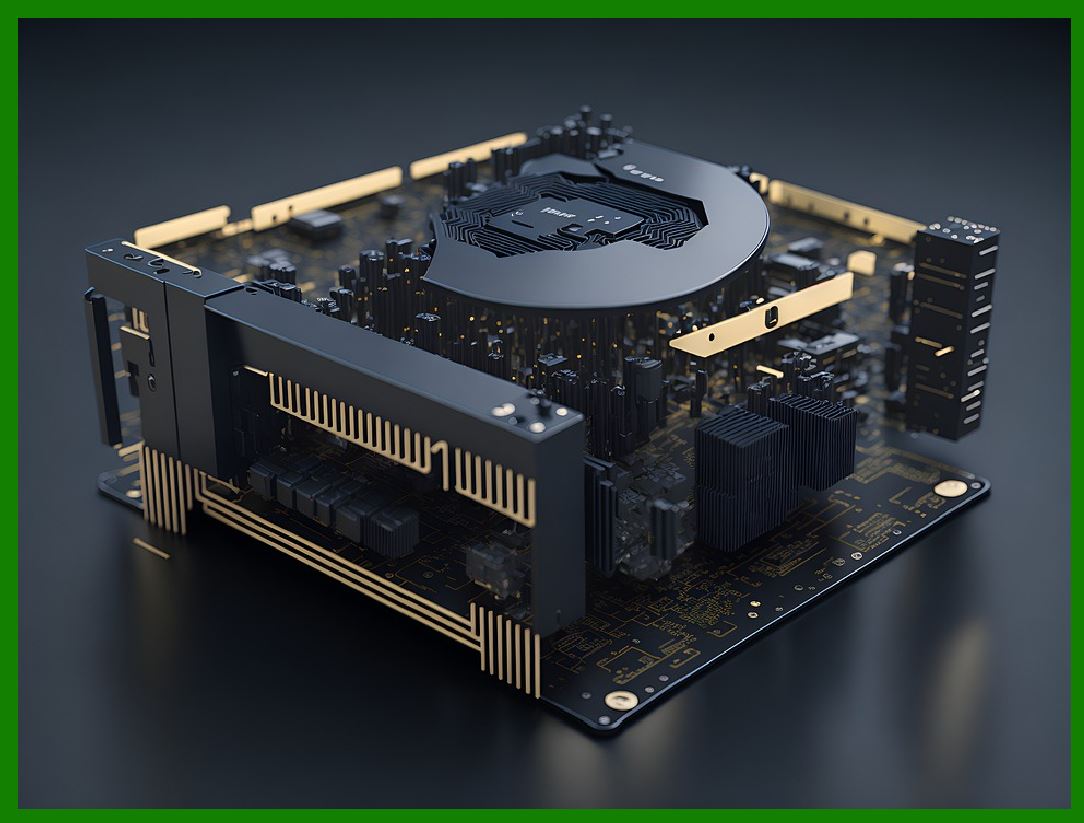
While the Tensor chip has enabled Google to deliver unique AI and machine learning features, creating custom silicon at scale is a major challenge. The Tensor chip must continue to evolve and improve in areas such as: |
Performance vs. Efficiency: Balancing performance with power efficiency will be crucial, as smartphone users demand longer battery life while still expecting high-performance capabilities, especially in AI-heavy tasks. |
Manufacturing and Supply Chain: Google will face challenges in scaling the manufacturing of its Tensor chips. The semiconductor industry is currently strained due to global supply chain issues, and producing a custom chip requires specialized facilities and processes. Relying solely on one partner for manufacturing, such as Samsung or TSMC, could pose risks. |
Continued Innovation: While Tensor chips are powerful, they are still in their early stages compared to the custom silicon used by Apple, which has had years of refinement in its A-series chips. Google will need to ensure that its future iterations of Tensor can match or surpass competitors like Apple's A-series or Qualcomm's Snapdragon. |
3.2. Hardware vs. Software Integration |
Google's success with Pixel smartphones is heavily dependent on how well the hardware and software are integrated. Unlike Apple, which designs both the hardware (iPhone) and software (iOS), Google still faces the challenge of working within the Android ecosystem. Android, being an open-source platform used by a variety of manufacturers, is not as tightly integrated as iOS. |
For Google, continuing to fine-tune the relationship between its software (Android OS) and custom hardware (Tensor chip) is a delicate balancing act. While the Pixel phones have largely succeeded in optimizing Android for their hardware, there are still challenges in achieving the level of tight integration that Apple's devices achieve. This integration is key to ensuring seamless user experiences, particularly in AI-powered features like Google Assistant, Live Translate, and camera processing. |
|
4. 3. Software Updates and Longevity |
4.1. Maintaining Long-Term Software Support |
One of the biggest strengths of the Google Pixel line is its promise of immediate and long-term software updates. However, as Pixel phones evolve and the devices age, maintaining long-term software support across a wide range of models will become more challenging. This includes not only regular security patches but also major Android version updates. |
Hardware Obsolescence: As hardware components become outdated, the ability to continue providing timely updates may be constrained by older processors, memory limitations, or compatibility issues. Google's challenge is ensuring that older Pixel models, particularly those in the mid-range segment (like the Pixel A-series), continue to receive updates and remain secure. |
Competition in Software Support: Competitors like Apple have set a high bar with long-term software support, with iPhones receiving updates for five years or more. Google will need to continue providing timely updates and expand its support window for older devices, especially given that Pixel users often expect the latest and greatest features. |
|
5. 4. Pricing Strategy and Profitability |
5.1. Maintaining Competitive Pricing |
While Pixel phones are seen as offering great value, their price points in comparison to other brands, particularly in the mid-range segment, could be a challenge. Google's pricing strategy has often leaned towards offering premium experiences at a competitive price, but it faces competition from other brands offering similar features at lower price points, especially with Chinese brands like Xiaomi and Oppo leading the charge in emerging markets. |
Google needs to find a balance between offering high-quality, innovative features and maintaining competitive prices. If Pixel phones are priced too high, they risk losing out to more affordable alternatives. If priced too low, it could undermine the premium perception that Google has built for its flagship devices. |
|
6. 5. Camera Innovation and Competition |
6.1. Advancements in Smartphone Cameras |
Google has long been recognized for its superior camera technology, largely driven by the power of AI and machine learning. However, as competitors improve their own camera technology, particularly with the introduction of multiple lenses and improved sensors, Pixel will need to innovate further to maintain its position as the best camera smartphone. |
Sensor Improvements: The competition in the camera space is intensifying. Companies like Apple, Samsung, and even Chinese manufacturers like Xiaomi and Oppo are investing heavily in larger sensors, better lenses, and computational photography. Google will need to continue advancing the Pixel's camera capabilities, especially in areas like zoom, night photography, and video quality. |
Hardware Limitations: While Google has excelled in computational photography, there are limits to how much improvement can be made through software alone. To stay competitive, Google may need to invest more in hardware (e.g., adding more lenses or improving sensor quality), which could complicate the design and pricing of Pixel devices. |
|
7. 6. Brand Awareness and Global Reach |
7.1. Marketing and Brand Recognition |
Google's Pixel phones have struggled to gain widespread recognition compared to industry giants like Apple and Samsung. Despite its superior technology, the Pixel brand is still considered niche, and Google has not been as aggressive with marketing compared to its competitors. Expanding brand recognition, particularly in markets like China, India, and Southeast Asia, remains a challenge. |
Global Distribution: Google's Pixel phones are not available in all markets, and some regions (like China) are either dominated by local players or have restrictions on foreign products. Expanding the availability and visibility of Pixel phones in these markets is crucial for growth. |

|
8. Conclusion: Navigating the Future |
The future of Google's Pixel smartphones and the Tensor chip will depend on how well Google navigates the challenges posed by competition, hardware/software integration, software longevity, pricing, and marketing. As the smartphone market becomes more saturated and competitive, Pixel will need to continue pushing the envelope on features like AI, camera technology, and integration with Google services. It must also maintain a careful balance between premium design and affordable pricing to ensure it appeals to a wide range of consumers. |
In summary, while the Pixel phone line has significant potential, its future success will depend on how effectively Google addresses these challenges, continues to innovate, and makes its devices stand out in an increasingly crowded market. |
 cs@easiersoft.com