1. Introduction to Graphene Synthesis |
Graphene is a two-dimensional material composed of a single layer of carbon atoms arranged in a honeycomb lattice structure. It has attracted immense attention due to its remarkable mechanical, electrical, thermal, and optical properties. These include high strength (200 times that of steel), excellent electrical conductivity, high thermal conductivity, and flexibility. Due to these exceptional properties, graphene has potential applications in a wide range of industries, such as electronics, energy storage, sensors, and biomedical devices. However, producing high-quality graphene at a large scale remains a significant challenge, both in terms of cost-effectiveness and maintaining the material's desired properties. Several methods for graphene synthesis have been developed, each with its own advantages, limitations, and scalability issues. The primary methods include chemical vapor deposition (CVD), liquid-phase exfoliation, and chemical reduction. This paper explores these methods in detail, providing insights into their mechanisms, advantages, challenges, and the progress made towards overcoming scalability barriers. |
|
2. Chemical Vapor Deposition (CVD) |
2.1 Overview |
Chemical vapor deposition (CVD) is one of the most widely used techniques for synthesizing high-quality graphene. CVD involves the decomposition of gaseous precursors in a reaction chamber, where the precursor molecules break down and react at a heated substrate, forming a solid material-in this case, graphene. The substrates used for CVD are typically copper or nickel foils, which serve as the catalyst for graphene growth. |
2.2 Process Details |
In a typical CVD process, a carbon-containing gas, such as methane (CH?), is introduced into a chamber heated to temperatures ranging from 900¡ãC to 1100¡ãC. The high temperature causes the methane to decompose, and carbon atoms are deposited onto the substrate, where they form a monolayer or few-layer graphene. The process is highly sensitive to factors like gas flow rates, temperature, pressure, and the type of catalyst used. The substrate's role is crucial, as it not only catalyzes the deposition of carbon but also helps in controlling the number of graphene layers produced. |
The process can be further optimized to control the size and shape of the graphene sheets. Large-area graphene sheets can be synthesized by controlling the flow of methane and other gases during the reaction. This method yields high-quality graphene, with few defects, making it ideal for applications that require precise electronic properties. |
2.3 Advantages of CVD |
1.High Quality: CVD graphene typically exhibits high electronic mobility and few defects, making it ideal for use in high-performance electronic devices. |
2.Large Area: When optimized, CVD can produce large-area graphene, which is crucial for industrial applications. |
3.Controlled Layering: The number of graphene layers can be controlled to produce either monolayer or multilayer graphene, depending on the requirements. |
4.Uniformity: The process can produce graphene films with consistent thickness and uniformity, which is essential for reliable device performance. |
2.4 Challenges and Scalability |
Despite its advantages, the scalability of CVD for industrial production is limited by several factors: |
1.High Cost: The equipment required for CVD, including vacuum chambers and gas control systems, is expensive. This makes the process less viable for large-scale, low-cost production. |
2.Substrate Requirements: The substrates used in CVD (such as copper) are not always compatible with certain types of devices or may need to be removed after graphene deposition, further complicating the process. |
3.Time and Energy: The CVD process is energy-intensive and time-consuming, with reaction times often ranging from several hours to a full day, which limits throughput. |
4.Defect Formation: Although CVD can produce high-quality graphene, defects can still occur if the parameters are not precisely controlled, and the process can also produce graphene with unwanted multi-layer structures or wrinkles that negatively affect its performance. |
|
3. Liquid-Phase Exfoliation |
3.1 Overview |
Liquid-phase exfoliation is a method that involves dispersing graphite in a solvent and then applying mechanical forces to separate individual graphene sheets. The technique is based on the principle of exfoliating graphite into graphene in a liquid medium, often using high shear forces or sonication. It is one of the more promising methods for large-scale production of graphene due to its scalability and relatively low cost. |
3.2 Process Details |
The process starts by dispersing natural graphite powder in a solvent, such as N-methyl-2-pyrrolidone (NMP), water, or ethanol. The dispersion is then subjected to mechanical forces, such as ultrasonication or shear mixing. Ultrasonication involves the use of high-frequency sound waves to create cavitation bubbles in the liquid, which generate shear forces that help break the graphite into individual graphene sheets. The resulting graphene flakes can be separated from unexfoliated graphite by centrifugation, with the size and number of graphene sheets controlled by adjusting the sonication time and power. |
The liquid-phase exfoliation method is particularly useful for producing graphene in solution, which can be processed further for various applications, including inks for printed electronics or coatings for energy storage devices. |
3.3 Advantages of Liquid-Phase Exfoliation |
1.Scalability: Liquid-phase exfoliation can be easily scaled up for industrial production. It is much less expensive compared to CVD, as it does not require sophisticated equipment or high temperatures. |
2.Simplicity: The process involves relatively simple equipment, which can lower production costs and facilitate mass production. |
3.Large Quantities: The method can produce large quantities of graphene at a relatively low cost, making it attractive for applications that require bulk graphene. |
4.Versatility: Liquid-phase exfoliation can be adapted to produce graphene in various solvents, making it possible to tailor the properties of the graphene for specific applications. |
3.4 Challenges and Limitations |
While liquid-phase exfoliation offers many advantages, it also has significant limitations, particularly concerning the quality of the graphene produced: |
1.Lower Quality Graphene: The graphene produced by liquid-phase exfoliation typically has more defects than CVD graphene, which can reduce its performance in applications that require high-quality materials. |
2.Flake Size: The size of the graphene flakes produced through liquid-phase exfoliation is often smaller and more irregular than those produced by CVD, which can affect their properties and hinder certain applications, particularly in electronics. |
3.Solvent Dependency: The method relies on the use of solvents, which can complicate the process and require further purification steps to remove residual solvents. |
4.Aggregation: The exfoliated graphene sheets tend to aggregate in solution, which can lead to issues with dispersion stability and affect the uniformity of the final product. |
|
4. Chemical Reduction of Graphene Oxide |
4.1 Overview |
Chemical reduction of graphene oxide (GO) is another popular method for producing graphene. Graphene oxide is an oxidized form of graphene, containing various oxygen-containing functional groups such as epoxides, hydroxyls, and carboxyls, which make it more dispersible in solvents and easier to process. Chemical reduction involves reducing these oxygen groups back to a more stable carbon form to obtain graphene-like material. |
4.2 Process Details |
In the chemical reduction process, graphene oxide is first synthesized by treating graphite with strong oxidizing agents, such as a mixture of sulfuric acid and potassium permanganate, in a process known as the Hummers' method. The resulting graphene oxide can then be reduced through chemical means, such as the use of hydrazine, sodium borohydride, or other reducing agents. The reduction process restores some of the electrical conductivity and other properties of the graphene, but the material is typically not as pristine as CVD graphene. |
The reduction process can be performed in solution, or the material can be processed in solid form using various chemical treatments. The reduction degree (the extent to which oxygen-containing groups are removed) can be controlled by adjusting the amount and type of reducing agent used. |
4.3 Advantages of Chemical Reduction |
1.Cost-Effectiveness: The chemical reduction process is relatively low-cost compared to other synthesis methods like CVD. It does not require expensive equipment or high temperatures. |
2.Large-Scale Production: This method is scalable, making it suitable for producing large amounts of graphene oxide, which can then be reduced to graphene. |
3.Solubility: Graphene oxide is highly dispersible in water and other solvents, which makes it easier to process and modify. This also makes it ideal for use in applications like inks or composites. |
4.4 Challenges and Limitations |
1.Incomplete Reduction: The reduction process often results in incomplete removal of oxygen groups, leading to reduced electrical and mechanical properties compared to pristine graphene. This can limit its application in high-performance devices. |
2.Defects and Functional Groups: Even after reduction, some oxygen-containing groups may remain on the graphene sheet, introducing defects and functional groups that can interfere with its properties. |
3.Process Control: Achieving a consistent reduction across large quantities of material can be challenging. Variations in reduction can lead to inconsistencies in material properties. |
|
5. Conclusion |
The synthesis of graphene presents both significant opportunities and challenges for researchers and industries seeking to harness its extraordinary properties. Each of the major graphene synthesis methods-chemical vapor deposition (CVD), liquid-phase exfoliation, and chemical reduction-offers distinct advantages and faces unique limitations in terms of scalability and material quality. CVD provides high-quality graphene with precise control over layer numbers, making it ideal for high-performance applications but at a high cost and with scalability limitations. Liquid-phase exfoliation offers scalability and low cost but produces graphene of lower quality and inconsistent properties. Chemical reduction of graphene oxide allows for low-cost production but often results in reduced graphene with inferior properties compared to pristine graphene. |
To address these challenges, ongoing research is focused on improving these synthesis methods, optimizing their scalability, and developing hybrid approaches that combine the strengths of different techniques. As advancements continue, it is expected that more cost-effective and efficient methods will be developed, paving the way for widespread commercial applications of graphene in fields such as electronics, energy, and medicine. |

|
Practical examples |
6. Practical Examples of Graphene Synthesis Methods in Action |
Graphene has shown promise in a wide variety of applications, from energy storage to electronics, and its synthesis methods have been adapted to these practical needs. Below are some real-world examples of how the different graphene synthesis methods-Chemical Vapor Deposition (CVD), Liquid-Phase Exfoliation, and Chemical Reduction-are used in industrial and research settings. |
6.1 Chemical Vapor Deposition (CVD) in Electronics |
6.1.1 Example: Graphene Transistors |
One of the most promising applications of high-quality graphene is in the field of transistors for next-generation electronics. Graphene-based field-effect transistors (GFETs) are being developed as an alternative to silicon-based devices. The high electron mobility of graphene enables faster switching speeds and more efficient devices. |
How CVD Fits In: CVD is used to produce high-quality graphene films that are later transferred onto silicon wafers or other substrates for transistor fabrication. For instance, the semiconductor company IBM has successfully used CVD to create high-performance graphene transistors. The graphene produced via CVD exhibits high electrical conductivity and low defect density, essential for minimizing signal loss and maintaining high device performance. The ability to control the graphene layer thickness and transfer it onto different substrates is key in scaling up production for commercial use. |
Despite the promising results, challenges in producing large-area, defect-free graphene still exist, and issues with integrating graphene into existing semiconductor processes remain a hurdle. However, CVD's ability to produce uniform, large-area graphene films means it continues to be a crucial technique in the push for graphene-based electronics. |
6.1.2 Example: Flexible Electronics |
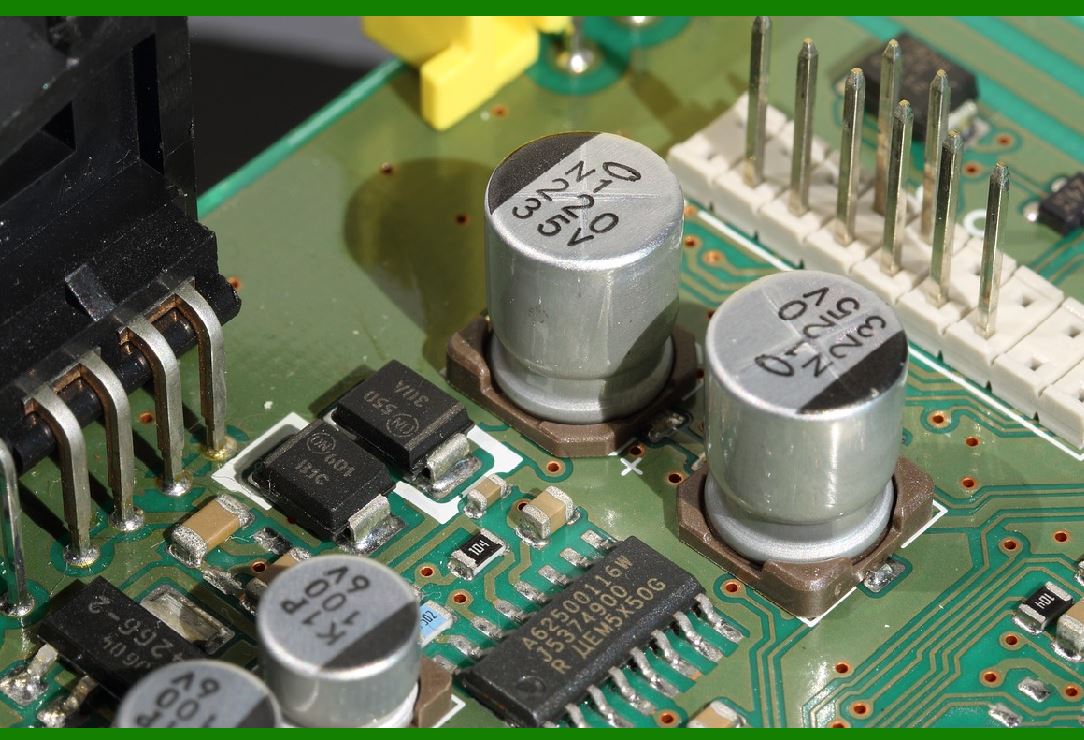
Flexible and wearable electronics are another area where graphene's unique properties shine. Graphene-based films are being used for flexible touch screens, wearables, and even foldable smartphones. CVD's ability to produce high-quality, large-area graphene is critical for these applications. For example, Samsung has used CVD to grow graphene on copper foil to develop flexible displays that are both lighter and more durable than traditional materials. |
|
6.2 Liquid-Phase Exfoliation in Energy Storage |
6.2.1 Example: Graphene-Based Supercapacitors |
Graphene is widely used in energy storage devices, particularly in supercapacitors, which store energy electrostatically. The high surface area and electrical conductivity of graphene make it an ideal material for this application. Graphene-based supercapacitors are particularly appealing because they offer faster charge and discharge times than traditional capacitors. |
How Liquid-Phase Exfoliation Fits In: Liquid-phase exfoliation is often used in the production of graphene for energy storage devices. Graphenea, a leading graphene producer, uses liquid-phase exfoliation to produce graphene dispersions that are used in supercapacitors. The process allows for the large-scale production of graphene at a relatively low cost compared to methods like CVD. However, the graphene produced via liquid-phase exfoliation may contain some defects and non-uniformities, which affect its performance in high-end applications like ultra-capacitors. |
In supercapacitor applications, the lower-quality graphene produced by liquid-phase exfoliation can still provide significant improvements in energy storage capabilities compared to traditional materials. E-DAQ has used graphene produced via liquid-phase exfoliation to improve the power density and cycle stability of their supercapacitors. |
6.2.2 Example: Graphene-based Lithium-Ion Batteries |
Graphene is also being integrated into lithium-ion batteries to enhance their performance. The aim is to improve the energy density, charge rates, and lifetime of batteries used in electric vehicles, smartphones, and other portable electronics. Samsung SDI has developed a prototype lithium-ion battery that incorporates graphene to increase both the battery's lifespan and its efficiency. |
How Liquid-Phase Exfoliation Fits In: Graphene produced via liquid-phase exfoliation is used to form the conductive network within the battery electrodes. This graphene-enhanced structure improves the electron transport within the battery, allowing for faster charging times and longer battery life. The scalability of liquid-phase exfoliation makes it an attractive method for manufacturing the large quantities of graphene needed for commercial battery production. However, to achieve optimal performance, further improvements in the dispersion quality and flake size are necessary. |
|
6.3 Chemical Reduction in Composites |
6.3.1 Example: Graphene Composites for Automotive Applications |
Graphene's exceptional strength-to-weight ratio makes it ideal for use in composite materials, particularly in the automotive industry, where lightweight and high-strength materials are in high demand. These composites are used to create parts that are both stronger and lighter than conventional materials like metals or polymers. |
How Chemical Reduction Fits In: Chemical reduction of graphene oxide (GO) is frequently used to produce graphene for composite materials. One example is the use of reduced graphene oxide (rGO) in the production of graphene-based composites for car body panels. For instance, Volvo and Ford have explored using graphene composites to reduce the weight of their vehicles, which improves fuel efficiency and performance. The reduced graphene oxide used in these composites is often produced by chemical reduction processes, providing a cost-effective route to scalable production. |
Graphene-based composites offer improved mechanical strength, flexibility, and heat resistance, which are crucial for the automotive industry. The ability to incorporate reduced graphene oxide into polymers or resins helps reinforce the materials while keeping them lightweight and cost-effective. |
6.3.2 Example: Graphene for Concrete Reinforcement |
Concrete is one of the most widely used materials in construction, but it is prone to cracking and degradation over time. Researchers have experimented with using graphene oxide or reduced graphene oxide to reinforce concrete and improve its durability and strength. |
How Chemical Reduction Fits In: In this case, reduced graphene oxide (rGO) is mixed with concrete to create graphene-enhanced concrete that has superior mechanical properties. The graphene-based reinforcement improves the concrete's resistance to cracking, enhances its tensile strength, and increases its lifespan. Companies like Graphene Flagship are working on scaling up the use of rGO in concrete production, with promising results. Reduced graphene oxide, produced via chemical reduction, provides a cost-effective and scalable way to enhance the properties of concrete. |
|
6.4 Hybrid Methods and Emerging Applications |
6.4.1 Example: Hybrid CVD and Liquid-Phase Exfoliation for Printed Electronics |
The combination of CVD and liquid-phase exfoliation methods can be used to overcome some of the challenges associated with each individual technique. For instance, CVD can be used to create high-quality graphene films, which are then exfoliated in a solvent to create graphene dispersions for printed electronics. The Graphene Innovations startup has been experimenting with hybrid CVD and liquid-phase exfoliation techniques to develop graphene inks for printed circuits. The CVD method ensures high-quality graphene production, while the liquid-phase exfoliation ensures that the material can be easily processed into printable forms. |
This hybrid approach opens the door to large-scale production of graphene-based inks that can be used in applications like flexible circuits, displays, and sensors. Printed electronics, made with high-quality graphene, could revolutionize industries by providing lightweight, flexible, and cost-effective alternatives to traditional semiconductor materials. |
6.4.2 Example: Hybrid CVD and Chemical Reduction for High-Performance Sensors |
Graphene is also being integrated into sensors for a variety of applications, such as gas detection, biosensing, and environmental monitoring. By combining CVD with chemical reduction, it is possible to produce graphene-based sensors that have both high sensitivity and low cost. |
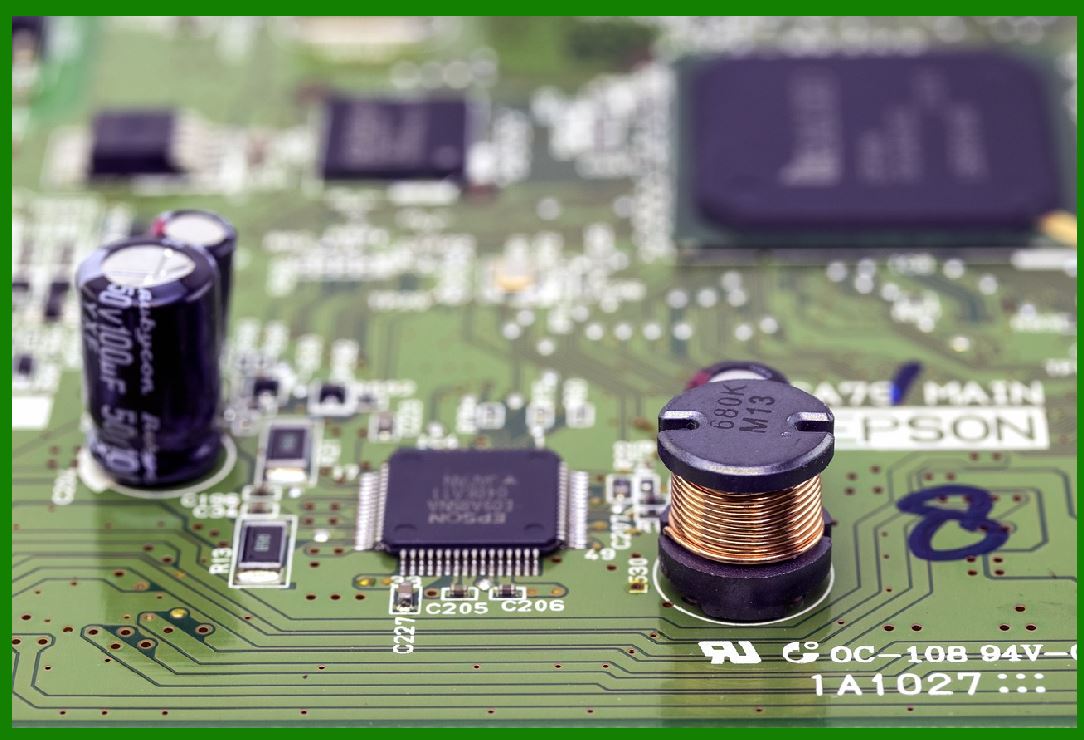
In this hybrid approach, CVD-grown graphene is used as the base material for the sensor, while chemical reduction of graphene oxide is used to modify the graphene's surface properties to enhance its sensor functionality. For example, Xerox has developed a graphene-based sensor for detecting carbon dioxide and other gases. The combination of CVD and chemical reduction in this case allows for the fine-tuning of the sensor's sensitivity and performance. |
|
7. Conclusion: Future Prospects and Commercialization |
The practical applications of graphene across industries like electronics, energy storage, automotive, and construction demonstrate the material's vast potential. However, achieving widespread commercialization of graphene depends on overcoming the scalability and cost-effectiveness issues associated with its synthesis. Each synthesis method-CVD, liquid-phase exfoliation, and chemical reduction-offers distinct advantages and limitations. CVD is ideal for high-quality applications, but it is expensive and not yet scalable for large-volume production. Liquid-phase exfoliation is scalable but produces lower-quality graphene. Chemical reduction offers a cost-effective means of producing graphene, but the reduction process can result in materials with lower performance compared to pristine graphene. |
Hybrid methods combining multiple synthesis techniques may offer a path toward achieving both scalability and high performance. As research progresses and new innovations emerge, it is expected that graphene will become increasingly accessible for use in various industries, potentially revolutionizing many sectors by enabling the creation of next-generation materials, devices, and technologies. |
 cs@easiersoft.com