Power-Hungry Technologies: An In-Depth Exploration |
The rapid advancement of technology over recent decades has introduced numerous innovations across various industries. From artificial intelligence (AI) and machine learning (ML) to blockchain, smart cities, and autonomous systems, the power demands of these technologies have become a subject of growing concern. These power-hungry systems, which rely on large-scale computations, vast data storage, and constant connectivity, significantly contribute to global energy consumption. As we move further into the digital age, the balancing act between innovation and sustainability has become a pressing issue for governments, industries, and environmental advocates alike. This comprehensive exploration examines the energy-intensive nature of modern technologies, their environmental consequences, and the urgent need for sustainable solutions. |

|
1. The Energy Demands of Artificial Intelligence and Machine Learning |
The growth of AI and ML has been one of the defining technological trends of the 21st century. These technologies have revolutionized industries such as healthcare, finance, transportation, and entertainment. However, the computational power required to train advanced AI models, such as deep neural networks, is immense. |
1.1. Training AI Models |
The process of training a machine learning model, particularly a deep learning model, involves processing enormous datasets using complex mathematical algorithms. Deep learning algorithms, for example, require vast amounts of data, and the more data you use, the more computational power you need. The training phase of a deep neural network is especially energy-intensive because it involves numerous iterations of forward and backward passes through the network. These iterations can run for days, weeks, or even months, consuming substantial energy in the process. |
One of the most significant power consumers in AI training is the Graphics Processing Unit (GPU). GPUs, designed for parallel processing, are commonly used for tasks involving large amounts of data and computation. In the context of AI, GPUs facilitate faster matrix calculations required in deep learning tasks. However, as more layers and parameters are added to neural networks, the energy demands of GPUs increase dramatically. The energy consumption of GPUs during model training has become a key concern in AI development. |
1.2. Data Centers and Their Impact on Energy Consumption |
Data centers form the backbone of AI-powered services, from cloud computing to web hosting and machine learning applications. These centers house the powerful servers that process the data and store information. With the proliferation of AI, the demand for data centers has skyrocketed. Unfortunately, these facilities are among the largest consumers of electricity globally. |
A typical data center consists of hundreds or even thousands of servers running 24/7. These servers need constant cooling to prevent overheating, further exacerbating energy usage. Data centers also require a reliable supply of power to ensure uninterrupted operations. As AI and ML models grow larger and more complex, the energy needs of data centers are set to rise even further. |
1.3. Environmental Impact |
The energy demands of AI and machine learning models are not only financially costly but environmentally detrimental as well. The majority of electricity consumed by data centers still comes from non-renewable sources like coal, natural gas, and oil. The carbon footprint of AI technologies, especially those requiring massive data processing capabilities, has become a key concern in the context of global climate change. |
AI training models such as OpenAI's GPT and Google's BERT involve billions of parameters and require vast computational resources, often demanding thousands of GPUs working in parallel over extended periods. A single training run of such models can consume as much energy as an average American household would use in several years. This immense energy consumption translates into significant carbon emissions unless the energy sources powering these data centers are predominantly renewable. |

|
2. The Energy Burden of Blockchain and Cryptocurrency Mining |
Blockchain technology, the foundation for cryptocurrencies such as Bitcoin and Ethereum, has emerged as another area of concern regarding energy consumption. Blockchain relies on a consensus mechanism called proof of work (PoW) to validate transactions and secure the network. This process involves complex mathematical puzzles that miners solve using high-powered computing rigs. |
2.1. Proof of Work and Its Energy Requirements |
The PoW mechanism requires miners to use substantial computational resources to compete against each other to solve a cryptographic problem. The first miner to solve the problem is rewarded with cryptocurrency, and the transaction is added to the blockchain. However, this process demands enormous amounts of energy. |
For example, Bitcoin mining alone consumes more electricity than some entire countries. The computational power required for mining has increased as the difficulty of mining algorithms has grown, further pushing up the energy consumption. The energy intensity of blockchain operations has made headlines worldwide, especially as cryptocurrencies have gained mainstream popularity. |
2.2. Environmental Concerns with Cryptocurrency Mining |
Cryptocurrency mining operations often take place in regions where electricity is cheap, which tends to be in areas powered by coal or other non-renewable energy sources. As a result, the environmental impact of cryptocurrency mining is disproportionately high. According to some estimates, Bitcoin's energy consumption could be comparable to that of entire nations like Argentina or the Netherlands. |
In addition to the environmental implications, the concentration of mining operations in certain regions has led to concerns about local power grids being overwhelmed. In countries like China, where a large portion of global mining took place until recently, the excessive energy consumption from mining activities has been a source of political and environmental debate. |
2.3. Shifting to Greener Solutions |
In response to mounting environmental concerns, some blockchain networks have started to explore alternative consensus mechanisms that are less energy-intensive. Ethereum, for instance, has transitioned from proof of work to proof of stake (PoS), a system that requires far less energy to validate transactions. This shift is a significant step towards reducing the carbon footprint of blockchain technologies, though many smaller, less-efficient blockchains remain energy-intensive. |

|
3. Energy-Efficient Technologies and Sustainable Alternatives |
As the need for energy-efficient technology grows, there have been significant strides made toward more sustainable alternatives. Industries and researchers are working tirelessly to reduce the power consumption of data centers, AI models, and blockchain networks. |
3.1. Green Data Centers |
To address the energy demands of data centers, several tech giants are investing heavily in green energy solutions. Companies like Google, Amazon, and Microsoft are increasingly running their data centers on renewable energy sources such as wind, solar, and hydroelectric power. Furthermore, energy-efficient technologies such as advanced cooling systems and more efficient server hardware have been deployed to minimize energy use. Liquid cooling and immersion cooling, which involve submerging servers in non-conductive liquids, are emerging as promising methods to reduce the need for traditional air conditioning. |
3.2. AI-Specific Energy Optimization |
In the realm of AI, researchers are working on developing more energy-efficient models that require fewer resources to train and run. One approach is the development of specialized AI hardware such as Google's Tensor Processing Units (TPUs) and custom-designed chips that are optimized for machine learning tasks. These chips consume far less energy compared to general-purpose GPUs, offering a more energy-efficient way to run AI models. |
Additionally, AI itself is being used to optimize energy consumption. For instance, AI algorithms can be employed to predict energy demand and improve the efficiency of power grids, ensuring that energy is used more effectively. Furthermore, techniques like model pruning, quantization, and knowledge distillation aim to reduce the size and complexity of AI models, ultimately lowering their energy consumption. |
3.3. Blockchain Sustainability |
In the world of blockchain, the transition from proof of work to proof of stake is one of the most promising solutions to reduce energy consumption. By removing the need for energy-intensive mining, PoS mechanisms allow transactions to be validated using far fewer resources. Ethereum's transition to PoS is a prime example, and other blockchain networks are likely to follow suit. Additionally, energy-efficient consensus mechanisms such as proof of authority (PoA) and delegated proof of stake (DPoS) are gaining traction as alternatives to traditional PoW systems. |

|
4. The Future of Power-Hungry Technologies |
Looking ahead, the trend toward more power-hungry technologies is unlikely to slow down. As AI models become more advanced and blockchain networks expand, the demand for computational power and energy will only continue to rise. However, there is a growing awareness of the environmental impact of these technologies, and industries are beginning to shift towards more sustainable practices. |
4.1. The Role of Governments and Regulations |
Governments around the world are increasingly taking steps to regulate energy consumption in the tech sector. The European Union, for instance, has introduced initiatives such as the European Green Deal, which aims to make Europe climate-neutral by 2050. This includes reducing the carbon footprint of digital technologies. Similarly, countries like the United States are beginning to implement carbon pricing, which could incentivize tech companies to reduce their energy consumption or switch to renewable energy sources. |
4.2. Innovation and Future Trends |
Innovation will play a crucial role in addressing the growing energy demands of emerging technologies. In the coming years, we may see the development of even more energy-efficient hardware, such as quantum computers, which have the potential to perform complex calculations with significantly less energy than traditional computers. Additionally, breakthroughs in energy storage, such as advanced battery technologies, could help mitigate the energy consumption challenges posed by intermittent renewable energy sources. |
The ongoing shift towards sustainable practices in the tech sector is essential not only for reducing environmental impact but also for ensuring that the innovations of tomorrow can be realized without compromising the planet's resources. |
|
5. Conclusion |
In conclusion, power-hungry technologies such as AI, machine learning, and blockchain are reshaping the digital landscape, but they come with substantial energy costs. As the world moves toward sustainability, the pressure on tech companies to develop more energy-efficient solutions has never been greater. While energy-intensive technologies may dominate the present, the future of innovation lies in finding ways to reduce their environmental impact. Through the adoption of renewable energy, more efficient hardware, and innovative algorithms, it is possible to continue advancing technological frontiers without further straining the planet's resources. The transition toward sustainable technologies is not just a necessity-it is an opportunity for businesses, governments, and individuals to align innovation with environmental stewardship. |
|
Case Studies on Power-Hungry Technologies and Their Environmental Impact |
To further understand the environmental implications of power-hungry technologies and the efforts to mitigate their energy consumption, let's look at a few prominent case studies. These cases demonstrate the scale of energy demands in various sectors, the challenges these pose, and the steps taken by companies and organizations to address them. |
1. Google's Energy-Efficient Data Centers |
Overview: Google is one of the largest tech companies globally and operates an extensive network of data centers that power everything from Google Search to YouTube, Gmail, and cloud computing services. As of 2024, Google's data centers process billions of searches per day, host millions of videos, and store massive amounts of data for millions of users worldwide. This results in substantial energy consumption, especially given the high computational needs of services like Google's AI models and machine learning applications. |
Energy Challenges: Historically, data centers were responsible for a significant portion of Google's energy consumption. In 2011, Google's data centers consumed around 2.3 terawatt-hours (TWh) of electricity, which was equivalent to the energy usage of around 200,000 U.S. households. With the rapid growth of AI, machine learning, and cloud services, the energy demand for processing large-scale data and running AI models has only increased. |
Solutions and Innovations: Google has been a pioneer in reducing the energy footprint of its operations. It was one of the first major companies to commit to running its global data centers entirely on renewable energy. Google achieved this goal in 2017, sourcing 100% of its electricity from renewable sources such as wind and solar power. This milestone was a significant step in reducing the carbon footprint of their data centers. |
Moreover, Google has invested heavily in developing energy-efficient data center technologies: |
AI for Cooling: In 2014, Google began using AI to optimize the cooling systems in its data centers. By deploying machine learning algorithms, Google was able to predict the cooling needs of its data centers in real time, reducing energy consumption by up to 40%. |
Efficient Hardware: Google has also focused on designing more efficient hardware for its data centers. For instance, it developed custom-designed servers and chips, such as its Tensor Processing Units (TPUs), which are more energy-efficient than traditional GPUs used in AI tasks. |
Impact: |
Google's renewable energy efforts have significantly reduced the carbon emissions of its data centers. In 2023, Google reported that the carbon footprint of its data centers had decreased by 50% per unit of computing power since 2007. |
The use of AI for cooling, along with more energy-efficient hardware, has helped Google reduce its overall energy consumption for data processing tasks. |

|
2. Bitcoin and the Environmental Debate: The Case of China's Cryptocurrency Mining |
Overview: Bitcoin, the most popular cryptocurrency, relies on the proof-of-work (PoW) consensus mechanism, which requires miners to solve complex cryptographic puzzles using high-powered computing rigs. This process consumes vast amounts of energy. China, once the world's leading hub for cryptocurrency mining, saw a rapid increase in energy consumption due to its dominance in the mining industry. |
Energy Challenges: In 2020, Bitcoin mining worldwide was estimated to consume around 130 TWh annually, which was more than the energy consumption of some countries. A large portion of this mining activity took place in China, where electricity is relatively cheap and largely derived from coal-fired power plants. |
At its peak, Bitcoin mining in China accounted for over 65% of global Bitcoin mining. This concentration of mining in regions with cheap coal energy meant that the environmental impact of Bitcoin mining was disproportionately high. In some provinces, the energy used by miners exceeded the power consumption of entire cities. |
Government Action: In 2021, China's government cracked down on cryptocurrency mining to combat the high energy consumption and carbon emissions associated with the industry. The government's ban on cryptocurrency mining led to the shutdown of thousands of mining farms across the country. |
Shift in Mining Activities: After China's crackdown, Bitcoin mining operations shifted to other countries, such as the United States, Russia, and Kazakhstan. However, the energy consumption of Bitcoin mining remained a key issue, especially in regions where mining is still powered by fossil fuels. |
Environmental Impact and Alternatives: In response to environmental concerns, the cryptocurrency industry has increasingly looked toward alternatives to PoW. Ethereum, for instance, transitioned from PoW to a more energy-efficient proof-of-stake (PoS) mechanism in 2022. PoS drastically reduces the energy consumption required for mining and transaction validation by removing the need for miners to compete in solving cryptographic puzzles. |
Despite these advancements, the broader cryptocurrency industry still faces challenges related to energy consumption. Mining operations that continue to use PoW often rely on coal or other fossil fuels, contributing to high carbon emissions. |
|
3. Microsoft's Cloud Computing and Carbon Neutrality Initiatives |
Overview: Microsoft, a leader in cloud computing with its Azure platform, provides a wide range of services that rely heavily on data centers and cloud infrastructure. Like other tech giants, the company faces the challenge of balancing the rapid growth of its cloud services with the environmental impact of its data centers, which require significant energy resources to operate and cool. |
Energy Challenges: Microsoft's global network of data centers powers a variety of applications and services, including machine learning models, AI algorithms, and enterprise cloud services. These operations demand enormous computational power and, therefore, significant amounts of electricity. As of 2024, Microsoft's data centers consume approximately 6 TWh of electricity per year, contributing to the company's overall carbon emissions. |
Sustainability Goals and Innovations: Microsoft has set ambitious sustainability goals, including becoming carbon-negative by 2030. To meet these targets, the company is focusing on both energy efficiency and carbon reduction strategies: |
Renewable Energy Transition: Microsoft is committed to running its data centers on 100% renewable energy by 2025. The company has already reached over 60% renewable energy usage across its operations. |
Carbon Offset Investments: Microsoft has invested in carbon removal technologies, including reforestation projects and direct air capture, to offset its carbon emissions. |
AI for Energy Efficiency: Similar to Google, Microsoft uses AI to optimize the energy efficiency of its data centers. AI algorithms are employed to better manage cooling systems and improve the performance of its hardware infrastructure. |
Sustainable Hardware: Microsoft has developed more energy-efficient server technologies and is working on building 'carbon-free' data centers. It is also involved in designing hardware that uses less power while improving computational performance. |
Impact: |
By 2023, Microsoft had achieved a 30% reduction in its carbon emissions since 2019, with plans to accelerate these efforts through carbon removal technologies and more widespread adoption of renewable energy. |
Microsoft's AI-driven energy optimization tools have resulted in a 20% reduction in energy use across its data centers. |

|
4. Tesla's Role in Energy and AI: Sustainable Battery Production |
Overview: Tesla is known for its electric vehicles (EVs), but the company is also deeply involved in energy production and storage through its SolarCity division and the development of large-scale battery storage systems. Tesla's AI-driven technologies are used for autonomous driving, energy storage management, and optimizing the performance of solar energy systems. However, the energy used in manufacturing Tesla's batteries and AI-powered systems also raises environmental concerns. |
Energy Challenges: The production of lithium-ion batteries, which power Tesla's EVs and energy storage systems, is energy-intensive. Mining raw materials like lithium, cobalt, and nickel can have significant environmental impacts, particularly when these materials are sourced from areas with poor environmental practices. The manufacturing process, especially for the Gigafactories that Tesla operates, consumes large amounts of electricity. |
Sustainability Efforts: Tesla has committed to producing its electric vehicles with minimal carbon emissions, from manufacturing to operation. A key part of this commitment is the development of energy-efficient manufacturing processes: |
Gigafactory Efficiency: Tesla's Gigafactories are designed to be more energy-efficient, incorporating sustainable practices in manufacturing. For instance, Tesla's Gigafactory in Nevada runs on renewable energy from solar and geothermal sources, aiming for net-zero carbon emissions. |
Battery Recycling: To reduce the environmental impact of battery production, Tesla has been investing in battery recycling technologies, which could allow for the reuse of critical raw materials in battery manufacturing. The company's efforts to recycle lithium-ion batteries are expected to reduce the demand for raw material mining. |
Impact: |
Tesla's Gigafactories are projected to reduce the carbon footprint of EV production by more than 50% compared to traditional auto manufacturing. |
The use of renewable energy at Gigafactories has helped to minimize the carbon emissions of Tesla's production processes. |

|
5. Amazon Web Services (AWS) and Cloud Computing Sustainability |
Overview: Amazon Web Services (AWS) is one of the largest providers of cloud computing services globally, powering services such as Amazon's e-commerce platform, Netflix, and large-scale AI applications. AWS runs a vast network of data centers that consume substantial amounts of electricity to support its cloud infrastructure. |
Energy Challenges: As the global leader in cloud computing, AWS faces significant pressure to reduce the energy consumption and carbon footprint of its operations. AWS's data centers host not only e-commerce applications but also a wide range of business, financial, and scientific applications that rely on large-scale data processing. |
Sustainability Solutions: AWS has made significant strides in improving the energy efficiency of its data centers and infrastructure: |
Renewable Energy Transition: AWS has committed to powering its global infrastructure with 100% renewable energy by 2025. By 2021, AWS was already sourcing more than 50% of its energy from renewable sources. |
Efficient Cooling and Design: AWS has implemented advanced cooling techniques to minimize energy consumption in its data centers. Additionally, the company has invested in designing data centers with energy-efficient layouts and hardware. |
Impact: |
AWS has reduced its carbon footprint by more than 60% since 2015, and its renewable energy usage has grown significantly. |
AWS's sustainability efforts are part of a broader industry-wide trend toward greener cloud computing, setting an example for other providers. |
|
Conclusion |
These case studies illustrate the diverse ways in which major technology companies are addressing the energy consumption and environmental impacts of their operations. While the energy demands of power-hungry technologies such as AI, blockchain, and cloud computing are substantial, companies are making significant efforts to transition to renewable energy, improve efficiency, and innovate in sustainable technology. However, much work remains to be done, and the future of these industries will depend on their ability to balance technological innovation with environmental responsibility. |
|
What new technologies will improve this in the future? |
The future of power-hungry technologies will likely involve a mix of breakthroughs in hardware, software, and energy production/management, all aimed at improving efficiency, reducing environmental impact, and making operations more sustainable. Here are several emerging technologies and innovations that hold promise for improving the energy efficiency of data centers, AI, blockchain, and other computationally intensive systems: |
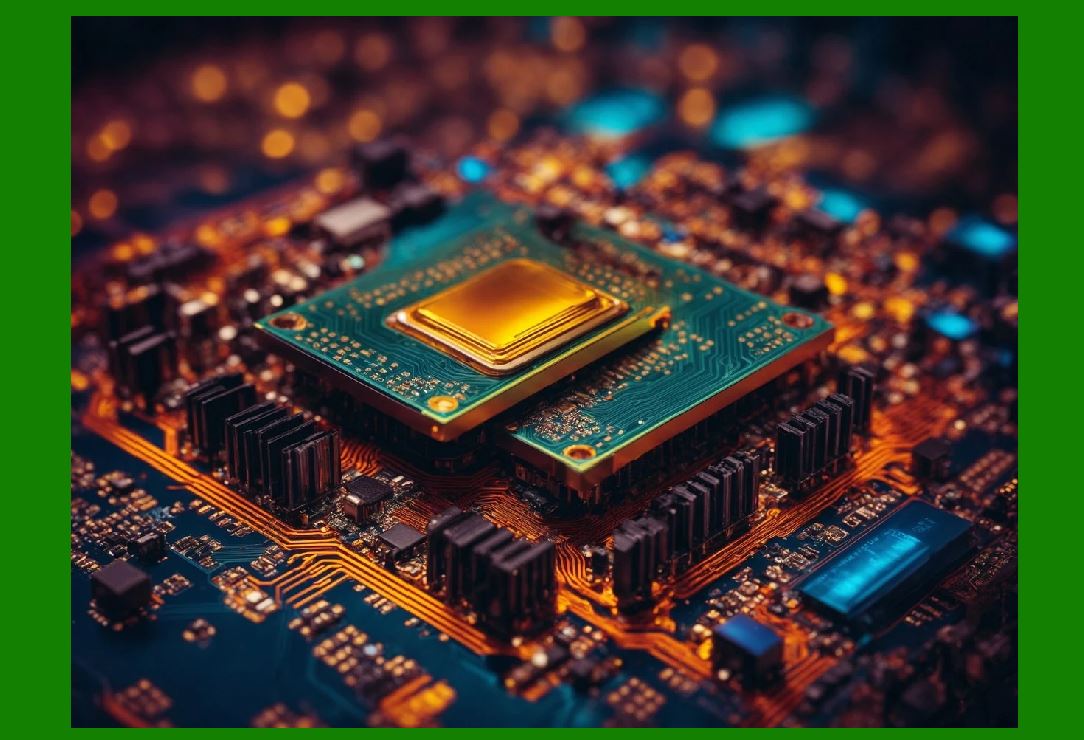
1. Quantum Computing |
Overview: Quantum computing is a field of computing that leverages the principles of quantum mechanics to perform computations that are infeasible for classical computers. Quantum computers can, in theory, solve certain types of problems exponentially faster than traditional computers. |
Impact on Energy Efficiency: |
Energy-Intensive Tasks: For specific types of problems, quantum computers could drastically reduce the computational resources required. For example, optimization problems, complex simulations, and machine learning tasks could be done with significantly lower energy consumption using quantum algorithms. |
Material Simulation: Quantum computers can simulate molecular interactions, helping design more efficient materials for energy storage and electronics. This could lead to new, more efficient semiconductors or battery technologies, reducing the energy footprint of traditional computing hardware. |
Challenges: Quantum computing is still in its infancy. While large-scale quantum computers remain a distant goal, incremental advancements could improve computing efficiency in the next few decades, potentially transforming sectors such as AI and cryptography. |
|
2. Neuromorphic Computing |
Overview: Neuromorphic computing seeks to emulate the architecture and functioning of the human brain by designing hardware and software that mimic neural networks in a more energy-efficient manner. Neuromorphic systems use specialized chips that are designed to operate in a way similar to biological neurons, rather than relying on traditional transistor-based architectures. |
Impact on Energy Efficiency: |
Brain-Like Efficiency: The human brain is remarkably energy-efficient for the kinds of tasks it performs. Neuromorphic systems aim to replicate this efficiency in artificial systems. By adopting brain-inspired algorithms and hardware designs, neuromorphic chips could run machine learning models with far less energy than current systems. |
Lower Power Consumption: Neuromorphic chips, such as Intel's Loihi and IBM's TrueNorth, use significantly less power than traditional GPUs or CPUs. This could help AI models run faster and more efficiently without requiring large-scale energy-hungry hardware. |
Challenges: Neuromorphic computing is still under active research, and there are many challenges in scaling these systems to handle the breadth and complexity of tasks that current digital systems can process. However, the potential for low-power AI computation could revolutionize fields like autonomous systems and robotics. |
|
3. Edge Computing |
Overview: Edge computing involves processing data closer to where it is generated (i.e., at the 'edge' of the network), rather than transmitting all the data back to centralized cloud data centers. By reducing the need to move large amounts of data over long distances, edge computing can significantly reduce the energy and bandwidth costs associated with data processing. |
Impact on Energy Efficiency: |
Reduced Data Transmission: By processing data locally on edge devices (like smartphones, IoT devices, or local servers), edge computing reduces the amount of data that needs to be sent to energy-intensive data centers for processing. This leads to energy savings in both data transmission and server usage. |
Faster, Localized Processing: Edge computing can handle real-time tasks, such as sensor data processing or AI inference, without requiring the extensive computational resources of centralized cloud servers. This decreases reliance on cloud data centers for routine tasks, helping to alleviate energy demands on cloud infrastructure. |
Challenges: While edge computing offers energy savings in certain contexts, it also introduces complexity in managing distributed computing resources and security across many endpoints. However, as IoT and AI become more embedded in everyday devices, edge computing will likely grow in importance. |

|
4. AI-Driven Optimization and Autonomous Systems |
Overview: Artificial intelligence is already being used to optimize operations across various industries, from energy production to cloud computing. In the future, AI will become increasingly sophisticated at optimizing its own energy consumption, improving power management systems, and automating processes that would otherwise require significant computational resources. |
Impact on Energy Efficiency: |
Self-Optimizing Data Centers: AI algorithms can be used to predict and adjust the power needs of data centers in real-time. By analyzing data about server load, temperature, and power usage, AI can adjust cooling systems, server usage, and even the energy source being used, leading to more efficient data center operations. Companies like Google already use AI for cooling, but future developments could make this optimization even more granular and widespread. |
Intelligent Energy Grids: AI can also help manage energy grids more effectively, optimizing energy distribution based on demand and supply. This can result in more efficient use of renewable energy sources and reduce the carbon footprint of both AI and blockchain networks that depend on cloud computing. |
Challenges: The biggest hurdle in AI-driven optimization is the complexity of managing distributed systems and the energy cost of training AI models themselves. As AI becomes more sophisticated, however, it will increasingly be able to optimize across multiple levels of the tech stack (hardware, software, and infrastructure). |

|
5. Blockchain and Energy-Efficient Consensus Mechanisms |
Overview: While traditional blockchain systems like Bitcoin use energy-intensive proof-of-work (PoW) consensus mechanisms, there has been a growing shift toward more energy-efficient alternatives such as proof-of-stake (PoS), proof-of-authority (PoA), and hybrid models. These newer models do not require the energy-heavy computations of PoW systems. |
Impact on Energy Efficiency: |
Proof-of-Stake (PoS): PoS and its variants significantly reduce the energy required for consensus. Instead of miners solving cryptographic puzzles, validators are selected based on the amount of cryptocurrency they 'stake' as collateral. This drastically reduces the amount of computational work involved, as seen in Ethereum's transition from PoW to PoS in 2022. |
Proof-of-Authority (PoA): In PoA, trusted authorities validate transactions, which eliminates the need for energy-intensive mining. This system is already in use in some blockchain networks for applications such as enterprise blockchain solutions. |
Layer-2 Solutions: These are off-chain solutions built on top of existing blockchains that enable faster, more efficient transactions while reducing the load on the main blockchain network. By reducing transaction fees and congestion, layer-2 solutions can lower energy consumption as well. |
Challenges: While PoS and PoA systems are more energy-efficient than PoW, they still have some drawbacks, including centralization risks and security challenges. However, ongoing research is focused on addressing these concerns and further optimizing blockchain systems. |

|
6. Photonic Computing |
Overview: Photonic computing leverages light (photons) instead of electrical signals (electrons) to perform computations. Photons can carry more data and travel faster than electrical signals, which has the potential to significantly reduce the energy consumption of traditional electronic computing. |
Impact on Energy Efficiency: |
Higher Bandwidth and Speed: Photonic circuits can transmit large amounts of data with lower power consumption than traditional copper-based circuits. Photons, being faster and less likely to generate heat, offer an advantage in terms of energy efficiency for high-speed data processing. |
Reduced Heat Generation: Photonic systems generate less heat than traditional electronic systems, which in turn reduces the need for cooling-one of the largest energy expenditures in data centers. |
Challenges: Photonic computing is still in the research and development phase. While some companies are exploring photonic chips for data centers and AI applications, there are significant challenges in scaling this technology for general-purpose computing. |

|
7. Solid-State Batteries and Advanced Energy Storage |
Overview: The development of new battery technologies, particularly solid-state batteries, promises to revolutionize energy storage. These batteries are more energy-dense and safer than conventional lithium-ion batteries, making them an attractive option for powering energy-hungry technologies. |
Impact on Energy Efficiency: |
Higher Energy Density: Solid-state batteries can store more energy in a smaller space, reducing the number of batteries required to power devices. This can significantly reduce the energy consumption of data centers and other computational infrastructure. |
Faster Charging and Longer Lifespan: Solid-state batteries charge faster and last longer than traditional batteries, which could improve the overall efficiency of mobile and stationary power systems. |
Integration with Renewable Energy: By improving the storage capabilities of renewable energy sources (e.g., solar and wind), solid-state batteries can enable more reliable and consistent power for data centers and AI systems, reducing reliance on non-renewable energy sources. |
Challenges: Solid-state battery technology is still maturing and faces significant hurdles in terms of manufacturing scalability and cost. However, as research progresses, these batteries could play a major role in reducing the energy demands of emerging technologies. |

|
8. Carbon Capture and Utilization (CCU) and Direct Air Capture (DAC) |
Overview: While not directly related to energy efficiency in technology, carbon capture and utilization (CCU) and direct air capture (DAC) technologies are increasingly seen as part of the solution to mitigate the environmental impact of energy-intensive industries, including tech. |
Impact on Energy Efficiency: |
Reducing Carbon Emissions: By capturing and reusing CO2 emissions from power generation and industrial activities, these technologies can reduce the carbon footprint of data centers, AI, and blockchain networks that rely on traditional power grids. |
Sustainable Manufacturing: DAC technologies can be deployed at large-scale data centers to capture carbon emitted during electricity production, ensuring that even non-renewable energy sources do not contribute to climate change. |
Challenges: Both CCU and DAC technologies are still in the early stages of development and are expensive to implement at scale. However, as the costs come down and efficiency improves, these technologies could help offset the environmental impact of power-hungry tech industries. |

|
Conclusion |
The future of power-hungry technologies is tied to the development of energy-efficient systems and sustainable energy sources. Innovations in quantum computing, neuromorphic systems, edge computing, AI-driven optimization, energy-efficient blockchain consensus mechanisms, photonic computing, and advanced energy storage hold the potential to reduce the carbon footprint of technologies like AI, blockchain, and cloud computing. However, each of these technologies faces its own set of challenges, and their successful deployment will depend on continued research, investment, and regulatory support to ensure they can scale effectively while meeting the growing demand for computational power. |
 cs@easiersoft.com