1. Introduction: The Rising Importance of Chip Security |
As the backbone of modern technological systems, semiconductor chips are at the heart of nearly every device in the digital ecosystem-from smartphones and laptops to automobiles, medical devices, and industrial machinery. The increasing complexity and power of these chips have brought about a range of security concerns that have grown more urgent over time. The sheer scale of computing power integrated into these chips creates both an opportunity for more sophisticated attacks and a greater potential for damage should security be compromised. As chips become ubiquitous, the implications of a breach at the chip level can be far-reaching, affecting everything from personal privacy to national security. |
Historically, hardware security was often overlooked in favor of software-based protection mechanisms. However, the discovery of high-profile vulnerabilities such as Spectre and Meltdown has forced both the semiconductor industry and cybersecurity professionals to reconsider the security risks inherent in chip design. These vulnerabilities revealed the extent to which hardware-level flaws can be exploited and the difficulty of mitigating such risks once they are embedded in chips already deployed in billions of devices worldwide. |
This document explores the current and future security concerns in chip design, including hardware vulnerabilities, the potential for backdoors in chip designs, and the challenges in securing chips in a globalized, interconnected world. |

|
2. Hardware Vulnerabilities: A Growing Threat |
2.1 The Evolution of Hardware Vulnerabilities |
As semiconductor technology advances, so does the complexity of chip design. In modern processors, millions, and even billions, of transistors are packed into minuscule spaces, all working in unison to process data at high speeds. While this progress has fueled the growth of computing power, it has also introduced new vectors for security breaches. |
Historically, security flaws in hardware were less common, mainly because the complexity of chips was low, and most attacks were concentrated on software vulnerabilities. However, with the rise of high-performance processors and the introduction of features like speculative execution, vulnerabilities at the hardware level have become more prevalent. |
2.2 Spectre and Meltdown: A Wake-up Call |
The discovery of the Spectre and Meltdown vulnerabilities in early 2018 highlighted how deeply embedded security risks can be within chip architecture. These two vulnerabilities allowed attackers to bypass normal access control mechanisms and gain access to sensitive data stored in the memory of affected devices. |
Spectre exploits a feature called speculative execution, which allows processors to guess and perform operations on instructions before it is known whether they are needed. If the guess is wrong, the results are discarded, but not before leaving traces in the processor's cache that can be exploited to infer sensitive information. Spectre can target a wide range of modern processors, making it a significant concern for almost any device with a CPU. |
Meltdown, on the other hand, targeted a flaw in how modern CPUs separate user-level processes from the operating system's kernel. By exploiting this flaw, attackers could bypass memory isolation mechanisms and read arbitrary kernel memory, including passwords and other sensitive data. While Meltdown was largely confined to Intel processors, it was another wake-up call about the importance of secure chip design. |
Both vulnerabilities highlighted that modern processors' complexity made it difficult to account for all potential attack surfaces. These attacks have since led to industry-wide calls for more robust security features in chip architecture, as well as the development of new techniques to mitigate such risks. |
2.3 Exploiting Hardware Vulnerabilities |
Beyond Spectre and Meltdown, the landscape of hardware vulnerabilities is vast and growing. Other flaws, such as Rowhammer, Foreshadow, and L1 Terminal Fault (L1TF), have also surfaced in recent years. These vulnerabilities exploit various physical and logical properties of chips, such as memory manipulation, cache timing, and out-of-order execution. |
The Rowhammer vulnerability, for example, exploits the physical property of memory chips, where repeatedly accessing certain memory locations can cause bit flips in adjacent memory locations, potentially altering the data. This can lead to arbitrary code execution or privilege escalation, enabling attackers to compromise an entire system. |
Foreshadow and L1TF exploit flaws in Intel's speculative execution mechanisms, similar to Spectre and Meltdown, but with different attack vectors. Each of these vulnerabilities highlights how difficult it is to secure chips at the hardware level, as these types of attacks often rely on low-level interactions with physical memory or cache, making detection and mitigation challenging. |
As chip designs become more complex, the number of potential attack surfaces increases, and the difficulty of preventing, detecting, and mitigating attacks grows. This trend makes it increasingly difficult to ensure that chips are secure from both known and unknown threats. |
|
3. Backdoors in Chip Designs: A Geopolitical Concern |
3.1 The Potential for Intentional Vulnerabilities |
One of the most pressing concerns related to chip security is the possibility of intentional backdoors being inserted into chips during the design or manufacturing process. A backdoor is a hidden method of bypassing normal authentication or security measures, often left intentionally by a designer or manufacturer for unauthorized access. |
In the context of geopolitical tensions, the risk of intentional backdoors being introduced into chips from specific countries or manufacturers has gained significant attention. Countries like the United States, China, and Russia have long been at odds over issues of national security, espionage, and cyber warfare. The prospect that a nation could insert a covert backdoor into chips used by its adversaries has raised serious concerns in both the government and private sectors. |
Backdoors could be inserted at various stages of the chip lifecycle: during the design phase, when the chip is being fabricated, or in the final testing stages before deployment. Inserting a backdoor during the design phase is particularly concerning because it could go undetected for years, as the chip design becomes so complex that it becomes difficult to fully analyze every line of code or every layer of the chip's physical structure. |
3.2 Case Studies and Allegations |
Over the years, there have been multiple allegations of countries inserting backdoors into chips. A high-profile example is the 2018 report by Bloomberg, which claimed that Chinese operatives had compromised the supply chain of major chipmakers such as Supermicro by inserting tiny microchips into motherboards. These chips allegedly allowed attackers to access sensitive data from servers in the United States, including those used by government agencies and major corporations. |
While the allegations were denied by both the companies involved and the Chinese government, the story raised serious questions about the security of the global semiconductor supply chain. Even though the claims were not conclusively proven, they highlighted the vulnerability of the chip manufacturing process to covert tampering. |
Other incidents, such as the discovery of the Stuxnet worm-which targeted Iran's nuclear facilities-demonstrated that hardware-based attacks can be used to sabotage critical infrastructure. Stuxnet specifically targeted Siemens industrial control systems, which relied on specialized chips for their operation. Though not an insertion of a backdoor into the chip itself, the attack demonstrated the potential for hardware-related vulnerabilities to be exploited for malicious purposes. |
3.3 Mitigating the Risk of Backdoors |
In response to concerns about intentional backdoors, many governments and organizations are calling for greater transparency in chip manufacturing processes. For example, the United States has launched initiatives to boost domestic semiconductor production, such as the CHIPS Act, in an effort to reduce reliance on foreign suppliers and mitigate the risks of malicious tampering in the supply chain. |
One approach to reducing the risk of backdoors is the use of trusted execution environments (TEEs), which are isolated environments within a chip designed to protect sensitive data and operations. By using TEEs, companies can ensure that even if a backdoor exists in the general chip design, critical data and operations can remain secure. |
Additionally, hardware root of trust (RoT) mechanisms are increasingly being integrated into chips. These are hardware-based components that verify the integrity of the chip during boot-up and ensure that no unauthorized modifications have been made. RoT systems are essential for ensuring that chips operate securely and without compromise. |
However, these solutions are not foolproof. As chip designs become more advanced, ensuring that every component of the chip is free of vulnerabilities or backdoors becomes increasingly difficult. Security in chip design requires a multi-layered approach, combining both hardware and software-based protections. |
|
4. The Global Semiconductor Supply Chain: A Double-Edged Sword |
4.1 The Complexity of Global Chip Manufacturing |
The global semiconductor supply chain is highly fragmented, with different companies and countries contributing to the design, fabrication, and assembly of chips. Major players like Intel, TSMC (Taiwan Semiconductor Manufacturing Company), Samsung, and AMD dominate the industry, but these companies rely on a vast network of suppliers for raw materials, fabrication equipment, and software tools. |
This global supply chain introduces significant challenges when it comes to ensuring the security of chips. First, chips are often designed in one country, fabricated in another, and assembled in yet another, making it difficult to trace and verify every step of the process. The sheer number of entities involved increases the likelihood of vulnerabilities being introduced-whether unintentionally, through mistakes, or intentionally, through malicious tampering. |
4.2 Risks of Geopolitical Conflict |
Geopolitical tensions further complicate the security of the semiconductor supply chain. For instance, the ongoing trade war between the United States and China has led to concerns about the integrity of chips sourced from China, given the potential for espionage and backdoor insertion. The U.S. government has even banned certain Chinese semiconductor companies, such as Huawei, from sourcing chips from U.S. manufacturers, citing national security risks. |
These tensions are not just limited to direct threats of backdoors; they also raise concerns about the reliability of the global supply chain. For example, if a geopolitical conflict disrupts the flow of critical components or raw materials, it could lead to a shortage of chips, potentially forcing manufacturers to source components from less secure suppliers or rely on outdated technology. |
|
5. Conclusion: Moving Towards Secure Chip Design |
The security of semiconductor chips is a critical issue in the modern technological landscape, as vulnerabilities at the chip level can have profound and far-reaching consequences. The discovery of vulnerabilities such as Spectre and Meltdown has demonstrated how even the most advanced hardware can be compromised. Meanwhile, concerns about backdoors being intentionally inserted into chips have raised alarms about the potential for geopolitical adversaries to exploit vulnerabilities in the supply chain. |
To address these challenges, the industry must prioritize hardware security throughout the design and manufacturing process. This includes adopting new design paradigms that make it harder for attackers to exploit vulnerabilities, improving supply chain transparency, and developing advanced security mechanisms such as TEEs and RoT. |
As chips continue to evolve in complexity and capability, the task of securing them will become even more challenging. However, with ongoing research, collaboration between industry stakeholders, and investment in secure manufacturing practices, it is possible to mitigate these risks and create chips that are both powerful and secure. Ultimately, ensuring the security of semiconductor chips will require a concerted effort across governments, manufacturers, and cybersecurity professionals to address the vulnerabilities and backdoor risks that threaten the digital infrastructure on which we all rely. |

|
What new technologies will improve this issue? |
1. Advanced Cryptographic Techniques for Hardware Security |
One of the most promising approaches to improving hardware security is the integration of advanced cryptographic techniques directly into the chip architecture. Cryptography can help secure data stored on the chip and protect communication between chips, ensuring that even if an attacker gains physical access to the hardware, they cannot easily extract sensitive information. |
1.1 Homomorphic Encryption |
Homomorphic encryption is a form of encryption that allows computation on encrypted data without needing to decrypt it first. This technique has the potential to revolutionize data security by allowing secure processing in the hardware layer. Homomorphic encryption could be used to enable encrypted data processing within hardware, protecting sensitive information even in the event of a breach. |
For example, it could be applied in cloud computing environments, where chips perform computations on encrypted user data without ever exposing that data to unauthorized parties. This would make it significantly harder for attackers to gain meaningful access to the data even if they breach the chip. |
1.2 Hardware Security Modules (HSMs) |
Hardware Security Modules (HSMs) are specialized devices designed to generate, store, and manage cryptographic keys securely. As chip security becomes increasingly important, incorporating HSMs within processors will ensure that cryptographic functions are executed in a secure, tamper-resistant environment. HSMs can prevent key extraction attacks by making it extremely difficult for hackers to access private keys even if they have physical access to the chip. |
Modern processors like ARM's TrustZone or Intel's SGX (Software Guard Extensions) integrate secure execution environments within the chip. These secure environments perform cryptographic operations, isolate sensitive data, and protect it from malicious software, adding an additional layer of security to the hardware itself. |
|
2. Trusted Execution Environments (TEEs) |
2.1 Expanding the Use of TEEs in Consumer and Enterprise Hardware |
Trusted Execution Environments (TEEs) have already gained traction in securing sensitive information within devices by isolating critical operations from the rest of the system. A TEE is a secure area within a processor that ensures that the data inside it is stored, processed, and transmitted in a protected environment, away from potentially malicious software running on the device. |
By integrating TEEs into more hardware designs, manufacturers can create isolated environments within chips that would be resistant to tampering, even by privileged attackers. This is especially useful for protecting cryptographic keys, biometric data, and other sensitive information that could be targeted in an attack. |
For example, Intel's SGX and ARM's TrustZone create isolated spaces where sensitive data and applications can be executed safely, even on compromised systems. Expanding the capabilities of TEEs to cover larger sections of hardware would make it even more difficult for attackers to access data without being detected. |
2.2 TEE Integration with AI and Machine Learning for Threat Detection |
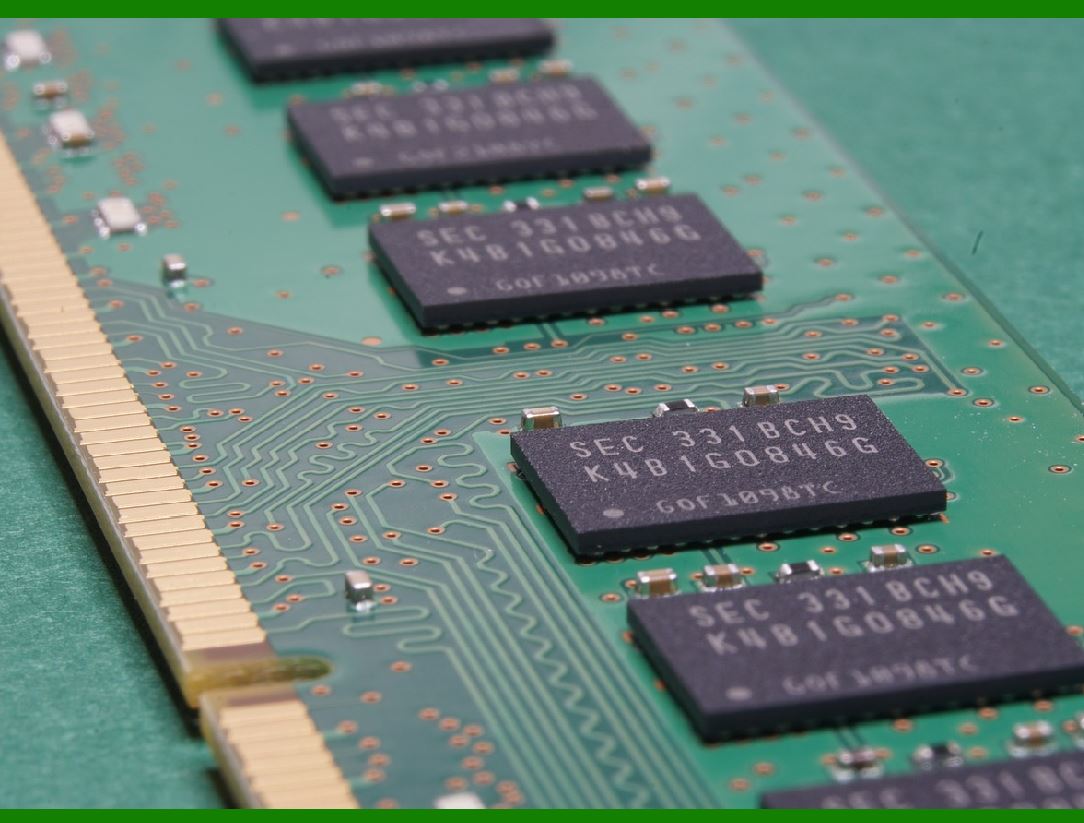
AI and machine learning can be integrated with TEEs to enhance real-time threat detection and response. Machine learning algorithms can be used to analyze chip behavior and identify anomalies that might indicate a security breach or an attempt to exploit vulnerabilities. With the ability to execute these algorithms in a secure, isolated environment within the chip, TEEs can prevent attackers from tampering with the detection mechanisms. |
|
3. Security-by-Design: Chip Architectures with Built-In Protection |
To address vulnerabilities like Spectre, Meltdown, and Rowhammer, chipmakers are adopting security-by-design principles. This involves incorporating security features into the architecture from the outset, rather than as an afterthought. |
3.1 Secure Processor Architectures |
New processor architectures are being designed with security in mind. These include mechanisms such as side-channel attack protection, memory isolation, and tamper-resistant features to prevent various forms of exploitation. For example, Intel's Willow Cove microarchitecture introduces mitigations against speculative execution vulnerabilities, such as those exposed by Spectre and Meltdown. |
Another promising approach is RISC-V, an open-source processor architecture that allows manufacturers to build customized chips with integrated security features. The open nature of RISC-V allows researchers and manufacturers to develop novel security extensions without relying on proprietary hardware architectures, ensuring that chips can be designed with a focus on transparency and security. |
3.2 Physical Unclonable Functions (PUFs) |
Physical Unclonable Functions (PUFs) leverage unique physical characteristics of a chip's manufacturing process to generate keys that are extremely difficult to replicate. These keys can be used to authenticate devices or secure communications. PUFs provide a hardware-based method of establishing trust, as each chip has a unique identifier that cannot be cloned or duplicated. |
Integrating PUFs into semiconductor chips would increase the resistance to cloning attacks and help mitigate the risk of counterfeit chips being introduced into the supply chain. This is especially important for securing sensitive applications like financial transactions or government communications. |
|
4. AI-Powered Security for Hardware Integrity |
4.1 AI-Driven Anomaly Detection in Chip Behavior |
Artificial Intelligence (AI) can play a critical role in enhancing hardware security by detecting anomalies in the chip's behavior. Machine learning models trained to understand normal hardware behavior could identify irregularities indicative of a security breach or unauthorized access. |
For example, AI algorithms can be applied to analyze data from sensors built into the chip, such as temperature, power consumption, and electromagnetic emissions, which can all change when a chip is tampered with. By combining these data streams with historical performance data, AI can detect physical attacks or side-channel attempts in real time, alerting system administrators before significant damage occurs. |
4.2 Automated Hardware Vulnerability Scanning |
AI and machine learning can be used to automate the detection of vulnerabilities in hardware designs before they are deployed. These tools can scan chip layouts and designs for known vulnerabilities, ensuring that chips are rigorously tested for potential security flaws. This proactive approach can help prevent vulnerabilities from slipping through the design phase and into production. |
4.3 Self-Healing Chips |
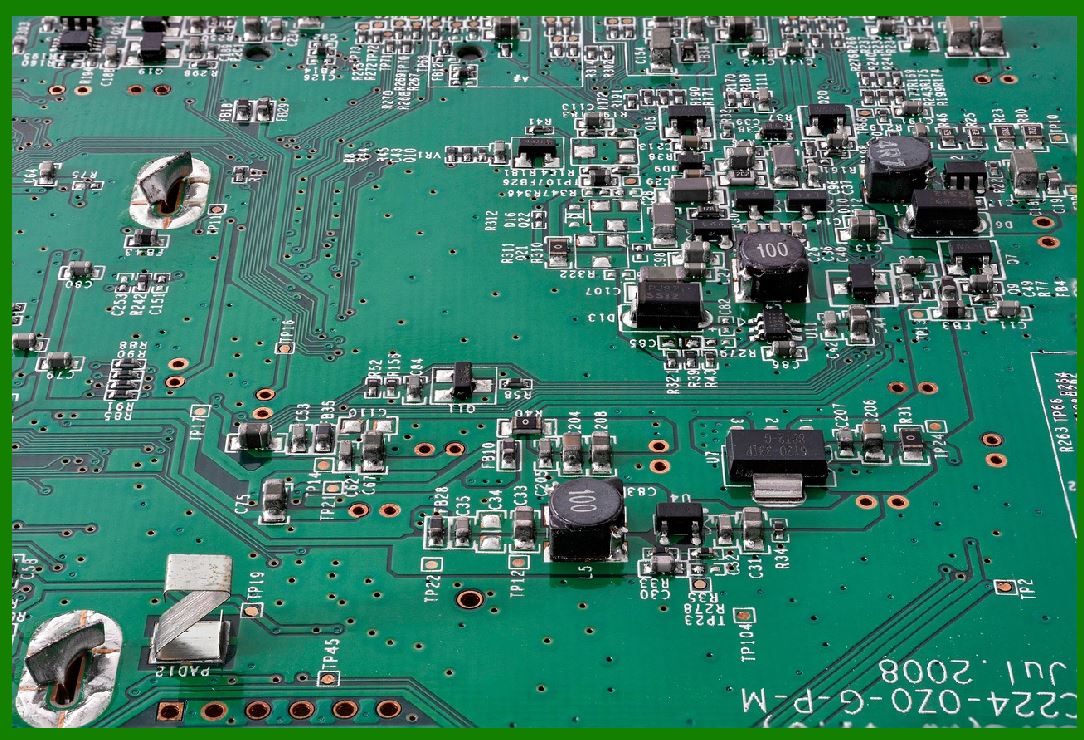
AI-powered self-healing chips could enable hardware to detect and recover from attacks in real time. By leveraging advanced machine learning techniques, chips could automatically adjust their functionality or enter a 'safe mode' when an anomaly is detected. This could prevent attackers from gaining control of the chip and potentially mitigate the damage caused by a successful attack. |
|
5. Supply Chain and Manufacturing Security Improvements |
5.1 Blockchain for Chip Supply Chain Transparency |
The supply chain for semiconductor chips is vast and complex, with components sourced from multiple countries and manufacturers. Blockchain technology has the potential to provide transparency and traceability throughout the entire supply chain. By recording every transaction and movement of chip components on an immutable blockchain, manufacturers can track the provenance of every part used in the production of a chip. This would make it much more difficult for malicious actors to insert backdoors or tamper with chips without being detected. |
Blockchain can also be used to verify the authenticity of chips and ensure they are not counterfeit, which is a major security concern in the semiconductor industry. By creating a digital ledger of every chip's history, from design to final shipment, blockchain can help ensure the integrity of the manufacturing process. |
5.2 Tamper-Evident Packaging and Secure Manufacturing |
Another security measure being explored is tamper-evident packaging for chips. By using advanced techniques such as microtext or holographic seals on the packaging, manufacturers can detect whether a chip has been tampered with during transport or prior to installation. This would prevent unauthorized access to the hardware during the supply chain and add an additional layer of security against malicious actors. |
Additionally, implementing trusted foundries that guarantee no unauthorized modifications take place during chip fabrication can help secure the manufacturing process. These foundries would be subject to regular audits and monitoring to ensure that no backdoors or vulnerabilities are intentionally inserted during chip production. |

|
6. Post-Manufacturing Security Solutions |
6.1 Chip-Level Intrusion Detection Systems (IDS) |
Post-manufacturing, chips can be equipped with intrusion detection systems (IDS) that continuously monitor for suspicious activities or anomalous behavior during operation. These systems would use behavioral analytics to detect attacks in real time and take action to mitigate the impact. For example, if the chip detects an attempt to exploit a previously unknown vulnerability, the IDS could automatically disable the compromised portion of the chip or initiate a self-repair process. |
6.2 On-Chip Secure Firmware Updates |
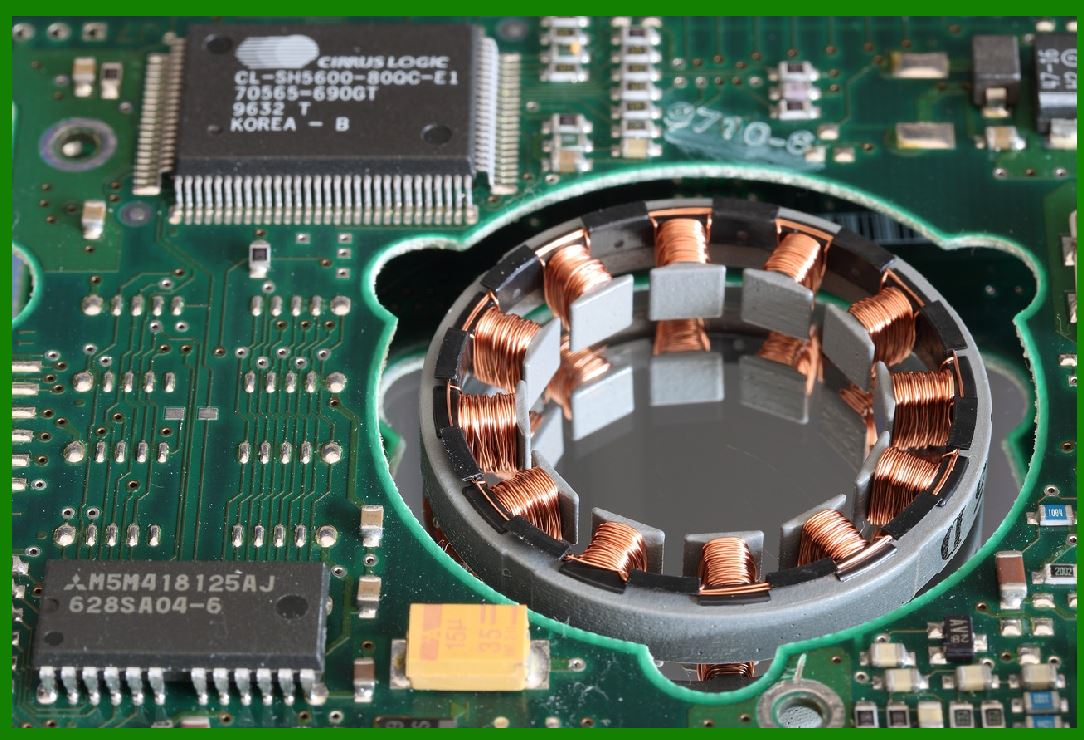
Many chip vulnerabilities are discovered after a chip has been deployed, requiring manufacturers to release firmware updates to patch known security holes. With on-chip secure firmware update mechanisms, chips can be remotely updated in a secure manner without the risk of being compromised during the update process. These mechanisms can authenticate and verify the integrity of firmware before it is loaded, ensuring that only legitimate updates are applied to the chip. |
|
7. Conclusion: A Future of Enhanced Hardware Security |
The future of hardware security in chip design will rely heavily on the integration of new technologies such as advanced cryptographic methods, Trusted Execution Environments (TEEs), AI-driven threat detection, secure manufacturing processes, and robust supply chain monitoring. As the complexity of chips continues to increase, these technologies will play a vital role in addressing the vulnerabilities that have emerged in recent years. |
By adopting a holistic approach to security-incorporating both hardware and software measures at every stage of the chip lifecycle-manufacturers can improve the resilience of chips against evolving threats. The continued collaboration between hardware engineers, cybersecurity experts, and governments will be essential in creating a secure foundation for the digital world of tomorrow. |
 cs@easiersoft.com