1. Introduction to Semiconductor Shortages and Supply Chain Vulnerabilities |
In recent years, the global semiconductor industry has faced significant challenges, leading to shortages of critical components that have impacted various sectors of the economy. These shortages have become a defining characteristic of the modern technological landscape, affecting everything from consumer electronics to automobiles, healthcare devices, and even industrial machinery. Semiconductors, which are the building blocks of modern technology, play a crucial role in powering everything from smartphones to high-performance computing systems. The shortage of these critical components has created widespread disruptions across industries, exposing vulnerabilities in the semiconductor supply chain that had not been fully appreciated before. |
The semiconductor supply chain is complex, highly globalized, and, to a large extent, concentrated in a few regions, primarily East Asia. Although efforts are underway to expand production capacity, geopolitical tensions, trade disputes, and unexpected disruptions such as pandemics and natural disasters have exacerbated vulnerabilities. Furthermore, the increasing demand for advanced chips, driven by industries like artificial intelligence (AI), 5G, and automotive technology, has only added to the strain on semiconductor supply chains. This essay aims to explore the ongoing semiconductor shortages, the vulnerabilities within the global supply chain, and the steps being taken to address these challenges. |

|
2. The Importance of Semiconductors in Modern Technology |
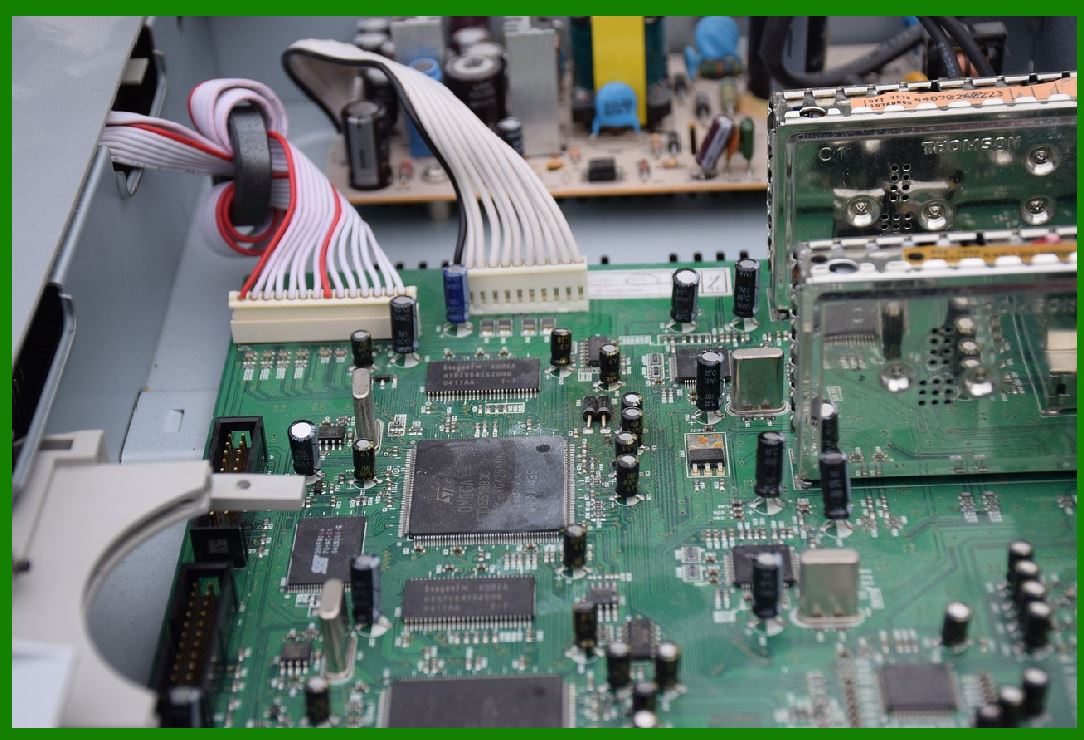
Semiconductors are essential to the functioning of virtually all modern electronic devices and systems. These components serve as the 'brains' of everything from smartphones and laptops to medical devices, consumer electronics, industrial machinery, and military equipment. At the heart of the global technology ecosystem, semiconductors enable the processing power and data storage necessary to support high-performance computing and connectivity. |
The advancement of technology, particularly in fields like AI, 5G, and autonomous vehicles, has greatly increased the demand for more powerful and efficient semiconductors. AI applications, for instance, require specialized chips designed to handle massive amounts of data processing in real-time. Similarly, the development of 5G networks necessitates a new generation of semiconductors capable of handling higher speeds and greater bandwidth. The automotive industry's growing reliance on semiconductors, especially in electric and autonomous vehicles, has further exacerbated demand. |
Given their critical role in almost every facet of modern life, any disruption in the supply of semiconductors can lead to cascading effects across multiple industries. This is particularly concerning when considering the current state of the semiconductor supply chain. |
|
3. The Current Semiconductor Shortage |
The global semiconductor shortage that began in 2020 and intensified in 2021 was one of the most significant disruptions to global manufacturing in recent history. The shortage was triggered by a combination of factors, including the COVID-19 pandemic, which disrupted manufacturing and supply chains worldwide. During the pandemic, semiconductor manufacturers were forced to slow down production or temporarily shut down their plants due to labor shortages, supply chain disruptions, and safety measures. At the same time, demand for electronic devices, especially laptops, smartphones, and gaming consoles, surged as people shifted to remote work and online learning. |
As the global economy began to recover, industries like automotive, which had initially reduced their semiconductor orders in anticipation of a downturn, faced delays as the demand for cars and electronics rebounded. The automotive industry, in particular, found itself competing with consumer electronics manufacturers for limited semiconductor supplies. Automakers were forced to halt production lines and delay vehicle deliveries as a result of the shortage. |
One of the primary drivers of the shortage was the imbalance between supply and demand for specific types of semiconductors. While semiconductor production is highly specialized, not all chips are created equal. The most advanced semiconductors, which are used in high-performance computing, AI, and telecommunications, are produced using cutting-edge manufacturing technologies that are more difficult and expensive to scale. Meanwhile, the automotive industry relies on a different class of chips, such as microcontrollers and sensors, which are often produced in smaller volumes but are no less critical to vehicle safety and performance. |
The shortage has had a ripple effect across multiple industries, leading to delays in product releases, rising prices for electronic goods, and a general sense of uncertainty in the global economy. Despite efforts to ramp up production and alleviate the pressure on supply chains, the semiconductor shortage is expected to persist for the foreseeable future. |

|
4. The Structure of the Semiconductor Supply Chain |
To understand the root causes of semiconductor shortages, it is essential to examine the structure of the semiconductor supply chain itself. The semiconductor supply chain is highly complex, involving numerous stages from design to manufacturing and distribution. The process begins with the design of semiconductor chips, which is often carried out by companies known as 'fabless' firms. These companies, such as Qualcomm, Nvidia, and AMD, design the chips but do not have the facilities to manufacture them. |
Manufacturing, or 'fabrication,' takes place in specialized facilities known as semiconductor fabs. The production of semiconductors is highly capital-intensive and requires advanced technology to manufacture chips with ever-smaller transistors, which are measured in nanometers (nm). Some of the largest semiconductor manufacturers in the world include Taiwan Semiconductor Manufacturing Company (TSMC), Samsung, and Intel. These companies operate state-of-the-art fabs capable of producing some of the most advanced chips in the world. |
A significant portion of semiconductor production is concentrated in East Asia, particularly in Taiwan, South Korea, and China. Taiwan, in particular, plays a dominant role in semiconductor manufacturing, with TSMC being the world's largest contract manufacturer of semiconductors. This geographic concentration of production creates vulnerabilities in the supply chain, as any disruptions-whether due to natural disasters, geopolitical tensions, or pandemics-can have far-reaching effects on the availability of critical components. |
After fabrication, the semiconductors are packaged and tested before being distributed to end-users or integrated into finished products by original equipment manufacturers (OEMs). The final step involves logistics and distribution, which can also be subject to delays and disruptions due to factors such as port congestion, transportation bottlenecks, and trade restrictions. |
|
5. Geopolitical Tensions and Supply Chain Vulnerabilities |
One of the most significant vulnerabilities in the semiconductor supply chain is its heavy reliance on a small number of countries for production and raw materials. Taiwan, for example, is home to TSMC, which produces a significant portion of the world's most advanced semiconductors. This has raised concerns about the potential impact of geopolitical tensions, particularly between China and the United States, on the global semiconductor supply chain. |
The U.S.-China trade war, which escalated in 2018, highlighted the fragility of the semiconductor supply chain. In 2020, the U.S. imposed export restrictions on certain semiconductor manufacturing equipment and technology to China, citing national security concerns. These restrictions impacted Chinese semiconductor manufacturers like Huawei, which were suddenly unable to source advanced chips for their devices. At the same time, China has sought to increase its domestic semiconductor production capacity to reduce its reliance on foreign manufacturers, with limited success so far. |
In addition to the U.S.-China tensions, Taiwan's geopolitical situation is a significant concern. Taiwan is located in a region with long-standing territorial disputes, particularly with China, which views Taiwan as a breakaway province. Any conflict in the Taiwan Strait could disrupt semiconductor production and exacerbate the global shortage. For example, a military conflict in the region could lead to disruptions in the operations of TSMC, which could have devastating consequences for industries that rely on Taiwanese-made chips. |
To address these vulnerabilities, there has been growing interest in diversifying semiconductor production to other regions. The United States and European Union, in particular, have been pushing to establish more semiconductor manufacturing capacity within their borders. However, building new semiconductor fabs is an expensive and time-consuming process, and it remains to be seen whether these efforts will be successful in the short term. |
|
6. The Role of the COVID-19 Pandemic in Exacerbating the Shortage |
The COVID-19 pandemic, which began in late 2019, played a pivotal role in the semiconductor shortages that emerged in 2020 and 2021. At the onset of the pandemic, semiconductor manufacturing plants were forced to shut down or reduce production due to lockdowns, labor shortages, and social distancing measures. This disruption was compounded by supply chain issues that affected the availability of raw materials, such as silicon wafers and specialized chemicals used in semiconductor manufacturing. |
At the same time, the pandemic led to a surge in demand for consumer electronics, particularly laptops, smartphones, and gaming consoles, as people transitioned to remote work and online learning. The unexpected rise in demand for these products put additional pressure on semiconductor manufacturers, who were already grappling with reduced production capacity due to pandemic-related disruptions. |
The automotive industry was also hit hard by the semiconductor shortage. Early in the pandemic, automakers had forecast a decline in vehicle sales and reduced their orders for semiconductors accordingly. However, as the pandemic waned and demand for cars rebounded, automakers found themselves unable to secure enough chips to meet consumer demand. In some cases, automakers were forced to halt production of certain vehicle models or delay deliveries. |
The pandemic highlighted the vulnerabilities in the semiconductor supply chain, particularly its reliance on just a few key suppliers in Asia. It also underscored the importance of robust supply chain management and the need for greater diversification and resiliency in global manufacturing systems. |
|
7. The Growing Demand for Advanced Chips |
As technology continues to evolve, the demand for advanced semiconductors has only increased. High-performance chips are essential for supporting the growth of industries such as AI, 5G, and autonomous vehicles, all of which require massive computing power and efficient data processing capabilities. For instance, AI applications often rely on specialized chips, such as graphics processing units (GPUs) and tensor processing units (TPUs), to handle the complex computations involved in machine learning and deep learning tasks. |
The rollout of 5G networks has also created a significant demand for advanced semiconductors. 5G requires more powerful and energy-efficient chips to handle the higher speeds, greater bandwidth, and more complex network infrastructure. Semiconductor companies are racing to develop chips that can support the next generation of mobile communication technologies, but the increased demand for these advanced chips has put additional strain on an already overstretched supply chain. |
Similarly, the automotive industry's shift toward electric and autonomous vehicles has driven up the demand for specialized semiconductors. Electric vehicles (EVs) require chips for battery management, powertrain control, and infotainment systems, while autonomous vehicles rely on high-performance sensors, cameras, and processors to navigate complex environments. |
As demand for these advanced semiconductors continues to grow, the pressure on the semiconductor supply chain will only intensify. This underscores the need for greater investment in semiconductor manufacturing capacity and the development of more resilient and diversified supply chains. |

|
8. Strategies for Improving Supply Chain Resilience |
In response to the ongoing semiconductor shortages and the vulnerabilities exposed by the COVID-19 pandemic and geopolitical tensions, governments and companies have begun to explore various strategies to improve the resilience of the semiconductor supply chain. |
One key strategy is increasing investment in domestic semiconductor manufacturing. The U.S., for example, has launched initiatives such as the CHIPS Act, which aims to incentivize the construction of new semiconductor fabs in the United States. Similarly, the European Union has set a target to produce 20% of the world's semiconductors by 2030, up from the current share of around 10%. These efforts are aimed at reducing reliance on East Asia and ensuring a more diversified and resilient supply chain. |
Another strategy is to encourage greater cooperation between industry players, including semiconductor manufacturers, OEMs, and governments. By working together, these stakeholders can identify potential supply chain bottlenecks, invest in shared infrastructure, and improve transparency across the supply chain. Additionally, companies are exploring ways to build more flexible and agile supply chains, which can adapt more quickly to changing demand patterns and disruptions. |
Finally, technological innovations in semiconductor manufacturing, such as the development of new chip materials and advanced manufacturing techniques, could help alleviate some of the supply chain challenges. Research into alternative materials like gallium nitride (GaN) and silicon carbide (SiC) could lead to the development of more efficient and cost-effective chips that are less reliant on traditional silicon-based technologies. |

|
9. Conclusion |
The ongoing semiconductor shortages and the vulnerabilities within the global supply chain represent a significant challenge for industries worldwide. As the demand for advanced semiconductors continues to grow, it is clear that the current supply chain model is under strain and that significant efforts are needed to build greater resilience and diversification. Geopolitical tensions, the COVID-19 pandemic, and other unforeseen disruptions have exposed the fragility of the semiconductor supply chain, highlighting the importance of taking proactive steps to ensure a steady and reliable supply of these critical components. |
Governments and companies must work together to invest in new manufacturing capacity, enhance supply chain transparency, and adopt innovative technologies to secure the future of semiconductor production. By addressing these vulnerabilities and diversifying the global supply chain, it will be possible to mitigate the impact of future disruptions and ensure that the world's industries can continue to rely on the advanced chips that power modern technology. |
|
Some case studies |
Case Study 1: The Global Automotive Semiconductor Shortage (2020-2021) |
1. Background and Issue |
The automotive industry faced one of the most significant disruptions in modern history due to the global semiconductor shortage that emerged in 2020. Initially, the pandemic led to a sharp decline in vehicle production as car manufacturers faced temporary factory shutdowns, labor shortages, and decreased demand during the early months of the COVID-19 crisis. However, as demand for consumer electronics like laptops, smartphones, and gaming consoles surged, semiconductor manufacturers reallocated production capacity to meet the increasing demand for chips used in these devices. At the same time, automakers reduced their chip orders in anticipation of a long-term decline in vehicle sales. As a result, when automotive demand rebounded quicker than expected, car manufacturers found themselves competing for the limited semiconductor supplies that were primarily redirected toward consumer electronics. |
2. Impact |
The automotive industry, which had been one of the hardest hit, relies heavily on semiconductors in modern vehicles, including chips for engine control units, safety features (e.g., airbags, ABS), infotainment systems, sensors, and electric vehicle (EV) powertrains. The chip shortage led to significant production delays, with major automakers including General Motors, Ford, Toyota, and Volkswagen temporarily halting or reducing vehicle production across their global manufacturing plants. |
For example, General Motors (GM) had to halt production at several plants in North America, leading to a loss of about 200,000 vehicles in 2021 alone. Similarly, Ford estimated that it lost approximately 1.1 million vehicles in production due to the semiconductor shortage. One of the most significant impacts was on the production of popular models that were equipped with advanced driver-assistance systems (ADAS) and other high-tech components reliant on specialized semiconductors. |
3. Response and Strategy |
To mitigate the effects of the semiconductor shortage, automakers and semiconductor manufacturers began to adapt their supply chain strategies. The automotive industry, traditionally not a major consumer of the most advanced semiconductors, faced the challenge of securing a steady supply of chips amidst stiff competition with the consumer electronics sector. In response, several key strategies were employed: |
Diversification of Semiconductor Suppliers: Automakers increased efforts to diversify their semiconductor sourcing to avoid over-reliance on a small number of suppliers. Companies such as Ford and GM began forging closer relationships with semiconductor manufacturers, including TSMC, to secure better chip allocations. |
Reevaluating Supply Chain Models: Companies like Ford adopted more agile supply chain strategies to adapt to the dynamic market conditions. Ford, for instance, implemented a new strategy of focusing on the most critical chips and prioritizing their use in key models. In some cases, automakers even shifted the chips that could be used across different vehicle models, optimizing the use of available resources. |
Partnerships with Governments: Governments and industry associations have stepped in to address the crisis. In the U.S., the federal government passed the CHIPS Act in 2022 to incentivize semiconductor manufacturing within the country, aiming to reduce the dependency on foreign suppliers. The EU also set ambitious targets to double its semiconductor production capacity by 2030. |
4. Long-Term Implications |
The automotive semiconductor shortage forced a reevaluation of the automotive industry's approach to supply chain management. It underscored the importance of securing a resilient and diversified semiconductor supply chain, particularly as modern vehicles become more reliant on advanced electronics. In the long term, automakers are expected to invest more in building partnerships with semiconductor firms, accelerating the adoption of EVs that require even more chips, and working with governments to establish more secure semiconductor manufacturing ecosystems. |
|
Case Study 2: Taiwan Semiconductor Manufacturing Company (TSMC) and the Geopolitical Tensions (2018-Present) |
1. Background and Issue |
Taiwan Semiconductor Manufacturing Company (TSMC) is the world's largest contract manufacturer of semiconductors, producing chips that power everything from smartphones to high-performance computing systems. However, its dominant position in the semiconductor supply chain has made it particularly vulnerable to geopolitical tensions. In particular, the increasing tensions between the United States and China, along with China's desire to assert greater control over Taiwan, have raised concerns about the stability of the global semiconductor supply chain. |
TSMC manufactures cutting-edge chips, including those used in devices like Apple's iPhones, Nvidia's graphics cards, and Qualcomm's mobile processors. The company's advanced fabrication facilities, which are primarily located in Taiwan, are critical to the global supply of semiconductors. In 2020, amid the U.S.-China trade war and escalating military tensions between China and Taiwan, many experts warned that the semiconductor industry could be at risk if Taiwan were to be destabilized. |
2. Impact |
The potential disruption of TSMC's operations could have catastrophic consequences for global supply chains. Taiwan accounts for more than 60% of the global market share in semiconductor manufacturing, and TSMC alone accounts for more than 90% of the market for the most advanced chips, such as 5-nanometer and 7-nanometer processors. Any disruption to TSMC's production, whether due to natural disasters, geopolitical conflict, or cyberattacks, would likely result in severe shortages of critical chips across various industries, including smartphones, automotive, and AI applications. |
For instance, during the 2021 semiconductor shortage, TSMC was unable to meet the rising demand for chips, despite its advanced manufacturing capabilities. The company had already been running at full capacity before the pandemic, and the increased competition from industries such as automotive further strained production capacity. Furthermore, geopolitical tensions made it difficult for companies to secure reliable and long-term supply agreements with TSMC, as any shift in the balance of power in East Asia could jeopardize production. |
3. Response and Strategy |
To address the geopolitical risks and the rising pressure to secure semiconductor supply, TSMC has taken several strategic steps: |
Investment in New Facilities Outside Taiwan: In response to growing geopolitical concerns, TSMC has committed to expanding its manufacturing capacity outside of Taiwan. In 2020, TSMC announced a $12 billion investment to build a semiconductor fab in Arizona, USA. This move was seen as an effort to mitigate the risk of supply chain disruptions caused by geopolitical instability in Taiwan. The U.S. government welcomed this investment, as it aligns with the broader goal of reducing reliance on foreign semiconductor suppliers and securing domestic production. |
Building Strategic Alliances: TSMC has deepened its collaborations with major semiconductor companies, including Apple, Nvidia, and AMD. By forging closer partnerships, these companies can secure a stable supply of semiconductors, even amid geopolitical uncertainties. TSMC has also ramped up its investments in R&D to stay ahead of competition and ensure it continues to produce the world's most advanced chips. |
Leveraging Taiwan's Geopolitical Position: Despite the risks, TSMC continues to benefit from Taiwan's status as a critical hub for semiconductor manufacturing. TSMC has strengthened its domestic operations by increasing efficiency and scaling up production capacity at its Taiwan-based fabs. Furthermore, Taiwan has become increasingly aware of its critical role in the semiconductor supply chain and has invested in improving its own defense and cybersecurity capabilities. |
4. Long-Term Implications |
The geopolitical challenges facing TSMC highlight the critical importance of securing a diversified and resilient semiconductor supply chain. As the semiconductor industry becomes more concentrated in a few key players and regions, the risks associated with geopolitical tensions will continue to grow. TSMC's expansion outside Taiwan and its partnerships with global companies represent a key strategy to mitigate these risks. However, the broader semiconductor industry must work collaboratively with governments to diversify production and reduce vulnerabilities associated with over-reliance on a single region. |

|
Case Study 3: COVID-19 Pandemic and the Impact on Global Semiconductor Supply Chains |
1. Background and Issue |
The COVID-19 pandemic, which began in late 2019 and escalated through 2020, disrupted economies and industries across the globe, with the semiconductor sector being no exception. In the early stages of the pandemic, semiconductor manufacturers were forced to temporarily shut down their plants due to lockdowns, social distancing measures, and labor shortages. Meanwhile, supply chains for raw materials like silicon wafers and rare earth metals were also disrupted. The pandemic also created significant logistical challenges, as global transportation networks were severely hampered by border closures and restrictions. |
At the same time, the demand for consumer electronics, including laptops, smartphones, and tablets, surged as remote work and online learning became the norm. The surge in demand for these products put additional strain on semiconductor supply chains, leading to severe shortages of chips. As the pandemic continued, industries such as automotive and consumer electronics found themselves competing for a limited supply of semiconductors. |
2. Impact |
The semiconductor shortage caused by the COVID-19 pandemic affected a wide range of industries. For instance, the automotive sector saw significant delays and production stoppages, as mentioned in the previous case study. Consumer electronics, including smartphones and gaming consoles, also experienced delays, with companies like Sony and Microsoft struggling to meet demand for their PlayStation 5 and Xbox Series X consoles, respectively. |
In the semiconductor manufacturing sector, the disruptions led to severe delays in production, with many companies reporting extended lead times for key components. Additionally, semiconductor prices increased as demand exceeded supply, further escalating the challenges faced by industries that rely on these components. |
3. Response and Strategy |
The semiconductor industry responded to the pandemic-induced supply chain disruptions through a combination of strategies aimed at mitigating short-term impacts and addressing long-term vulnerabilities: |
Increased Investment in Manufacturing Capacity: In response to the semiconductor shortages, governments and companies alike began investing in expanding semiconductor production capacity. The U.S. government, for example, passed the CHIPS Act to incentivize the construction of new semiconductor fabs. Major semiconductor manufacturers such as Intel, TSMC, and Samsung also announced plans to build new facilities in North America and Europe. |
Adoption of Digital Tools: Companies across industries increasingly relied on digital tools and technologies, including artificial intelligence (AI) and data analytics, to forecast demand and optimize their semiconductor supply chains. Improved forecasting and demand management helped companies make more informed decisions about semiconductor procurement. |
Resilience Building: The pandemic emphasized the need for greater resilience in global supply chains. Companies in the semiconductor and related industries began developing strategies to build more flexible and resilient supply chains. These strategies included diversifying suppliers, investing in inventory management, and exploring alternative materials for semiconductor production. |
4. Long-Term Implications |
The COVID-19 pandemic exposed critical vulnerabilities in the semiconductor supply chain, underscoring the need for diversification, strategic investments in manufacturing capacity, and greater collaboration between governments, semiconductor companies, and other industries. In the long term, the semiconductor industry will likely continue to adapt to the lessons learned during the pandemic by developing more resilient and flexible supply chains that can withstand future disruptions. |
|
Conclusion |
These case studies highlight the broad and far-reaching impacts of the semiconductor shortages and the vulnerabilities in the global supply chain. From the automotive industry's struggle to secure critical chips to the geopolitical risks surrounding TSMC's dominance in semiconductor manufacturing, the semiconductor supply chain is a highly complex and interconnected system that requires ongoing efforts to build resilience. By understanding the challenges faced by various industries and the strategies being employed to address them, it is clear that diversifying production, improving supply chain transparency, and fostering global cooperation are essential for mitigating the risks associated with semiconductor shortages in the future. |

|
What new technologies will improve this in the future? |
As the semiconductor supply chain faces increasing pressure from rising demand, geopolitical tensions, and disruptions like the COVID-19 pandemic, new technologies are being developed to improve the resilience and efficiency of semiconductor production. These technologies promise to mitigate existing vulnerabilities and ensure a more stable and sustainable supply of critical semiconductor components. Below are some of the most promising technologies that could play a key role in improving the semiconductor supply chain in the future: |
1. Advanced Semiconductor Manufacturing Techniques |
a. Extreme Ultraviolet Lithography (EUV) |
Extreme Ultraviolet Lithography (EUV) is an advanced photolithography technique used to manufacture the most cutting-edge semiconductor chips. EUV uses light with a wavelength of around 13.5 nanometers to etch incredibly fine details on semiconductor wafers. This technology enables the production of chips with smaller and more densely packed transistors, allowing for improved performance and efficiency. |
Impact on Supply Chain: EUV technology can enable the production of next-generation semiconductors (such as 3nm or even 2nm chips) that are smaller, faster, and more energy-efficient. The adoption of EUV by leading manufacturers like TSMC and Samsung reduces reliance on older manufacturing technologies and supports the growth of high-performance industries such as AI, 5G, and autonomous vehicles. |
Future Potential: EUV is expected to revolutionize the semiconductor industry by enabling the production of chips that support exponential increases in computing power. However, it also requires significant investments in equipment and infrastructure. As EUV becomes more widely adopted, it will increase the supply of high-end semiconductors, helping to meet rising global demand. |
b. 3D Chip Stacking and Advanced Packaging |
3D chip stacking involves vertically stacking multiple layers of integrated circuits (ICs) to create more powerful and compact chips. This is a departure from traditional planar semiconductor designs, where the components are spread out on a single plane. Advanced packaging techniques like system-in-package (SiP) and chip-on-wafer-on-substrate (COWOS) are also used to enhance chip performance, reduce size, and improve power efficiency. |
Impact on Supply Chain: By enabling more powerful chips to be manufactured in smaller footprints, 3D stacking and advanced packaging techniques can help meet the growing demand for high-performance semiconductors without requiring massive increases in wafer manufacturing capacity. These technologies allow manufacturers to pack more functionality into a single chip, reducing the need for multiple chips, which can simplify the production process. |
Future Potential: These technologies could significantly improve the efficiency of semiconductor manufacturing by reducing the physical space required for chip production. This not only optimizes the use of manufacturing resources but also mitigates supply chain risks by minimizing the number of chips needed to deliver the same performance. |

|
2. AI and Machine Learning for Supply Chain Optimization |
a. Predictive Analytics for Demand Forecasting |
AI and machine learning (ML) algorithms can be used to predict future demand for semiconductors, enabling manufacturers to better plan production schedules and mitigate the risk of shortages. By analyzing historical data, global trends, and market signals, AI can offer insights into the fluctuations in semiconductor demand across different industries, from consumer electronics to automotive and industrial applications. |
Impact on Supply Chain: AI-driven demand forecasting helps semiconductor manufacturers adjust production in real-time, allowing them to prioritize high-demand products, allocate resources more efficiently, and reduce the risk of stockouts. It can also identify early warning signs of potential disruptions, such as geopolitical events or natural disasters, allowing for better contingency planning. |
Future Potential: As AI and ML algorithms become more sophisticated, their ability to forecast semiconductor demand will improve, leading to more accurate supply chain management. AI could even optimize the entire semiconductor manufacturing process, from wafer fabrication to testing and packaging, further reducing delays and increasing the throughput of fabs. |
b. AI-Powered Automation in Manufacturing |
AI-driven automation is already playing a significant role in semiconductor manufacturing. Machine learning models are used for real-time monitoring and decision-making in production environments, helping to detect defects, predict equipment failures, and optimize yield. For example, AI can be used to monitor the performance of semiconductor fabrication equipment and make adjustments in real time to improve production efficiency. |
Impact on Supply Chain: Automation powered by AI reduces the dependency on human labor and improves the consistency and efficiency of semiconductor production. This leads to faster turnaround times, fewer errors, and lower costs, helping manufacturers meet global demand more effectively. In addition, automated inspection processes can enhance the quality control of chips, ensuring that only the best products are shipped to customers. |
Future Potential: The continued integration of AI and robotics in semiconductor fabs will lead to further reductions in downtime, increased throughput, and greater scalability of manufacturing processes. As automation becomes more advanced, it will be possible to produce semiconductors more quickly and at lower costs, which will help prevent supply shortages and meet the growing demand for chips across industries. |
|
3. Blockchain for Supply Chain Transparency |
a. Blockchain for Semiconductor Tracking and Traceability |
Blockchain technology can enhance transparency and traceability in the semiconductor supply chain. By using a decentralized ledger to track the movement of semiconductor components from raw materials to finished products, blockchain can provide an immutable record of every transaction. This ensures that all parties in the supply chain, including suppliers, manufacturers, and distributors, have access to accurate and up-to-date information. |
Impact on Supply Chain: Blockchain can help reduce fraud, counterfeiting, and inefficiencies in the semiconductor supply chain. By improving transparency, it becomes easier to track the source of supply chain disruptions, identify bottlenecks, and ensure that components are sourced ethically. For instance, if a particular supplier is experiencing delays, blockchain allows manufacturers to identify the issue and make timely adjustments to production schedules. |
Future Potential: As blockchain adoption increases, it will improve the efficiency of semiconductor supply chains, allowing manufacturers to better manage risks and respond to disruptions. Blockchain could also streamline the process of securing intellectual property rights, as it would provide a secure platform for tracking patents, design ownership, and licensing. |

|
4. Decentralized Semiconductor Manufacturing |
a. Small-Scale, Localized Production |
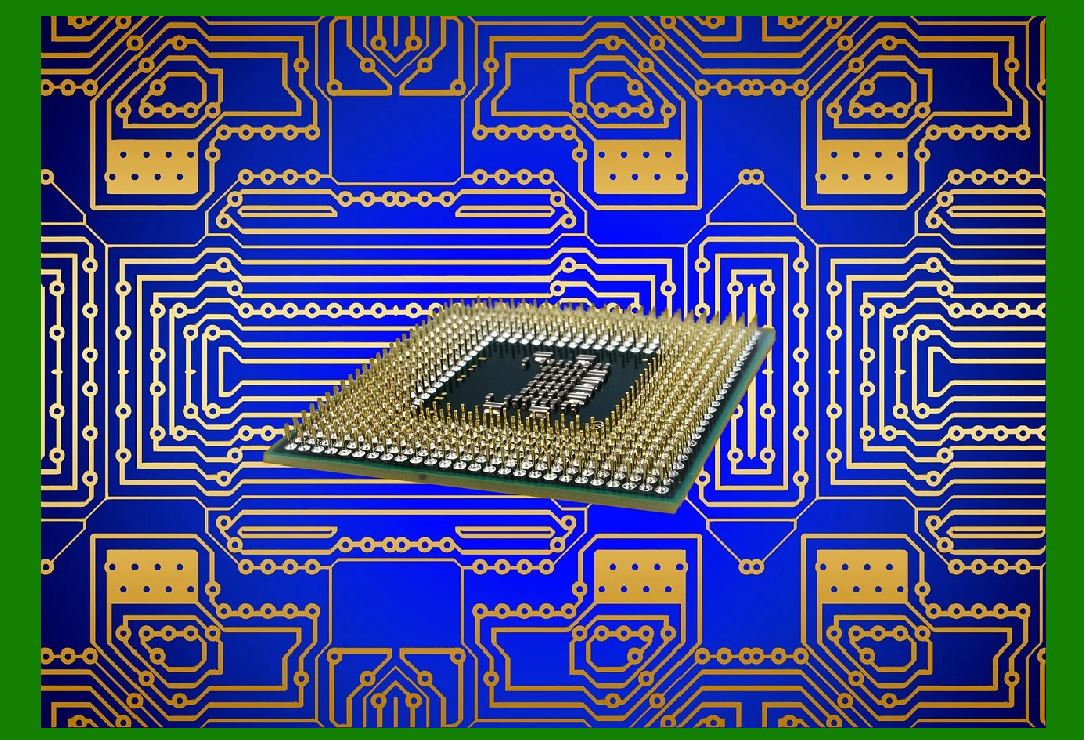
One of the emerging trends in semiconductor manufacturing is the push for localized and decentralized production. Rather than relying on a few large semiconductor fabs located in specific regions (such as Taiwan or South Korea), smaller, decentralized semiconductor production facilities could be built closer to key markets. These fabs, which could use advanced manufacturing technologies like photonic or quantum-based processes, would be capable of producing low-to-mid-range chips for local industries, reducing dependency on long global supply chains. |
Impact on Supply Chain: Localized production would make semiconductor supply chains more resilient by reducing the risks associated with long-distance transportation, geopolitical instability, and natural disasters. In addition, it would allow companies to produce semiconductors closer to where they are needed, improving lead times and reducing transportation costs. |
Future Potential: As technological advances make decentralized semiconductor production more feasible, smaller-scale fabs could proliferate in various regions, creating a more distributed and flexible semiconductor ecosystem. This would make the entire supply chain more robust and less susceptible to global disruptions, while also reducing environmental costs associated with transportation. |
|
5. Advanced Materials for Semiconductor Production |
a. Silicon Carbide (SiC) and Gallium Nitride (GaN) |
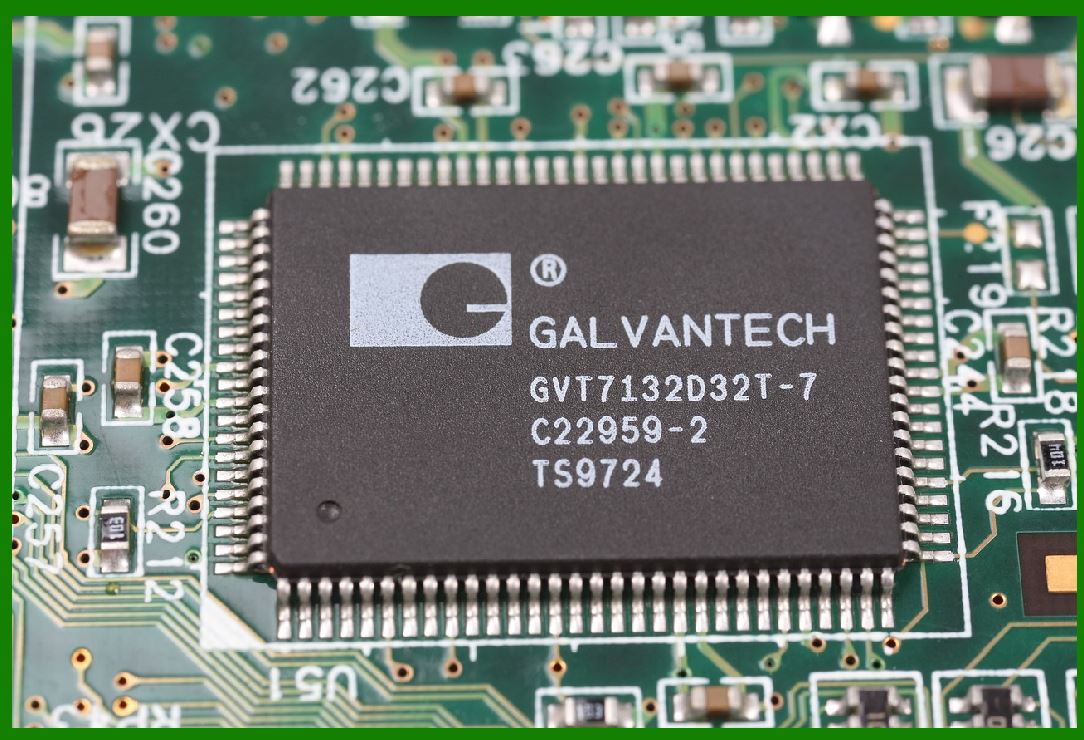
Silicon carbide (SiC) and gallium nitride (GaN) are two emerging semiconductor materials that have the potential to revolutionize certain industries. These materials are particularly suited for power electronics, electric vehicles (EVs), renewable energy systems, and 5G infrastructure. SiC and GaN semiconductors can handle higher voltages, frequencies, and temperatures than traditional silicon-based chips, making them ideal for applications requiring high efficiency and reliability. |
Impact on Supply Chain: The adoption of SiC and GaN semiconductors can help alleviate supply chain pressure on traditional silicon-based chips. By diversifying the materials used in semiconductor production, manufacturers can reduce dependence on limited resources and expand production capacity to meet the needs of growing markets like EVs, renewable energy, and 5G. |
Future Potential: As the demand for SiC and GaN semiconductors grows, new manufacturing processes and supply chains will emerge, enabling faster and more efficient production of these chips. This will help address the growing demand for power electronics while reducing supply chain bottlenecks in traditional semiconductor manufacturing. |
|
6. Quantum Computing for Semiconductor Design |
a. Quantum Simulation and Design Optimization |
Quantum computing holds the potential to revolutionize semiconductor design and manufacturing by enabling the simulation of complex semiconductor materials and structures at an atomic level. Quantum computers could perform simulations that would take classical computers thousands of years to complete, allowing engineers to optimize semiconductor designs in a fraction of the time. |
Impact on Supply Chain: Quantum computing could accelerate the development of new semiconductor materials and designs, reducing the time required to bring new products to market. This would help companies respond more quickly to changing market demands and mitigate supply chain disruptions by creating more efficient and innovative products. |
Future Potential: As quantum computing becomes more practical and accessible, it will revolutionize the way semiconductors are designed, enabling faster innovation and more efficient manufacturing. Quantum-enhanced design tools will allow manufacturers to discover new materials, optimize processes, and address the limitations of current semiconductor technologies. |
|
Conclusion |
The future of the semiconductor supply chain is set to be shaped by several groundbreaking technologies. From advanced manufacturing techniques like EUV and 3D chip stacking to AI-driven automation, blockchain for transparency, and decentralized production, these technologies offer significant potential to improve the resilience, efficiency, and flexibility of the semiconductor industry. Moreover, advancements in materials science, quantum computing, and power electronics will drive innovation in the chips themselves, ensuring that the growing demand for semiconductors is met with more robust and sustainable production methods. These technologies, combined with increased global collaboration and investment, will be key to mitigating supply chain disruptions and building a more resilient semiconductor ecosystem for the future. |
 cs@easiersoft.com