1. Introduction to Tesla and Autonomous Driving |
Tesla, Inc. is widely regarded as one of the most innovative companies in the automotive industry, pushing the boundaries of electric vehicles (EVs) and advanced technologies. Among these innovations, one of the most groundbreaking has been its commitment to autonomous driving. Autonomous driving, often referred to as self-driving or driverless technology, involves a vehicle's ability to navigate and control itself without human intervention. Tesla has been at the forefront of this technological revolution, developing its own proprietary systems for autonomous driving and positioning itself as a leader in the industry. |
This comprehensive discussion will explore Tesla's approach to autonomous driving, the technology behind it, the challenges it faces, and the implications of self-driving cars for the future of transportation. |
|
2. The Concept of Autonomous Driving |
Autonomous driving refers to the ability of a vehicle to operate without human input by utilizing various sensors, machine learning algorithms, and artificial intelligence (AI). The Society of Automotive Engineers (SAE) defines levels of driving automation, ranging from Level 0 (no automation) to Level 5 (full automation). Tesla is currently focused on achieving Level 4 and Level 5 automation with its vehicles, although it primarily operates at Level 2, where the system can assist with driving tasks but still requires driver oversight. |
Tesla's system, known as 'Autopilot,' is a suite of advanced driver-assistance features designed to enhance the driving experience, improve safety, and move toward fully autonomous driving. It includes features like adaptive cruise control, lane centering, automated braking, and the ability to navigate on highways. |
|
3. Tesla's Autopilot and Full Self-Driving (FSD) |
Tesla's journey towards autonomous driving has been led by its Autopilot and Full Self-Driving (FSD) packages, which represent the company's most advanced features in self-driving technology. Autopilot, which comes standard in most Tesla vehicles, allows for some degree of automated control of the car's functions. It includes functions such as traffic-aware cruise control and automatic lane-keeping. |
However, Tesla's more ambitious goal lies in Full Self-Driving (FSD). This package includes features like Navigate on Autopilot, Autopark, Summon, and Traffic Light and Stop Sign Control. Each of these functions takes the car closer to full autonomy, where the car can make decisions such as stopping at traffic signals and parking itself. |
FSD is constantly updated through over-the-air software updates, a core advantage of Tesla's system. Unlike traditional vehicles, Tesla cars receive regular improvements, bug fixes, and new features that enhance the capabilities of the vehicle. This enables Tesla to iteratively improve its autonomous driving features without requiring owners to visit dealerships or service centers. |
|
4. The Technology Behind Tesla's Autonomous Driving System |
At the heart of Tesla's autonomous driving system is a combination of hardware and software that work in unison to allow the vehicle to perceive its environment, make decisions, and execute driving tasks. |
4.1. Hardware |
Tesla's vehicles are equipped with a suite of hardware designed to facilitate autonomous driving. The key components include: |
Cameras: Tesla cars are outfitted with eight cameras that provide 360-degree visibility around the car. These cameras are essential for detecting lane markings, objects, pedestrians, traffic signs, and other vehicles. They work in conjunction with sensors to feed data to the onboard computer system, allowing the car to make informed decisions. |
Ultrasonic Sensors: These sensors detect objects in close proximity, helping the car with tasks such as parking, collision avoidance, and low-speed maneuvers. |
Radar: Tesla uses radar to detect objects in the car's path, particularly in low-visibility conditions such as rain, fog, or snow. Radar is crucial for emergency braking and other safety features. |
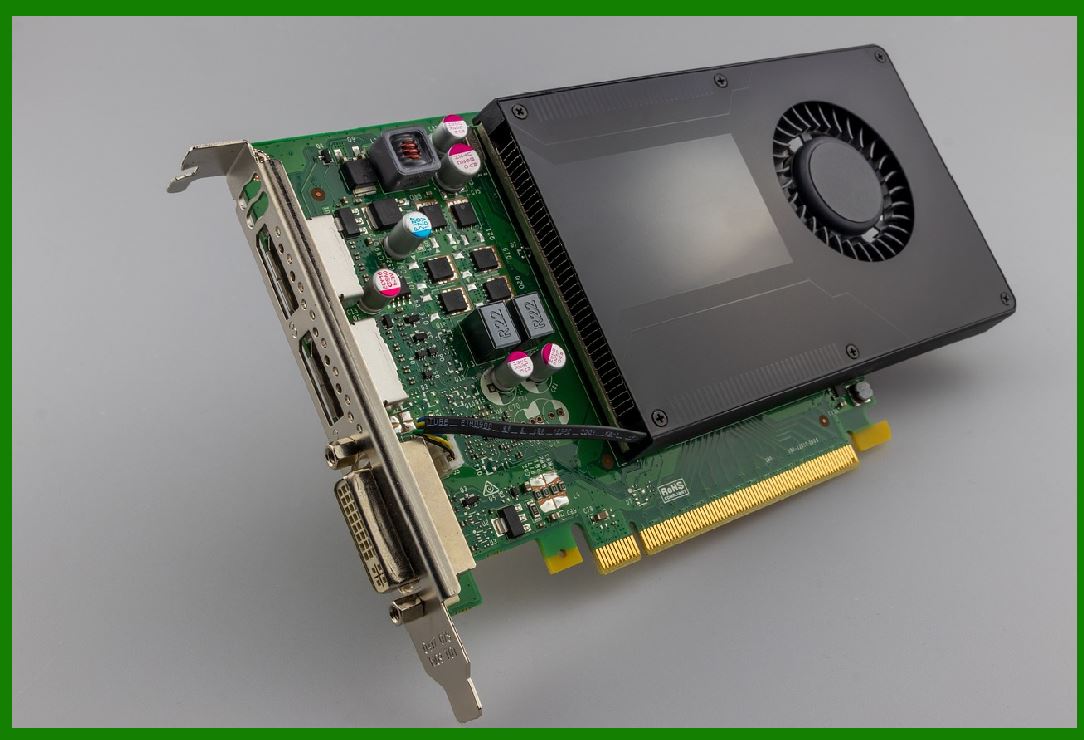
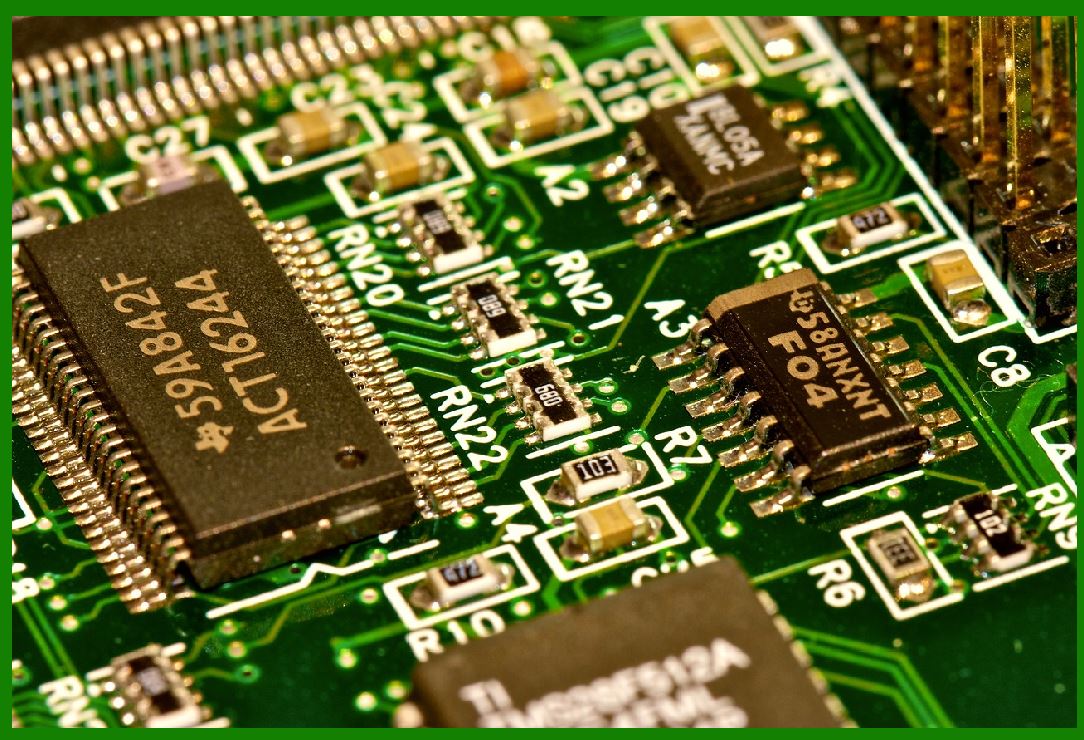
Computer (Dojo): Tesla's onboard computer, including its custom-designed chips like the Full Self-Driving (FSD) computer, processes the data collected from the sensors and cameras. This processing unit uses deep learning and neural networks to make real-time decisions on vehicle control. In addition, Tesla is developing a supercomputer called Dojo, designed to train its neural networks on massive datasets. |
4.2. Software |
Tesla's software is the key to making its autonomous system work. The company uses a machine-learning approach, where vast amounts of driving data are collected from its fleet of vehicles on the road. This data is analyzed to train the car's algorithms, allowing it to recognize and respond to various driving situations. |
Tesla's software is based on neural networks, which mimic the structure of the human brain and are capable of learning from experience. This allows the system to improve over time, continually enhancing its ability to navigate complex driving environments. The vehicle's software is updated regularly via over-the-air updates, a process that allows Tesla to refine its autonomous driving features continuously. |
|
5. Machine Learning and Data Collection |
One of Tesla's greatest strengths is its ability to leverage the vast amount of data it collects from its fleet of vehicles. Tesla cars are equipped with sensors that capture millions of data points every day, from road conditions to the behavior of other drivers. This data is uploaded to Tesla's cloud servers and used to improve the performance of its autonomous systems. |
Machine learning (ML) and deep learning algorithms play a significant role in how Tesla's system improves over time. Each time a Tesla car encounters a new scenario, the data is processed and fed into a neural network, helping the car learn how to respond in future situations. Over time, this allows the car's driving capabilities to improve, making it more adept at handling complex driving environments, such as navigating through cities or reacting to unusual obstacles. |
The continuous collection of real-world data is one of the reasons why Tesla has such an advantage over other companies working on autonomous driving. Tesla's fleet of vehicles, numbering in the hundreds of thousands, acts as a mobile sensor network that feeds data back to the company, making the system smarter with each new data point. |
|
6. Challenges Tesla Faces in Achieving Full Autonomy |
While Tesla has made significant strides in autonomous driving technology, there are several challenges that the company must overcome before it can achieve full autonomy. |
6.1. Regulatory Hurdles |
One of the biggest challenges to the widespread adoption of autonomous vehicles is regulatory approval. Different countries and regions have different rules regarding the use of autonomous vehicles on public roads. In many cases, legislation and regulations have not yet caught up with the pace of technological advancements, creating a regulatory bottleneck. |
Tesla faces significant hurdles in securing regulatory approval for Full Self-Driving vehicles. Regulatory bodies, such as the U.S. National Highway Traffic Safety Administration (NHTSA) and European road safety agencies, must evaluate the safety and reliability of self-driving systems before they can be legally used at scale. |
Tesla has faced scrutiny over the safety of its Autopilot system, especially following high-profile accidents. Critics argue that the system may give drivers a false sense of security, leading to misuse. As such, regulators are keen to ensure that Tesla's autonomous systems are safe before they are allowed to operate without human oversight. |
6.2. Safety and Reliability |
Safety is perhaps the most important factor in the development of autonomous driving technology. While Tesla's Autopilot has been credited with reducing accidents, there have been instances where the system has failed to detect obstacles or has misinterpreted road conditions. |
Tesla's vehicles are equipped with a range of safety features, but no autonomous system is perfect. There are concerns about how well Tesla's system performs in adverse conditions, such as inclement weather or complex, unpredictable environments like city streets. |
Tesla continues to improve the safety of its vehicles through software updates, but until the system can operate reliably in every condition without human intervention, concerns about safety will persist. |
6.3. Technical Limitations |
Although Tesla's hardware and software are cutting-edge, the company's autonomous driving system is still not perfect. For example, Tesla's cameras and sensors sometimes struggle to recognize certain objects in poor visibility conditions or complex environments. While radar and ultrasonic sensors help mitigate this, challenges remain. |
Additionally, Tesla's reliance on cameras instead of LIDAR (Light Detection and Ranging) has been a point of contention. LIDAR is widely regarded as an essential component in autonomous driving by many companies and experts in the field, providing detailed 3D maps of the environment. Tesla, however, maintains that its camera-based system is sufficient, and LIDAR is not necessary. |
6.4. Ethical and Legal Concerns |
The introduction of autonomous vehicles also raises ethical and legal questions. For example, in the event of an accident, who is responsible for the actions of the vehicle-the manufacturer, the software developers, or the vehicle owner? Moreover, how should a self-driving car make decisions in complex ethical dilemmas, such as deciding who to harm in an unavoidable accident? |
These questions have yet to be answered comprehensively and will require careful consideration from policymakers, legal experts, and the automotive industry as a whole. |
|
7. The Future of Tesla and Autonomous Driving |
The future of Tesla and autonomous driving is bright but fraught with challenges. Tesla's commitment to developing self-driving technology is part of a broader vision of creating a sustainable future with zero-emissions vehicles and fully autonomous transportation. |
In the near term, Tesla will continue refining its Autopilot and FSD systems, working toward the ultimate goal of fully autonomous vehicles that can operate in all conditions without human intervention. As the technology improves, it is likely that we will see the gradual introduction of fully autonomous vehicles, first in limited areas and then across more complex driving environments. |
Tesla's self-driving cars also have the potential to revolutionize industries such as ridesharing and logistics, where autonomous vehicles could operate 24/7, improving efficiency and reducing costs. The shift to autonomous vehicles could also reduce traffic accidents, as the technology has the potential to eliminate human error, which is a leading cause of accidents. |
However, Tesla is not alone in this race. Many automakers, including General Motors, Ford, and Waymo (a subsidiary of Alphabet), are also developing autonomous driving systems. The competition will intensify as the race for full autonomy heats up, and it remains to be seen whether Tesla's approach to autonomous driving will ultimately dominate the industry. |
|
Conclusion |
Tesla has made remarkable progress in autonomous driving technology with its Autopilot and Full Self-Driving systems. While the company has faced technical, regulatory, and ethical challenges, its approach to autonomous driving continues to evolve, bringing us closer to the possibility of fully autonomous vehicles. |
The future of Tesla's autonomous driving technology holds tremendous promise, not only for the automotive industry but also for society at large. Autonomous driving has the potential to make roads safer, reduce traffic congestion, and contribute to a more sustainable future. However, the path to full autonomy will require overcoming significant technical and regulatory hurdles, and it remains to be seen how quickly these challenges will be addressed. Nevertheless, Tesla's ongoing innovation and commitment to advancing autonomous driving make it one of the most exciting companies in the world when it comes to the future of transportation. |
|
What challenges will it face in the future? |
As Tesla continues to advance toward fully autonomous vehicles, it will face several significant challenges in the coming years. These challenges span technical, regulatory, legal, ethical, and societal domains. Addressing these challenges will be critical for Tesla to achieve its ambitious goal of achieving full autonomy in its fleet of vehicles. Below is an in-depth examination of the potential hurdles Tesla is likely to encounter in the future. |
1. Technological Challenges |
1.1. Sensor and Perception Limitations |
Tesla's approach to autonomous driving relies heavily on cameras, radar, and ultrasonic sensors, but there are inherent limitations in how these sensors perceive the environment, especially in complex and dynamic driving situations. The challenge is to ensure that the system can reliably detect and interpret the full range of possible scenarios on the road. |
Environmental conditions: Cameras can struggle in low-light conditions, adverse weather (rain, fog, snow), or extreme sunlight, reducing the system's ability to detect objects and pedestrians accurately. While radar and ultrasonic sensors help mitigate some of these issues, Tesla's refusal to adopt LIDAR (Light Detection and Ranging) has drawn criticism. LIDAR offers a more precise 3D representation of the surroundings, which could improve safety and performance. Tesla's reliance on a camera-based approach, which depends heavily on machine learning, presents an ongoing challenge for achieving full reliability. |
Dynamic environments: City driving, which involves numerous unpredictable variables such as pedestrians, cyclists, and complex traffic situations, remains one of the most challenging environments for autonomous driving. Tesla will need to ensure that its vehicles can respond to these complex and ever-changing dynamics without relying on constant human intervention. |
1.2. Machine Learning and Algorithmic Complexity |
Tesla's self-driving system is based on machine learning (ML) and deep learning algorithms. These algorithms must be trained on vast amounts of real-world driving data, and while the company collects data from its fleet, the diversity and complexity of driving scenarios continue to grow. One of the challenges Tesla will face is ensuring that its algorithms can adapt to new, unforeseen driving situations that have not been captured in its training data. |
Generalization: Machine learning systems work by identifying patterns in data, but they are often less capable when faced with situations that fall outside of the training data. This is known as the generalization problem. For Tesla's system to be fully autonomous, it must generalize to every driving condition, including rare or extreme events that occur infrequently but can have serious safety implications. |
Edge Cases: Autonomous systems often encounter edge cases - scenarios that are uncommon or involve rare combinations of factors that were not adequately represented in training data. Ensuring that Tesla's system can handle these edge cases safely is a complex challenge. The system must be able to handle everything from navigating around debris on the road to interpreting erratic behavior from other drivers. |
1.3. Hardware Reliability and Integration |
As Tesla's autonomous driving system becomes more advanced, the complexity of integrating hardware and software increases. This includes the processing power required to handle vast amounts of data in real time and ensure that all components work seamlessly together. |
Over-the-Air Updates: Tesla relies heavily on over-the-air software updates to improve its vehicles. While this allows Tesla to rapidly deploy fixes and new features, it also raises concerns about the reliability of the updates and the possibility of introducing new bugs or performance issues. Continuous improvements to hardware and software integration will be crucial to ensuring that Tesla's autonomous driving system is safe and reliable. |
Sensor Fusion: Autonomous driving systems rely on sensor fusion, which involves combining data from multiple sensors (e.g., cameras, radar, ultrasonic sensors) to create a comprehensive understanding of the vehicle's environment. As Tesla adds new sensors or refines its existing ones, it will need to ensure that the system can effectively process and integrate data from these diverse sources without introducing errors or inconsistencies. |
|
2. Regulatory Challenges |
2.1. Legal and Regulatory Approval |
A significant barrier to the widespread deployment of fully autonomous vehicles is regulatory approval. Different countries and regions have varying levels of regulation for autonomous driving technology, and some places have yet to develop comprehensive rules that govern self-driving cars. Tesla will need to work with regulators worldwide to ensure that its vehicles meet safety standards and obtain the necessary certifications for full deployment. |
Global Regulations: Tesla's vehicles are sold in multiple countries, and each country has its own regulatory framework for autonomous driving. In some regions, self-driving cars are still classified as experimental, while in others, there are ongoing discussions about how to integrate autonomous vehicles into existing traffic laws. In the U.S., the National Highway Traffic Safety Administration (NHTSA) and individual states play key roles in approving autonomous systems. Tesla will need to engage with both federal and state regulators to navigate the complex regulatory landscape. |
Public Acceptance: Public acceptance of autonomous vehicles will also influence regulatory decisions. Governments may hesitate to approve fully autonomous systems without public trust in their safety. Tesla must continue to demonstrate the safety and reliability of its systems to both regulators and consumers. |
2.2. Compliance with Safety Standards |
The safety of autonomous vehicles remains a primary concern for regulators. Tesla's system, despite its innovations, has been involved in several high-profile accidents, leading to scrutiny from regulators. While Tesla argues that Autopilot and FSD have a lower accident rate compared to human-driven vehicles, the company will need to continuously improve its safety protocols to meet the evolving standards set by regulators. |
Real-time Monitoring: One of the challenges regulators face is ensuring that autonomous vehicles can be safely monitored in real time. Since Tesla's system requires human supervision at higher levels of automation (currently Level 2), ensuring that drivers are engaged and ready to take control in case of failure is crucial. Ensuring that Tesla can meet these safety standards in the future, especially when moving toward higher levels of autonomy (Level 4 or 5), will be critical. |
|
3. Ethical and Legal Challenges |
3.1. Liability and Accountability |
One of the most significant legal and ethical challenges Tesla will face as it advances toward fully autonomous driving is determining liability in the event of an accident. Currently, human drivers are held responsible for crashes, but when an autonomous system is involved, determining responsibility becomes murky. |
Accident Responsibility: If a Tesla vehicle operating in Full Self-Driving mode is involved in an accident, the question arises: is Tesla, the driver, or the manufacturer responsible? This question of accountability is complicated and will require new laws and legal frameworks to address the liability for accidents involving autonomous vehicles. |
Insurance: As the role of the human driver diminishes, the structure of vehicle insurance will need to adapt. If autonomous vehicles become widespread, it could shift the burden of liability from individual drivers to manufacturers or software developers. Insurance companies will need to create new policies for autonomous vehicles, factoring in both the vehicle's performance and the software's capabilities. |
3.2. Ethical Decision-Making |
Ethical dilemmas are an inherent part of autonomous driving. In the event of an unavoidable accident, how should an autonomous vehicle make decisions about whom to harm, if anyone? These situations, often referred to as 'trolley problems,' highlight the challenges of programming ethics into an AI system. |
Moral Algorithms: Tesla will need to develop ethical guidelines for its autonomous vehicles. In an accident scenario, should the vehicle prioritize the safety of the occupant, pedestrians, or other drivers? These decisions are not straightforward, and Tesla will have to engage in a broader ethical debate about how to program these difficult choices. |
Transparency and Trust: In addition to programming moral decisions into autonomous systems, Tesla will need to be transparent with consumers about how its vehicles make these decisions. Public trust in Tesla's ethical frameworks will be a key factor in the success of its autonomous vehicles. |
|
4. Public Perception and Social Impact |
4.1. Consumer Confidence |
While Tesla has made impressive strides in autonomous driving technology, many consumers remain wary of fully autonomous vehicles. High-profile accidents involving Tesla's Autopilot system have led to concerns about the safety and reliability of self-driving cars. Gaining public confidence will be essential for Tesla as it rolls out more advanced autonomous features. |
Education and Advocacy: Tesla will need to invest in educating consumers about the capabilities and limitations of its autonomous systems. Overcoming skepticism and building trust with the public will be critical as Tesla moves closer to full autonomy. |
Perceived Safety: Autonomous vehicles must prove that they can outperform human drivers in terms of safety. This will require continued data collection, transparency, and demonstration of the system's safety benefits over time. |
4.2. Impact on Employment |
The widespread adoption of autonomous vehicles could have significant social and economic implications. One potential consequence is the displacement of workers in industries related to driving, such as trucking, delivery, and taxi services. While autonomous vehicles may lead to greater efficiency, they could also result in job losses for millions of workers. |
Job Transition Programs: Tesla and other stakeholders in the autonomous vehicle ecosystem may need to invest in workforce retraining and transition programs to mitigate the economic impact of automation. Tesla will also need to consider the broader societal implications of its autonomous technology and how to address concerns about job displacement. |
|
5. Competition from Other Companies |
While Tesla is a leader in the autonomous driving race, it faces fierce competition from other companies working on self-driving technology. Companies like Waymo (Alphabet's autonomous vehicle division), Cruise (backed by General Motors), and Apple have their own autonomous driving initiatives, and they pose a significant threat to Tesla's dominance in the space. |
Innovation and Differentiation: Tesla will need to continue to innovate and differentiate its autonomous technology to maintain a competitive edge. The company must be able to demonstrate that its approach is safer, more reliable, and more efficient than that of its competitors. |
Collaboration vs. Competition: Tesla may also face challenges in terms of forming partnerships or competing with tech companies and traditional automakers. Collaboration with other companies or suppliers could be necessary for solving complex challenges, such as regulatory approval and the integration of new technologies. |
|
Conclusion |
As Tesla works toward the goal of full autonomy, it will face numerous challenges that span technical, regulatory, legal, ethical, and societal domains. Overcoming these hurdles will require continued innovation, adaptation to evolving regulatory environments, and building public trust in autonomous technology. The future of autonomous driving holds immense promise, but Tesla's success in navigating these challenges will be key to realizing that promise. |
 cs@easiersoft.com