1. Introduction to the Future of AI-Powered Electronics |
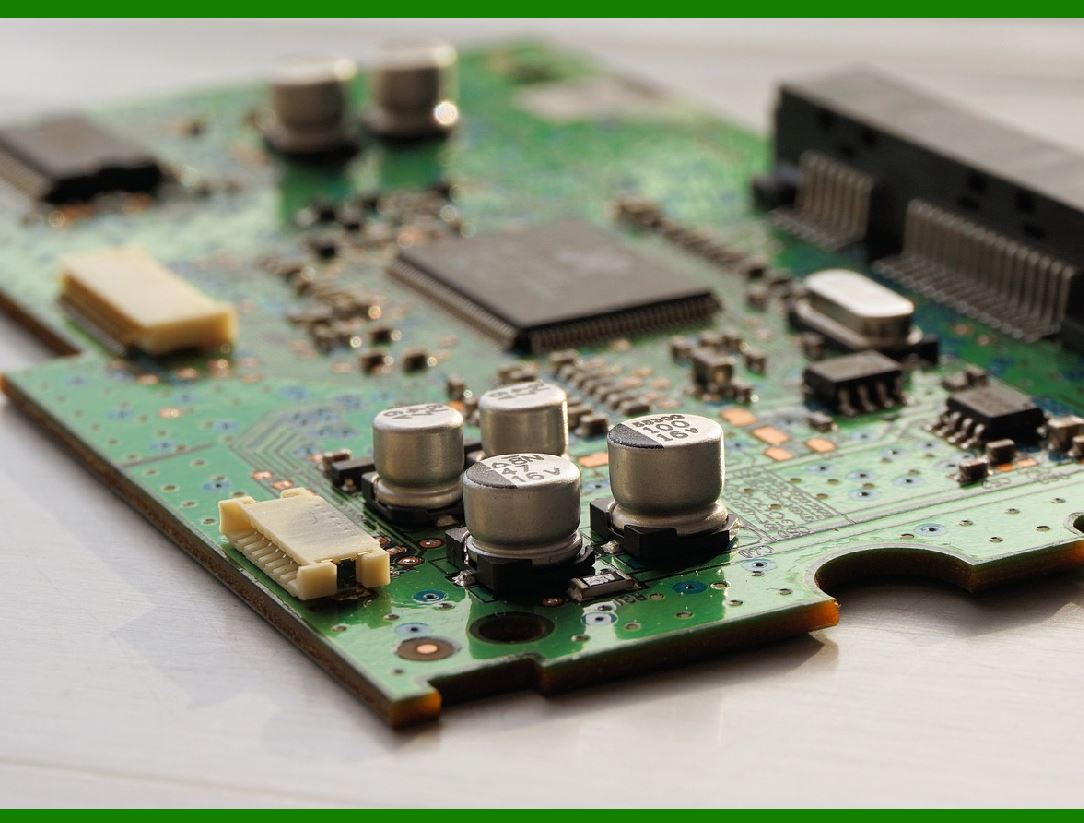
The future of AI-powered electronics is one of the most exciting frontiers in modern technology. The evolution of artificial intelligence (AI), combined with advancements in computational hardware and connectivity, is set to transform not only how we interact with devices but also the very nature of these devices themselves. Over the next decade, AI is poised to become an indispensable part of electronics, making them more intelligent, personalized, and capable of seamlessly integrating into our lives. From smartphones to home appliances, the next generation of AI-powered devices will not only improve efficiency and performance but also open new possibilities for innovation. |
|
2. Current State of AI in Electronics |
To understand the future trajectory, it's important to first consider the current state of AI in electronics. Presently, AI applications in consumer electronics are already widespread, albeit still at an early stage of integration. Popular examples include AI-powered virtual assistants (like Siri, Alexa, and Google Assistant), AI-based image recognition systems in smartphones, and AI-driven recommendations on streaming platforms like Netflix and YouTube. Additionally, many smart home devices already use AI to automate tasks, such as adjusting thermostat settings based on user behavior or activating security cameras when motion is detected. |
However, while these AI applications are impressive, they still represent only a small fraction of the full potential that AI-powered electronics could achieve. As the technology advances, we can expect much more sophisticated AI systems capable of handling complex tasks, making real-time decisions, and even predicting user needs before they are consciously recognized. |

|
3. The Role of 5G Networks in AI-Powered Electronics |
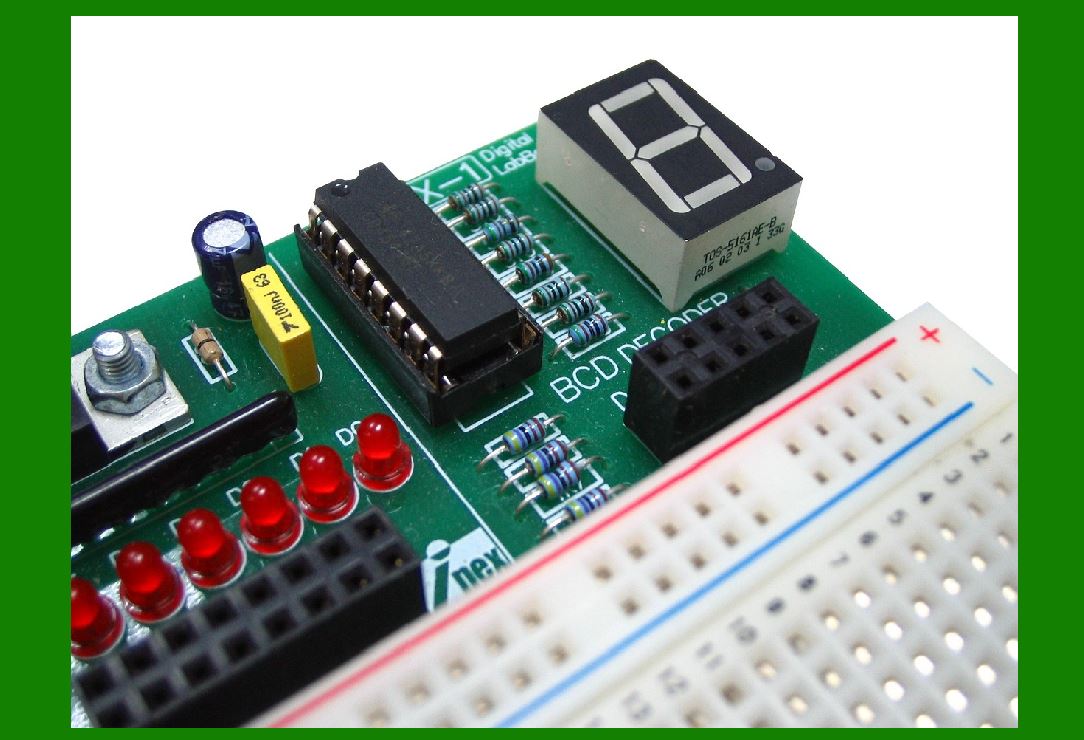
One of the key enablers of the next wave of AI-powered electronics is the widespread adoption of 5G networks. 5G technology, with its significantly higher speeds and lower latency compared to its predecessors, will provide the necessary infrastructure to support more advanced AI applications. The improved bandwidth and faster data transfer rates will allow devices to access cloud-based AI models and perform complex computations in real-time. |
For example, smart vehicles will be able to process data from cameras, sensors, and GPS systems much faster and more efficiently, enabling autonomous driving with greater accuracy and safety. Similarly, AI-powered augmented reality (AR) and virtual reality (VR) systems will benefit from 5G's low latency, ensuring smooth, real-time interactions between users and digital environments. |
In smart homes, the integration of 5G will make it possible for devices like refrigerators, washing machines, and security systems to communicate with each other instantaneously, optimizing energy usage, security, and convenience in ways that were previously impossible. Furthermore, the combination of AI and 5G will enable continuous, seamless connectivity, which will allow devices to learn from each other and adapt more rapidly to changing circumstances. |
|
4. The Role of Quantum Computing in Advancing AI |
Quantum computing represents another groundbreaking technology that will dramatically enhance the capabilities of AI-powered electronics. While quantum computing is still in its early stages, its potential to revolutionize AI is immense. Traditional computers process information using binary code (0s and 1s), but quantum computers leverage the principles of quantum mechanics, allowing them to perform calculations on exponentially more data simultaneously. |
This increased computational power will enable AI systems to process and analyze much larger datasets, perform more complex simulations, and execute sophisticated algorithms that are currently beyond the capabilities of conventional computing. For example, quantum computing could help optimize supply chains, predict climate changes with higher accuracy, or develop new materials for advanced electronics. |
In the context of consumer electronics, quantum-enhanced AI could lead to devices that can process vast amounts of real-time data for applications like personalized healthcare, smart cities, and highly immersive gaming experiences. As quantum computing technology matures, we will likely see a new wave of electronics that are far more capable and efficient than anything currently available. |

|
5. The Impact of Edge Computing on AI-Powered Electronics |
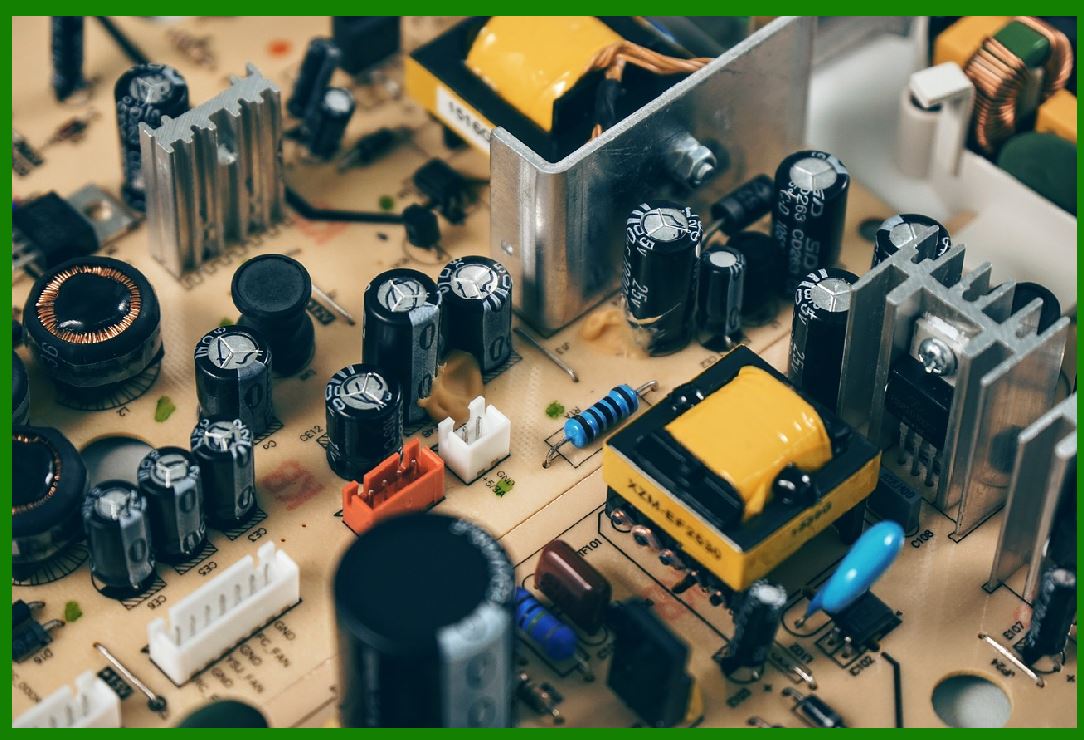
Edge computing is another important advancement that will influence the future of AI-powered electronics. Traditionally, AI models require cloud-based processing, which involves sending data to remote servers for analysis. However, with the growth of edge computing, much of this processing can now take place on local devices, such as smartphones, wearables, and smart home appliances, closer to where the data is generated. |
Edge computing enables faster processing and reduces latency, making AI applications more responsive and efficient. For instance, AI-powered cameras used in security systems can analyze footage on the device itself, reducing the need for cloud storage and allowing for faster alerts. Similarly, in the healthcare industry, wearable devices could monitor health metrics like heart rate, blood pressure, and glucose levels in real-time, providing immediate feedback without the need to send data to a central server. |
By enabling more localized processing, edge computing also reduces the strain on network bandwidth, making it possible to deploy AI-powered devices in areas where high-speed internet access may not be available. In turn, this will expand the accessibility and scalability of AI-powered electronics, allowing even remote or underserved regions to benefit from advanced technology. |
|
6. Personalized AI: Adapting Devices to Individual Needs |
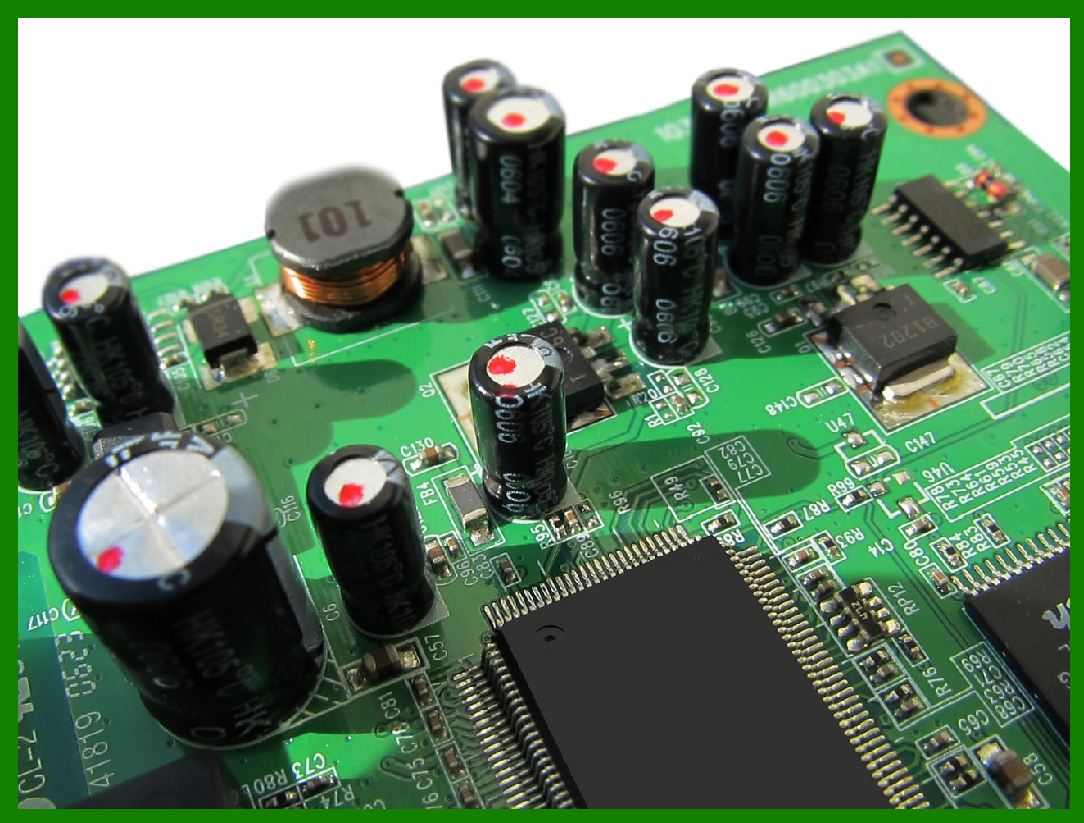
One of the most significant developments in AI-powered electronics will be the increasing personalization of devices. AI systems will become more adept at learning from users' behaviors, preferences, and habits, allowing devices to adapt to individual needs in real-time. This means that instead of generic, one-size-fits-all features, devices will be able to provide a highly tailored experience for each user. |
For instance, smartphones will be able to adjust their interfaces based on how the user interacts with them. If a user frequently accesses certain apps or settings, the device could prioritize those actions, making them easier to access. In the home, smart appliances like ovens, refrigerators, and washing machines could learn a user's routines and adjust settings to optimize performance. For example, a refrigerator could suggest recipes based on the ingredients it contains and a user's past preferences. |
Moreover, AI will increasingly be used to personalize healthcare devices. Wearables and health-monitoring systems will continuously gather data and adjust their recommendations based on changes in a user's health status. These personalized insights could range from suggesting more effective workouts to recommending dietary adjustments based on real-time health metrics. |
|
7. AI-Driven Sustainability and Efficiency |
AI-powered electronics will also play a major role in promoting sustainability and improving energy efficiency. As the demand for smarter and more connected devices grows, so too does the need for systems that can minimize environmental impact and optimize resource usage. |
AI can enable electronics to function in ways that reduce waste and maximize efficiency. For example, AI algorithms can monitor and adjust energy consumption in real-time, ensuring that devices only use as much power as they need. In smart buildings, AI systems can optimize heating, cooling, and lighting based on occupancy patterns and external weather conditions, reducing energy usage and lowering utility bills. |
In the automotive sector, AI-powered vehicles will not only drive more safely but also use energy more efficiently. Electric vehicles (EVs) equipped with AI will be able to optimize their driving routes, reduce battery consumption, and improve charging efficiency, contributing to both environmental sustainability and cost savings for consumers. |

|
8. The Integration of AI in Wearables and Health Devices |
The healthcare industry is set to benefit significantly from the integration of AI into wearables and medical devices. AI algorithms will power advanced health monitoring systems that are capable of detecting early signs of disease, predicting health risks, and offering personalized treatment suggestions. For example, wearable ECG monitors could use AI to analyze heart rhythms and detect abnormal patterns indicative of heart disease or arrhythmias, alerting users to seek medical attention before a serious issue arises. |
In addition to monitoring physical health, AI will also assist in mental health care. Devices equipped with AI could track changes in mood, behavior, and physiological indicators, allowing for more effective management of mental health conditions like depression and anxiety. AI-powered chatbots and virtual therapists could offer real-time support, providing users with coping strategies and mindfulness exercises tailored to their specific needs. |

|
9. The Challenges Ahead for AI-Powered Electronics |
While the future of AI-powered electronics is filled with promise, there are several challenges that must be addressed. One of the key concerns is privacy and data security. As AI devices become more integrated into our lives, they will gather vast amounts of personal data. Ensuring that this data is protected from misuse or unauthorized access will be crucial in maintaining consumer trust. |
Another challenge is the potential for job displacement. As AI becomes more capable, certain jobs may be automated, leading to shifts in the labor market. However, AI also has the potential to create new job opportunities in fields such as AI development, data science, and cybersecurity. |
Finally, there is the question of regulation. As AI-powered devices become more powerful and ubiquitous, governments and regulatory bodies will need to create frameworks that ensure their safe and ethical use. This includes addressing issues related to bias in AI algorithms, ensuring transparency in decision-making processes, and safeguarding against potential misuse in areas like surveillance and control. |
|
10. Conclusion: A Future of Intelligent, Seamless Devices |
In conclusion, the future of AI-powered electronics holds tremendous potential. With advancements in AI algorithms, quantum computing, 5G networks, and edge computing, we will see a more intelligent, connected, and personalized world of electronics. Devices will become more intuitive, responsive, and capable of anticipating our needs, making our lives more convenient, efficient, and sustainable. |
However, these advancements also come with challenges that must be addressed to ensure the responsible development and deployment of AI-powered technologies. As the technology continues to evolve, it will be essential to strike a balance between innovation and ethical considerations, ensuring that AI improves lives while respecting privacy, equity, and security. As we look to the future, the fusion of AI and consumer electronics promises to usher in a new era of possibilities that will reshape industries, communities, and our everyday experiences. |
 cs@easiersoft.com