The Role of Semiconductors in Modern Electronics |
1.Introduction to Semiconductors |
Semiconductors are a class of materials that possess electrical properties between those of conductors (like metals) and insulators (like glass). This intermediary electrical behavior makes semiconductors indispensable in modern electronics, where precise control over electrical signals is crucial. The most commonly used semiconductor material is silicon, though alternatives such as gallium arsenide and indium phosphide are also utilized in specialized applications. Semiconductors form the backbone of a wide range of electronic devices, from smartphones and laptops to industrial machinery and supercomputers. The fundamental reason semiconductors are so essential is their ability to regulate electrical current, making them suitable for applications like amplification, switching, and signal processing. |
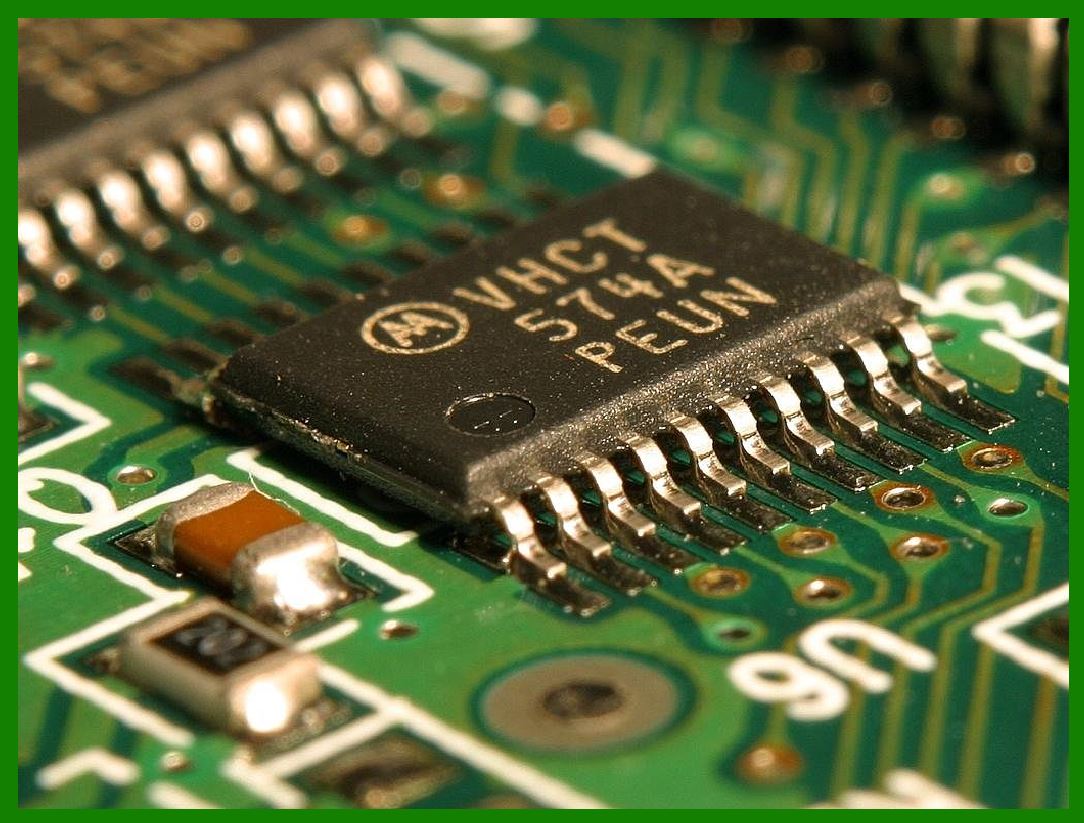
The importance of semiconductors extends far beyond consumer electronics. They are foundational to fields such as telecommunications, automotive systems, energy production, and artificial intelligence (AI). Semiconductors are used to create the transistors that make up integrated circuits (ICs), which are the 'brains' of most electronic devices. Transistors control the flow of electrical signals, switching them on or off based on the input they receive. These components are essential to everything from basic computing operations to complex data processing and artificial intelligence. |
|
2.Basic Principles of Semiconductor Operation |
At a microscopic level, semiconductors work by manipulating the movement of charge carriers-electrons and holes. In simple terms, electrons are negatively charged particles, while holes are the absence of an electron in a semiconductor's crystal lattice, acting as positive charge carriers. The conductivity of a semiconductor material is influenced by the number of free electrons or holes it contains. This is governed by the material's intrinsic properties, but it can also be altered through a process called doping. |
Doping involves intentionally introducing impurities into a semiconductor to modify its electrical properties. When a semiconductor is doped with an element that has more valence electrons than the semiconductor material (typically silicon), it becomes an n-type semiconductor, where excess electrons are the charge carriers. On the other hand, when it is doped with an element that has fewer valence electrons than silicon, it becomes a p-type semiconductor, where the 'holes' serve as charge carriers. The combination of n-type and p-type materials in close proximity creates a p-n junction, which is a fundamental building block of semiconductor devices like diodes, transistors, and solar cells. |
|
3.The Evolution of Semiconductor Technology |
Semiconductor technology has undergone extraordinary advancements since its inception in the mid-20th century. The evolution can be broadly categorized into several phases: |
The Early Years (1940s-1960s): The first practical use of semiconductors was in the form of the transistor, invented by John Bardeen, Walter Brattain, and William Shockley in 1947 at Bell Labs. Transistors replaced vacuum tubes in most applications, allowing for smaller, more reliable, and energy-efficient devices. This era also saw the development of the first integrated circuits (ICs) in the late 1950s, which further miniaturized electronics by embedding multiple transistors on a single chip. |
Moore's Law and the Growth of Computing (1970s-2000s): In 1965, Gordon Moore, co-founder of Intel, famously observed that the number of transistors on a microchip was doubling approximately every two years, leading to an exponential increase in computational power. This observation became known as Moore's Law and guided the semiconductor industry's goals for performance improvement. The industry saw rapid progress in miniaturization, with chips becoming more powerful and cost-effective due to the shrinking size of transistors and the accompanying reduction in manufacturing costs. |
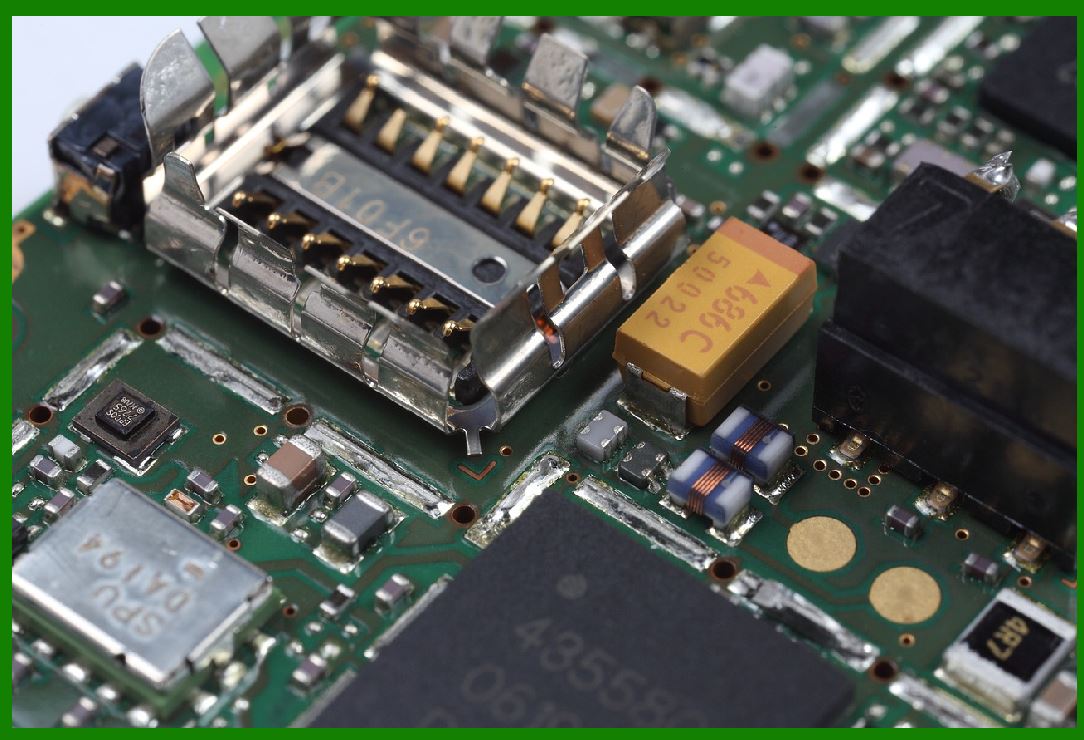
The 21st Century: New Challenges and Innovations (2010s-Present): As semiconductor devices began approaching atomic scales, Moore's Law faced its limits. Transistor sizes are now approaching the size of individual atoms, making it increasingly difficult to continue shrinking them without encountering physical limitations such as heat dissipation, quantum tunneling, and electrical leakage. However, semiconductor manufacturers have responded by investing in new techniques and materials to continue driving innovation. For example, the development of FinFET (Fin Field-Effect Transistor) technology, which allows for a more efficient use of space, and the adoption of extreme ultraviolet (EUV) lithography, which enables the production of smaller, more densely packed transistors, has helped the industry continue pushing forward. |
|
4.Semiconductors and Moore's Law |
Moore's Law has been the guiding principle of the semiconductor industry for over five decades, driving the rapid pace of technological innovation and performance improvements. The law predicted that the number of transistors on a chip would double roughly every two years, which has been largely accurate for many years. This exponential growth has been a primary driver of advancements in computing power, memory capacity, and energy efficiency. The continued adherence to Moore's Law has enabled the development of smaller, faster, and more affordable consumer electronics, including smartphones, personal computers, and cloud data centers. |
However, in recent years, the semiconductor industry has faced challenges in maintaining the pace of Moore's Law. As transistor sizes shrink to the scale of a few nanometers, the physical limitations of silicon-based transistors-such as power leakage, heat dissipation, and quantum effects-have begun to hinder progress. In response, manufacturers have begun exploring alternative materials like graphene and carbon nanotubes, as well as new computing architectures, such as quantum computing, which may eventually help sustain the exponential growth in computing power that Moore's Law has predicted. |
|
5.Modern Semiconductor Manufacturing: The Challenges of Shrinking Transistor Sizes |
The drive to miniaturize transistors has been one of the most important factors in the evolution of semiconductor technology. However, as the size of transistors approaches the atomic scale, manufacturers face several significant challenges: |
Quantum Effects: As transistors get smaller, they approach the scale where quantum mechanical effects, such as tunneling, become significant. In tunneling, electrons can pass through barriers they would not normally be able to cross, causing leakage currents and reducing the efficiency of the device. These quantum effects make it more difficult to control the flow of current through transistors, which is essential for reliable operation. |
Heat Dissipation: As transistor density increases, so does the amount of heat generated by a chip. Efficient heat dissipation becomes increasingly difficult as the physical size of the transistors shrinks. Managing thermal output is critical, as excessive heat can degrade performance and shorten the lifespan of semiconductor devices. |
Manufacturing Complexity: The precision required to manufacture increasingly smaller transistors presents significant challenges. Advanced lithography techniques, such as extreme ultraviolet (EUV) lithography, are used to etch increasingly tiny features onto silicon wafers, but these processes are incredibly complex, requiring highly sophisticated equipment and materials. The costs associated with cutting-edge semiconductor manufacturing are also rising, making it more difficult for smaller companies to compete. |
|
6.Emerging Semiconductor Materials and Innovations |
To overcome the limitations of traditional silicon-based semiconductors, researchers have been exploring alternative materials and technologies. Some of the most promising innovations include: |
2D Materials: Graphene and other two-dimensional (2D) materials, such as transition metal dichalcogenides (TMDs), are being investigated for their superior electrical properties. Graphene, for instance, has extremely high electrical conductivity and strength, which could enable faster and more efficient transistors. However, challenges remain in integrating these materials into existing manufacturing processes. |
Gallium Nitride (GaN): Gallium nitride is another semiconductor material that is seeing increased use, particularly in power electronics and high-frequency applications. GaN devices can operate at higher voltages and temperatures than silicon-based devices, making them ideal for power-hungry applications like electric vehicles and 5G infrastructure. |
Quantum Computing: Quantum computing represents a potential leap forward in computational power. Rather than using classical bits, which are either 0 or 1, quantum computers rely on quantum bits or qubits, which can exist in a superposition of states. This allows quantum computers to process vastly more information in parallel, potentially revolutionizing fields like cryptography, artificial intelligence, and drug discovery. While quantum computing is still in its infancy, semiconductors play a crucial role in the development of qubit-based devices. |
|
7.Semiconductors in Modern Applications |
The semiconductor industry powers nearly every facet of modern life, with applications across a wide range of fields. Some of the most notable applications include: |
Consumer Electronics: Semiconductors are at the heart of virtually every modern electronic device, from smartphones and tablets to televisions, game consoles, and wearable devices. Advances in semiconductor technology have made it possible to pack more functionality into smaller, more affordable devices. For example, mobile processors that integrate multiple cores, graphics processing units (GPUs), and memory on a single chip allow for faster and more energy-efficient smartphones. |
Artificial Intelligence and Machine Learning: AI and machine learning applications require immense computational power, which is made possible by advanced semiconductor technologies. Graphics processing units (GPUs), initially designed for rendering images in video games, have proven to be highly effective for the parallel processing required in AI tasks. Companies like NVIDIA and AMD have become leaders in the semiconductor space by developing GPUs optimized for machine learning and AI workloads. |
Telecommunications: The rise of 5G networks has put a significant strain on existing semiconductor technologies. To support the faster speeds, lower latency, and greater bandwidth of 5G, semiconductor manufacturers are developing specialized chips for everything from base stations to smartphones. Additionally, semiconductors play a crucial role in the Internet of Things (IoT), connecting billions of devices that require low-power, efficient processing. |
Automotive: The automotive industry is increasingly reliant on semiconductors, particularly as vehicles become more electrified and autonomous. Semiconductors are used in electric vehicle (EV) powertrains, advanced driver-assistance systems (ADAS), and infotainment systems. Moreover, semiconductors are key to the development of autonomous vehicles, enabling the sensors and processing power needed for real-time decision-making. |
Healthcare and Biotechnology: In healthcare, semiconductors enable medical devices like pacemakers, MRI machines, and diagnostic tools. They are also crucial in the growing field of personalized medicine, where semiconductor-based technologies help process large volumes of genetic and medical data to provide tailored treatment plans. |
|
8.Conclusion |
Semiconductors are the lifeblood of modern electronics and have enabled unprecedented advances in computing, communications, and technology. From the early days of transistors to the cutting-edge advancements in quantum computing and AI, semiconductors have played a pivotal role in shaping the digital age. As we face the challenges of scaling beyond traditional transistor technology, innovation in semiconductor materials, design, and manufacturing will continue to drive progress in nearly every industry. The future of electronics will depend on the continued evolution of semiconductor technology, and its potential is virtually limitless. |
|
What new technologies will be related to this in the future? |
As semiconductor technology continues to evolve, several emerging and future technologies are expected to play a significant role in shaping the landscape of electronics. These technologies not only promise to enhance the performance, efficiency, and capabilities of current devices but also enable entirely new kinds of applications. Below are some of the most exciting and potentially transformative future technologies related to semiconductors: |
1. Quantum Computing |
Overview: Quantum computing represents a paradigm shift in computing power. Unlike classical computers that use binary bits (0s and 1s), quantum computers rely on quantum bits, or qubits, which can exist in multiple states simultaneously thanks to quantum superposition. This property allows quantum computers to perform certain types of calculations exponentially faster than classical computers. |
Relevance to Semiconductors: Semiconductors are already playing a critical role in the development of quantum computing. One of the major challenges is creating stable qubits that can be easily manipulated and read. Quantum dot semiconductors, superconducting materials, and silicon-based quantum computers are all areas of active research. The idea is to harness the properties of semiconductor materials, such as silicon and germanium, to build scalable and reliable quantum computers. |
Future Impact: Quantum computing holds enormous potential for fields like cryptography, artificial intelligence, drug discovery, and materials science. For example, quantum computers could revolutionize data encryption, making current encryption methods obsolete, or solve problems in drug design by simulating complex molecular structures. |
|
2. Neuromorphic Computing |
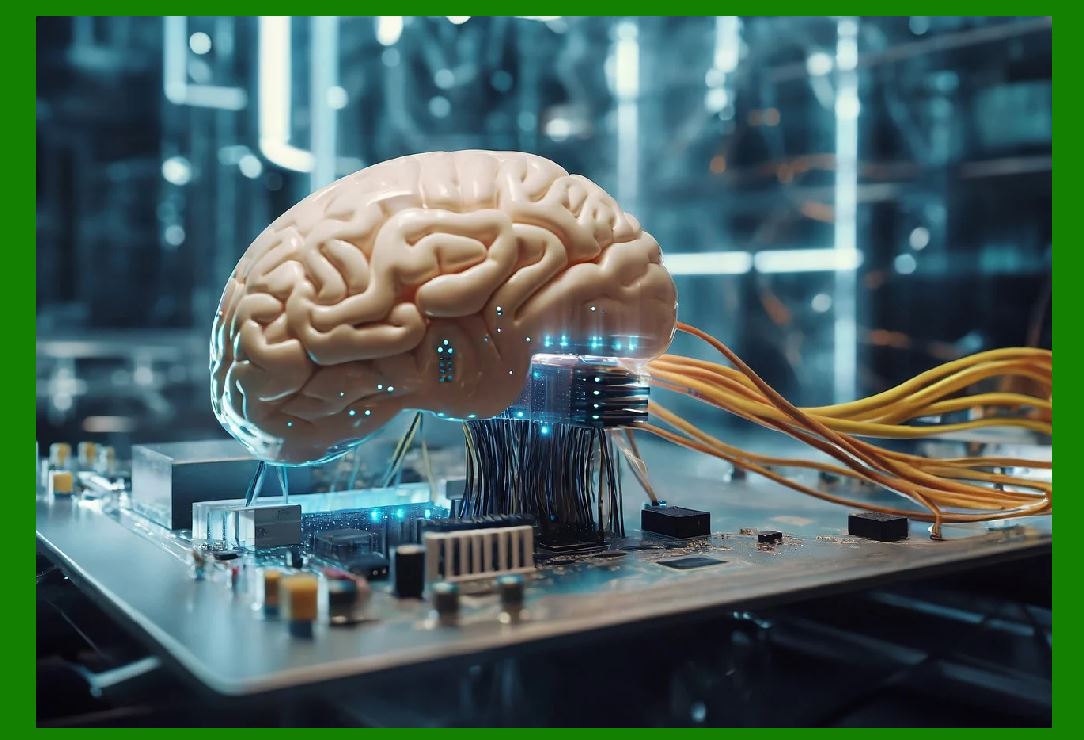
Overview: Neuromorphic computing is an approach that seeks to emulate the brain's structure and functioning to achieve more efficient computing. Traditional computers process information sequentially, but the human brain processes data in parallel, allowing for highly efficient, real-time learning and decision-making. Neuromorphic systems aim to replicate this by mimicking the neurons and synapses of the brain. |
Relevance to Semiconductors: Neuromorphic computing often requires specialized semiconductors that can mimic the behavior of neurons and synapses. The development of memristors (resistors with memory) and other novel semiconductor devices is key to creating brain-like processing capabilities. These devices can store and process information simultaneously, vastly improving power efficiency compared to traditional processors. |
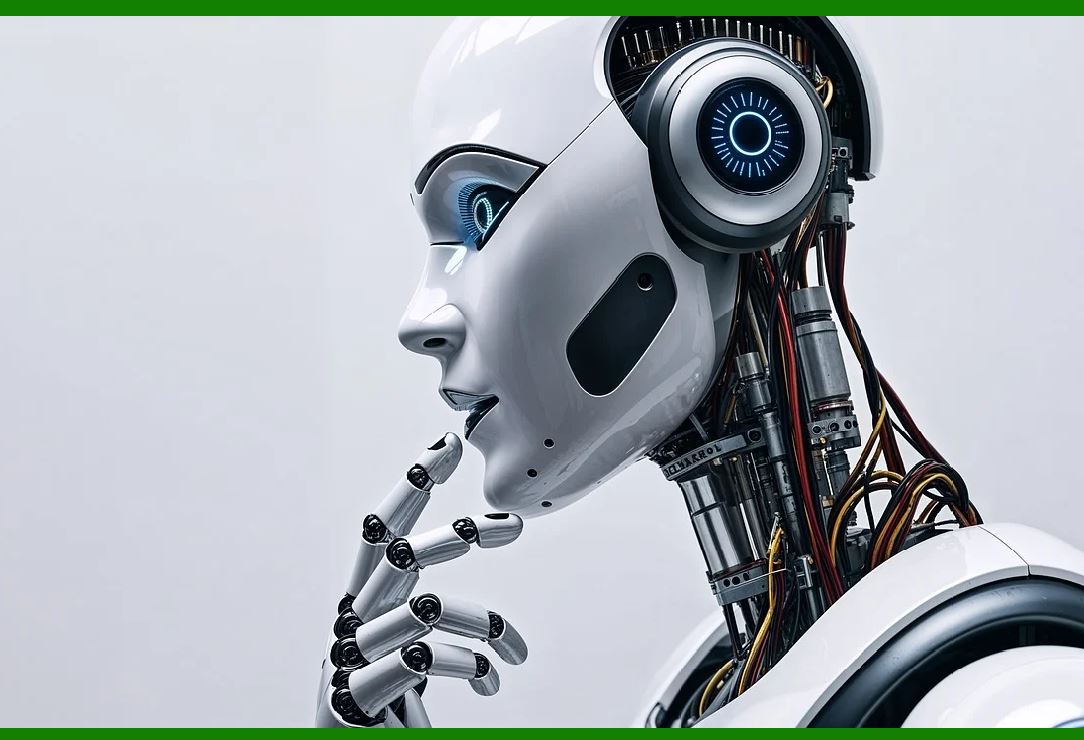
Future Impact: Neuromorphic chips could lead to major advancements in AI, machine learning, and robotics by making devices more capable of real-time learning and sensory processing. They could also be used in applications like robotics, autonomous vehicles, and wearable health monitors, where real-time, low-power decision-making is critical. |
|
3. Advanced Materials and 2D Materials |
Overview: Semiconductors are not limited to traditional materials like silicon. Researchers are increasingly exploring 2D materials (such as graphene, transition metal dichalcogenides, and phosphorene) due to their exceptional electrical, optical, and mechanical properties. These materials could overcome the limitations of silicon-based transistors, such as heat dissipation and speed. |
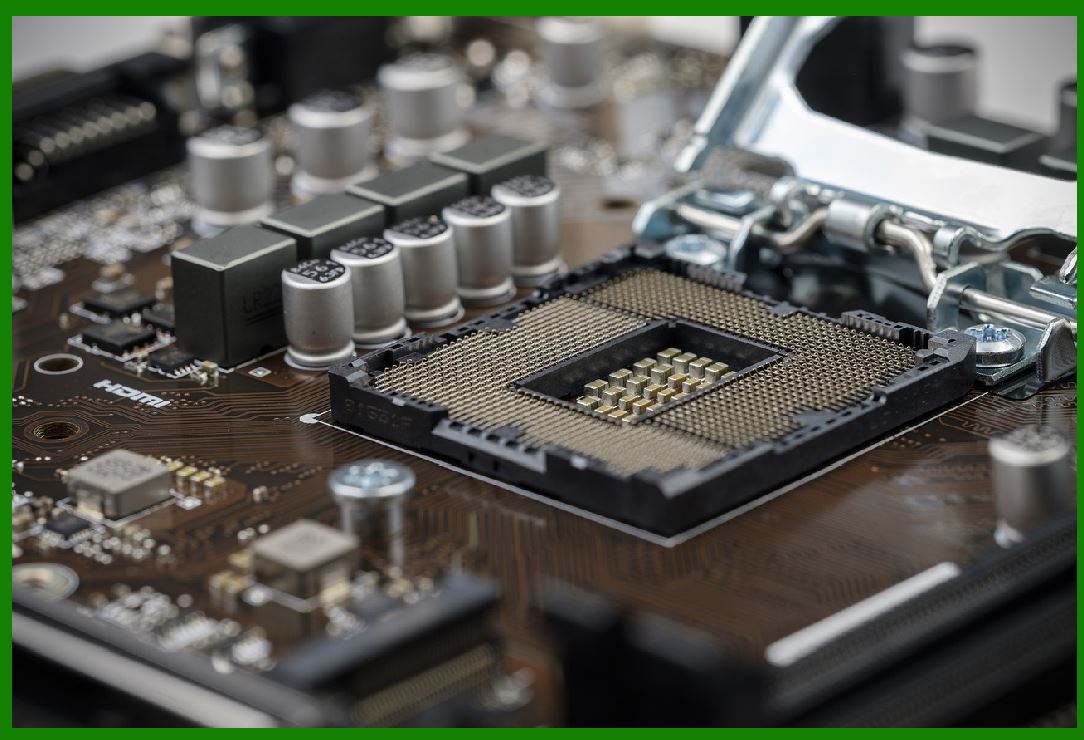
Relevance to Semiconductors: 2D materials have the potential to enable faster, smaller, and more efficient transistors, as well as enable entirely new kinds of devices. For example, graphene is a highly conductive material that could lead to faster transistors, while TMDs have unique properties that might make them ideal for optoelectronic devices (devices that emit, modulate, or detect light). |
Future Impact: The integration of advanced 2D materials into semiconductor manufacturing could significantly enhance the performance of electronic devices, enabling faster computing speeds, lower power consumption, and greater miniaturization. It could also enable the development of new types of sensors, flexible electronics, and energy-efficient systems that were previously unimaginable. |
|
4. Heterogeneous Integration and 3D Stacking |
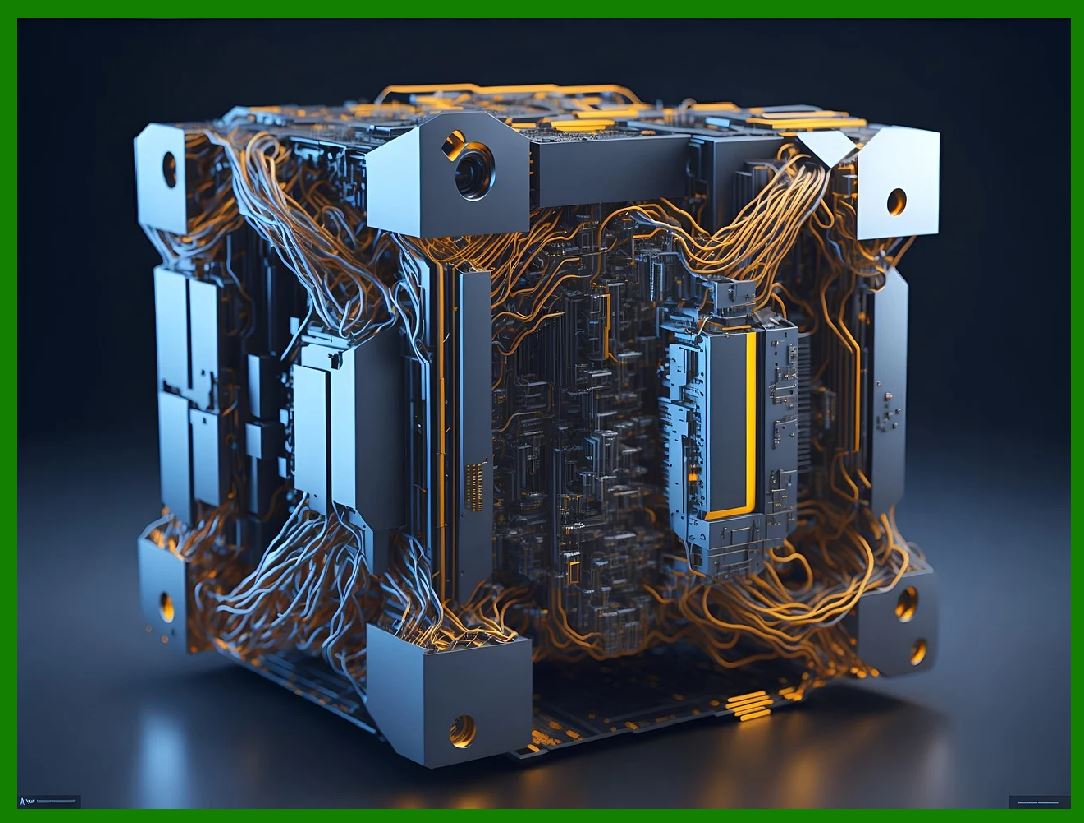
Overview: Heterogeneous integration involves combining different types of semiconductor materials or chips into a single package to achieve better performance, lower power consumption, and cost-efficiency. 3D stacking is one approach to heterogeneous integration, where multiple semiconductor layers are stacked vertically to increase functionality without increasing the chip's footprint. |
Relevance to Semiconductors: Heterogeneous integration can allow for combining different semiconductor technologies, such as logic, memory, and optical components, into a single package. 3D stacking enhances this by increasing the density of components while also reducing signal travel distances, leading to faster and more efficient chips. |
Future Impact: Heterogeneous integration and 3D stacking will enable more compact, powerful, and energy-efficient devices. For example, the integration of high-bandwidth memory (HBM) directly with processors in a 3D stack could improve the performance of AI accelerators and high-performance computing (HPC) systems. This will also be essential for the development of more powerful mobile devices, IoT devices, and edge computing systems. |
|
5. Photonic and Optical Computing |
Overview: Photonic or optical computing is a technology that uses light (photons) rather than electrical signals (electrons) to perform computations. Photonics promises to greatly increase the speed of data transfer and processing while reducing power consumption. This is particularly relevant for high-performance computing (HPC) and data centers, where electrical data transfer often creates bottlenecks. |
Relevance to Semiconductors: Semiconductors will play a crucial role in enabling photonic computing, especially with the development of photonic integrated circuits (PICs). These circuits integrate optical components such as lasers, modulators, and detectors with traditional electronic components on a single chip, enabling faster data processing and transmission. |
Future Impact: The use of photonics in computing could dramatically reduce the energy consumption of data centers and supercomputers, which are major consumers of electricity. It could also lead to breakthroughs in high-speed data transmission, advanced signal processing, and machine learning, making these technologies more efficient and scalable. |
|
6. Artificial Intelligence (AI) and Machine Learning (ML) Accelerators |
Overview: AI and machine learning (ML) applications require massive computational power, which is pushing semiconductor manufacturers to design specialized accelerators, such as graphics processing units (GPUs), tensor processing units (TPUs), and AI-specific chips. These chips are optimized to handle the large volumes of data and complex calculations required for tasks like deep learning and neural network training. |
Relevance to Semiconductors: AI chips often incorporate specialized semiconductor materials, architectures, and processing techniques that are designed to handle specific tasks in machine learning, such as matrix multiplication and parallel processing. Semiconductor companies like NVIDIA, AMD, and Intel are developing custom processors to meet the growing demand for AI and ML applications. |
Future Impact: AI accelerators will play a crucial role in advancing AI technologies, enabling faster and more efficient training of deep learning models and improving the performance of AI-driven systems. These chips will power everything from autonomous vehicles and robotics to personalized medicine and natural language processing. |
|
7. Flexible and Wearable Electronics |
Overview: Flexible electronics refers to electronic circuits that are made on flexible substrates, enabling them to bend, stretch, and conform to different shapes. Wearable electronics, a subset of flexible electronics, refers to devices that can be worn on the body, such as smartwatches, fitness trackers, and health-monitoring patches. |
Relevance to Semiconductors: Flexible electronics rely on semiconductors that can be produced on bendable materials like plastic, paper, or fabric. Advances in organic semiconductors, which are flexible and lightweight, and the development of flexible transistors are key to making flexible and wearable electronics viable on a large scale. |
Future Impact: Flexible and wearable electronics will lead to new types of health monitoring devices, smart clothing, and immersive user experiences. These devices could be used for continuous health tracking, augmented reality (AR) applications, and highly personalized computing, providing users with seamless interaction with their environments. |
|
8. Energy-Efficient Semiconductors and Power Electronics |
Overview: As electronic devices become more power-hungry, the demand for energy-efficient semiconductor technologies is increasing. Power electronics involves the use of semiconductors to control and convert electrical power efficiently, and it plays a critical role in energy management, especially in renewable energy and electric vehicles (EVs). |
Relevance to Semiconductors: The development of wide-bandgap semiconductors, such as silicon carbide (SiC) and gallium nitride (GaN), holds great promise for improving the efficiency of power electronics. These materials can operate at higher voltages, currents, and temperatures than traditional silicon, making them ideal for applications like EVs, solar inverters, and electric grid management. |
Future Impact: Energy-efficient power electronics will be critical for reducing energy consumption across various industries, enabling the widespread adoption of renewable energy sources, improving the efficiency of electric vehicles, and minimizing the carbon footprint of industrial processes. This shift will play a key role in addressing the global energy challenge and promoting sustainable technological development. |

|
Conclusion |
The future of semiconductor technology is both exciting and challenging. While many of the traditional techniques and materials that have driven progress in semiconductor manufacturing are nearing their physical limits, new approaches-such as quantum computing, neuromorphic systems, and advanced materials-are pushing the boundaries of what is possible. These advancements will not only enhance the performance and efficiency of existing technologies but also open up entirely new avenues of innovation in fields ranging from AI and quantum computing to flexible electronics and energy-efficient devices. |
In the coming decades, semiconductors will continue to be the foundation of technological progress, enabling breakthroughs in nearly every aspect of human life, from healthcare to transportation, communications, and beyond. |
 cs@easiersoft.com