The Invisible Stockkeeper: How AI is Revolutionising Inventory Management Across 48 Industries |
Subtitle: From Barcode Beeps to Predictive Brains - A Technical Journey into Waste-Free Stockholding |
Part I: The Core Philosophy (Chapters 1-6) |
Chapter 1: The Cost of Sitting Still |
Inventory is not an asset; it is a liability in disguise. Every pallet on a warehouse floor ties up capital, occupies space, and ticks toward obsolescence. Traditional systems react. AI prevents. |
Chapter 2: The Barcode - The AI's Digital Eye |
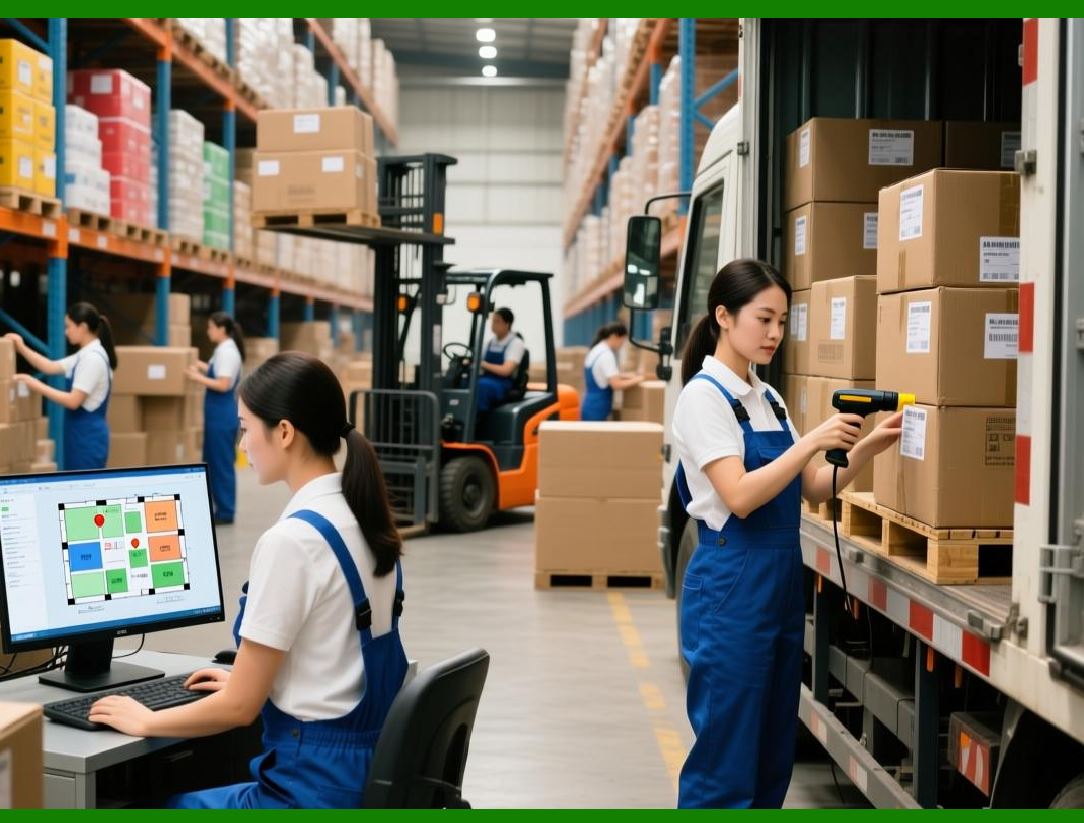
Before AI can think, it must see. The humble barcode (1D and 2D QR codes) remains the universal data gateway. AI does not replace barcodes; it supercharges them by turning each scan from a simple 'what' into a dynamic 'when, where, and why.' |
Chapter 3: The Three Pillars of AI Inventory Control |
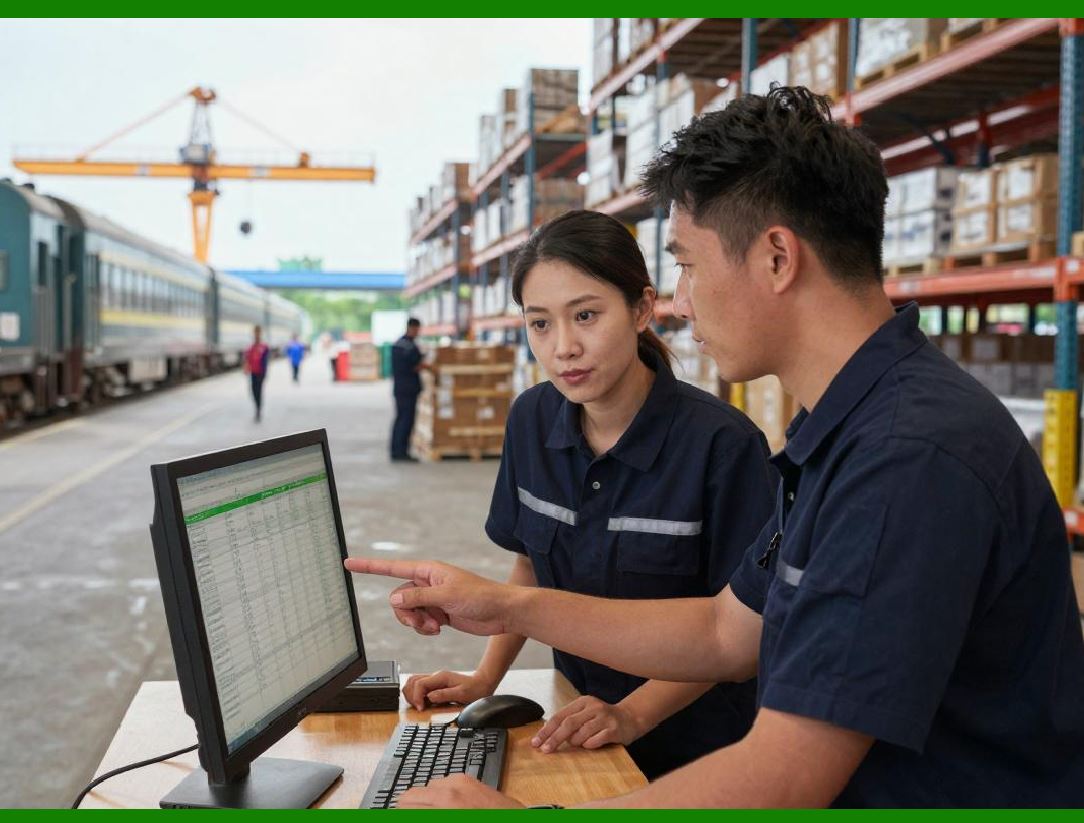
1. Predictive Analytics (demand forecasting) |
2. Computer Vision (physical stock verification) |
3. Reinforcement Learning (automated reorder decisions) |
|
Chapter 4: The Perishability Paradox |
Freshness decays exponentially, but data decays linearly. AI bridges this gap by time-stamping every barcode scan with a 'remaining useful life' (RUL) metric, not just a static expiry date. |
Chapter 5: Space as a Premium Resource |
AI minimises occupied square footage by dynamically compressing storage zones. It asks: *Can this item be stored verticallyCan it be cross-docked immediately* The answer comes in milliseconds. |
Chapter 6: The Zero-Waste Mandate |
Beyond profit, AI tackles ESG (Environmental, Social, Governance) goals. By avoiding overstock, it directly reduces the carbon footprint of production, packaging, and disposal. |

|
Part II: Manufacturing & Heavy Industry (Chapters 7-12) |
Chapter 7: Automotive - Just-in-Time 2.0 |
AI analyses VIN barcodes and supplier lead times. It holds only 2.5 hours of seat foam inventory, cutting warehouse space by 40% and eliminating age-hardening of rubber components. |
Chapter 8: Semiconductor Fabs - Chemical Batch Rotation |
Photoresists have 30-day shelf lives. AI reads lot barcodes and schedules the oldest chemistries first (FIFO on steroids), reducing chemical waste by 22% in a pilot fab. |
Chapter 9: Steel Rolling Mills - Coil Lifecycle Management |
Moisture causes rust. AI pairs weather APIs with coil ID barcodes to prioritise dispatch of coils nearing their protective oil expiration, shrinking storage yards by 15%. |

|
Chapter 10: Aerospace - Component Traceability |
With 20-year maintenance cycles, AI uses barcode-scanned repair histories to predict which spare parts will be needed *where*, reducing stationary rotables (expensive, idle parts) by 30%. |
Chapter 11: 3D Printing Farms - Resin Rotation |
UV-sensitive resins degrade. AI monitors barcode-entry dates and ambient temperature, automatically flagging resin batches for priority use, cutting material write-offs by half. |
Chapter 12: Heavy Machinery - Hydraulic Fluid Optimisation |
Instead of storing 6 months of oil, AI forecasts machine utilisation from IoT sensors, keeping only 6 weeks on hand - freeing up 1,200 sq ft per factory. |
|
Part III: Food & Beverage (Chapters 13-20) |
Chapter 13: Dairy - The Minute-by-Minute Battle |
Milk has a 5-day shelf life. AI reads pallet barcodes at reception, calculates the exact sell-by curve, and dynamically routes freshest milk to long-distance stores, older milk to local outlets. Spoilage drops 18%. |
Chapter 14: Bakery - Flour First-In, First-Out (FIFO) with Vision |
AI cameras verify barcode lot numbers on flour sacks and instruct pickers to retrieve the oldest batch *even if it is buried deeper*. This reduces weevil infestation waste by 90%. |
Chapter 15: Frozen Foods - Defrost-Risk Scoring |
AI analyses temperature loggers linked to barcodes. If a pallet experiences a 2C rise, its 'safe period' shortens. The system expedites that specific pallet to a nearby discount channel, avoiding total discard. |
|
Chapter 16: Winemaking - Vintage Variability |
AI predicts demand for each vintage using social sentiment analysis. It holds less of the low-scoring vintages, preventing warehouse tie-up for decades-old bottles that won't sell. |
Chapter 17: Fresh Produce - Ripeness Algorithms |
Bananas emit ethylene. AI uses barcode-scanned harvest dates and integrates with gas sensors to ripen specific batches on-demand, ensuring only 2 days of inventory, not 5. |
Chapter 18: Meat Processing - Cold-Chain Deadlines |
Each primal cut has a barcode with a 'days post-slaughter' count. AI dynamically reprices and reallocates aging cuts to rendering plants before they become biohazard, reducing spoilage by 25%. |
|
Chapter 19: Confectionery - Seasonal Peaks |
Chocolate has a 12-month shelf life but seasonal demand spikes. AI back-calculates production start dates from barcode data, ensuring Easter eggs are made exactly 60 days prior - no earlier. |
Chapter 20: Beverage Canning - Sugar Separation |
Sugar syrups crystallise over time. AI tracks batch barcodes and prioritises older syrups for dark-coloured sodas (where crystallisation is invisible), saving 200 tons of syrup per year. |
|
Part IV: Pharmaceuticals & Healthcare (Chapters 21-26) |
Chapter 21: Vaccine Cold Storage - The Ultimate Critical |
Vaccines lose potency. AI reads barcode-embedded expiry data and calculates 'expiry proximity.' It auto-suggests donation or redistribution to clinics with higher throughput, ensuring zero expired doses. |
Chapter 22: Clinical Trial Kits - Patient-Specific Expiry |
Each trial kit has a unique barcode with a patient enrolment date. AI sequences kit dispatch so that the kit arrives exactly 7 days before use - reducing custom reagent waste by 60%. |
Chapter 23: Hospital Central Supply - Sterile Goods Rotation |
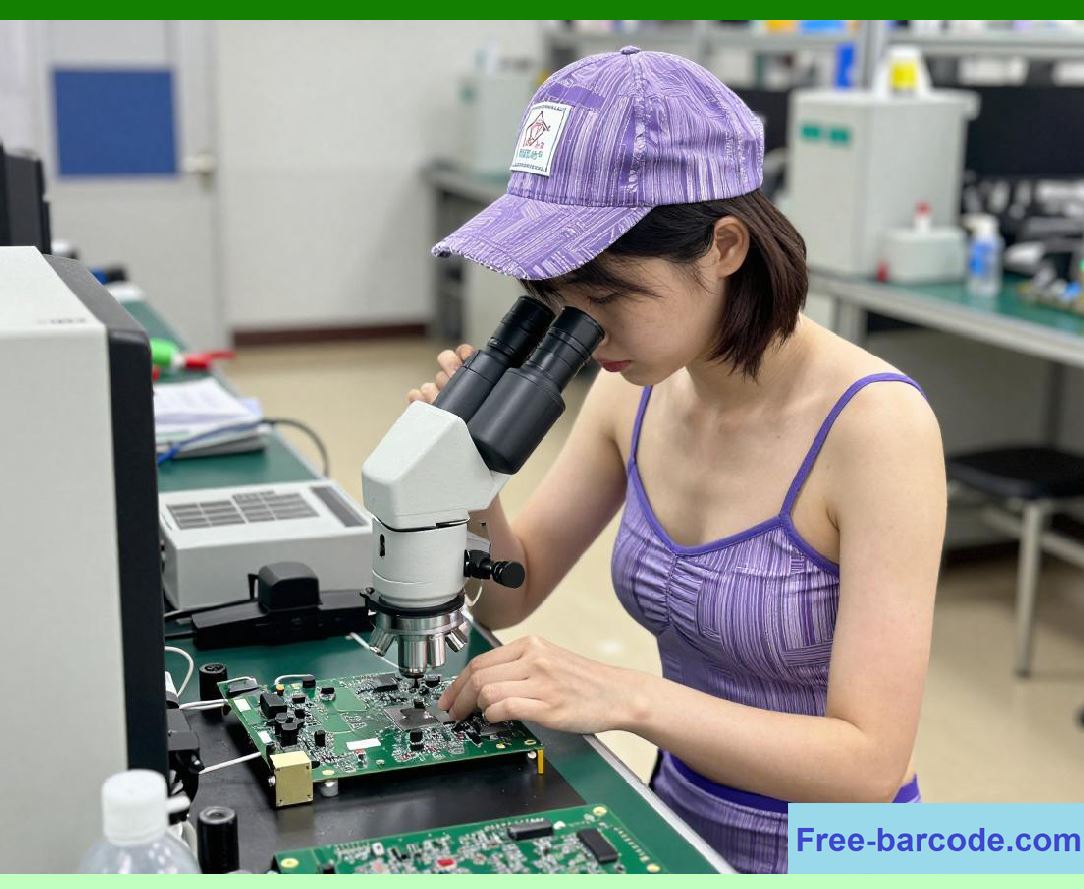
Surgical packs have sterilisation validity. AI tracks pack barcodes and moves near-expiry packs to the operating rooms with the highest surgery volumes, slashing resterilisation costs. |
|
Chapter 24: API (Active Ingredient) Storage - Humidity Sensitivity |
AI pairs barcode lot data with local humidity sensors. It flags lots stored in high-humidity zones for priority use, as degradation accelerates - preventing millions in API write-offs. |
Chapter 25: Radiopharmaceuticals - Half-Life Logistics |
With 6-hour half-lives, AI uses barcode timestamps to compute exact residual radioactivity. It allocates doses to the nearest patients first, reducing isotopic decay waste by 35%. |
Chapter 26: Over-the-Counter - Dynamic Safety Stock |
For painkillers with 2-year shelf life, AI still reduces safety stock by 30% using demand variability models, freeing up pharmacy warehouse space for fast-movers. |
|
Part V: Retail & E-Commerce (Chapters 27-34) |
Chapter 27: Fast Fashion - Trend Velocity |
AI analyses daily barcode scans at point-of-sale. If a style's velocity drops, the system halts replenishment and marks remaining stock for outlet transfer - reducing markdown waste by 20%. |
Chapter 28: Luxury Goods - Authentication & Ageing |
Leather oxidises. AI tracks production barcodes to prioritise older handbags for display samples, ensuring the freshest stock goes to paying customers - minimising unsellable discoloured items. |
Chapter 29: Electronics - Component Obsolescence |
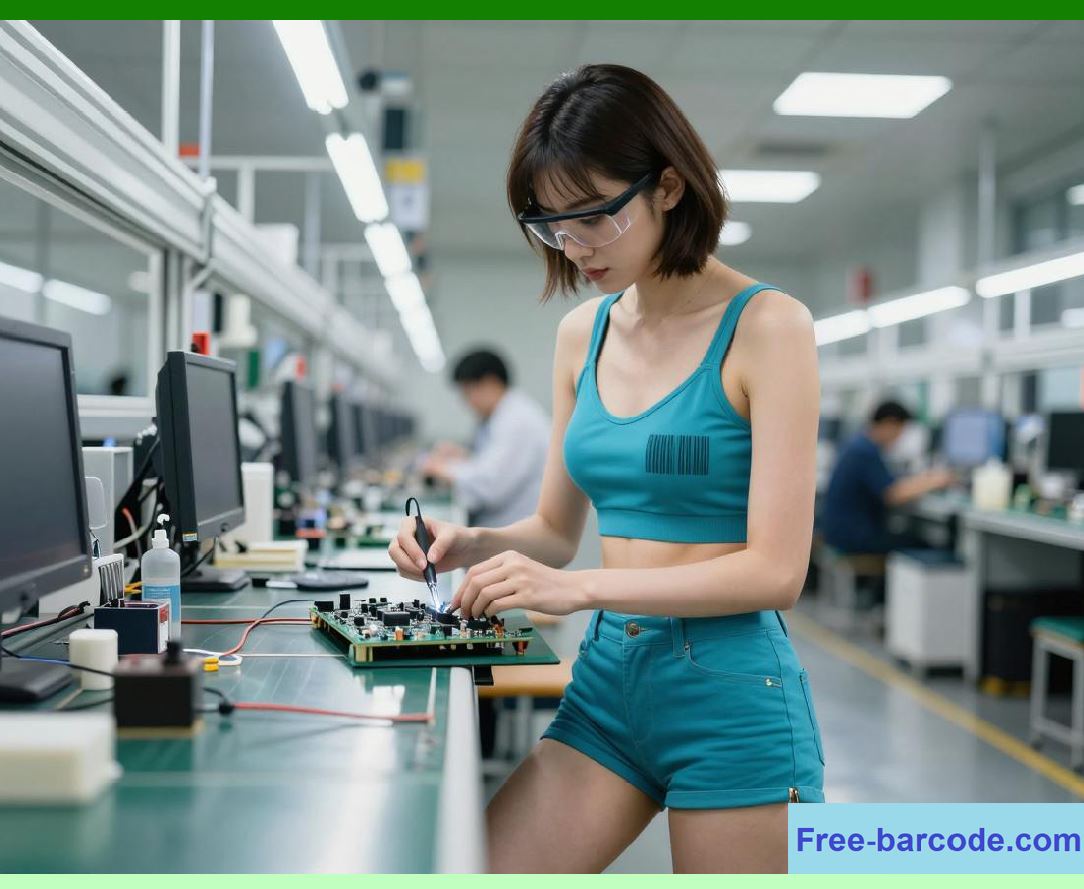
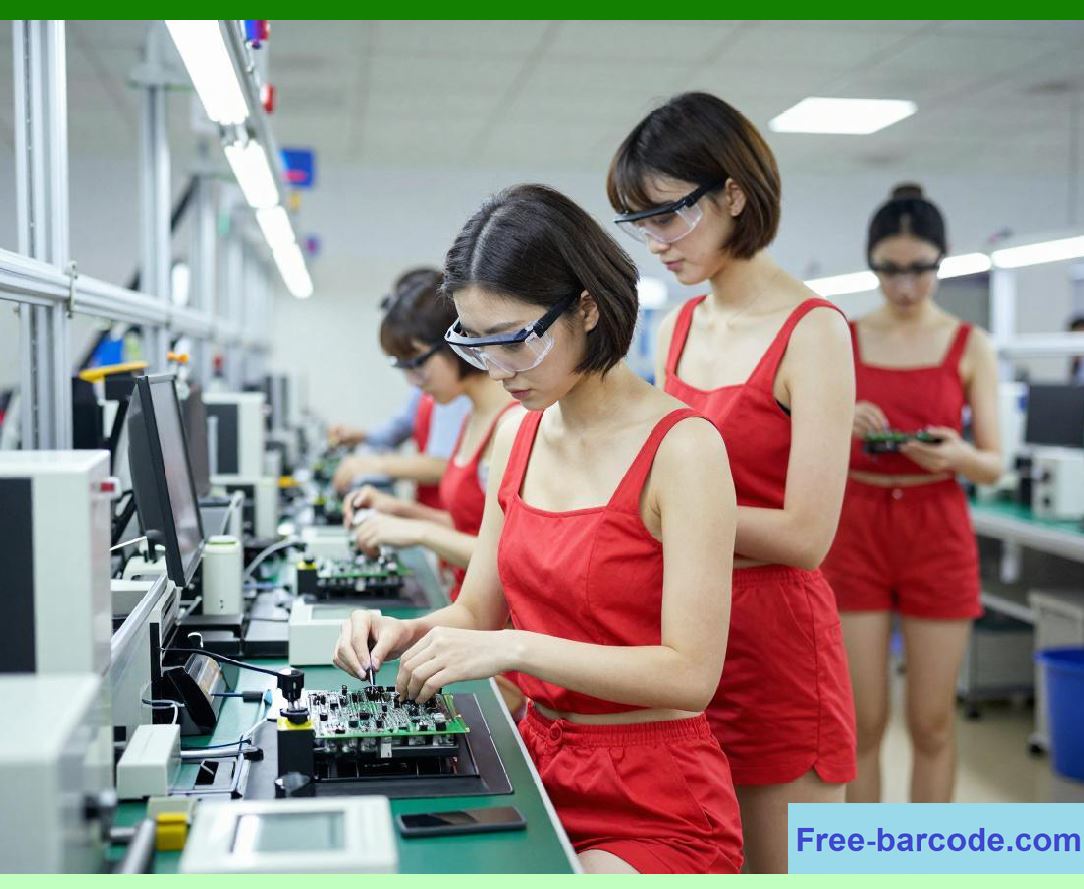
Chips have a 10-year life but become technologically obsolete in 2. AI uses barcode-encoded manufacturing weeks to push older PCBs into budget product lines, clearing high-value shelf space. |
|
Chapter 30: Book Publishing - Returns Avoidance |
AI predicts regional demand from ISBN barcodes and print-on-demand triggers, reducing warehouse-bound returns (which are pulped) by 40%. |
Chapter 31: DIY & Hardware - Bulk vs. Unit |
Nails and screws have no expiry, but storage costs money. AI consolidates slow-moving SKUs into off-site storage using barcode counts, freeing 30% of prime warehouse space. |
Chapter 32: Cosmetics - Emulsion Stability |
Creams separate after 18 months. AI applies a 'stability clock' per batch barcode and channels older batches into travel-size promotions, avoiding full-size product disposal. |

|
Chapter 33: Online Grocery - Substitution Logic |
When an item is out of stock, AI suggests substitutes *not* by popularity, but by expiry proximity - clearing older barcode lots first, reducing store-level waste. |
Chapter 34: Returns Processing - Reverse Logistics |
Returned items with intact barcodes are AI-scanned for 'restockability.' Only those with >80% shelf life remaining are re-entered; others are directed to liquidation, keeping the warehouse lean. |

|
Part VI: Logistics & 3PL (Chapters 35-40) |
Chapter 35: Cross-Docking - Zero-Touch Flow |
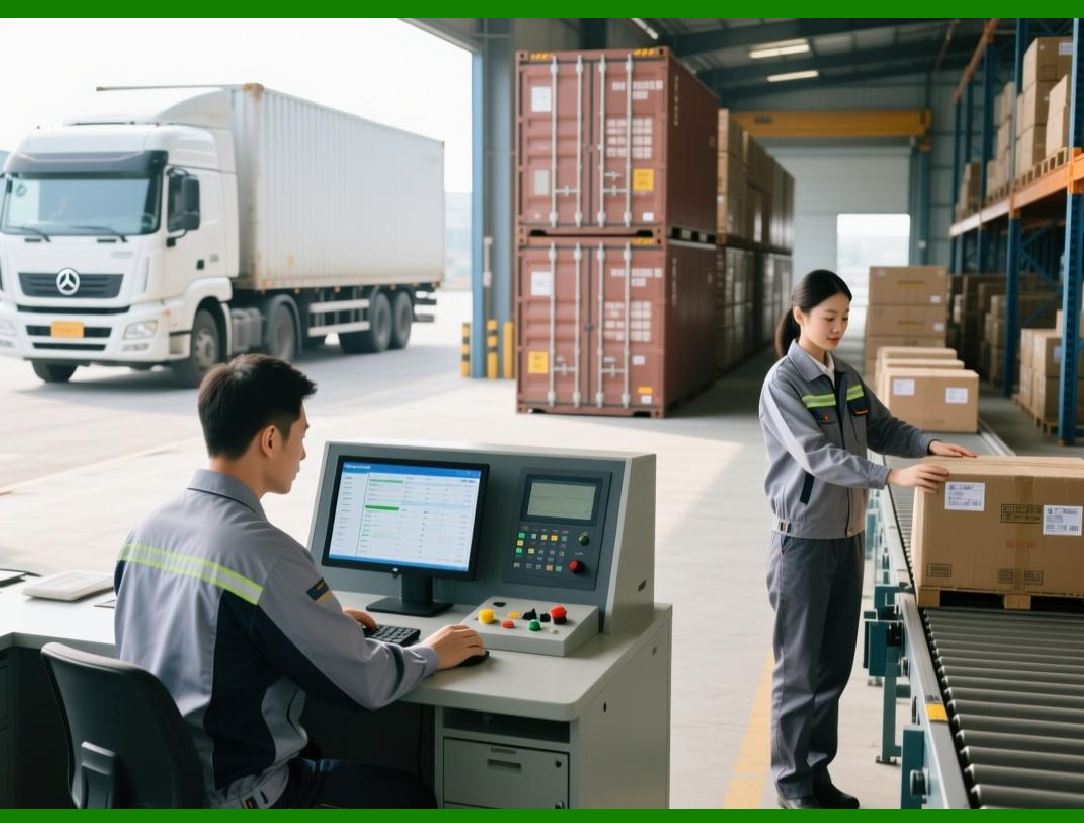
AI reads incoming pallet barcodes and matches them with outgoing truck schedules. If a pallet is due to expire in 10 days, it is cross-docked immediately - never touching storage racks. |
Chapter 36: Consolidation Centres - Merge-in-Transit |
AI minimises dwell time by grouping shipments by final destination and expiry proximity, ensuring that no container holds a mix of 'urgent' and 'long-life' items that block priority handling. |
Chapter 37: Warehousing - Dynamic Slotting |
Every barcode scan updates an AI model that re-slots items overnight. Fast-expiry items move to 'pick-face' positions; long-life items move to deep storage. Space utilisation improves by 25%. |

|
Chapter 38: Cold Chain - Energy vs. Density |
AI balances refrigeration energy cost with inventory density. It consolidates near-expiry frozen goods into a single, smaller freezer, defrosting and retiring older storage rooms to save power. |
Chapter 39: Port Terminals - Container Priority |
Shipping containers have barcoded manifests. AI prioritises unload for containers with perishable goods, reducing demurrage fees and preventing cargo decay inside metal boxes. |
Chapter 40: Last-Mile Hubs - Micro-Fulfilment |
AI pre-stages only the next 4 hours of delivery routes using barcode-verified local stock, meaning hubs operate with only 2 hours of inventory, minimising local spoilage. |
|
Part VII: Specialised Sectors (Chapters 41-45) |
Chapter 41: Agriculture - Seed and Fertiliser |
Seed germination rates drop with age. AI tracks seed lot barcodes and recommends planting schedules that use older seeds on less-critical fields, ensuring no bag expires unused. |
Chapter 42: Construction - Cement Curing Windows |
Cement has a 3-month strength window. AI reads batch barcodes and allocates older cement to non-structural fill, while fresher batches go to foundation work - eliminating hardened, wasted sacks. |
Chapter 43: Chemicals - Reactive Hazards |
Certain monomers polymerise in storage. AI calculates 'safe storage days' from barcode production dates and triggers forced consumption or inhibitor injection before gelling occurs. |
|
Chapter 44: Print & Packaging - Adhesive Tack Life |
Adhesive rolls have open-time limits. AI co-ordinates barcode-scanned adhesive with press schedules so that adhesive arrives at the press exactly when needed - zero dried-out rolls. |
Chapter 45: Museum Archiving - Preservation Supplies |
Acid-free boxes degrade. AI manages stock rotation so that the oldest boxes are used for low-value artefacts, reserving fresh boxes for national treasures - a novel application of expiry logic. |
Part VIII: Implementation & Future (Chapters 46-48) |
Chapter 46: The Barcode + AI + IoT Trinity |
The future combines barcodes (identity), AI (decision), and IoT sensors (reality). A temperature spike triggers an AI recomputation of all expiry dates for that barcode ID, dynamically shortening shelf life in the system. |
|
Chapter 47: The Human-in-the-Loop |
AI does not fire workers. It equips warehouse staff with augmented reality glasses that overlay expiry heatmaps (red = urgent) over barcode-scanned pallets, guiding them to pick the right item first. |
Chapter 48: The Ultimate Metric - Inventory Turnover Lift |
Across all 48 chapters, one unifying KPI emerges: Inventory Turnover Rate. AI consistently lifts turnover from an industry average of 6x to 12x per year, effectively *halving* the physical space and wasted materials. The barcode, once a simple ID, becomes the timestamp of a digital twin that never lets a product die in silence. |
|
Conclusion (Beyond 48): |
AI inventory management is not about predicting the future - it is about respecting the lifecycle of every physical atom. By integrating with barcodes, AI gives each item a voice, ensuring that the only inventory left behind is the inventory that was *always* meant to be there. Waste is not an accident; it is a failure of information. And in these 48 industries, that failure has been engineered out. |
 cs@easiersoft.com