Heavy Machinery - Hydraulic Fluid Optimisation - The Lifeblood of Industrial Giants |
Short Opening Summary |
Heavy machinery, from excavators and bulldozers to mining trucks and cranes, is the muscle of modern industry. At the heart of every one of these machines lies a complex hydraulic system that transmits power, controls movement, and enables precision. The lifeblood of this system is hydraulic fluid, a specially formulated oil that must be kept clean, cool, and chemically stable. But hydraulic fluid degrades over time. It oxidises, absorbs moisture, and collects particles that wear down pumps and valves. Traditional maintenance schedules replace the fluid at fixed intervals, regardless of its actual condition. This leads to waste, because much of the fluid is still usable, or it leads to machine failures, because the fluid has degraded earlier than expected. Artificial intelligence now offers a solution: dynamic hydraulic fluid optimisation. This chapter explores the chemistry of hydraulic fluids, the mechanics of contamination, and how AI uses barcode data, sensor readings, and predictive models to determine the optimal time for fluid change, extending the life of the fluid and the machine. |
|
Chapter 12: Heavy Machinery - Hydraulic Fluid Optimisation |
Imagine a massive mining truck, the size of a two-storey building, hauling 300 tons of ore across a dusty pit. Its movements are not powered by cables or gears but by high-pressure hydraulic fluid coursing through thick steel pipes. This fluid is the lifeblood of the machine. It transmits the force from the engine to the wheels, the steering, the suspension, and the dump bed. Without it, the truck is just a pile of metal. The same is true for excavators, bulldozers, cranes, and every other piece of heavy machinery that powers construction, mining, agriculture, and forestry. |
Hydraulic fluid is a sophisticated product. It is typically a refined mineral oil or a synthetic ester, blended with a package of additives that provide anti-wear protection, rust inhibition, foam suppression, and oxidation stability. The fluid must maintain its viscosity over a wide range of temperatures, from freezing cold to scorching hot. It must also be compatible with the seals, hoses, and pumps in the system. This fluid is expensive, costing hundreds or even thousands of dollars per drum. A large excavator might hold 500 litres of fluid. A mining truck might hold over 1,000 litres. Replacing the fluid is a major operational cost. |
But hydraulic fluid is not eternal. Over time, it degrades. The primary degradation mechanism is oxidation. The fluid reacts with dissolved oxygen in the oil, forming organic acids and sludge. This oxidation is accelerated by high temperatures, which are common in heavy machinery. The acids attack the metal surfaces, causing corrosion. The sludge clogs filters and deposits on valve spools, impairing their movement. The fluid also absorbs moisture from the air. The moisture can cause rust and can react with the additives, depleting them. Furthermore, the fluid accumulates particles: wear debris from the pumps and motors, dust and dirt from the environment, and even fibres from the hoses. These particles act as abrasives, accelerating the wear of the components. |
|
The traditional approach to managing hydraulic fluid health is to use a fixed maintenance schedule. The manufacturer recommends that the fluid be changed every 2,000 hours of operation, or every year, whichever comes first. This is a safe approach, but it is also wasteful. In many machines, the fluid is still in good condition at the scheduled change interval. Changing it early wastes the fluid and the cost of disposal. In other machines, the fluid degrades faster than expected, due to harsh operating conditions, like high ambient temperatures or heavy dust. The scheduled interval is too late, and the machine suffers accelerated wear or a failure. |
This is where AI comes in. The AI-driven approach to hydraulic fluid management is to replace the fixed interval with a dynamic, condition-based interval. The AI monitors the actual health of the fluid in each machine, using a combination of online sensors and laboratory analysis. It predicts the remaining useful life, or RUL, of the fluid, and it recommends the optimal time for a fluid change. This is not a simple 'change or not change' decision. It is a nuanced recommendation that balances the cost of the fluid, the cost of the change, the cost of wear, and the risk of failure. |

|
Let us look at the factors that the AI considers. The first is the fluid temperature. Higher temperatures accelerate oxidation. The AI monitors the temperature of the fluid in the reservoir and in the return lines. It calculates the cumulative thermal dose, which is a measure of the total heat exposure. This dose is a strong predictor of the fluid's remaining life. |
The second factor is the moisture content. The AI uses a moisture sensor in the reservoir to measure the water content in parts per million. A high moisture level indicates that the fluid is at risk of rust and additive depletion. The AI tracks the moisture trend and predicts when it will reach a critical level. |
The third factor is the particle count. The AI uses a particle counter that measures the number and size of particles in the fluid. The standard is the ISO cleanliness code, which classifies the fluid by the number of particles greater than 4, 6, and 14 microns. A high particle count indicates excessive wear or contamination. The AI tracks the particle count and predicts when it will exceed the acceptable level. |
The fourth factor is the oxidation level. This can be measured by a sensor that detects the change in the fluid's dielectric constant, or by a laboratory test that measures the acid number. The AI uses either or both. A rising acid number indicates that the oxidation is progressing and that the fluid is nearing the end of its life. |
The fifth factor is the additive depletion. The anti-wear additives, such as zinc dialkyldithiophosphate, are gradually consumed. The AI can infer the additive level from the sensor data or from occasional lab tests. When the additive level drops below a threshold, the fluid loses its protective capability. |
The sixth factor is the machine's operating context. A machine that is used in a clean, temperature-controlled environment will have a longer fluid life than a machine that is used in a dusty, hot mine. The AI incorporates the environmental data, such as ambient temperature and humidity, into its model. It also incorporates the machine's usage pattern, such as the average load and the frequency of high-pressure operation. |

|
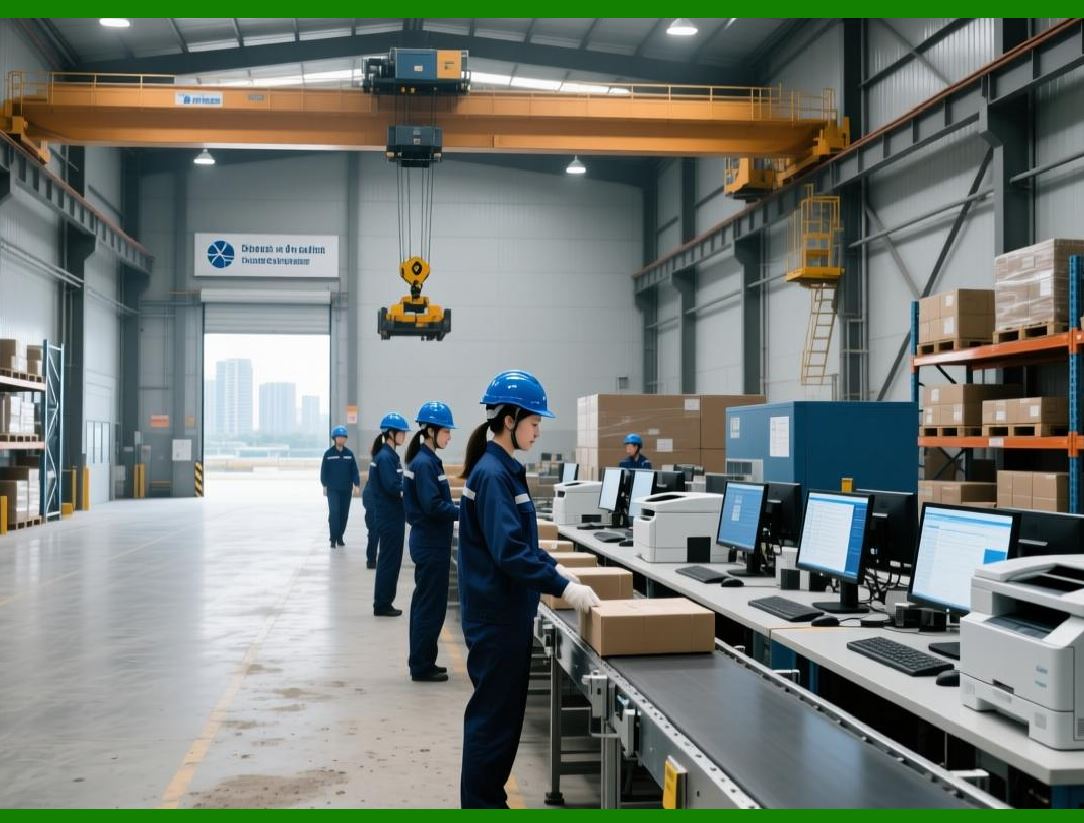
Now, let us look at how the AI integrates with the barcode system. Each machine has a unique barcode or an RFID tag. When the machine is serviced, the barcode is scanned. The AI retrieves the machine's digital twin, which includes its model, its serial number, its operating hours, and its fluid history. When fluid is added or changed, the new fluid's barcode is scanned. The AI records the fluid's type, batch number, and manufacturing date. It also records the quantity added. This creates a complete traceability of the fluid in each machine. |
The AI also uses the barcode data from the fluid containers. When a new drum of hydraulic fluid is delivered, its barcode is scanned. The AI records the drum's batch number and its initial quality parameters. As the drum is used, its barcode is scanned each time fluid is drawn. The AI tracks the remaining volume and the age of the fluid in the drum. This is similar to the resin rotation we saw in the previous chapter, but the scale is larger. A large mine might have hundreds of drums of fluid in storage. |

|
Now, let us look at the benefits of AI-driven fluid optimisation. The most obvious benefit is the reduction in fluid waste. By changing the fluid only when it is needed, the AI can extend the fluid life by 20 to 50 percent, depending on the machine. This directly reduces the cost of new fluid and the cost of disposal. The savings can be substantial. For a fleet of 100 mining trucks, the annual fluid savings can be hundreds of thousands of dollars. |
The second benefit is the reduction in wear and tear. By maintaining the fluid in a good condition, the AI reduces the wear on the pumps, motors, and valves. This extends the life of these expensive components and reduces the frequency of major repairs. A hydraulic pump replacement can cost tens of thousands of dollars. The AI's preventative maintenance can delay this replacement by years. |
The third benefit is the reduction in unscheduled downtime. A hydraulic failure can stop a machine in its tracks, causing costly production delays. The AI's predictive capability allows the maintenance team to plan the fluid change during a scheduled maintenance window, avoiding an unplanned breakdown. This improves the machine's availability and the overall productivity. |
The fourth benefit is the improvement in safety. A hydraulic fluid leak can create a fire hazard, especially if the fluid is sprayed onto a hot surface. By preventing the fluid from degrading to the point where it loses its lubricity, the AI reduces the risk of seal failure and leakage. |
|
Now, let us look at a real-world example. A large open-pit mine operates a fleet of 50 haul trucks. Each truck holds 1,200 litres of hydraulic fluid. The traditional practice was to change the fluid every 2,000 hours, at a cost of 4,000 dollars per truck, including the fluid, the labour, and the disposal. The mine implemented an AI system that monitored the fluid temperature, moisture, and particle count on each truck. The AI calculated a dynamic change interval, which varied from 1,600 to 3,000 hours, depending on the truck's operating conditions. Over a year, the mine reduced its fluid consumption by 30 percent, saving 600,000 dollars. It also experienced a 20 percent reduction in hydraulic component failures, saving an additional 200,000 dollars in repairs. |
Another example is a construction company that operates a fleet of excavators and bulldozers. The company used the AI system to optimise the fluid changes across its entire fleet. The system also helped the company to standardise the fluid type, reducing the complexity of its inventory. The company reported a 25 percent reduction in fluid costs and a 15 percent increase in machine availability. |

|
Now, let us look at the integration with the supply chain. The AI does not just optimise the fluid change; it also optimises the procurement of new fluid. By predicting the future demand for fluid, based on the forecasted operating hours and the dynamic change intervals, the AI can recommend the optimal order quantities and timing. This reduces the inventory of fluid drums in the warehouse, freeing up space and reducing the risk of the fluid degrading in storage. The fluid has its own shelf life, which can be affected by temperature and moisture. The AI can also apply the same dynamic RUL principles to the fluid in the warehouse, prioritising the use of older drums. |
Now, let us consider the role of the barcode in the fluid drums. The barcode on each drum contains the batch number and the manufacturing date. The AI uses this information to calculate the RUL of the fluid in the drum, based on its age and the storage conditions. This ensures that the oldest drum is used first, and that no drum expires. |
Now, let us look at the future of hydraulic fluid optimisation. One trend is the use of real-time fluid analysis sensors that are permanently installed in the machine. These sensors can measure the viscosity, the density, the dielectric constant, and the particle count continuously. This eliminates the need for periodic oil sampling and provides a more complete picture of the fluid's health. The AI can process this data in real time and provide immediate alerts. |
|
Another trend is the use of machine learning to detect early signs of component failure. The AI can analyse the particle count data to identify the type of particles, such as iron, copper, or silicon. This can pinpoint the source of the wear, such as a pump, a motor, or a cylinder. The AI can then recommend a targeted inspection or repair, preventing a catastrophic failure. |
Another trend is the use of blockchain for traceability. The fluid's entire history, from manufacturing to installation to change, can be recorded on a blockchain. This creates an immutable record that can be used for warranty claims, regulatory compliance, and sustainability reporting. The AI can query the blockchain to verify the fluid's provenance. |
Now, let us address the human factors. The maintenance technicians are accustomed to fixed schedules. They might be resistant to the AI's recommendation to delay a fluid change or to change it early. The AI provides clear justifications, such as 'The fluid's particle count is well within the acceptable range,' or 'The fluid's acid number is approaching the threshold.' The AI also provides a visual dashboard that shows the health status of each machine, colour-coded from green to red. This makes the condition visible and builds trust. |
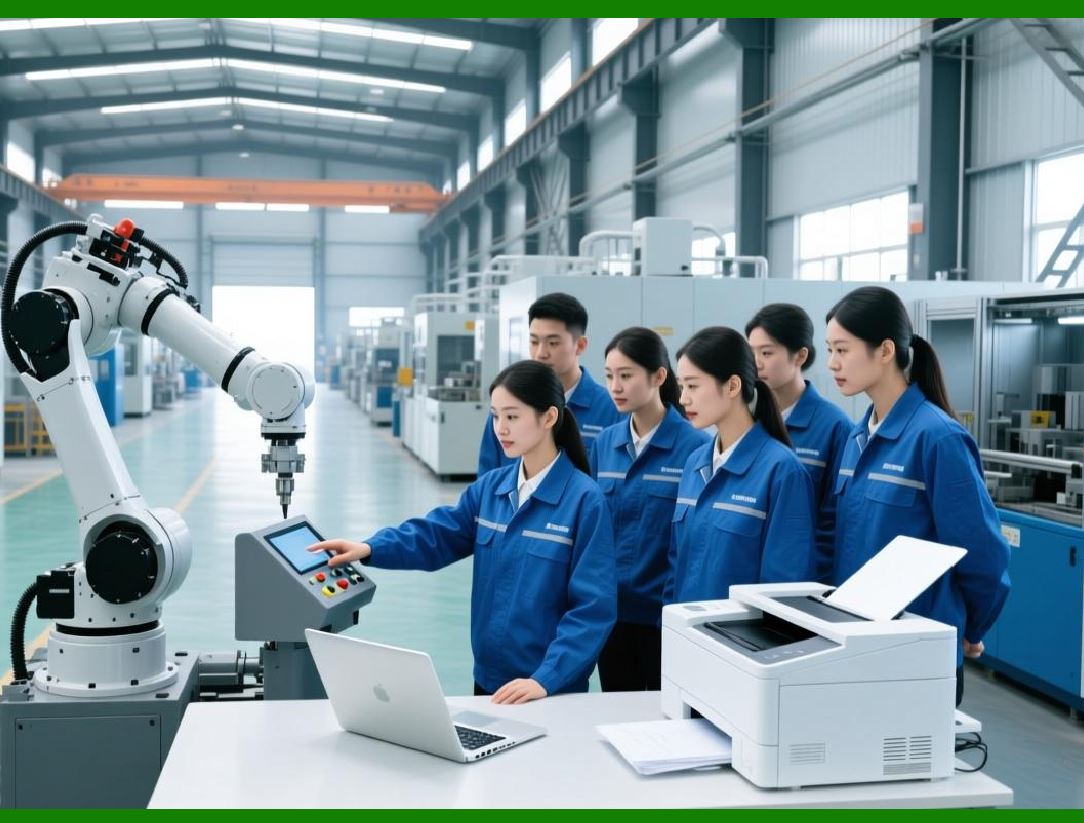
The technicians also need to be trained to scan the barcodes consistently. This is essential for the traceability. The AI can help by providing a simple, handheld scanner that guides the technician through the process. The scanner might display the recommended action, such as 'Change fluid in machine 123' or 'Top up fluid in machine 456.' |
|
Now, let us discuss the environmental impact. Hydraulic fluid is often classified as hazardous waste. Improper disposal can contaminate soil and water. By extending the fluid life, the AI reduces the volume of waste oil that must be disposed of. It also reduces the energy consumption associated with manufacturing and transporting new fluid. This is a significant contribution to sustainability. |
Now, let us look at the broader context of heavy machinery maintenance. Hydraulic fluid optimisation is just one part of a larger trend toward predictive maintenance. Other components, such as engines, transmissions, and final drives, are also being monitored with AI. The AI can integrate all these systems to provide a holistic view of the machine's health. This is the vision of the 'digital twin' of the machine, a virtual replica that is continuously updated with sensor data and used to predict future performance. |
In summary, hydraulic fluid is the lifeblood of heavy machinery, but it degrades over time due to oxidation, moisture, and particle contamination. Traditional fixed-interval maintenance is wasteful and can lead to failures. AI solves this by using sensors and predictive models to calculate a dynamic remaining useful life for the fluid in each machine. It recommends the optimal time for a fluid change, balancing the cost, the wear, and the risk. The barcode is the data anchor for the machine and the fluid drums. The result is a reduction in fluid waste, a reduction in component wear, a reduction in downtime, and a more sustainable operation. The future is real-time sensors, machine learning for diagnostics, and blockchain for traceability. |
|
Detailed Closing Summary |
We have now completed an in-depth exploration of Chapter 12, Heavy Machinery - Hydraulic Fluid Optimisation. Let us synthesise all the key points into a comprehensive closing summary. |
We began by establishing the critical role of hydraulic fluid in heavy machinery. It is the lifeblood that transmits power, enables control, and lubricates moving parts. We explained that hydraulic fluid is a sophisticated blend of base oil and additives, and it degrades over time through oxidation, moisture absorption, and particle contamination. Traditional maintenance relies on fixed schedules, which are either wasteful or inadequate. |
We introduced the AI-driven solution: dynamic fluid optimisation. The AI monitors the actual health of the fluid in each machine using sensors for temperature, moisture, particle count, and oxidation. It calculates a dynamic remaining useful life, or RUL, and recommends the optimal time for a fluid change, balancing cost, wear, and risk. |
We detailed the six main factors the AI considers: the cumulative thermal dose, the moisture content, the particle count, the oxidation level, the additive depletion, and the operating context. We explained how each factor is measured and how it contributes to the RUL. |
We described the role of the barcode system. Each machine and each fluid drum has a barcode, which is scanned at every service event. The AI uses these scans to create a digital twin of the machine, including its fluid history, and to track the age and condition of the fluid in the drums. |
We discussed the benefits: reduction in fluid waste by 20 to 50 percent, reduction in component wear, reduction in unscheduled downtime, and improvement in safety. We provided a real-world example of a mine that saved 600,000 dollars in fluid costs and 200,000 dollars in repair costs. |
|
We looked at the integration with the supply chain, where the AI forecasts fluid demand and optimises procurement, reducing warehouse inventory and preventing fluid degradation in storage. |
We discussed future trends: real-time fluid analysis sensors, machine learning for fault diagnosis, and blockchain for traceability. |
We addressed the human factors, including the need for clear justifications, visual dashboards, and consistent barcode scanning. |
We discussed the environmental impact, noting that reduced fluid waste and disposal contribute to sustainability. |
We placed this in the broader context of predictive maintenance, where AI monitors multiple systems to create a holistic digital twin of the machine. |
The key takeaway from Chapter 12 is that hydraulic fluid optimisation is a prime example of AI-driven condition-based maintenance. By replacing fixed intervals with dynamic, data-driven decisions, heavy machinery operators can significantly reduce waste, extend component life, and improve productivity. |
To summarise the practical recommendations for a heavy machinery fleet manager: |
1. Install sensors on your machines to monitor hydraulic fluid temperature, moisture, and particle count. |
2. Implement a barcode system for each machine and for each fluid drum, to enable traceability. |
3. Develop or purchase an AI model that calculates the RUL of the fluid, based on the sensor data and the operating context. |
4. Use the AI to generate a dynamic service schedule for each machine, recommending the optimal fluid change time. |
5. Integrate the AI with your procurement system to optimise fluid orders and reduce warehouse inventory. |
6. Train your maintenance technicians to scan barcodes consistently and to follow the AI's recommendations. |
7. Provide a clear, visual dashboard that shows the fluid health status of each machine. |
8. Use the AI's data to diagnose early signs of component wear and to plan targeted repairs. |
9. Monitor the results, measuring fluid consumption, component failure rates, and machine availability. |
10. Explore advanced technologies, such as real-time sensors and blockchain, to further improve accuracy. |
By following these steps, any heavy machinery operator can transform its maintenance from a reactive, wasteful process into a proactive, cost-effective strategy. The lifeblood of the machines will be preserved, and the industrial giants will continue to work harder and longer. |
 cs@easiersoft.com