The Three Pillars of AI Inventory Control - Predictive Analytics, Computer Vision, and Reinforcement Learning | Short Opening Summary | Artificial intelligence in inventory management is not a single magical algorithm. It is a carefully engineered system built on three complementary pillars: predictive analytics, computer vision, and reinforcement learning. Predictive analytics looks forward, forecasting demand and lead times with granular accuracy. Computer vision looks around, observing the physical warehouse and reading barcodes automatically. Reinforcement learning looks backward and forward, learning from past actions to make better ordering and storage decisions. Together, these three pillars transform a chaotic warehouse into a self-optimising ecosystem. This article explains each pillar in depth, shows how they work together, and demonstrates why all three are essential for minimising inventory and waste. We will see that the power of AI lies not in any single technique but in the harmonious integration of prediction, perception, and decision. | 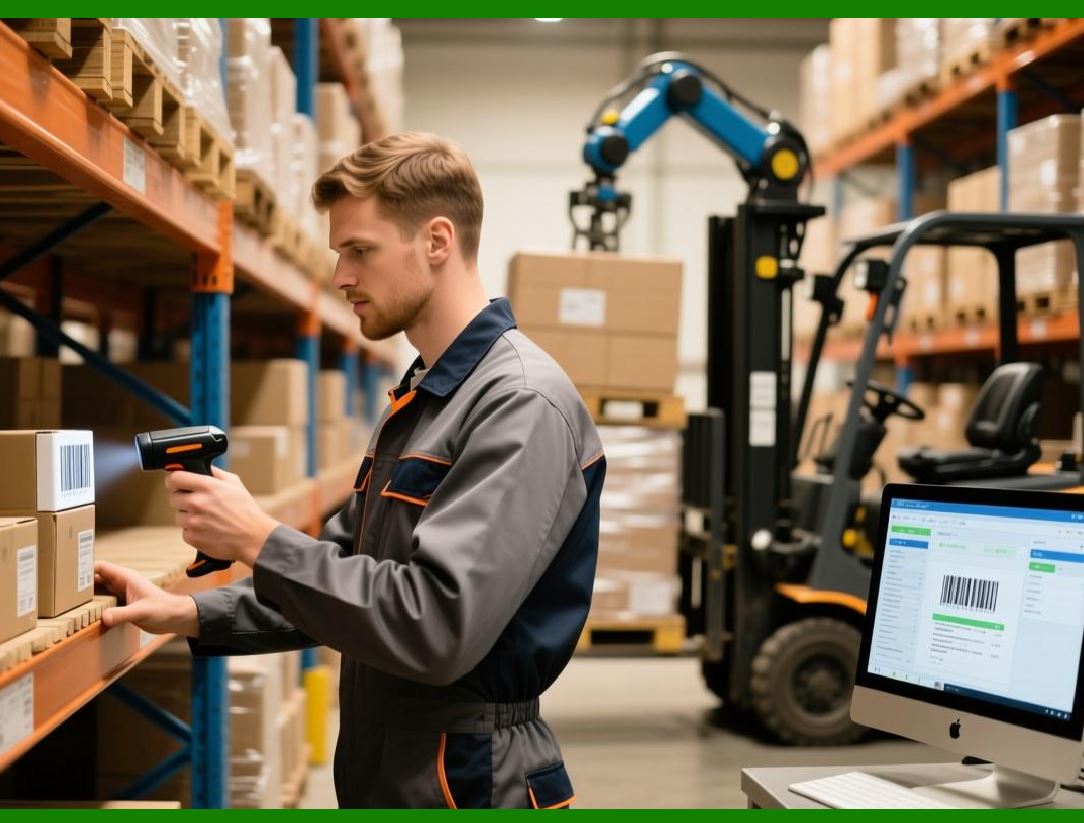
| Chapter 3: The Three Pillars of AI Inventory Control | Imagine you are the manager of a large distribution centre. Every morning, you receive dozens of emails with sales reports, supplier alerts, and inventory snapshots. You have to decide how much to order of each product, where to store it, when to promote it, and how to handle returns. The sheer volume of information is overwhelming. You rely on experience, intuition, and a few spreadsheets. But experience is biased, intuition is inconsistent, and spreadsheets are static. This is why so many warehouses are overstocked and wasteful. Now imagine that you have a team of three super-intelligent assistants. One can predict the future with uncanny accuracy. One has eyes everywhere and never misses a detail. One learns from every decision and constantly improves. That is exactly what the three pillars of AI inventory control provide: predictive analytics, computer vision, and reinforcement learning. They are not replacements for human managers; they are force multipliers that amplify human capability. | Let us start with the first pillar, predictive analytics. At its core, predictive analytics is the art and science of using historical data to forecast future events. In inventory management, these events include customer demand, supplier delivery times, seasonal spikes, and even product returns. The goal is to answer the fundamental question: how much of each item will we need, and when will we need itThe better we can answer this question, the less safety stock we need to hold, and the less waste we generate. | Traditional forecasting methods rely on simple moving averages or exponential smoothing. These techniques assume that the future will be like the past, and they give equal weight to all historical periods. But reality is far more complex. Demand is influenced by weather, promotions, competitor actions, economic conditions, and even social media trends. A moving average cannot capture these interactions. Machine learning, on the other hand, can. Predictive analytics uses algorithms like gradient boosting, random forests, and neural networks to build models that learn the underlying patterns in the data. These models can incorporate hundreds of input variables, known as features, and automatically discover which ones are most predictive. | 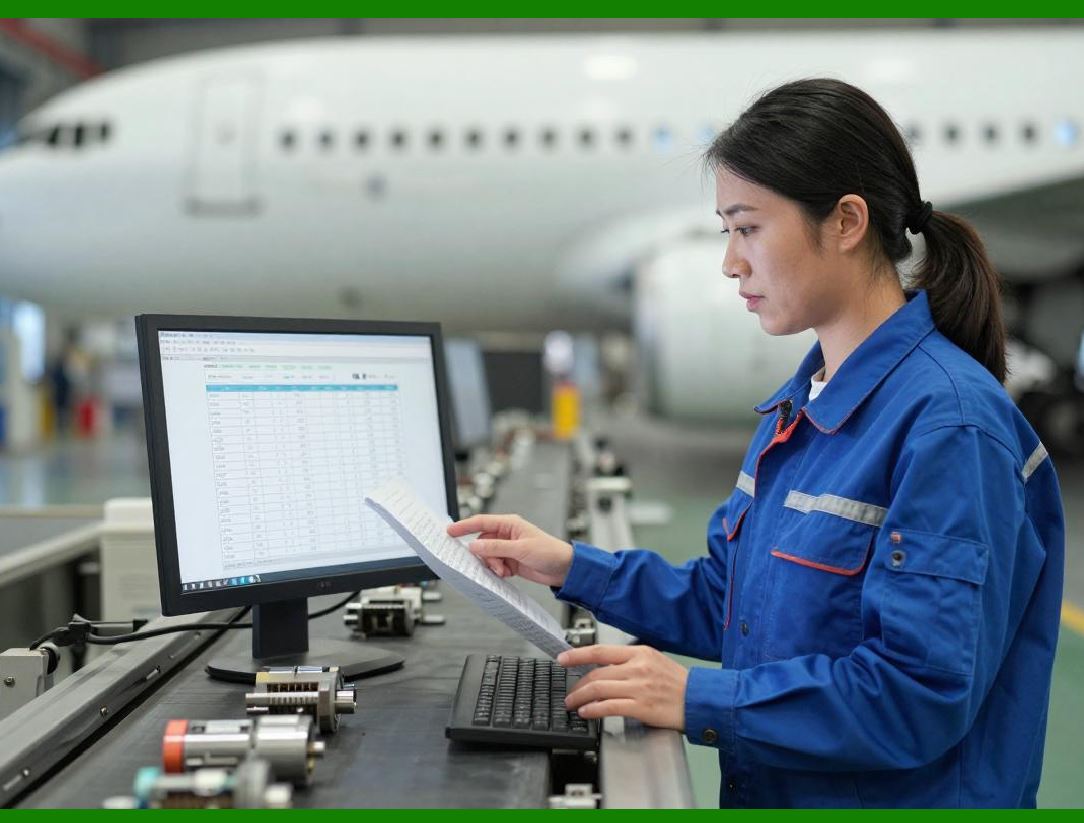
| For example, a predictive model for ice cream sales might include the historical sales of ice cream, the current and forecasted temperature, the day of the week, the occurrence of local events like fairs or sports games, and the promotional calendar. It might also include the sales of complementary products, like cones and toppings, and even the sales of competing products in the same category. The model trains itself on several years of data, adjusting millions of internal parameters to minimise the error between its predictions and the actual sales. When a new day arrives, it uses the current values of all these features to generate a probability distribution of expected sales. This is not a single number but a range of possible outcomes, each with a likelihood. This distribution is the key to intelligent inventory management. | Why is a probability distribution better than a single point forecastBecause it allows the AI to quantify uncertainty. If the distribution is narrow, meaning the AI is confident in its prediction, it can safely reduce the safety stock. If the distribution is wide, meaning the prediction is uncertain, it will hold a larger buffer. This is a dynamic, data-driven approach to risk management. Traditional methods use fixed safety stock percentages, which are either too high in stable periods or too low in volatile periods. The AI adapts continuously, so it never holds more than necessary. | Predictive analytics also excels at handling intermittent demand. Many industrial spare parts, for example, are ordered only once every few months. Traditional forecasting methods struggle with such sparse data, often predicting zero demand for long periods and then overcompensating. Machine learning models can use additional information, such as the age of the equipment that uses the part, the maintenance schedule, and the failure history of similar parts, to generate more reliable forecasts. This is called demand sensing, and it is a game changer for low-volume, high-value items. | 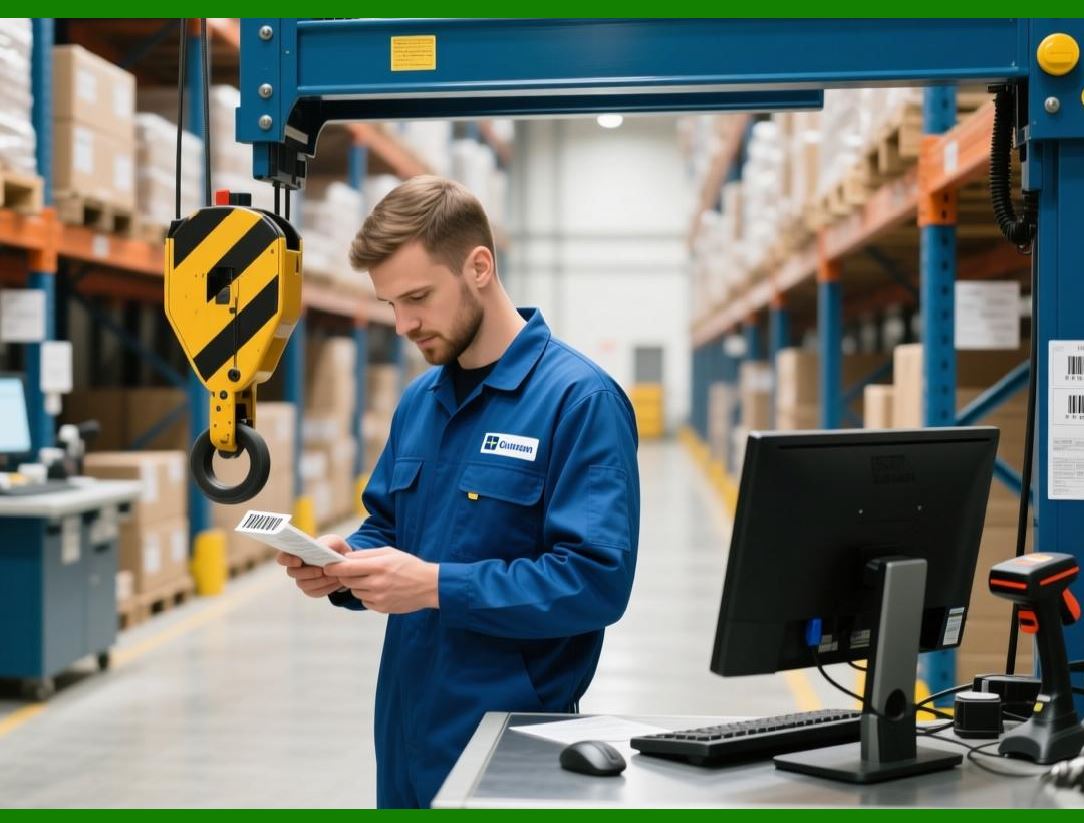
| Moreover, predictive analytics is not limited to demand forecasting. It also forecasts supplier lead times. A supplier might have a nominal lead time of 10 days, but in practice it varies between 8 and 15 days. The AI builds a model of each supplier's performance, incorporating factors such as the time of year, the shipping route, and even the supplier's own production schedule. By forecasting lead time distribution, the AI can schedule orders more precisely, reducing the need for early ordering and the associated storage cost. It can also identify suppliers that are consistently late and recommend alternatives. | Another important application is in forecasting product returns. In e-commerce, return rates can be as high as 30 percent for apparel and 20 percent for electronics. Returns create uncertainty because they add back inventory that was already considered sold. The AI can predict return rates for each product category, each season, and even each customer segment. This allows the warehouse to reserve space for returned items and to process them efficiently. It also helps in deciding whether to restock a returned item immediately or to route it to a discount channel. | 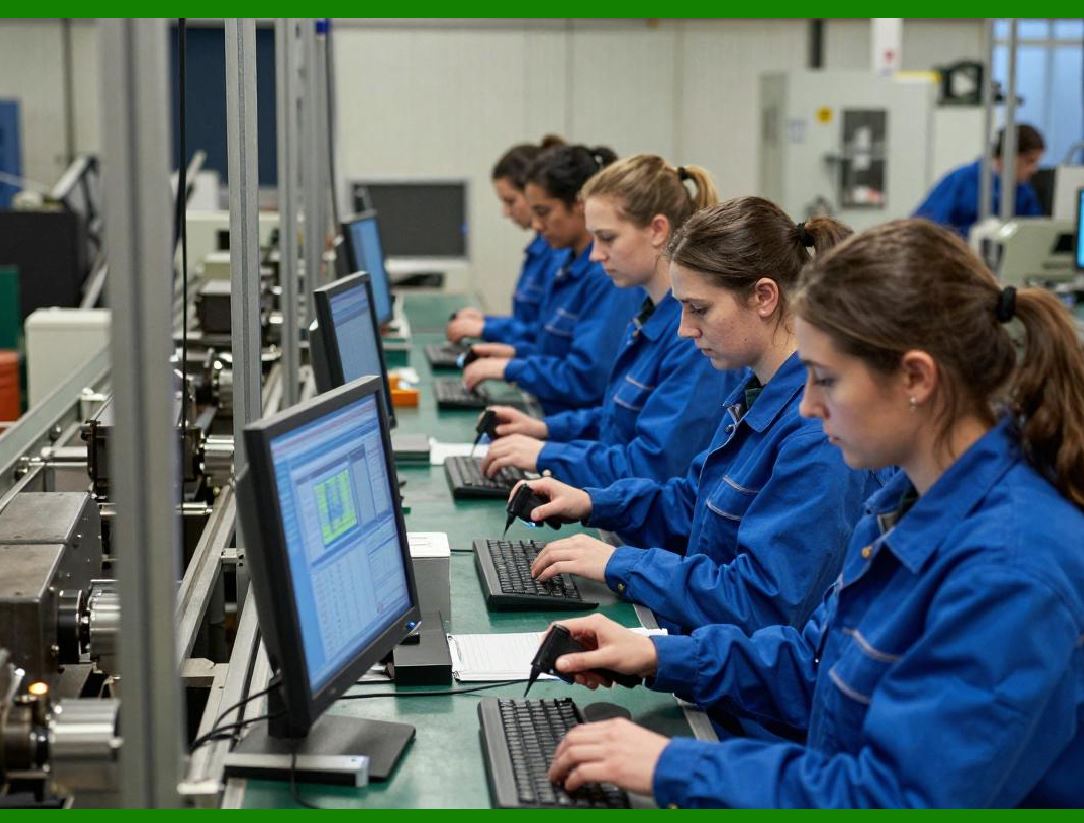
| Now, let us turn to the second pillar: computer vision. While predictive analytics focuses on time and numbers, computer vision focuses on space and objects. In a warehouse, the physical environment is constantly changing. New shipments arrive, items are picked, pallets are moved, and boxes are damaged. Keeping track of all this manually is impossible. Computer vision uses cameras and deep learning algorithms to see what is happening in the warehouse. It can read barcodes, count items, measure dimensions, detect damage, and monitor safety. | The most basic function of computer vision is optical character recognition, or OCR, of barcodes. Instead of relying on a handheld laser scanner, a camera can capture an entire pallet of boxes and read all the barcodes simultaneously. This speeds up receiving and put-away dramatically. It also reduces errors because the camera does not get tired or distracted. Fixed cameras mounted on the ceiling can scan every item that passes through a conveyor belt, automatically logging its arrival and departure. This creates an uninterrupted data stream that feeds the AI's digital twin. | But computer vision goes far beyond reading barcodes. It can estimate the volume of a pile of boxes, determining how much space is left on a shelf. It can detect whether a pallet is stacked evenly or is at risk of collapsing. It can identify signs of damage, such as crushed corners, torn wrapping, or leaking liquid. It can even assess the condition of perishable goods by analysing their colour, texture, and shape. For example, a camera can detect that a batch of apples is starting to show brown spots, which is a sign of over-ripening. The AI can then prioritise those apples for immediate sale, reducing waste. | 
| Computer vision also enables automated cycle counting. A drone equipped with a camera can fly through the aisles and capture images of every storage location. The AI processes these images to identify each item by its barcode or by its visual appearance. It then compares the counted quantities with the system records. This process can be done overnight, without disrupting operations, and it is far more accurate than manual counting. The AI can also perform targeted counts of high-value or high-risk items more frequently, ensuring that discrepancies are caught early. | Another powerful application is in layout optimisation. Computer vision can analyse the warehouse layout from above, identifying areas that are underutilised or congested. It can measure the actual distances traveled by forklifts and pickers, based on video footage, and suggest changes to the aisle configuration. It can also monitor the flow of goods, detecting bottlenecks where items pile up. These insights allow the warehouse manager to make data-driven decisions about layout changes, rather than relying on intuition. | Computer vision is also essential for safety. It can detect when a worker is not wearing the required safety gear, when a forklift is moving too fast, or when a pallet is blocking an emergency exit. The AI can send real-time alerts to supervisors, preventing accidents before they happen. This not only protects workers but also reduces downtime and liability. | The third pillar is reinforcement learning. This is the most sophisticated and least intuitive of the three. Reinforcement learning is a branch of AI that deals with sequential decision-making under uncertainty. It is inspired by how humans and animals learn through trial and error. An agent, which is the AI program, interacts with an environment, which is the supply chain. It takes actions, such as placing an order, moving an item, or changing a price. It observes the outcomes, such as the stock level, the sales, and the waste. It receives a reward, which is a numerical score that reflects how well it achieved its goals, such as high service level, low inventory cost, and low waste. The agent's objective is to learn a policy, a set of rules that maps observations to actions, that maximises the cumulative reward over time. | 
| What makes reinforcement learning so powerful for inventory management is that it can handle complex, dynamic, and non-linear systems. Traditional optimisation methods, like linear programming, assume that the system is linear, stationary, and fully known. In reality, supply chains are none of these. Demand fluctuates, suppliers vary, prices change, and disruptions happen. Reinforcement learning does not require a mathematical model of the system; it learns the model from experience. It can discover strategies that are counter-intuitive to human experts, because it explores the entire space of possible actions. | One of the classic problems in inventory management is the newsvendor problem: how many units to order before knowing the demand. The traditional solution is to find the order quantity that balances the cost of understocking and overstocking. But this solution assumes a single ordering opportunity and a known demand distribution. In reality, orders are placed repeatedly, and the demand distribution changes. Reinforcement learning can solve the multi-period newsvendor problem by learning a reorder policy that adapts to the current inventory level, the remaining shelf life, and the forecasted demand. The policy might order more when inventory is low, order less when inventory is high, and sometimes skip an order entirely if the forecast is uncertain. This dynamic policy outperforms fixed reorder points in most real-world scenarios. | Another application is in dynamic pricing. When inventory is approaching expiry, the AI can reduce the price to stimulate demand. The question is: how much to reduce, and whenIf you discount too early, you lose margin. If you discount too late, you risk waste. Reinforcement learning can learn the optimal pricing policy by experimenting with different discounts and observing the resulting sales and waste. It can account for the fact that discounts might cannibalise sales of full-price items, and it can balance this trade-off. The policy is not a fixed percentage off; it is a function of the item's age, the current inventory level, the competitor's prices, and the time remaining until expiry. | 
| Reinforcement learning is also used in warehouse robotics. A robot that picks items from shelves must decide which item to pick next, which path to take, and how to grip the item. These decisions are made in milliseconds and must be coordinated with other robots. Reinforcement learning trains the robot in a simulated environment, where it can make millions of mistakes without any cost. The robot learns a policy that maximises the number of successful picks per hour while minimising collisions and energy consumption. When the trained policy is deployed in the real warehouse, it performs at a superhuman level. | But reinforcement learning is not without its challenges. It requires a large amount of data, which often means running many simulations. It is also sensitive to the design of the reward function. If the reward does not accurately reflect the business objectives, the AI will optimise the wrong metric. For example, if the reward only penalises stockouts but not waste, the AI will hold excessive inventory. Therefore, the design of the reward function is a collaborative effort between AI engineers and business domain experts. They must define a reward that balances service level, inventory cost, and waste, and that scales appropriately across different products and time horizons. | Another challenge is the exploration-exploitation trade-off. To learn the best policy, the AI must try new actions, even if they are risky in the short term. For example, it might order zero units for a particular product to see if the stockout is tolerable, or it might set a very high discount to see if demand is price-sensitive. This exploration can lead to temporary losses, but it is necessary for long-term improvement. The AI can mitigate the risk by exploring only in a simulated environment before applying the learned policy in reality. This is called offline reinforcement learning, and it is a growing field. | 
| Now, let us consider how these three pillars work together in a unified system. Predictive analytics provides the forward-looking information, such as demand forecasts and lead time distributions. Computer vision provides the current state of the warehouse, such as inventory levels, item conditions, and space utilisation. Reinforcement learning takes these inputs and decides on the best actions, such as ordering quantities, storage locations, and discount schedules. The actions are executed by humans or robots. The outcomes are observed through new barcode scans and sensor data, which feed back into the predictive models and the reinforcement learning agent. This creates a continuous loop of perception, prediction, decision, and action. | Let us walk through a typical day in a warehouse that uses all three pillars. | At 6:00 AM, the predictive analytics pillar runs its daily forecast. It uses the latest sales data, weather reports, and promotional calendars to predict demand for each SKU for the next 14 days. It also forecasts the arrival times of incoming shipments from suppliers, based on their current locations and historical performance. | At 7:00 AM, the computer vision pillar conducts an automated cycle count. A drone flies through the aisles, capturing images of all barcodes and storage locations. The AI compares the counted quantities with the system records and identifies any discrepancies. It also checks for damaged or misaligned items. | At 8:00 AM, the reinforcement learning pillar receives the forecasts and the cycle count results. It evaluates the current inventory levels against the predicted demand and the remaining shelf lives. It decides on the daily replenishment orders for each supplier, considering the lead time forecasts and the storage capacity. It also decides whether to move any items to the forward pick area, based on their expected velocity. | At 10:00 AM, a shipment arrives at the receiving dock. The computer vision cameras scan the barcodes on each pallet, verifying the quantities and the condition. The data is sent to the AI, which updates the digital twin and recalculates the available inventory. | At 2:00 PM, a picker receives an order on their handheld device. The device shows the item, the quantity, and the exact storage location. It also shows a colour-coded indicator of the item's remaining shelf life: green for fresh, yellow for approaching expiry, red for critical. This visual cue helps the picker prioritise the right items. | At 4:00 PM, the reinforcement learning pillar reviews the day's sales and waste data. It updates its internal policy, adjusting the weights of various factors based on the outcomes. For example, if the AI ordered too much of a product that expired, it will reduce the order quantity for that product in the future. If it under-ordered and caused a stockout, it will increase the safety buffer. | At 6:00 PM, the predictive analytics pillar ingests the day's new data and retrains its models. It learns from any deviations between the forecast and the actual demand. This ensures that the forecasts become more accurate over time. | At 10:00 PM, the computer vision system performs a security sweep, checking for any unauthorised access or unusual movement. | This continuous cycle runs 24/7, with each pillar contributing to a coherent whole. The result is a warehouse that responds to change in real time, that learns from its mistakes, and that continuously drives down inventory and waste. | 
| Now, let us examine the benefits of this integrated system in more tangible terms. First, inventory levels drop by 20 to 40 percent because the AI orders just enough to meet the forecasted demand, plus a dynamic safety buffer. This reduction frees up capital and warehouse space. Second, waste is reduced by 30 to 50 percent because the AI prioritises the use of near-expiry items and adjusts prices dynamically. Third, labour productivity improves by 15 to 25 percent because computer vision automates counting and scanning, and reinforcement learning optimises pick paths and slotting. Fourth, service levels remain high or even improve because the AI's forecasts are more accurate and its replenishment policies are more responsive. Fifth, the warehouse becomes safer because computer vision monitors for hazards and alerts supervisors. | These benefits are not theoretical; they have been demonstrated in numerous real-world deployments. A major grocery chain reduced its produce waste by 45 percent using AI that combined demand forecasting with computer vision for freshness assessment. An automotive parts distributor cut its inventory value by 30 percent while improving its fill rate from 95 to 98 percent using reinforcement learning for reorder decisions. An e-commerce fulfilment centre increased its picking efficiency by 20 percent using computer vision to optimise the layout and reinforcement learning to route the robots. | Let us also address the human factors. Some workers might feel threatened by AI, fearing that it will replace their jobs. In reality, the three pillars are designed to augment, not replace, human workers. Predictive analytics provides insights that help buyers make better purchasing decisions. Computer vision provides real-time visibility that helps warehouse managers identify problems early. Reinforcement learning provides recommendations that help operators and planners make faster, more consistent decisions. The AI handles the tedious, repetitive, and computationally intensive tasks, freeing humans to focus on strategic, creative, and interpersonal activities. For example, a buyer can spend more time negotiating with suppliers and less time crunching numbers. A warehouse manager can spend more time coaching staff and less time tracking down discrepancies. | 
| Moreover, the AI is transparent and explainable. Modern reinforcement learning algorithms are increasingly capable of providing rationales for their decisions. For instance, the AI might say, 'I ordered 100 units of product X because the forecast shows a 20 percent increase in demand next week, and the current inventory is only 50 units. I did not order more because the product has a short shelf life and the supplier's lead time is only 2 days.' This transparency builds trust and allows human managers to override the AI when they have additional information. | Now, let us consider the limitations and challenges of the three-pillar approach. First, predictive analytics requires high-quality, high-volume data. If the historical sales data is noisy, incomplete, or biased, the forecasts will be unreliable. Data cleaning and preprocessing are essential but often under-appreciated steps. Second, computer vision requires significant computing power, especially for real-time video processing. The cameras must be positioned correctly and calibrated regularly. The algorithms must be robust to varying lighting and occlusions. Third, reinforcement learning is sample-inefficient; it often takes many episodes of training to converge to a good policy. This requires a high-fidelity simulator of the warehouse and the supply chain, which is expensive to build and validate. | There is also the challenge of change management. Implementing the three pillars is not just a technological project; it is an organisational transformation. Employees need to be trained on the new systems and processes. Legacy systems need to be integrated or replaced. Data silos need to be broken down. Resistance to change must be addressed through clear communication, involvement, and incentives. These cultural aspects are often the biggest barriers to success. | Despite these challenges, the trajectory is clear. The three pillars of AI inventory control are becoming more accessible, more affordable, and more capable every year. Cloud computing provides on-demand processing power for predictive models and reinforcement learning. Low-cost cameras and edge computing enable real-time computer vision. Open-source libraries and pre-trained models reduce the development effort. Best practices and case studies are accumulating, providing a roadmap for new adopters. | 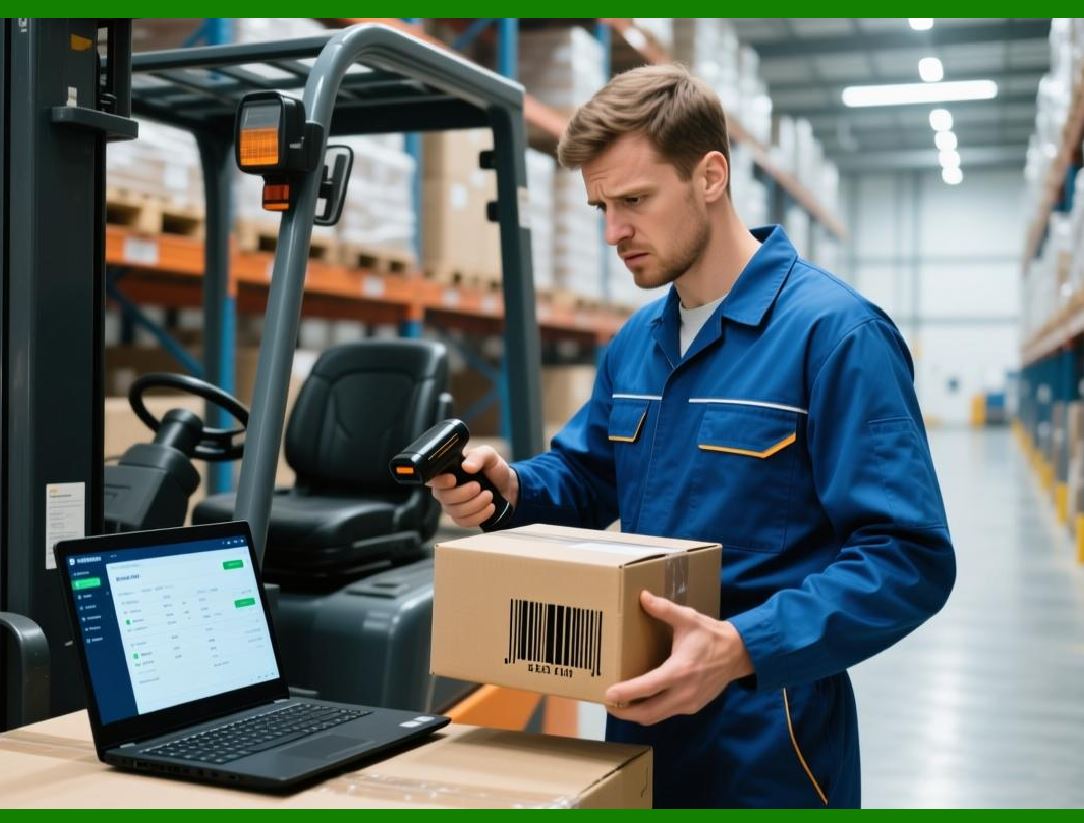
| In summary, the three pillars of predictive analytics, computer vision, and reinforcement learning form a robust, integrated system for intelligent inventory management. Predictive analytics looks forward, computer vision looks around, and reinforcement learning looks backward and forward to decide. Together, they enable a level of efficiency, accuracy, and sustainability that is impossible with traditional methods. They are not separate tools but a unified brain, eye, and hand that work in concert to minimise inventory and waste. In the subsequent chapters of this part, we will build on this foundation to explore perishability, space optimisation, and the zero-waste mandate. But the three pillars remain the core engine that drives everything else. | 
| Detailed Closing Summary | We have now completed an in-depth exploration of Chapter 3, the Three Pillars of AI Inventory Control. Let us synthesise all the key points into a comprehensive summary. | We started by framing the problem of inventory management as a continuous cycle of prediction, observation, and decision. Traditional approaches rely on static rules, historical averages, and human intuition, which are inadequate for the dynamic and uncertain nature of modern supply chains. The three pillars of AI offer a systematic solution. | The first pillar, predictive analytics, uses machine learning to forecast demand, lead times, and returns. Unlike simple moving averages, predictive analytics incorporates hundreds of variables, such as weather, promotions, and economic indicators, to capture complex patterns. It produces probability distributions, not just point estimates, allowing the AI to quantify uncertainty and dynamically set safety stock levels. It also handles intermittent demand and lead time variability, reducing the need for excessive buffers. Predictive analytics is the 'future-looking' pillar. | The second pillar, computer vision, uses cameras and deep learning to observe the physical warehouse. It reads barcodes automatically, counts items, measures dimensions, detects damage, and assesses the condition of perishable goods. It enables automated cycle counting, space utilisation analysis, and safety monitoring. Computer vision provides real-time, accurate visibility into the current state of the inventory, eliminating the delays and errors of manual data entry. It is the 'present-looking' pillar. | The third pillar, reinforcement learning, uses trial-and-error to learn optimal sequential decisions. It places orders, allocates storage, sets prices, and routes robots. Unlike traditional optimisation, reinforcement learning does not require a mathematical model of the system; it learns the model from experience. It can handle non-linearities, uncertainties, and changing conditions. It discovers policies that balance multiple objectives, such as service level, inventory cost, and waste. Reinforcement learning is the 'decision-making' pillar. | 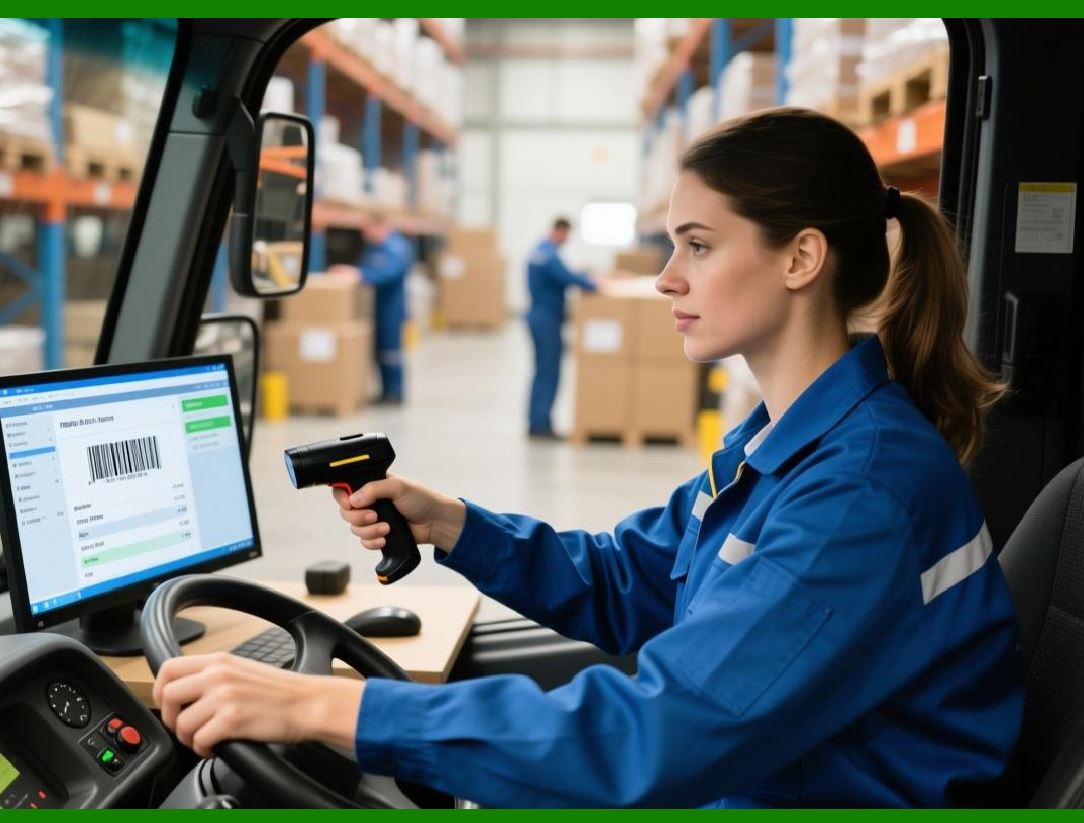
| We then showed how these three pillars work together in a continuous loop. Predictive analytics provides the forecasts. Computer vision provides the current state. Reinforcement learning uses both to decide on actions. The actions are executed, and the outcomes are observed through new data, which feeds back into the system. This loop runs 24/7, enabling the warehouse to adapt to change in real time and continuously improve. | We discussed the tangible benefits of this integrated system: inventory reduction of 20 to 40 percent, waste reduction of 30 to 50 percent, labour productivity improvement of 15 to 25 percent, and maintained or improved service levels. We also addressed the human factors, emphasising that the AI augments rather than replaces workers, and that transparency and explainability are key to building trust. | We acknowledged the challenges: data quality, computing power, simulation fidelity, and organisational change. We noted that these challenges are surmountable with careful planning, investment, and change management. The technology is mature and becoming more accessible, with cloud computing, low-cost cameras, and open-source libraries lowering the barriers to entry. | Looking forward, we can expect the three pillars to become even more integrated. Predictive analytics will incorporate more real-time data sources, such as social media sentiment and satellite imagery of supply chain disruptions. Computer vision will become more advanced, with the ability to recognise individual items by their shape and colour, not just their barcodes. Reinforcement learning will become more sample-efficient, requiring fewer training episodes to converge. The three pillars will also integrate more closely with other technologies, such as blockchain for traceability and IoT sensors for environmental monitoring. | In the context of the broader six-chapter philosophy, Chapter 3 is the core engine. Chapter 1 established the cost of sitting still. Chapter 2 introduced the barcode as the data anchor. Now, Chapter 3 provides the computational machinery that turns that data into intelligence. The subsequent chapters, on perishability, space optimisation, and zero waste, are applications of this machinery. Without the three pillars, those applications would be impossible. With them, they become not just possible but practical and profitable. | 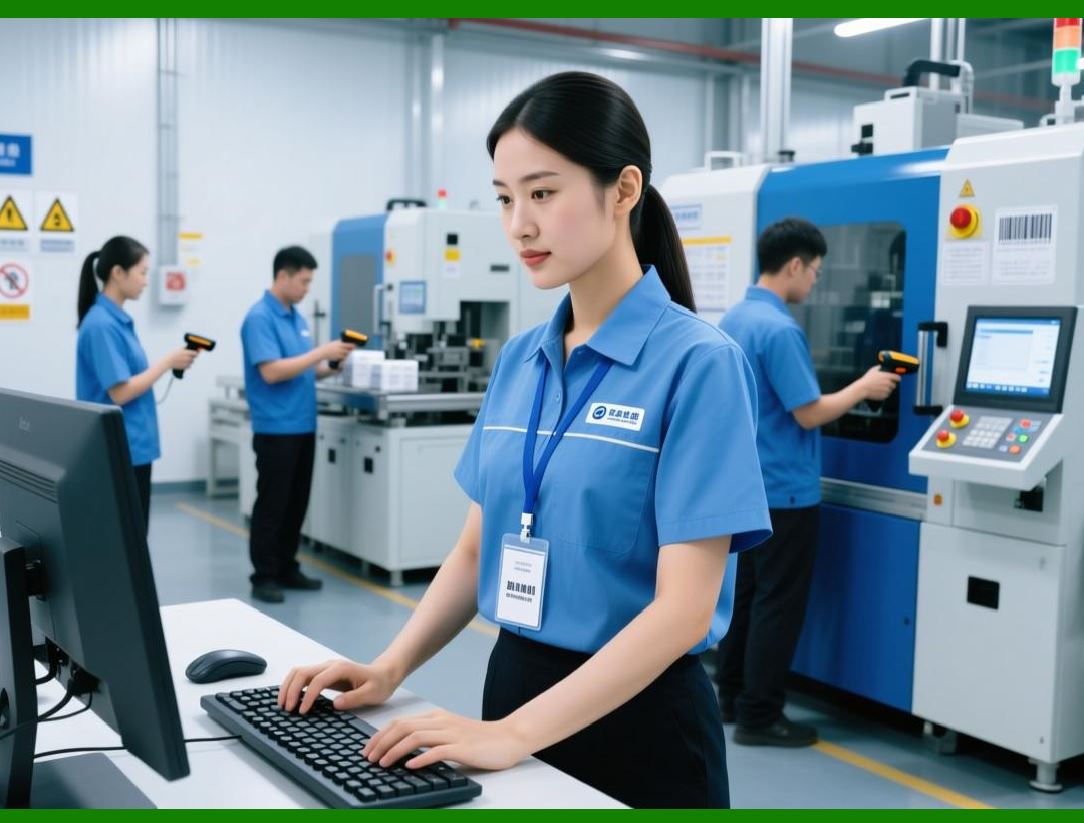
| To summarise the takeaways for a practitioner: | 1. Do not treat predictive analytics, computer vision, and reinforcement learning as separate projects. They are most powerful when integrated. | 2. Invest in data quality and data integration before investing in algorithms. Garbage in, garbage out. | 3. Start with a high-value, high-waste product category to pilot the system, then scale. | 4. Involve warehouse staff early and often. Their feedback is invaluable for refining the AI's recommendations. | 5. Design the reward function for reinforcement learning carefully, balancing all relevant business objectives. | 6. Use simulation extensively for training reinforcement learning agents, to avoid costly real-world mistakes. | 7. Continuously monitor the AI's performance and update the models as the business environment changes. | 
| Ultimately, the three pillars represent a shift in mindset. Inventory management is not a static planning exercise but a dynamic control problem. The AI is the controller. Predictive analytics provides the feedforward signal. Computer vision provides the feedback signal. Reinforcement learning is the control law. Together, they keep the inventory system in a state of dynamic equilibrium, where stock is neither too high nor too low, and waste is systematically driven to zero. This is the promise of AI, and the three pillars are the means to deliver it. |
|
 cs@easiersoft.com