Agriculture - Seed and Fertiliser - The Rhythm of the Soil |
Short Opening Summary |
Agriculture is the most ancient and the most essential industry. It feeds the world. But agriculture is also a gamble. The success of a harvest depends on the quality of the seeds, the timing of the planting, and the application of the fertilisers. Seeds and fertilisers are living and reactive materials. Seeds have a germination rate that declines over time. Fertilisers can degrade, cake, or lose their nutrient content. Traditional agriculture manages these inputs using simple FIFO and calendar-based schedules, but this is insufficient because the degradation depends on the storage conditions and the specific characteristics of each batch. Artificial intelligence now offers a solution: dynamic seed and fertiliser management. By tracking the age, the storage conditions, and the quality of each batch, AI can prioritise the use of the most vulnerable materials, ensuring that the seeds are planted at their peak germination, and that the fertilisers are applied at their peak potency. |
|
Chapter 41: Agriculture - Seed and Fertiliser |
Imagine a farmer, standing in a field, holding a handful of seeds. These seeds are the promise of the next harvest. They are the result of years of breeding, testing, and selection. Each seed contains the genetic potential for a plant that will produce food. But that potential is not permanent. Seeds are living organisms. They have a metabolism, they respire, and they slowly age. The germination rate, the percentage of seeds that will sprout, declines over time. A seed that is stored properly might have a germination rate of 95 percent in the first year. After two years, it might drop to 85 percent. After three years, it might drop to 70 percent. The rate of decline depends on the temperature, the humidity, and the seed type. |
The farmer also needs fertilisers. Fertilisers are chemical compounds that provide the essential nutrients for the plants. They are the fuel for growth. But fertilisers are not stable. They can absorb moisture from the air, forming lumps that are difficult to apply. They can react with each other, losing their nutrient content. They can degrade due to temperature fluctuations. A batch of fertiliser that is stored in a dry, cool environment will retain its quality. A batch that is stored in a humid, hot environment will degrade faster. |
|
The traditional approach to managing these inputs is to use a simple first-in-first-out system and a fixed planting schedule. The farmer uses the oldest seeds first, and the oldest fertilisers first. The planting is done based on the calendar. This is a sensible approach, but it is also crude. It does not account for the variability in the storage conditions. A batch of seeds that has been stored in a climate-controlled shed will have a higher germination rate than a batch that has been stored in a metal silo. A batch of fertiliser that has been stored in a sealed container will have a higher nutrient content than a batch that has been left open. |
AI solves this by using a dynamic, data-driven approach. The AI calculates a quality score for each batch of seeds and fertilisers. The score for the seeds is the predicted germination rate. The score for the fertilisers is the predicted nutrient content. The AI uses this score to prioritise the use of the materials, recommending that the most vulnerable batches be used first. |
|
Let us look at the factors that the AI considers for the seeds. The first is the age. This is the most important factor. The AI uses the packaging date as a baseline. An older seed has a lower germination rate. |
The second factor is the storage temperature. The AI uses temperature sensors in the storage area to track the thermal history. A higher temperature accelerates the ageing. |
The third factor is the storage humidity. The AI uses humidity sensors to track the moisture exposure. A higher humidity can cause the seeds to mould or to respire faster. |
The fourth factor is the seed type. Different seeds have different longevity. A corn seed might last for 2 years, while a soybean seed might last for 4 years. The AI uses a different model for each seed type. |
The fifth factor is the seed treatment. Some seeds are treated with fungicides or insecticides, which can affect their longevity. |
|
Now, let us look at the factors that the AI considers for the fertilisers. The first is the age. The AI uses the manufacturing date as a baseline. An older fertiliser might have a lower nutrient content. |
The second factor is the storage temperature. The AI tracks the temperature. Some fertilisers, like urea, are sensitive to high temperatures. |
The third factor is the storage humidity. The AI tracks the humidity. A high humidity can cause the fertiliser to absorb moisture, forming lumps. |
The fourth factor is the fertiliser type. A granular fertiliser is more stable than a liquid fertiliser. |
|
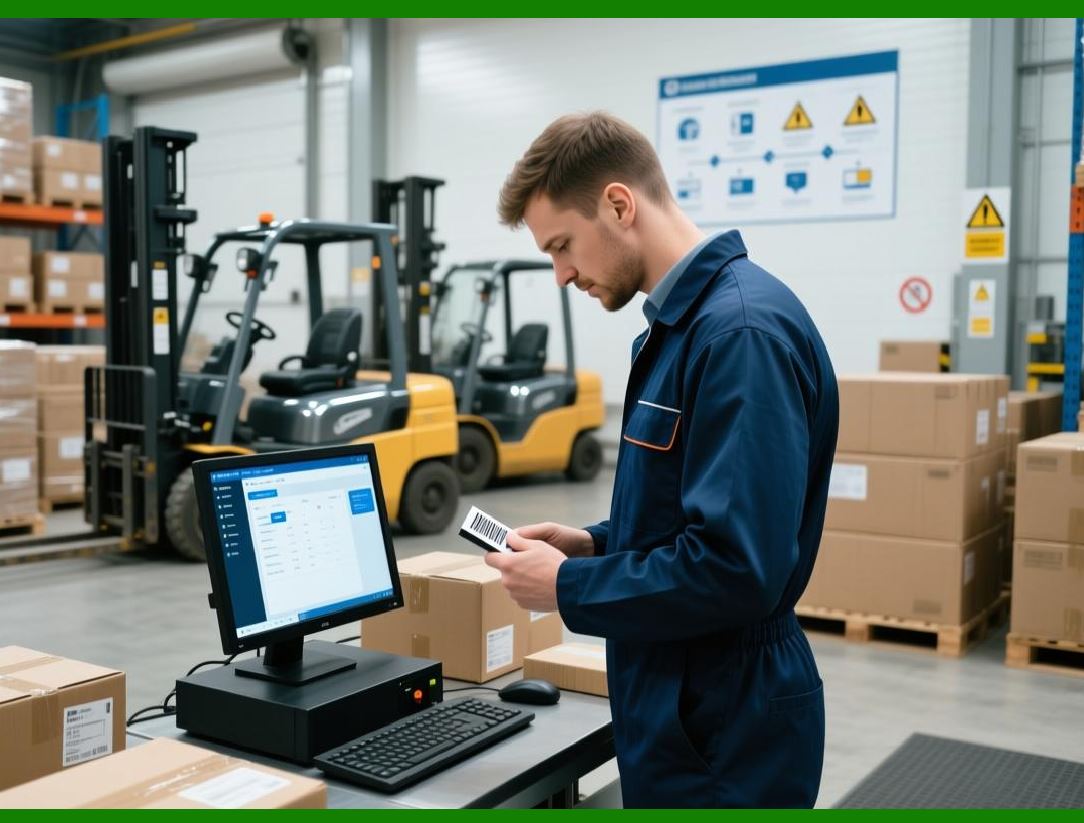
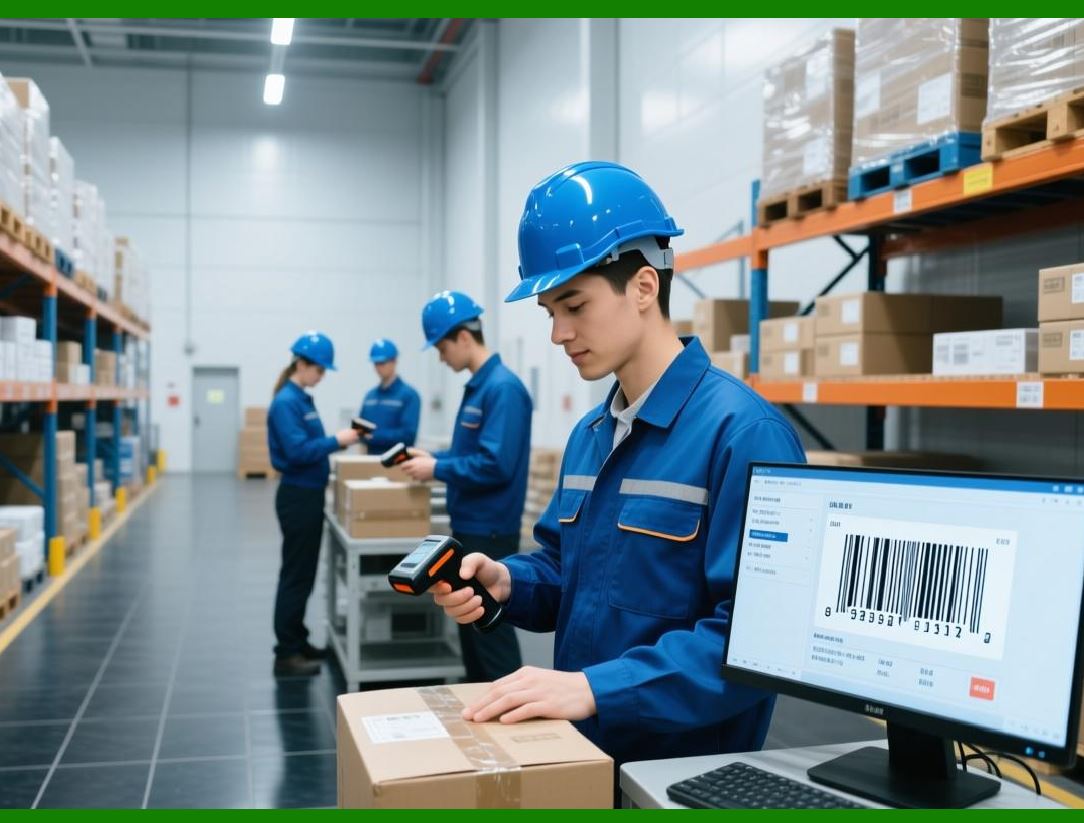
Now, let us look at how this works in practice. A large agricultural cooperative stores seeds and fertilisers for its members. The cooperative has a barcode system for each bag of seeds and each bag of fertilisers. The barcode encodes the product, the batch, and the manufacturing date. The cooperative has temperature and humidity sensors in the storage area. |
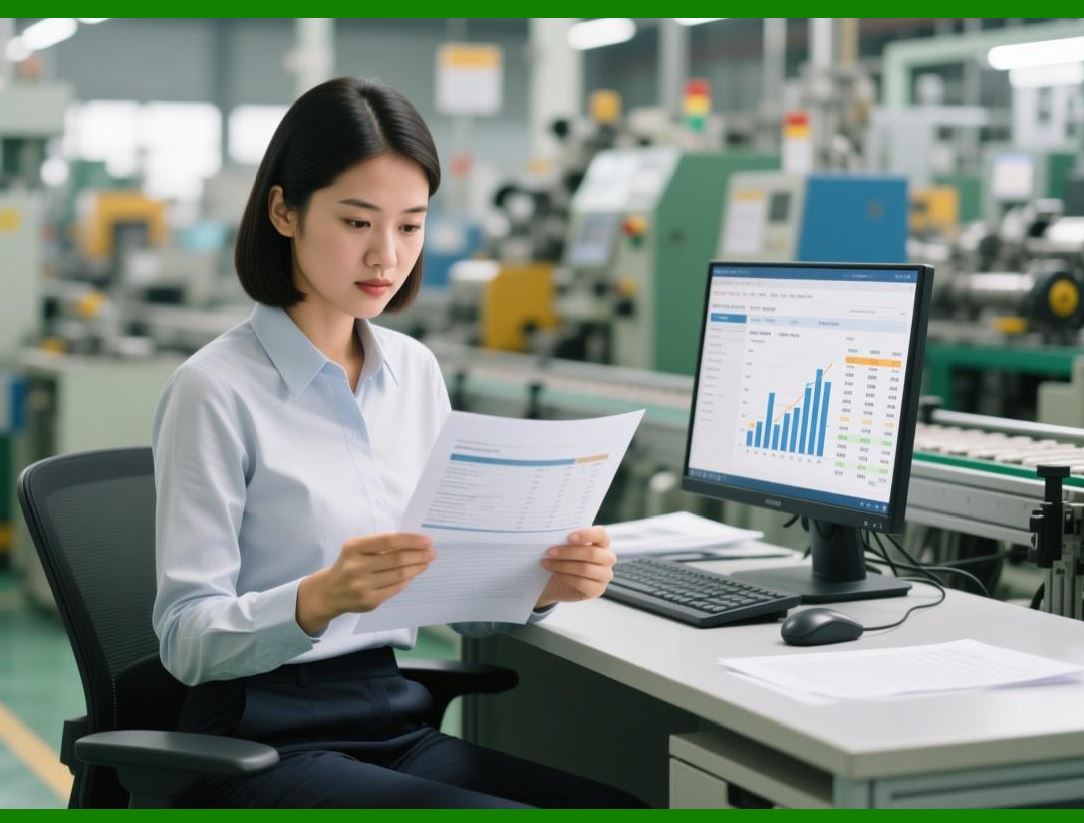
The AI analyses the data. It calculates a germination rate for each batch of seeds. It might find that Batch A has a germination rate of 92 percent, and Batch B has a germination rate of 85 percent. The AI recommends that Batch B be used first, because it is more vulnerable. |
The AI also calculates a nutrient score for each batch of fertilisers. It might find that Batch C has a high nutrient content, and Batch D has a lower nutrient content. The AI recommends that Batch D be used first. |
The cooperative then uses the AI's recommendations to guide the farmers. The farmers are advised to plant the seeds from Batch B first, and to apply the fertiliser from Batch D first. |
|
Now, let us consider the role of the barcode. The barcode on each bag is the anchor that ties the physical product to its digital twin. It is essential for tracking the age, the storage history, and the quality. It also enables traceability. If a crop fails, the cooperative can trace it back to the specific batch of seeds or fertilisers. |
Now, let us look at the financial and operational impact. Seeds and fertilisers are a major cost for farmers. The waste of these materials is a significant loss. The AI can reduce this waste by 20 to 40 percent. It can also improve the yield, by ensuring that the seeds are planted at their peak germination, and that the fertilisers are applied at their peak potency. |

|
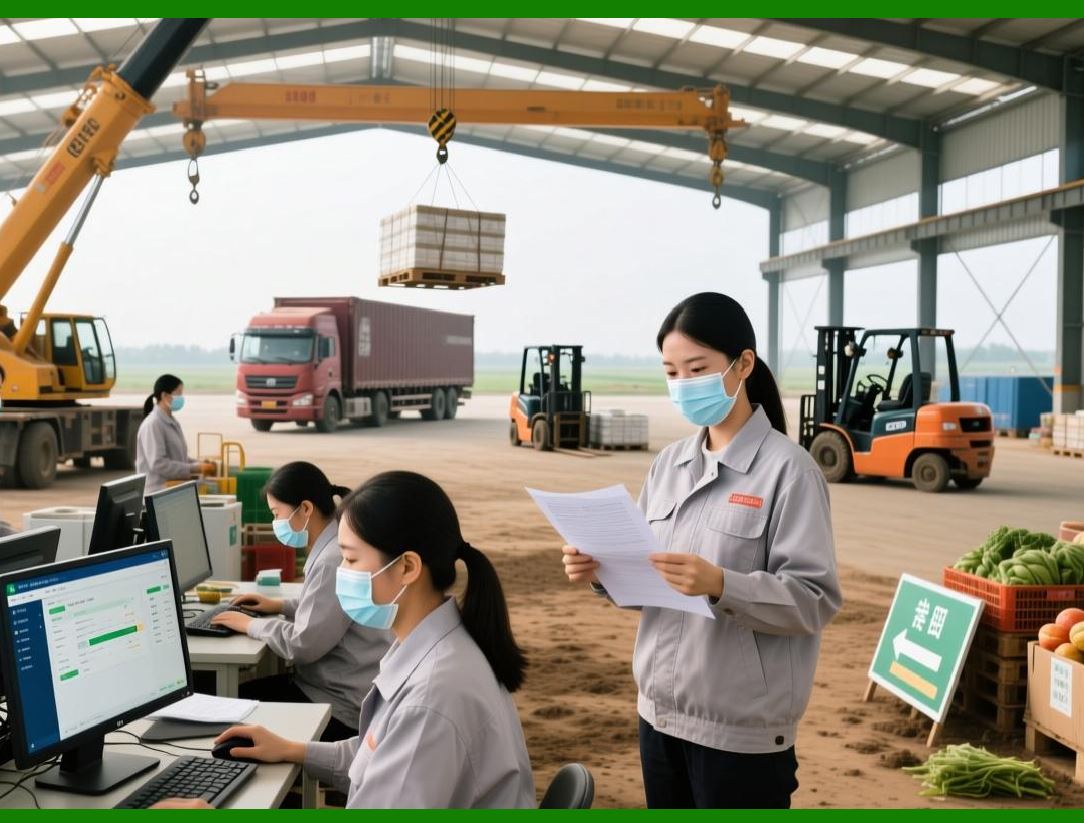
Let us look at a real-world example. A large agricultural cooperative in the United States implemented an AI system for its seed and fertiliser inventory. The system used temperature and humidity sensors, and a barcode system. The AI calculated a quality score for each batch. The cooperative reported a 30 percent reduction in the waste of seeds and fertilisers, and a 5 percent increase in the crop yield. |
Another example is a seed company that used a similar system. The company stored its seeds in multiple warehouses. The AI system helped the company to manage the inventory across the warehouses, ensuring that the most vulnerable seeds were used first. The company reported a 25 percent reduction in the waste. |
|
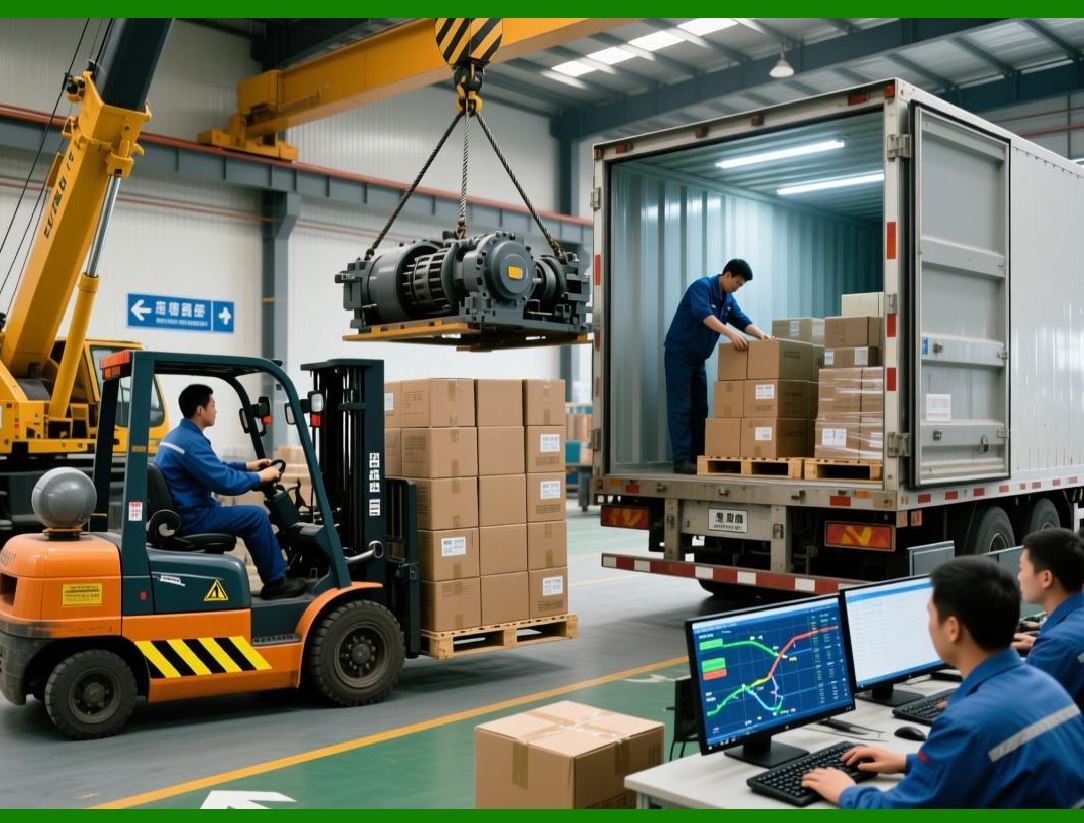
Now, let us look at the future of agricultural inventory management. One trend is the use of IoT sensors for the real-time monitoring of the storage conditions. The sensors can send the data to the AI in real time, allowing for an immediate response. |
Another trend is the use of predictive analytics for the planting schedule. The AI can predict the optimal planting date for each field, based on the weather forecast and the soil conditions. |
Another trend is the integration with the farm equipment. The AI can send the planting instructions directly to the planter, ensuring that the correct seeds are planted in the correct fields. |
|
Now, let us address the human factors. The farmers are the heart of agriculture. They are experienced and knowledgeable. The AI is a tool that provides data and predictions. The farmers should use the AI as a guide, not a replacement. The AI provides the rationale, such as 'Batch B has a lower germination rate because it was stored at a higher temperature.' This builds trust. |
Now, let us discuss the environmental impact. Agriculture is a major consumer of resources. By reducing the waste of seeds and fertilisers, the AI reduces the environmental footprint. It also reduces the need for new production, which saves resources. |
Now, let us look at the broader context of the agricultural industry. The same principles can be applied to other agricultural inputs, such as pesticides, herbicides, and even water. |

|
In summary, agriculture is the rhythm of the soil. Seeds and fertilisers are the inputs that drive the rhythm. Traditional FIFO is insufficient. AI solves this by using a dynamic system that tracks the age, the storage conditions, and the quality of each batch. It prioritises the use of the most vulnerable materials. The barcode is the data anchor. The future is IoT sensors, predictive analytics, and farm integration, ensuring that the rhythm is never broken. |

|
Detailed Closing Summary |
We have now completed an in-depth exploration of Chapter 41, Agriculture - Seed and Fertiliser. Let us synthesise all the key points into a comprehensive closing summary. |
We began by establishing that seeds and fertilisers are the critical inputs for agriculture. Seeds are living organisms with a declining germination rate, and fertilisers are reactive compounds that can degrade. Traditional FIFO is insufficient because it does not account for the storage conditions. |
We introduced the AI-driven solution: dynamic seed and fertiliser management. The AI calculates a quality score for each batch of seeds, based on the age, the storage temperature, the storage humidity, the seed type, and the seed treatment. It calculates a nutrient score for each batch of fertilisers, based on the age, the storage temperature, the storage humidity, and the fertiliser type. It prioritises the use of the most vulnerable batches. |
We detailed the factors for seeds: age, storage temperature, storage humidity, seed type, and seed treatment. We detailed the factors for fertilisers: age, storage temperature, storage humidity, and fertiliser type. |
We described the practical workflow. The AI analyses the data, calculates the scores, and generates a usage recommendation. The cooperative uses the recommendation to guide the farmers. |

|
We highlighted the role of the barcode as the anchor for the digital twin. |
We looked at the financial and operational impact, showing that AI can reduce waste by 20 to 40 percent and increase the crop yield. We provided a real-world example of a cooperative that reduced waste by 30 percent and increased yield by 5 percent, and a seed company that reduced waste by 25 percent. |
We explored future trends, including IoT sensors, predictive analytics for planting, and integration with farm equipment. |
We addressed the human factors, noting that the AI is a tool to guide the farmers. |
We discussed the environmental impact, highlighting the reduction in resource consumption. |
We placed this in the broader context of the agricultural industry, noting that the same principles apply to pesticides, herbicides, and water. |
The key takeaway from Chapter 41 is that seed and fertiliser management is a critical part of agriculture. AI provides the intelligence to manage the inputs, ensuring that they are used at their peak. |

|
To summarise the practical recommendations for an agricultural manager: |
1. Implement a barcode system for every bag of seeds and fertilisers, encoding the product, batch, and manufacturing date. |
2. Install temperature and humidity sensors in the storage areas, and integrate them with the AI. |
3. Collect and digitise data on the seed type, the seed treatment, and the fertiliser type. |
4. Develop or purchase a quality model for the seeds, predicting the germination rate. |
5. Develop or purchase a quality model for the fertilisers, predicting the nutrient content. |
6. Implement an AI engine that calculates the quality scores and generates a usage recommendation. |
7. Use the AI to guide the farmers, recommending which batches to use first. |
8. Train your staff to use the AI and to follow its recommendations. |
9. Monitor the results, measuring the waste reduction and the crop yield. |
10. Explore advanced technologies, such as IoT sensors and farm integration, to further improve the system. |

|
By following these steps, any agricultural operation can turn the rhythm of the soil into a symphony of efficiency. The seeds are planted at their peak, and the fertilisers are applied at their peak, ensuring a bountiful harvest. |
 cs@easiersoft.com