Print & Packaging - Adhesive Tack Life - The Sticky Problem of Time |
Short Opening Summary |
Adhesives are the invisible glue that holds the modern world together. They are used in packaging, in bookbinding, in labels, and in countless other applications. But adhesives are not forever. They have a limited tack life, the period during which they remain sticky and functional. Over time, the solvents evaporate, the polymers cross-link, and the adhesive loses its tack. Traditional print and packaging operations use FIFO and fixed shelf lives, but this is insufficient because the tack life depends on the temperature, the humidity, and the specific formulation. Artificial intelligence now offers a solution: dynamic tack-life management. By tracking the age, the storage conditions, and the chemical properties of each batch, AI can prioritise the use of the most vulnerable adhesives, ensuring that they are applied at their peak performance. |

|
Chapter 44: Print & Packaging - Adhesive Tack Life |
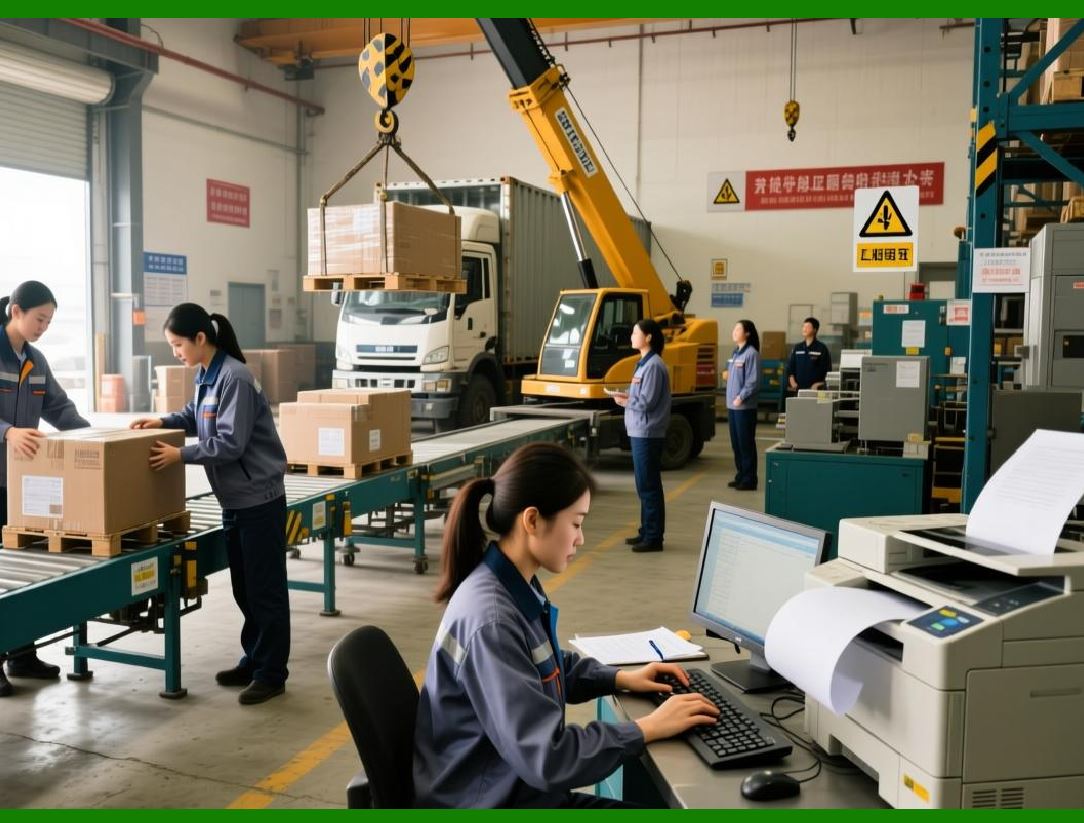
Imagine a packaging line. Thousands of boxes are moving down a conveyor belt. A machine applies a bead of hot-melt adhesive to each box. The adhesive is a sticky, viscous liquid. It is applied at a high temperature, and it cools rapidly, forming a strong bond. This is a beautiful, efficient process. But it depends on a critical factor: the adhesive must be sticky. It must have tack. |
Adhesives are complex chemical formulations. They are blends of polymers, resins, solvents, and additives. The polymers provide the strength. The resins provide the tack. The solvents control the viscosity. The additives provide the specific properties, such as the heat resistance or the flexibility. The adhesive is designed to be applied in a liquid state, and then to solidify and bond. |
But adhesives are not stable. They degrade over time. The solvents can evaporate, causing the adhesive to become too thick or too brittle. The polymers can cross-link, losing their flexibility. The resins can oxidise, losing their tack. The additives can degrade, losing their effectiveness. The result is an adhesive that is not sticky enough, or that is too brittle, or that does not cure properly. This leads to packaging failures, product damage, and waste. |
The rate of degradation depends on the storage conditions. A high temperature accelerates the evaporation of the solvents and the cross-linking of the polymers. A high humidity can cause the adhesive to absorb moisture, affecting its performance. Exposure to light can cause the resins to oxidise. A batch of adhesive that is stored in a cool, dry, dark environment will last longer than a batch that is stored in a hot, humid, bright environment. |

|
The traditional approach to managing adhesive inventory is to use a FIFO system and a fixed shelf life. The oldest adhesive is used first. The adhesive is given an expiry date. This is a sensible approach, but it is also crude. It does not account for the variability in the storage conditions. A batch that has been stored in a hot warehouse will degrade faster than a batch that has been stored in a climate-controlled room. The FIFO system might use the older, but still good, batch, while the newer, but degraded, batch is left to waste. |
AI solves this by using a dynamic, data-driven approach. The AI calculates a tack-life score for each batch of adhesive. This score is based on the age, the storage temperature, the storage humidity, the exposure to light, and the chemical composition. The AI uses this score to prioritise the use of the most vulnerable batches. |

|
Let us look at the factors that the AI considers. The first is the age. The AI uses the manufacturing date as a baseline. An older adhesive is more likely to have degraded. |
The second factor is the storage temperature. The AI uses temperature sensors in the storage area. A higher temperature accelerates the degradation. |
The third factor is the storage humidity. The AI uses humidity sensors. A higher humidity can cause the adhesive to absorb moisture. |
The fourth factor is the exposure to light. The AI uses light sensors. Some adhesives are light-sensitive. |
The fifth factor is the chemical composition. The AI uses the data from the quality control tests, such as the viscosity, the tack, and the open time. A batch with a lower viscosity, a lower tack, or a shorter open time is more vulnerable. |

|
Now, let us look at how this works in practice. A packaging company uses a hot-melt adhesive for its boxes. The adhesive is stored in a warehouse. The warehouse has temperature, humidity, and light sensors. Each pallet of adhesive has a barcode, which encodes the product, the batch, and the manufacturing date. |
The AI analyses the data. It calculates a tack-life score for each batch. It finds that Batch A has a high score, and Batch B has a lower score. The AI recommends that Batch B be used first. |
The AI also recommends the application parameters. It might recommend that Batch B be applied at a slightly higher temperature, to compensate for the degradation. |
The workers receive the recommendation. They scan the barcode of the adhesive, and they use it for the packaging line. |

|
Now, let us consider the role of the barcode. The barcode on each pallet is the anchor that ties the physical adhesive to its digital twin. It is essential for tracking the age, the storage history, and the tack-life score. It also enables traceability. If a packaging failure occurs, the company can trace it back to the specific batch. |
Now, let us look at the financial and operational impact. Adhesive waste is a significant cost. A batch of adhesive that has lost its tack cannot be used. The AI can reduce this waste by 20 to 40 percent. It also reduces the packaging failures, which can be costly. |

|
Let us look at a real-world example. A large packaging company implemented an AI system for its adhesive inventory. The system used temperature, humidity, and light sensors, and a barcode system. The AI calculated a tack-life score for each batch. The company reported a 30 percent reduction in the adhesive waste, and a 20 percent reduction in the packaging failures. |
Another example is a bookbinding company that used a similar system. The company used a liquid adhesive for the binding. The AI system helped the company to manage the inventory, ensuring that the adhesive was used at its peak. The company reported a 25 percent reduction in the waste. |

|
Now, let us look at the future of adhesive management. One trend is the use of inline sensors on the packaging line. The sensors can measure the tack of the adhesive in real time, and they can adjust the application parameters. |
Another trend is the use of machine learning to predict the degradation. The AI can analyse the data from the sensors and the quality control tests, and it can predict the remaining tack life. |
Another trend is the integration with the supplier. The AI can share the data with the supplier, enabling them to improve the formulation. |

|
Now, let us address the human factors. The packaging workers are skilled and experienced. The AI is a tool that provides data and predictions. The workers should use the AI as a guide, not a replacement. The AI provides the rationale, such as 'Batch B has a lower tack-life score because it was stored in a warm area.' This builds trust. |
Now, let us discuss the environmental impact. Adhesives are often made from petroleum-based materials. By reducing the waste, the AI reduces the environmental footprint. |
Now, let us look at the broader context of the packaging industry. The same principles can be applied to other packaging materials, such as inks, coatings, and films. |

|
In summary, adhesives are the invisible glue of the modern world, but they have a limited tack life. Traditional FIFO is insufficient. AI solves this by using a dynamic system that tracks the age, the storage conditions, and the chemical properties. It prioritises the use of the most vulnerable batches. The barcode is the data anchor. The future is inline sensors, machine learning, and supplier integration, ensuring that the stickiness is always at its peak. |

|
Detailed Closing Summary |
We have now completed an in-depth exploration of Chapter 44, Print & Packaging - Adhesive Tack Life. Let us synthesise all the key points into a comprehensive closing summary. |
We began by establishing that adhesives are time-sensitive materials with a limited tack life. They degrade due to solvent evaporation, polymer cross-linking, and resin oxidation. Traditional FIFO is insufficient because it does not account for the storage conditions. |
We introduced the AI-driven solution: dynamic tack-life management. The AI calculates a tack-life score for each batch, based on the age, the storage temperature, the storage humidity, the exposure to light, and the chemical composition. It prioritises the use of the most vulnerable batches and recommends the application parameters. |
We detailed the five main factors the AI considers: age, storage temperature, storage humidity, light exposure, and chemical composition. |
We described the practical workflow. The AI analyses the data, calculates the tack-life score, and generates a usage recommendation with the application parameters. The workers scan the barcodes and follow the recommendations. |

|
We highlighted the role of the barcode as the anchor for the digital twin. |
We looked at the financial and operational impact, showing that AI can reduce adhesive waste by 20 to 40 percent and reduce packaging failures. We provided a real-world example of a packaging company that reduced waste by 30 percent and failures by 20 percent, and a bookbinding company that reduced waste by 25 percent. |
We explored future trends, including inline sensors, machine learning for degradation prediction, and supplier integration. |
We addressed the human factors, noting that the AI is a tool to guide the workers. |
We discussed the environmental impact, highlighting the reduction in petroleum-based waste. |
We placed this in the broader context of the packaging industry, noting that the same principles apply to inks, coatings, and films. |
The key takeaway from Chapter 44 is that adhesive management is a critical part of packaging. AI provides the intelligence to manage the tack life, ensuring that the adhesives are applied at their peak. |
|
To summarise the practical recommendations for a packaging manager: |
1. Implement a barcode system for every pallet of adhesive, encoding the product, batch, and manufacturing date. |
2. Install temperature, humidity, and light sensors in the storage areas, and integrate them with the AI. |
3. Collect and digitise the quality control data for each batch, including the viscosity, the tack, and the open time. |
4. Develop or purchase a tack-life model that predicts the degradation of the adhesive. |
5. Implement an AI engine that calculates a tack-life score and generates a usage recommendation with the application parameters. |
6. Use the AI to guide the workers, recommending which pallets to use first and what application parameters to use. |
7. Train your workers to use the AI and to follow its recommendations. |
8. Monitor the results, measuring the waste reduction and the packaging failures. |
9. Explore advanced technologies, such as inline sensors and machine learning, to further improve the system. |

|
By following these steps, any packaging operation can turn the sticky problem of time into a manageable, optimised process. The adhesives are no longer a source of uncertainty; they are a predictable material, and every box is sealed with confidence. |
 cs@easiersoft.com