The Human-in-the-Loop - The Indispensable Partner of the Machine |
Short Opening Summary |
Throughout this journey, we have painted a picture of a world where artificial intelligence optimises inventory, predicts demand, and eliminates waste. But there is a critical element that we have not yet fully explored: the human. The warehouse worker, the supply chain planner, the store manager, and the logistics coordinator are not obsolete. They are more important than ever. The AI is not a replacement; it is a partner. This chapter explores the concept of the human-in-the-loop, the indispensable partner of the machine. We will see how AI augments human capabilities, providing data, predictions, and recommendations, while the human provides the context, the judgment, and the ethics. We will look at the practical tools, such as augmented reality glasses and handheld scanners, that bridge the gap between the human and the AI. We will also discuss the future of the human-AI partnership, including the changing roles, the new skills required, and the importance of trust. |

|
Chapter 47: The Human-in-the-Loop |
Imagine a warehouse. It is a busy place. Forklifts are moving, pallets are being stacked, and workers are picking orders. But the workers are not just following a list. They are wearing augmented reality glasses. The glasses project a digital overlay onto their field of view. They see the location of the next item, the shortest path to it, and a colour-coded indicator of its remaining shelf life. The workers are not just moving boxes; they are part of an intelligent system. They are the human-in-the-loop. |
The term 'human-in-the-loop' refers to a system where the human is an integral part of the decision-making process. The AI makes predictions and recommendations, but the human makes the final decision, or the human executes the action. The human provides the context, the judgment, and the ethical oversight that the AI lacks. The AI provides the data, the speed, and the consistency that the human lacks. Together, they are a powerful team. |
The history of automation is often seen as a story of replacement. Machines replace human labour. But this is a simplistic and often inaccurate view. In many cases, automation has augmented human labour, making it more productive and more valuable. The tractor did not replace the farmer; it made the farmer more productive. The computer did not replace the accountant; it made the accountant more efficient. The same is true for AI in inventory management. The AI does not replace the warehouse worker; it makes the warehouse worker more effective. |
|
Let us look at the practical tools that enable the human-in-the-loop. The first is the handheld scanner. This is a simple device that reads barcodes and displays information. The scanner can show the worker the product name, the quantity, the location, and the remaining shelf life. It can also show the AI's recommendation, such as 'Use this item first.' |
The second tool is the augmented reality, or AR, glasses. The glasses project a digital overlay onto the worker's field of view. The overlay can show the location of the next item, the shortest path, and the colour-coded shelf life indicator. The glasses can also show the worker's performance metrics, such as the pick rate and the accuracy. |
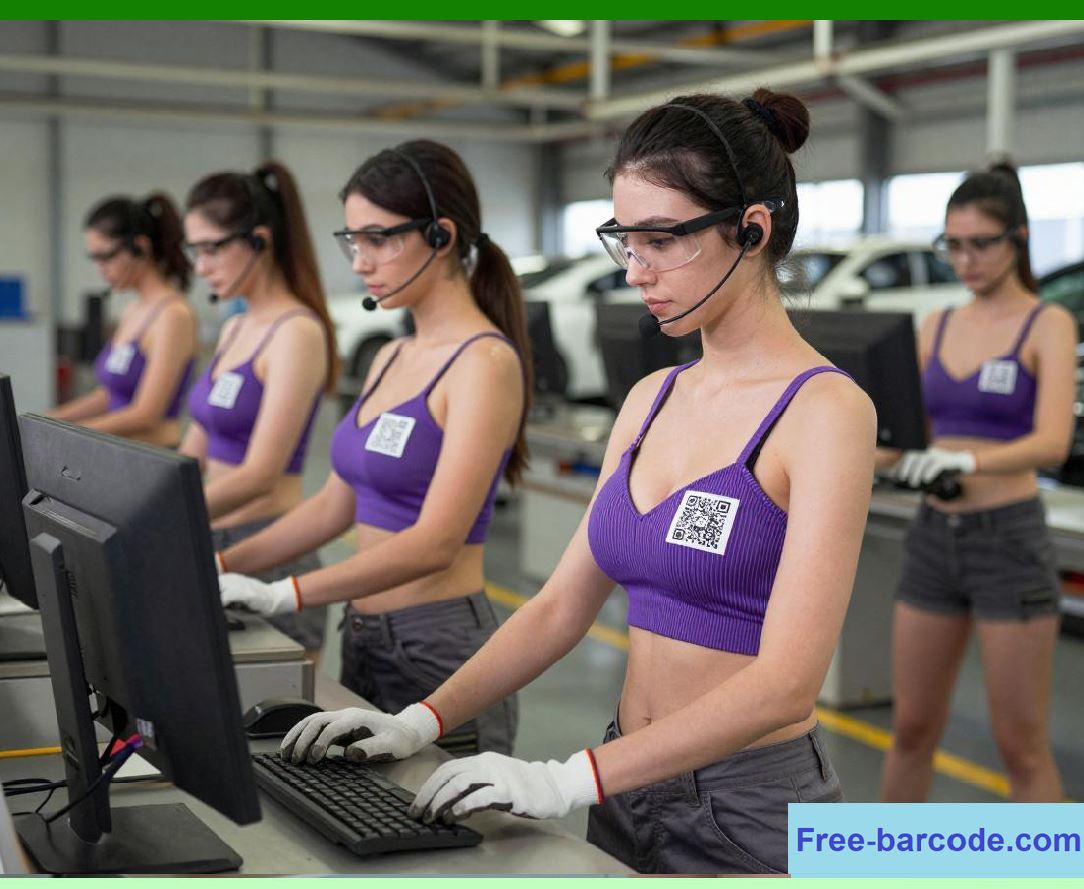
The third tool is the voice-picking system. The worker wears a headset that gives them voice instructions. The system says, 'Pick item 123 from location A.' The worker confirms the pick by speaking, 'Picked.' This hands-free system allows the worker to move faster and to focus on the task. |
The fourth tool is the smart watch or the wearable device. The device can monitor the worker's heart rate, their movement, and their location. The AI can use this data to optimise the workload, to prevent fatigue, and to improve the safety. |
|
Now, let us look at the different roles in the human-in-the-loop system. The first role is the warehouse worker. The worker is responsible for the physical execution of the tasks, such as picking, packing, and moving. The AI provides the guidance, the recommendations, and the real-time data. The worker uses their judgment to handle the exceptions, such as a damaged item or a mis-sorted pallet. |
The second role is the supply chain planner. The planner is responsible for the strategic decisions, such as the inventory levels, the supplier selection, and the network design. The AI provides the forecasts, the simulations, and the recommendations. The planner uses their experience and their knowledge of the business context to make the final decisions. |
The third role is the store manager. The manager is responsible for the inventory in the store, the shelf layout, and the customer experience. The AI provides the sales data, the stock levels, and the promotion recommendations. The manager uses their knowledge of the local market and the customer preferences to make the final decisions. |
The fourth role is the logistics coordinator. The coordinator is responsible for the movement of the goods, the scheduling of the trucks, and the route planning. The AI provides the real-time traffic data, the weather forecasts, and the optimisation recommendations. The coordinator uses their knowledge of the local conditions to make the final decisions. |
|
Now, let us look at the benefits of the human-in-the-loop system. The first benefit is the improved accuracy. The AI provides the data and the recommendations, which reduces the human error. The human provides the judgment and the oversight, which catches the AI's errors. |
The second benefit is the improved efficiency. The AI provides the guidance and the optimisation, which reduces the wasted time and the movement. The human provides the physical execution, which is still faster and more flexible than the robots for many tasks. |
The third benefit is the improved adaptability. The AI can handle the routine tasks, but it struggles with the novel situations. The human can handle the exceptions, the disruptions, and the emergencies. |
The fourth benefit is the improved trust. The human is involved in the decision-making process, which increases the trust in the system. The human can see the AI's reasoning, and they can override it if necessary. |
The fifth benefit is the improved safety. The AI can monitor the worker's health and the environment, and it can alert the worker to the hazards. |
|
Now, let us look at the challenges of the human-in-the-loop system. The first challenge is the training. The workers need to be trained to use the new tools and to understand the AI's recommendations. The second challenge is the resistance to change. The workers might be sceptical of the AI, or they might fear that the AI will replace them. The third challenge is the design of the interface. The interface must be simple, intuitive, and not distracting. The fourth challenge is the trust. The workers must trust the AI's recommendations, and they must also trust the system's security. |
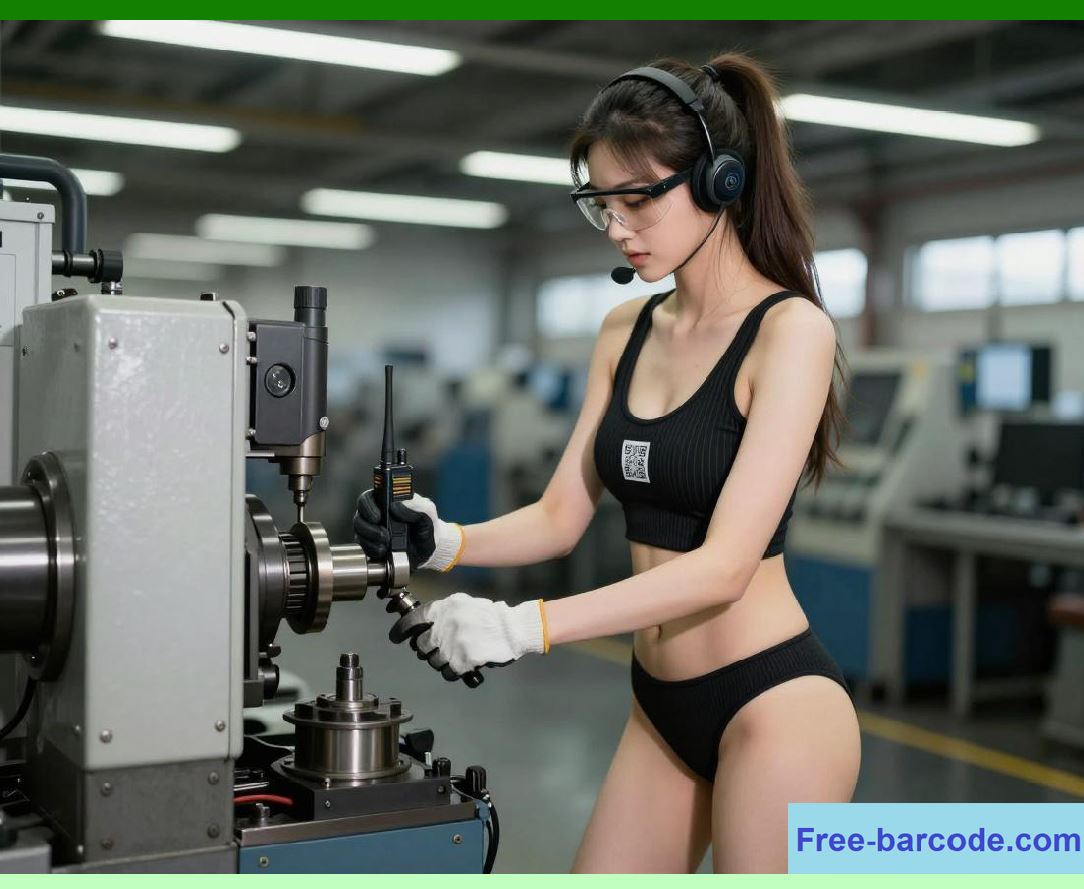
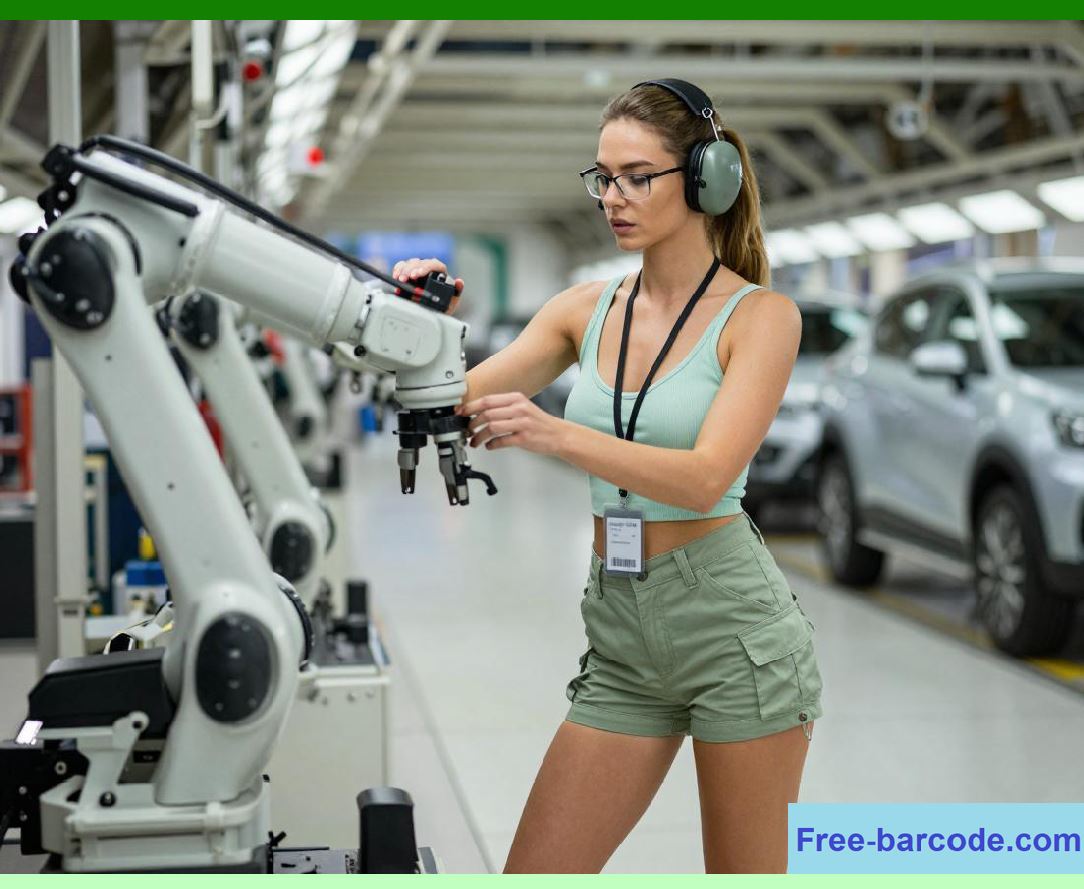
Now, let us look at the future of the human-in-the-loop system. One trend is the use of collaborative robots, or cobots. The cobots work alongside the humans, not replacing them. The cobots can do the heavy lifting, the repetitive tasks, and the dangerous tasks. The humans can do the fine manipulation, the inspection, and the problem-solving. |
|
Another trend is the use of exoskeletons. The exoskeletons are wearable devices that augment the human's strength and endurance. The worker can lift heavier loads, and they can work for longer periods, without the fatigue. |
Another trend is the use of brain-computer interfaces. The AI can read the worker's brain signals, and it can adjust the workload and the environment. This is still in the early stages, but it has the potential to be transformative. |
|
Now, let us address the human factor in more detail. The AI is a tool, and the human is the user. The tool must be designed with the user in mind. The interface must be intuitive. The recommendations must be understandable. The system must be transparent. The human must be able to see the AI's reasoning, and they must be able to override it. |
The human also needs to be trained. The training should cover the technical skills, such as how to use the scanner and the AR glasses. It should also cover the soft skills, such as how to interpret the AI's recommendations and how to handle the exceptions. The training should be ongoing, because the AI is constantly evolving. |
The most important factor is the trust. The human must trust the AI. The trust is built through the transparency, the accuracy, and the reliability. The trust is also built through the culture. The management must support the AI, and they must also support the workers. |

|
In summary, the human-in-the-loop is the indispensable partner of the machine. The AI provides the data, the predictions, and the recommendations. The human provides the context, the judgment, and the ethics. Together, they form a powerful team that is more effective than either alone. The future is not a world without humans; it is a world where humans and machines work together in harmony. |

|
Detailed Closing Summary |
We have now completed an in-depth exploration of Chapter 47, The Human-in-the-Loop. Let us synthesise all the key points into a comprehensive closing summary. |
We began by establishing that the AI is not a replacement for the human; it is a partner. The human provides the context, the judgment, and the ethics that the AI lacks. The AI provides the data, the speed, and the consistency that the human lacks. This is the human-in-the-loop. |
We introduced the practical tools that enable the human-in-the-loop: the handheld scanner, the augmented reality glasses, the voice-picking system, and the wearable devices. These tools bridge the gap between the human and the AI. |
We detailed the different roles in the system: the warehouse worker, the supply chain planner, the store manager, and the logistics coordinator. Each role has a unique combination of AI capabilities and human capabilities. |
We discussed the five main benefits of the human-in-the-loop system: improved accuracy, improved efficiency, improved adaptability, improved trust, and improved safety. |

|
We addressed the challenges: training, resistance to change, interface design, and trust. |
We explored future trends: collaborative robots, exoskeletons, and brain-computer interfaces. |
We emphasised the importance of the human factor, including the design of the interface, the training, and the building of trust. |
The key takeaway from Chapter 47 is that the human is the indispensable partner of the machine. The future of inventory management is not a world without humans; it is a world where humans and machines work together. |

|
To summarise the practical recommendations for an organisation implementing a human-in-the-loop system: |
1. Design the user interface to be simple, intuitive, and transparent. |
2. Provide comprehensive training on the technical skills and the soft skills. |
3. Build a culture of trust, where the AI is seen as a partner, not a threat. |
4. Empower the workers to override the AI's recommendations when they have a valid reason. |
5. Monitor the human-AI interaction, and use the feedback to improve the system. |
6. Explore advanced tools, such as AR glasses and cobots, to further augment the human capabilities. |
|
By following these steps, any organisation can build a human-in-the-loop system that is powerful, effective, and trusted. The human and the machine are not competitors; they are collaborators, and together they will shape the future. |
 cs@easiersoft.com