The Zero-Waste Mandate - From Cost Saving to Corporate Responsibility | Short Opening Summary | Waste is not an accident. It is a failure of information, a breakdown in the flow of goods, and a sign that a system is not working as intelligently as it could. For decades, industry has accepted a certain level of waste as inevitable, a cost of doing business. But that acceptance is no longer tenable. The environmental, economic, and social costs of waste have become too high. The zero-waste mandate is the recognition that we can and must eliminate waste from our supply chains. This is not a utopian dream; it is a practical goal made achievable by artificial intelligence. This chapter brings together all the concepts we have discussed, the cost of sitting still, the barcode as the digital eye, the three pillars of AI control, the perishability paradox, and spatial optimisation, and shows how they converge to deliver zero waste. We will see that zero waste is not just about reducing trash; it is about maximising value, respecting resources, and building a sustainable future for business and society. | 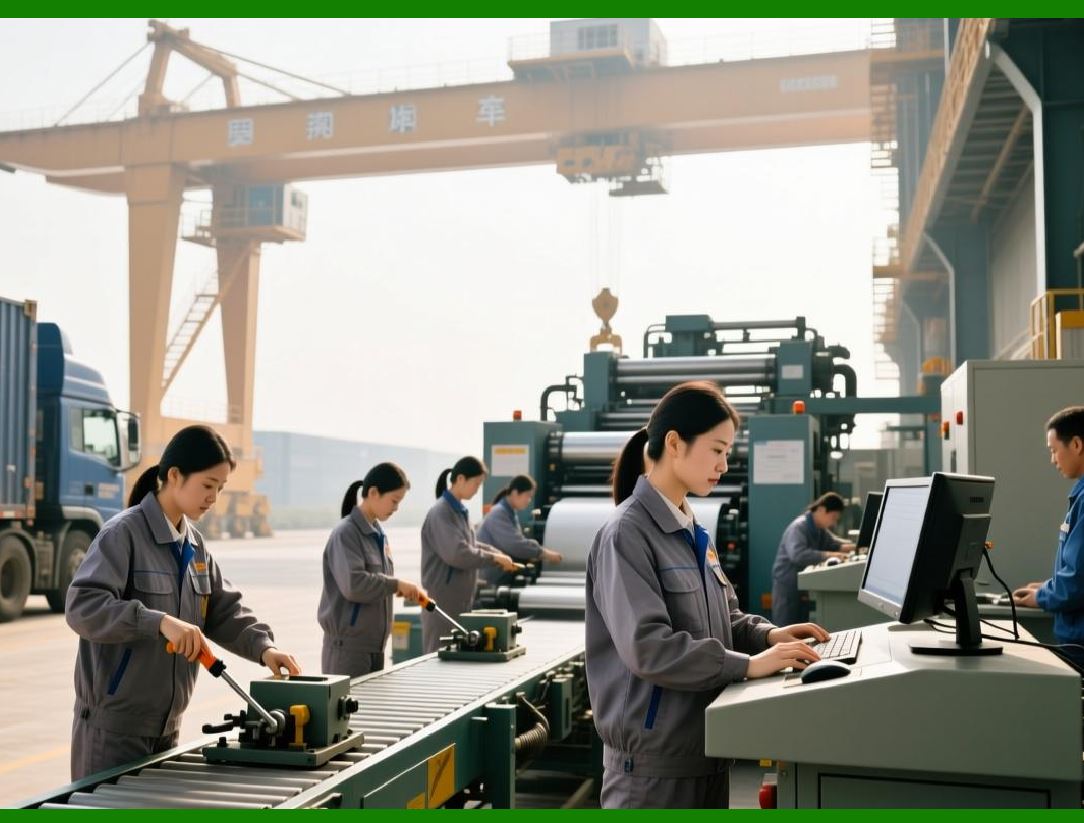
| Chapter 6: The Zero-Waste Mandate - From Cost Saving to Corporate Responsibility | Imagine a world where every product that is manufactured is eventually used for its intended purpose. No food is thrown away because it expired on a shelf. No medicine is discarded because it lost its potency. No raw material is buried in a landfill because it was ordered in excess. No packaging is burned because it was not needed. This is the vision of zero waste. It is a world where the supply chain is a closed loop, where every atom that is extracted from the earth is used to create value, and where the only waste is the unavoidable entropy of the second law of thermodynamics. This vision is not science fiction. It is a practical, measurable, and increasingly attainable goal, thanks to the power of artificial intelligence. | The concept of zero waste has been around for decades, but it was historically treated as an environmental ideal, a nice-to-have that was often sacrificed for short-term profits. Today, the equation has flipped. Waste is now recognised as a massive drag on profitability, a source of reputational risk, and a major contributor to climate change. The business case for zero waste is as strong as the environmental one. Reducing waste reduces the cost of raw materials, the cost of storage, the cost of disposal, and the cost of compliance. It also increases customer loyalty, because consumers are increasingly choosing brands that demonstrate environmental responsibility. In many industries, regulators are imposing stricter rules on waste generation, and proactive companies are turning waste reduction into a competitive advantage. | But how do we actually achieve zero wasteThe traditional approach is to focus on recycling and composting, which are important but only deal with waste after it has been created. The more effective approach is to prevent waste from being created in the first place. This is where AI comes in. AI does not just manage inventory; it prevents overproduction, overordering, poor rotation, and misallocation, which are the root causes of waste. It does this by providing real-time visibility, predictive intelligence, and automated decision-making that ensure that every item is in the right place at the right time, and that it is used before it loses its value. | 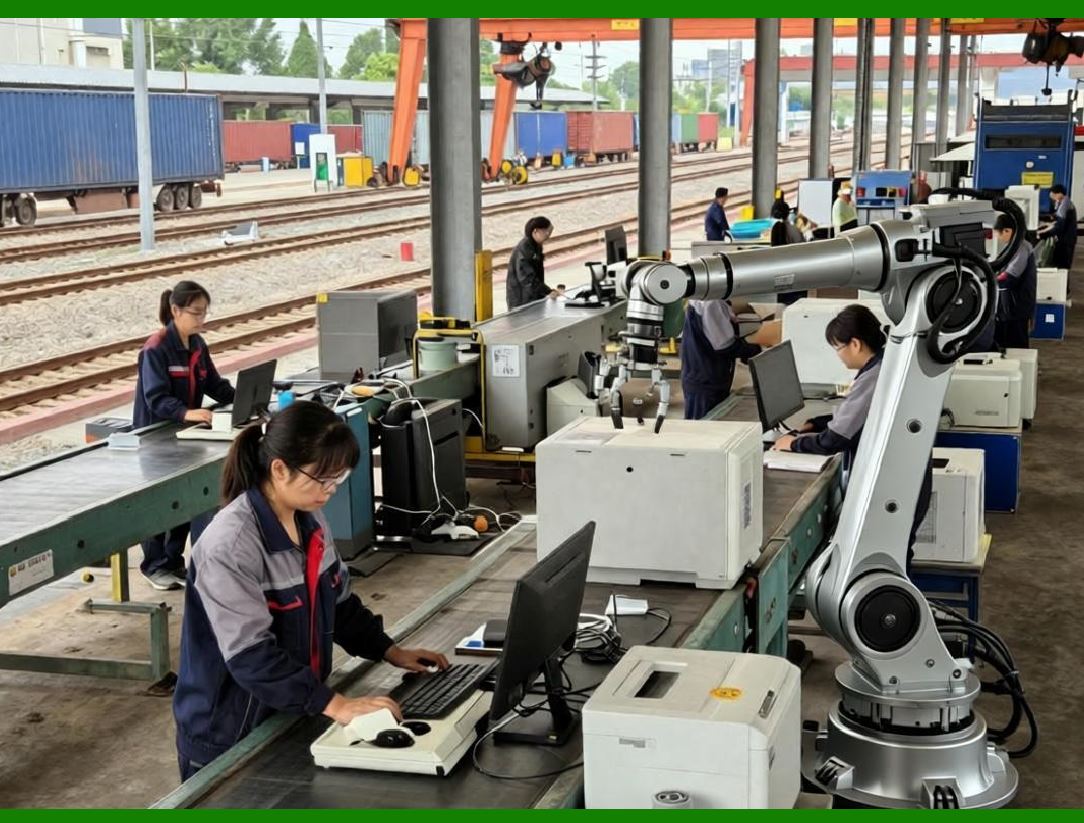
| Let us start by defining what we mean by waste in the context of inventory management. Waste is any item that is discarded without being used for its original intended purpose. This includes expired food, spoiled raw materials, obsolete electronics, damaged packaging, returned goods that cannot be resold, and excess stock that is written off. But waste also includes the resources that were consumed to produce that item: the water, energy, land, labour, and transportation. When an item is wasted, all those resources are wasted too. This is the hidden cost of waste, and it is far larger than the value of the item itself. | The zero-waste mandate is the commitment to reduce this waste to as close to zero as possible. It is not a binary target but a continuous improvement journey. The AI is the engine that drives this journey. It does so through a holistic approach that integrates all the techniques we have discussed in the previous chapters. | First, predictive analytics reduces overproduction and overordering. The AI forecasts demand with high accuracy, so that companies produce and purchase only what they need. It also forecasts the probability of waste for each batch, based on its shelf life and the demand forecast. If the AI predicts that a certain batch is likely to expire before it is sold, it can trigger a reduction in the order quantity or a request for a newer batch from the supplier. This prevents waste at the source. | Second, dynamic expiry management ensures that items with shorter remaining useful lives are prioritised for use. The AI calculates the RUL for each individual unit and directs pickers to the most at-risk items first. This is the most direct way to prevent expiry waste. It is also the most effective, because it does not require changing the order quantity; it simply optimises the use of what is already in stock. | Third, intelligent slotting and space optimisation reduce damage and misplacement. When items are stored in the right location, they are less likely to be crushed, knocked over, or forgotten. The AI also ensures that compatible items are stored together, reducing the risk of cross-contamination or chemical reactions. This reduces the waste due to physical damage. | Fourth, reinforcement learning continuously adjusts the ordering and pricing policies to respond to real-time changes. If the AI detects that demand is slowing down for a particular product, it can reduce the next order, increase the price, or shift the inventory to a different channel. This agility prevents the accumulation of excess stock that will eventually become waste. | Fifth, the AI facilitates redistribution and donation. When an item is approaching its expiry date and the forecast shows that it is unlikely to be sold, the AI can automatically list it on a discount platform, donate it to a food bank or charity, or send it to a secondary market. This ensures that the item still generates some value, even if it is not the full retail price. In many cases, the donation also provides a tax benefit, further offsetting the loss. | 
| Now, let us look at the zero-waste journey in different industries. | In the food and beverage industry, zero waste is the most urgent. A typical grocery store discards about 5 to 10 percent of its fresh produce, meat, and dairy. In a large supermarket chain, this amounts to millions of dollars per year. The AI can reduce this by 40 to 60 percent. For example, a chain of supermarkets implemented an AI system that integrated demand forecasting with dynamic pricing. The AI predicted the sell-through rate for each fresh item in each store. For items that were likely to be left unsold, the AI automatically applied a discount that increased as the expiry date approached. The system also suggested which items could be donated to local food banks and which could be sent to processing plants for use in prepared foods. Over one year, the chain reduced its food waste from 8 percent to 3 percent, saving 30 million dollars and diverting thousands of tons of waste from landfills. | In the pharmaceutical industry, zero waste is a matter of public health. Expired drugs are not just a financial loss; they are a potential hazard if they are improperly disposed of or if they enter the black market. The AI helps by ensuring that drugs are distributed to the clinics and hospitals that need them most, when they need them. It also monitors usage patterns and adjusts delivery schedules. For example, a hospital network implemented an AI system that tracked the expiration dates of all drugs in its central pharmacy and in each satellite clinic. The AI would automatically transfer drugs from one clinic to another if the first clinic had excess stock and the second clinic was running low. This reduced drug waste by 35 percent and ensured that patients always had access to the medicines they needed. | In the chemical industry, zero waste is about safety and hazard prevention. Many chemicals become unstable over time, forming peroxides or other reactive compounds. The AI's dynamic expiry management ensures that these chemicals are used or stabilised before they become dangerous. It also coordinates with the production planning system to schedule batches that use the oldest chemicals first. This not only reduces waste but also enhances workplace safety. A chemical manufacturer implemented an AI system that tracked the age and storage conditions of all its raw materials. The system would alert the production planner when a chemical was approaching its safe storage limit and suggest the next production run that could use it. The result was a 50 percent reduction in the disposal of hazardous waste, with a corresponding reduction in disposal costs. | 
| In the electronics industry, zero waste is about managing obsolescence. A chip that is perfectly functional might become obsolete because a newer, faster chip is released. The AI tracks the market life of each component and forecasts when it will become obsolete. It then works with the procurement and engineering teams to ensure that the component is used in products before that date. If the component cannot be used, the AI might suggest selling it to a secondary market, such as repair shops or hobbyists, rather than scrapping it. An electronics manufacturer used this approach to reduce its obsolescence write-off from 5 percent of inventory value to 1.5 percent. | In the retail and e-commerce industry, zero waste is about managing returns and excess inventory. Returned items are a major source of waste, because many are simply discarded. The AI can evaluate each returned item based on its barcode history and condition. It can decide whether to restock it, refurbish it, sell it as open-box, or recycle it. This reduces the waste from returns. Similarly, excess inventory from seasonal promotions can be analysed, and the AI can recommend whether to hold it for the next season, sell it to an outlet, or donate it. A major e-commerce retailer used this approach to reduce its return waste by 25 percent and its excess inventory waste by 30 percent. | 
| Now, let us discuss the role of the barcode in the zero-waste journey. The barcode is the thread that connects the physical item to its digital twin. It is through the barcode that the AI knows the item's identity, age, history, and condition. Without the barcode, the AI would be blind, and zero waste would be impossible. The barcode is also the tool that enables traceability, which is essential for donation and redistribution. When the AI decides to donate a batch of food, it uses the barcode to verify that the food is within its safe consumption window and to provide the necessary documentation for the recipient. This builds trust and ensures that the donation is safe and legal. | The barcode also enables the measurement of waste. You cannot manage what you do not measure. The AI uses barcode scan data to calculate waste rates for each product, each supplier, each warehouse, and each season. This creates transparency and accountability. When a particular supplier consistently has a higher waste rate, the AI flags it, and the buyer can address the issue. When a particular warehouse has a lower waste rate, the AI can identify the best practices and share them with other warehouses. This continuous learning is a key driver of the zero-waste journey. | 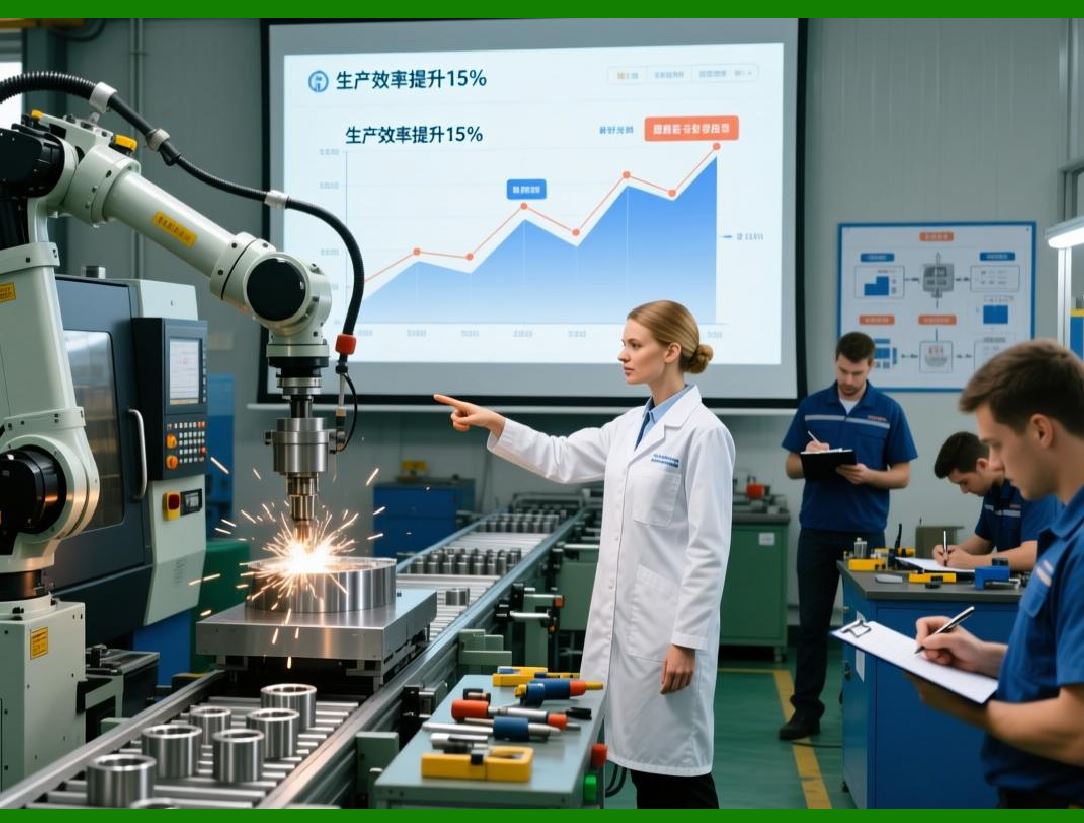
| Now, let us discuss the cultural shift required for zero waste. Zero waste is not just a technology project; it is a mindset change. It requires that everyone in the organisation, from the CEO to the warehouse picker, believes that waste is unacceptable and that it can be eliminated. This mindset is reinforced by the AI, which provides the data and the tools to make waste visible and actionable. But the AI is only as effective as the people who use it. Training and communication are essential. Employees must understand how the AI works, how to interpret its recommendations, and how to act on them. They must also feel empowered to raise concerns and suggest improvements. | One of the most important cultural aspects is the elimination of the 'safety stock' mindset. For decades, managers have been taught that holding extra inventory is a way to protect against uncertainty. This is true, but the amount of safety stock has often been excessive. The AI provides a more precise estimate of the required safety stock, based on the actual variability of demand and supply. Managers must trust this estimate and resist the temptation to add a 'personal buffer' on top. This requires a leap of faith, but the results are compelling. Companies that have adopted AI-driven safety stock have reduced their inventory by 20 to 40 percent without increasing stockouts. | Another cultural aspect is the acceptance of dynamic pricing. In many organisations, pricing is a fixed process, set by a marketing department. The AI's dynamic pricing, which changes the price based on the remaining shelf life, can be seen as a threat to the brand image or to the profitability of the product. However, dynamic pricing actually increases profitability by capturing value that would otherwise be lost. It also signals to the customer that the company is responsible and transparent. Over time, customers come to appreciate the fairness of the system. | 
| Let us also consider the role of regulation and policy. Governments are increasingly mandating waste reduction targets and imposing penalties for excessive waste. In the European Union, for example, the Circular Economy Action Plan sets ambitious targets for waste reduction. In the United States, several states have passed laws requiring food retailers to donate unsold edible food rather than discarding it. AI helps companies comply with these regulations by providing the data and the traceability needed to demonstrate compliance. It also helps them exceed the regulatory requirements, turning compliance into a competitive advantage. | Now, let us talk about the environmental impact of zero waste. The reduction of waste directly reduces greenhouse gas emissions. When food waste is sent to a landfill, it decomposes and releases methane, a potent greenhouse gas. When a product is wasted, the energy used to produce, package, and transport it is wasted too. The AI's waste reduction measures therefore contribute to climate change mitigation. According to a study, a 30 percent reduction in food waste could reduce global emissions by about 2 percent. This may not sound like much, but it is equivalent to taking millions of cars off the road. For a single company, the emissions reduction can be significant enough to meet its sustainability targets. | Zero waste also conserves water. Agriculture is the largest consumer of freshwater. When food is wasted, the water used to grow it is wasted too. By reducing food waste, the AI indirectly conserves water. Similarly, the production of chemicals and pharmaceuticals requires large amounts of water. Reducing waste in these industries conserves water and reduces the burden on local water supplies. | Zero waste also conserves land. The production of food, feed, and fibre requires vast areas of land. When products are wasted, the land used to produce them is, in effect, wasted too. By reducing waste, the AI reduces the pressure on natural habitats, forests, and biodiversity. This is a crucial contribution to the preservation of the planet's ecosystems. | 
| Now, let us address the economic impact of zero waste. The economic case for zero waste is overwhelming. The savings from reduced raw material costs, reduced storage costs, reduced disposal costs, and reduced compliance costs often dwarf the cost of the AI implementation. The payback period for an AI inventory system is typically less than 12 months. After that, the savings go straight to the bottom line. In addition, companies that achieve zero waste often enjoy higher customer satisfaction and brand loyalty, which translate into increased sales. Investors are also increasingly factoring environmental performance into their investment decisions, so zero waste can improve access to capital. | 
| Let us look at a few more advanced applications of zero waste. | In the construction industry, materials are often over-ordered and then discarded. The AI can forecast the exact quantity of each material needed for a project, based on the architectural plans and the historical waste rates of the contractor. It can also track the on-site usage and trigger re-orders only when needed. This reduces material waste and saves money. Some construction companies have reported a 20 percent reduction in material waste using AI. | In the fashion industry, unsold garments are often burned or landfilled. The AI can forecast the demand for each style, size, and colour, and adjust production accordingly. It can also manage the inventory across retail stores and online channels, transferring stock from slow-selling stores to fast-selling ones. This reduces the number of unsold garments. Some fashion brands have reduced their unsold stock by 30 percent using AI. | In the automotive industry, spare parts are a major source of waste. Dealerships often hold large inventories of parts that are rarely used, and they end up being discarded when the model is discontinued. The AI can forecast the demand for each part based on the fleet age, the failure rates, and the repair schedules. It can also consolidate parts across dealerships, reducing the total inventory. An automotive manufacturer used this approach to reduce its spare parts waste by 25 percent. | In the aerospace industry, where parts are extremely expensive, zero waste is critical. The AI can manage the inventory of rotable parts, which are parts that are removed, repaired, and reinstalled. It can forecast when a part is likely to need repair and ensure that the replacement part is available at the right time. This reduces the number of spare parts that are held in inventory and the number of parts that become obsolete. An airline reduced its spare parts inventory by 15 percent using AI, without affecting its on-time performance. | 
| Now, let us discuss the challenges of achieving zero waste. The first challenge is data quality. The AI relies on accurate, complete, and timely data. If the barcode scans are incomplete, if the temperature sensors are inaccurate, or if the demand data is biased, the AI's decisions will be flawed. Data governance is therefore a prerequisite for zero waste. Companies must invest in data collection, cleaning, and integration before they can reap the benefits of AI. | The second challenge is the integration of systems. The AI must communicate with the enterprise resource planning system, the warehouse management system, the transportation management system, and the point-of-sale system. These systems are often from different vendors and use different data formats. Integration can be complex and expensive, but it is essential for a holistic view of the inventory. | The third challenge is the handling of exceptions. The AI can handle most situations, but there will always be outliers, such as a sudden port closure or a pandemic. The AI can incorporate these events into its models, but they are rare, and there is limited data to learn from. Human oversight is therefore necessary to handle exceptional situations. | The fourth challenge is the psychological barrier. As we discussed, managers are often reluctant to reduce inventory because they fear stockouts. The AI can provide confidence intervals and risk assessments, but the final decision often rests with the manager. Building trust in the AI takes time and requires a track record of successful recommendations. | The fifth challenge is the supply chain coordination. Zero waste is not just about the company's own inventory; it is about the entire supply chain. Suppliers, logistics providers, and customers all play a role. The AI can facilitate coordination by sharing information and recommendations, but it cannot force others to act. Collaboration and alignment of incentives are necessary for systemic zero waste. | Despite these challenges, the zero-waste journey is well underway in many industries. The technology is mature, the business case is clear, and the regulatory pressure is increasing. Companies that delay action risk being left behind. Those that embrace AI-driven zero waste will gain a competitive edge, build a resilient supply chain, and contribute to a sustainable future. | 
| Now, let us look at the future of zero waste. We are moving toward the concept of the circular economy, where waste is designed out of the system from the beginning. In a circular economy, products are designed to be disassembled, repaired, and recycled. Materials are kept in use for as long as possible. AI will play a central role in the circular economy by managing the flows of materials, tracking their condition, and matching supply with demand. The barcode will be the identifier that enables this tracking. The three pillars will provide the intelligence. The perishability and spatial optimisation will ensure efficiency. And the zero-waste mandate will be the guiding principle. | We are also seeing the emergence of waste marketplaces, where companies can buy and sell waste materials. For example, a food processor's surplus fruit might be sold to a juice maker. A chemical plant's by-product might be sold to a construction company. The AI can match buyers and sellers, optimise the logistics, and ensure quality. This turns waste into a revenue stream and closes the loop. | Another future trend is the use of blockchain to create an immutable record of waste. Every item's journey, from production to use to disposal, can be recorded on the blockchain. This creates transparency and accountability, and it allows consumers to make informed choices. The AI can query the blockchain to verify the sustainability claims of a product. | In summary, the zero-waste mandate is the culmination of all the principles we have discussed. It is the recognition that waste is a failure of information and that AI provides the information to prevent it. It is a shift from a linear, take-make-dispose economy to a circular, value-preserving economy. It is a journey that starts with the cost of sitting still, continues with the barcode as the digital eye, uses the three pillars for control, addresses the perishability paradox, optimises space, and ultimately achieves zero waste. This is not just a technical achievement; it is a moral and business imperative. | 
| Detailed Closing Summary | We have now completed an in-depth exploration of Chapter 6, the Zero-Waste Mandate. Let us synthesise all the key points into a comprehensive closing summary. | We began by defining zero waste as the ultimate goal of intelligent inventory management. Waste is not an accident; it is a failure of information and a breakdown in the flow of goods. The traditional acceptance of waste as inevitable is no longer tenable due to environmental, economic, and social pressures. The zero-waste mandate is the commitment to reduce waste to as close to zero as possible, using AI as the primary enabler. | We established that waste includes expired items, spoiled materials, obsolete goods, damaged products, and excess stock, as well as the embedded resources of water, energy, land, and labour. The business case for zero waste is strong: it reduces raw material costs, storage costs, disposal costs, and compliance costs, while increasing customer loyalty and investor confidence. The environmental case is equally strong: waste reduction directly cuts greenhouse gas emissions, conserves water and land, and protects biodiversity. | We then outlined how AI delivers zero waste through five interconnected mechanisms. First, predictive analytics reduces overproduction and overordering by forecasting demand accurately. Second, dynamic expiry management prioritises items with the shortest remaining useful life, preventing expiry waste. Third, intelligent slotting and space optimisation reduce damage and misplacement. Fourth, reinforcement learning adjusts ordering and pricing policies in real time to prevent excess accumulation. Fifth, the AI facilitates redistribution and donation, capturing value from items that would otherwise be discarded. | 
| We looked at industry-specific applications. In food and beverage, AI reduced waste by 40 to 60 percent through dynamic pricing and donation routing. In pharmaceuticals, AI reduced drug waste by 35 percent through inter-clinic transfers. In chemicals, AI reduced hazardous waste disposal by 50 percent through timely usage scheduling. In electronics, AI reduced obsolescence write-offs from 5 to 1.5 percent. In retail and e-commerce, AI reduced return waste by 25 percent and excess inventory waste by 30 percent. | We emphasised the central role of the barcode. The barcode provides the item-level identity, history, and condition data that the AI needs to make zero-waste decisions. It also enables traceability, which is essential for donation, redistribution, and compliance. The barcode allows the AI to measure waste rates, creating transparency and accountability. | We discussed the cultural shift required for zero waste. It requires a mindset change from 'safety stock is good' to 'safety stock is optimised.' It requires trust in the AI's recommendations and acceptance of dynamic pricing. It requires training and communication to empower employees. It also requires collaboration across the supply chain, because waste is a systemic issue. | We addressed the environmental impact, showing that zero waste contributes to climate change mitigation, water conservation, land preservation, and biodiversity protection. We quantified that a 30 percent reduction in food waste could reduce global emissions by about 2 percent. | 
| We looked at advanced applications in construction, fashion, automotive, and aerospace, each with its own waste challenges and AI solutions. We then discussed the challenges of data quality, system integration, exception handling, psychological barriers, and supply chain coordination. We noted that these challenges are surmountable with investment, training, and collaboration. | We explored the future of zero waste, including the circular economy where waste is designed out from the start, waste marketplaces where by-products are traded, and blockchain for immutable traceability. We concluded that zero waste is not just a technical goal but a moral and business imperative. | In the broader context of our six-chapter philosophy, Chapter 6 is the synthesis and the destination. Chapter 1 established the cost of sitting still, the economic and operational motivation for change. Chapter 2 introduced the barcode, the data foundation. Chapter 3 gave us the three pillars of AI control, the engine. Chapter 4 addressed the perishability paradox, the temporal challenge. Chapter 5 addressed spatial optimisation, the physical challenge. Now, Chapter 6 brings all these together to achieve the ultimate goal: zero waste. It shows that the cost of sitting still, the barcode, the three pillars, the perishability paradox, and spatial optimisation are not separate topics but interconnected components of a single system that, when integrated, eliminates waste. | The key takeaway from Chapter 6 is that zero waste is achievable. It is not a pipe dream. It is a practical, measurable, and economically beneficial goal. The technology is available. The data is accessible. The only missing ingredient is the will to change. Companies that embrace the zero-waste mandate will not only save money and reduce their environmental footprint but also build a resilient, future-proof supply chain. | 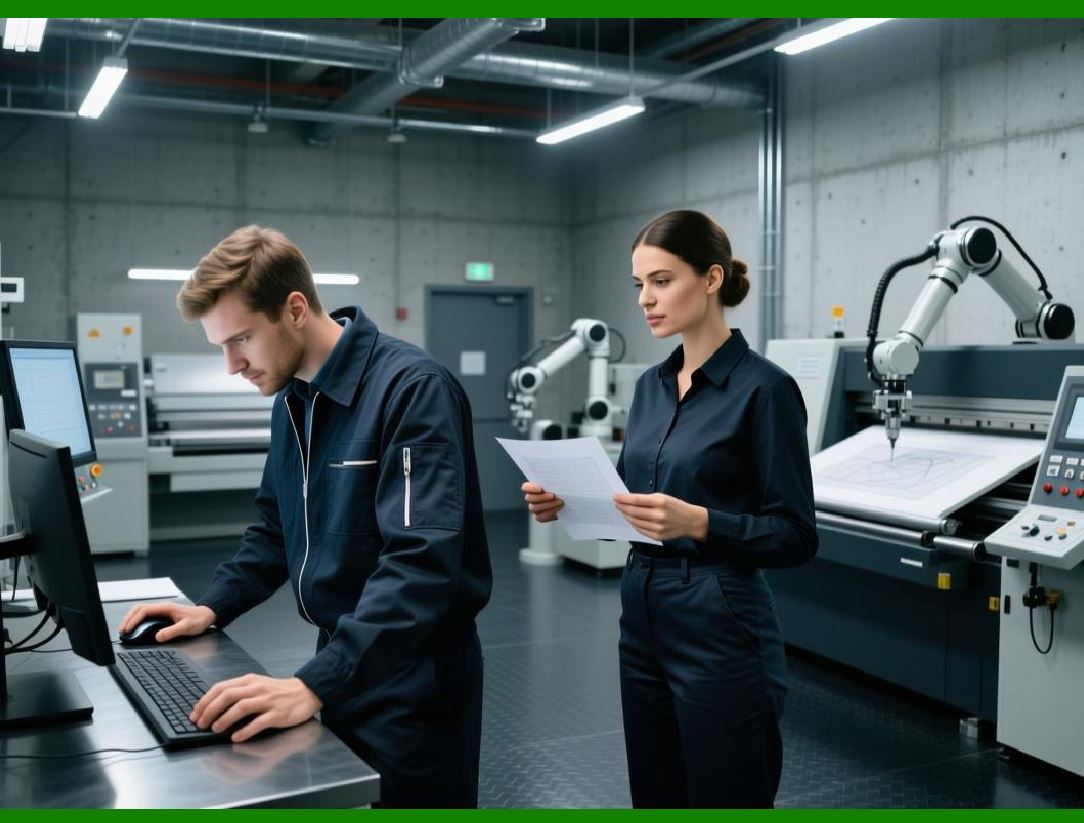
| To summarise the practical recommendations for a manager seeking to implement zero waste: | 1. Measure your current waste rates by category (expiry, damage, obsolescence, returns, excess). Use barcode data to get accurate figures. | 2. Identify the root causes of each waste category. Is it overorderingPoor rotationInefficient slottingLack of visibility | 3. Implement the AI pillars in a phased manner. Start with predictive analytics to improve ordering, then add dynamic expiry management, then slotting and reinforcement learning. | 4. Integrate your AI system with your barcode, sensor, and enterprise systems to create a unified data platform. | 5. Establish a dynamic pricing and donation policy that allows the AI to act on near-expiry items. | 6. Train your staff on the AI's recommendations and build a culture of waste awareness. | 7. Monitor the results continuously and refine the system. Set aggressive but achievable waste reduction targets. | 8. Engage your suppliers and customers in the zero-waste journey. Share data and collaborate on solutions. | 9. Communicate your progress to stakeholders, including employees, investors, and the public. Transparency builds trust. | 10. Celebrate your successes and learn from your failures. Zero waste is a journey, not a destination. | 
| In conclusion, the zero-waste mandate is the ultimate expression of intelligent inventory management. It is the point where cost saving meets corporate responsibility, where efficiency meets sustainability, and where AI proves its worth as a tool for good. The journey to zero waste is challenging, but it is also rewarding. Every item saved from the landfill is a victory for the company, the community, and the planet. And with AI, we have the power to make that victory a daily reality. |
|
 cs@easiersoft.com