Automotive - Just-in-Time 2.0 - How AI Transforms the World's Most Complex Supply Chain | Short Opening Summary | The automotive industry is the birthplace of modern supply chain management. It gave us the assembly line, the production planning system, and the just-in-time philosophy that revolutionised manufacturing. Yet today, even the most advanced car plants struggle with a paradox: they hold too much inventory in some areas and too little in others, leading to waste, downtime, and inefficiency. The solution is Just-in-Time 2.0, an AI-powered evolution of the classic JIT model. This new approach uses predictive analytics, computer vision, and reinforcement learning to synchronise the flow of thousands of parts from hundreds of suppliers to the final assembly line, with minimal buffer and zero waste. This chapter explores the unique challenges of automotive inventory, the legacy of traditional JIT, and the transformative power of AI in managing everything from engine blocks to seat fabrics. We will see that in the automotive world, every minute of inventory is a cost, and every second of intelligence is a saving. | 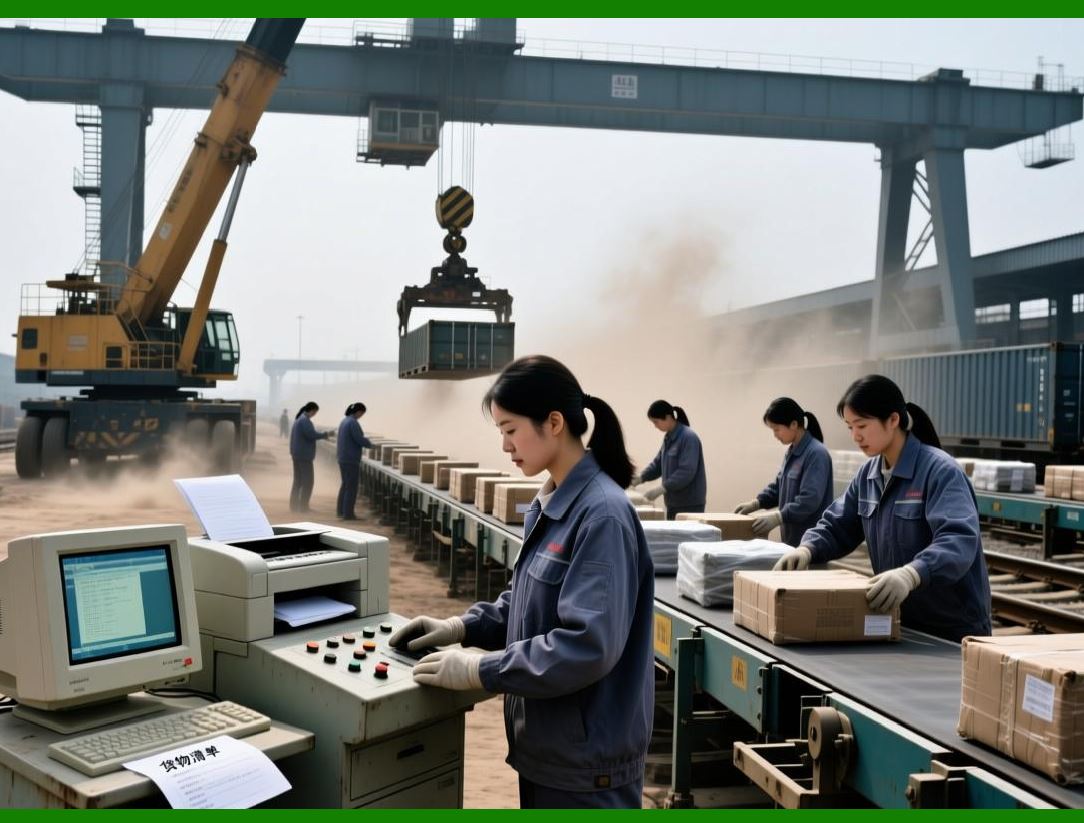
| Chapter 7: Automotive - Just-in-Time 2.0 | The automotive industry is a marvel of coordination. A single modern vehicle contains between 20,000 and 30,000 individual parts, sourced from hundreds of suppliers across the globe. These parts arrive at the assembly plant in a carefully choreographed sequence, often within hours of being installed. The assembly line never stops. If a single part is missing, the entire line can grind to a halt, costing the manufacturer tens of thousands of dollars per minute. This is the world of just-in-time, or JIT, manufacturing, a philosophy that was perfected by Toyota in the 1970s and has since become the gold standard for automotive production. | The core idea of JIT is simple: produce and deliver parts only when they are needed, in the exact quantity required, and with minimal buffer stock. This reduces the cost of holding inventory, frees up factory space, and forces quality issues to be exposed quickly. However, the implementation of JIT is extraordinarily difficult. It requires flawless communication with suppliers, reliable transportation, and a production plan that is stable enough to allow for precise scheduling. In the real world, these conditions are rarely met. Suppliers are late, trucks break down, quality defects occur, and demand fluctuates. To protect against these uncertainties, automotive manufacturers have built safety buffers, which, while smaller than traditional warehouses, still represent significant inventory and waste. | This is where AI enters the picture, ushering in what we call Just-in-Time 2.0. Just-in-Time 2.0 does not abandon the principles of JIT; it enhances them with predictive intelligence. Instead of relying on fixed schedules and historical averages, the AI uses real-time data to forecast demand, detect disruptions, and dynamically adjust the supply chain. It can predict a supplier's delay three days in advance, reroute a shipment to avoid a traffic jam, or recommend that a part be held for a few extra hours because the assembly line is running ahead of schedule. This level of agility was impossible with traditional systems, but it is now within reach. | 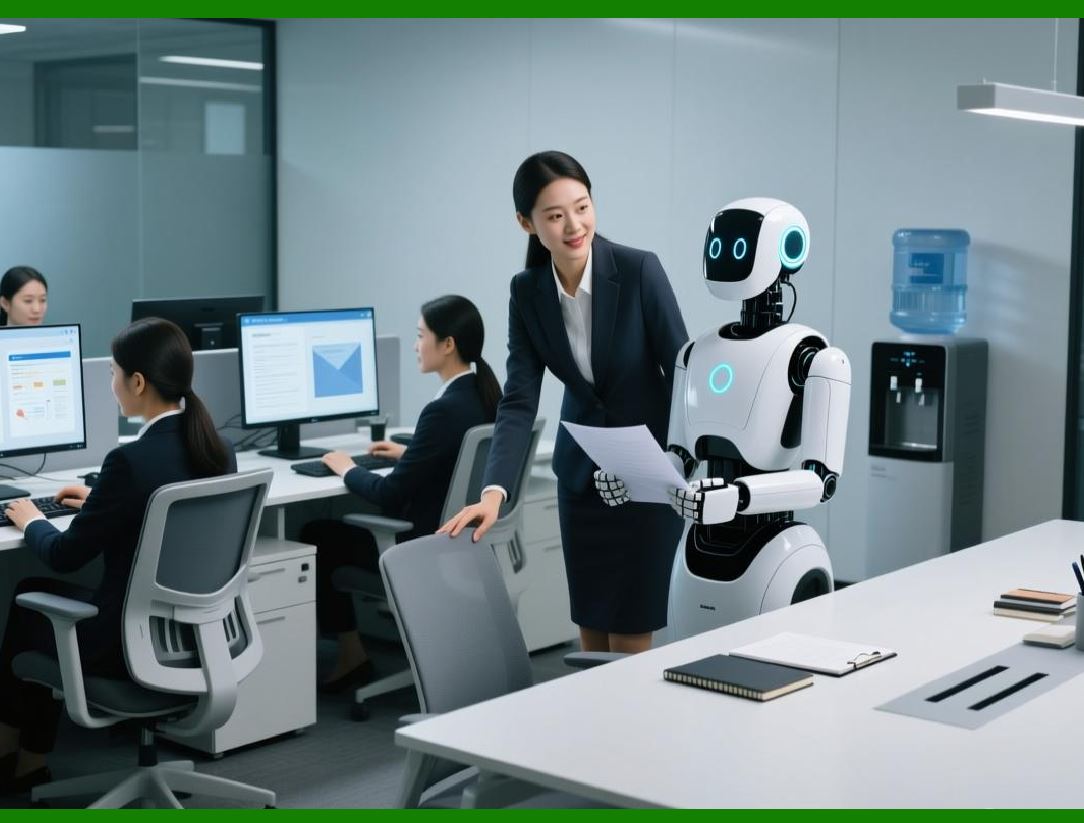
| Let us start by understanding the anatomy of an automotive inventory system. At the highest level, there are three main categories of inventory: raw materials, work-in-progress, and finished goods. Raw materials include steel coils, plastic pellets, and chemicals that are used to make components. Work-in-progress includes the components themselves, such as engine blocks, transmissions, dashboards, and seats, which are stored at various points in the supply chain before they reach the assembly line. Finished goods are the completed vehicles waiting to be shipped to dealerships. AI touches all three categories, but its most profound impact is on work-in-progress, because that is where the timing is most critical. | Consider the engine block. An engine block is a large, heavy, and expensive component. It is typically cast at a foundry, machined at a plant, and then shipped to the final assembly plant. The lead time from casting to installation can be several weeks. Traditional JIT would try to schedule the engine block to arrive just as the vehicle is being assembled. But if the foundry experiences a power outage, or if the machining plant has a quality issue, the entire schedule is thrown off. The AI can mitigate this by continuously monitoring the status of each engine block through its barcode. It knows when the block was cast, when it was machined, when it left the foundry, and when it is expected to arrive. It also knows the status of the assembly line, including any delays or speed-ups. Using this information, the AI can calculate the 'criticality' of each block. If a block is running late, the AI might prioritise its shipment, allocate a faster truck, or even air-freight it if necessary. If the block is early, the AI might slow down its transit to avoid congesting the receiving dock. This dynamic control is the essence of Just-in-Time 2.0. | Now, let us look at the barcode's role in this system. Every component in the automotive supply chain carries a barcode, typically a 2D Data Matrix code, which contains a unique serial number, the part number, the manufacturing date, the batch number, and sometimes the test results. When the component is scanned at each stage, the AI updates its digital twin. This digital twin is not just a record; it is a predictive model. It knows the component's age, its environmental history, and its expected life. For example, a rubber seal might have a barcode that links to a database with its vulcanisation date and its shelf life. The AI can calculate the seal's remaining useful life and ensure that it is used before it hardens. This is particularly important for components that have a limited shelf life, such as adhesives, paints, and elastomers. | The automotive industry also faces the challenge of model proliferation. A single assembly plant might produce several different models, each with its own set of parts. The AI must manage the inventory for each model separately, ensuring that the right parts are at the right station at the right time. This is called mixed-model production, and it is a classic scheduling problem. The AI uses reinforcement learning to solve this problem. It learns the optimal sequence of models to run on the assembly line, balancing the availability of parts, the changeover time, and the demand for each model. The AI can also recommend that certain parts be pre-assembled into kits, which are then delivered to the line in the exact sequence. This reduces the complexity of the picking operation and minimises the chance of error. | 
| Now, let us discuss the concept of the 'milk run.' In a typical automotive supply chain, a truck makes a regular circuit, or milk run, to collect parts from multiple suppliers and deliver them to the assembly plant. The route and the schedule are fixed. The AI can optimise this milk run by adjusting the route and the schedule based on real-time demand. If a supplier is running low on a critical part, the AI can send a truck early. If a supplier has excess inventory, the AI can delay the pickup. This dynamic routing reduces the total distance traveled, the fuel consumption, and the number of trucks needed. It also reduces the inventory at the suppliers, because they do not have to hold parts waiting for the next pickup. | Another key application is in quality control. In the automotive industry, a single defective part can cause a recall, which is a catastrophic event. The AI uses barcode data to trace every part to its source. If a quality issue is detected, the AI can immediately identify all vehicles that contain that part, even if they are already on the road. This enables a rapid and precise recall, minimising the cost and the reputational damage. The AI can also analyse the defect patterns to identify the root cause. For example, if a certain batch of bolts has a higher failure rate, the AI can trace it back to the specific heat treatment batch and to the specific furnace. This allows the supplier to correct the process quickly, preventing further waste. | 
| Now, let us look at the financial impact of AI in automotive inventory. The traditional JIT system already minimises inventory, but it does so at the cost of high transportation and expediting expenses. The AI's predictive capabilities allow the manufacturer to reduce these expediting costs. For example, a car manufacturer might have a policy of air-freighting any part that is at risk of missing the assembly line. This is extremely expensive. The AI can reduce the need for air freight by providing more accurate forecasts and earlier warnings. In one case, a major automaker reduced its air freight costs by 25 percent after implementing an AI system. The savings were in the tens of millions of dollars. | The AI also reduces the cost of quality failures. When a part is defective, the manufacturer must either rework it or scrap it. The AI's traceability allows the manufacturer to identify the defective parts early, before they reach the assembly line. This reduces the scrap rate and the rework cost. In some plants, the AI has reduced the internal defect rate by 15 percent. | 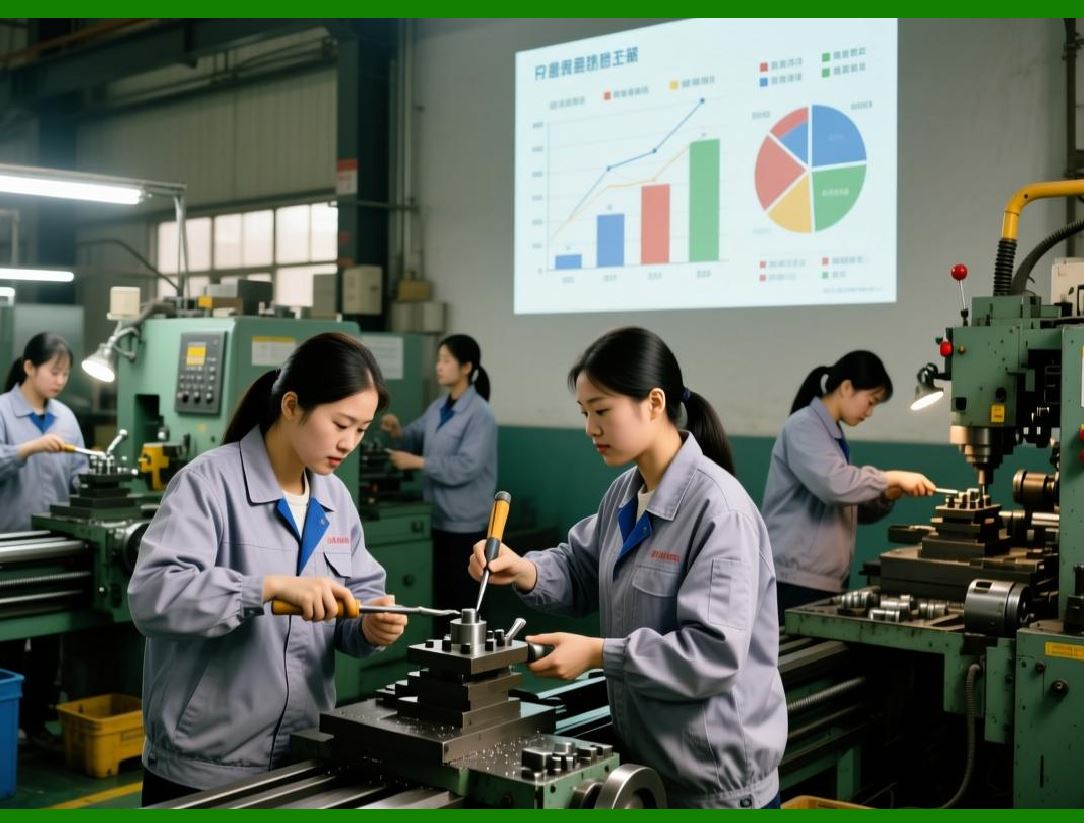
| Now, let us consider the supplier side. The suppliers in the automotive industry are under immense pressure to deliver parts on time and at a low cost. The AI can help them by providing better demand forecasts and production schedules. Instead of receiving a fixed order that might not match the actual consumption, the supplier receives a dynamic order that is updated daily or even hourly. This allows the supplier to plan its own production more efficiently, reducing its own inventory and waste. It also builds a stronger relationship between the manufacturer and the supplier, because they are sharing data and collaborating on optimisation. | The AI also addresses the challenge of seasonality and new model launches. When a new model is launched, the demand is highly uncertain. The traditional approach is to build a large inventory of parts to ensure that the launch goes smoothly. This leads to significant waste if the demand is lower than expected. The AI can use the sales data from similar models, the pre-order data, and the market sentiment to forecast the demand more accurately. It can also adjust the production ramp-up in real time, based on the actual sales. This reduces the excess inventory associated with new model launches. | 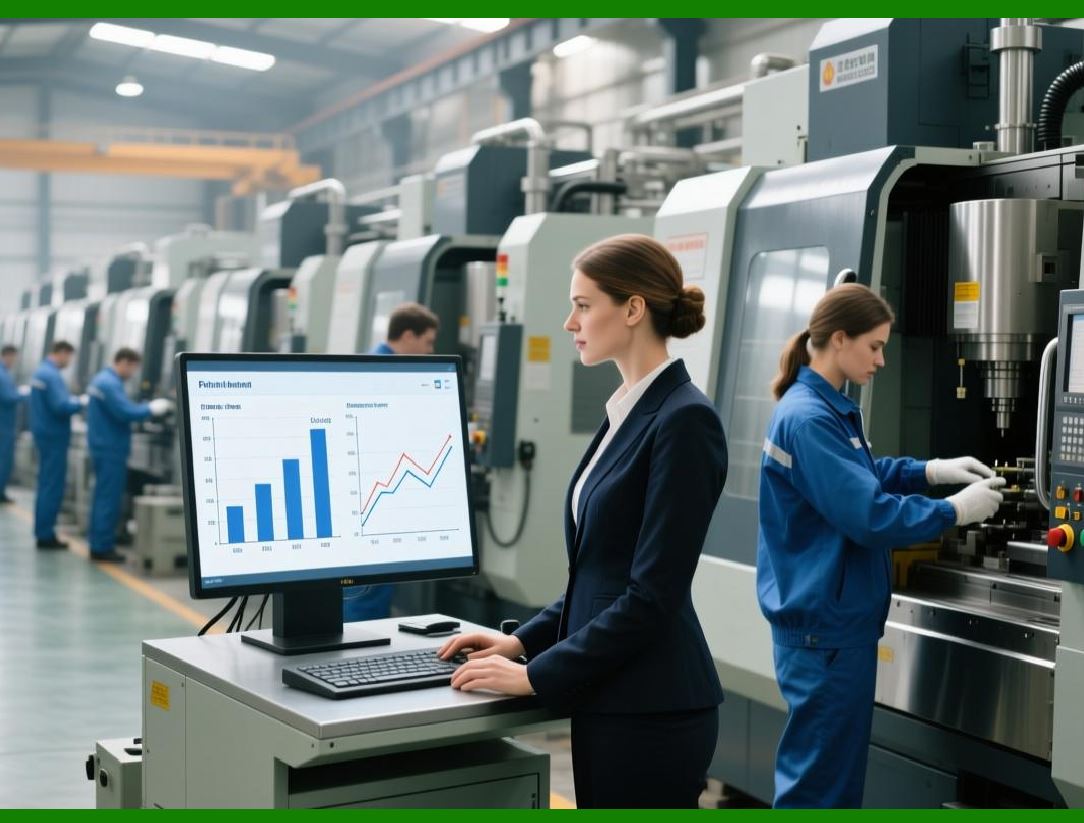
| Now, let us discuss the challenge of global supply chains. Many automotive parts are sourced from low-cost countries, which means they have long lead times and complex logistics. The AI can model the entire global network, including the shipping routes, the port capacities, and the customs clearance times. It can identify the critical paths and the bottlenecks. For example, if the AI predicts that a certain port is going to be congested due to a labour strike, it can reroute the shipment to an alternative port, or it can accelerate the shipment to arrive before the strike. This proactive management is far superior to the reactive approach of traditional systems. | The AI also integrates with the manufacturer's production planning system. The production plan determines which vehicles will be built on which day, based on the sales orders and the strategic targets. The AI checks the availability of parts for each planned vehicle. If a part is missing, it can suggest an alternative vehicle configuration that uses available parts. For example, if a particular trim level requires a specific seat colour that is out of stock, the AI might suggest substituting a different seat colour that is available. This flexibility prevents the line from stopping due to a missing part. | 
| Now, let us look at the role of computer vision in the automotive warehouse. The warehouse where parts are stored before they go to the assembly line is a high-activity environment. Computer vision cameras can monitor the inventory levels in real time. They can detect when a bin is running low and trigger a replenishment order. They can also verify that the correct part is being picked, reducing the chance of error. In some advanced plants, the cameras are mounted on drones that fly through the aisles, scanning barcodes and checking for any discrepancies. This reduces the need for manual cycle counting, which is time-consuming and error-prone. | Another application of computer vision is in the inspection of incoming parts. When a shipment arrives, the cameras can inspect each part for visible defects, such as scratches, dents, or rust. The AI can compare the image against a standard template and flag any deviations. This automated inspection is faster and more consistent than manual inspection. It also allows the manufacturer to reject defective parts before they enter the inventory, preventing the waste of storage space and handling labour. | 
| Now, let us consider the environmental impact of AI in automotive inventory. The reduction in air freight and expedited shipping reduces the carbon footprint of the supply chain. The reduction in waste, both of parts and of packaging, reduces the landfill load. The optimisation of the milk run reduces fuel consumption. These environmental benefits align with the growing consumer and regulatory demand for sustainable manufacturing. Many automakers are now reporting their carbon footprint and setting ambitious reduction targets. AI is a key enabler for these targets. | The future of automotive inventory management is even more exciting. We are moving toward the concept of the 'digital twin' of the entire supply chain. This is a virtual model that simulates the physical flow of parts, the production plan, and the logistics network. The AI can run 'what-if' scenarios on this digital twin, such as 'what if a supplier closes for a week' or 'what if demand increases by 20 percent' The AI can then identify the best response strategy, such as which alternative supplier to use, which parts to expedite, and which vehicles to delay. This scenario planning is invaluable for building resilience. | Another future trend is the use of blockchain for traceability. Blockchain provides an immutable record of every transaction and every movement. When a part is manufactured, its record is created on the blockchain. When it is shipped, the record is updated. When it is installed in a vehicle, the record is finalised. This creates a complete, tamper-proof history that can be used for quality assurance, warranty claims, and regulatory compliance. The AI can query the blockchain to verify the authenticity and the history of a part, which is particularly important for counterfeit prevention. | We are also seeing the emergence of 3D printing for spare parts. Instead of storing a large inventory of spare parts, the manufacturer can store the digital designs and print the parts on demand. The AI can forecast the demand for each spare part and trigger the printing process. This reduces the physical inventory to near zero and eliminates the waste of obsolete parts. This is already being piloted for low-volume, high-value parts in the automotive industry. | 
| Now, let us address the human element. The implementation of Just-in-Time 2.0 requires a shift in the skills and mindset of the workforce. Supply chain planners must become data scientists, or at least data-literate. They must learn to interpret the AI's recommendations and to trust them. The AI is not a replacement for human judgement; it is a tool that augments it. The planners still make the final decisions, but they do so with a wealth of information that was previously unavailable. Training and education are essential for this transition. | The AI also changes the relationship with suppliers. The manufacturer shares more data, which makes the relationship more transparent and collaborative. The suppliers can see the manufacturer's production plan and adjust their own operations accordingly. This reduces the bullwhip effect, where small fluctuations in demand are amplified upstream. It also builds trust, because both parties are working from the same data. However, it also requires a change in the contractual arrangements, because the suppliers are now more dependent on the manufacturer's data. | Let us also discuss the challenge of data security. The automotive supply chain is a target for cyber-attacks, because it is critical and complex. The AI system must be secure, with robust authentication, encryption, and monitoring. The data must be protected from unauthorised access and manipulation. The manufacturer must also have a business continuity plan in case the AI system is compromised. This is an often-overlooked aspect of AI implementation. | 
| Now, let us look at a few concrete examples of AI in automotive inventory. A well-known luxury car manufacturer implemented an AI system that predicted the demand for each model and each option package. The AI used data from the dealerships, the website traffic, and the economic indicators. It then generated a weekly production plan that minimised the inventory of unsold vehicles. The result was a 20 percent reduction in finished goods inventory and a 15 percent reduction in the cost of incentives. | A large truck manufacturer implemented an AI system that managed the inventory of spare parts across its global network. The AI used the failure rates of each part, the vehicle age, and the mileage data to forecast the demand. It then allocated the parts to the regional warehouses based on the expected demand. The result was a 30 percent reduction in the total spare parts inventory and a 95 percent fill rate, which is the percentage of orders that are fulfilled from stock. | A tier-one supplier, which manufactures seats, implemented an AI system that synchronised its production with the assembly plant's schedule. The supplier received the plant's production sequence in real time. The AI then sequenced the seat production so that the seats arrived at the plant exactly when the corresponding vehicle was at the seat-installation station. The supplier reduced its finished goods inventory by 40 percent and its floor space by 25 percent. | These examples show that AI is not a theoretical concept but a practical tool that delivers measurable results. The automotive industry is a leader in AI adoption, because the stakes are high and the payoff is clear. But the lessons learned in automotive are applicable to other industries as well. The principles of predictive demand, dynamic scheduling, real-time visibility, and collaborative planning are universal. | 
| Now, let us summarise the key differences between traditional JIT and Just-in-Time 2.0. Traditional JIT is based on fixed schedules, historical averages, and reactive expediting. It assumes that the supply chain is stable and predictable. Just-in-Time 2.0 is based on predictive models, real-time data, and proactive optimisation. It acknowledges that the supply chain is volatile and that the best strategy is to adapt continuously. The difference is not just in the technology but in the mindset. Traditional JIT seeks to eliminate waste by reducing buffers. Just-in-Time 2.0 seeks to eliminate waste by reducing uncertainty. By reducing uncertainty, it can reduce buffers even further, because the buffers are only needed to cover the unknown. | In conclusion, the automotive industry is undergoing a transformation from JIT to JIT 2.0, driven by artificial intelligence. This transformation is not about replacing the old system but about enhancing it with intelligence. The AI provides the foresight, the visibility, and the agility that were missing from the original JIT. The result is a supply chain that is leaner, faster, cheaper, and more sustainable. The barcode is the eyes of this system, the three pillars are the brain, and the zero-waste mandate is the heart. The automotive industry is showing the way for the rest of the manufacturing world, proving that AI is not just a tool for efficiency but a force for transformation. | 
| Detailed Closing Summary | We have now completed an in-depth exploration of Chapter 7, Automotive - Just-in-Time 2.0. Let us synthesise all the key points into a comprehensive closing summary. | We began by recognising the automotive industry as the birthplace of modern supply chain management, with its pioneering of the assembly line and the just-in-time philosophy. We noted that despite these innovations, the industry still faces significant challenges: thousands of parts, hundreds of suppliers, global logistics, and the ever-present risk of line stoppages. Traditional JIT, while effective, relies on fixed schedules and historical averages, which are inadequate for the volatile real world. | We introduced Just-in-Time 2.0 as an AI-powered evolution of classic JIT. This new approach uses predictive analytics to forecast demand and disruptions, computer vision to monitor inventory and quality, and reinforcement learning to dynamically adjust schedules and routes. It does not abandon JIT but enhances it with intelligence, turning the supply chain from a reactive system to a proactive one. | We explored the anatomy of automotive inventory, focusing on work-in-progress, which is the most time-sensitive category. We used the example of an engine block to show how the AI tracks each component through its barcode, from casting to installation, and adjusts its logistics based on real-time conditions. This dynamic control reduces the need for expediting and prevents line stoppages. | We detailed the role of the barcode, which carries a unique serial number, part number, manufacturing date, and test results. The barcode enables the digital twin, a predictive model that knows the component's age, environmental history, and remaining useful life. This is crucial for components with limited shelf lives, such as seals and adhesives. | 
| We discussed mixed-model production, where the AI uses reinforcement learning to sequence vehicles on the assembly line, balancing part availability, changeover times, and demand. The AI also recommends pre-assembled kits to reduce picking complexity. | We looked at the milk run, the regular truck route that collects parts from suppliers. The AI optimises this route dynamically, adjusting pickups based on real-time demand and reducing distance, fuel, and number of trucks. This reduces inventory at suppliers as well. | We addressed quality control, where the AI uses barcode traceability to enable rapid and precise recalls, and to identify root causes of defects. This reduces the cost of quality failures and prevents waste. | We examined the financial impact, showing that AI reduces expediting costs, such as air freight, and reduces internal defect rates. We cited examples of significant savings in air freight and defect reduction. | We considered the supplier side, where the AI provides dynamic forecasts and schedules, allowing suppliers to plan more efficiently and reduce their own waste. This builds collaborative relationships. | We addressed the challenges of seasonality and new model launches, where the AI uses similar-model data and market sentiment to forecast demand accurately and adjust production ramp-up. | 
| We discussed global supply chains, where the AI models the entire network, identifies bottlenecks, and proactively reroutes shipments to avoid disruptions. | We looked at the integration with production planning, where the AI checks part availability and suggests alternative vehicle configurations to prevent line stoppages. | We highlighted computer vision applications, including real-time inventory monitoring, automated pick verification, and incoming part inspection. | We discussed the environmental impact, showing that AI reduces air freight, waste, and fuel consumption, contributing to carbon footprint reduction. | We looked at future trends: digital twins for scenario planning, blockchain for immutable traceability, and 3D printing for on-demand spare parts. | We addressed the human element, emphasising that supply chain planners must become data-literate, and that the AI is a tool for augmentation, not replacement. We also discussed the need for data security and business continuity plans. | We presented three concrete examples: a luxury car manufacturer that reduced finished goods inventory by 20 percent, a truck manufacturer that reduced spare parts inventory by 30 percent, and a tier-one supplier that reduced its finished goods inventory by 40 percent. | We concluded by contrasting traditional JIT with JIT 2.0. Traditional JIT relies on fixed schedules and reactive expediting, while JIT 2.0 uses predictive models and proactive optimisation. The difference is in the mindset: JIT seeks to reduce buffers, while JIT 2.0 seeks to reduce uncertainty, which allows even smaller buffers. | The key takeaway from Chapter 7 is that the automotive industry, with its immense complexity and high stakes, is the ideal proving ground for AI inventory management. The lessons learned here are transferable to any industry that deals with complex, time-sensitive supply chains. The transformation from JIT to JIT 2.0 is not just a technological upgrade; it is a strategic imperative for staying competitive in a world of increasing volatility. | 
| To summarise the practical recommendations for an automotive manufacturer or supplier: | 1. Start by digitising your entire inventory with barcodes that carry rich data, including serial numbers and manufacturing dates. | 2. Implement a predictive analytics engine that forecasts demand, supplier performance, and logistics disruptions. | 3. Integrate this engine with your production planning system to create a unified view. | 4. Deploy computer vision for real-time inventory monitoring and quality inspection. | 5. Use reinforcement learning to optimise your milk run routes and your assembly line sequencing. | 6. Build a digital twin of your entire supply chain for scenario planning. | 7. Share data with your key suppliers to enable collaborative planning and reduce the bullwhip effect. | 8. Train your workforce to interpret and trust the AI's recommendations. | 9. Establish robust data security and business continuity measures. | 10. Continuously measure your performance, focusing on inventory turnover, fill rate, and waste metrics, and refine your AI system accordingly. | By following these steps, any automotive company can achieve the benefits of Just-in-Time 2.0: lower inventory, lower costs, higher quality, and a more resilient supply chain. This is not just an improvement; it is a transformation that will define the future of automotive manufacturing. |
|
 cs@easiersoft.com