Using barcode for factory management |
Using barcodes for factory management can significantly enhance efficiency, accuracy, and overall productivity. |
Here are several key areas where barcodes can be applied in a factory setting, along with the benefits and best practices: |
1. Key Areas of Application |
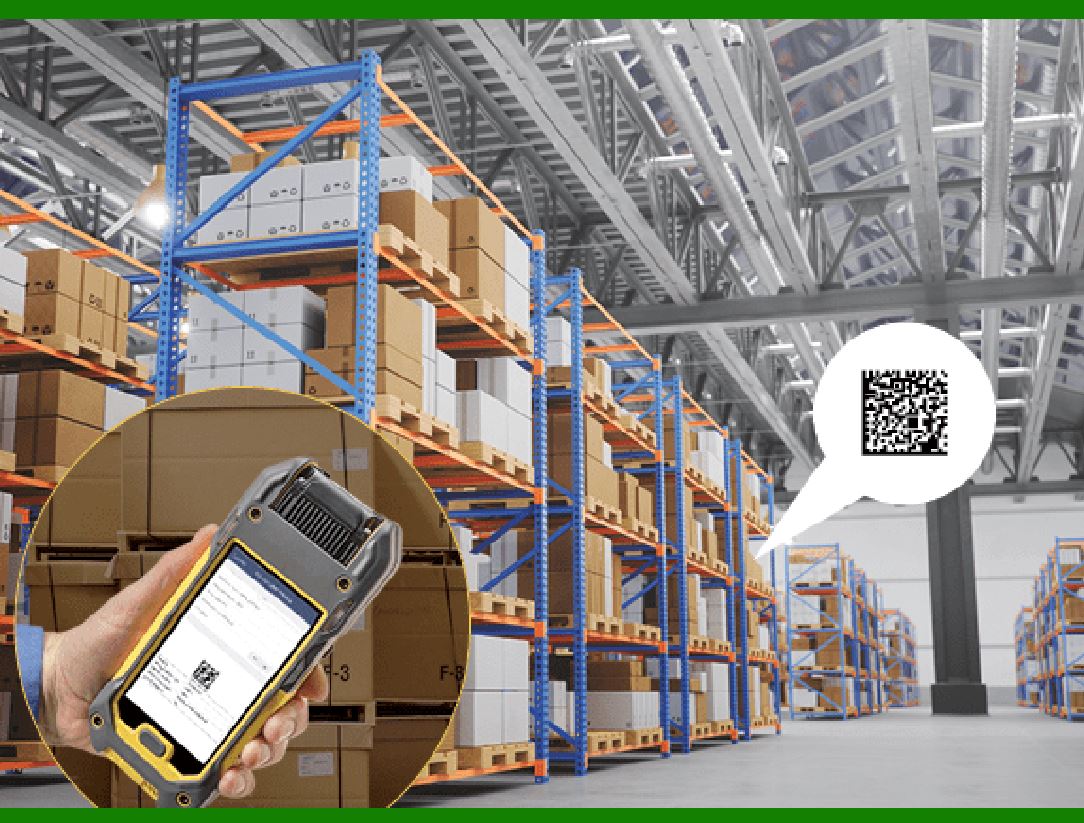
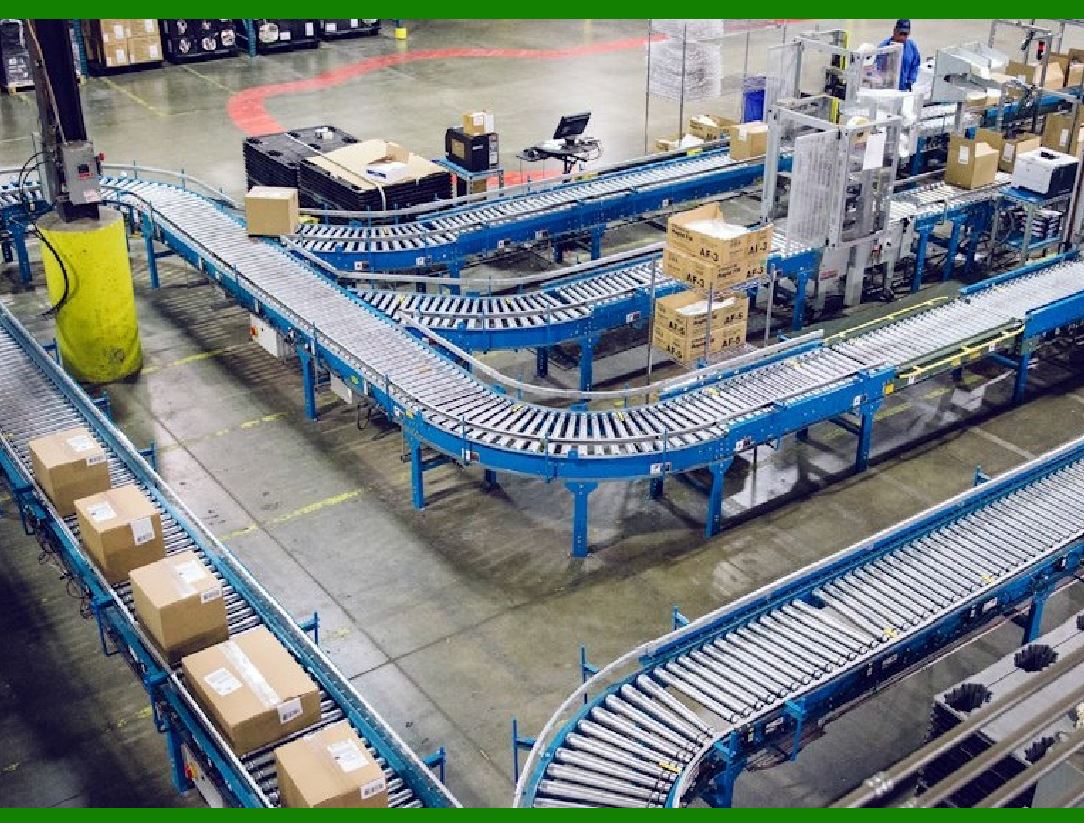
Inventory Management Tracking Raw Materials: Barcodes can be used to track the quantity and location of raw materials, making it easy to monitor stock levels and reorder supplies when necessary. Finished Goods: After production, barcodes help in tracking finished goods through the warehouse, ensuring accurate counts and location tracking. |
|
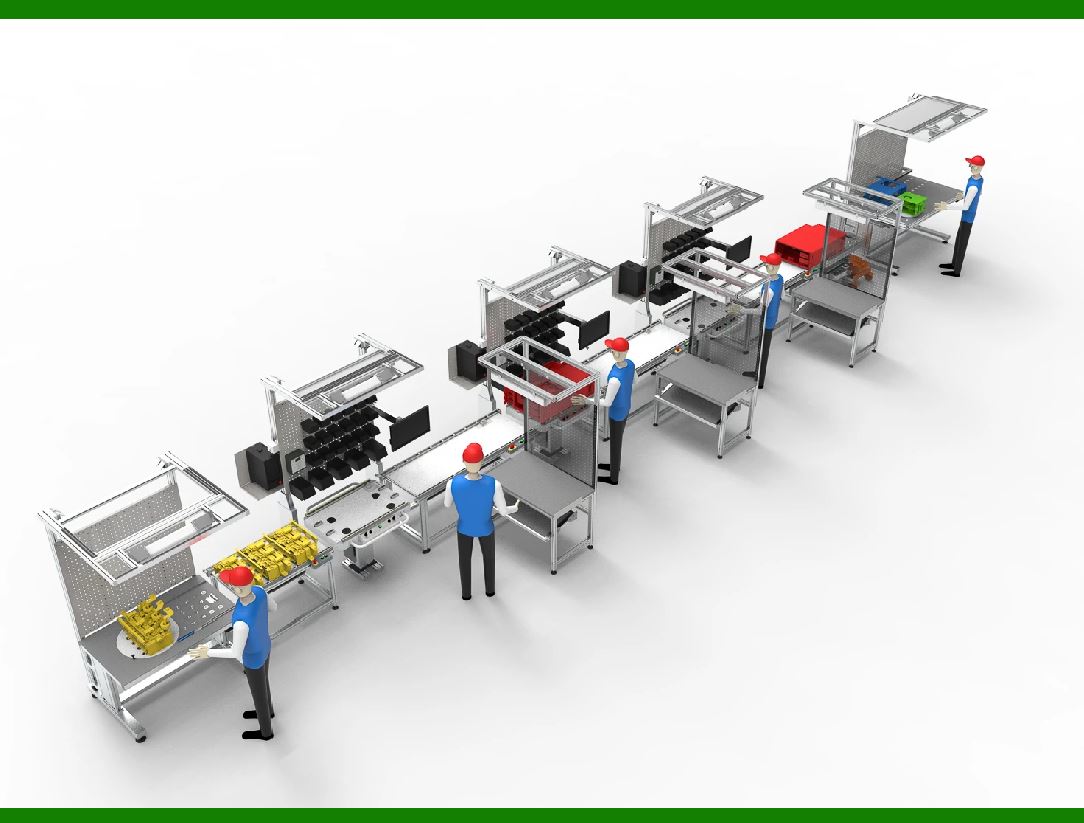
Production Tracking Work-in-Progress (WIP): By tagging items with barcodes at different stages of production, factories can track the progress of each item, identify bottlenecks, and improve workflow efficiency. Quality Control: Barcodes can link products to quality control data, ensuring that any defects are recorded and analyzed promptly. |
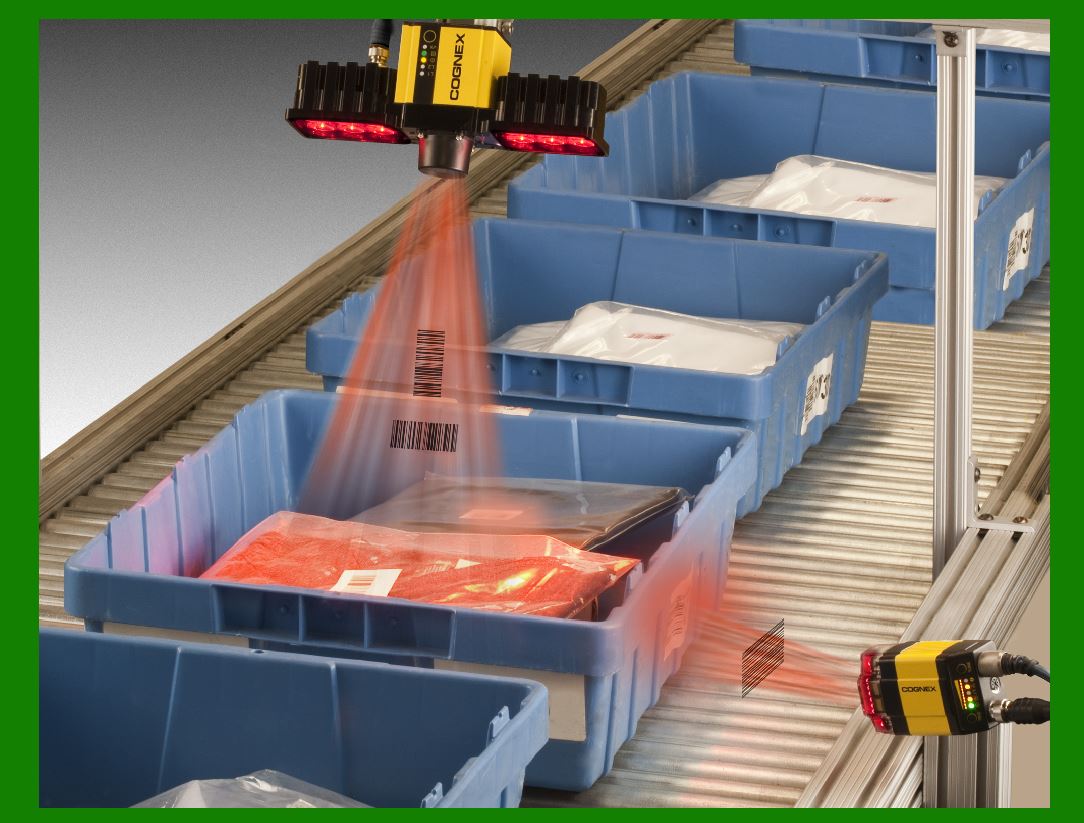
Asset Management Equipment Tracking: Barcodes can be used to manage factory equipment, schedule maintenance, and monitor usage, helping to prolong the life of assets and reduce downtime. Tool Management: Tools can be checked in and out using barcodes, ensuring that the right tools are available when needed and reducing loss or theft. |
|
Employee Tracking Time and Attendance: Employees can use barcode badges to clock in and out, streamlining payroll processes and ensuring accurate attendance records. Task Assignment: Barcodes can be used to assign tasks to employees, providing real-time updates on who is working on what, and tracking productivity. |
2. Benefits |
Improved Accuracy: Barcodes reduce human error in data entry, ensuring more accurate tracking of inventory, production, and assets. |
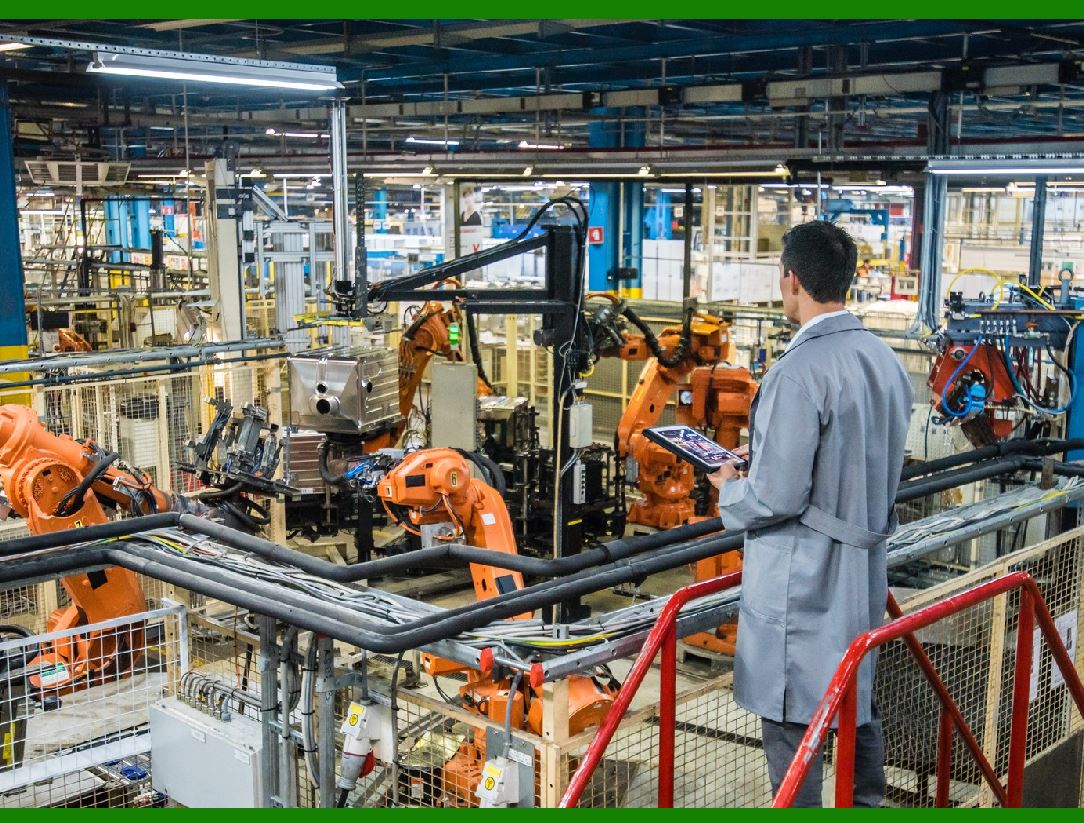
Enhanced Efficiency: Scanning barcodes is much faster than manual data entry, speeding up processes across the factory. |
|
Real-Time Data: Barcodes enable real-time data collection and reporting, providing immediate insights into factory operations and facilitating quicker decision-making. |
Cost Savings: By improving inventory management and reducing errors, factories can save on storage costs, minimize waste, and avoid costly production delays. |
Better Compliance and Traceability: Barcodes help maintain detailed records of production and inventory, which is crucial for regulatory compliance and traceability in case of recalls or audits. |
|
3. Best Practices |
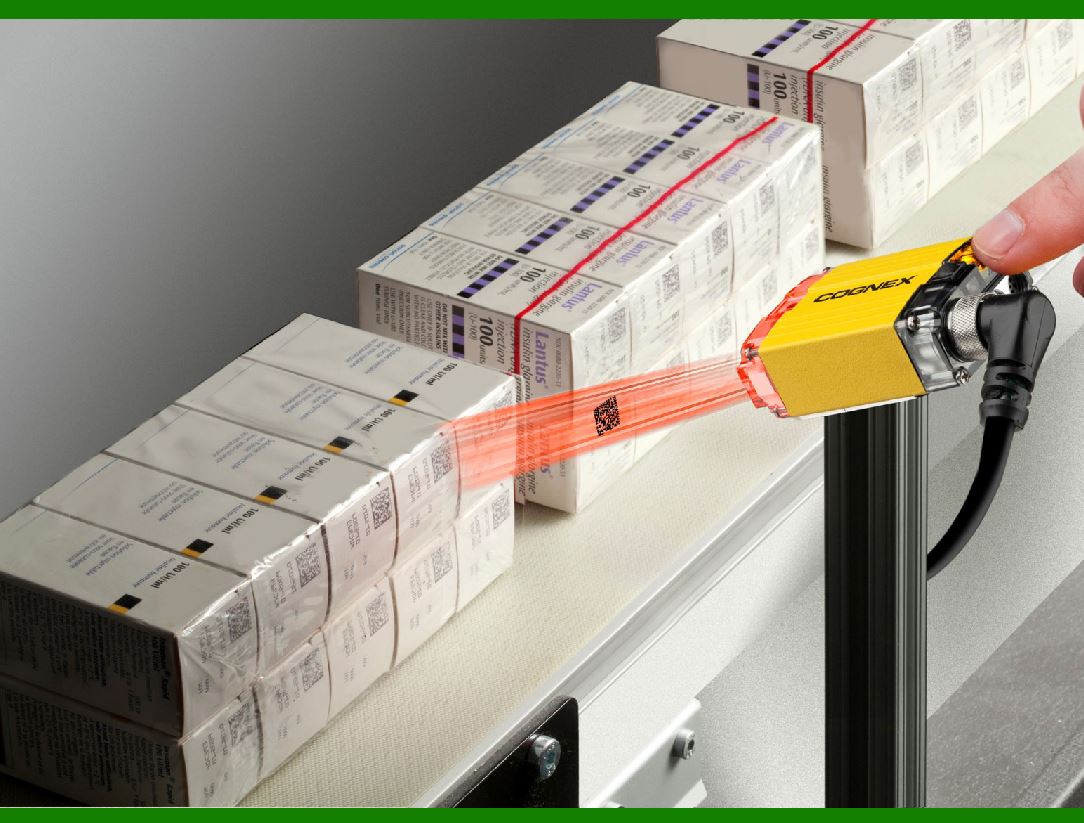
Standardize Barcode Formats: Choose a barcode standard that suits your industry and stick with it for consistency. Common standards include Code 128, QR codes, and UPC. |
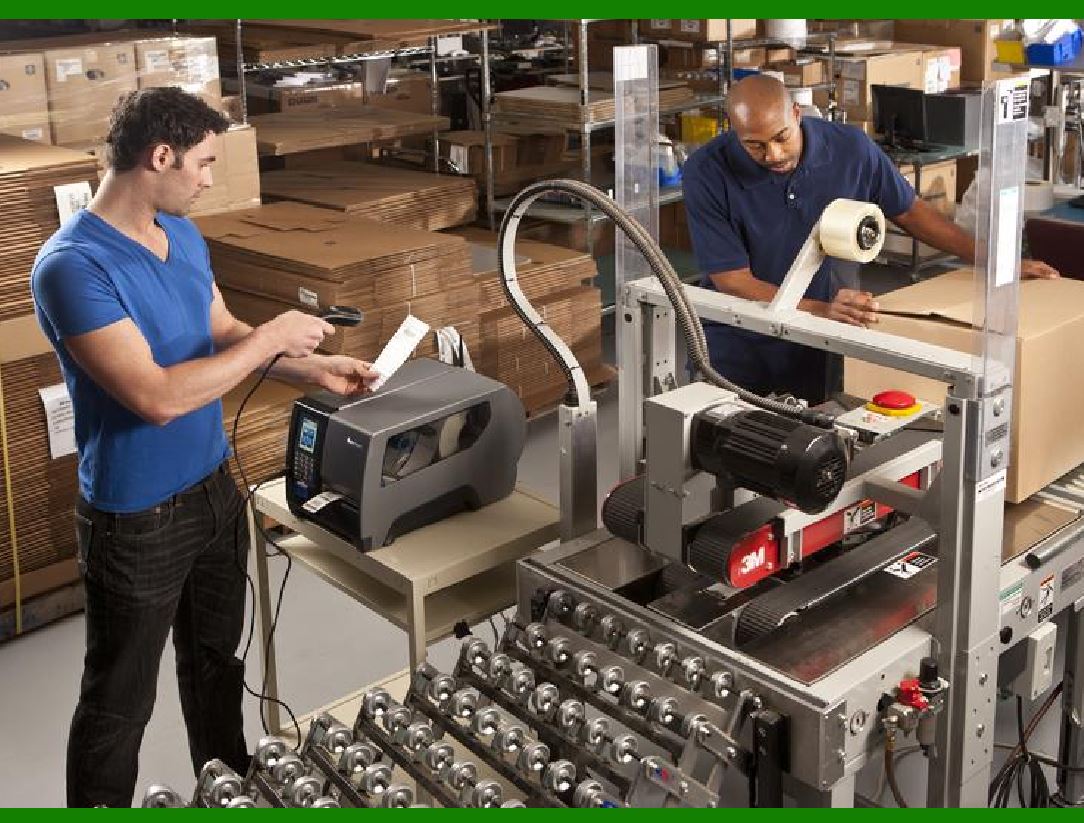
Implement a Robust System: Invest in reliable barcode scanners and software that integrate seamlessly with your existing ERP (Enterprise Resource Planning) or WMS (Warehouse Management System). |
|
Training: Ensure that employees are adequately trained on how to use barcode systems correctly to maximize the benefits. |
Regular Maintenance: Keep barcode printers and scanners in good condition, and regularly update software to prevent disruptions. |
Data Security: Protect the data collected through barcodes by implementing strong cybersecurity measures to prevent unauthorized access. |
|
4. Implementation Steps |
Needs Assessment: Identify the specific needs of your factory and how barcodes can address them. |
Select the Right Technology: Choose the appropriate barcode types, scanners, and software based on your assessment. |
Pilot Testing: Start with a small-scale implementation to test the system and make any necessary adjustments. |
Full-Scale Implementation: Roll out the barcode system across the factory, ensuring all areas are covered. |
Continuous Improvement: Regularly review and refine the barcode processes to adapt to changing needs and technology advancements. |
|
In summary, integrating barcodes into factory management can streamline operations, improve accuracy, and provide valuable insights into production and inventory management. By following best practices and carefully planning the implementation, factories can realize significant benefits from this technology. |
 cs@easiersoft.com