Barcode and Inventory Management |
1. Introduction |
Inventory Management is one of the core links in the supply chain management of enterprises. It involves the whole process management of commodity procurement, inventory, sales and distribution. With the development of information technology, barcodes, as an efficient data collection technology, have been widely used in inventory management. Through barcode technology, enterprises can manage inventory more accurately and quickly, improve operational efficiency, reduce human errors and improve customer satisfaction. |
This article will introduce the relationship between barcodes and inventory management in detail, including the working principle of barcodes, their application in inventory management, the advantages of barcodes, factors to be considered when implementing barcode technology and future development trends. |

|
2. Overview of Barcodes |
A barcode is a graphic symbol that can be read by optical scanning, usually consisting of black stripes of different widths and blank areas. Barcodes convert numbers, letters or other character information into bar patterns through encoding, which can be read by barcode scanners and converted into machine-readable data. There are many types of barcodes, the most common ones are one-dimensional barcodes (such as EAN-13, Code 128) and two-dimensional barcodes (such as QR code, DataMatrix). |

|
3. The role of barcode technology in inventory management |
The role of barcode technology in inventory management is mainly reflected in the following aspects: |
3.1 Product entry management |
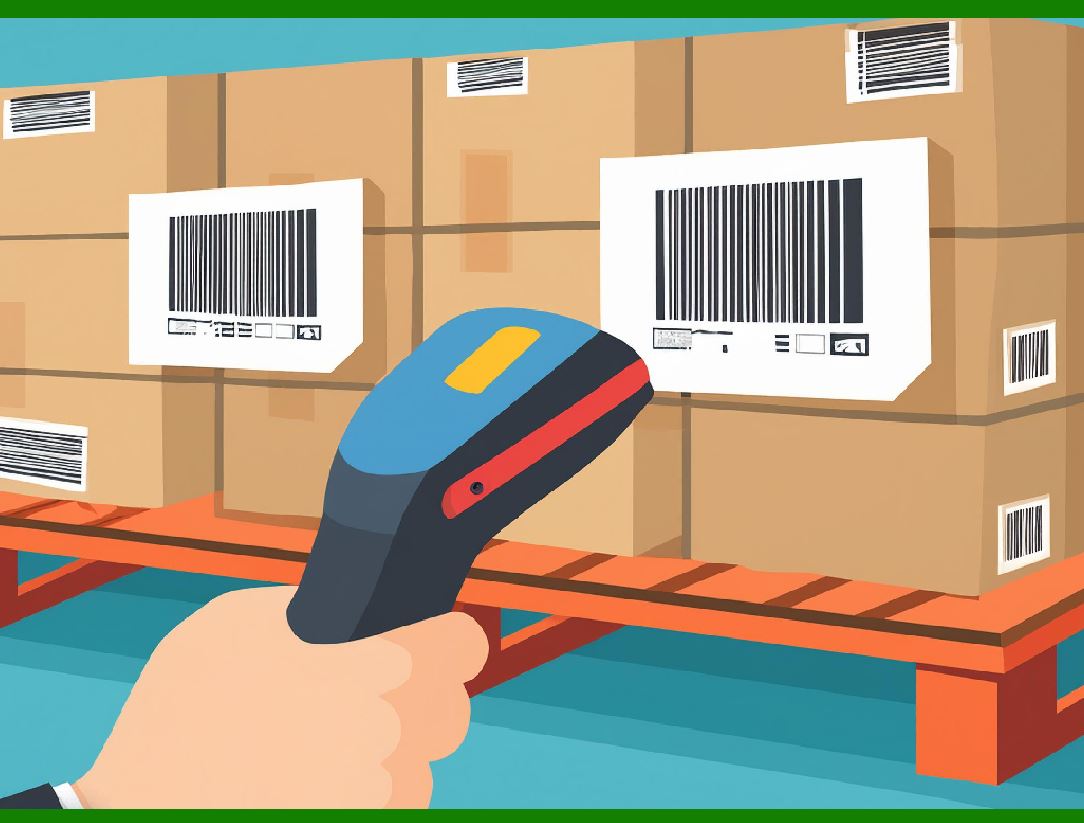
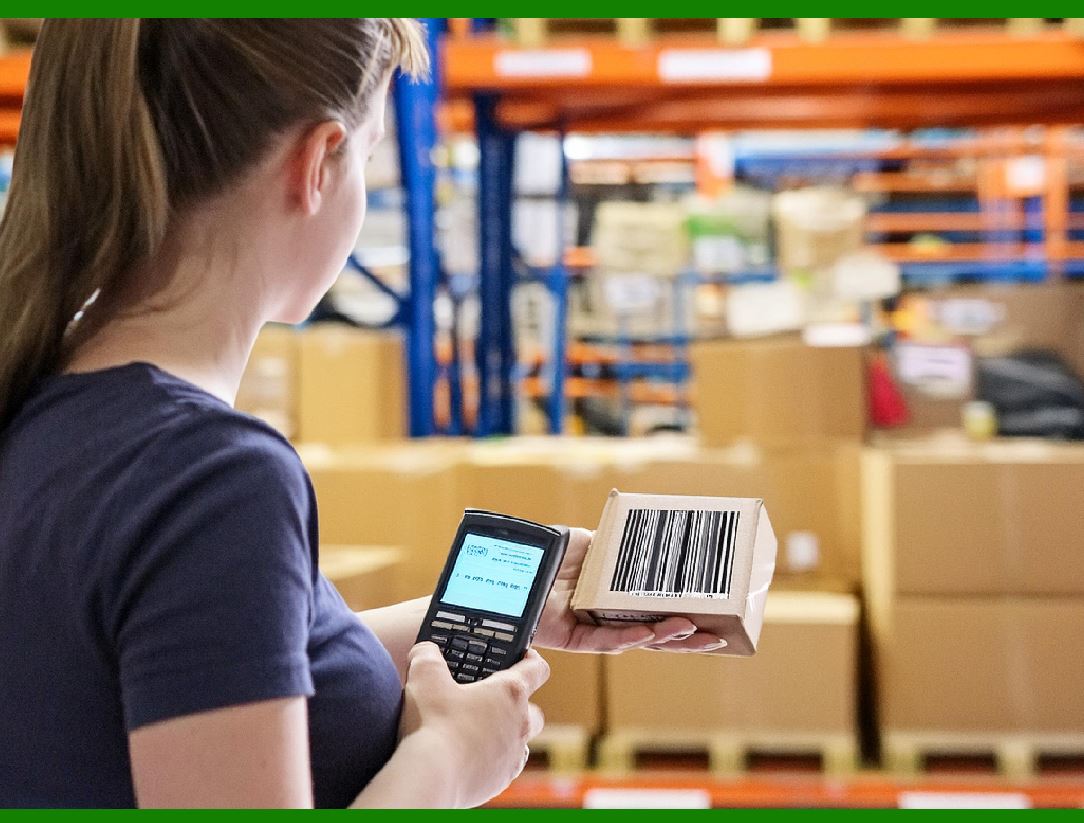
When purchasing or entering the warehouse, the use of barcode technology can realize the automatic entry of product information. The traditional warehouse management method relies on manual data entry, which is not only time-consuming and labor-intensive, but also prone to errors. Use a barcode scanner to scan the barcode on the product, and the system can automatically identify the product information and match it with the inventory management system, so as to quickly complete the entry registration. |
3.2 Inventory management |
Barcode technology is widely used in inventory management. By labeling inventory products with barcode labels, real-time monitoring of inventory products can be achieved. The inventory management system automatically records the quantity, location, batch and other information of the product, and updates it in time when the inventory level changes. Using a barcode scanner, you can quickly count inventory and reduce the errors and workload of manual inventory. |
3.3 Sales Management |
The application of barcodes in the sales process makes commodity sales more efficient. When a customer purchases a commodity, the salesperson only needs to scan the commodity barcode, and the sales system can automatically extract the commodity information, calculate the price, generate the bill and update the inventory data. Barcode technology makes the sales process smoother, reduces human errors, and can quickly complete transactions. |
3.4 Order Management |
In order management, barcode technology can effectively support the automated processing of orders. By scanning the barcode in the order, the system can identify the order content, automatically generate the outbound order, and confirm the delivery of the goods. This automated processing method reduces manual intervention and improves the efficiency and accuracy of order processing. |
|
4. Specific application of barcodes in inventory management |
Barcode technology can not only improve work efficiency, but also provide enterprises with more accurate data support, helping enterprises make more scientific decisions. The following are specific applications of barcodes in inventory management: |
4.1 Accurate inventory control |
The barcode system can accurately manage inventory. By attaching barcodes to each item, the system can track the entry and exit of the goods in real time to ensure the accuracy of inventory data. This plays an important role in avoiding inventory backlogs, out-of-stock or expired goods. |
4.2 Automated inventory counting |
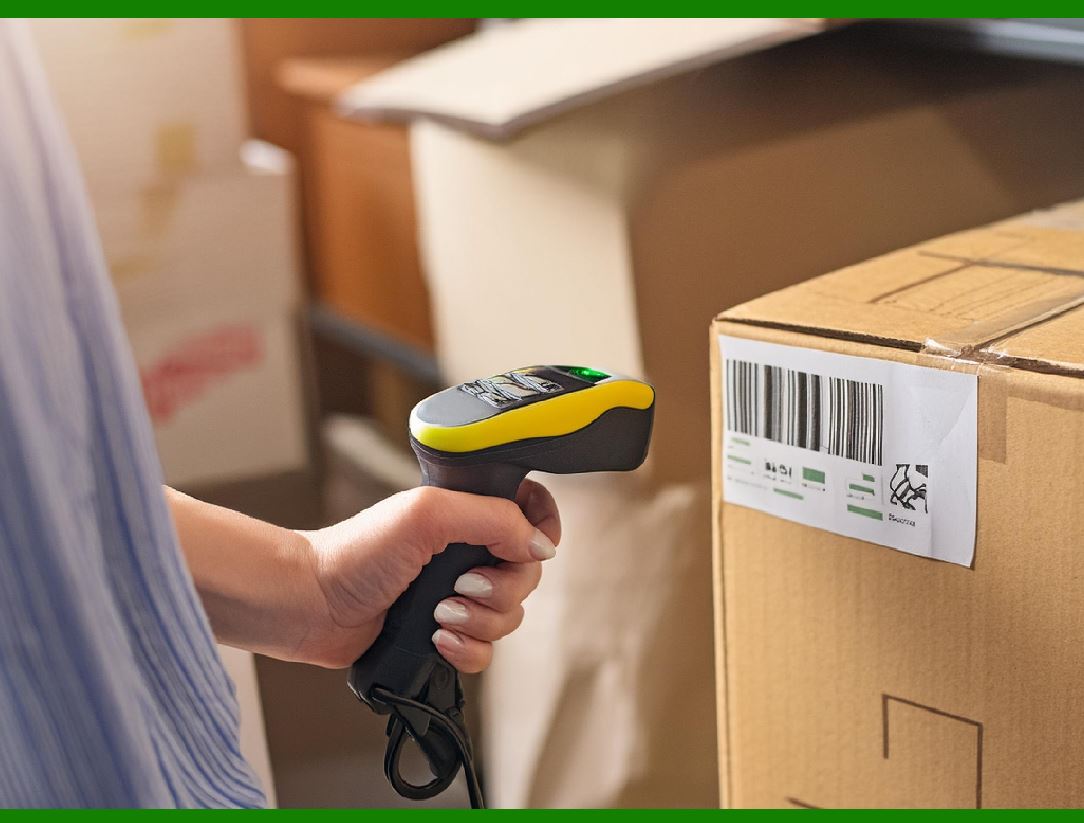
Traditional inventory counting often relies on manual statistics, which is prone to omissions or errors. Barcode technology makes inventory counting more efficient. Operators only need to use a barcode scanner to scan the goods to automatically generate an inventory counting report, which greatly improves the accuracy and efficiency of inventory counting. |
4.3 Quick processing of returns and exchanges |
In the sales process, product returns and exchanges are inevitable. Barcode technology can quickly identify returned goods and process returns and exchanges based on the barcode information of the goods. The system can automatically update inventory data and generate corresponding financial documents, reducing the tediousness of manual processing and the possibility of errors. |
4.4 Real-time tracking of commodity flow |
Barcode technology can provide real-time commodity flow information. Whether it is the purchase, inventory, sale or return of commodities, all transaction records will be entered into the system through barcode scanning. The system can update the flow status of commodities in time and help managers to grasp the latest situation of commodities. |
|
5. Composition of barcode system |
The barcode system consists of multiple components, mainly including barcode labels, barcode scanners and data management software. The following are the functions and roles of each component: |
5.1 Barcode label |
The barcode label is the core part of the barcode system, which carries all the information of the commodity. The barcode label can be generated by a printer, usually including barcode graphics, commodity number, name, specifications, price and other information. The barcode label needs to have strong durability and be able to adapt to different environmental conditions, such as high temperature, humidity, friction, etc. |
5.2 Barcode scanner |
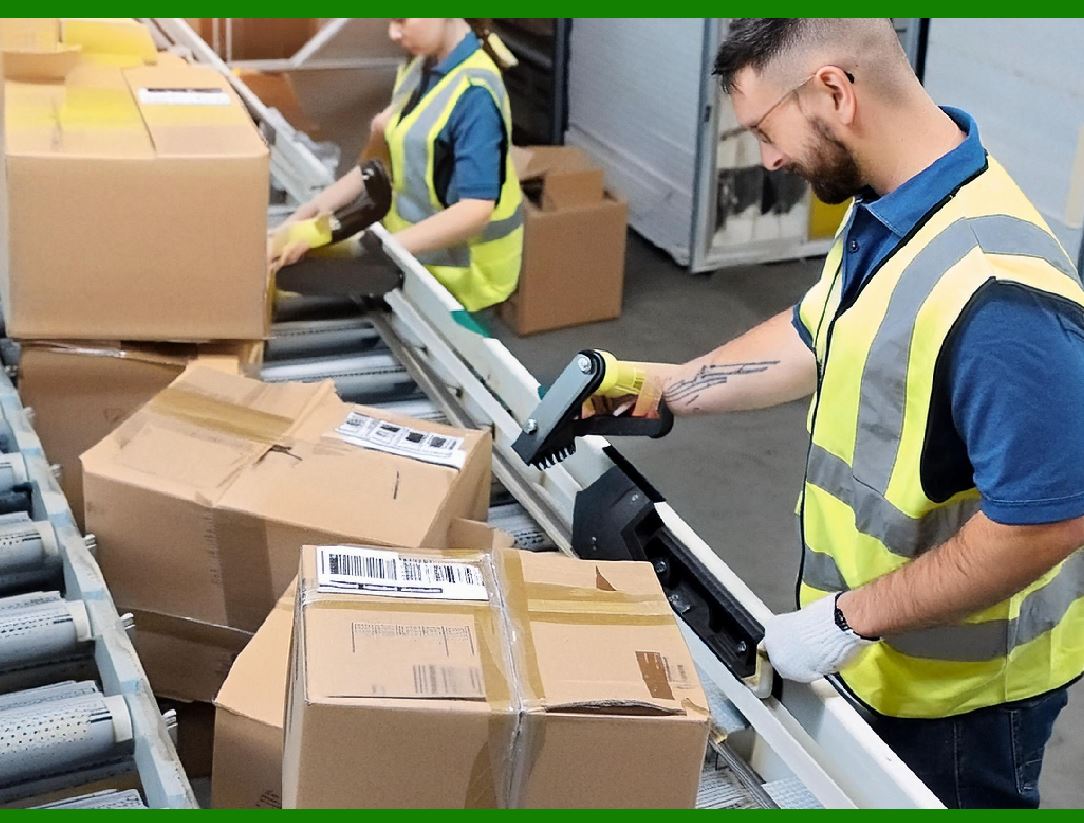
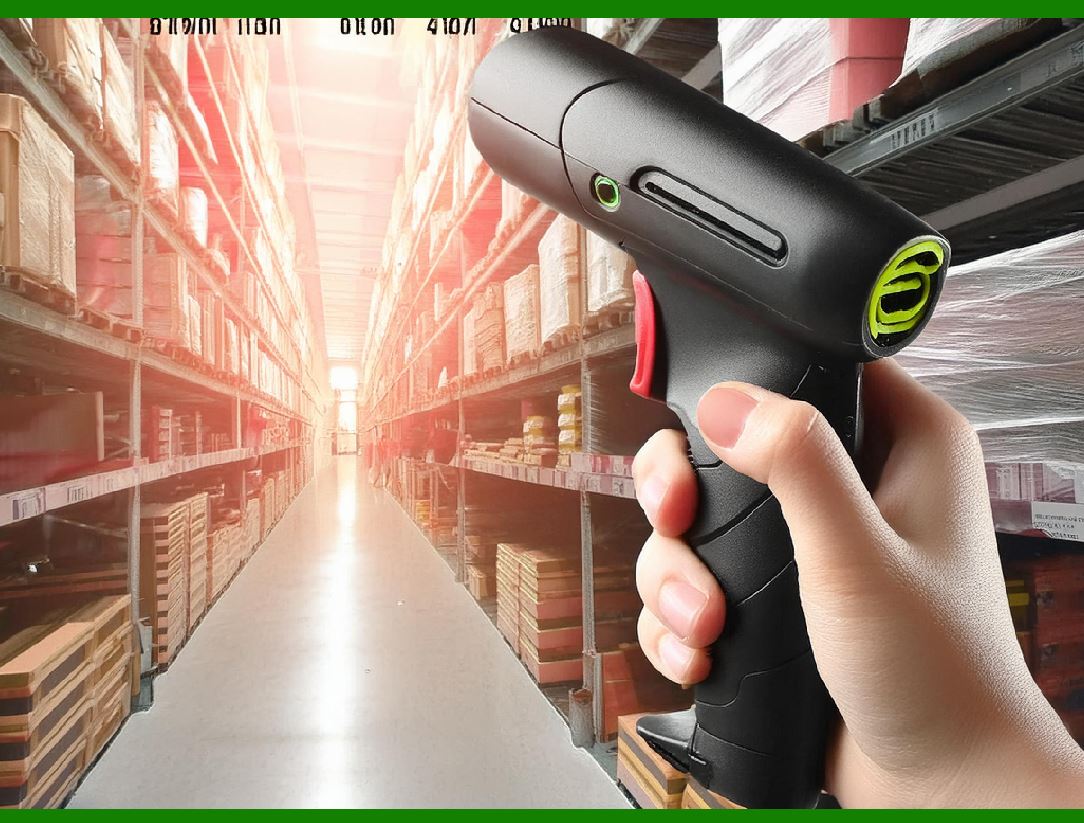
The barcode scanner is a device used to read the information on the barcode label. Common barcode scanners include handheld scanners, fixed scanners, and wireless scanners. The scanner scans the barcode pattern through a laser or CCD sensor, converts it into a digital signal, and transmits it to the computer system for processing. |
5.3 Data management software |
Data management software is an important part of the barcode system. It is responsible for processing the product information transmitted by the barcode scanner and connecting with the company's inventory management system. The software can update inventory data, generate orders, and conduct sales analysis in real time. Common data management software includes ERP systems, WMS systems, etc. |
|
6. Advantages of barcode technology |
The wide application of barcode technology in inventory management has brought many significant advantages: |
6.1 Improve work efficiency |
By automatically scanning barcodes, the barcode system can greatly reduce the time of manual operation. For example, in the process of product warehousing, sales, inventory, etc., barcode scanning replaces manual input, which greatly improves work efficiency. |
6.2 Reduce human errors |
Barcode technology eliminates manual input errors and avoids human negligence, data errors or information omissions through automated data collection and processing. Especially in inventory management, the barcode system can update inventory data in real time, reducing the occurrence of inventory errors. |
6.3 Reduce costs |
The barcode system can reduce labor costs and reduce manual intervention in inventory management and order processing. Through automated processes, companies can effectively reduce management costs and improve operational efficiency. |
6.4 Improve customer experience |
Barcode technology can improve the efficiency of sales links, shorten customer waiting time, and enhance customer experience. Through fast checkout, accurate delivery, timely return and exchange services, it can effectively increase customer satisfaction and loyalty. |
6.5 Provide data support |
The barcode system can generate detailed sales, inventory, order and other data reports to help companies conduct data analysis and decision support. These data not only help with daily management, but also provide strong support for the company's strategic decision-making. |
|
7. Considerations for implementing a barcode system |
Although barcode technology can bring many benefits, companies still need to consider the following factors when implementing a barcode system: |
7.1 System compatibility |
When choosing a barcode system, companies need to ensure that the barcode software is compatible with existing management systems (such as ERP, WMS, etc.) to avoid data inconsistencies or information islands. |
7.2 Barcode standards |
There are many types of barcodes, and companies need to choose the appropriate barcode standard according to their needs. For example, common one-dimensional barcodes are suitable for product coding, and two-dimensional barcodes (such as QR codes) are suitable for storing more information. Choosing the right standard can ensure the efficient operation of the system. |
7.3 Barcode label quality |
The quality of barcode labels directly affects the accuracy and reliability of scanning. The labels need to have properties such as waterproof, oil-proof, and scratch-resistant, and can be used for a long time under various environmental conditions to ensure the long-term validity of the information. |
7.4 Employee Training |
Although the barcode system can simplify operations, employees still need to be trained to ensure that they are familiar with the operating procedures of the barcode system and can use the scanner and process data correctly. |

|
8. Future Development Trends |
With the continuous advancement of technology, the application of barcode technology in inventory management will continue to develop. Possible future trends include: |
8.1 Integration with the Internet of Things (IoT) |
The rise of IoT technology enables barcode systems to connect with various smart devices, collect product data in real time, and conduct more accurate inventory management. For example, through smart shelves, sensors and other equipment, the in and out information of goods can be uploaded to the cloud in real time for data analysis and prediction. |
8.2 Unmanned Warehouses |
The development of unmanned warehouses has enabled the combination of barcode technology and automated equipment (such as automated stackers and robots) to further improve the efficiency and accuracy of inventory management. In this environment, barcodes are not only a tool for product identification, but may also become an important part of the automated control system. |
8.3 Combination of Augmented Reality and Barcode |
Augmented Reality (AR) can be combined with barcode systems to provide users with a more intuitive display of product information. In inventory management, product traceability and other links, employees can view detailed information of products through AR devices to further improve work efficiency. |
|
9. Conclusion |
The application of barcode technology in inventory management has undoubtedly greatly improved the operational efficiency and accuracy of enterprises. Through barcode technology, enterprises can achieve accurate tracking and real-time inventory management of goods, optimize supply chain processes, reduce costs and improve customer experience. With the continuous development of barcode technology, its application prospects in inventory management will also be broader. |
|
Some practical cases of barcode and inventory management. |
The following are several practical cases of barcode and inventory management applications, covering the actual operations of different industries and enterprises, showing how barcode technology can effectively improve inventory management, sales efficiency and overall operation optimization. |
1. Walmart - Barcode Application of Global Retail Giant |
Walmart is one of the largest retailers in the world, and its inventory management system is deeply driven by barcode technology. Walmart applies barcode technology in more than 11,000 stores around the world to achieve efficient management and inventory control of goods. |
Application method: |
Product scanning: All products are affixed with barcode labels, and employees quickly scan the products through barcode scanners and automatically enter them into the inventory management system. |
Automatic inventory update: Whenever a sale occurs, the barcode scanner automatically updates the inventory information to ensure accurate and real-time inventory. |
Fast checkout and cashier: When customers check out, the cashier scans the products through the barcode for fast settlement. The barcode system not only helps to quickly scan the products, but also automatically applies promotions and discounts to reduce manual operation errors. |
Accurate inventory and logistics management: Walmart uses barcode technology to conduct regular inventory counts, quickly completes inventory counts through mobile scanning devices, and updates the database in real time to ensure the accuracy of inventory. |
Results: |
Improved operational efficiency: The use of barcodes makes the purchase, sales and inventory management of goods more efficient, reducing manual operations and error rates. |
Reduce inventory differences: The inventory management system can update inventory information in real time, reduce inventory differences caused by manual errors, and optimize supply chain management. |

|
2. Amazon--Barcode Application in E-commerce and Warehouse Management |
Amazon is one of the world's largest online retailers. Its huge variety of goods and complex warehouse system make barcode technology play a vital role in its purchase, sales and inventory management. |
Application method: |
Product labeling and scanning: In Amazon's warehouse, each product will be affixed with a barcode label, and warehouse staff use barcode scanners to receive, store, pick and pack goods. |
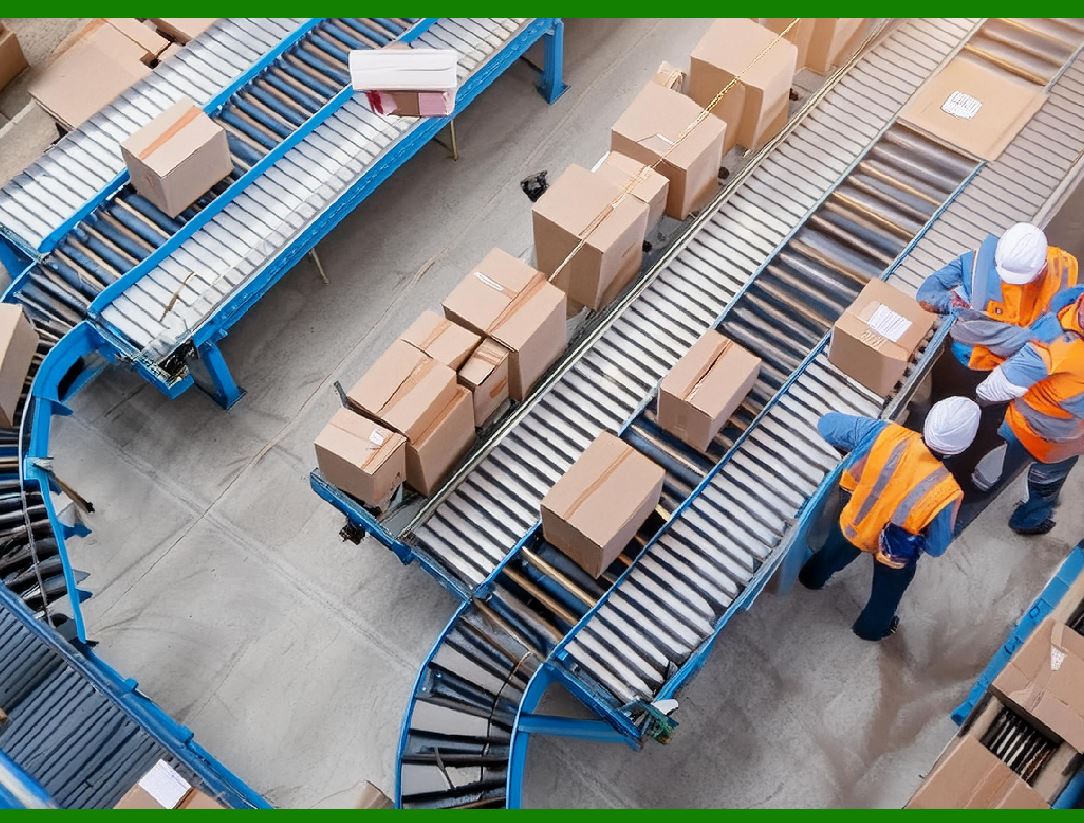
Automated sorting system: Amazon combines barcode technology with an automated robot system. After the goods are scanned in the warehouse, they are automatically guided to the correct location to ensure the accuracy and efficiency of sorting. |
Fast delivery and logistics tracking: Through barcode technology, Amazon can achieve real-time tracking of goods. Once a customer places an order, the system will immediately start picking, packaging and shipping according to the inventory situation, and all processes are tracked and recorded through barcodes. |
Results: |
Improved warehouse efficiency: The combination of barcodes and automated sorting systems makes warehouse management more efficient and inventory updates more timely. |
Accelerated order processing speed: The automation of order processing has been improved, reducing manual intervention and responding to customer needs quickly. |
Reduced error rate: Barcode scanning can effectively reduce manual errors and ensure accurate delivery of goods. |

|
3. Carrefour--Barcode Application in the Retail Industry |
As a world-renowned large supermarket chain brand, Carrefour widely uses barcode technology for product management and supply chain optimization in its global stores. |
Application method: |
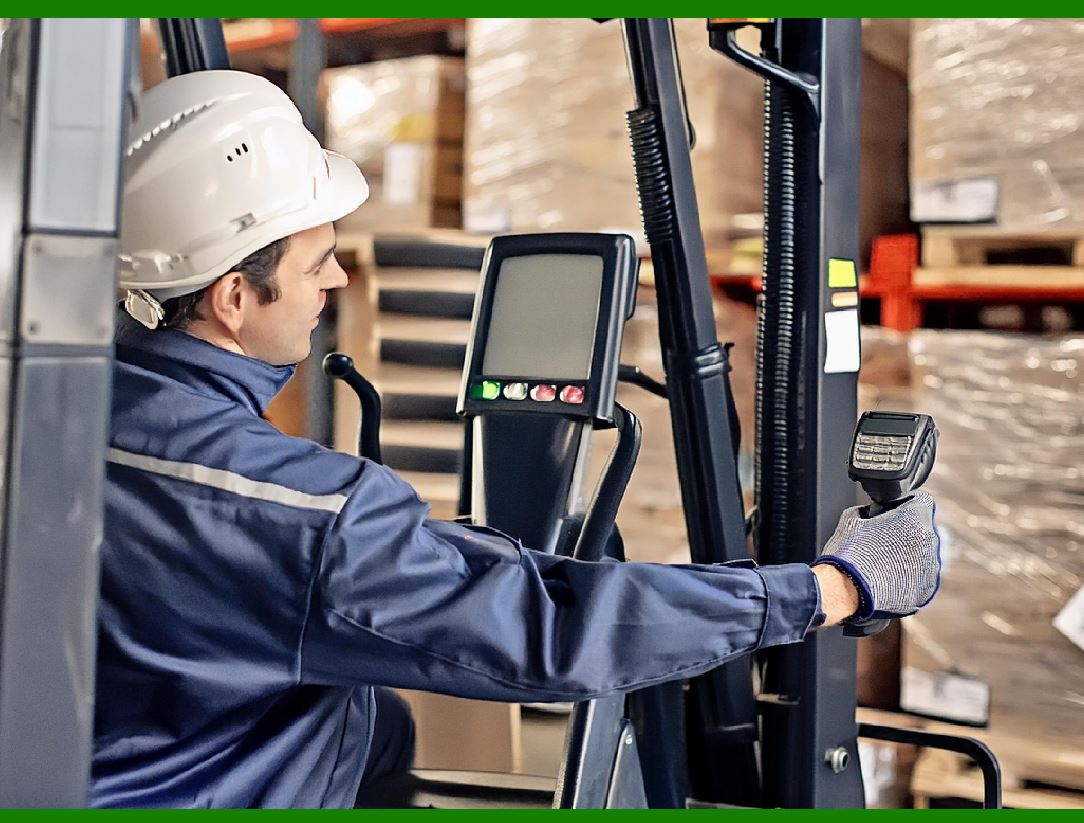
Product warehousing management: After all goods arrive, warehouse staff scan the barcode for warehousing registration, and the system will automatically update the inventory to avoid omissions or errors during manual registration. |
Shelf management and replenishment: Store employees can quickly check the inventory of goods on the shelves by scanning the product barcodes and replenish them in time. The system will predict the demand for goods based on sales data to ensure that the shelves are fully stocked. |
Promotion and inventory promotion management: Barcode technology helps Carrefour to quickly manage promotional goods. By scanning the product barcodes, it can easily mark special prices for promotional goods, automatically update prices, and simplify the sales process. |
Results: |
Optimized inventory management: Barcode technology helps Carrefour achieve more accurate inventory control and avoid out-of-stock or expired goods. |
Improved replenishment efficiency: Barcode scanning can quickly find inventory locations and confirm replenishment needs, improve store replenishment efficiency, and reduce inventory backlogs. |
|
4. Haier - Barcode Application in Manufacturing |
Haier is one of the world's leading home appliance manufacturers. Its products are managed using barcode technology from raw material procurement, production process, warehouse management to final sales. |
Application: |
Raw material management: Haier manages raw materials through barcodes to ensure that all raw materials entering the factory can be registered by scanning barcodes and synchronized with the production plan. |
Barcode management on the production line: On the production line, each component of the product will be labeled with a barcode. During the production process, workers scan the barcode to confirm the production steps and quality inspection status to ensure that the product meets the standards. |
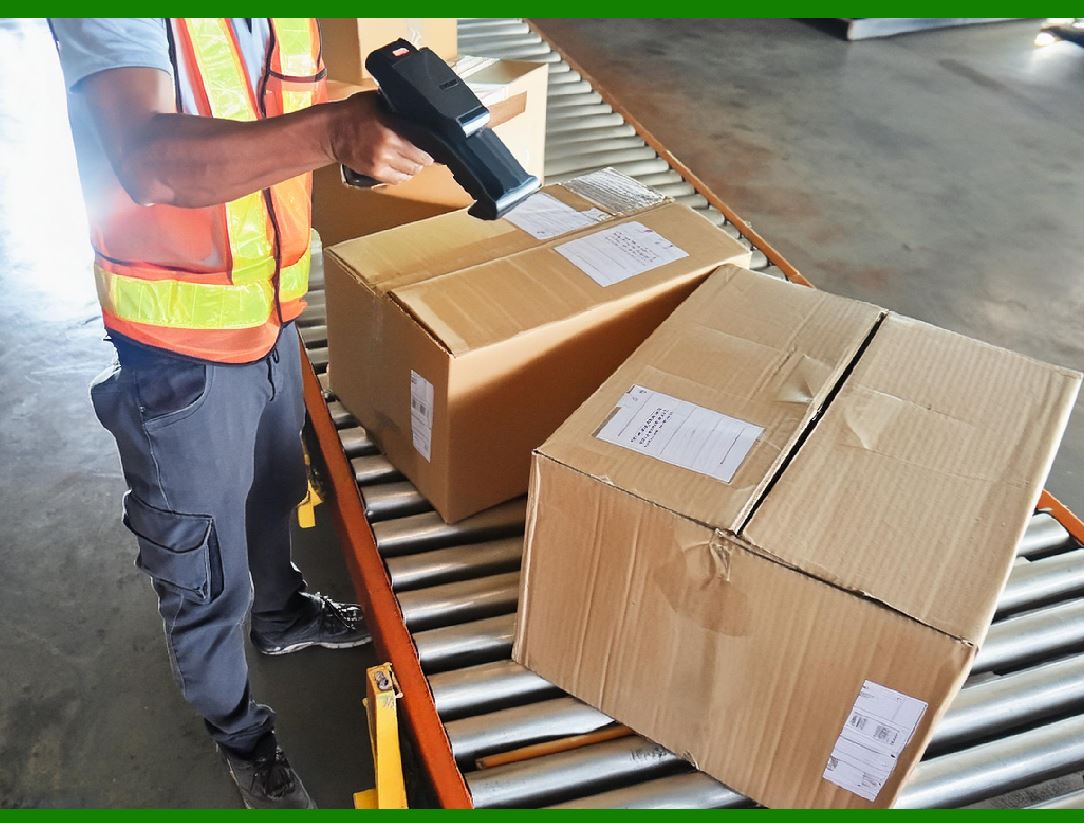
Product delivery and logistics distribution: Each product shipped by Haier is labeled with a barcode. When the product is shipped, the logistics department uses a scanner to confirm the product information and conduct logistics distribution. |
Results: |
Improve production efficiency: Through barcode technology, Haier can accurately track the production process, ensure that every link on the production line is completed on time, and reduce stagnation and errors in the production process. |
Reduce inventory management costs: The implementation of the barcode system makes the inventory management of raw materials, semi-finished products, and finished products more accurate, avoiding inventory backlogs and inventory differences. |
Improve product quality control: Barcode scanning during the production process can effectively ensure product quality and prevent the spread of quality problems. |
|
5. Philips--Barcode Application in the Medical Device Industry |
In Philips' application in the field of medical devices, barcode technology is used to improve the efficiency of equipment management, spare parts inventory and after-sales service. |
Application: |
Equipment warehousing and tracking: Philips' medical device products are affixed with barcode labels during production, transportation and storage. Each device is registered for warehousing through barcode scanning, and the system can record the storage location and status of the device in real time. |
Spare parts management: Philips uses barcode technology to manage the spare parts inventory of medical equipment. By scanning the spare parts barcode, it ensures the accuracy of the spare parts inventory and quickly retrieves the required accessories during the equipment maintenance process. |
After-sales service: During the product repair and maintenance process, after-sales personnel can obtain the equipment's maintenance records, fault history and repair status by scanning the barcode on the equipment, which improves the efficiency and quality of the repair service. |
Results: |
Improved maintenance efficiency: Through barcode scanning, Philips can quickly obtain product information and accelerate the after-sales repair process. |
Improve inventory management accuracy: Barcode technology helps Philips achieve accurate inventory control in spare parts management, reducing inventory shortages and backlogs. |
Optimize equipment management: The barcode tracking system for equipment and accessories improves the transparency and traceability of equipment management. |

|
Summary |
Barcode technology has become a key tool in the purchase, sales and inventory management of various industries. Whether it is the retail industry, manufacturing industry or medical device industry, barcodes play a vital role in commodity warehousing, inventory management, sales settlement and logistics distribution. Through automated barcode scanning, not only the management efficiency and accuracy are improved, but also human errors are reduced, costs are reduced, and customer experience is enhanced. With the continuous development of technology, the application of barcode systems will become more extensive and become an indispensable part of enterprise operation management. |
 cs@easiersoft.com