1. Introduction to Barcode Labeling in Manufacturing |
Barcode labeling plays a crucial role in manufacturing, distribution, and retail. The ability to quickly identify products using unique barcode identifiers streamlines processes, ensures accuracy in tracking, and supports inventory management systems. Traditionally, barcode labels are printed on roll paper, which can present challenges during the labeling and application process. One of the significant issues is the sequential order of the labels, which may not align with the order of products needing labeling. This can slow down workflows, increase the chance of errors, and reduce efficiency. |
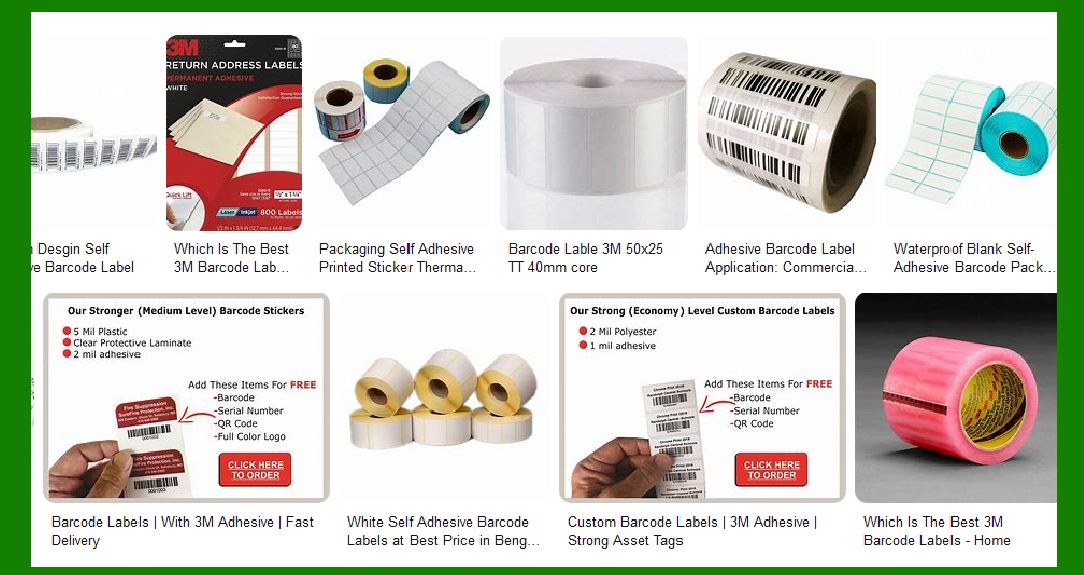
A Barcode Label Book Generator is a tool designed to address these issues by transforming the way barcode labels are printed and applied. Rather than printing barcode labels sequentially on roll paper, this system prints labels directly onto A4 or Avery label sheets, providing a more structured and organized approach. Each label is placed on a separate page, making it easier to find and apply the correct label to the corresponding product. |
|
2. The Problem with Sequential Barcode Labels on Roll Paper |
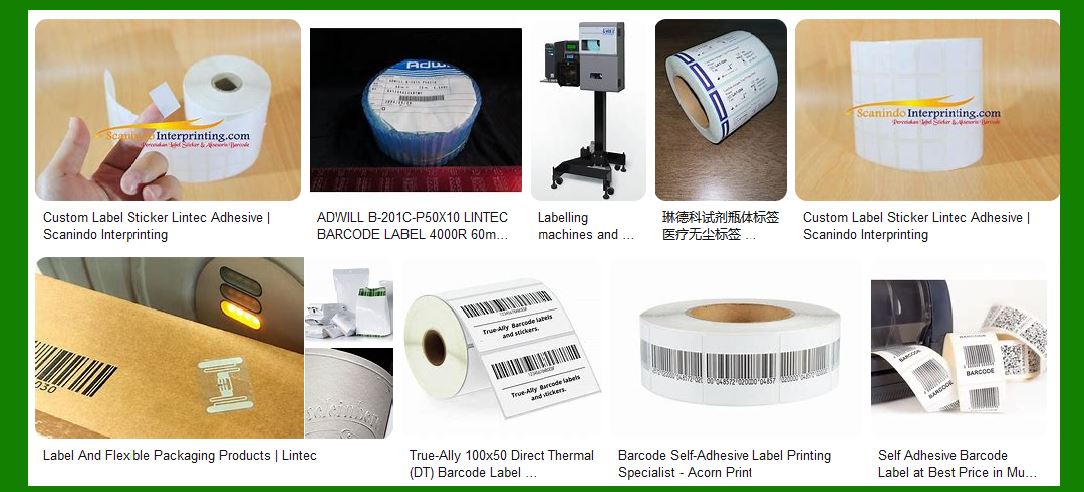
In traditional barcode labeling systems, labels are often printed on continuous rolls of paper. These labels are typically arranged in sequential order. However, when the actual products to be labeled are not sorted in numerical order, this can create significant challenges. |
Key Problems with Roll Paper Barcodes: |
Difficulty in Sorting: Since the labels are printed in a continuous sequence, workers need to manually search through the roll to find the label with the correct number. This is time-consuming and can cause delays in the production process. |
Increased Chances of Errors: When workers are searching for labels on a roll, they might mistakenly apply the wrong label to a product, leading to incorrect tracking, which can create serious issues for inventory and logistics. |
Inefficient Workflow: The continuous nature of the roll makes it difficult to handle the labels efficiently. The constant unwinding and rolling of the paper can also lead to physical damage to the labels, and finding the right one in a long sequence can be exhausting. |

|
3. The Solution: Barcode Label Book Generator |
A Barcode Label Book Generator addresses these challenges by allowing manufacturers to print barcode labels on individual sheets (such as A4 or Avery label paper), rather than continuous rolls. This allows each label to be printed on a separate page, making it easier to locate and apply the correct barcode to the right product. The solution transforms the barcode label printing process, making it both efficient and error-resistant. |
How It Works: |
Customization of Labels: Users can customize the barcode labels according to their requirements. This includes selecting the barcode format, data to be encoded (such as product identifiers, SKU numbers, serial numbers), and label design. |
Generation of Label Book: Once the label design is customized, the software generates a ¡°label book¡± by organizing the labels in a structured format on A4 or Avery label sheets. Each page contains a fixed number of labels, all with unique numbers. |
Label Book Format: The generated label book is formatted so that each page has clear references to the label numbers (such as page numbers or index numbers). This ensures that the user can quickly locate the label needed for each product. |
Printing the Label Book: The user can print the label book on A4 or Avery sheets, which are then cut and organized. Each page of the book contains a specific set of labels arranged in an organized, easy-to-follow manner. |

|
4. Detailed Features of Barcode Label Book Generator |
The Barcode Label Book Generator comes with a set of powerful features designed to simplify the labeling process and improve workflow efficiency. These features include: |
Customizable Barcode Formats: |
The software supports multiple types of barcodes such as Code 128, QR Codes, EAN-13, UPC-A, and others. |
Users can choose to print barcodes with embedded product data, serial numbers, or any custom data that the business requires. |
Flexible Label Layouts: |
The software provides flexibility in choosing the number of labels per page (e.g., 6, 8, or 12 labels per A4 sheet). |
This allows users to optimize the label book layout based on their specific needs and printing equipment. |
Page Numbering and Indexing: |
The label book is generated with page numbers or index references so that workers can quickly locate the right label. This helps streamline workflows by enabling workers to easily match products with the correct label. |
Data Import Options: |
The software often allows users to import data from external sources, such as Excel spreadsheets or CSV files. This ensures that barcodes can be easily generated for a large batch of products. |
Error Handling and Validation: |
The generator typically includes features to detect any potential errors, such as duplicate barcode numbers, missing data, or invalid formats, ensuring that the generated labels are always accurate and reliable. |
Preview Mode: |
Before printing, users can preview the layout of the barcode label book. This ensures that the labels are correctly arranged on the page, reducing the risk of printing errors. |
|
5. Applications of the Barcode Label Book Generator |
The Barcode Label Book Generator is widely applicable across various industries where efficient and accurate labeling is necessary. Here are a few key areas where this tool is particularly beneficial: |
Manufacturing: |
In manufacturing, products often need to be labeled with unique barcodes for tracking and identification. The label book generator simplifies this by organizing the labels on separate pages, making it easy for workers to find and apply the correct label to each item. |
Warehousing and Inventory Management: |
In warehouses, where large quantities of products are handled, having a clear and easy-to-use labeling system is crucial. The barcode label book allows warehouse workers to quickly locate labels corresponding to products, reducing search time and preventing errors during inventory checks. |
Retail: |
Retailers can use the label book generator to prepare product labels ahead of time. This system is especially useful during inventory stock-taking or when new shipments of products arrive. It ensures that the correct labels are applied to products for pricing, identification, and scanning purposes. |
Logistics and Supply Chain: |
In logistics, barcode labels are essential for tracking shipments and packages. The barcode label book helps ensure that each item in a shipment has the correct label, facilitating smooth and accurate tracking through the supply chain. |
Pharmaceuticals: |
The pharmaceutical industry often requires strict labeling for products, including batch numbers, expiration dates, and serial numbers. The barcode label book generator ensures that each medication is labeled correctly and quickly. |

|
6. Benefits of Using a Barcode Label Book Generator |
The Barcode Label Book Generator brings several benefits to the table, making it an attractive choice for industries that rely on barcode labeling. These benefits include: |
Increased Efficiency: |
By organizing the labels on individual pages, workers can easily find and apply the correct label, speeding up the labeling process and reducing downtime. |
Improved Accuracy: |
The structure of the label book ensures that labels are applied to the correct products, minimizing the chances of human error. This is especially important in environments where product tracking is crucial. |
Better Workflow Management: |
The reference system in the label book ensures that workers spend less time searching for labels and more time focusing on other tasks, improving overall workflow efficiency. |
Cost-Effective: |
Printing on A4 or Avery label sheets reduces waste compared to printing on continuous rolls. Additionally, the ability to generate and print a batch of labels at once minimizes labor costs associated with manual labeling. |
Easy Integration with Existing Systems: |
Many barcode label book generators offer integration options with existing inventory management, ERP, or CRM systems, allowing seamless data transfer and synchronization. |

|
7. Conclusion |
In conclusion, a Barcode Label Book Generator is a highly effective solution to improve the efficiency and accuracy of product labeling in a variety of industries. By allowing barcode labels to be printed on individual sheets with organized page references, the system significantly reduces search time, minimizes errors, and improves workflow efficiency. Whether in manufacturing, warehousing, retail, or logistics, the barcode label book generator is a valuable tool that helps businesses manage their products more effectively. |
With its customizable features, ability to handle large batches of labels, and seamless integration with other business systems, this tool offers a comprehensive and reliable solution for modern labeling needs. |

|
Benfit of the barcode technology bring to inventory management. |
Barcode technology has revolutionized inventory management, offering a wide range of benefits that enhance the accuracy, efficiency, and overall effectiveness of managing stock in various industries. Here¡¯s a comprehensive breakdown of the key benefits barcode technology brings to inventory management: |
1. Increased Accuracy |
One of the primary benefits of barcode technology is the significant improvement in inventory accuracy. Manual data entry is prone to errors due to human mistakes, such as typos or misreading of information. Barcodes eliminate these risks, allowing for automated data capture through scanners, which ensures that the correct product information is recorded every time. |
Key Points: |
Elimination of human error: Scanning barcodes eliminates manual errors that occur during data entry. |
Real-time tracking: Barcodes allow for real-time inventory tracking, ensuring that records are always up-to-date. |
2. Improved Speed and Efficiency |
With barcode technology, the time required to check, track, and update inventory is drastically reduced. Manual stock counts can take hours or even days, especially in large warehouses. Barcode scanning enables employees to process data much faster, simply by scanning an item¡¯s barcode. This speeds up tasks like stock-taking, receiving, shipping, and product picking. |
Key Points: |
Faster stock taking: Inventory audits can be completed in a fraction of the time. |
Streamlined workflows: Barcode scanning speeds up processes like order fulfillment, product restocking, and inventory checks. |

|
3. Cost Reduction |
By automating various inventory management tasks, barcode technology helps companies cut operational costs. Reduced labor time, fewer errors, and less stock wastage all contribute to significant savings. |
Key Points: |
Reduced labor costs: Less time spent on manual tracking and stock checks means fewer labor hours are needed. |
Lower error rates: The reduced number of mistakes reduces the need for corrections, returns, or loss due to incorrect stock levels. |
4. Better Inventory Control and Visibility |
Barcode systems provide real-time data about stock levels, which is crucial for maintaining accurate inventory counts. This helps in preventing overstocking or stockouts and ensures that managers have a clear view of their inventory at all times. The ability to instantly check inventory status helps companies to optimize stock levels, plan reordering, and reduce inventory holding costs. |
Key Points: |
Real-time updates: Barcode systems can instantly reflect changes in inventory after sales or restocking. |
Enhanced decision-making: Having accurate, real-time data allows managers to make better inventory management decisions, such as when to reorder or adjust stock levels. |
|
5. Increased Productivity |
By automating inventory processes, barcode technology significantly increases employee productivity. Barcode scanners are much faster than manual data entry, allowing workers to focus on higher-value tasks rather than performing repetitive manual checks. This results in smoother operations and faster turnaround times, especially in busy warehouses. |
Key Points: |
Fewer manual tasks: Employees spend less time on repetitive tasks like writing down inventory counts. |
Faster product picking and shipping: Barcodes facilitate quicker order picking and product shipping, improving overall turnaround times. |
6. Enhanced Traceability and Tracking |
Barcodes provide excellent traceability for products throughout their entire lifecycle. From the moment a product is received in a warehouse to the time it is shipped to a customer, every transaction involving the product can be tracked with a barcode. This is particularly important for industries that require compliance with regulations, such as pharmaceuticals, food, and electronics. |
Key Points: |
Detailed history: Barcode systems can keep track of product movement from receipt to shipment, enabling full traceability. |
Regulatory compliance: Barcodes help ensure that products meet industry standards and regulations by providing accurate and auditable data. |
|
7. Simplified Stock Replenishment |
Barcode technology improves the replenishment process by making it easier to monitor stock levels in real-time. When inventory levels fall below predefined thresholds, automated alerts can notify managers to reorder products, thus preventing stockouts and ensuring that supply is consistent. |
Key Points: |
Automatic reorder triggers: Barcode systems can be set to trigger reorder notifications when stock levels dip below a specific threshold. |
Preventing stockouts: Ensures that products are always available when needed, preventing lost sales or disruptions in service. |
8. Better Customer Service |
By using barcode technology, companies can more efficiently track their inventory, leading to better product availability and faster order fulfillment. Customers benefit from quicker shipping times, accurate stock levels, and fewer instances of backorders. |
Key Points: |
Faster order fulfillment: Orders can be processed and shipped quickly thanks to barcode tracking. |
Accurate stock visibility for customers: Customers receive accurate information on product availability, which improves their shopping experience. |
|
9. Improved Reporting and Analytics |
With barcode technology, businesses can gather a wealth of data that can be used for analysis and reporting. Barcode systems can track sales trends, product movements, and inventory turnover rates, enabling businesses to better understand their inventory and make more informed decisions. |
Key Points: |
Insight into sales trends: Analyzing data collected from barcode scans helps businesses understand which products are selling well and which are not. |
Better demand forecasting: Barcode technology enables more accurate demand forecasting, helping businesses avoid overstocking or stockouts. |
10. Reduced Stock Loss and Theft |
Barcodes help reduce inventory loss due to theft or misplacement. The ability to easily track products in and out of the warehouse ensures that any discrepancies in stock can be quickly identified. Barcode systems also make it easier to monitor who is handling inventory, providing a layer of accountability that can deter theft. |
Key Points: |
Improved stock visibility: With constant tracking, inventory loss is less likely to occur unnoticed. |
Enhanced security: Barcode scanning systems allow for better accountability, reducing the chance of theft or fraudulent activity. |
11. Integration with Other Systems |
Barcode technology can be integrated with other enterprise systems, such as ERP (Enterprise Resource Planning) or WMS (Warehouse Management Systems). This enables a seamless flow of data between systems, reducing the need for duplicate data entry and ensuring that all systems are synchronized with accurate inventory information. |
Key Points: |
Automated data transfer: Integration ensures that inventory data is automatically updated in all systems, reducing the need for manual entry. |
Unified view of operations: Barcode data integrates with other systems, providing a comprehensive view of supply chain and inventory processes. |
|
12. Scalability |
Barcode systems are highly scalable, making them suitable for businesses of all sizes. Whether a small operation or a large enterprise, barcode technology can be easily expanded as the business grows. New products can be easily added to the system, and the system can be scaled to accommodate larger inventories without a major overhaul. |
Key Points: |
Flexible scalability: The barcode system can easily grow with the business. |
Cost-effective expansion: As inventory increases, additional barcodes and scanners can be added without significantly raising costs. |
13. Enhanced Operational Visibility |
With barcode technology, businesses gain better visibility into their entire inventory process, including order picking, stock levels, and shipments. This visibility helps to pinpoint bottlenecks, track performance, and make proactive adjustments to improve the overall efficiency of the supply chain. |
Key Points: |
Real-time operational insights: Managers have a real-time view of stock levels, movements, and transactions. |
Efficient supply chain management: Barcode systems provide the data needed to optimize supply chain performance. |
|
14. Conclusion |
Barcode technology brings significant benefits to inventory management, including greater accuracy, efficiency, and cost savings. It enables businesses to track products with precision, streamline processes, reduce errors, and enhance overall productivity. Barcode technology has become indispensable in industries that require efficient, real-time inventory control, and its advantages continue to drive the transformation of inventory management practices globally. |
As barcode systems evolve, integrating advanced features like mobile scanning, cloud-based solutions, and IoT, businesses can expect even greater levels of automation, accuracy, and efficiency in their inventory management processes. |
|
Benfit of the barcode technology bring to shipping management. |
Barcode technology has a profound impact on shipping management, providing a wide array of benefits that streamline operations, improve accuracy, and enhance overall efficiency in the movement of goods. Whether for small packages or large shipments, barcode systems are indispensable in the logistics and shipping industries. Here's a detailed breakdown of the key benefits barcode technology brings to shipping management: |
1. Enhanced Tracking and Visibility |
Barcode technology allows for real-time tracking and visibility of shipments, which is crucial in shipping management. Each product or package is assigned a unique barcode that can be scanned at various stages of its journey, providing up-to-date information about its location. |
Key Points: |
Real-time status updates: Barcodes enable constant tracking of shipments, ensuring that both the shipper and customer know exactly where the package is at any point in time. |
Increased transparency: Customers and businesses alike can track parcels, reducing uncertainty about delivery times and shipping progress. |
Reduced loss and delays: Continuous tracking makes it easier to pinpoint where shipments are delayed or lost, enabling quicker resolution. |
2. Increased Accuracy in Shipping |
Shipping involves a lot of manual data entry, especially when dealing with large volumes of parcels. Barcode technology reduces the chance of human error by automating the identification and tracking of products. This leads to more accurate shipping details, including addresses, shipment contents, and dispatch times. |
Key Points: |
Error reduction: By scanning barcodes, errors caused by manual data entry, such as incorrect addresses, shipment contents, or wrong destinations, are significantly minimized. |
Automatic updates: Barcodes provide instant data updates to shipping systems, ensuring that all information is accurate and consistent across the entire logistics chain. |
|
3. Improved Efficiency in Processing Shipments |
Barcode systems allow shipping processes to be automated and streamlined. With scanners and barcode labels, shipments can be processed quickly, from picking and packing to sorting and dispatch. This leads to faster order fulfillment and reduces bottlenecks in the shipping process. |
Key Points: |
Faster sorting and packing: Barcode scanning speeds up the sorting of packages in warehouses and distribution centers, making the packing process faster and more efficient. |
Quicker dispatch: By reducing the time spent on manual data entry, barcode scanning allows for faster processing and dispatching of goods, improving delivery times. |
Reduced downtime: With automation, there¡¯s less time spent handling errors or manually tracking shipments, ensuring that shipping operations run smoothly. |
4. Improved Inventory and Shipment Management |
Barcode technology enhances both inventory and shipment management by providing real-time data on the status and location of goods. This is critical for ensuring that the right products are shipped to the right destinations at the right time. |
Key Points: |
Better coordination: Barcodes ensure that the correct items are picked, packed, and shipped, reducing the risk of wrong shipments. |
Streamlined inventory updates: Barcode scanners instantly update inventory records when goods are shipped, preventing discrepancies and ensuring accurate stock levels. |
Optimized warehouse management: Efficient barcode systems allow for smoother inventory tracking and management, minimizing delays in stock retrieval and order fulfillment. |
|
5. Enhanced Security and Reduced Theft |
Barcode systems can help reduce theft or loss of goods during shipping. Since each item is assigned a unique barcode, it is easier to track shipments at every stage of the shipping process. The ability to trace packages at all times reduces the likelihood of fraud or misplacement. |
Key Points: |
Audit trails: Barcodes provide a digital record of every scan, allowing for a clear trail of when and where items were scanned, picked, packed, and shipped. This increases accountability. |
Prevention of fraud: Knowing that every package is tracked through barcodes minimizes the chances of theft or intentional misdelivery. |
Increased security: Only authorized personnel can scan and update shipping records, ensuring that sensitive shipments are handled securely. |
6. Faster and More Accurate Delivery |
Barcode technology ensures that goods are delivered to the right destination faster and more accurately. When shipments are scanned during transit, shipping companies can provide updated delivery statuses to customers, minimizing delays and uncertainties. |
Key Points: |
Faster delivery times: Automated barcode scanning speeds up all aspects of the shipping process, from packing to final delivery, resulting in faster shipment arrivals. |
Accurate delivery destinations: Barcodes ensure that goods are shipped to the correct address and destination without errors, reducing the chances of misdelivered or lost packages. |
|
7. Simplified Returns Management |
Returns are a common part of shipping and logistics, and barcode technology greatly simplifies the process. When a customer returns a product, the barcode on the package can be scanned, instantly updating the system to reflect the return. This minimizes manual intervention and ensures that returned goods are processed efficiently. |
Key Points: |
Efficient returns tracking: Scanning barcodes helps to track returned packages accurately and quickly, ensuring they are handled according to company policies. |
Seamless refund processing: By automatically updating inventory and order systems, barcodes help companies quickly process refunds or exchanges for returned items. |
8. Integration with Other Systems |
Barcode technology seamlessly integrates with other shipping and enterprise systems such as Warehouse Management Systems (WMS), Transportation Management Systems (TMS), and Customer Relationship Management (CRM) software. This integration allows for a streamlined flow of information across the supply chain, reducing delays and improving decision-making. |
Key Points: |
Real-time data sharing: Integrated systems allow for instant data sharing, improving overall logistics coordination. |
Reduced manual entry: Barcode scanning and system integration minimize the need for manual entry into multiple systems, increasing efficiency and reducing errors. |
|
9. Cost Efficiency |
Barcode systems reduce operational costs associated with shipping by automating various manual tasks, such as data entry, order tracking, and stock management. Faster and more accurate shipping processes lead to fewer returns, better customer satisfaction, and improved resource allocation. |
Key Points: |
Labor cost reduction: Automation reduces the time employees spend on data entry, sorting, and tracking, leading to lower labor costs. |
Reduced errors and rework: Fewer mistakes in shipment processing mean less time spent on correcting errors, reducing overall operational costs. |
10. Scalability and Flexibility |
As shipping volumes increase, barcode systems can be easily scaled to handle the growth. The system can support more products, more complex shipping routes, and higher order volumes without major changes or disruptions to the existing shipping infrastructure. |
Key Points: |
Scalable solutions: Barcode systems can grow with your business, allowing you to accommodate higher order volumes or larger product catalogs without adding complexity. |
Adaptability: Barcode technology is adaptable to various types of products, shipments, and delivery methods, making it suitable for businesses of all sizes and industries. |
|
11. Better Customer Experience |
With barcode technology, shipping companies can provide enhanced services to customers, including more accurate delivery estimates, better order tracking, and quicker resolution of shipping issues. The visibility of packages in transit helps keep customers informed, improving satisfaction. |
Key Points: |
Trackable shipments: Customers can track their shipments in real-time, reducing the uncertainty of delivery times. |
Improved communication: Barcode systems enable more timely and accurate updates about shipping status, which enhances customer trust and satisfaction. |
Faster problem resolution: Barcode tracking allows businesses to quickly identify and resolve issues with shipments, such as delays or misdeliveries. |
12. Regulatory Compliance |
For industries like pharmaceuticals, food, and electronics, barcode technology helps ensure compliance with shipping regulations. Barcodes can include detailed information about the product, such as serial numbers, batch numbers, and expiration dates, which is critical for regulatory requirements. |
Key Points: |
Audit trails for compliance: Barcodes provide detailed records that can be used for compliance audits. |
Traceability: Barcodes enable better tracking of regulated goods, ensuring compliance with laws and industry standards. |
|
13. Conclusion |
Barcode technology offers substantial benefits for shipping management by improving tracking, accuracy, efficiency, and customer satisfaction. The use of barcodes in the shipping process streamlines operations, reduces errors, lowers costs, and enhances the security and speed of delivery. By providing real-time tracking, automating manual tasks, and improving visibility, barcode technology has become a cornerstone of modern shipping and logistics, helping businesses stay competitive and meet customer expectations in today¡¯s fast-paced market. |
 cs@easiersoft.com